Luxurious fur, flowing manes, and shaggy coats serve vital purposes in nature—from trapping warmth in Arctic blizzards to signaling strength across African savannas. Domestic breeds have also developed extraordinary coats prized around the world.
We expanded an original list of ten animals with eight more iconic fur-and-mane champions, ranking all 18 from #1 (most famous) down to #18. You can also test your wildlife knowledge with our animal senses quiz.
How These 18 Entries Are Ranked
This list is ordered from #1 (most widely recognized) down to #18, combining overall popularity, global awareness, and distinctive natural traits.
| Rank | Name |
|---|---|
| 1 | African Lion |
| 2 | Red Fox |
| 3 | Arctic Fox |
| 4 | Snow Leopard |
| 5 | Maine Coon Cat |
| 6 | Highland Cattle |
| 7 | Norwegian Forest Cat |
| 8 | Angora Rabbit |
| 9 | Komondor Dog |
| 10 | Lhasa Apso |
| 11 | Silkie Chicken |
| 12 | Gypsy Horse |
| 13 | Valais Blacknose Sheep |
| 14 | Maned Wolf |
| 15 | Pallas’s Cat |
| 16 | Polish Chicken |
| 17 | Hairy Guinea Pig |
| 18 | Racka Sheep |
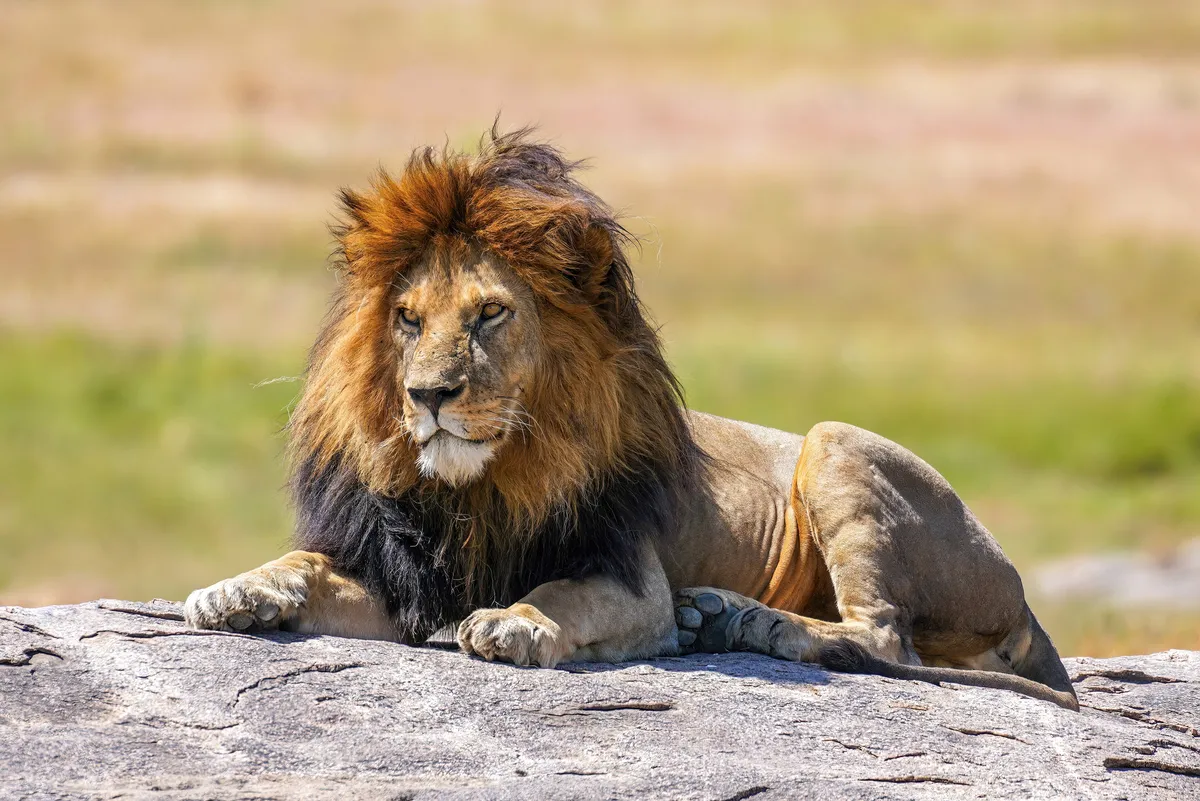
1. African Lion
A male lion’s sweeping mane frames its face, shields its neck in territorial fights, and signals vitality—growing darker and fuller with age.
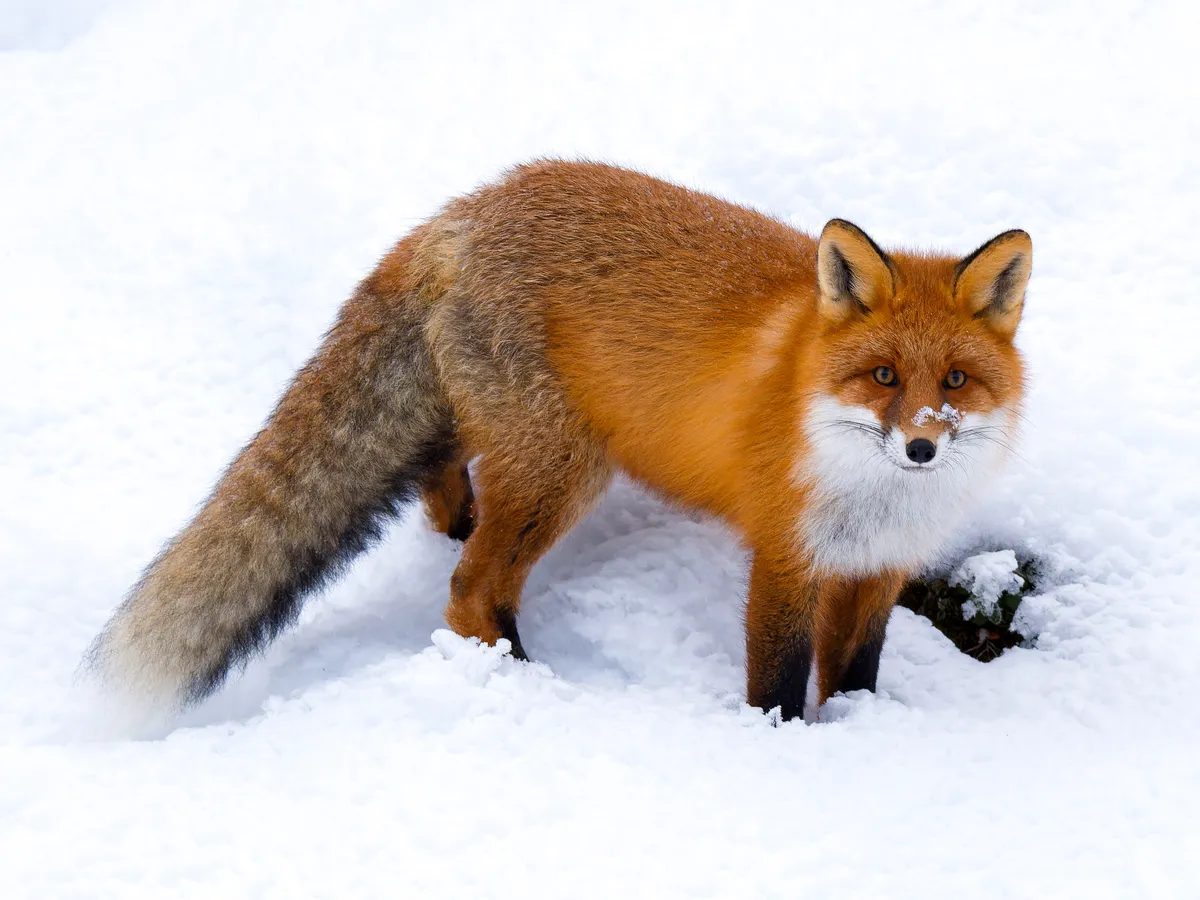
2. Red Fox
Northern red foxes boast plush fiery-orange guard hairs and a thick white-tipped brush tail that wraps around their face like a scarf in winter.
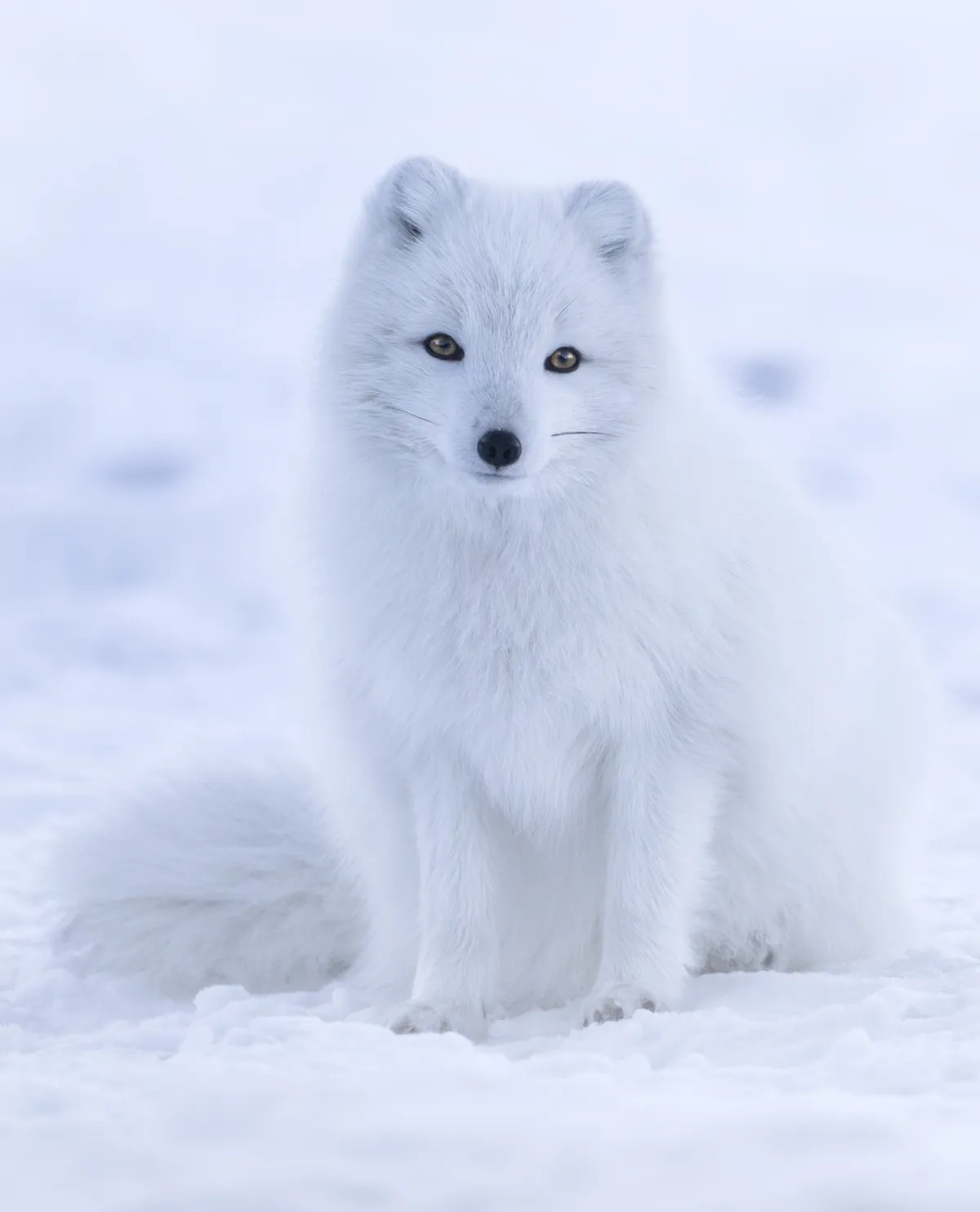
3. Arctic Fox
Insulated by the warmest fur of any Arctic mammal, this fox shifts from earthy summer brown to pristine snow-white each winter.
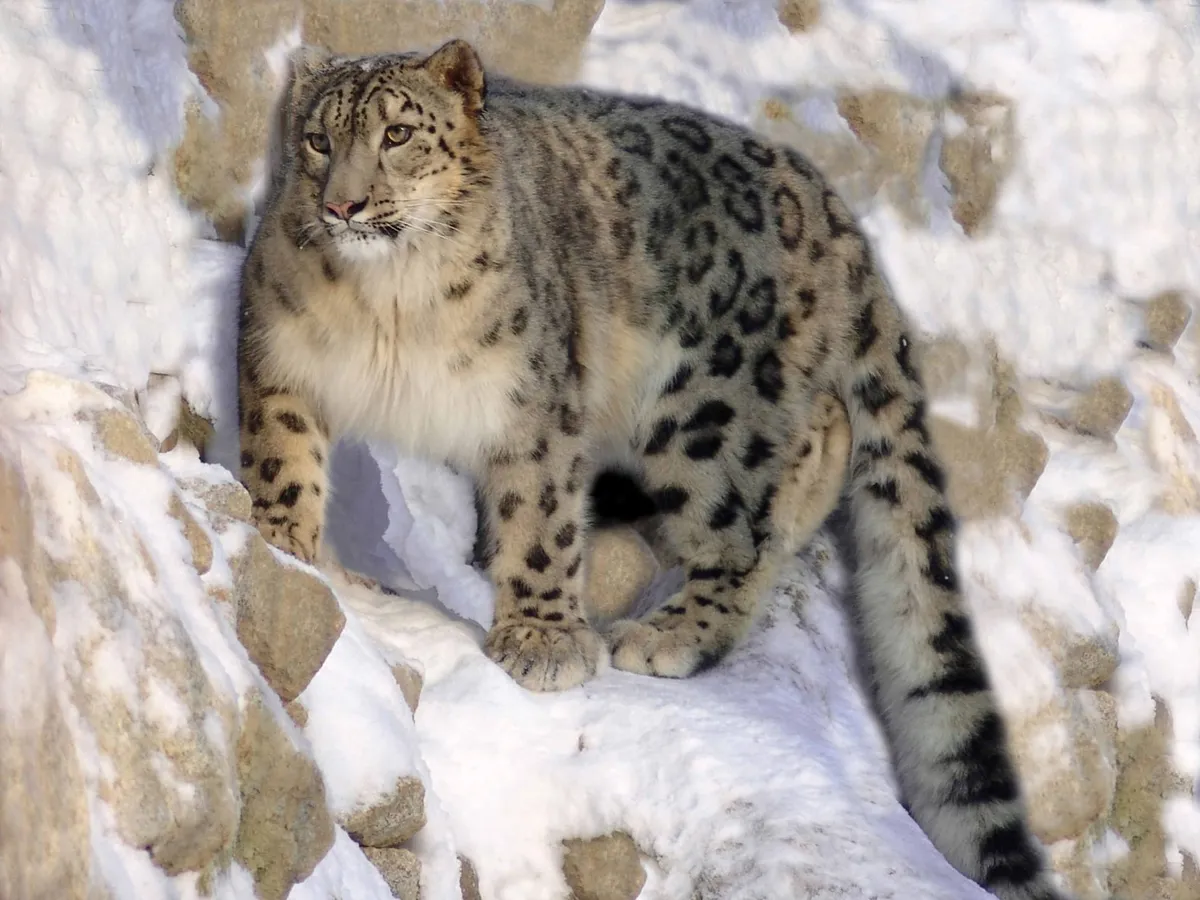
4. Snow Leopard
A smoky-gray, rosette-patterned coat and a meter-long furry tail keep the snow leopard camouflaged and warm across Central Asia’s peaks.
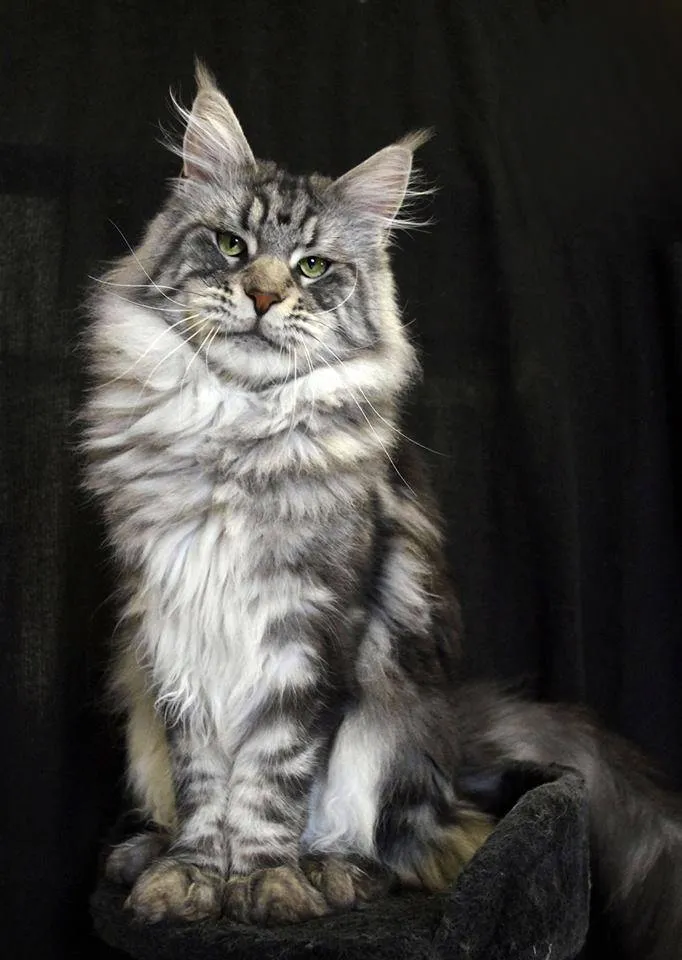
5. Maine Coon Cat
America’s gentle giant among domestic cats wears a shaggy, water-resistant coat, tufted ears, and a dramatic neck ruff.
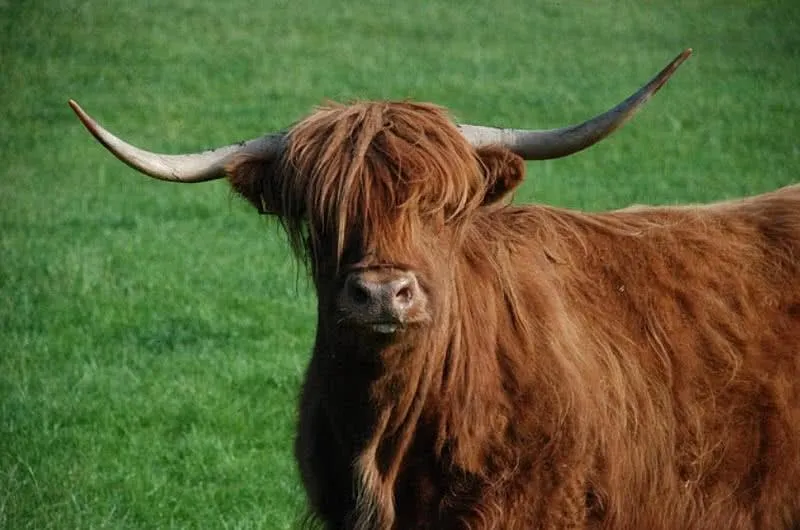
6. Highland Cattle
Long auburn waves spill over the eyes of Scottish Highland cattle, shielding them from biting winds and freezing rain.
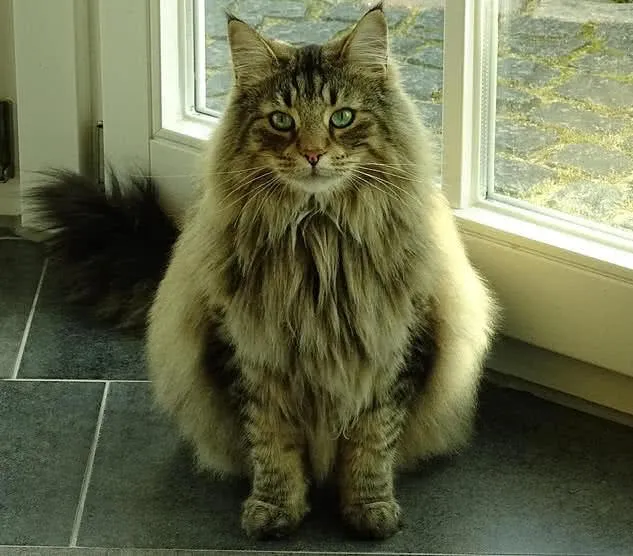
7. Norwegian Forest Cat
Built for Nordic winters, this natural cat breed pairs a dense wooly undercoat with a glossy, water-repellent outer layer.
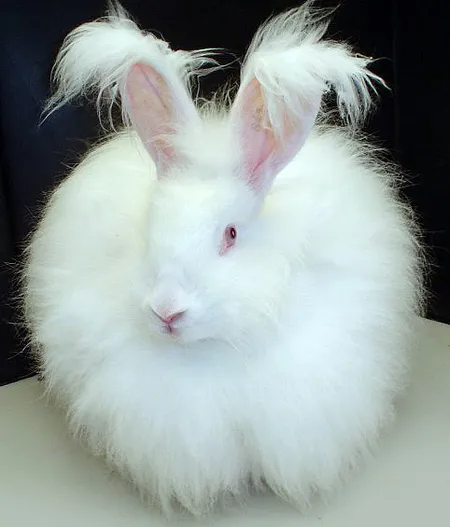
8. Angora Rabbit
Bred for its continuously growing, cloud-like wool, the Angora rabbit produces some of the softest natural fiber in the world.
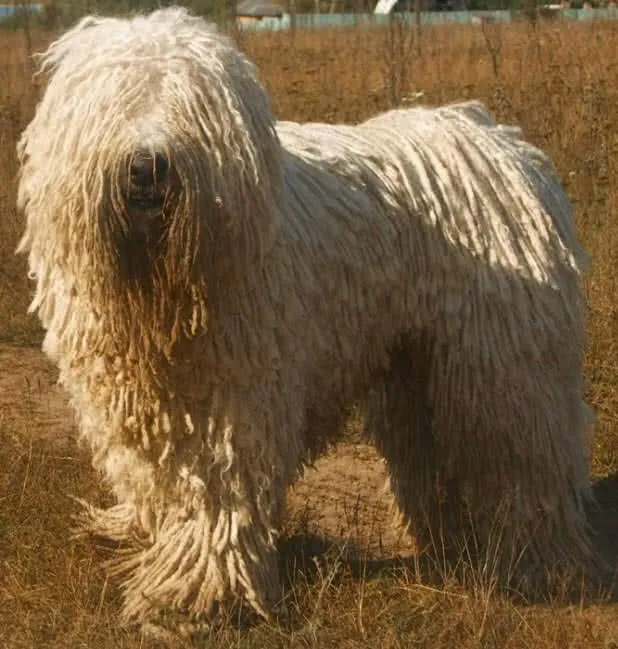
9. Komondor Dog
Hungary’s famous “mop dog” grows heavy white cords that naturally felt into protective dreadlocks against wolves and harsh weather.
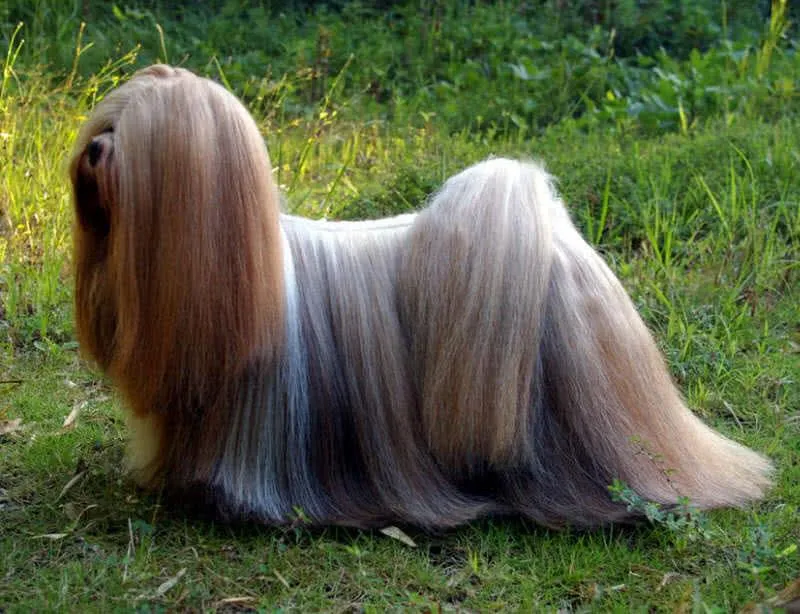
10. Lhasa Apso
Originating as an indoor sentinel in Tibetan monasteries, the Lhasa Apso grows a floor-length, silky coat parted neatly down the spine.
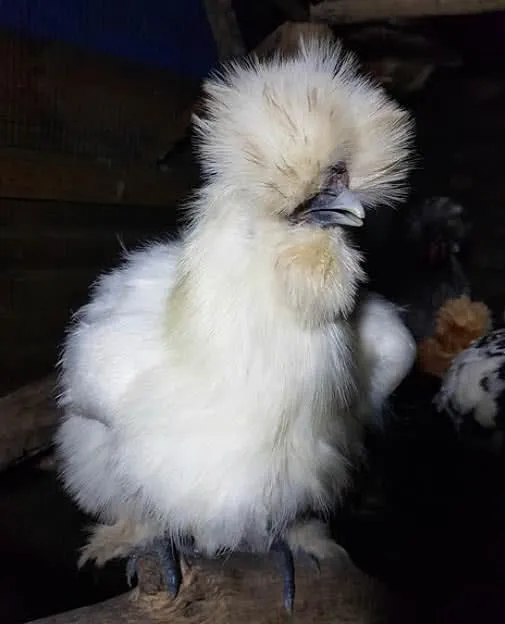
11. Silkie Chicken
Named for plumage that feels like spun silk rather than stiff feathers, the Silkie looks more like a fluffy lapdog than a barnyard bird.
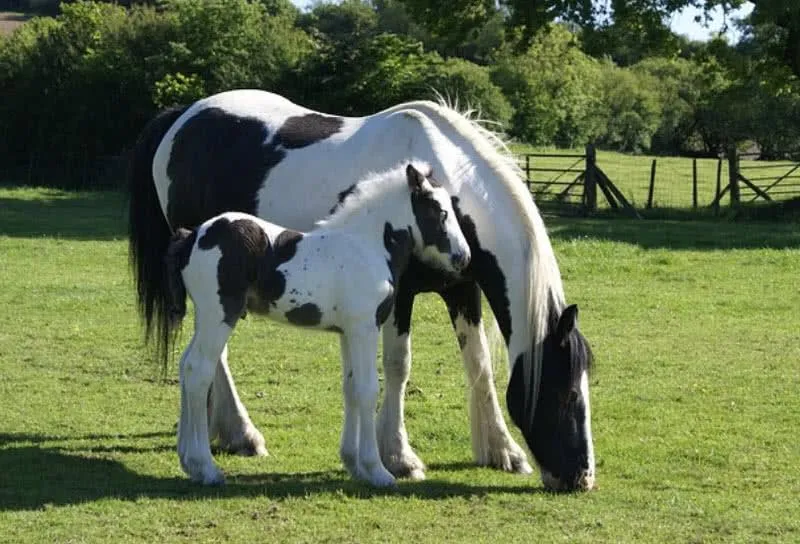
12. Gypsy Horse
Prized for its fairytale silhouette, the Gypsy Vanner sports a cascading mane, sweeping tail, and heavy silky feathering around its hooves.
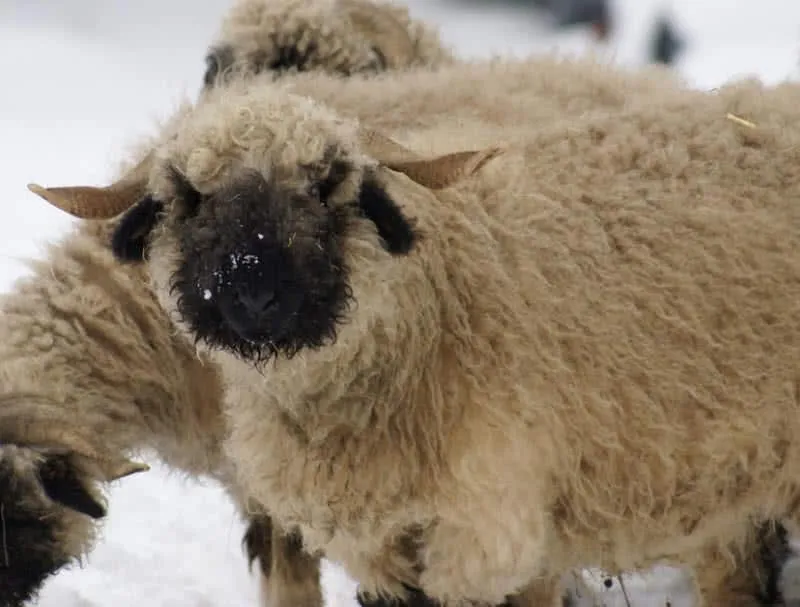
13. Valais Blacknose Sheep
Hailing from Switzerland’s Valais Alps, this charming breed pairs dense curly white wool with jet-black faces, ears, and knees.
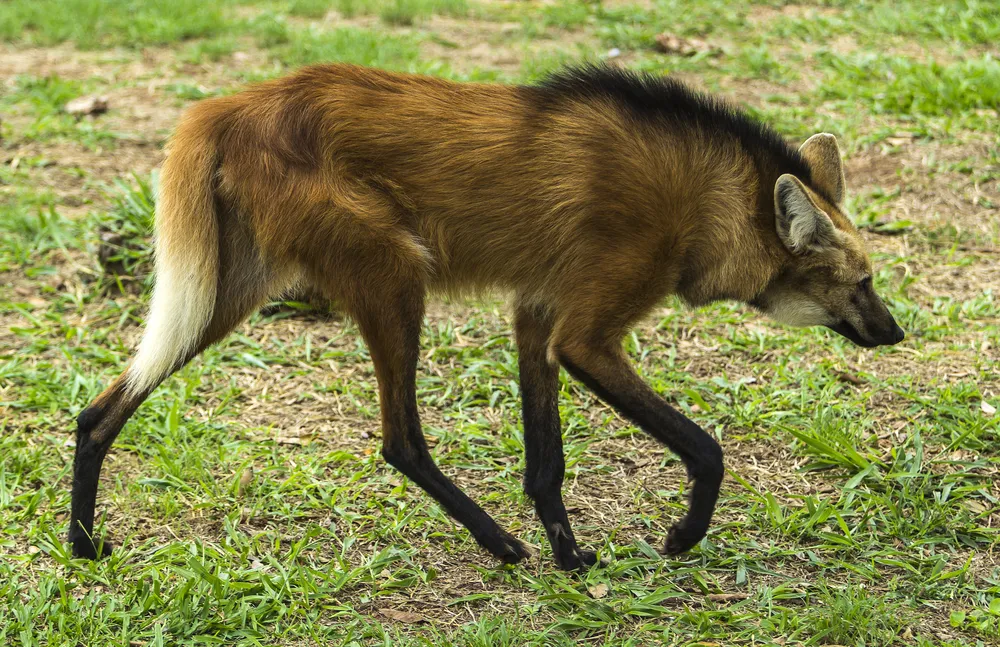
14. Maned Wolf
South America’s tall, stilt-legged canid wears a striking black dorsal mane that bristles upright whenever it feels threatened.
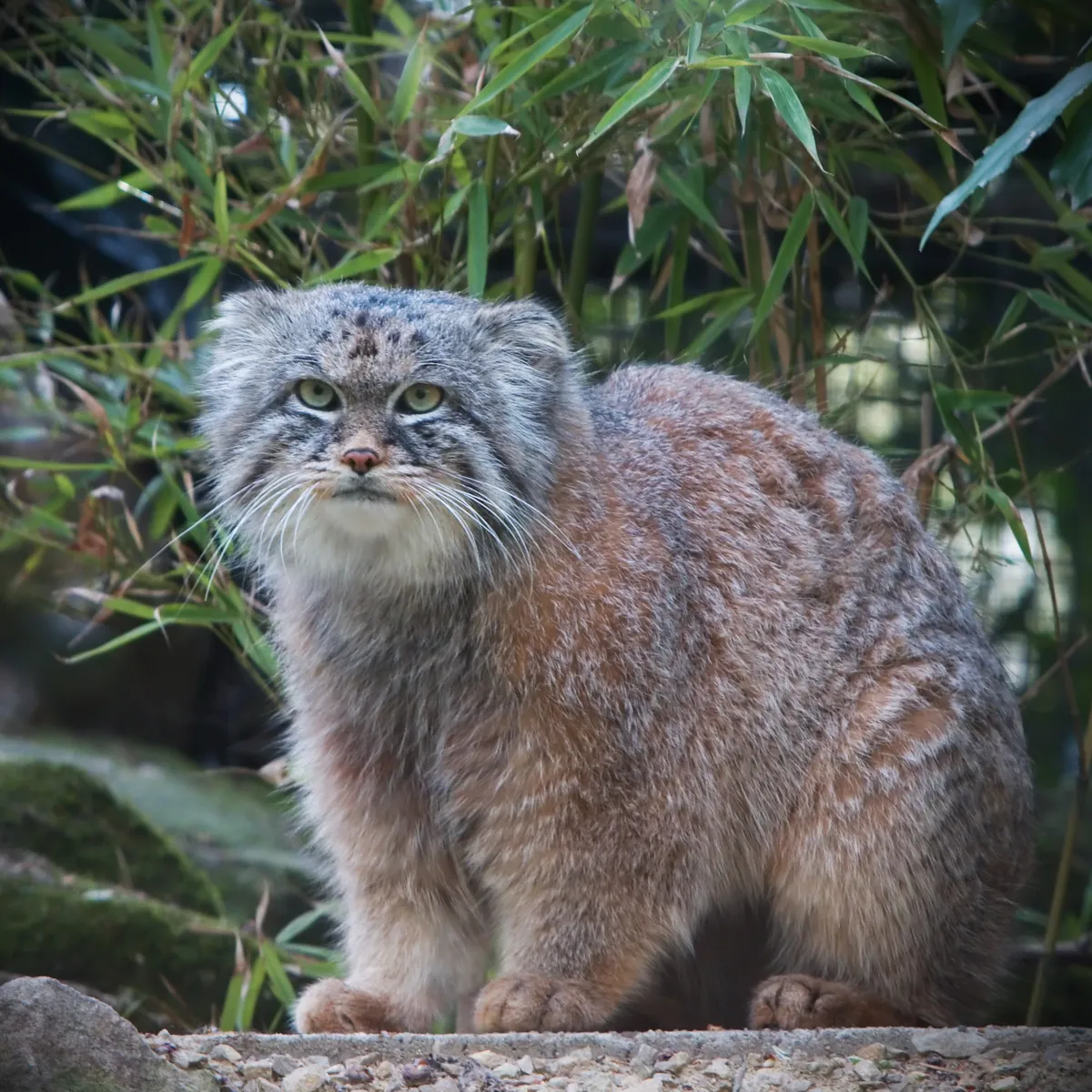
15. Pallas’s Cat
Native to Central Asian steppes, the compact manul possesses the densest fur of any wildcat, giving it an unmistakably plush silhouette.
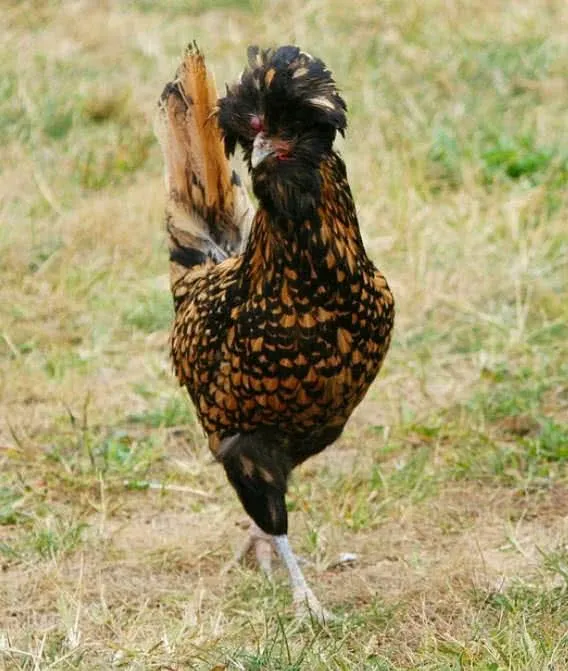
16. Polish Chicken
Crowned with an extravagant pom-pom crest of head feathers, the Polish chicken turns heads in every heritage poultry show.
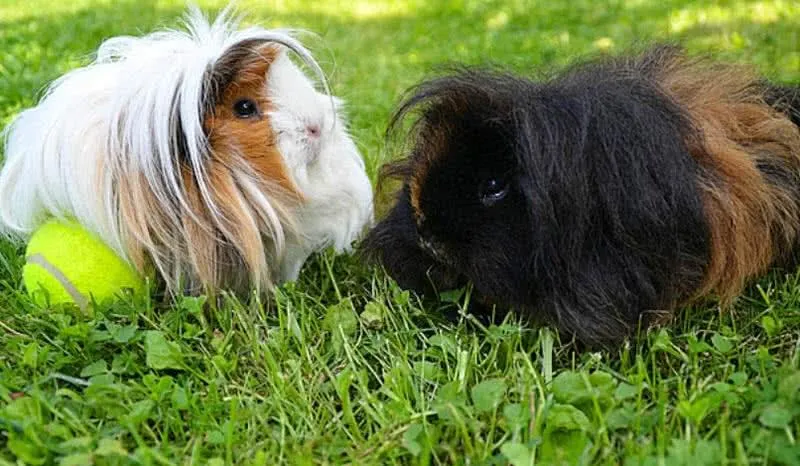
17. Hairy Guinea Pig
Long-haired breeds like the Peruvian and Sheltie guinea pig grow sweeping, silky locks that require regular grooming.
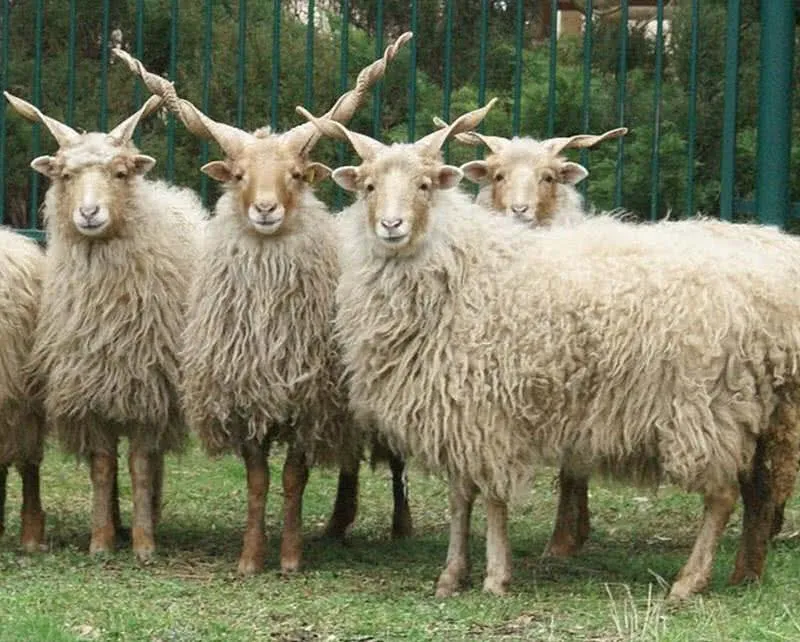
18. Racka Sheep
Both spiral-horned and thick-fleeced, Hungary’s traditional Racka sheep grows long, wavy locks that hang dramatically in winter.
Conclusion
Whether evolved for sub-zero survival or centuries of selective breeding, these 18 coats show nature’s flair for texture and color. Keep exploring with our bird identification quiz.