Natural Phenomena
Northern Lights in Yellowknife
Yellowknife, Northwest Territories, Canada
On now
JFMAMJJASOND
Yellowknife, Northwest Territories, Canada
On now
JFMAMJJASOND
Burketown, Queensland, Australia
Peak: Late September to early November
JFMAMJJASOND
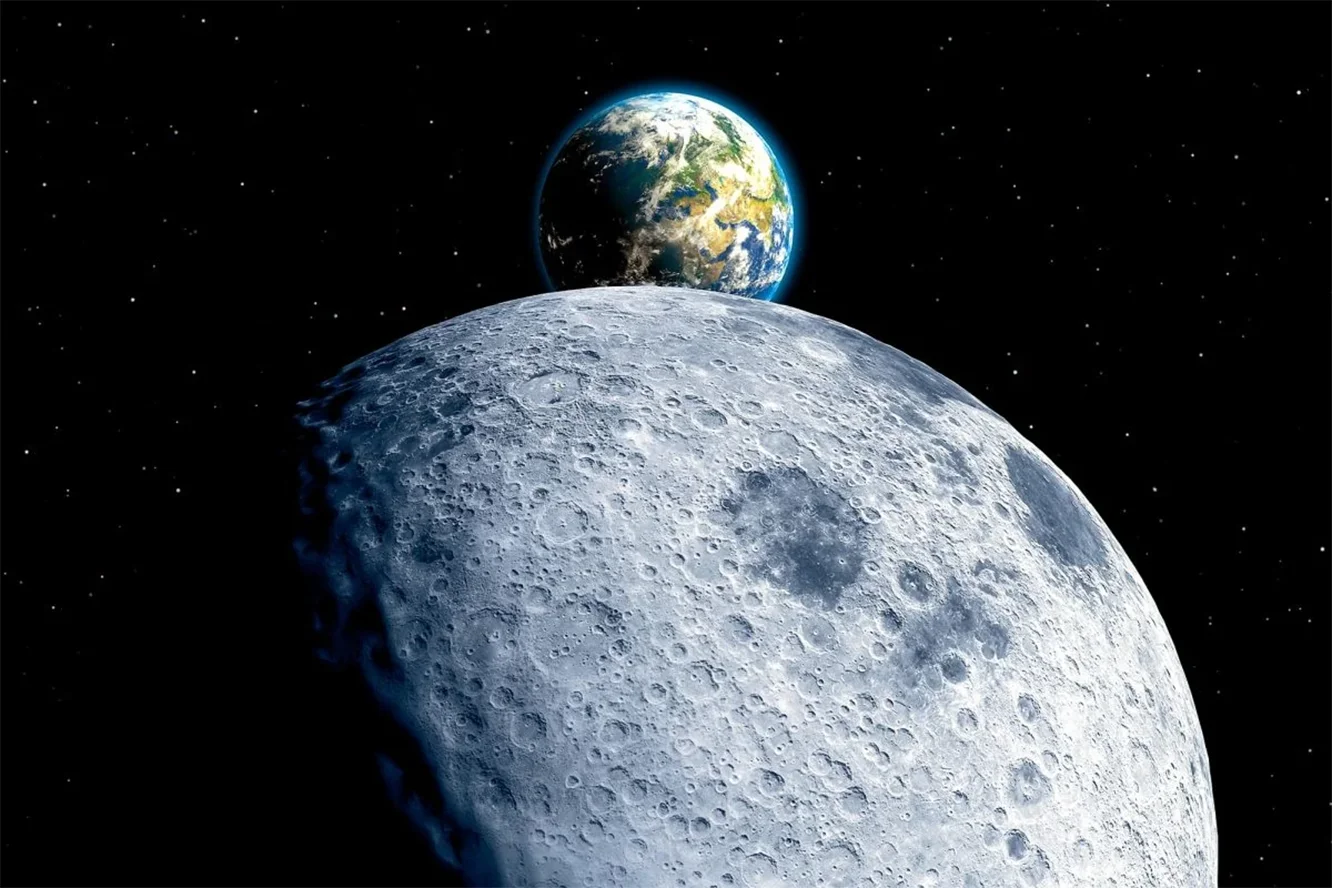
Scientists analyzing lunar soil returned by China’s Chang’e-6 probe have discovered an exotic form of metallic iron trapped in impact glass, offering groundbreaking clues into the Moon’s ancient magnetic history.
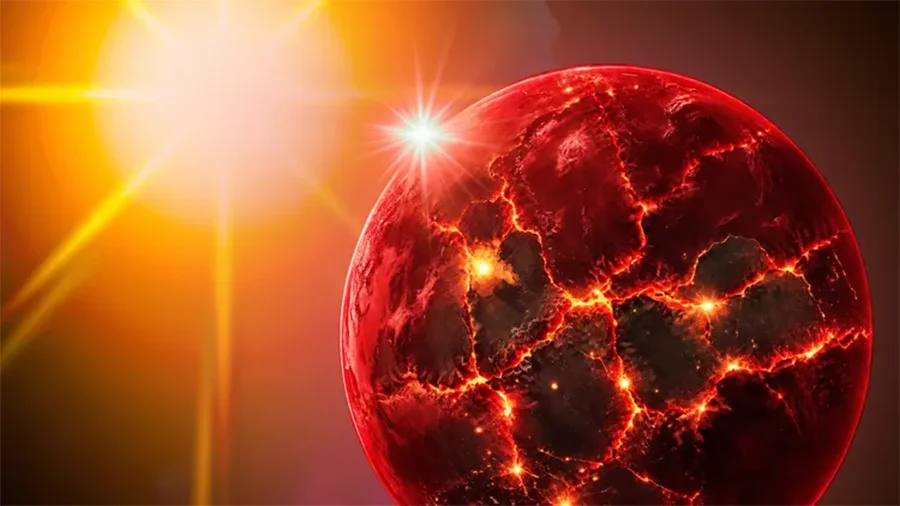
Located 280 light-years away, super-Earth TOI-561 b orbits its star in just 11 hours with surface temperatures surpassing 1,800°C. New James Webb Space Telescope observations suggest this extreme lava world might still hold an atmosphere.
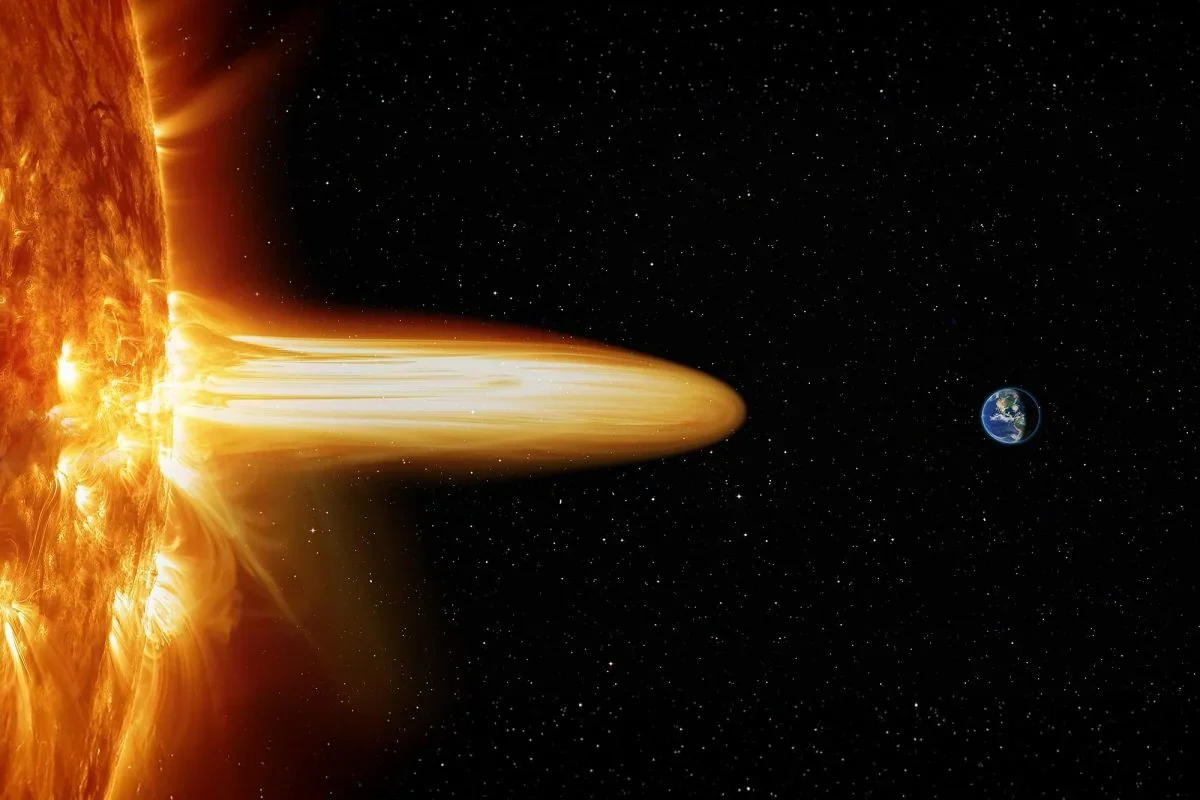
A powerful coronal mass ejection from the Sun underwent unprecedented super-expansion while racing toward Earth, swelling by 21% and tripling in temperature, challenging existing space weather forecasting models.
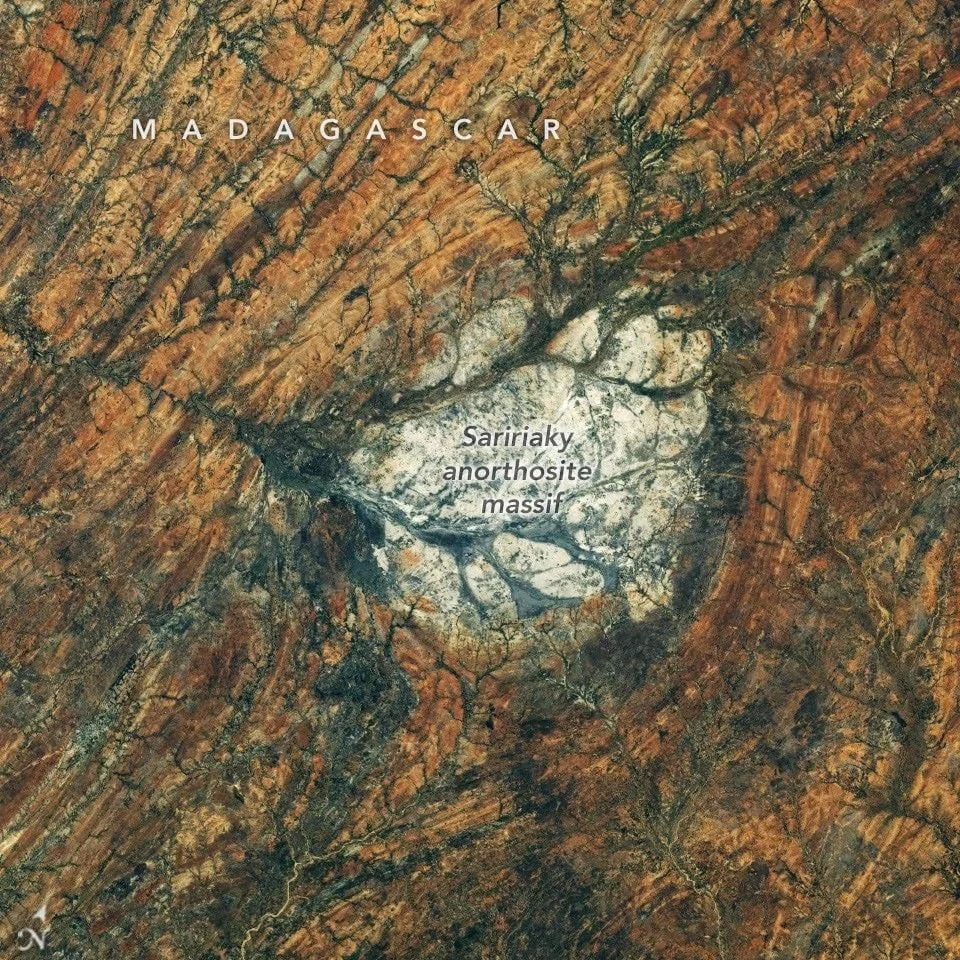
An astronaut aboard the International Space Station captured an extraordinary geologic formation in southern Madagascar composed of anorthosite—the exact ancient rock that forms the luminous lunar highlands.
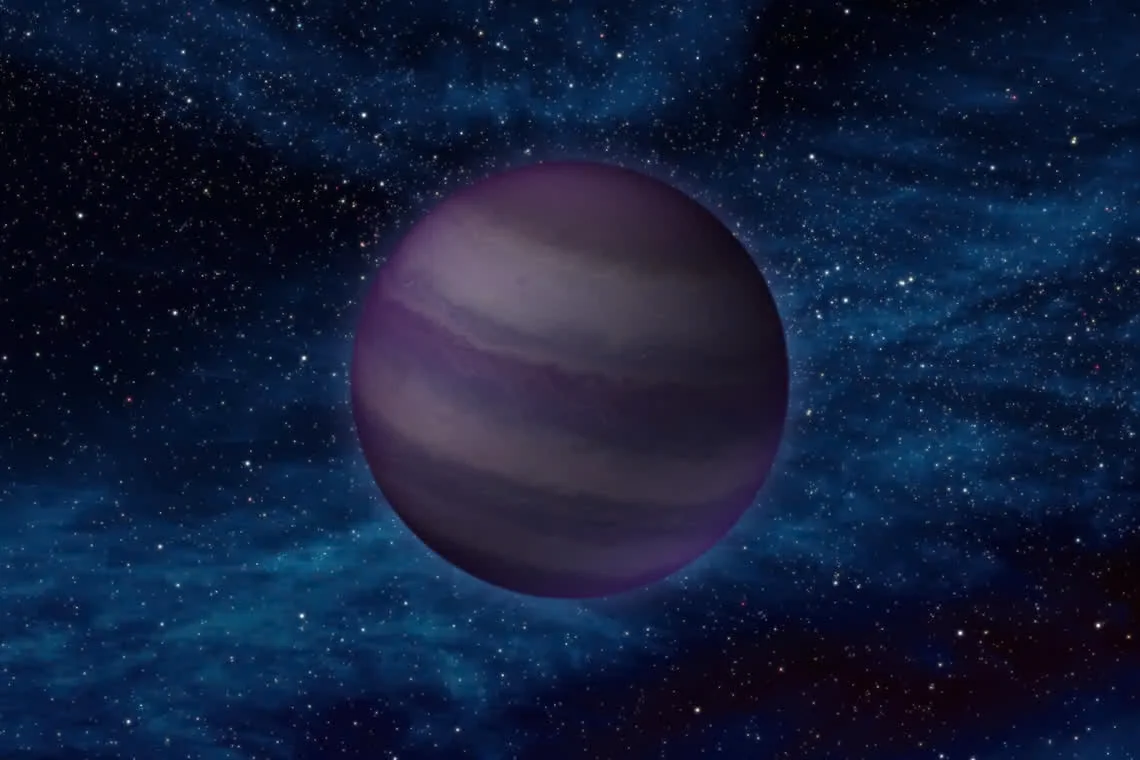
Using the James Webb Space Telescope, astronomers have observed dynamic water-ice clouds thickening and thinning across the frigid atmosphere of WISE 0855, a Jupiter-sized brown dwarf wandering alone 7.5 light-years away.
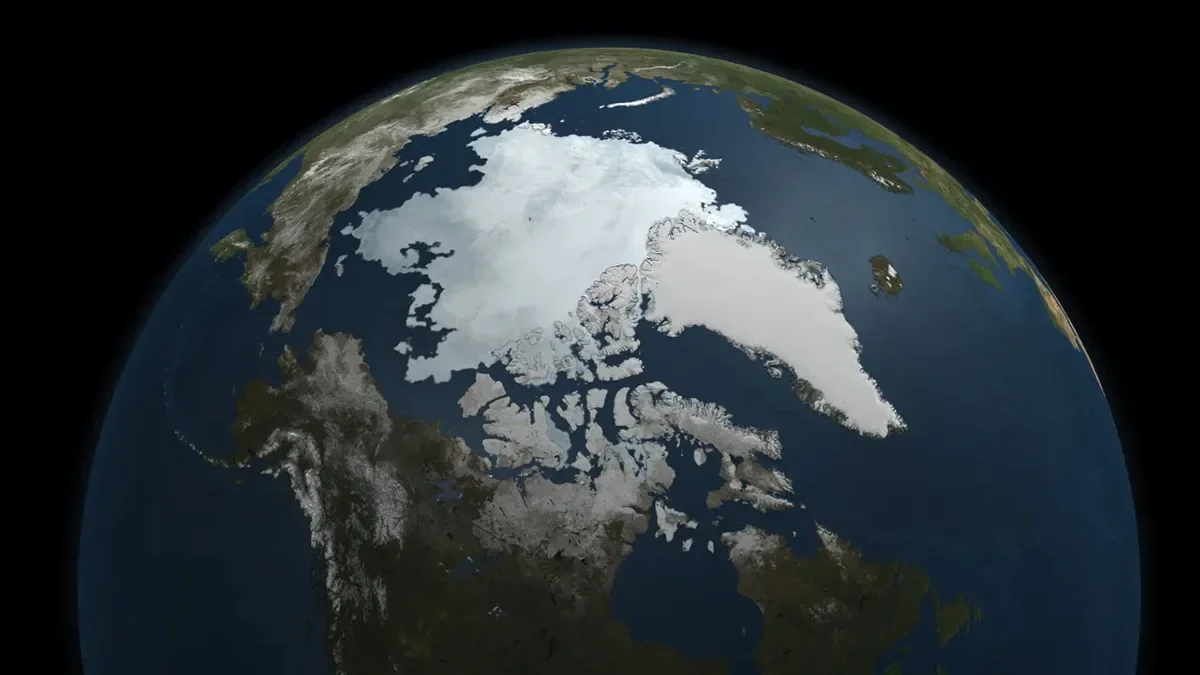
Melting polar glaciers and massive groundwater depletion are shifting billions of tons of water toward the equator, measurably slowing Earth’s daily spin and lengthening the duration of each day.
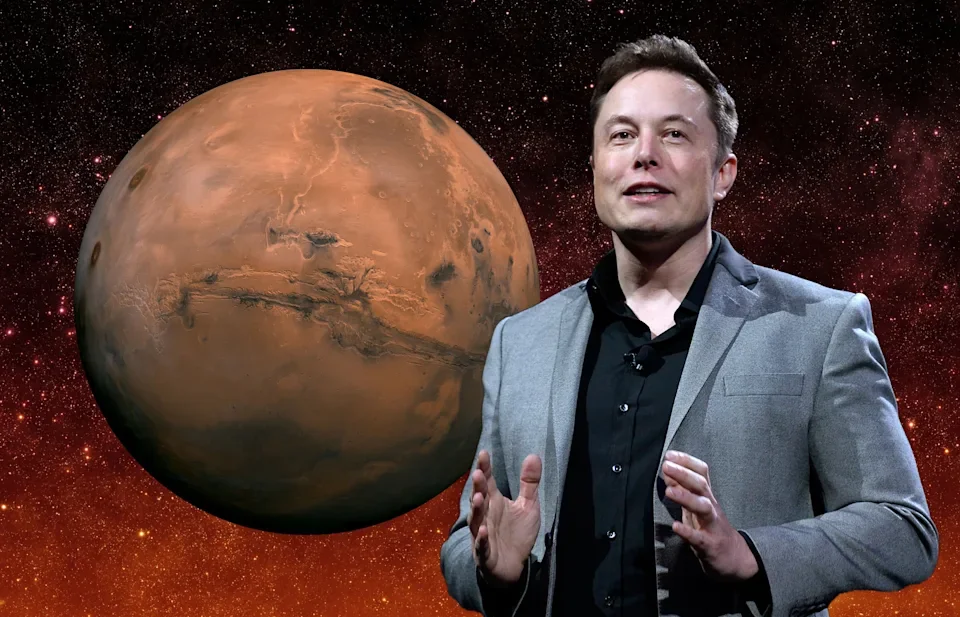
While SpaceX aims to establish permanent human cities on the Red Planet, planetary scientists and astronomers caution that cosmic radiation, absent magnetic shielding, and scarce volatile reserves pose nearly insurmountable obstacles to terraforming Mars.
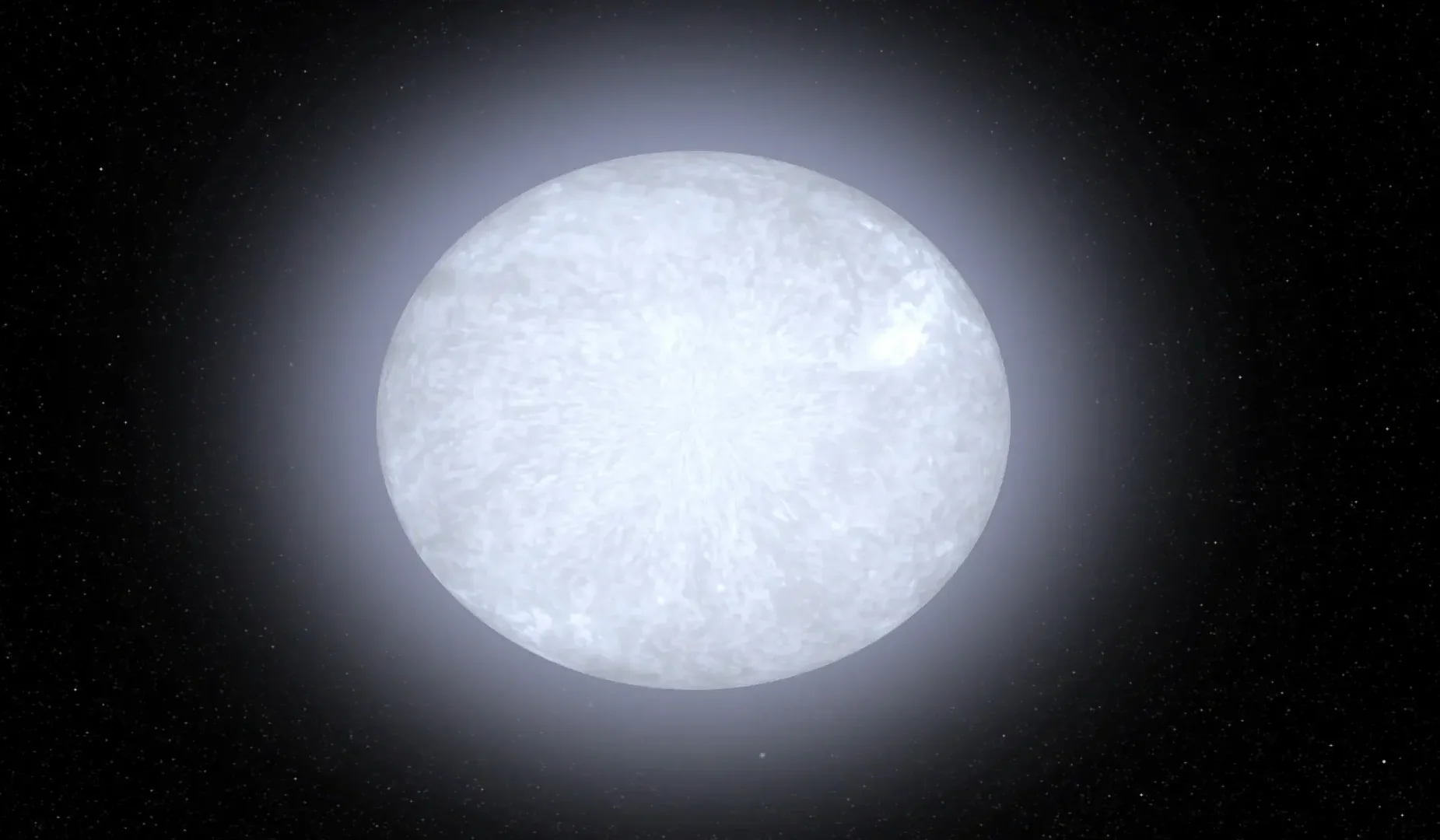
A colossal exoplanet candidate six times more massive than Jupiter has been identified orbiting within the habitable zone of HD 156295, the hottest host star candidate ever discovered.
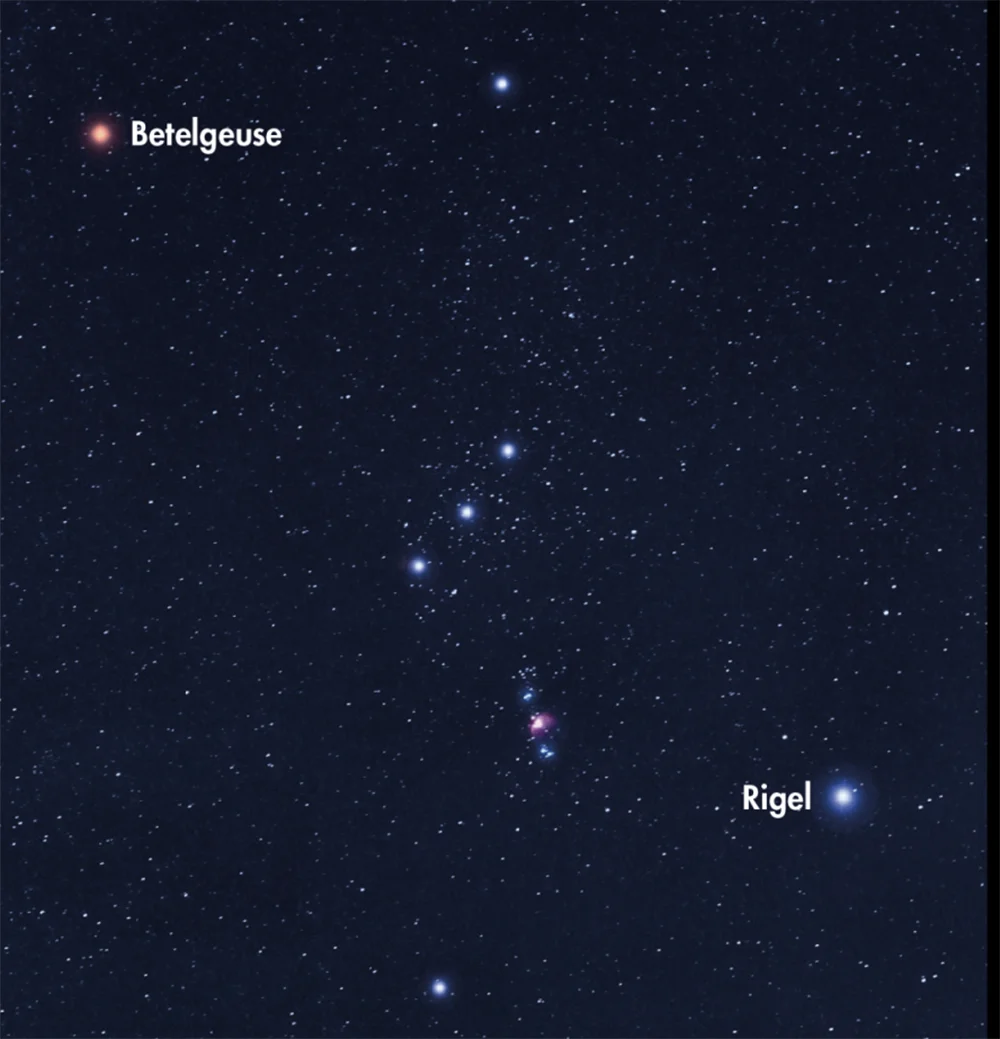
Red supergiant Betelgeuse in the constellation Orion is approaching the explosive end of its stellar lifecycle. Astrophysics calculations reveal what will happen when it detonates and whether Earth is safe.
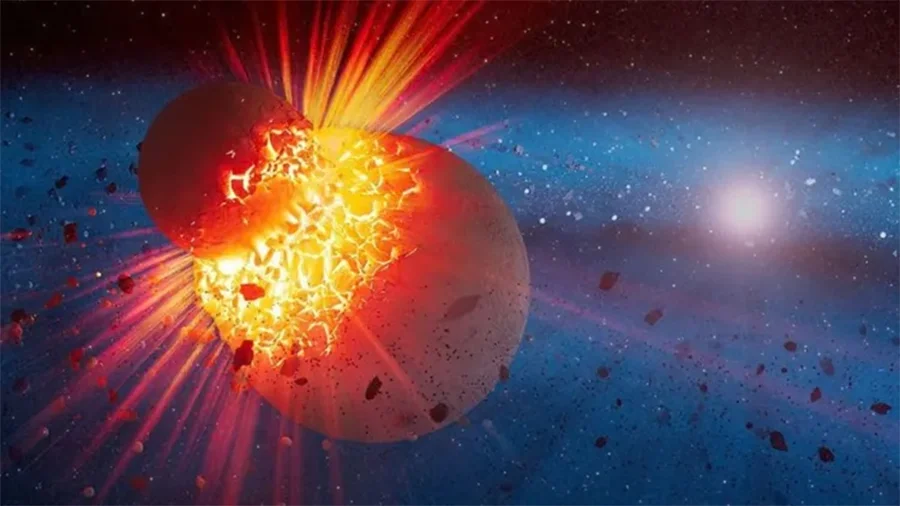
Spectacular new infrared observations from the James Webb Space Telescope have revealed catastrophic planetary smashups in distant young star systems, providing real-time analogs for the collision that created Earth’s Moon.
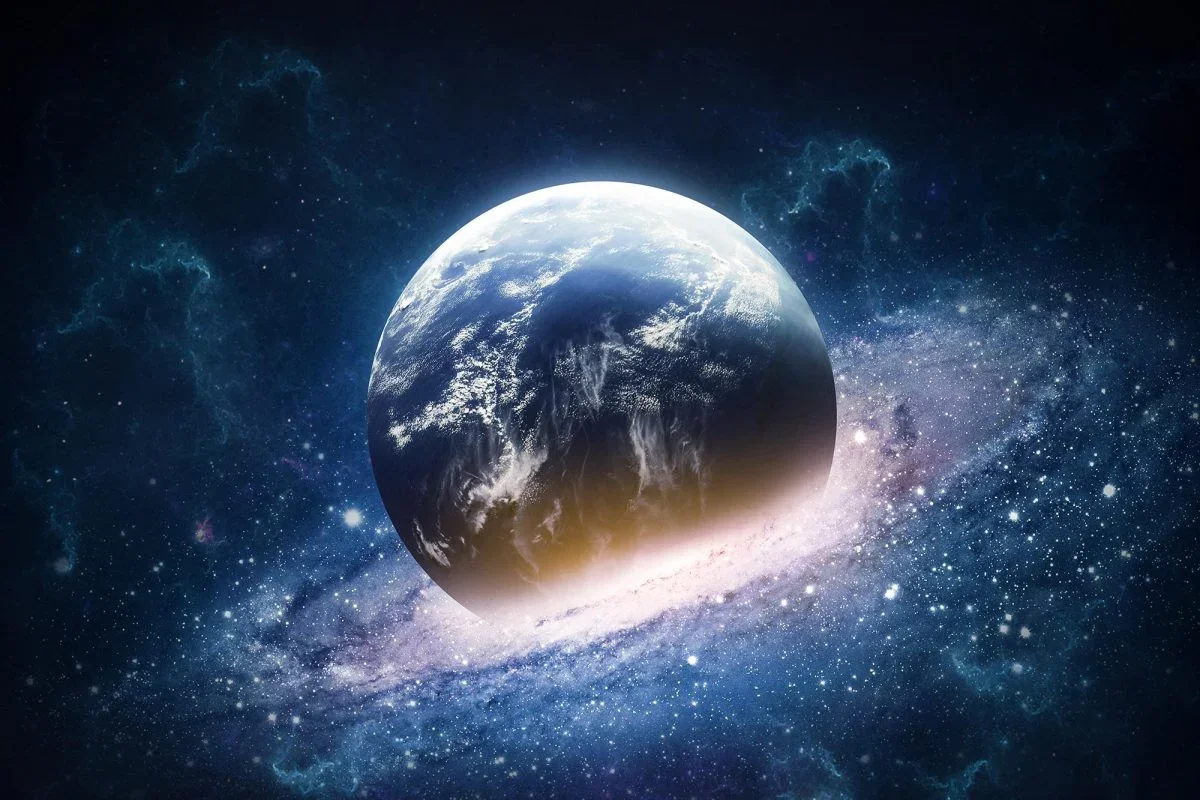
Formed from the same primordial cloud 4.5 billion years ago, Earth and Mars started as warm, water-rich siblings. New geochemical findings explain how magnetic collapse and planetary size sealed their diverging fates.
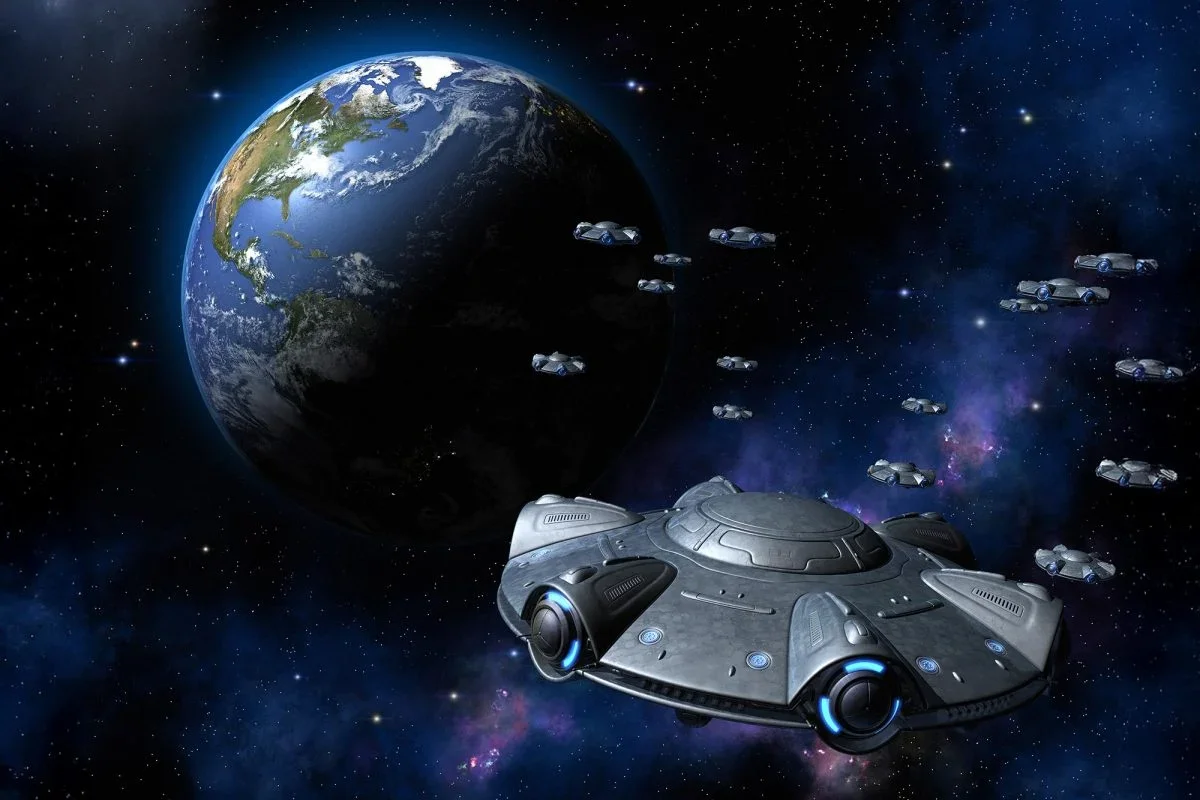
The Milky Way teems with habitable-zone planets billions of years older than Earth. Astrobiologists suggest that while microbial life may be widespread, the leap to complex intelligent civilizations represents a profound cosmic bottleneck.
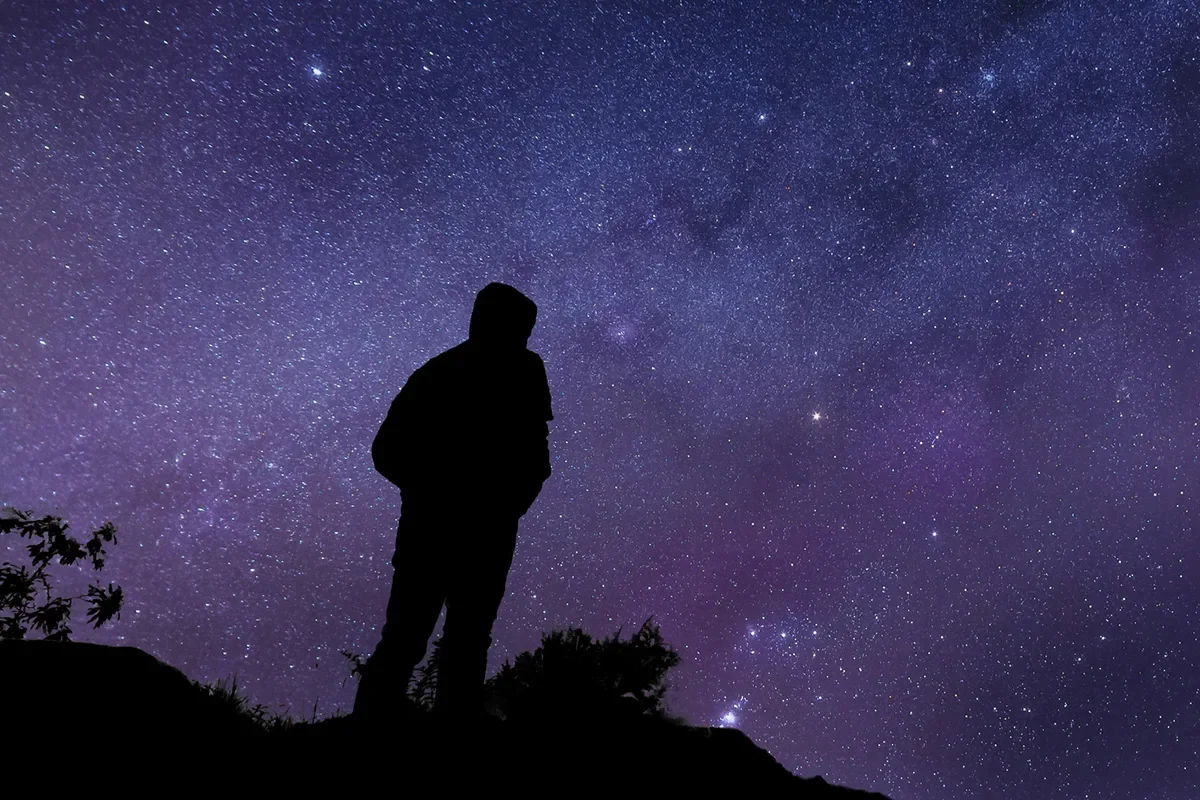
If the cosmos contains hundreds of billions of galaxies blazing with trillions of stars, why doesn’t the night sky glow with blinding brilliance? Modern astrophysics reveals how cosmic age and the expansion of space solve this ancient riddle.
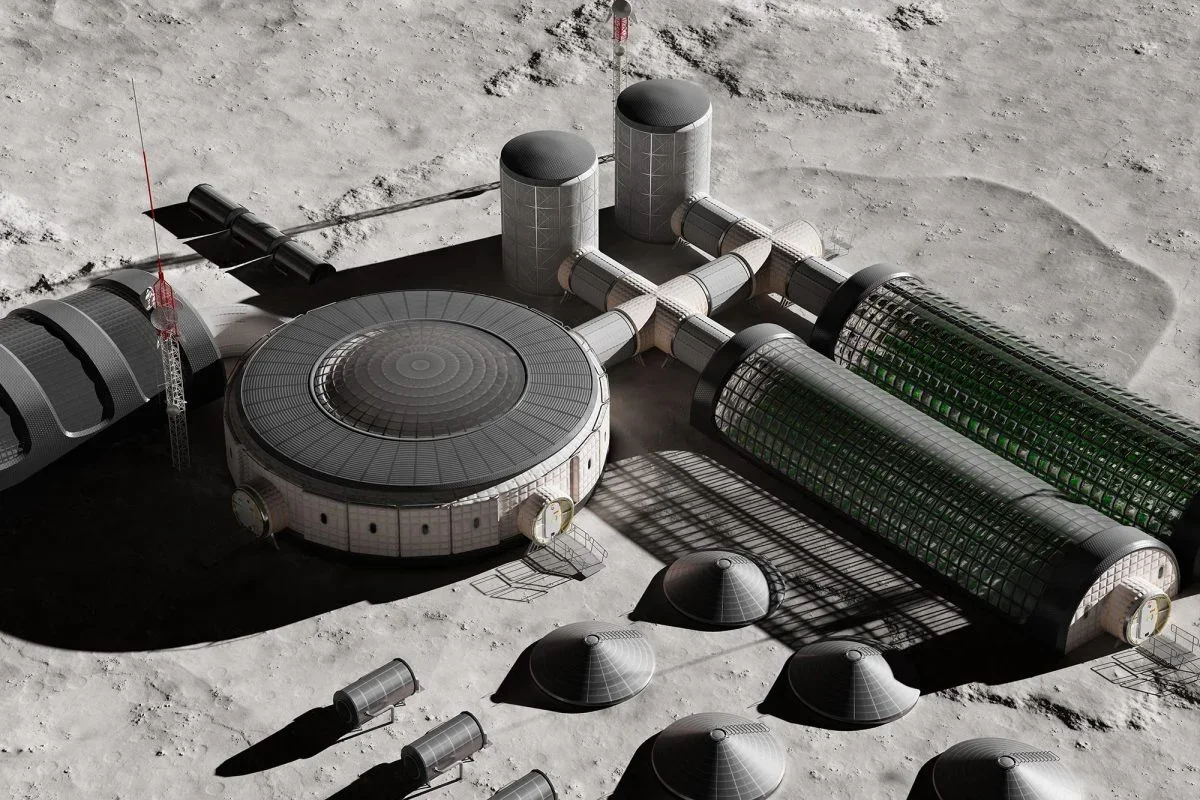
Beneath the Moon’s harsh, radiation-battered surface lies a subterranean frontier: massive volcanic lava tubes and vast deposits of subsurface water ice that could transform lunar bases into permanent human settlements.
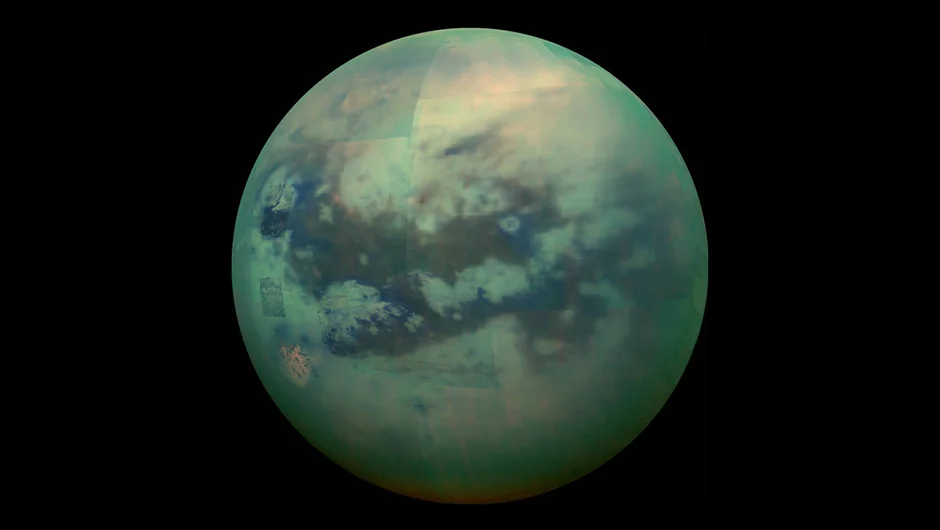
Saturn’s giant moon Titan is the only celestial body besides Earth known to possess liquid lakes and seas. Yet radar observations reveal an eerie phenomenon: its vast liquid methane oceans are as smooth as glass, with almost no waves.
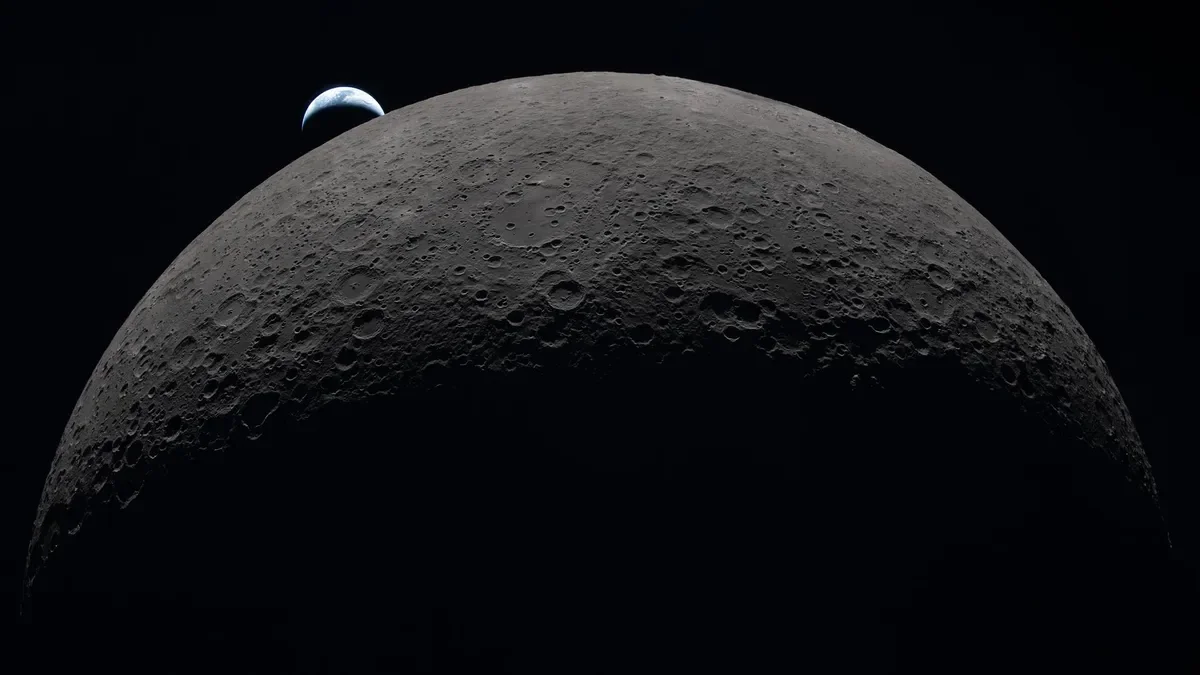
With no atmospheric erosion, plate tectonics, or liquid water to wash away debris, the Moon preserves geological history for billions of years. Astrophysicists propose searching the lunar surface for extraterrestrial technosignatures.
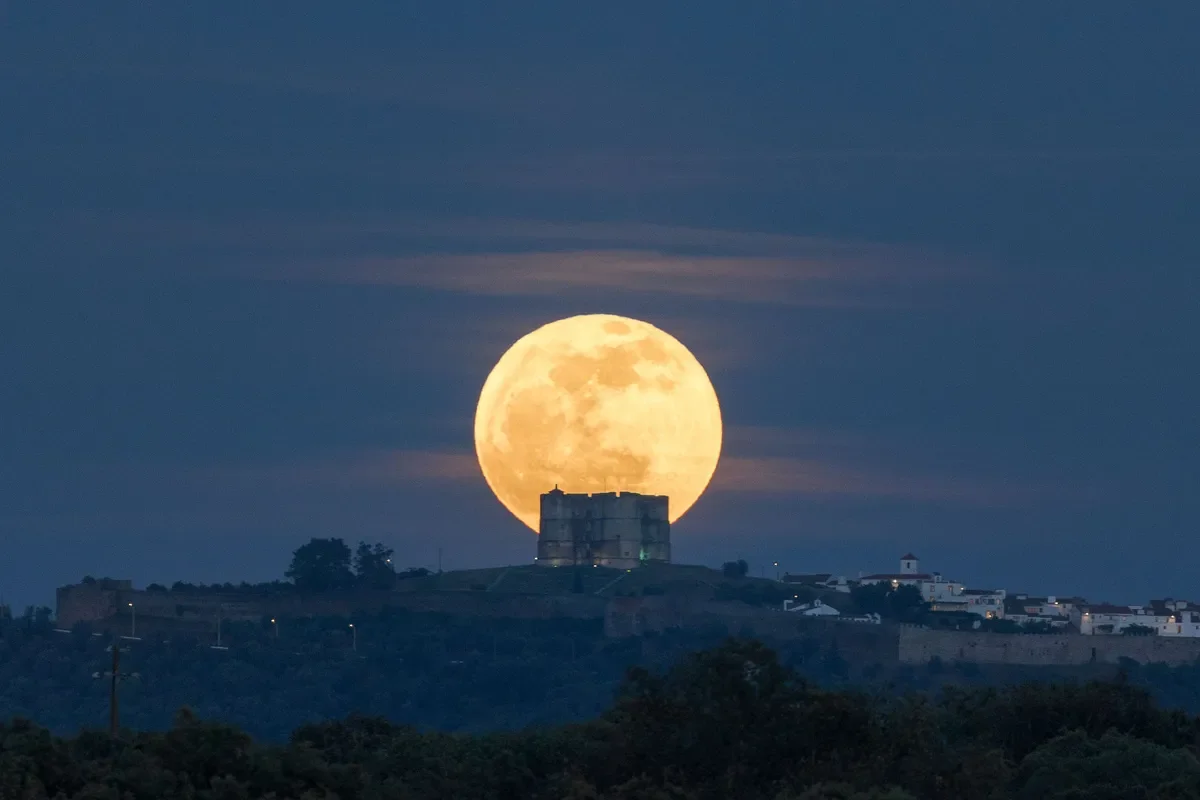
For billions of years, humanity looked up at the exact same side of the Moon. Celestial mechanics explains how gravitational tidal friction synchronized the Moon’s rotation with its orbit.
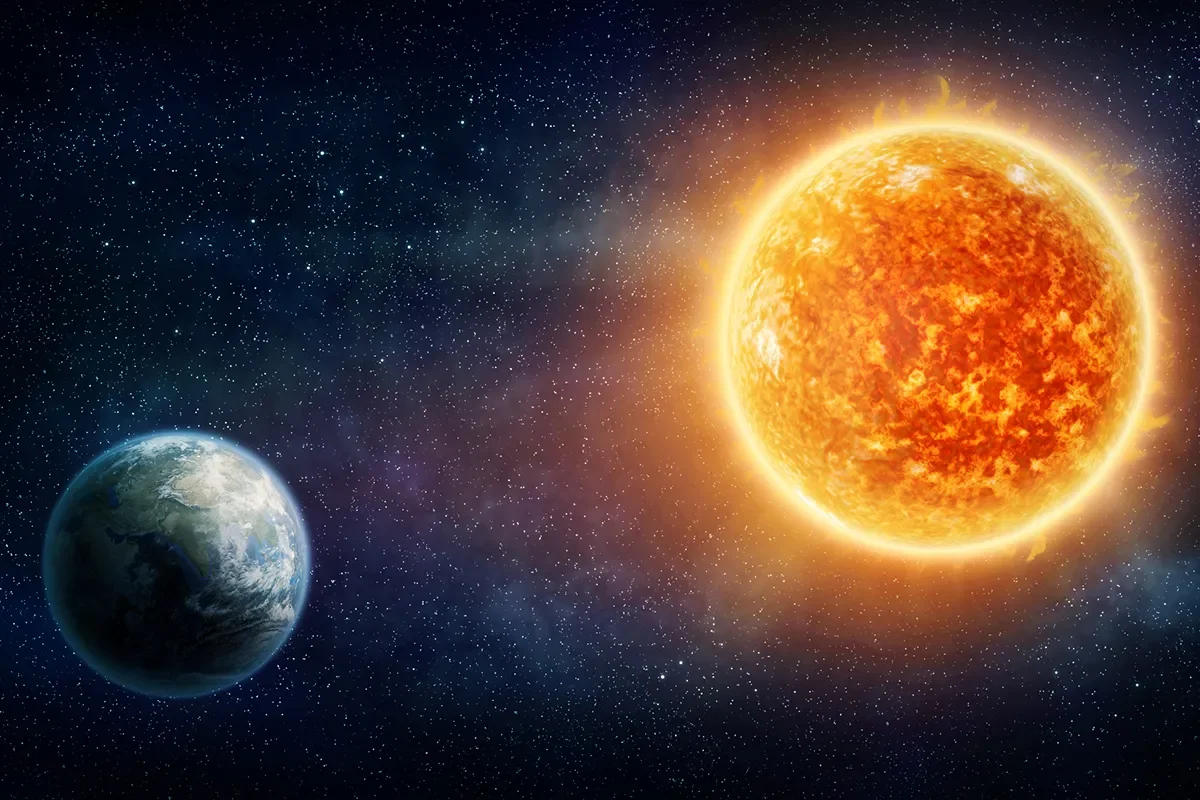
The Sun unleashes unfathomable thermonuclear heat across the Solar System, warming Earth’s surface to a pleasant average of 15°C. Yet the outer space through which that sunlight travels hovers near absolute zero. Thermal physics explains why.
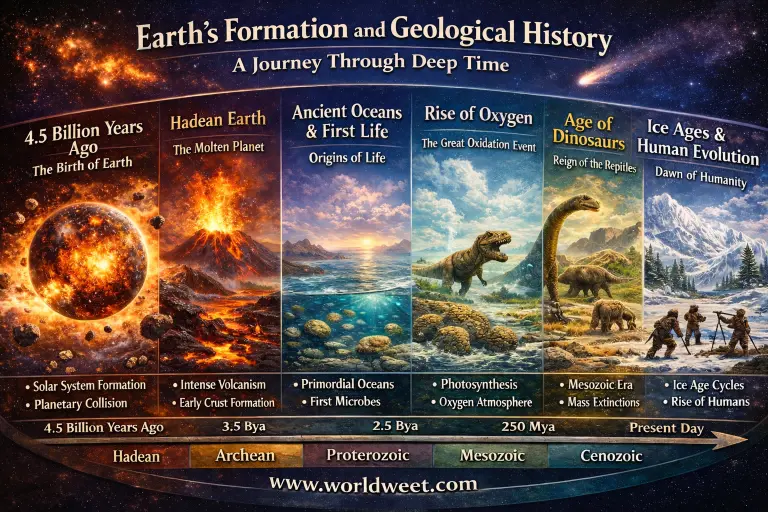
Earth is approximately 4.54 billion years old, yet modern humans have existed for only a tiny fraction of that time. Over billions of years, our planet has transformed from a molten, lifeless sphere into a world filled with oceans, continents, complex ecosystems, and intelligent life. To understand this immense story, scientists divide Earth’s past into … Read more
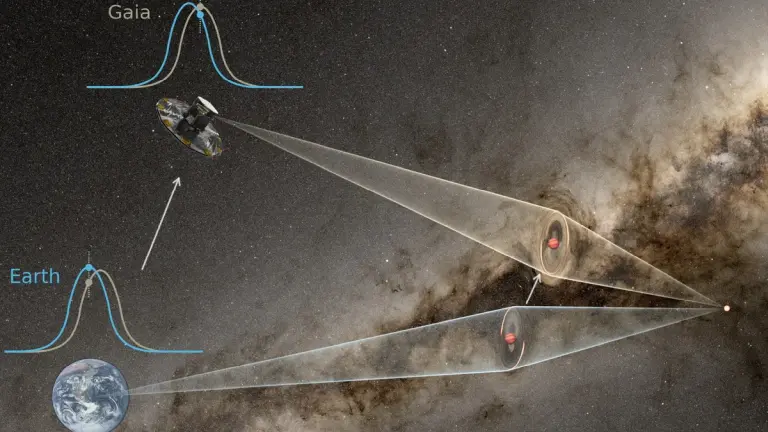
Astronomers have reported what appears to be the first rogue (free-floating) planet with both its distance and mass pinned down directly—a major step forward for studying these elusive worlds. The object is roughly Saturn-mass and lies about 9,950 light-years from Earth, in the direction of the Milky Way’s central bulge. What is a “rogue” or … Read more

In the beliefs of many ancient kingdoms, the arrival of a new year was closely connected to agriculture and natural phenomena rather than a fixed calendar date. Seasonal changes, harvest cycles, and cosmic events often determined when a new year truly began. In the modern world, January 1 is widely recognized as a time for … Read more
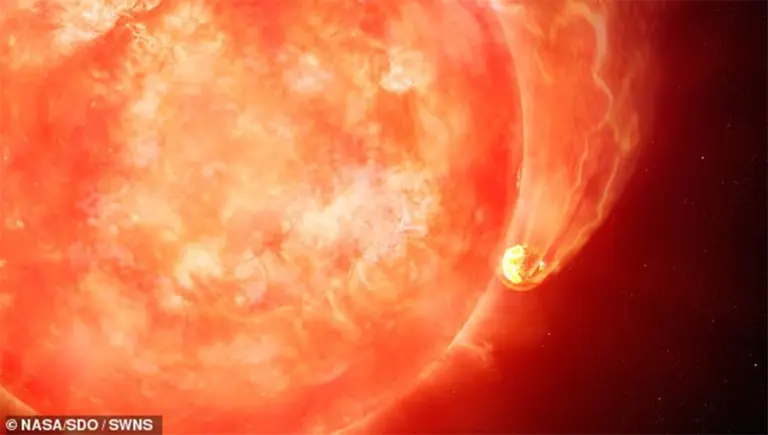
Earth is likely to face a grim ending: it may be swallowed by the Sun, or ripped into pieces—an outlook scientists say is plausible, though it lies in the extremely distant future. According to a new study by astronomers from University College London and the University of Warwick (UK), in roughly 5 billion years, the … Read more
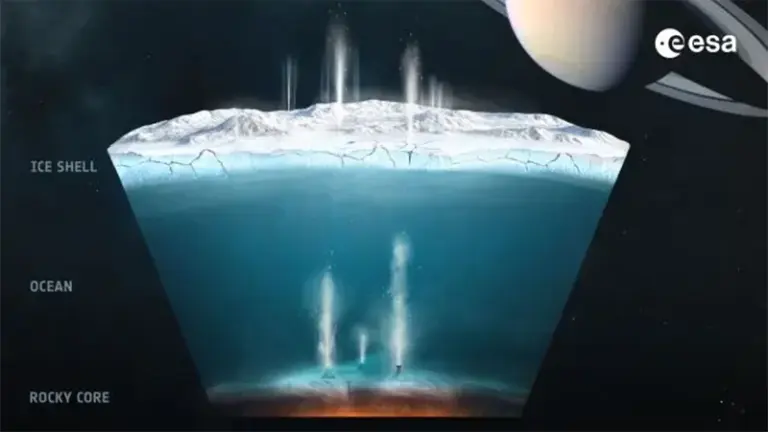
A fresh wave of optimism about extraterrestrial life is emerging from an icy ocean world orbiting Saturn. A major milestone in the search for life beyond Earth has just been reported. In a study published in Nature Astronomy, scientists present new evidence suggesting that Enceladus—Saturn’s frozen moon—could potentially support life beneath its thick ice shell. … Read more
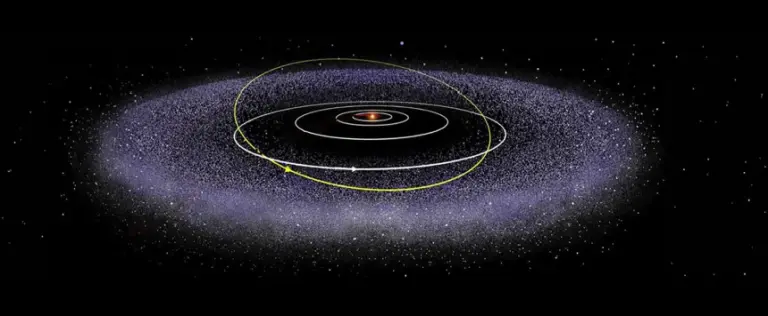
A yet-unseen planet may be lurking in our Solar System—quietly orbiting the Sun in the deep, frigid darkness far beyond Neptune. In a new study, researchers propose a fresh candidate they’ve nicknamed “Planet Y.” Unlike a typical discovery confirmed by telescope images, Planet Y is inferred from an odd pattern: the unusual tilted orbits of … Read more