Imagine stepping into a town where engine noise disappears, replaced by footsteps, bicycle bells, canal boats, or horse-drawn carriages. Around the world, geography and local conservation laws have preserved remarkable car-free communities.
We expanded an original list of ten destinations with six more celebrated vehicle-free towns and islands, ranking all 16 from #1 (most famous) to #16. If you enjoy classic European cityscapes, you may also like exploring Paris.
How These 16 Entries Are Ranked
This list is ordered from #1 (most popular and widely recognized) down to #16, combining global recognition, visitor or cultural reach, and distinctive traits.
| Rank | Name |
|---|---|
| 1 | Venice, Italy |
| 2 | Zermatt, Switzerland |
| 3 | Giethoorn, Netherlands |
| 4 | Mackinac Island, Michigan, USA |
| 5 | Rottnest Island, Australia |
| 6 | Hydra Island, Greece |
| 7 | Gili Trawangan, Indonesia |
| 8 | Civita di Bagnoregio, Italy |
| 9 | Fes el-Bali, Morocco |
| 10 | Fire Island, New York, USA |
| 11 | Spetses, Greece |
| 12 | Sark, Channel Islands |
| 13 | Lamu Island, Kenya |
| 14 | Halibut Cove, Alaska, USA |
| 15 | Paquetá Island, Brazil |
| 16 | La Cumbrecita, Argentina |
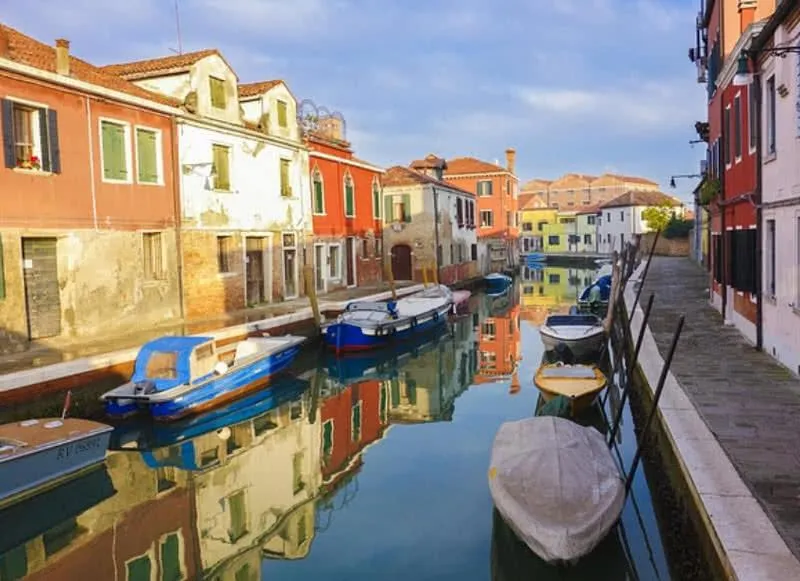
1. Venice, Italy
Built across more than 100 islands linked by over 400 bridges, Venice replaces roads with winding canals, gondolas, and waterbuses.
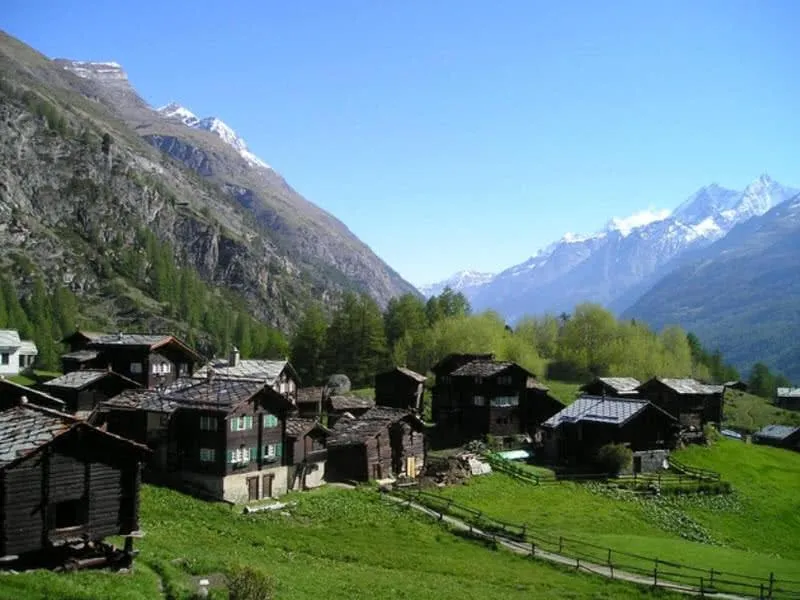
2. Zermatt, Switzerland
Sitting beneath the Matterhorn, this alpine resort banned combustion cars in 1961—accessible only by electric train, horse carriage, or small electric shuttles.
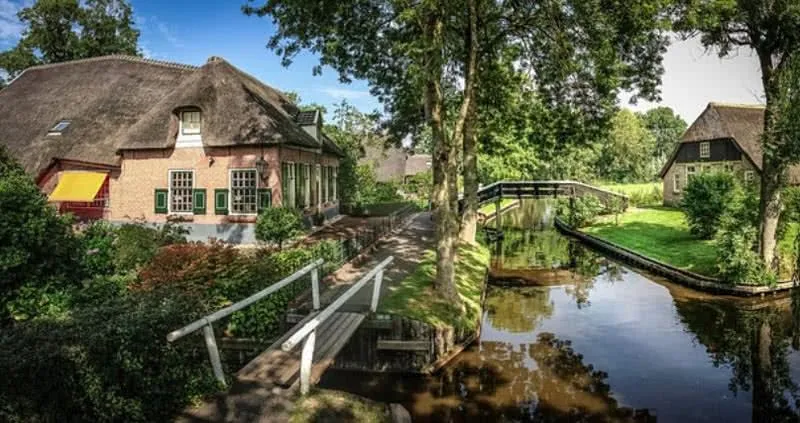
3. Giethoorn, Netherlands
Dubbed the “Venice of the North,” this Dutch village features thatch-roofed cottages connected by tranquil waterways, footpaths, and wooden bridges.
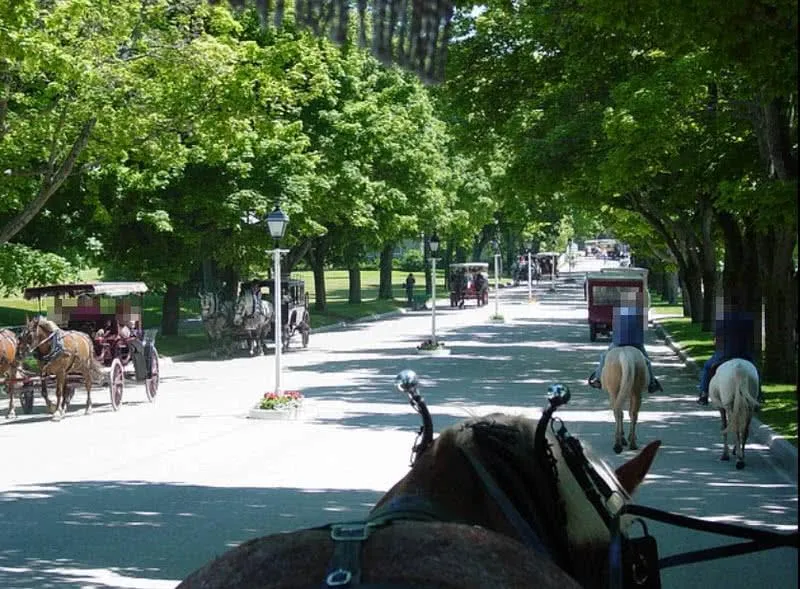
4. Mackinac Island, Michigan, USA
Motorized vehicles have been banned on Mackinac Island since 1898, leaving horses, carriages, and bicycles to rule Lake Huron’s historic streets.
5. Rottnest Island, Australia
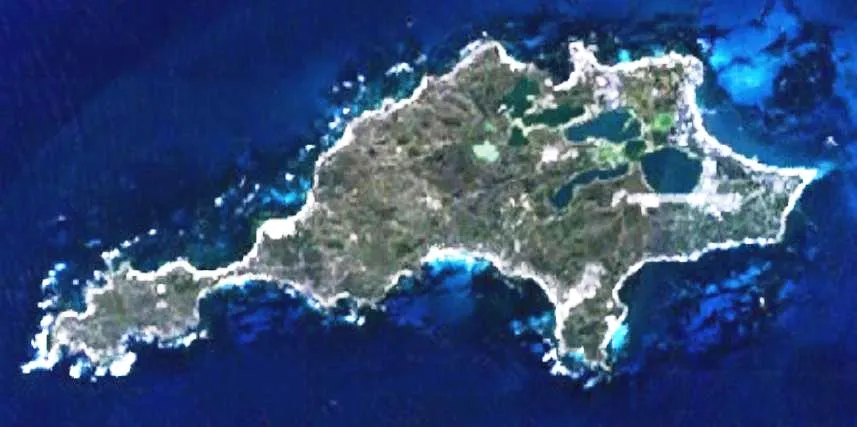
Just off Perth, this car-free island paradise is explored by bicycle and famous for turquoise coves and friendly quokkas.
6. Hydra Island, Greece
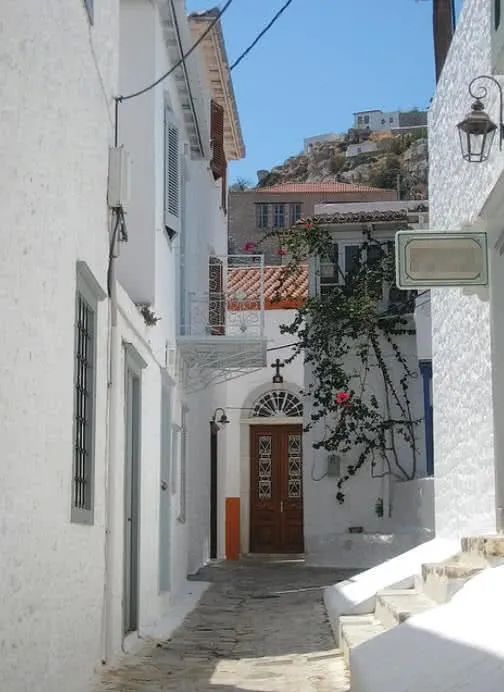
In the Saronic Gulf, Hydra prohibits cars and motorcycles alike—relying on boats, donkeys, and walking along marble harbor lanes.
7. Gili Trawangan, Indonesia
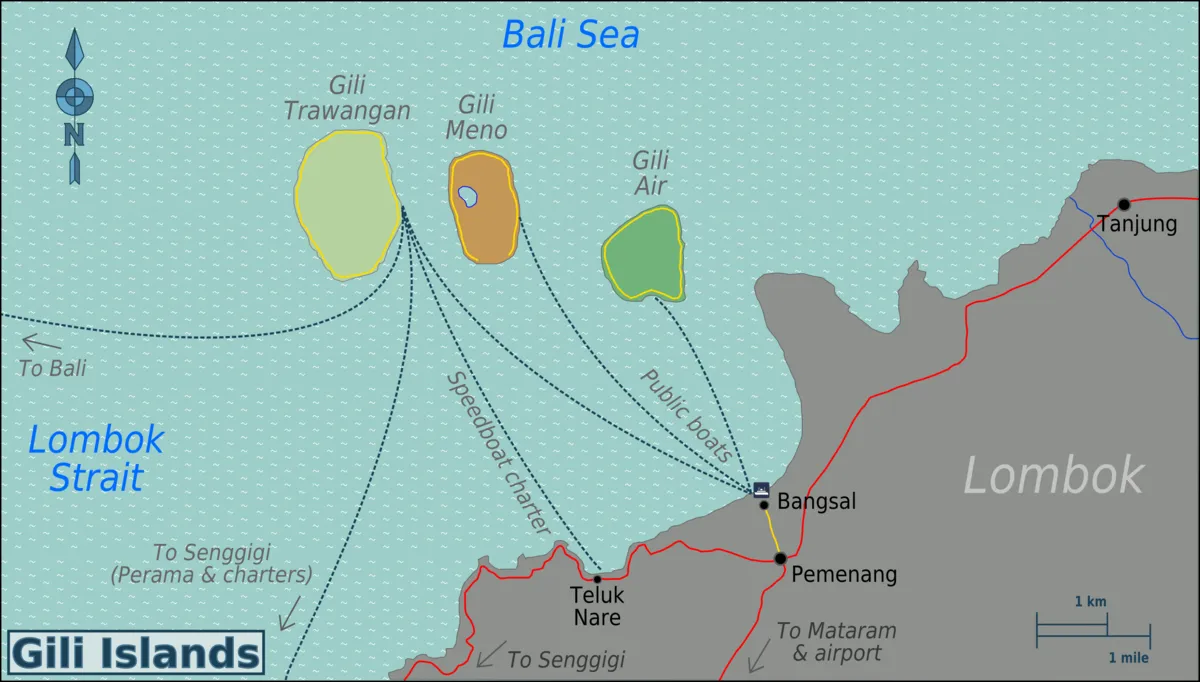
Off the coast of Lombok, Gili Trawangan bans motorized traffic, with travelers riding bicycles or traditional horse carts called cidomo.
8. Civita di Bagnoregio, Italy
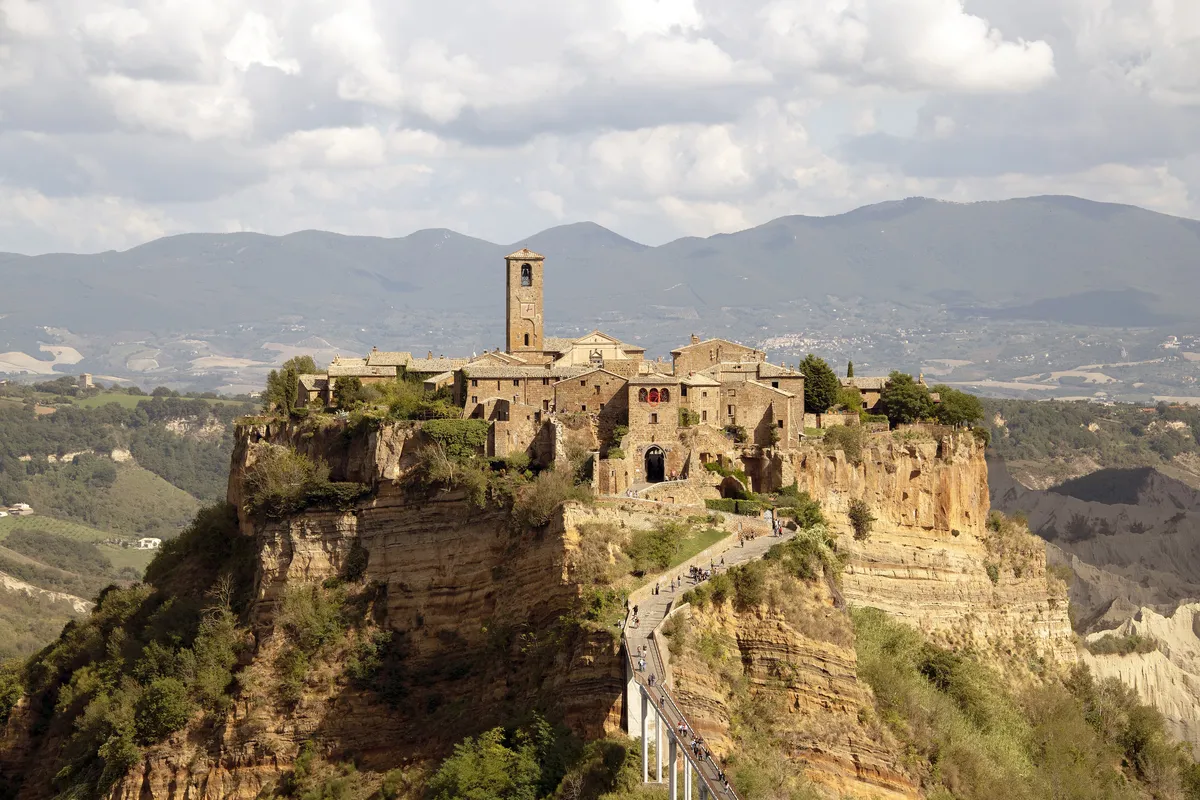
Perched atop an eroding volcanic cliff in central Italy, this medieval village is accessible only on foot across a long pedestrian bridge.
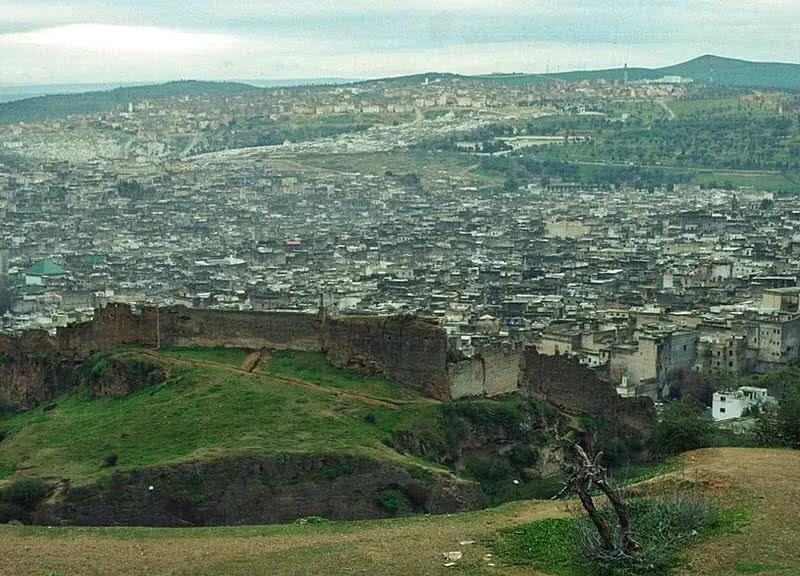
9. Fes el-Bali, Morocco
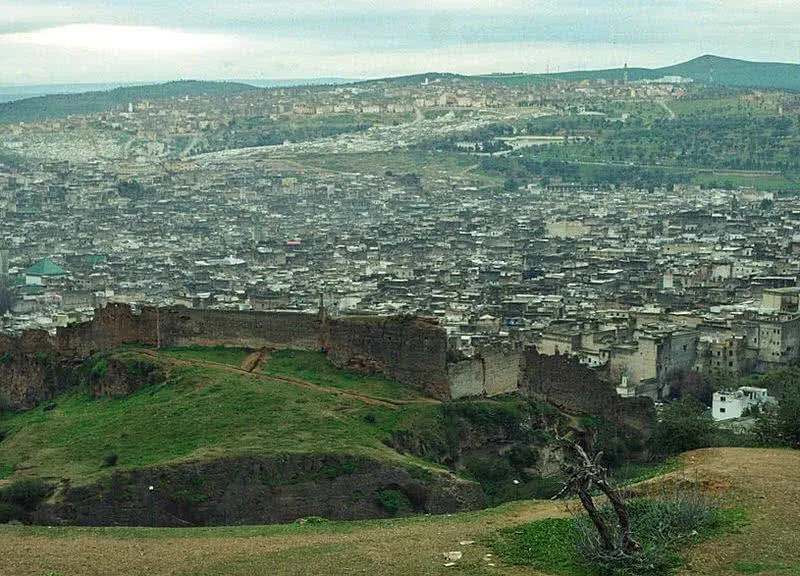
The ancient walled medina of Fes forms one of the largest contiguous car-free urban zones in the world, threaded by thousands of narrow alleys.
10. Fire Island, New York, USA
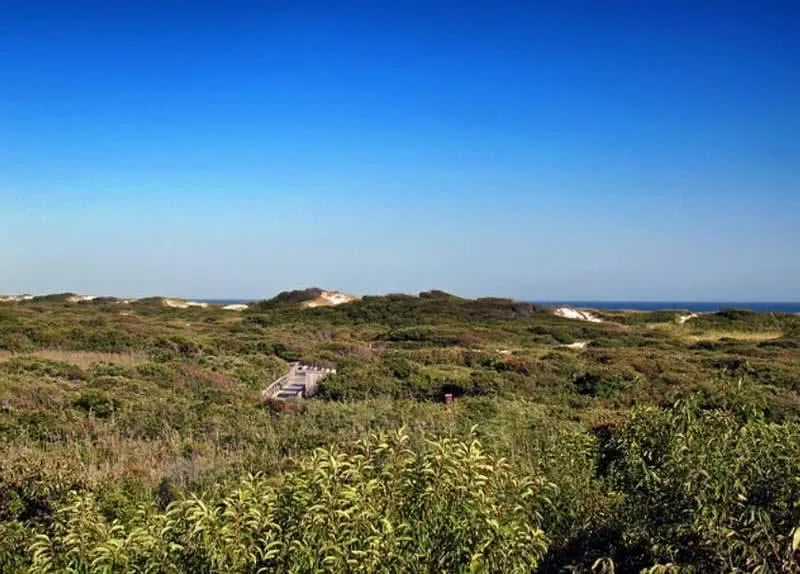
Separated from Long Island by the Great South Bay, Fire Island’s beach communities rely on boardwalks, bicycles, and seasonal ferries.
11. Spetses, Greece
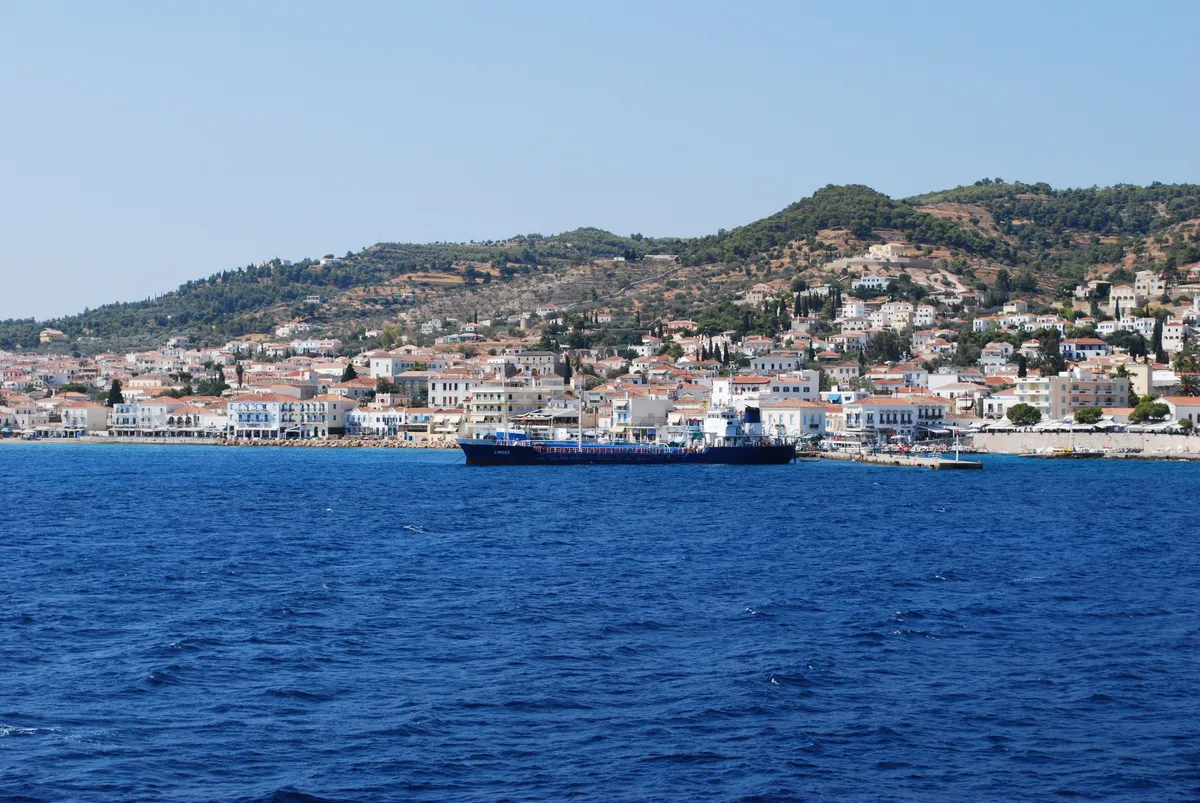
Pine-scented Spetses restricts private cars in its historic town, keeping its harborfront promenade calm for horse carriages and walkers.
12. Sark, Channel Islands
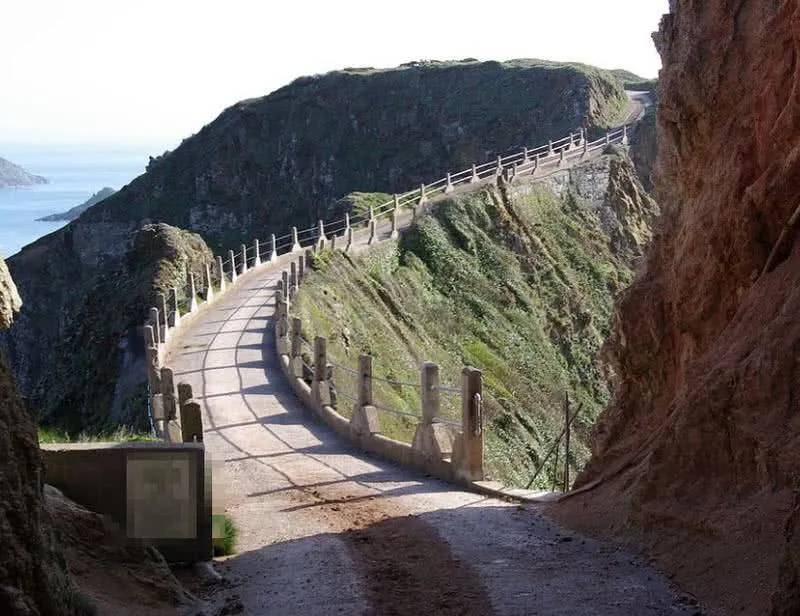
On this small island between England and France, only tractors, bicycles, and horse-drawn carriages are permitted on the lanes.
13. Lamu Island, Kenya
A UNESCO-listed Swahili settlement where narrow coral-stone streets remain free of cars, with dhows and donkeys handling transport.
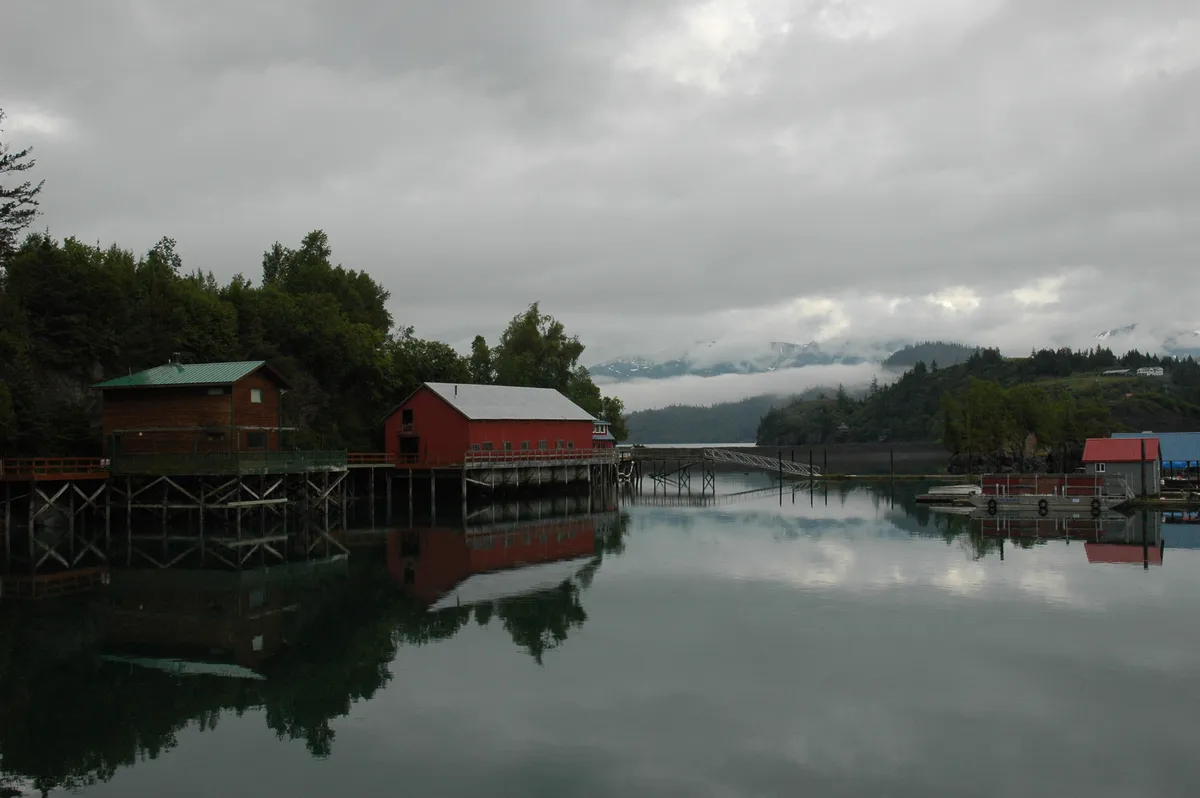
14. Halibut Cove, Alaska, USA
Connected to no road network, this artistic fishing village on Kachemak Bay runs on wooden boardwalks, skiffs, and floatplanes.
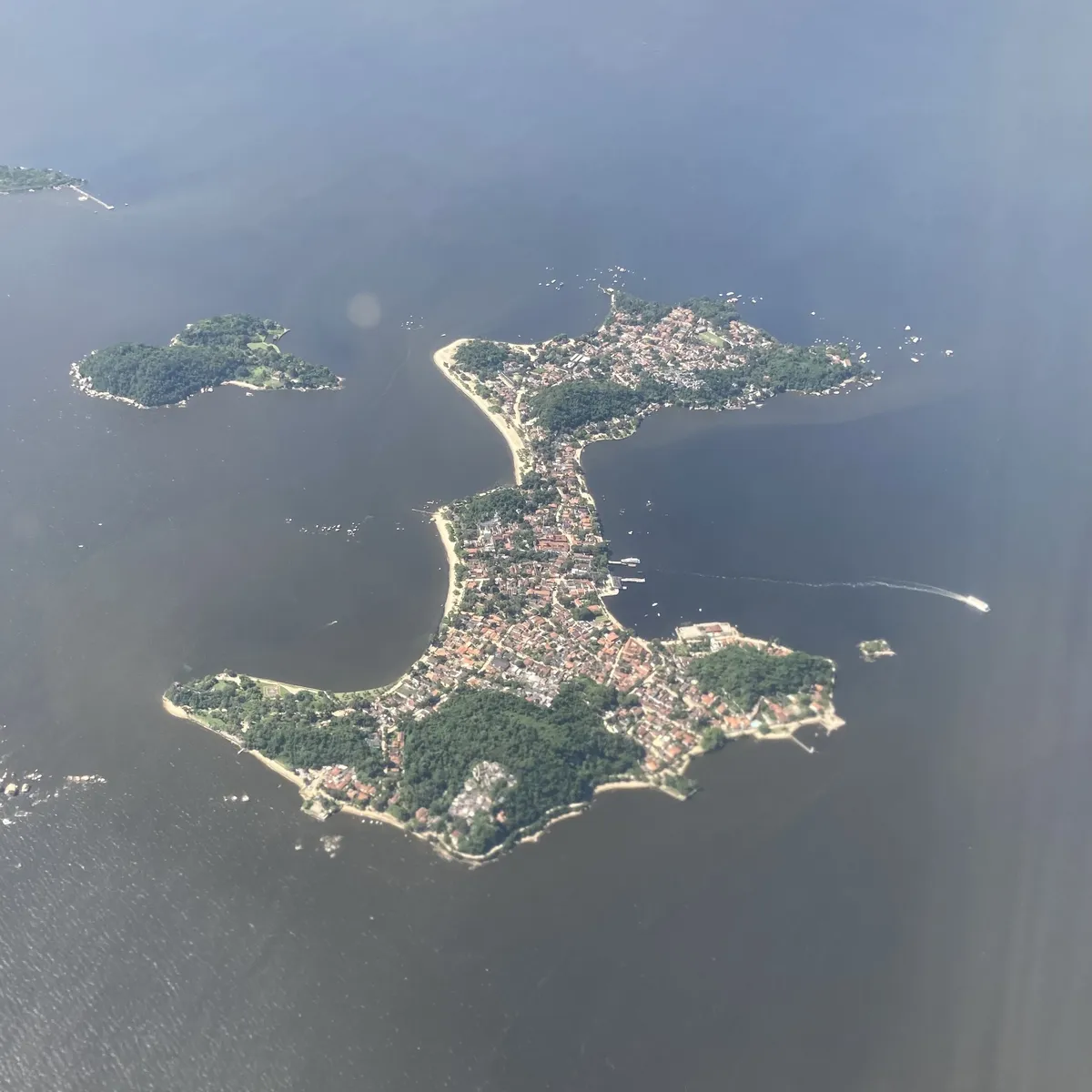
15. Paquetá Island, Brazil
Inside Rio de Janeiro’s Guanabara Bay, Paquetá Island preserves quiet colonial streets free of private cars.
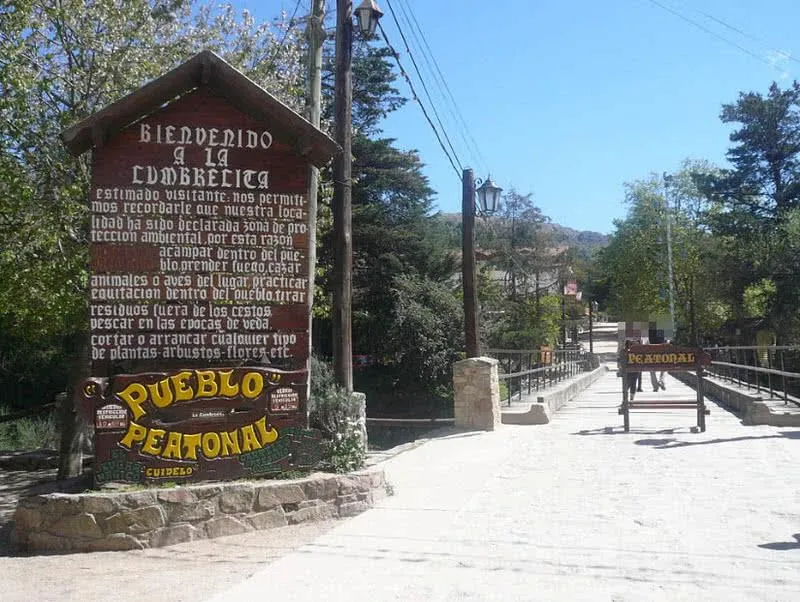
16. La Cumbrecita, Argentina
Tucked into Córdoba’s Calamuchita Valley, this alpine-style pedestrian village asks visitors to park outside town and explore on foot.
Conclusion
Whether reached by ferry, mountain cogwheel train, or footbridge, these 16 car-free places prove how peaceful and human-scaled travel can feel without traffic.