Skyscrapers—commonly defined by architectural bodies as buildings rising at least 150 meters (492 feet)—reshape how modern cities house millions of residents and businesses. Asia, North America, and the Middle East lead the world’s vertical boom.
We expanded an original top-ten skyscraper list with seven more powerhouse skylines and ranked all 17 from #1 (most iconic and widely recognized) down to #17. For another famous global capital, read about London.
How These 17 Entries Are Ranked
This list is ordered from #1 (most popular and widely recognized) down to #17, combining global recognition, visitor or cultural reach, and distinctive traits.
| Rank | Name |
|---|---|
| 1 | Hong Kong, China |
| 2 | New York City, USA |
| 3 | Dubai, UAE |
| 4 | Tokyo, Japan |
| 5 | Shenzhen, China |
| 6 | Shanghai, China |
| 7 | Singapore |
| 8 | Chicago, USA |
| 9 | Bangkok, Thailand |
| 10 | Kuala Lumpur, Malaysia |
| 11 | Seoul, South Korea |
| 12 | Toronto, Canada |
| 13 | Guangzhou, China |
| 14 | Chongqing, China |
| 15 | Jakarta, Indonesia |
| 16 | Melbourne, Australia |
| 17 | Wuhan, China |
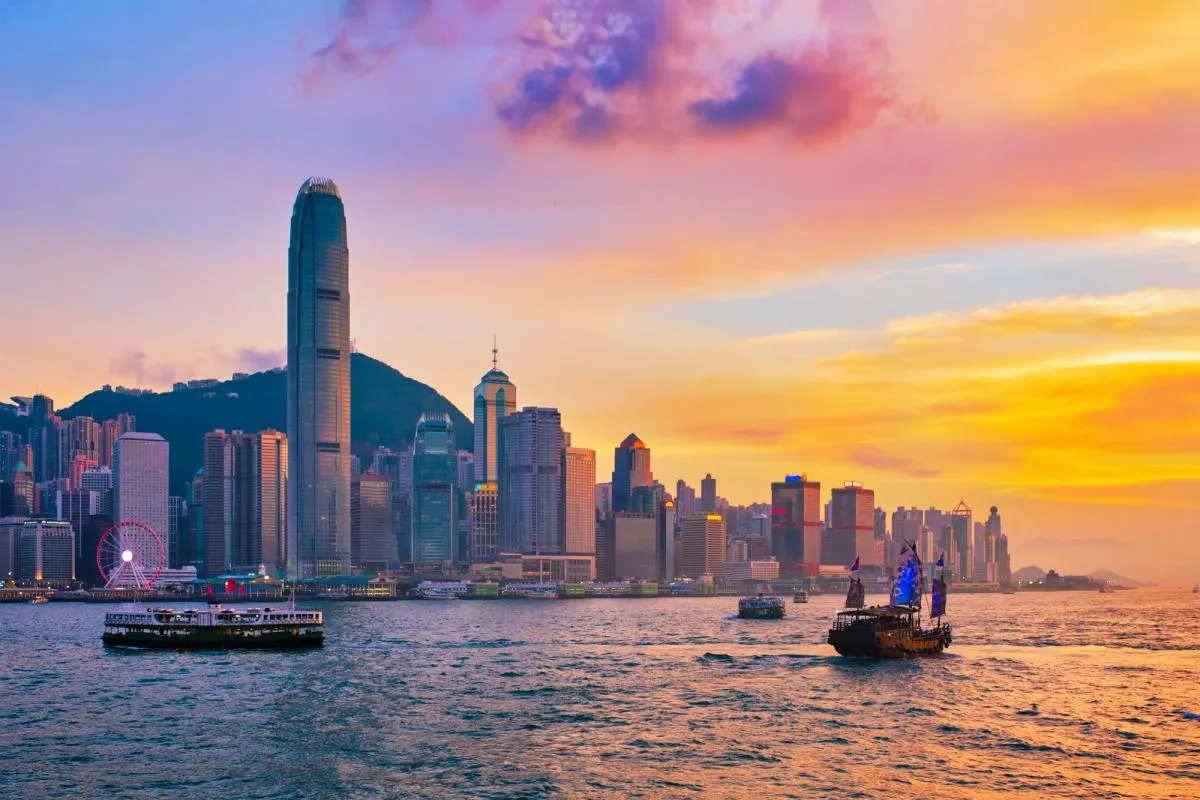
1. Hong Kong, China
Leading the world with more than 550 buildings over 150 meters, Hong Kong’s dramatic harbor skyline rises straight out of steep mountain slopes.
2. New York City, USA
Home to over 300 skyscrapers—from Art Deco icons like the Empire State Building to sleek supertalls along Central Park—New York remains the quintessential skyline.
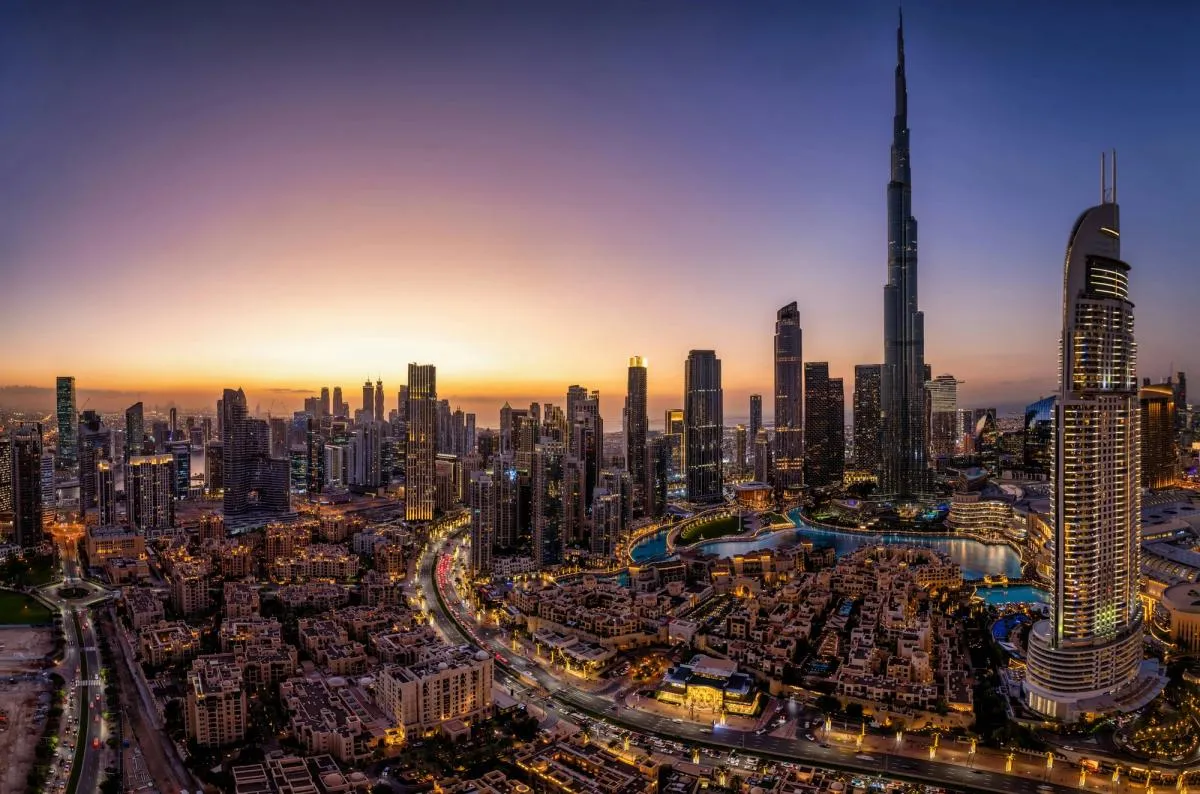
3. Dubai, UAE
Led by the 828-meter Burj Khalifa, Dubai boasts nearly 300 skyscrapers lining Sheikh Zayed Road and Dubai Marina.
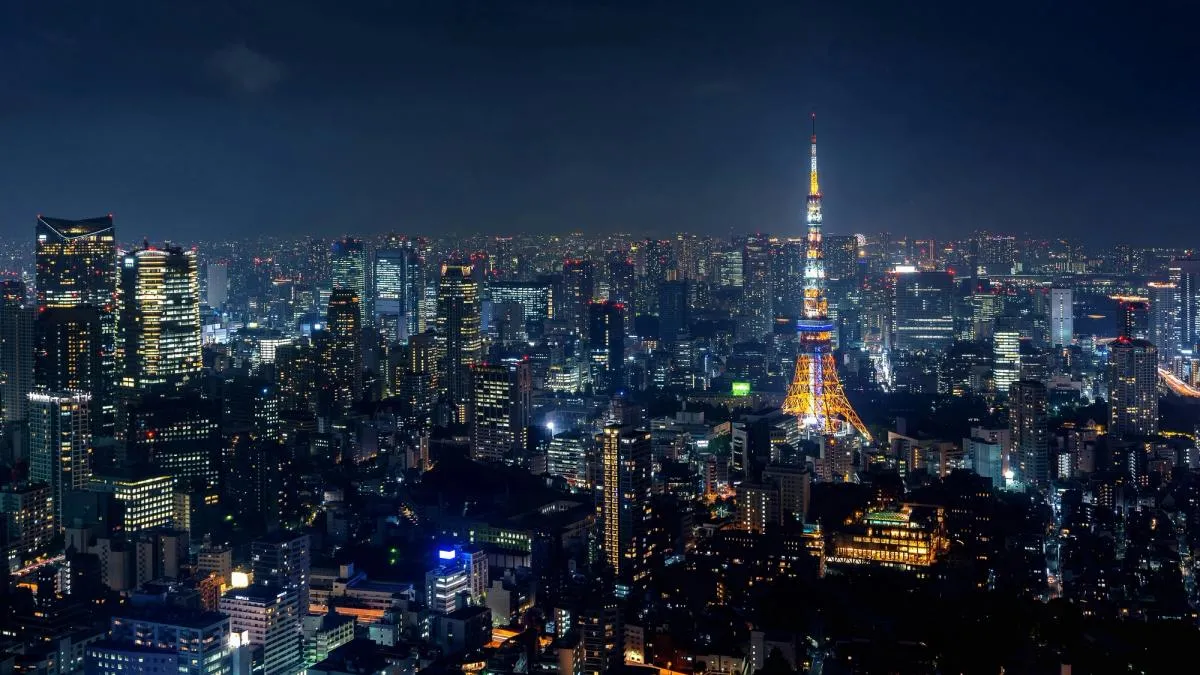
4. Tokyo, Japan
Engineered to withstand major earthquakes, Tokyo’s 180+ skyscrapers cluster across Shinjuku, Marunouchi, and Roppongi.
5. Shenzhen, China
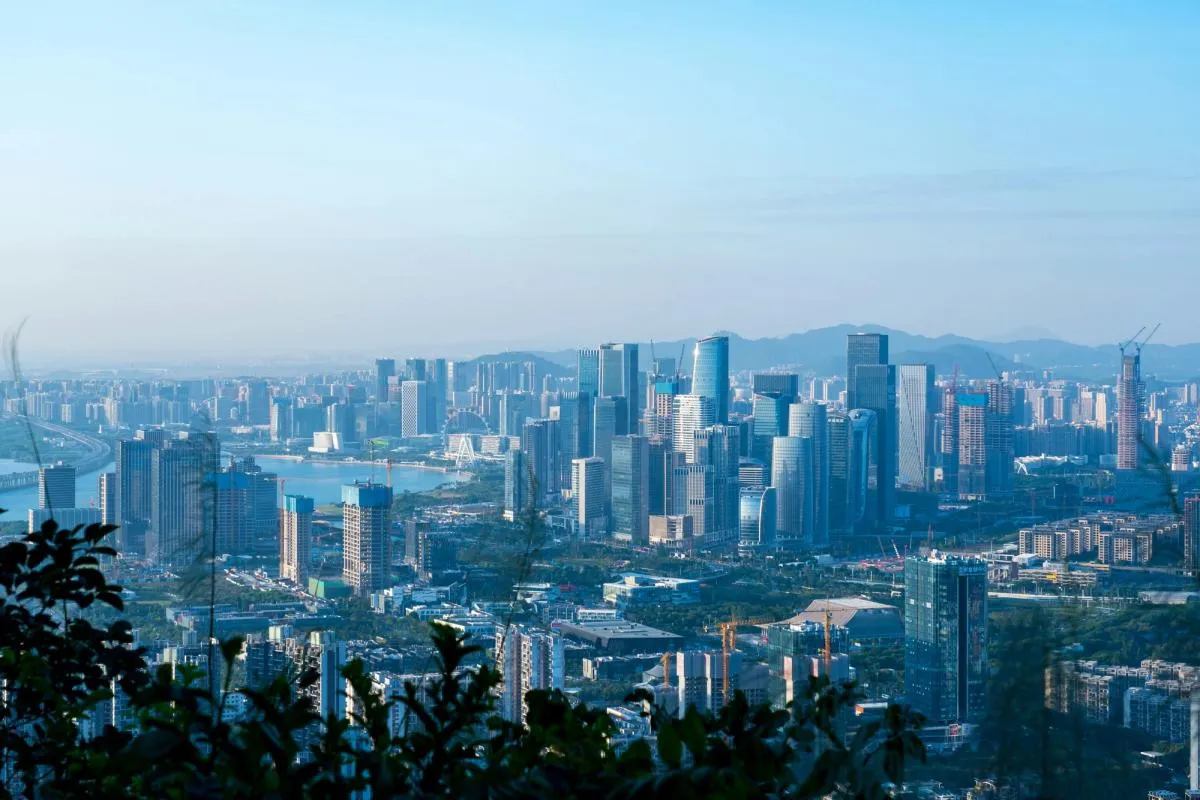
Transformed from a fishing town into a global tech hub in four decades, Shenzhen now ranks second globally with over 400 skyscrapers.
6. Shanghai, China
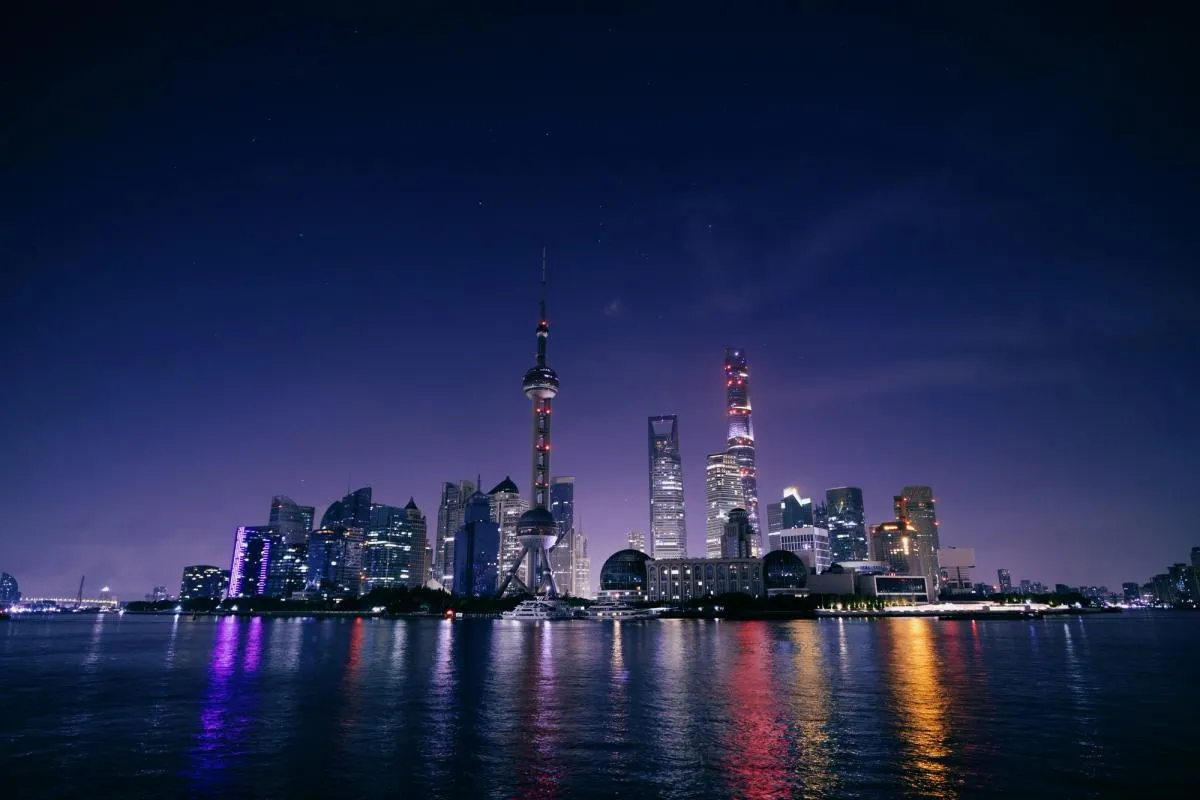
Anchored by the twisting Shanghai Tower and Pudong’s Lujiazui financial district, Shanghai counts more than 200 skyscrapers.
7. Singapore
Blending dense financial towers with vertical sky-gardens, Singapore packs roughly 90–100 skyscrapers into its compact island core.

8. Chicago, USA
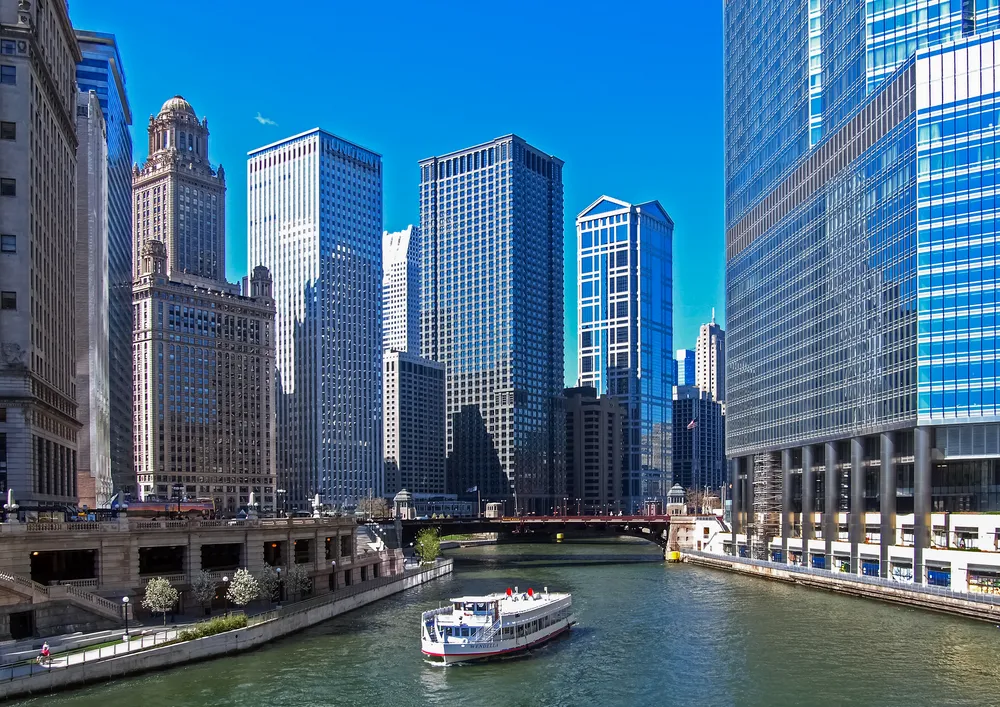
Widely recognized as the birthplace of the modern skyscraper, Chicago features around 135–140 towers of 150 meters or taller along Lake Michigan.
9. Bangkok, Thailand
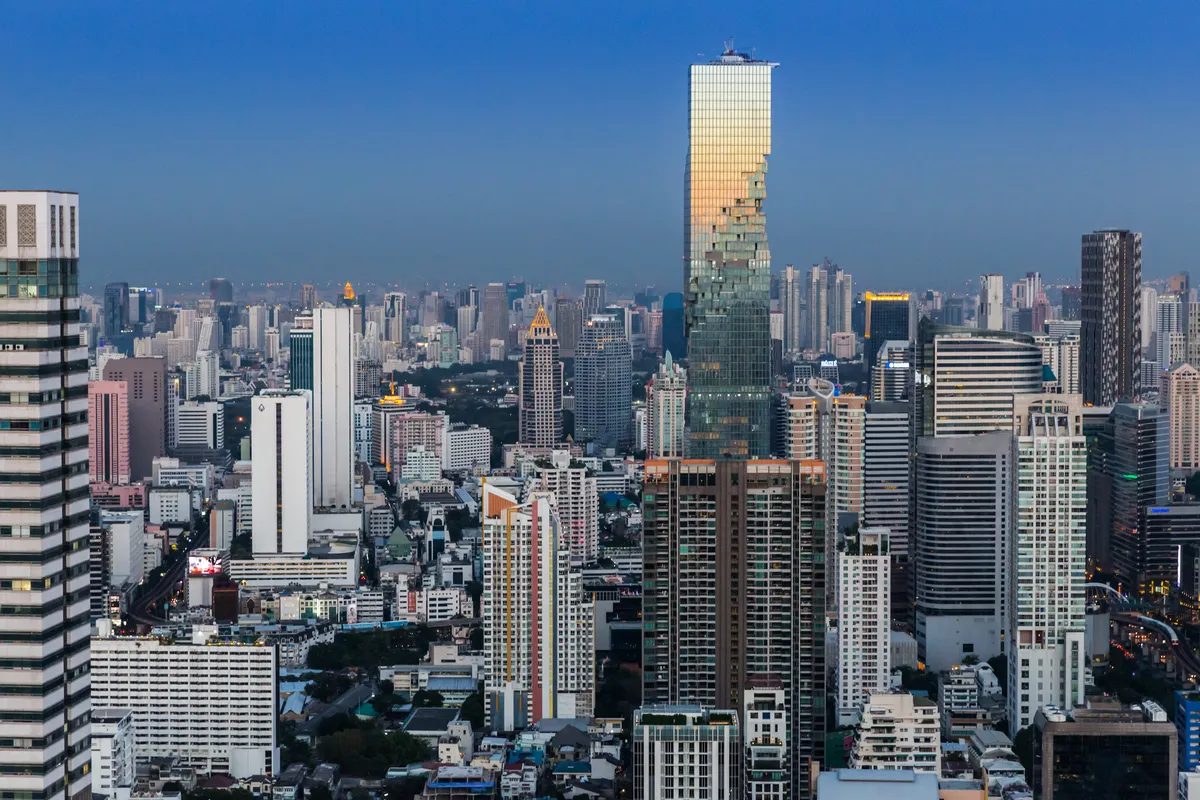
Rapid urban growth along the Chao Phraya River has given Bangkok more than 100 skyscrapers, led by Magnolias Waterfront Residences and King Power MahaNakhon.
10. Kuala Lumpur, Malaysia
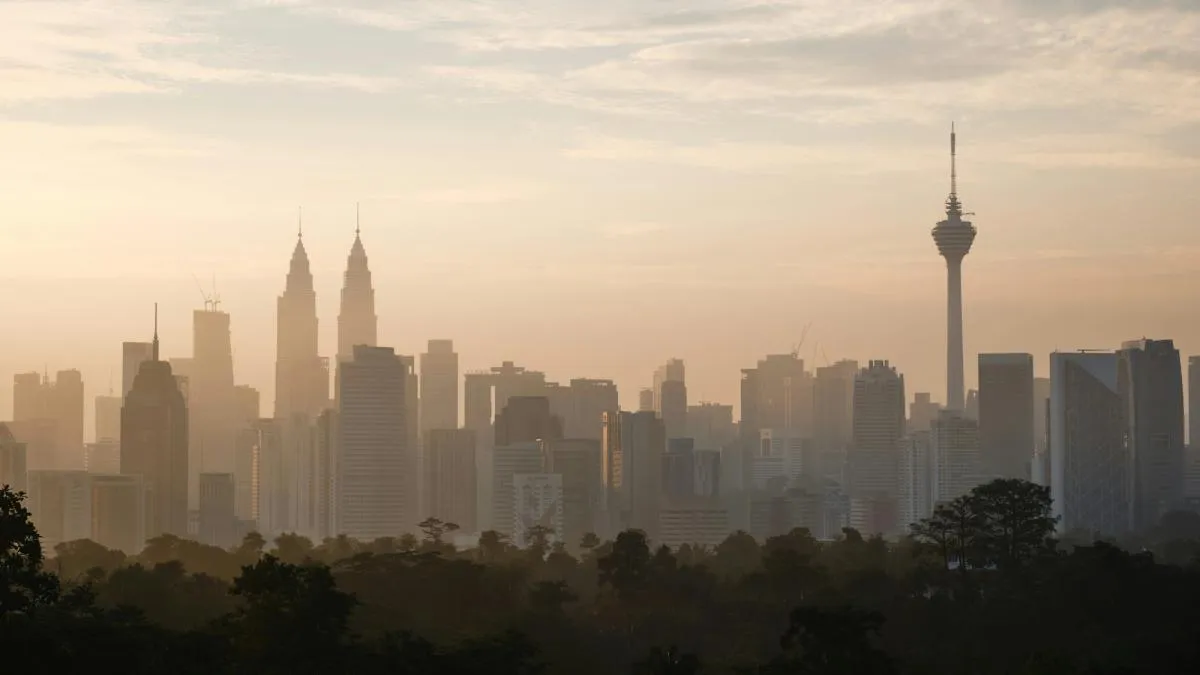
Famous for the twin Petronas Towers and the soaring Merdeka 118, Kuala Lumpur now exceeds 200 skyscrapers.
11. Seoul, South Korea
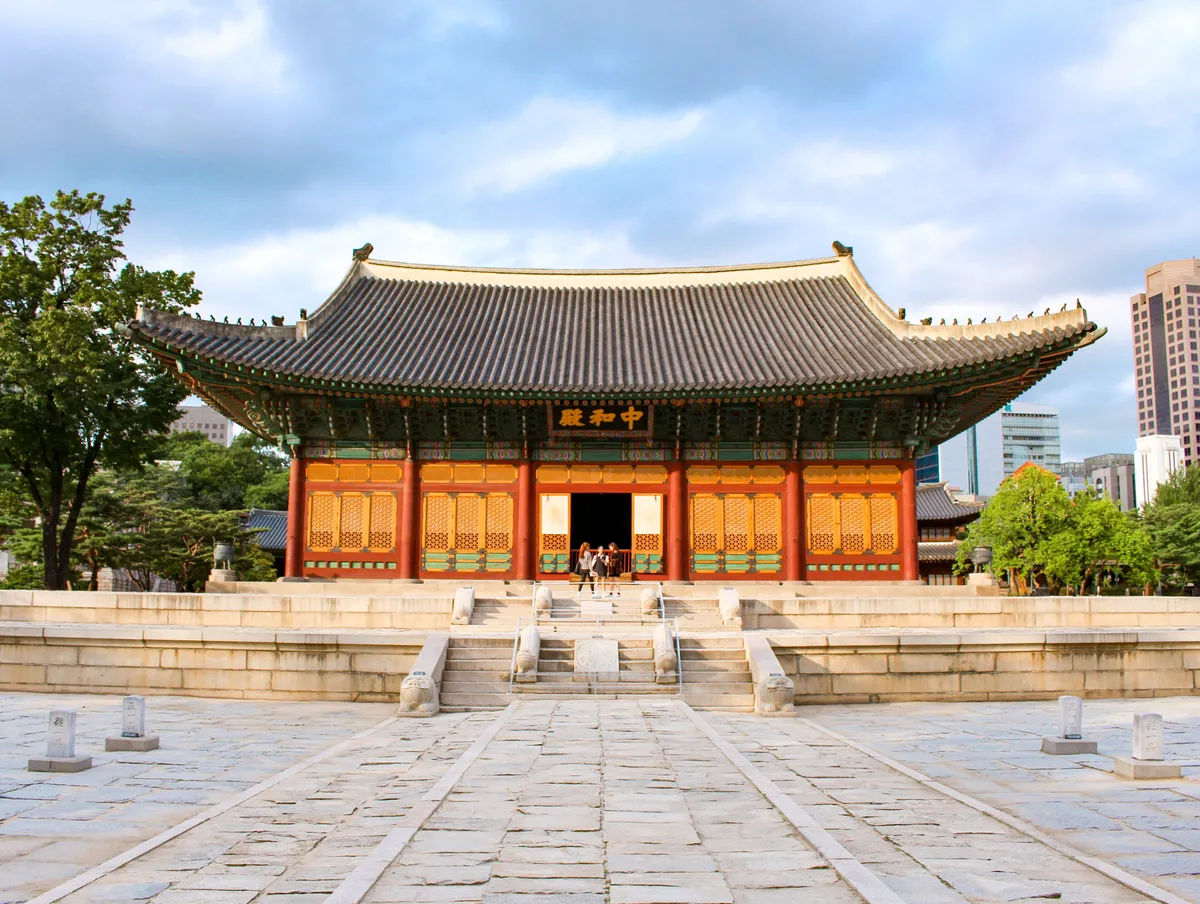
Centered around Gangnam, Yeouido, and the 555-meter Lotte World Tower, Seoul’s skyline continues to climb.
12. Toronto, Canada
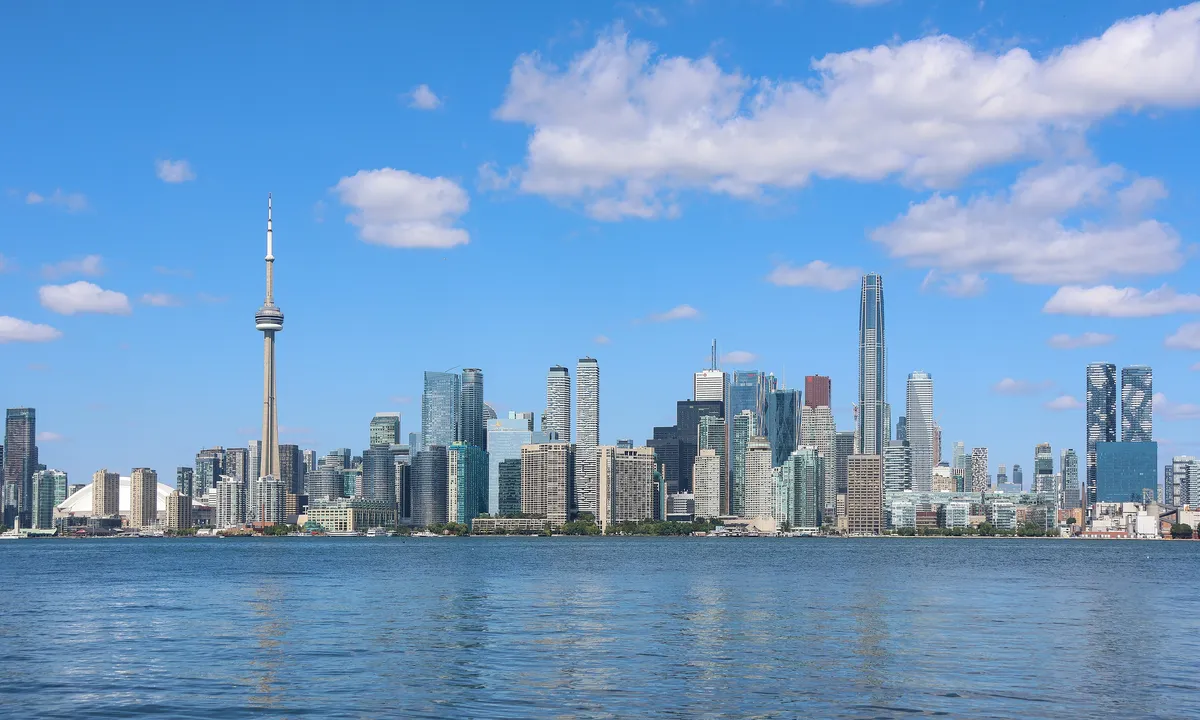
With around 80+ completed skyscrapers and one of North America’s largest construction pipelines, Toronto’s Lake Ontario waterfront is rapidly rising.
13. Guangzhou, China
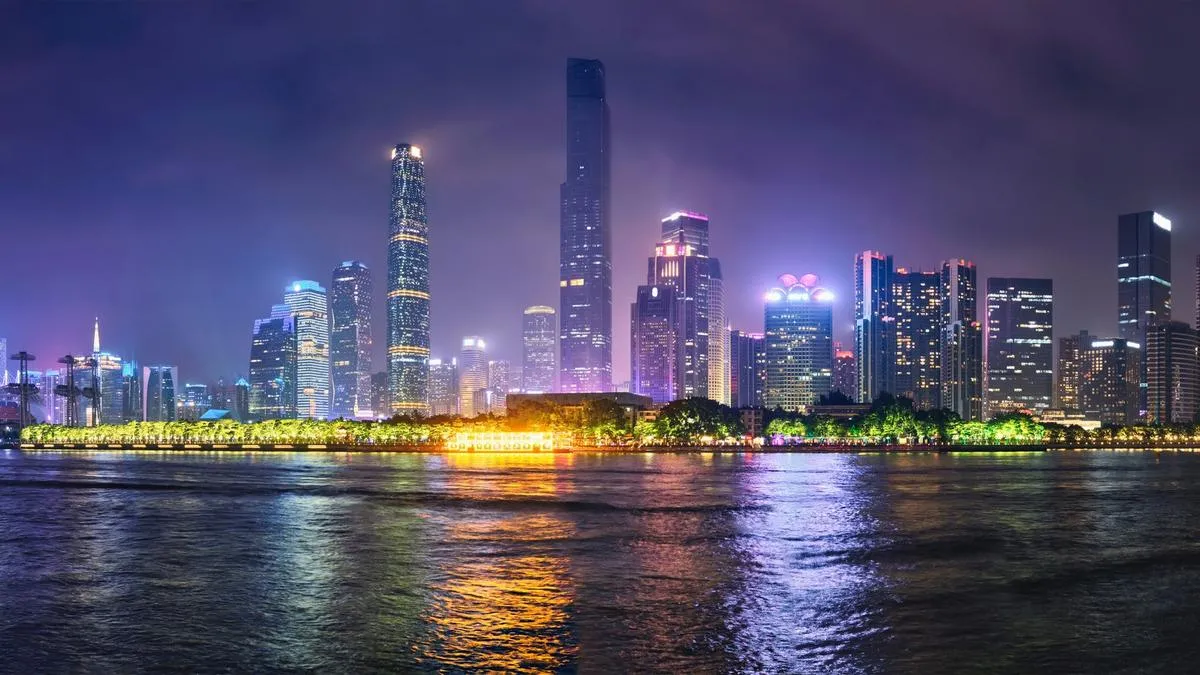
Crossing the 200-skyscraper mark along the Pearl River, Guangzhou is anchored by the sleek CTF Finance Centre and Canton Tower.
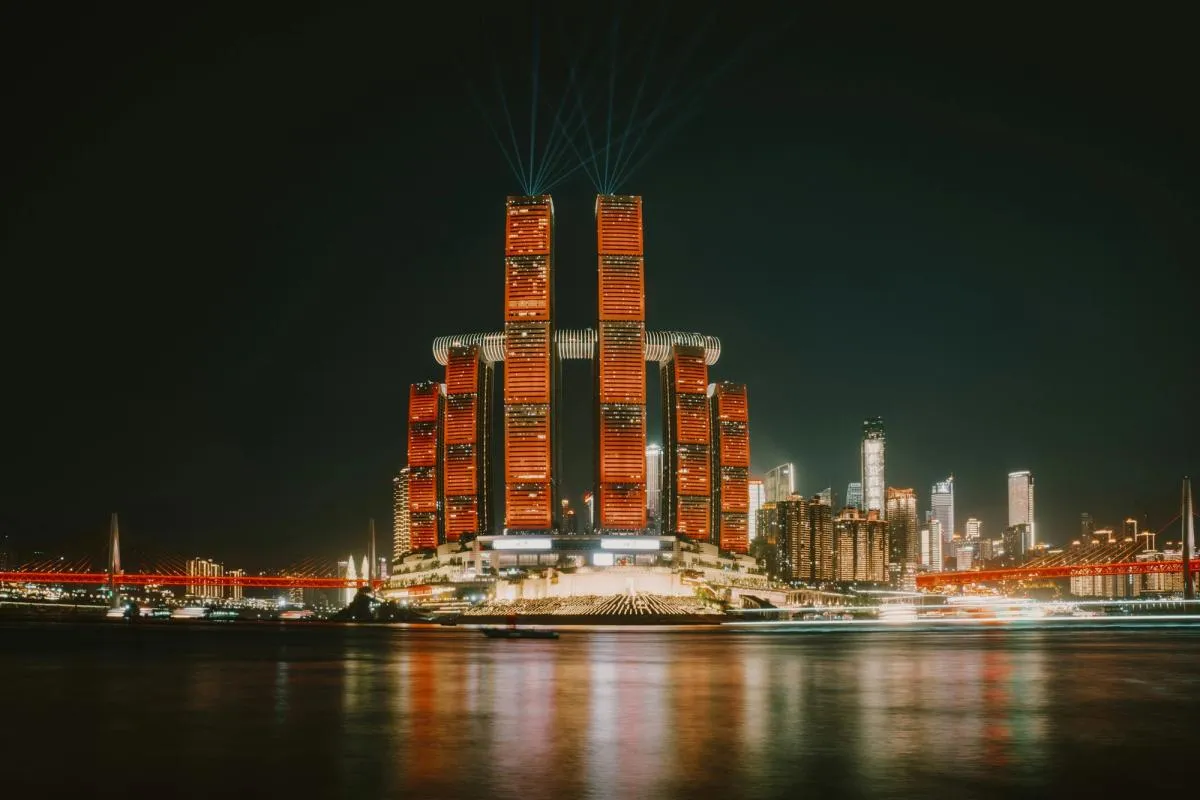
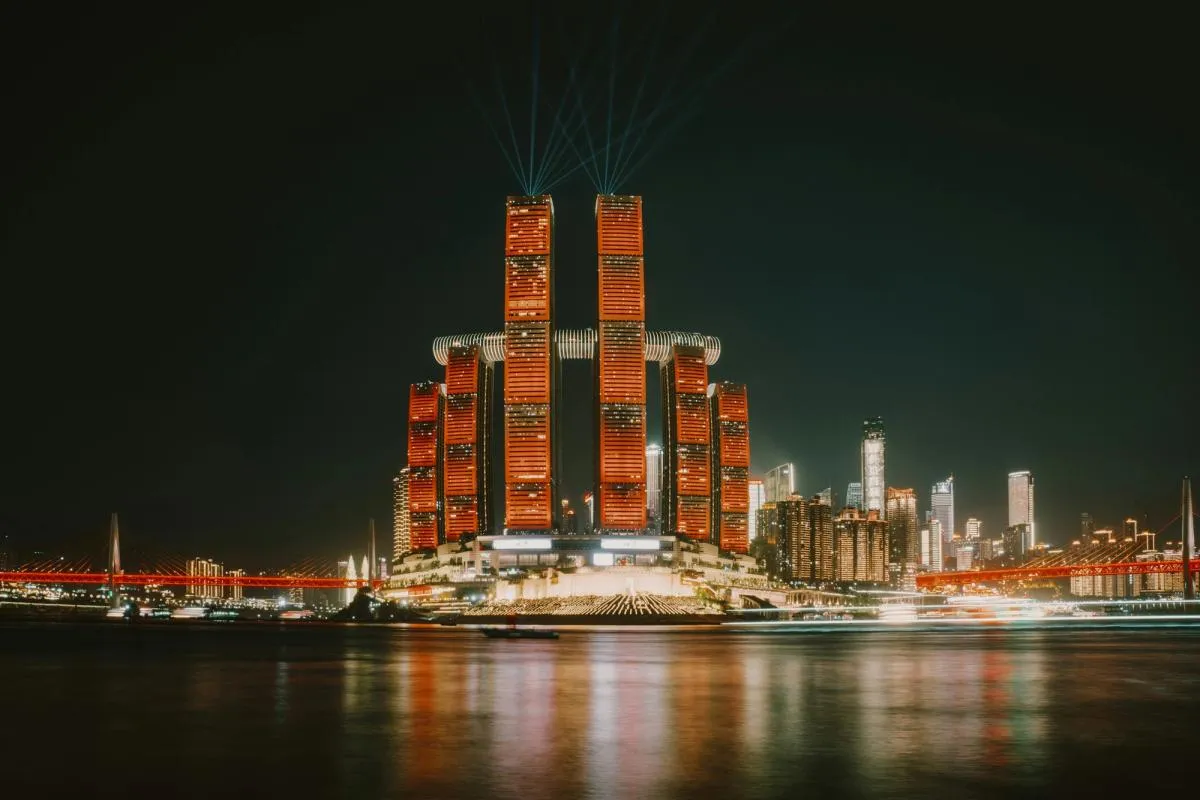
14. Chongqing, China
Built across dramatic river valleys and steep hills, Chongqing counts more than 150 skyscrapers rising above the Yangtze and Jialing rivers.
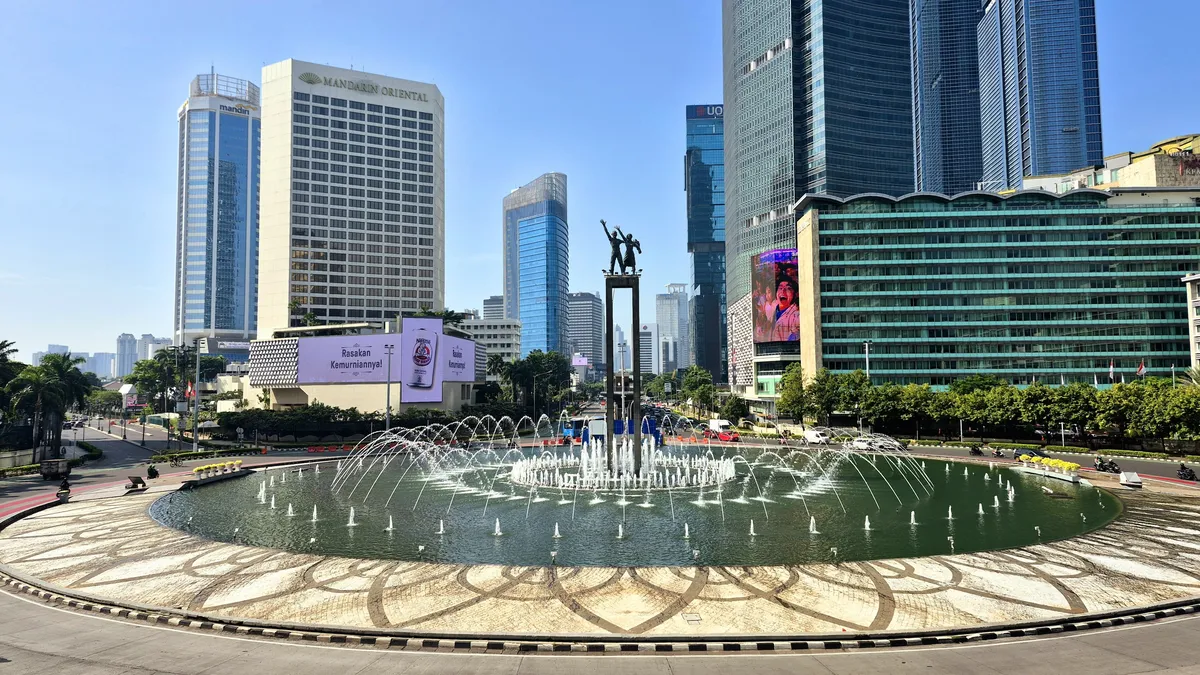
15. Jakarta, Indonesia
Southeast Asia’s largest metropolis houses more than 100 skyscrapers across its Golden Triangle business district.
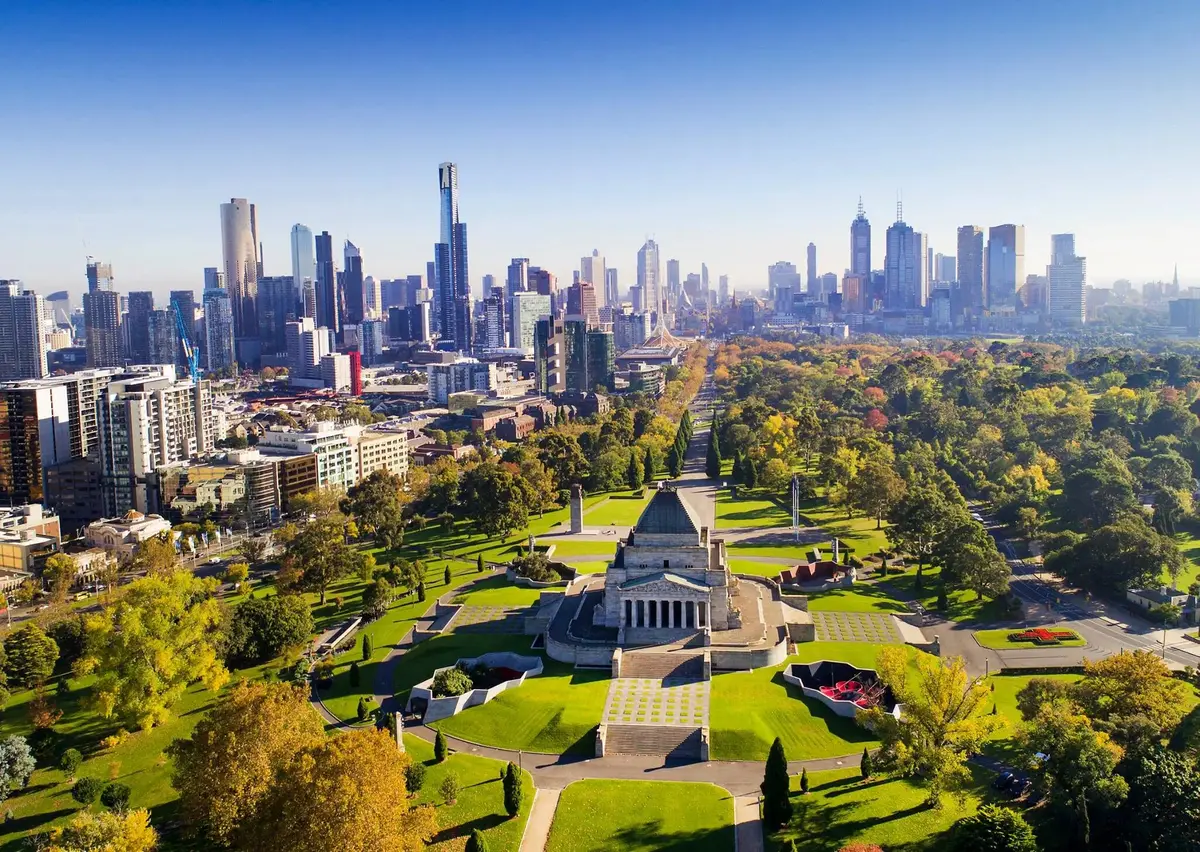
16. Melbourne, Australia
Leading Australia in vertical density, Melbourne features roughly 75–80 skyscrapers clustered around its CBD and Southbank.
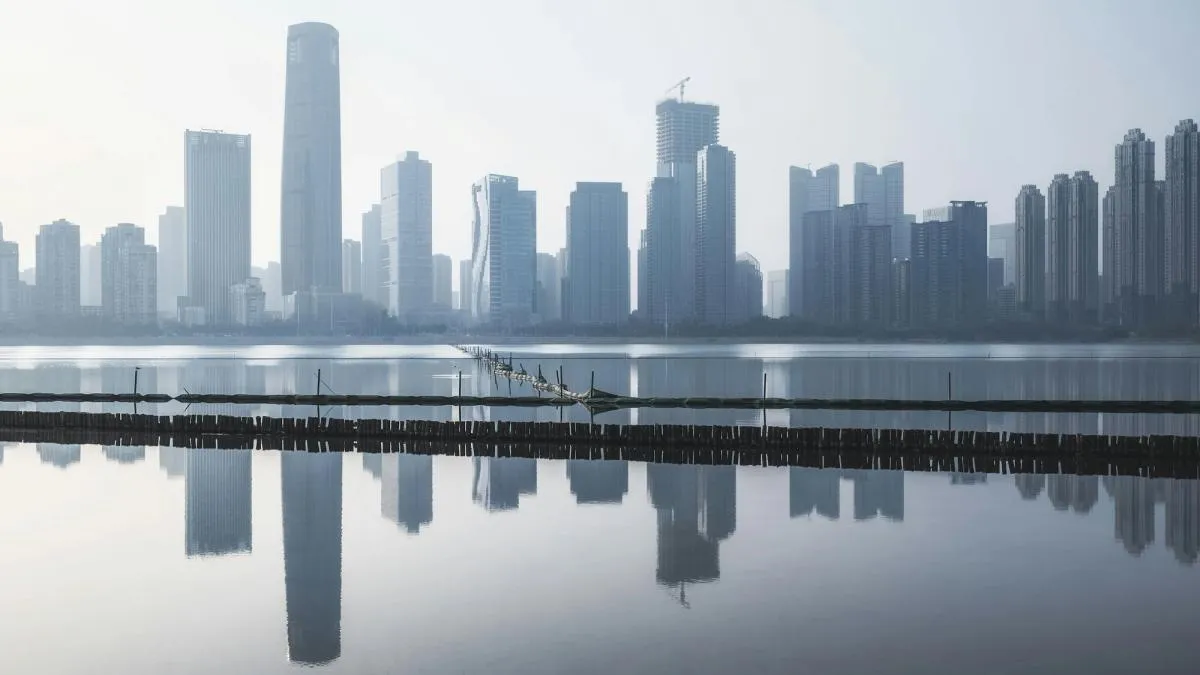
17. Wuhan, China
With over 200 skyscrapers along the Yangtze River, Wuhan ranks among central China’s fastest-growing vertical cities.
Conclusion
From Chicago’s 19th-century steel-frame pioneers to Hong Kong and Shenzhen’s dense clusters of supertalls, vertical architecture continues to redefine the modern skyline.