Oceans and rivers shelter extraordinary predators—some armed with razor-sharp teeth, others carrying potent neurotoxins, venomous spines, or high-voltage electric organs. While unprovoked encounters with humans remain rare, a few species demand serious respect.
We expanded an original list of ten dangerous aquatic species with six more formidable creatures, ranking all 16 from #1 (most widely feared and recognized) to #16. For related reading, check our guide to the most toxic fish species harmful to humans and the largest fish species in the ocean.
How These 16 Entries Are Ranked
This list is ordered from #1 (most popular and widely recognized) down to #16, combining global recognition, visitor or cultural reach, and distinctive traits.
| Rank | Name |
|---|---|
| 1 | Great White Shark |
| 2 | Pufferfish |
| 3 | Piranha |
| 4 | Box Jellyfish |
| 5 | Bull Shark |
| 6 | Tiger Shark |
| 7 | Stonefish |
| 8 | Lionfish |
| 9 | Electric Eel |
| 10 | Stingray |
| 11 | Great Barracuda |
| 12 | Moray Eel |
| 13 | Wels Catfish |
| 14 | Electric Ray |
| 15 | Goliath Tigerfish |
| 16 | Candiru |
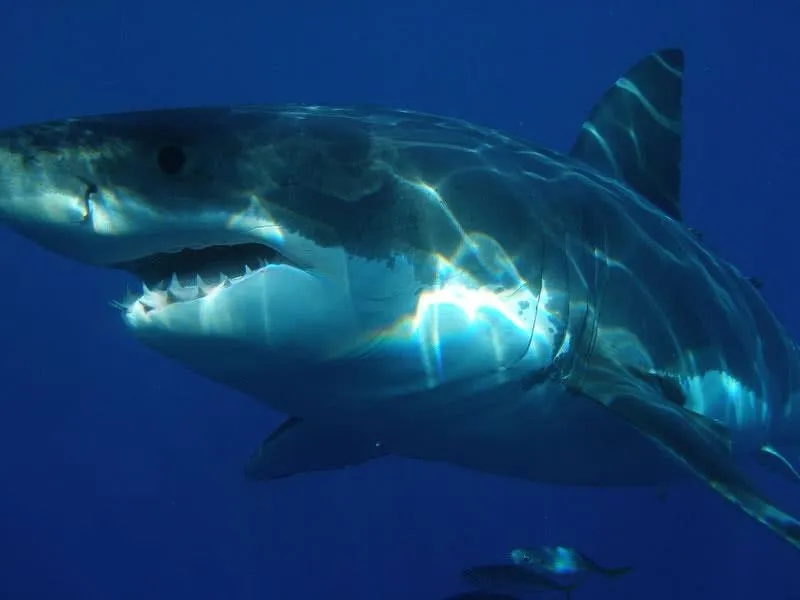
1. Great White Shark
Growing up to 20 feet long, the great white is the ocean’s most famous apex predatory fish, capable of explosive ambush strikes.
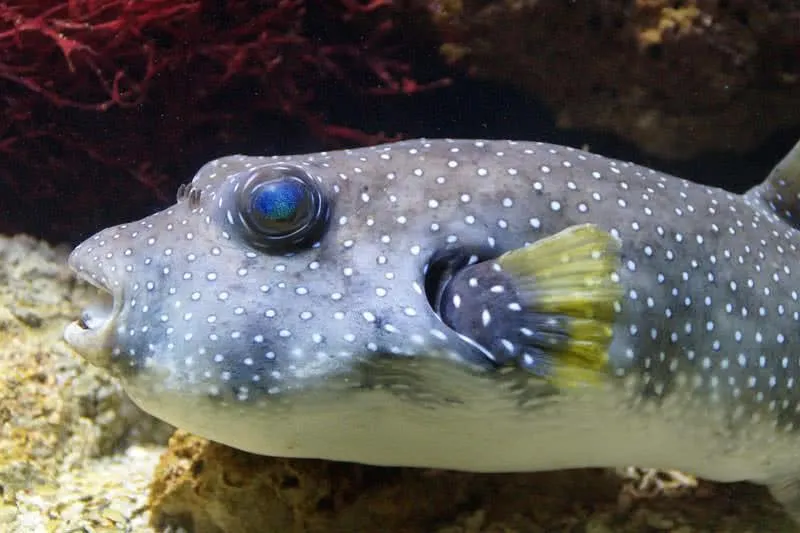
2. Pufferfish
Containing deadly tetrodotoxin in its organs and skin, a single pufferfish carries enough poison to be fatal if improperly prepared.
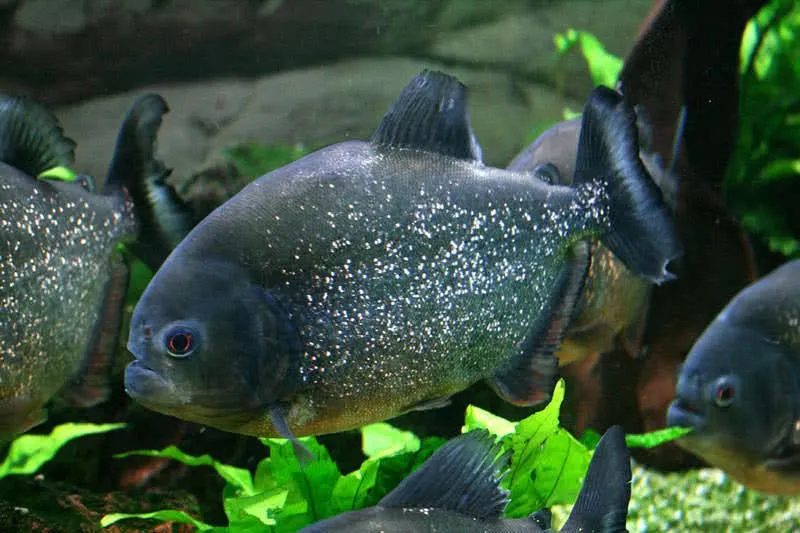
3. Piranha
Inhabiting South American rivers, piranhas wield interlocking razor-sharp teeth capable of stripping prey rapidly during dry-season feeding frenzies.
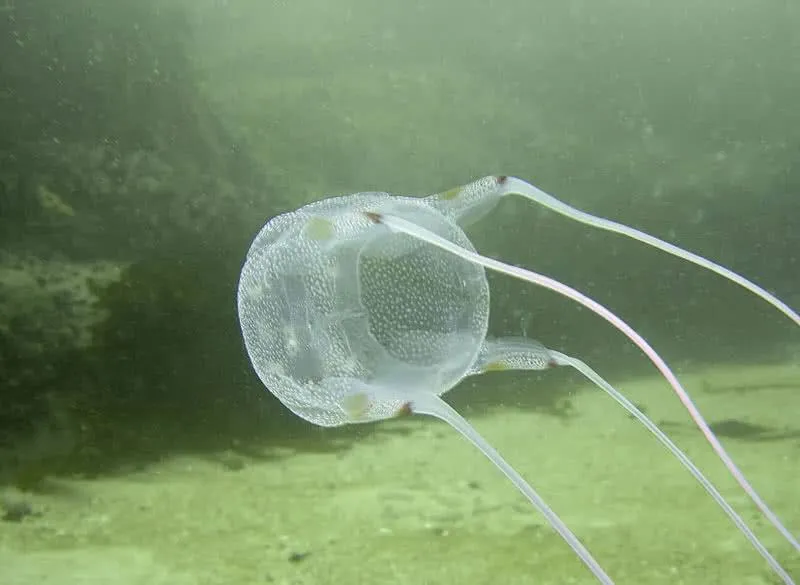
4. Box Jellyfish
Though technically a cnidarian rather than a fish, the Indo-Pacific box jellyfish carries fast-acting venom that can cause cardiac arrest within minutes.
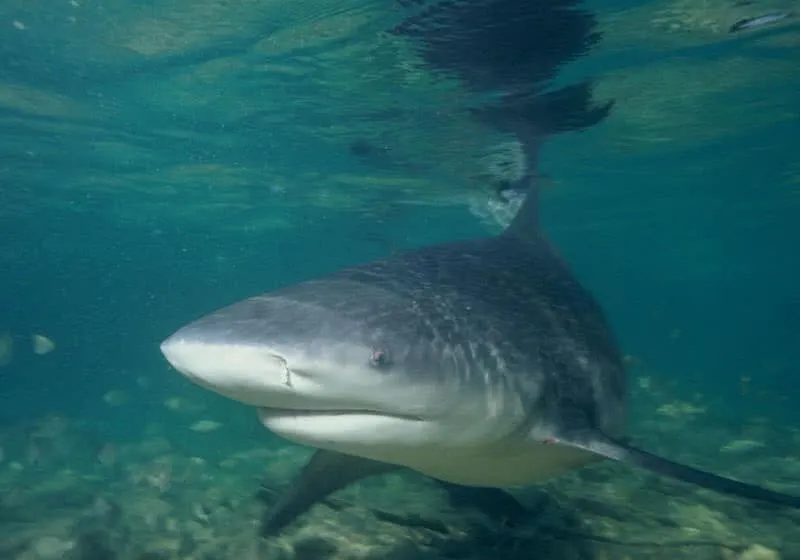
5. Bull Shark
Able to tolerate both saltwater and freshwater rivers, the aggressive bull shark frequently hunts in murky coastal shallows.
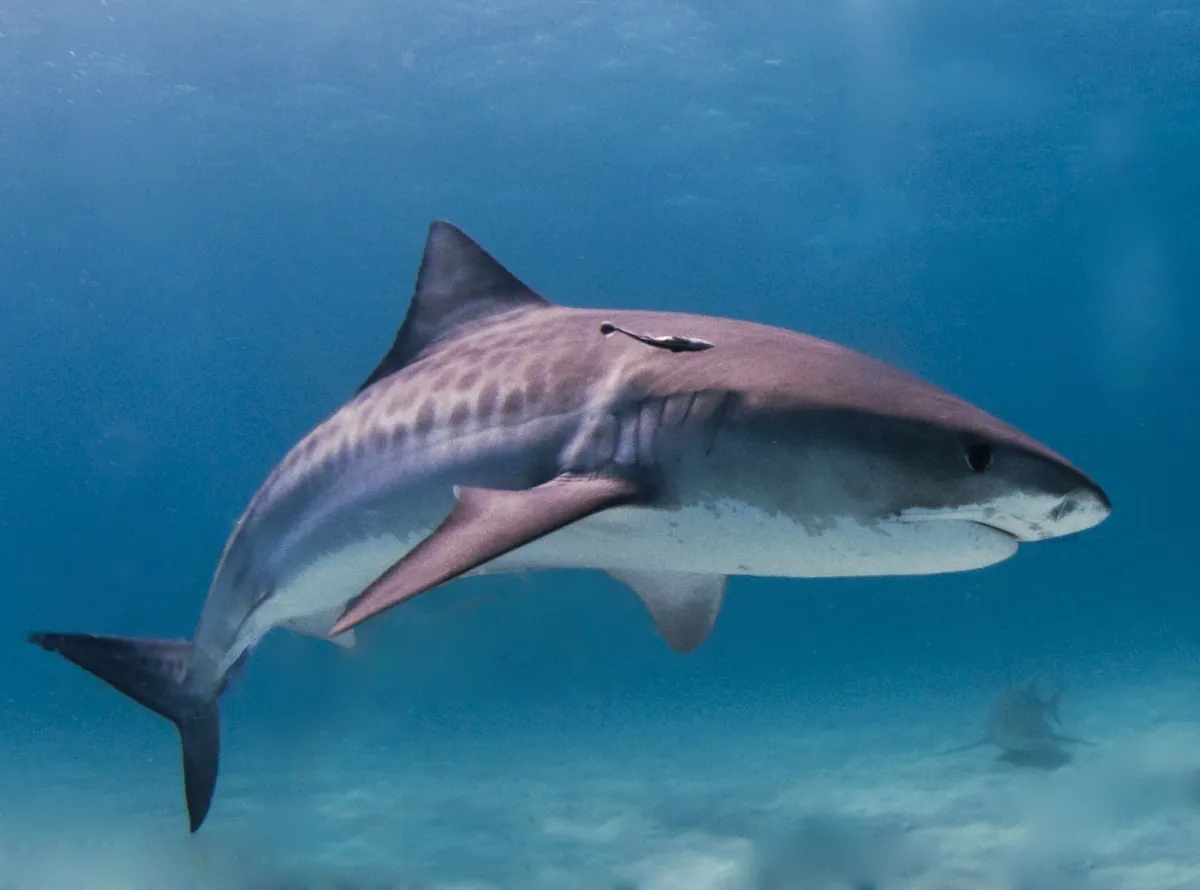
6. Tiger Shark
Second only to the great white in recorded unprovoked shark incidents, the tiger shark uses serrated teeth to crush sea turtles and large prey.
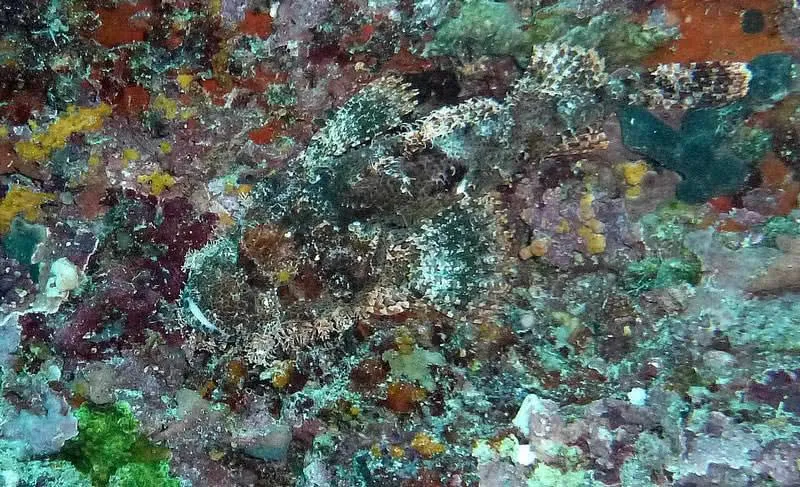
7. Stonefish
Camouflaged like a mossy rock on tropical seabeds, the reef stonefish injects excruciating, potentially fatal venom through 13 dorsal spines.
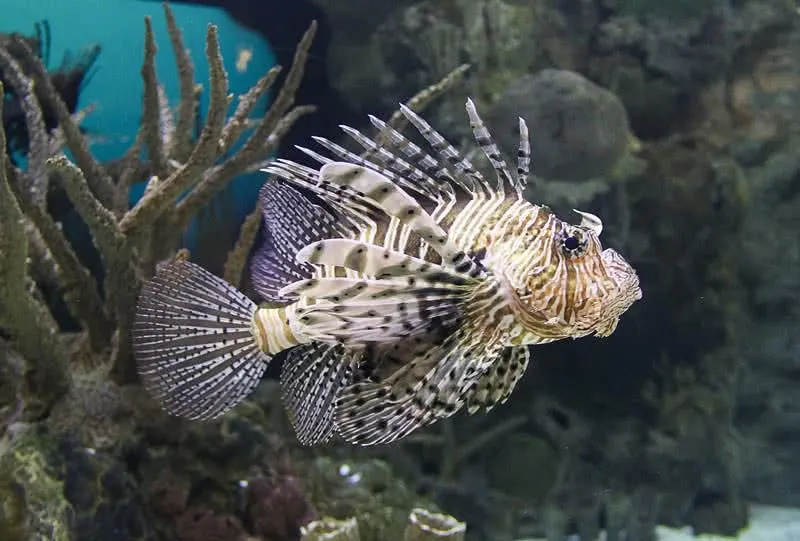
8. Lionfish
Sporting dramatic striped fins, the lionfish conceals venomous spines that deliver intense pain, nausea, and breathing difficulty.
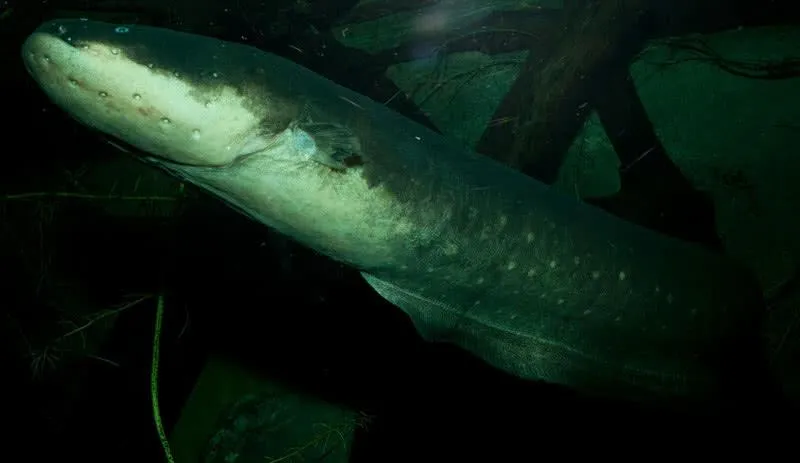
9. Electric Eel
Native to the Amazon and Orinoco basins, this freshwater knifefish generates electric shocks exceeding 600 volts to stun prey and deter threats.
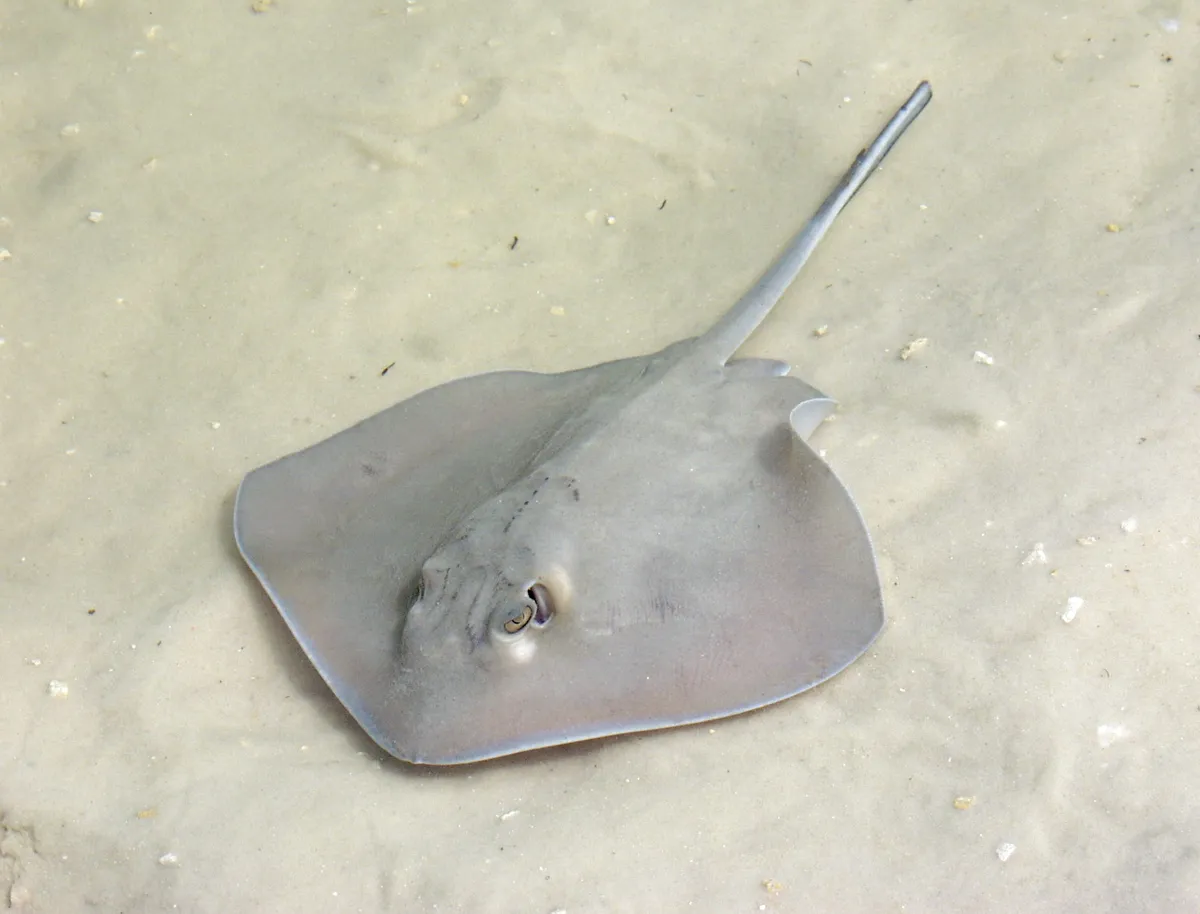
10. Stingray
Generally docile on sandy seafloors, stingrays whip a serrated, venomous tail barb upward when stepped on or cornered.
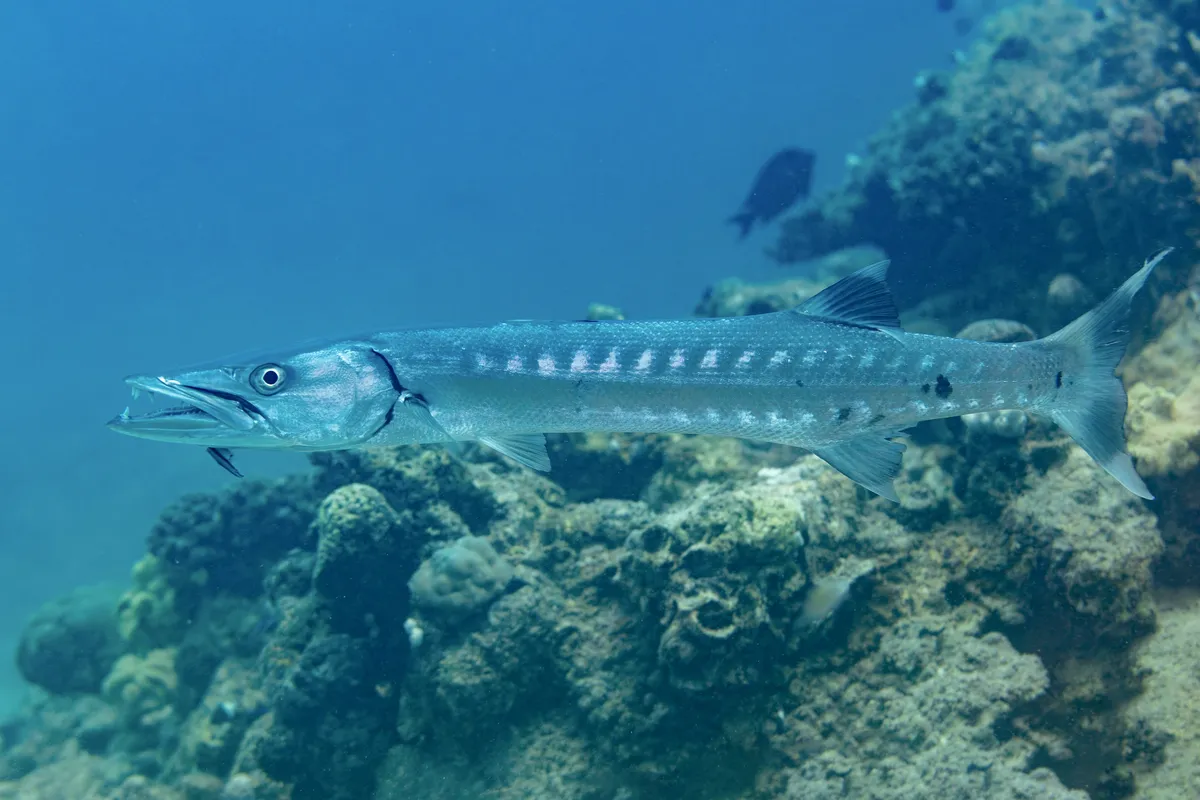
11. Great Barracuda
A torpedo-shaped reef ambush hunter with dagger-like teeth, occasionally drawn to shiny jewelry or watches in murky water.
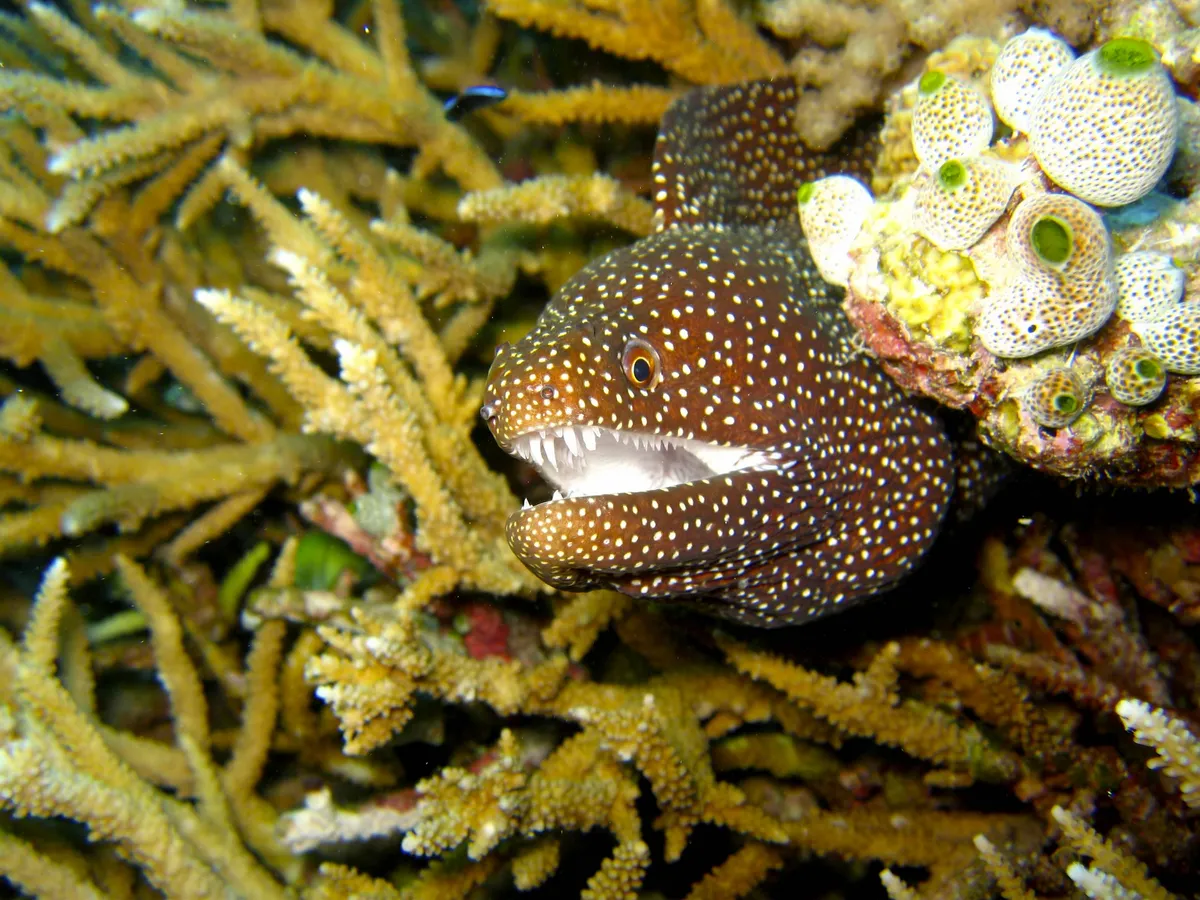
12. Moray Eel
Hiding in coral crevices with poor eyesight, moray eels lock onto intruding hands using sharp backward-curving teeth and a second set of pharyngeal jaws.
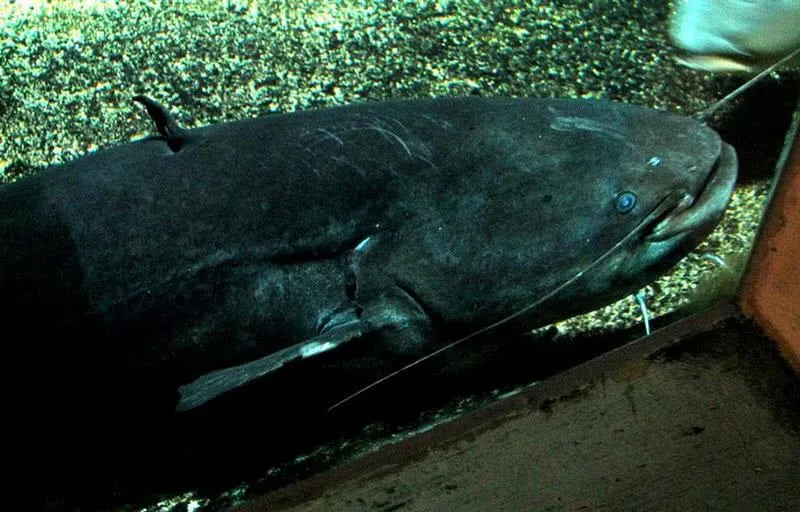
13. Wels Catfish
Growing over eight feet long in European rivers, this massive bottom-dweller preys on fish, waterfowl, and small mammals.
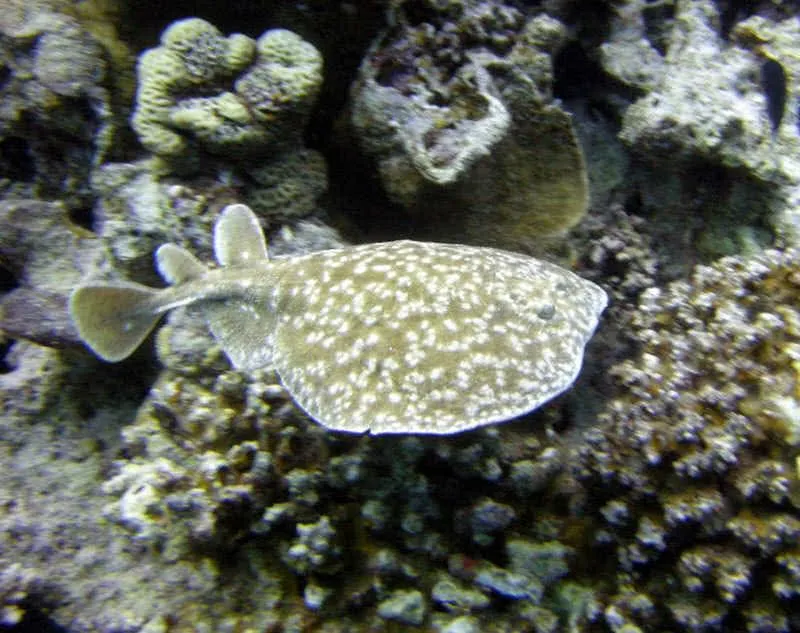
14. Electric Ray
Flat-bodied marine rays capable of discharging up to 220 volts from specialized kidney-shaped electric organs in their wings.
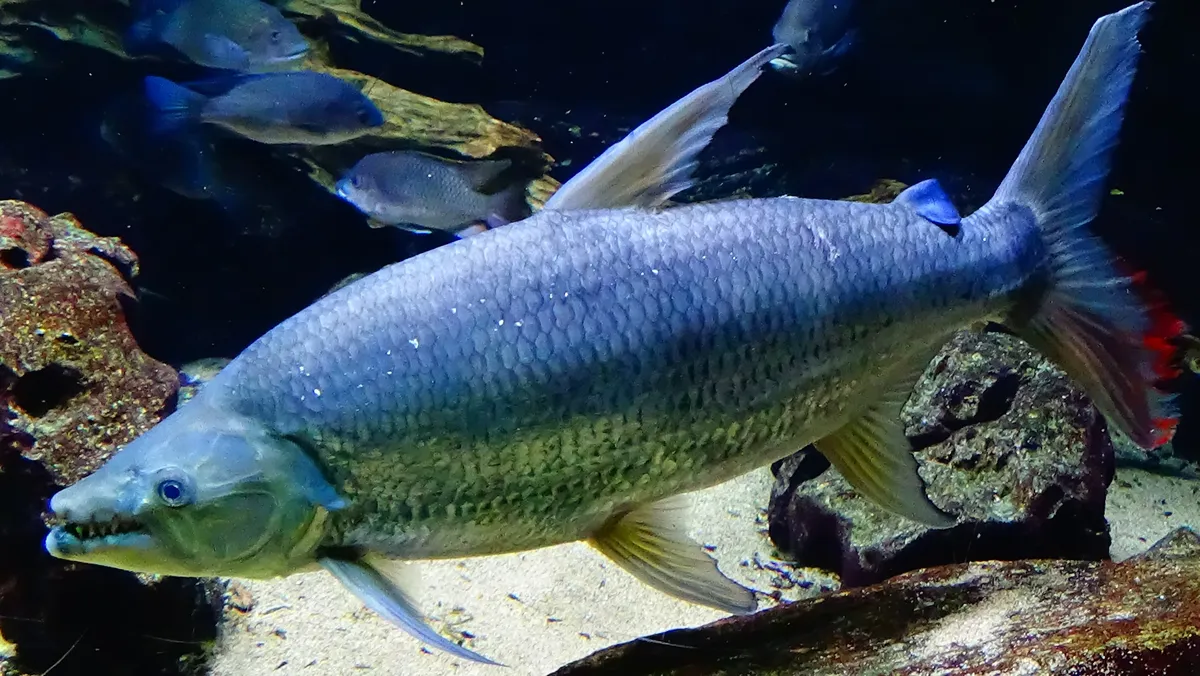
15. Goliath Tigerfish
Roaming Africa’s Congo River basin, this muscular freshwater predator flashes 32 interlocking, inch-long teeth.
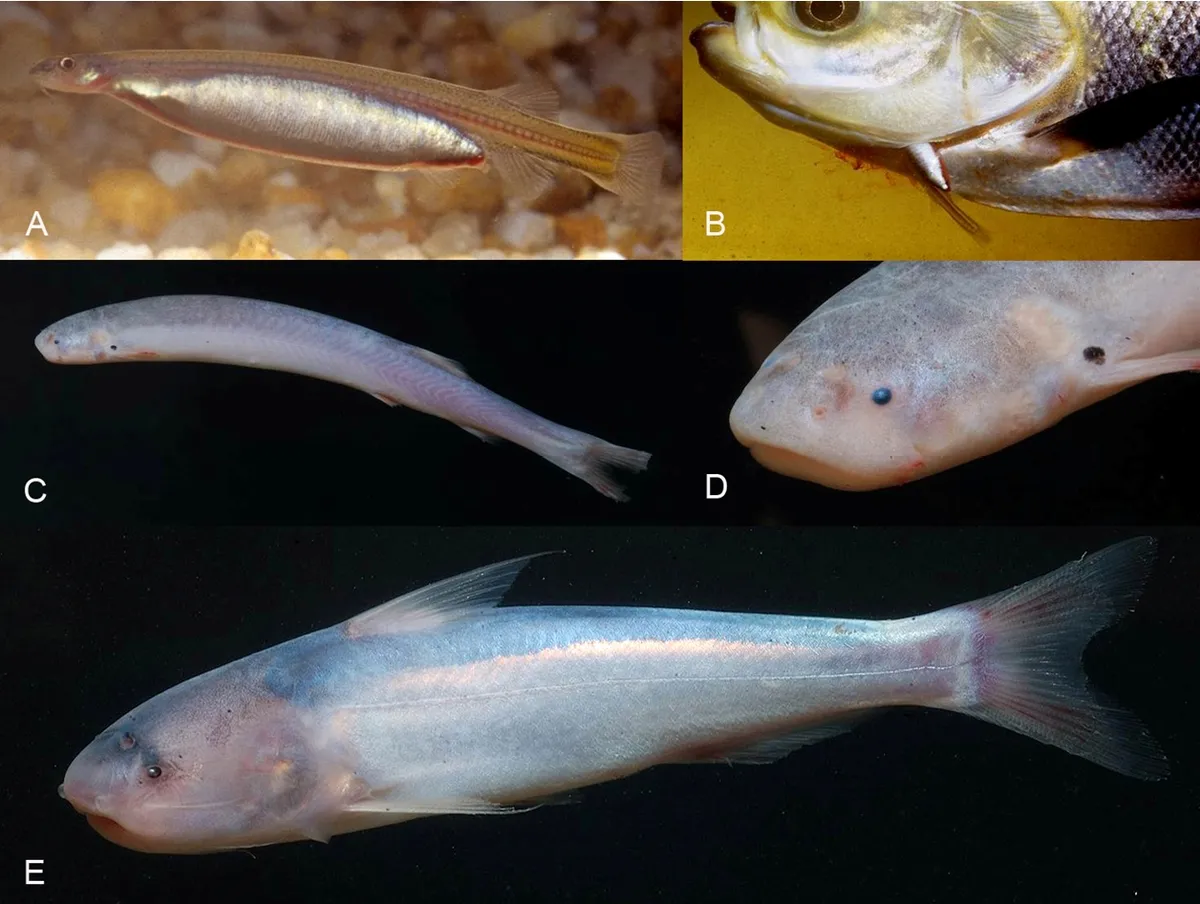
16. Candiru
A tiny parasitic Amazonian catfish that feeds on blood inside larger fish gills—infamous in folklore, though human risk is largely exaggerated.
Conclusion
Understanding where venomous reef dwellers hide and respecting apex predators in open water keeps divers, anglers, and beachgoers safe across the world’s waterways.