Over the past century, breakthroughs in steel, reinforced concrete, glass, and parametric modeling allowed architects to turn daring sketches into skyline-defining landmarks. From cantilevered waterfalls to sail-shaped opera halls, modern architecture reshapes how cities feel.
We expanded an original selection of nine modern icons with five more groundbreaking structures, ranking all 14 from #1 (most famous) down to #14. For more iconic cityscapes, explore cities with the most skyscrapers.
How These 14 Entries Are Ranked
This list is ordered from #1 (most popular and widely recognized) down to #14, combining global recognition, visitor or cultural reach, and standout traits.
| Rank | Name |
|---|---|
| 1 | Burj Khalifa, Dubai, UAE |
| 2 | Sydney Opera House, Australia |
| 3 | Marina Bay Sands, Singapore |
| 4 | Petronas Towers, Kuala Lumpur, Malaysia |
| 5 | The Shard, London, UK |
| 6 | Guggenheim Museum, Bilbao, Spain |
| 7 | Fallingwater, Pennsylvania, USA |
| 8 | Beijing National Stadium (Bird’s Nest), China |
| 9 | Walt Disney Concert Hall, Los Angeles, USA |
| 10 | 30 St Mary Axe (The Gherkin), London, UK |
| 11 | Heydar Aliyev Center, Baku, Azerbaijan |
| 12 | CCTV Headquarters, Beijing, China |
| 13 | National Centre for the Performing Arts, Beijing |
| 14 | Palau de les Arts Reina Sofía, Valencia, Spain |
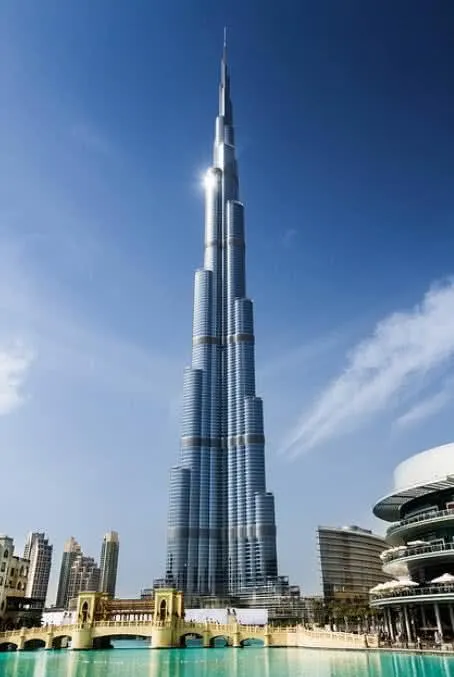
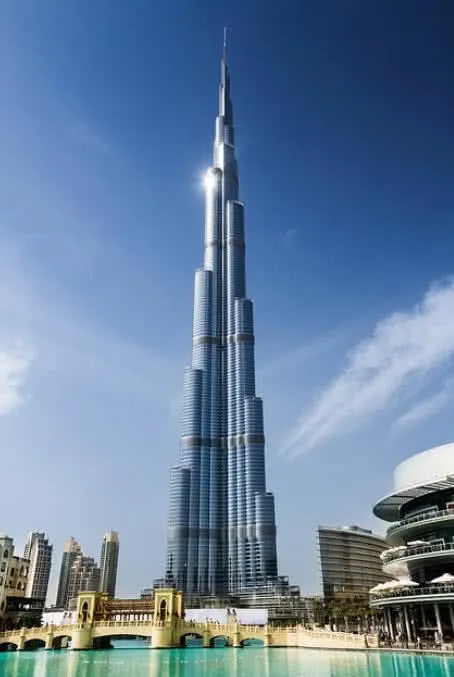
1. Burj Khalifa, Dubai, UAE
Rising 828 meters (2,717 feet) into the Dubai sky, the world’s tallest building blends Islamic geometric patterns with bundled-tube engineering.
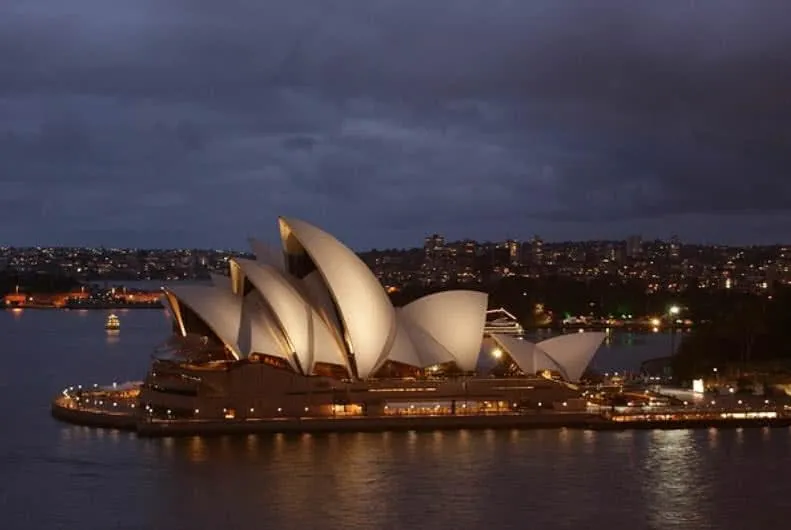
2. Sydney Opera House, Australia
Jørn Utzon’s interlocking precast concrete shells transformed Sydney Harbour into one of the most recognizable silhouettes of the 20th century.
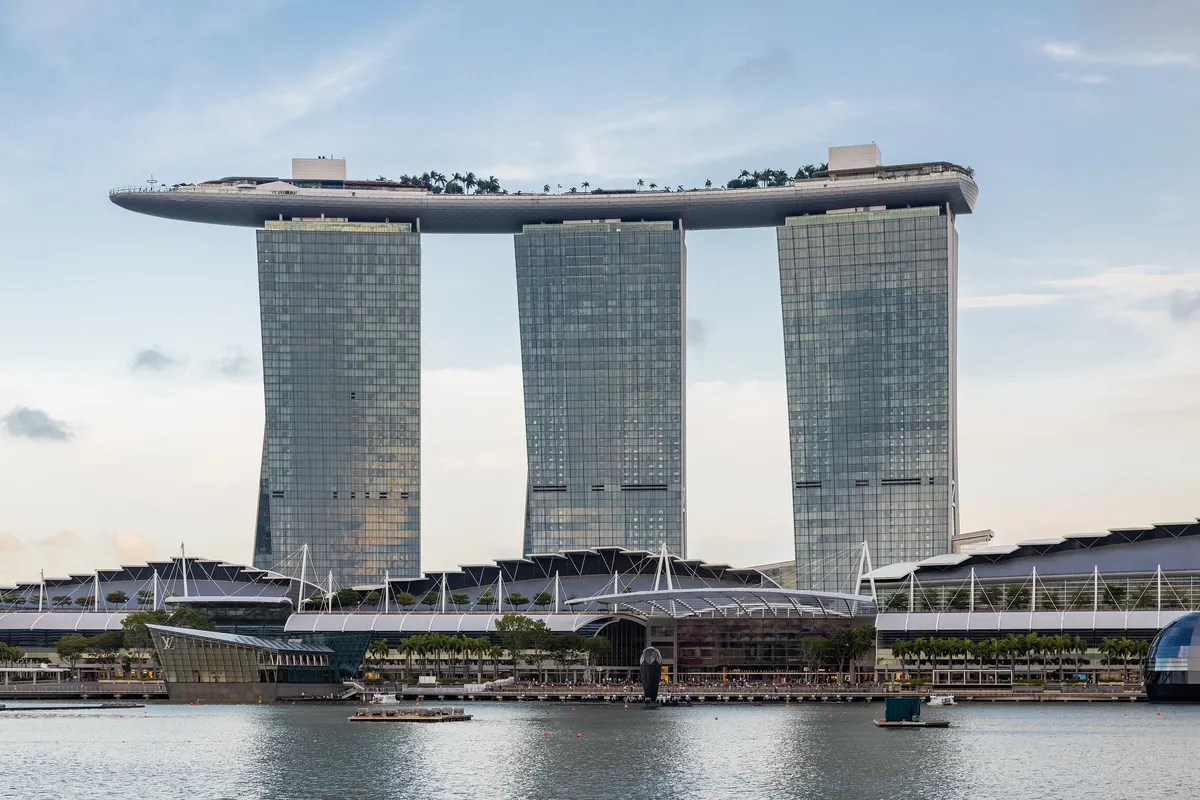
3. Marina Bay Sands, Singapore
Moshe Safdie’s three tilting hotel towers support the 340-meter-high Sands SkyPark and the world’s longest elevated infinity pool.
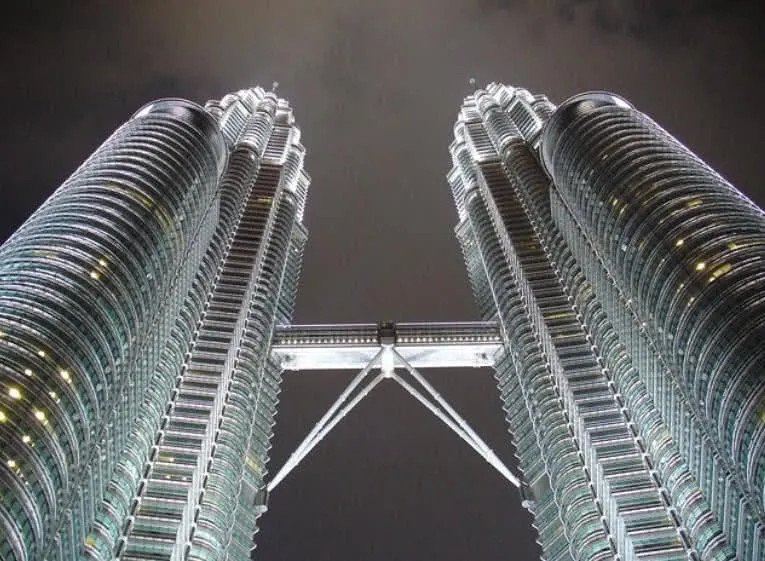
4. Petronas Towers, Kuala Lumpur, Malaysia
Standing 451.9 meters tall, these twin stainless-steel-and-glass towers remain the tallest twin skyscrapers on Earth.
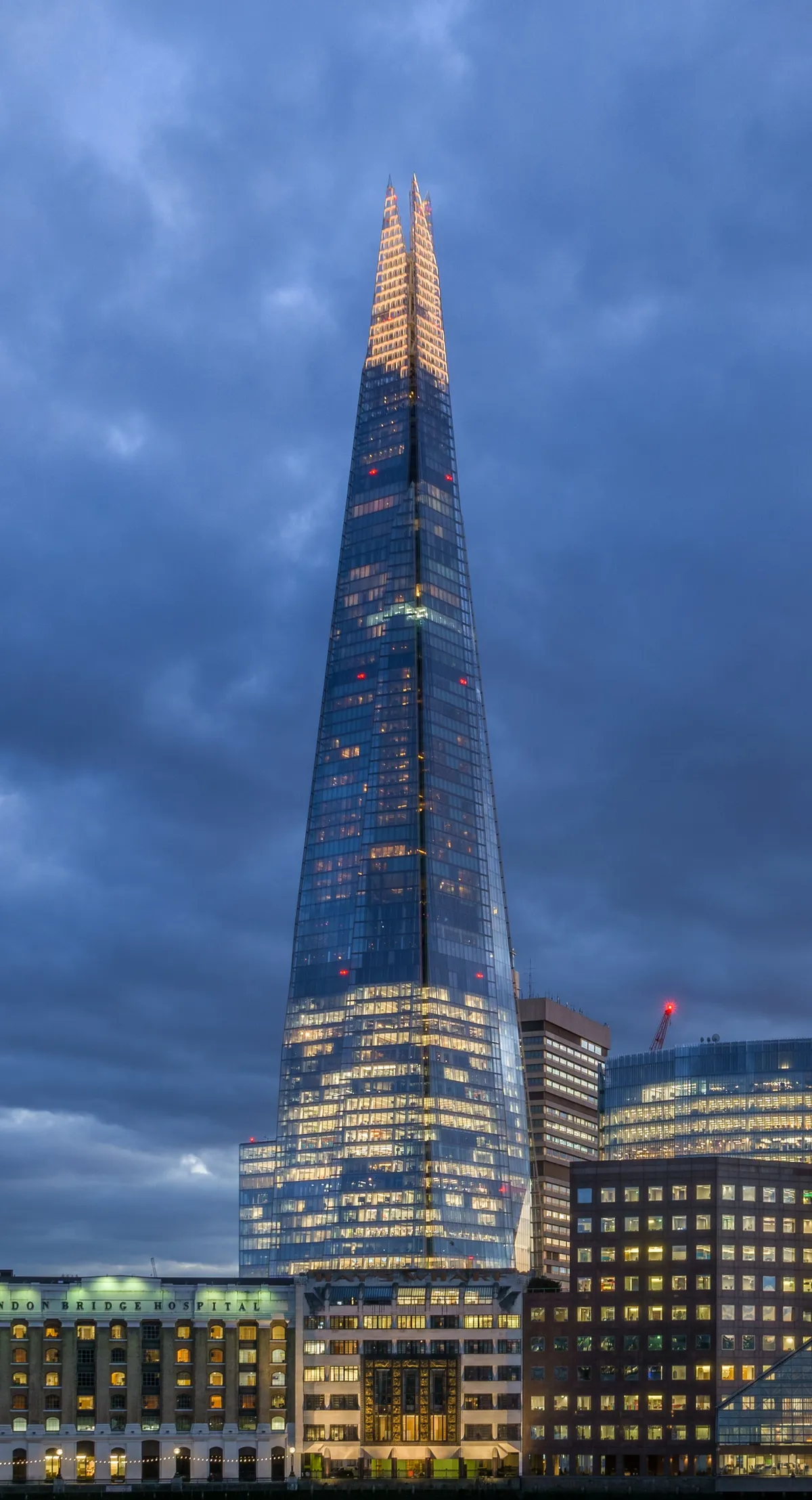
5. The Shard, London, UK
Renzo Piano’s 309.6-meter glass spire rises over London Bridge with 11,048 angled panes catching shifting sky reflections.
6. Guggenheim Museum, Bilbao, Spain
Frank Gehry’s shimmering titanium curves revitalized Bilbao and ushered in an era of sculptural civic architecture.
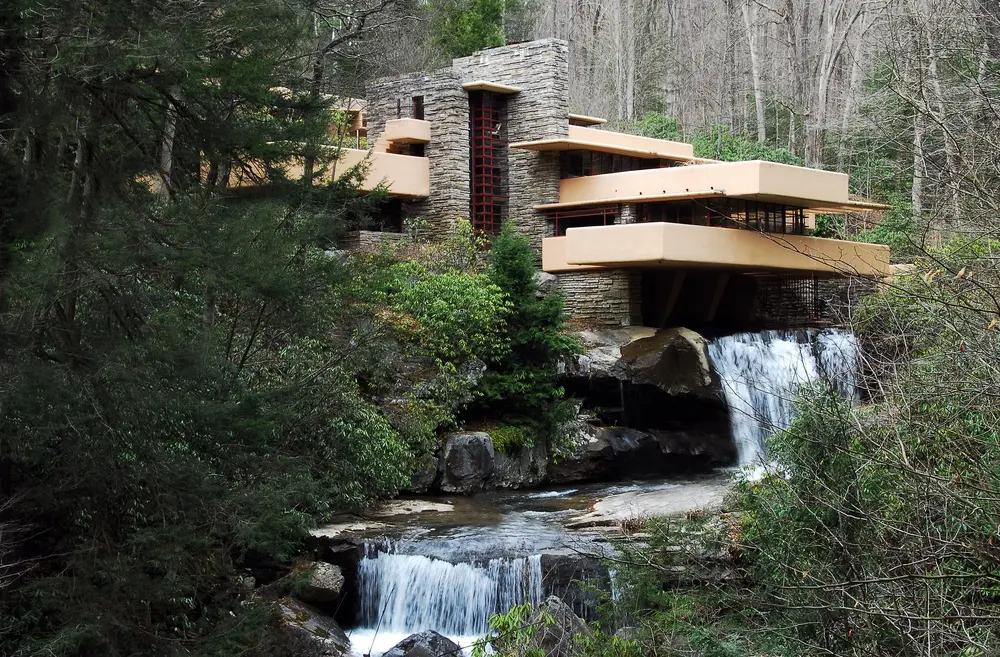
7. Fallingwater, Pennsylvania, USA
Frank Lloyd Wright’s 1939 organic masterpiece cantilevers reinforced concrete terraces directly above a 30-foot forest waterfall.
8. Beijing National Stadium (Bird’s Nest), China
Built for the 2008 Olympics, its interwoven steel lattice forms an instantly recognizable structural cradle.
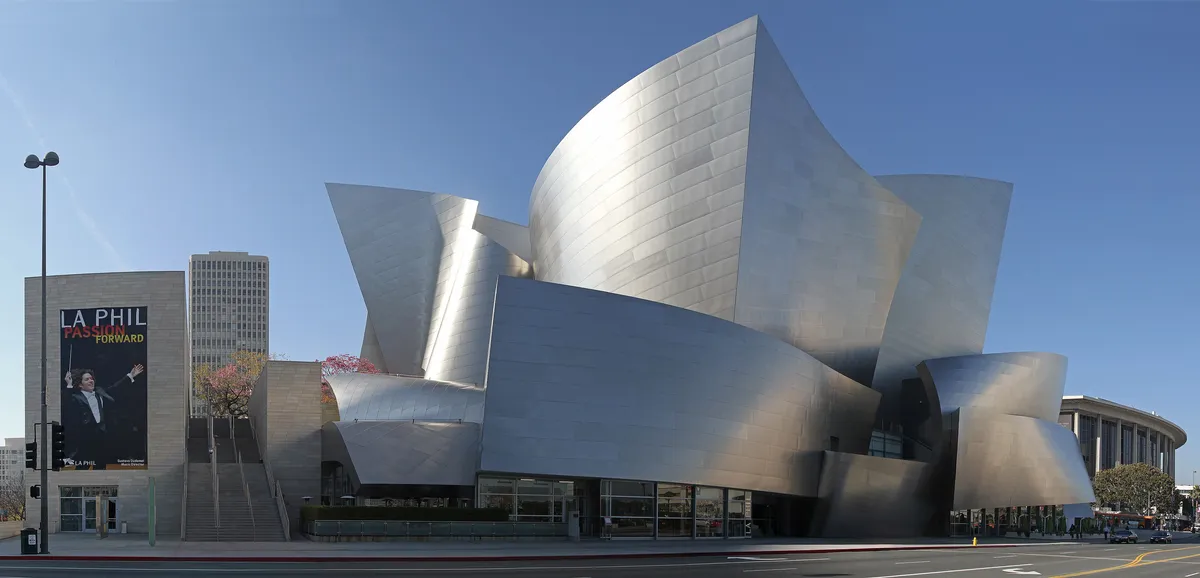
9. Walt Disney Concert Hall, Los Angeles, USA
Clad in billowing matte stainless-steel sails by Frank Gehry, wrapping one of the world’s most acoustically acclaimed auditoriums.
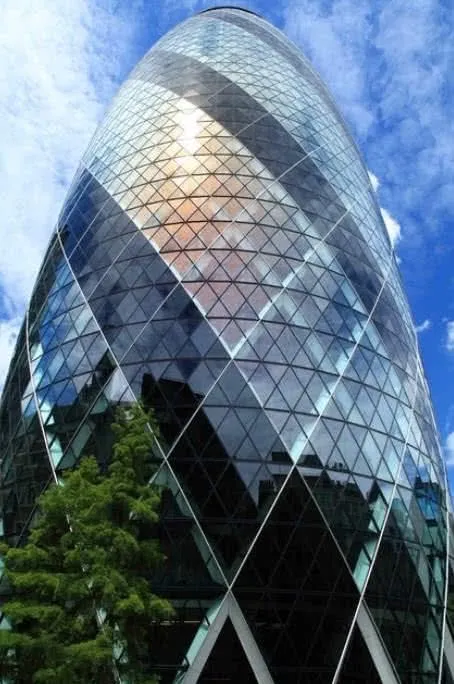
10. 30 St Mary Axe (The Gherkin), London, UK
Norman Foster’s diagrid glass tower uses spiraling light wells to cut energy use while reshaping London’s financial skyline.
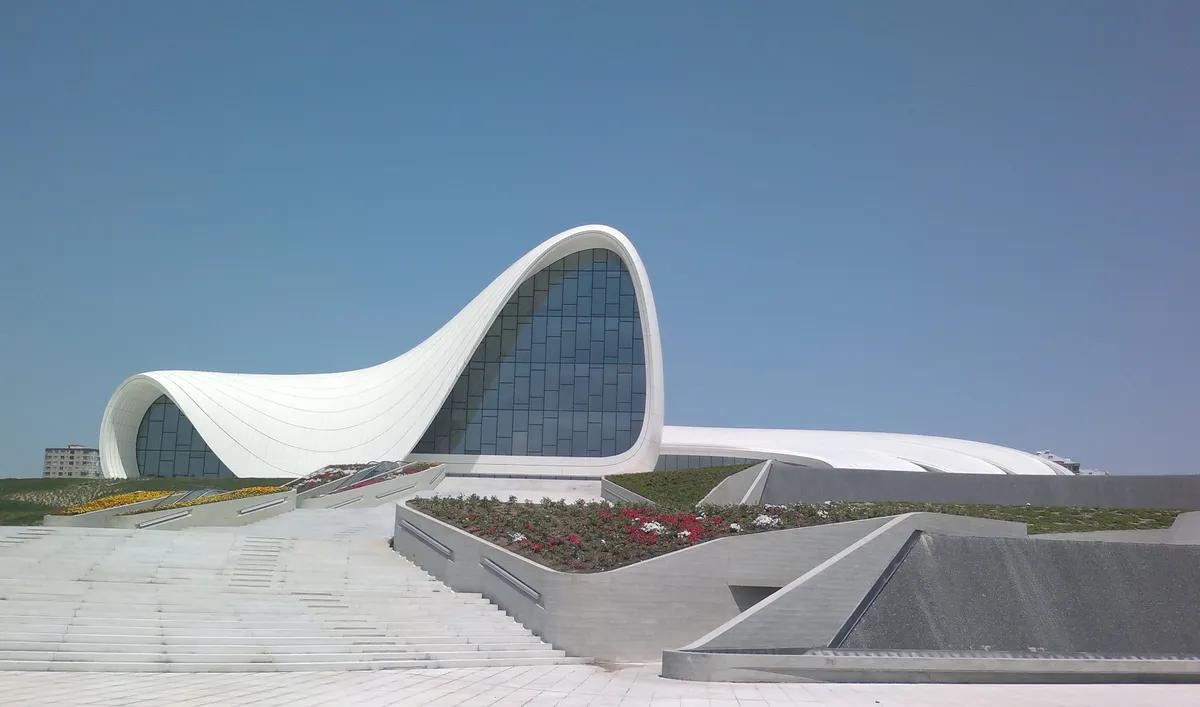
11. Heydar Aliyev Center, Baku, Azerbaijan
Zaha Hadid’s fluid, corner-free white shell ripples seamlessly from the plaza into sweeping exhibition halls.
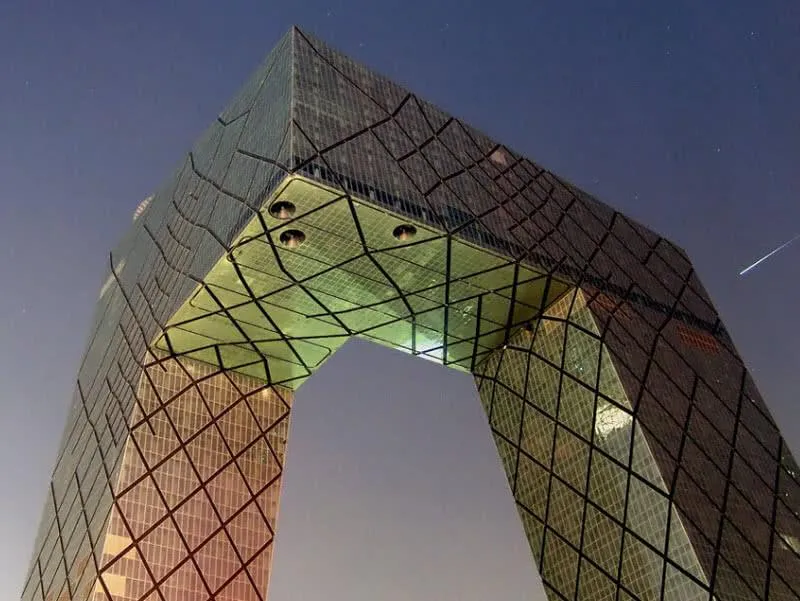
12. CCTV Headquarters, Beijing, China
A gravity-defying 75-meter cantilevered loop designed by Rem Koolhaas and Ole Scheeren.
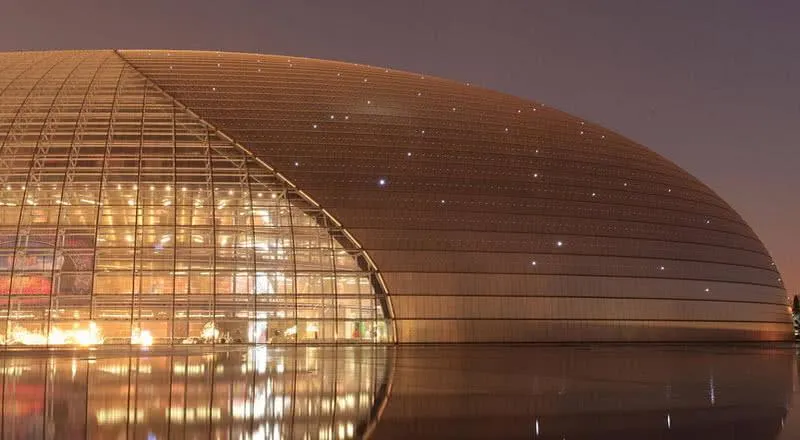
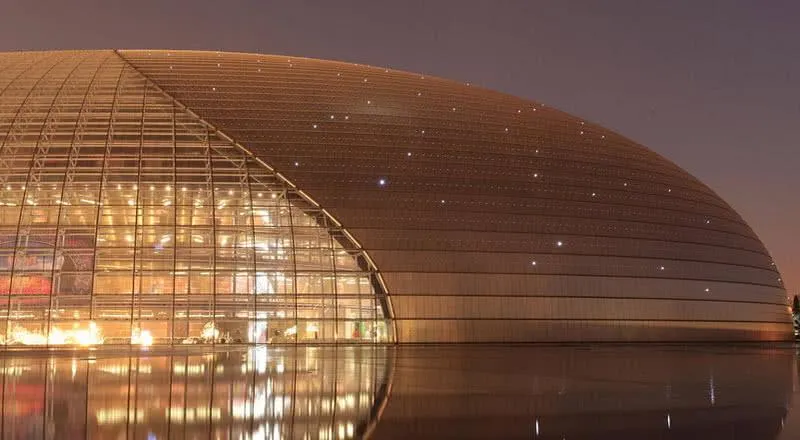
13. National Centre for the Performing Arts, Beijing
Paul Andreu’s titanium-and-glass “Giant Egg” appears to float serenely inside a man-made lake.
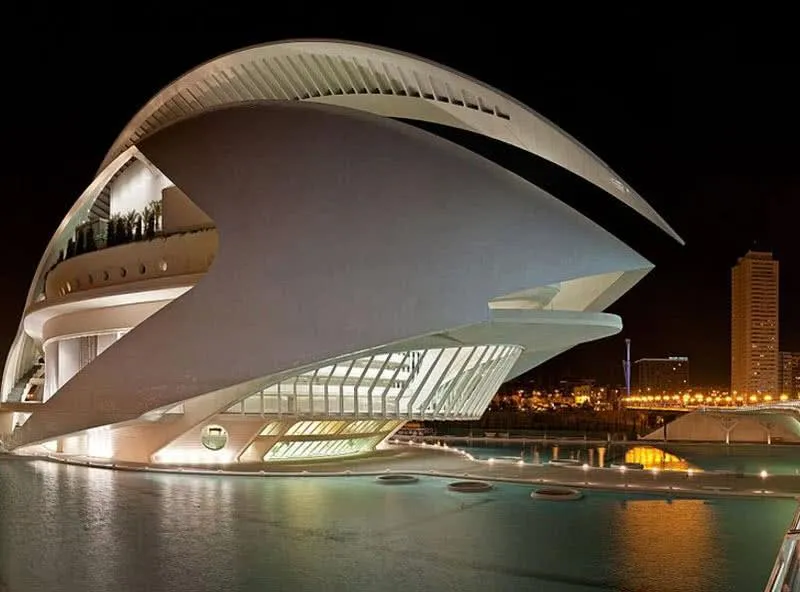
14. Palau de les Arts Reina Sofía, Valencia, Spain
Santiago Calatrava’s sweeping white-ceramic and steel opera house anchors Valencia’s futuristic City of Arts and Sciences.
Conclusion
Whether soaring 828 meters above the desert or curving organically over a Pennsylvania stream, these 14 modern architectural wonders prove how boldly engineering and art can merge.