Most garden flowers open to greet the morning sun, yet a fascinating group of plants waits until dusk to unfurl. Pale white or cream petals reflect moonlight while rich, sweet perfumes guide nocturnal moths and bats.
We expanded an original selection of nine evening bloomers with five more celebrated moon-garden favorites, ranking all 14 from #1 (most popular) down to #14. For more floral wonders, try our flowers around the world quiz.
How These 14 Entries Are Ranked
This list is ordered from #1 (most popular and widely recognized) down to #14, combining global recognition, visitor or cultural reach, and standout traits.
| Rank | Name |
|---|---|
| 1 | Moonflower (Ipomoea alba) |
| 2 | Night-blooming Cereus |
| 3 | Four O’Clock Flower (Mirabilis jalapa) |
| 4 | Evening Primrose |
| 5 | Angel’s Trumpet (Brugmansia) |
| 6 | Night-blooming Jasmine (Cestrum nocturnum) |
| 7 | Dragon Fruit Flower |
| 8 | Tropical Night-blooming Water Lily |
| 9 | Tuberose (Agave amica) |
| 10 | Casablanca Lily |
| 11 | Chocolate Daisy |
| 12 | Night-scented Orchid |
| 13 | Night Gladiolus (Gladiolus tristis) |
| 14 | Nottingham Catchfly |
1. Moonflower (Ipomoea alba)
Related to morning glories, this fast-growing vine unfurls large, glowing white saucers right at dusk with a sweet perfume.
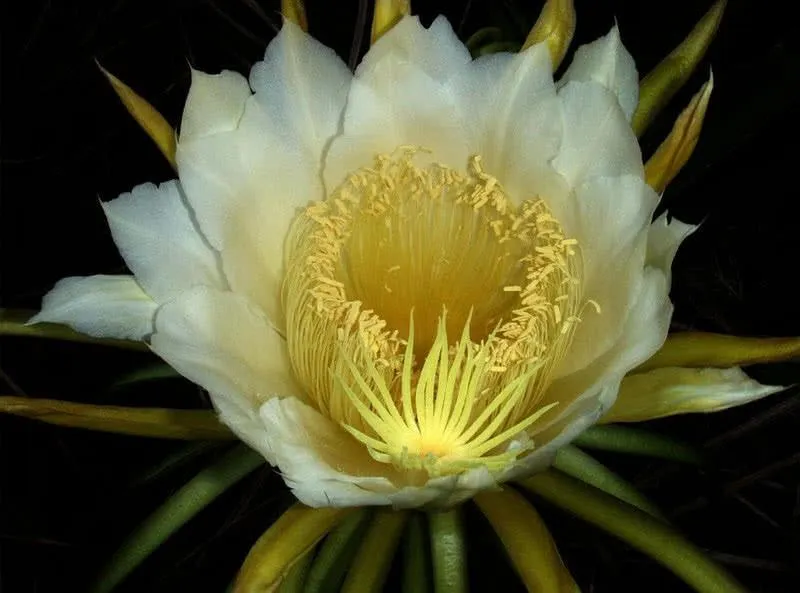
2. Night-blooming Cereus
Known as the “Queen of the Night,” this climbing cactus opens giant, intricate white blooms for a single night before wilting at dawn.
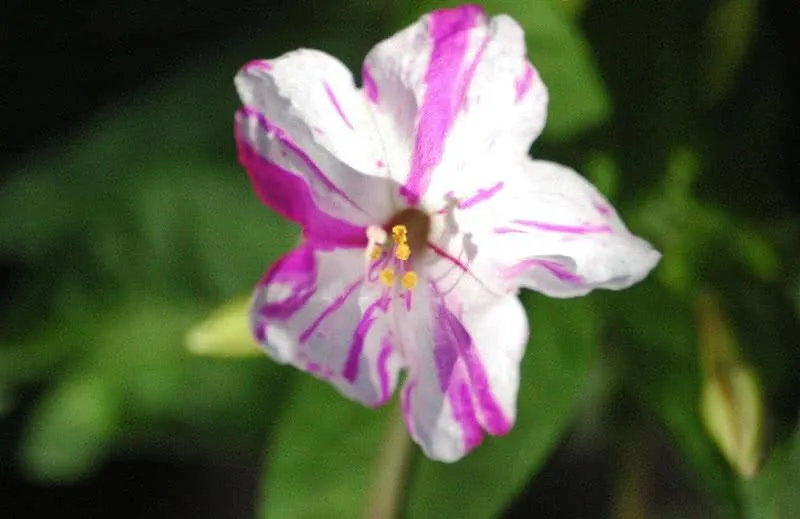
3. Four O’Clock Flower (Mirabilis jalapa)
Named for opening in late afternoon and staying vibrant overnight, often sporting multicolored petals on the same plant.
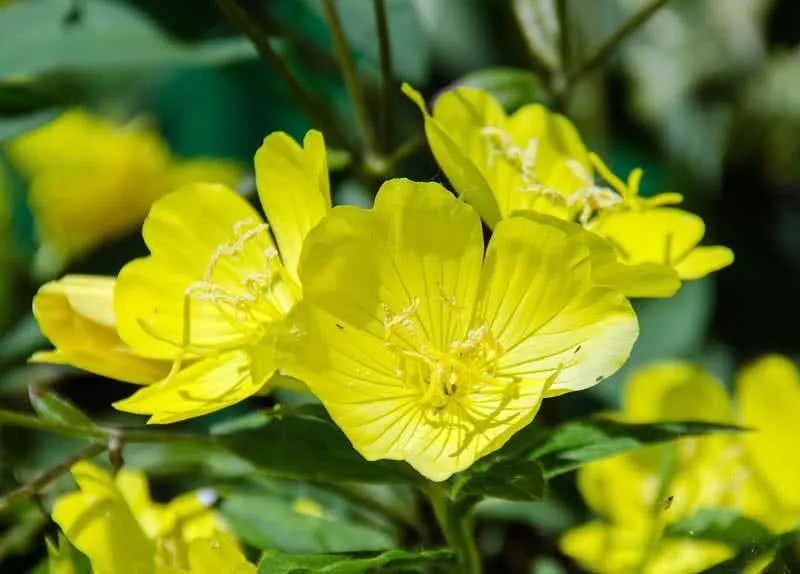
4. Evening Primrose
Delicate yellow or pink cup-shaped blooms that pop open rapidly at twilight along summer meadows.
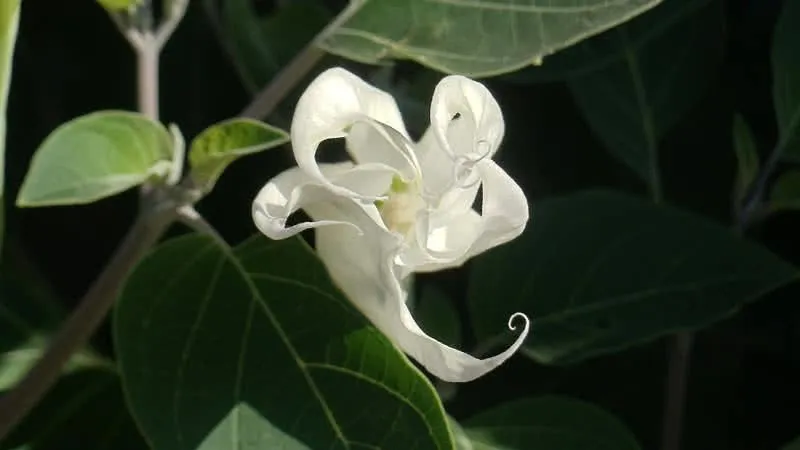
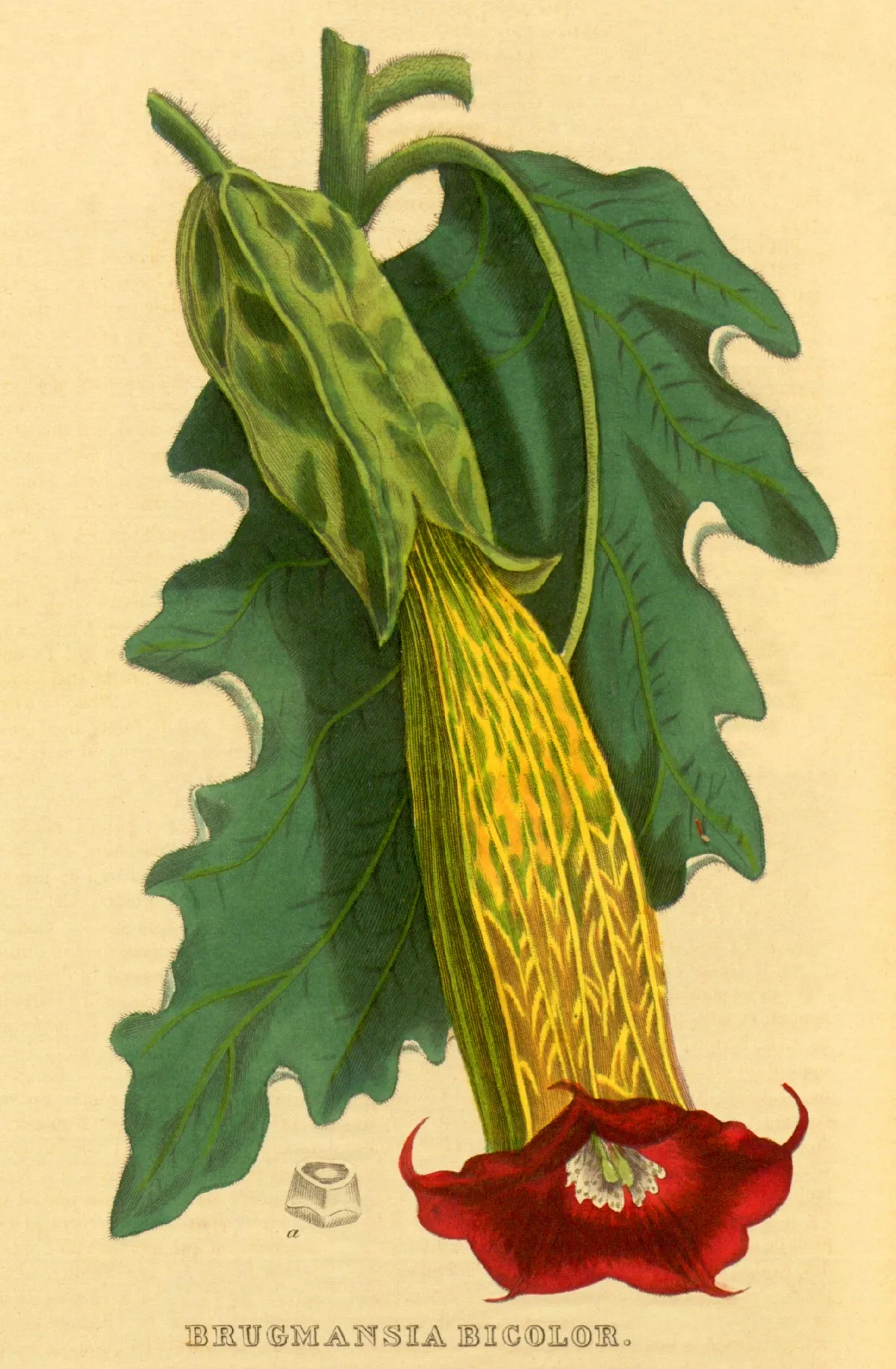
5. Angel’s Trumpet (Brugmansia)
Pendulous foot-long trumpets release an intoxicating tropical scent after sunset (note: all plant parts are toxic if ingested).
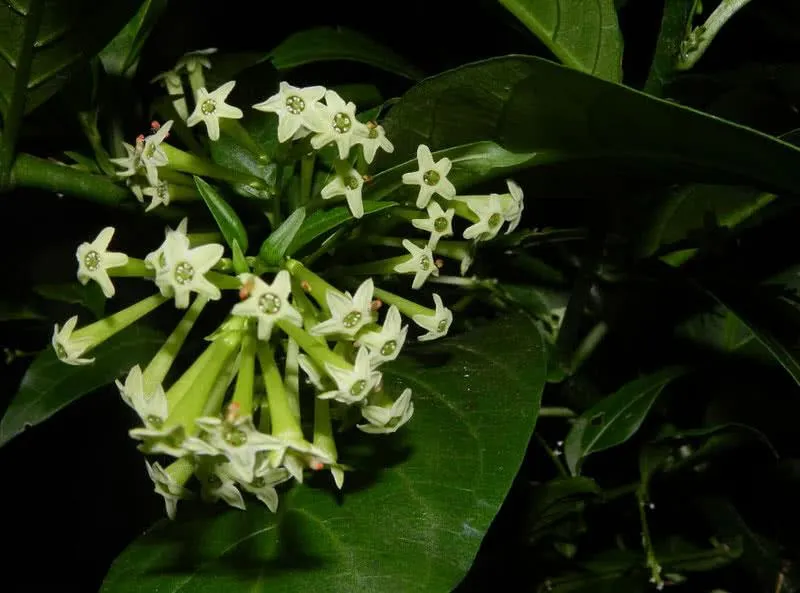
6. Night-blooming Jasmine (Cestrum nocturnum)
Tiny greenish-white clusters pack one of the strongest, sweetest evening fragrances in the plant kingdom.
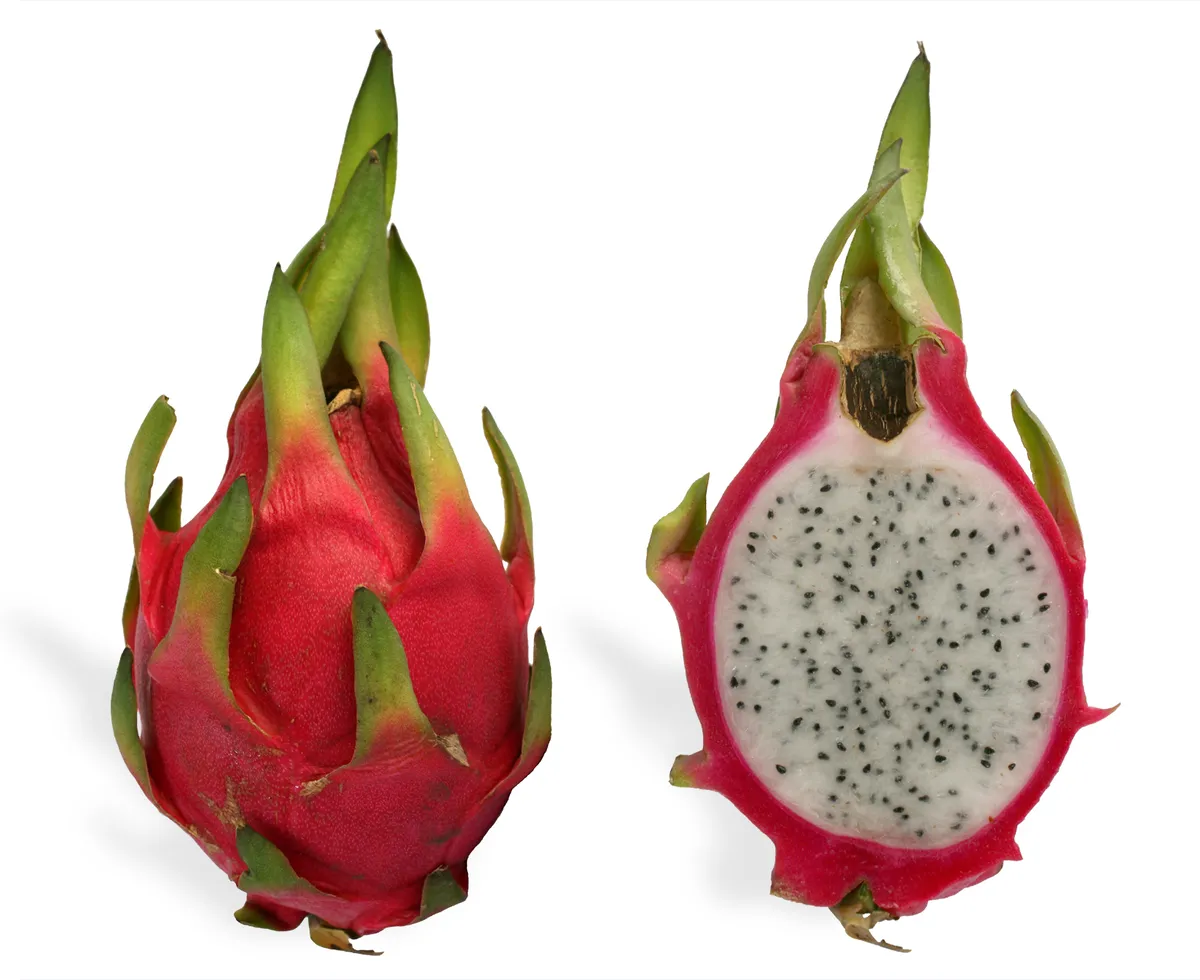
7. Dragon Fruit Flower
Massive, fleeting white cactus blossoms that open in total darkness for moth and bat pollination before setting edible dragon fruit.
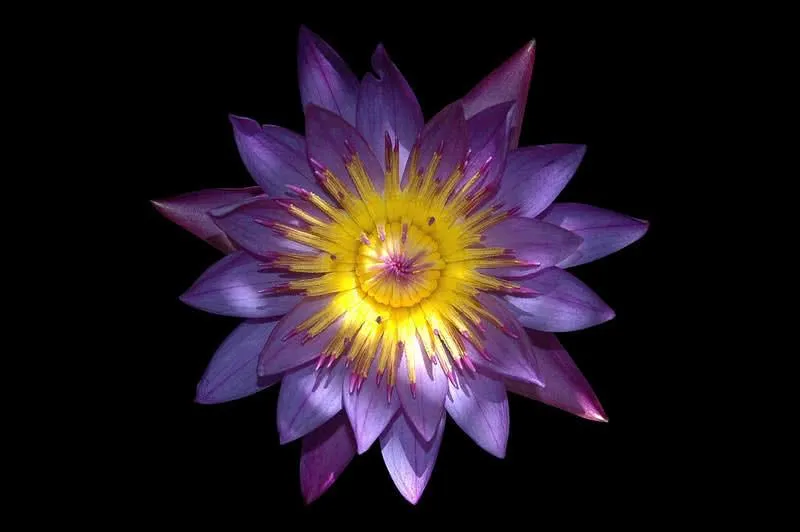
8. Tropical Night-blooming Water Lily
Opening after sunset in garden ponds, sending vivid white, pink, or crimson blooms across dark water.
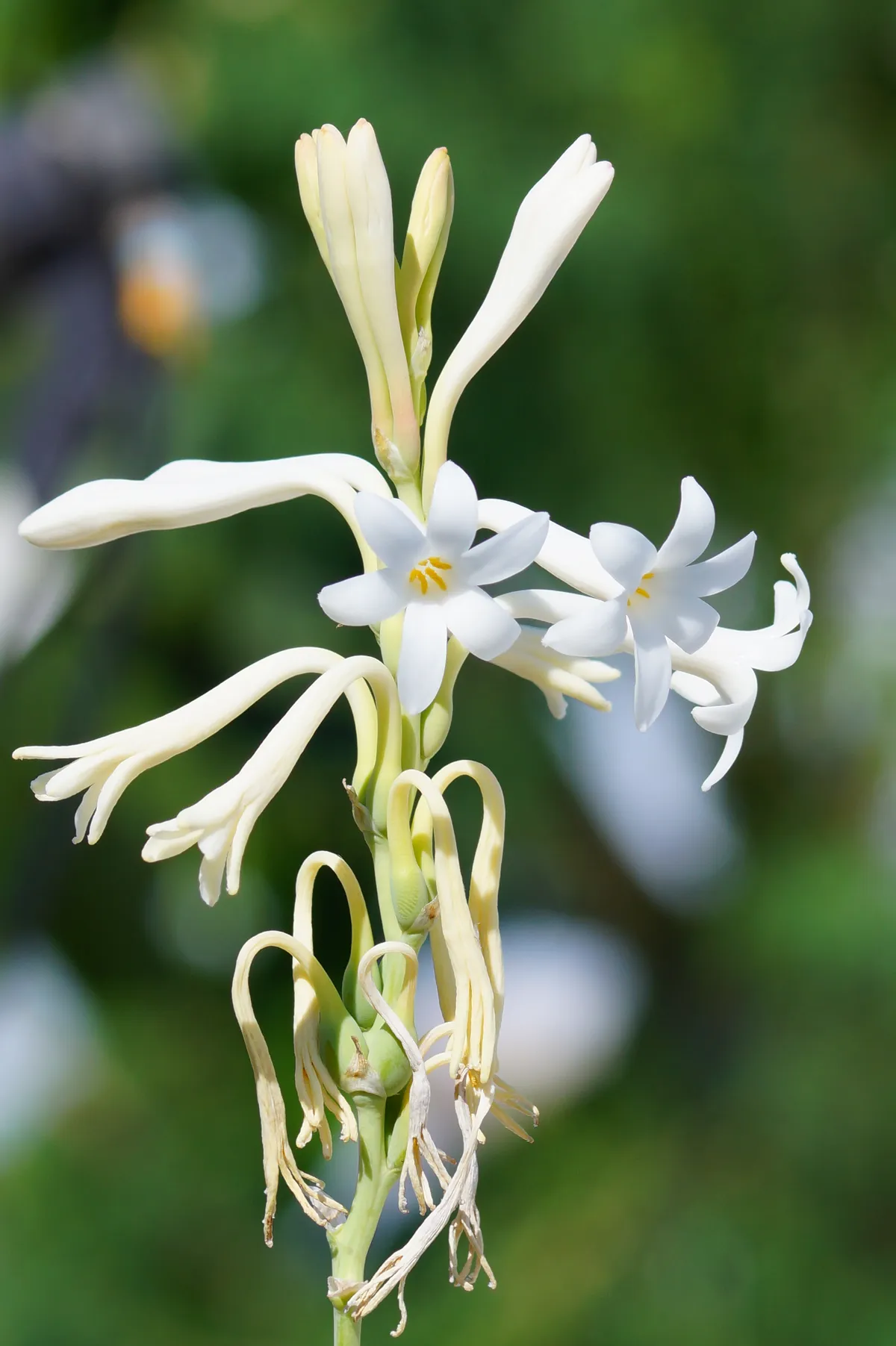
9. Tuberose (Agave amica)
Waxy white spikes prized by perfumers worldwide for their rich, creamy nighttime aroma.
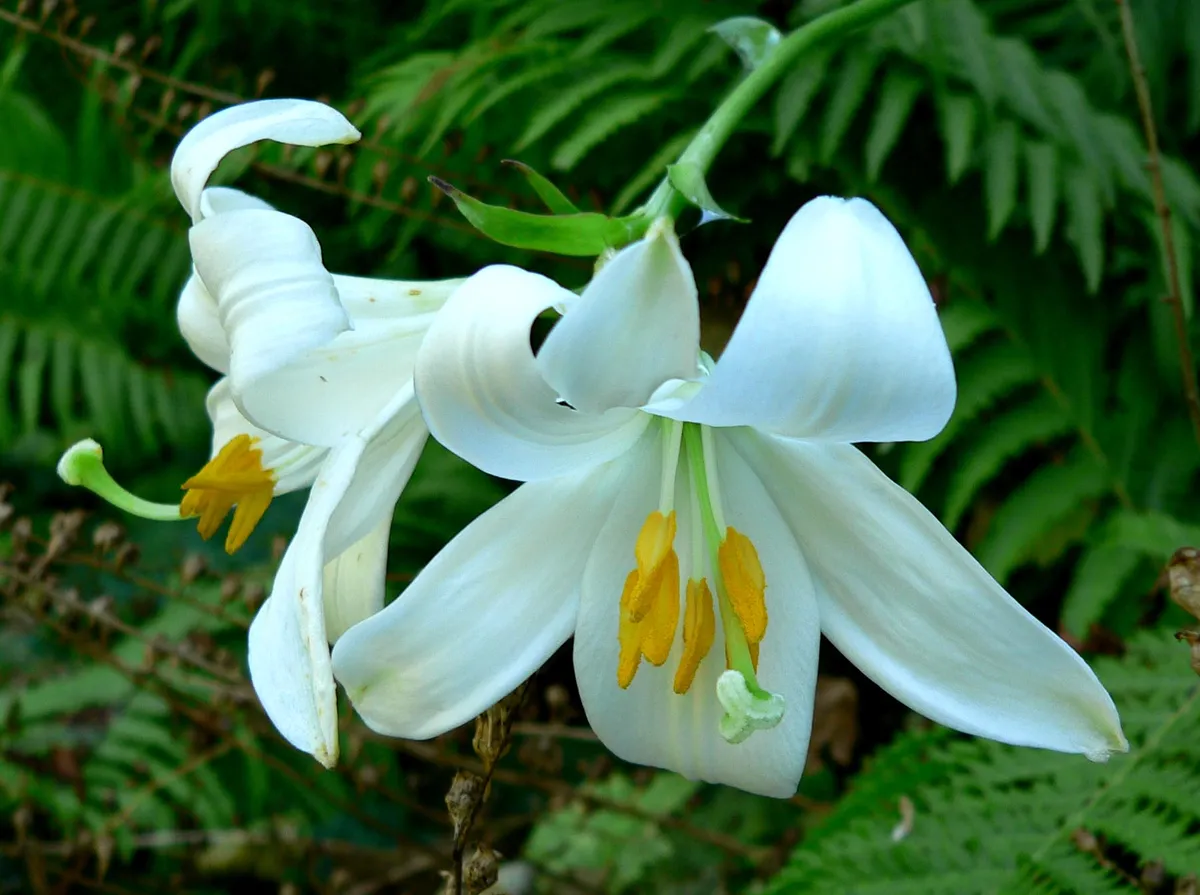
10. Casablanca Lily
Pure white oriental lilies whose heavy, luxurious fragrance intensifies dramatically after dusk.
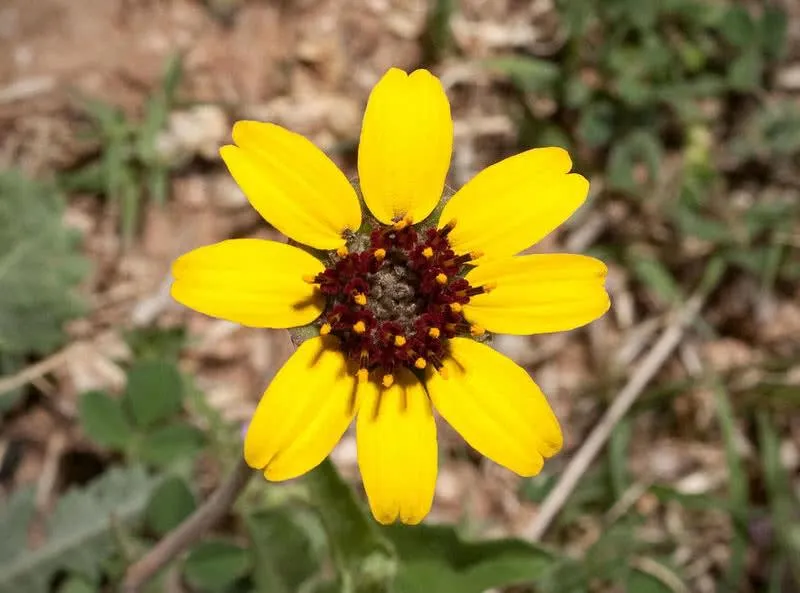
11. Chocolate Daisy
Yellow-rayed blooms with maroon centers that release a surprising cocoa scent in late evening and early morning.
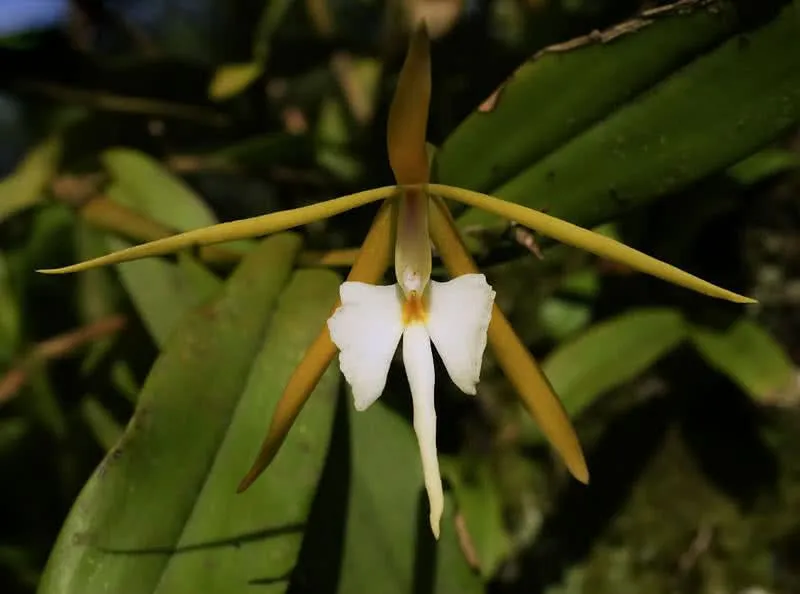
12. Night-scented Orchid
Tropical orchids like Brassavola nodosa (“Lady of the Night”) that save their citrus-sweet perfume for nocturnal pollinators.
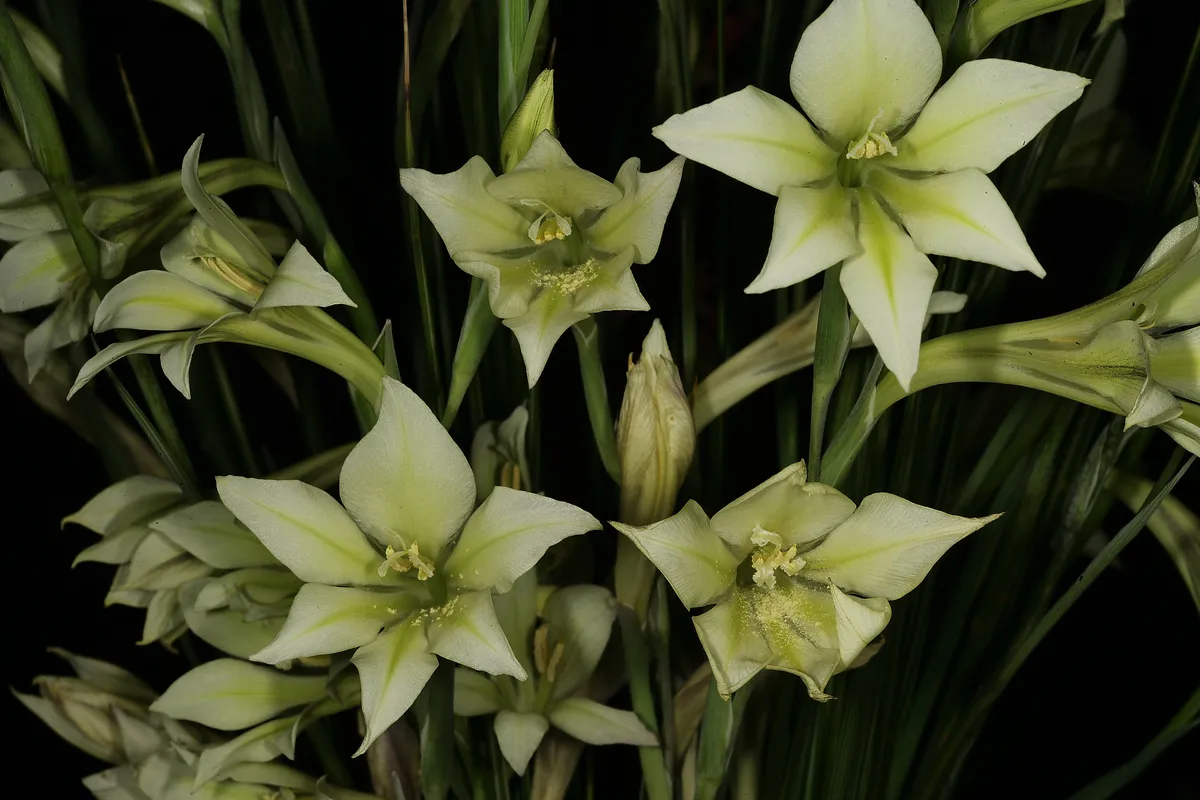
13. Night Gladiolus (Gladiolus tristis)
Creamy-yellow South African bulbs that emit a clove-like fragrance after dark.
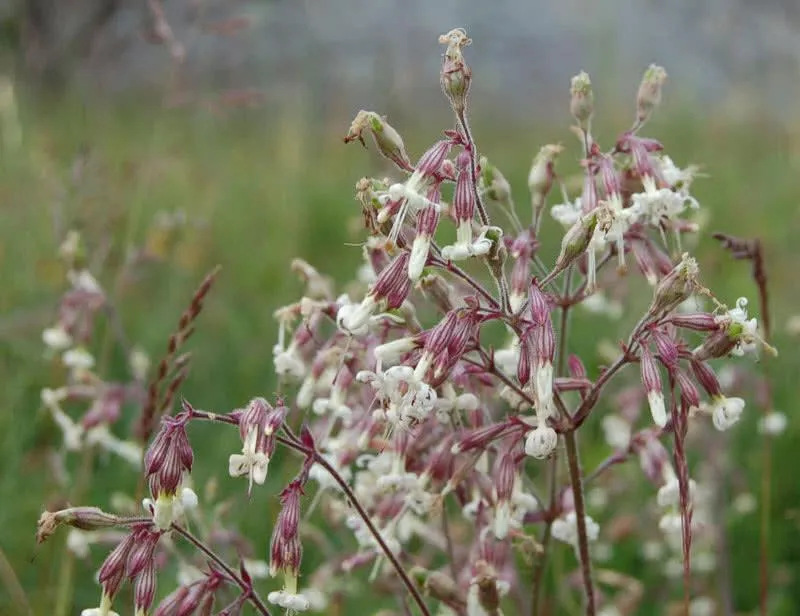
14. Nottingham Catchfly
A modest European wildflower that uncurls its pale petals and scents the night air to attract moths.
Conclusion
Planting a few night-blooming vines or shrubs near a patio turns warm summer evenings into a fragrant, glowing sanctuary.