Most of the world’s roughly 3,900 snake species are completely non-venomous—relying instead on speed, camouflage, or muscular constriction to catch prey. Many also play vital ecological roles controlling rodents.
We expanded an original list of ten non-venomous snakes with five more widely known species, ranking all 15 from #1 (most popular) down to #15. For related wildlife quizzes, try our animal myths quiz.
How These 15 Entries Are Ranked
This list is ordered from #1 (most popular and widely recognized) down to #15, combining global recognition, cultural impact, and standout traits.
| Rank | Name |
|---|---|
| 1 | Ball Python |
| 2 | Green Anaconda |
| 3 | Corn Snake |
| 4 | Burmese & Reticulated Python |
| 5 | Boa Constrictor |
| 6 | Milk Snake |
| 7 | California Kingsnake |
| 8 | Eastern Garter Snake |
| 9 | Emerald Tree Boa |
| 10 | Western Hognose Snake |
| 11 | Black Rat Snake |
| 12 | Bullsnake |
| 13 | Rough Green Snake |
| 14 | Northern Water Snake |
| 15 | Four-lined Snake |
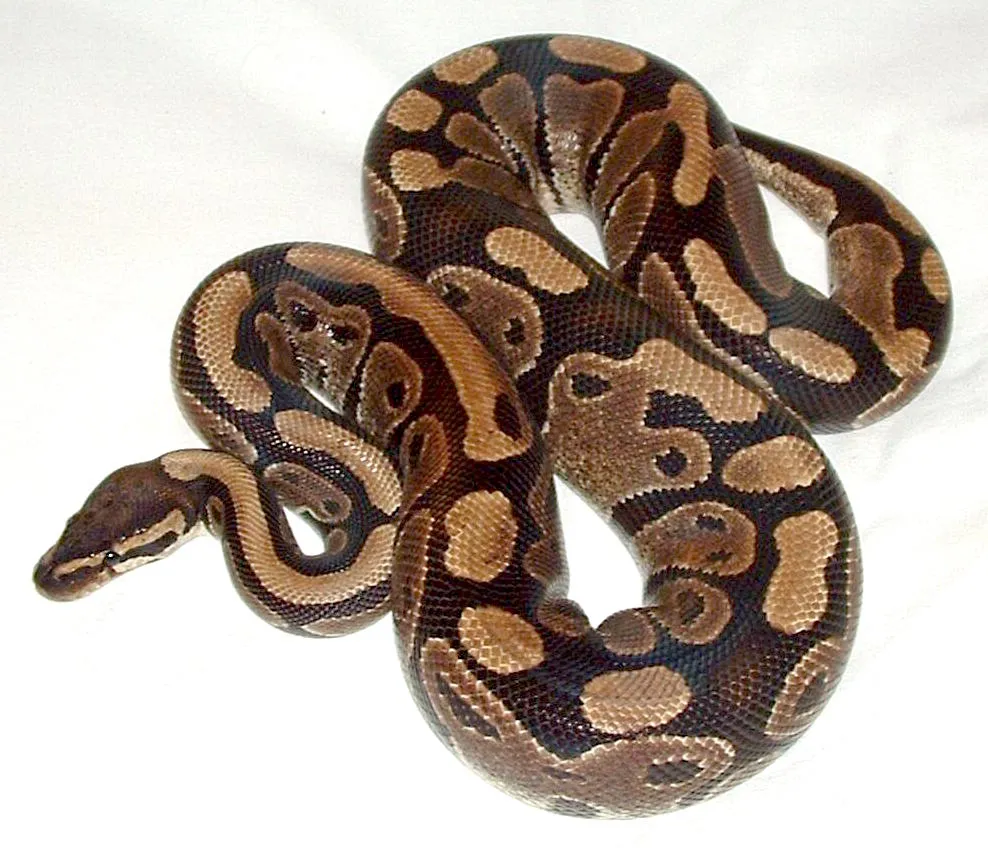
1. Ball Python
The world’s most popular pet snake curls into a tight ball when shy and comes in hundreds of captive color morphs.
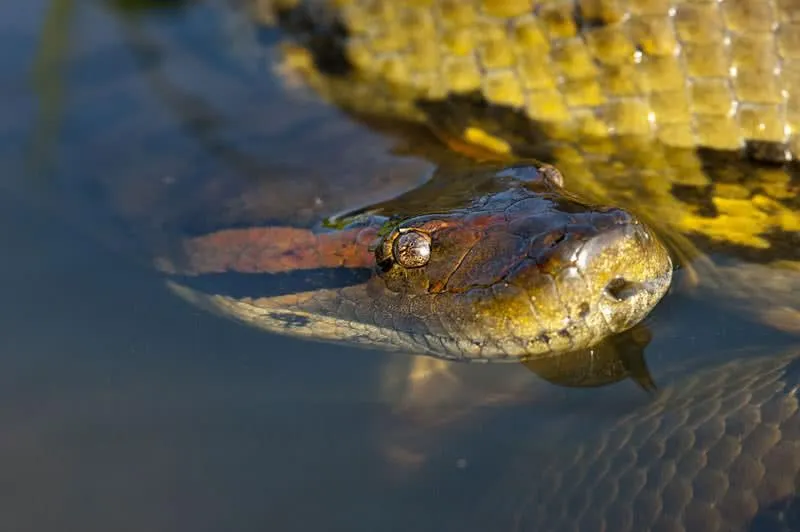
2. Green Anaconda
The heaviest snake on Earth, lurking in South American swamps and rivers as an aquatic ambush constrictor.
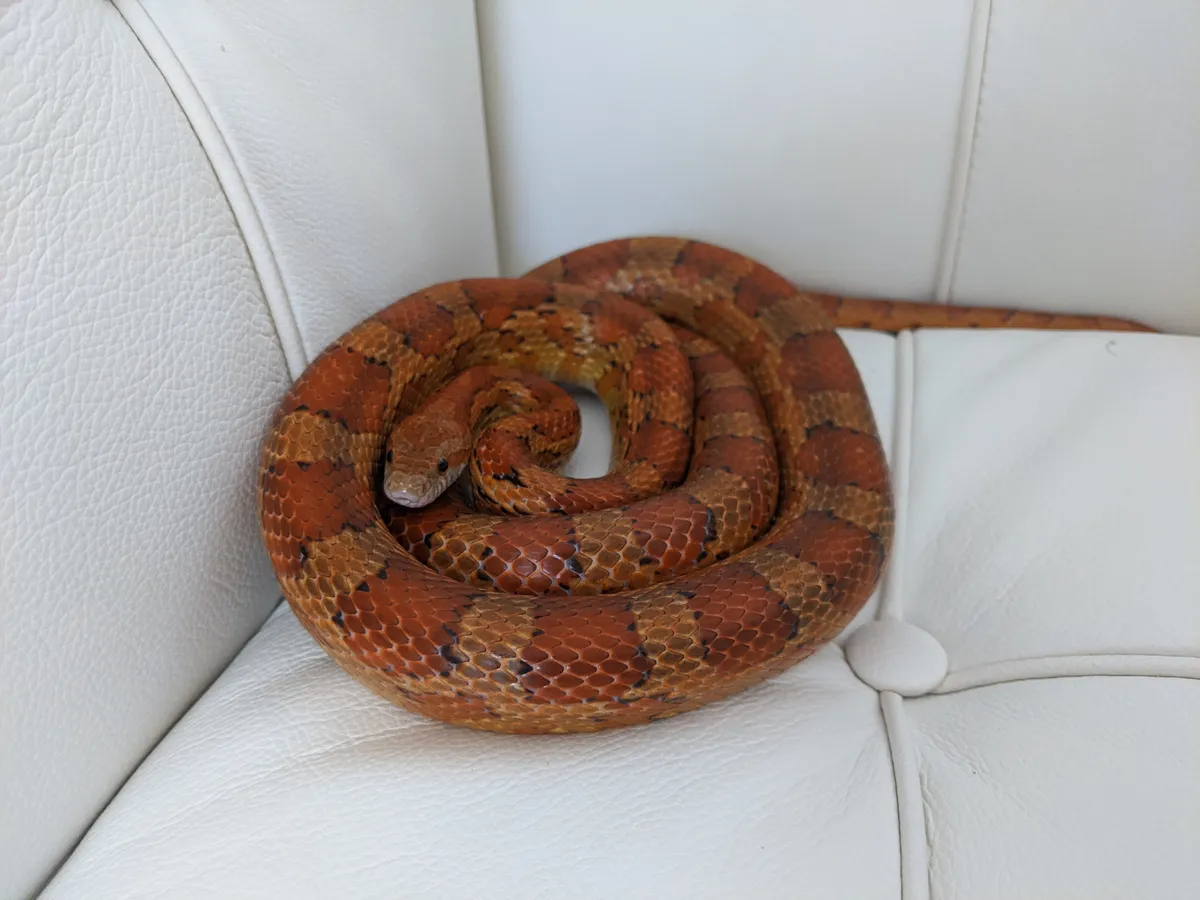
3. Corn Snake
Docile, slender, and brightly patterned, making it a classic beginner companion snake.
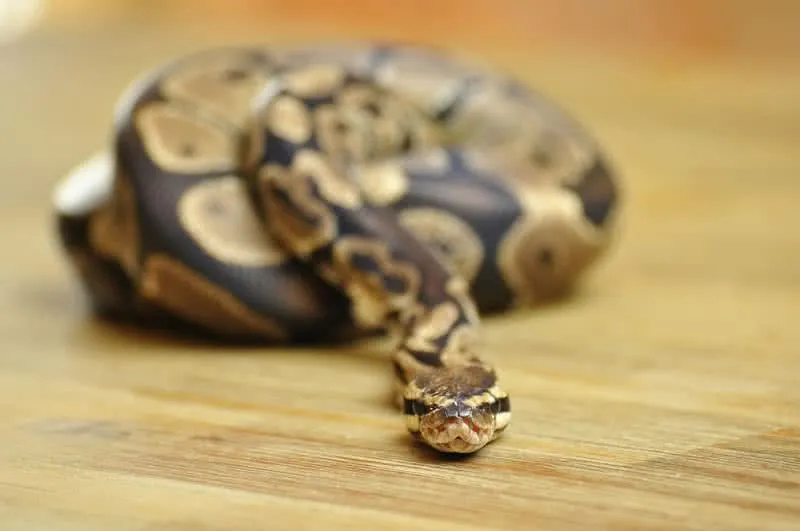
4. Burmese & Reticulated Python
Among the longest snakes on Earth, famed for intricate geometric patterns and massive muscular coils.
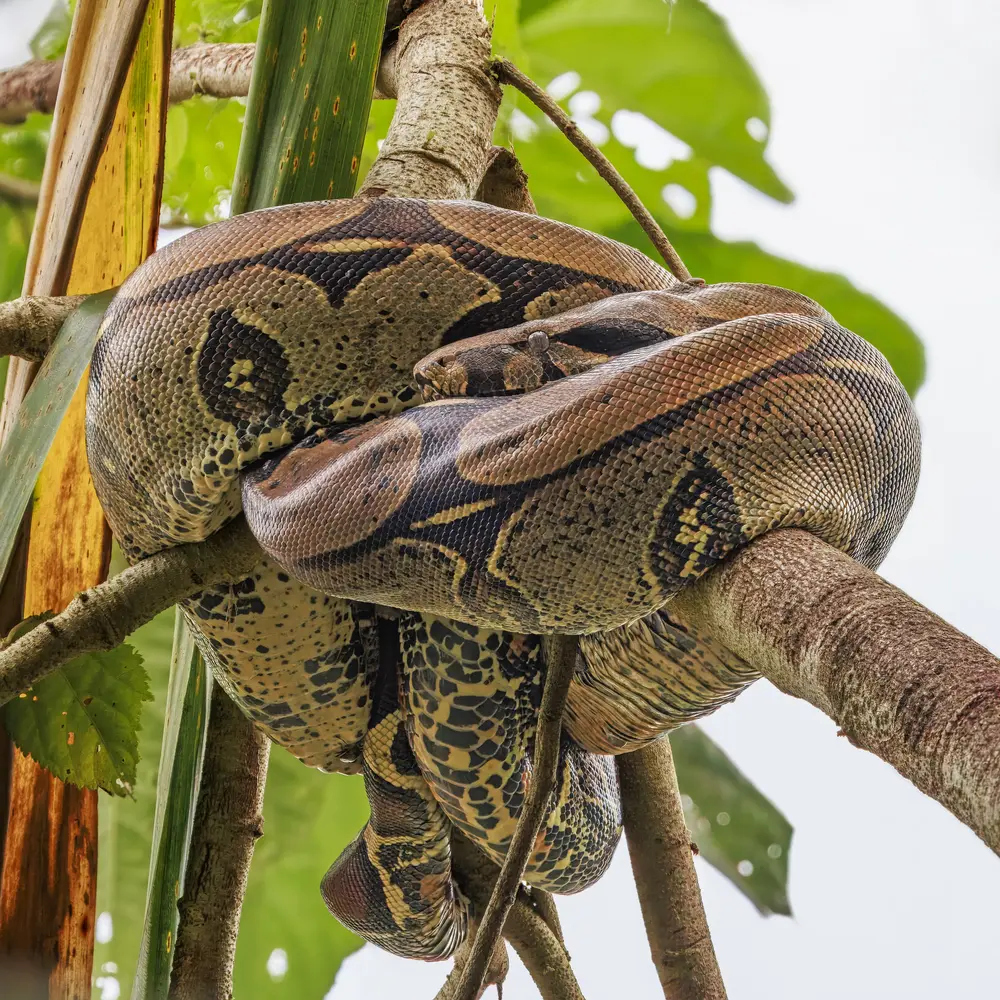
5. Boa Constrictor
Heavy-bodied tropical constrictors admired for geometric saddle markings and red-tinted tails.
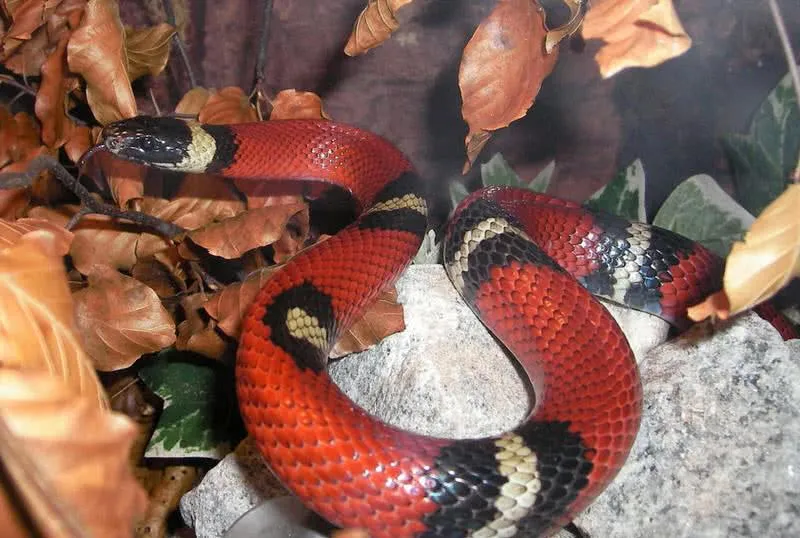
6. Milk Snake
Harmless tricolor mimics wearing red, black, and yellow bands that deter predators.
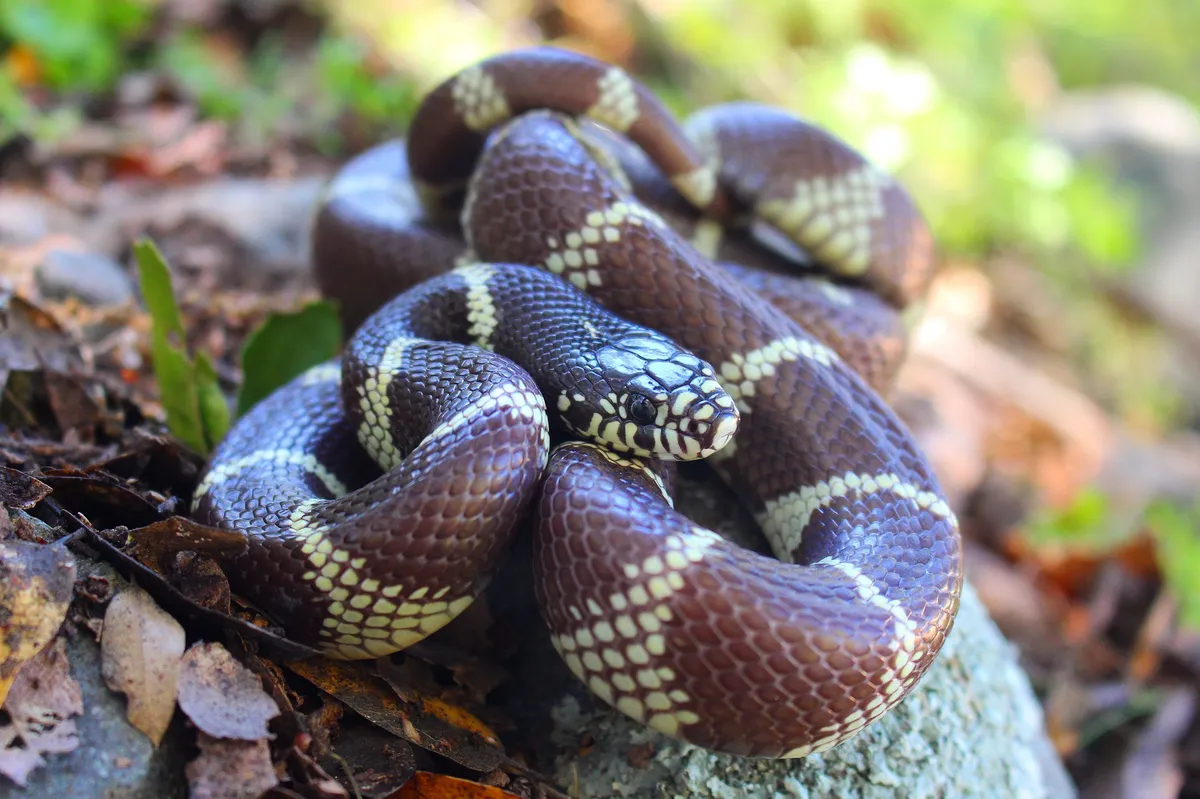
7. California Kingsnake
Glossy, hardy North American snakes famous for immunity to rattlesnake venom.
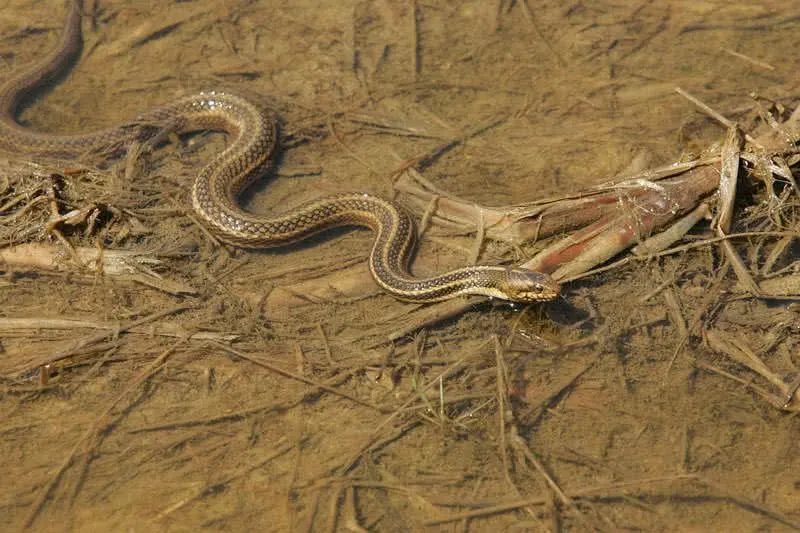
8. Eastern Garter Snake
Common backyard and wetland snakes across North America that help keep slugs and insects in check.
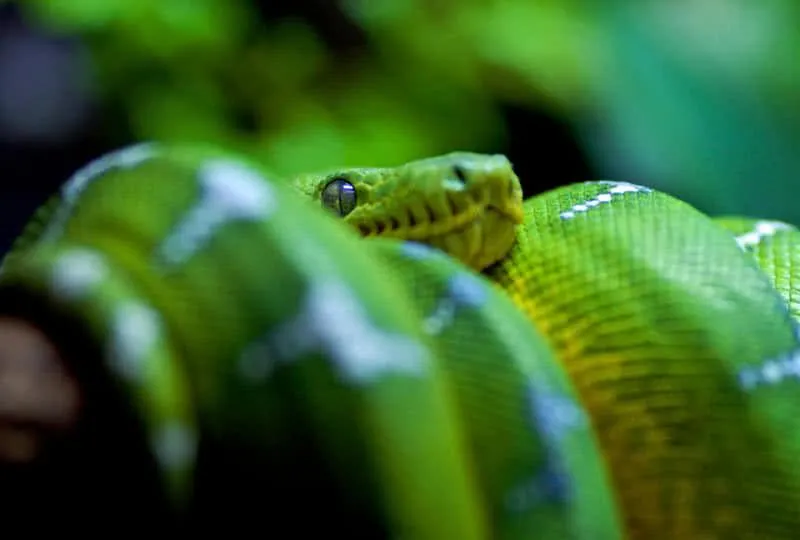
9. Emerald Tree Boa
Vibrant green coils draped symmetrically over Amazonian branches.
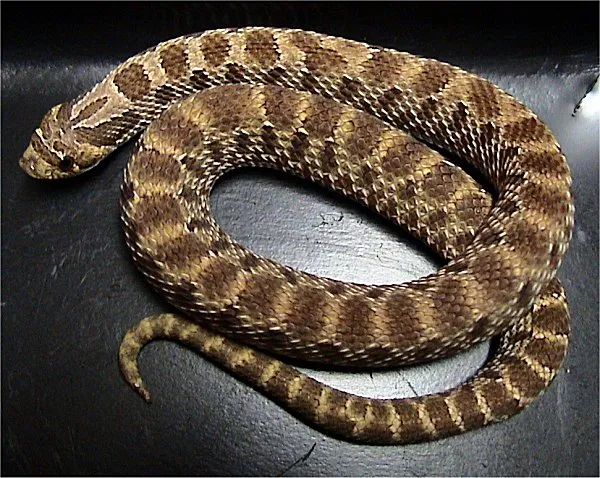
10. Western Hognose Snake
Famous for flattening its neck and playing dead dramatically when startled (technically rear-fanged, medically harmless to humans).
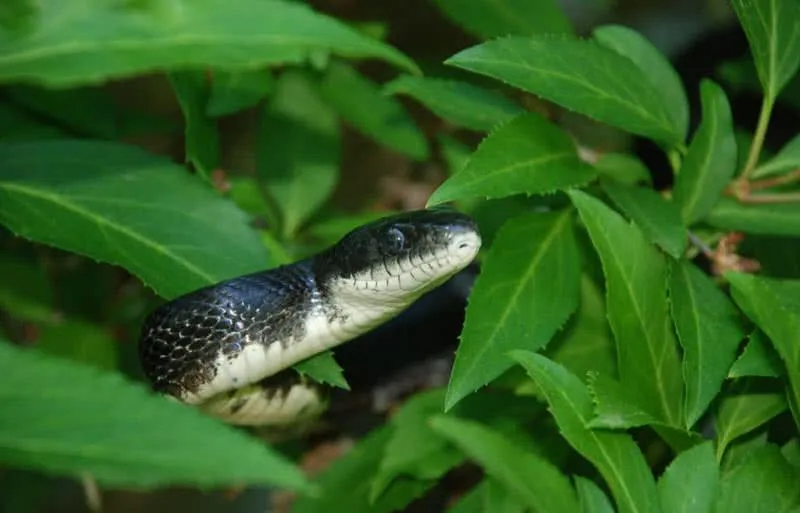
11. Black Rat Snake
Skilled North American tree-climbers and prolific rodent controllers.
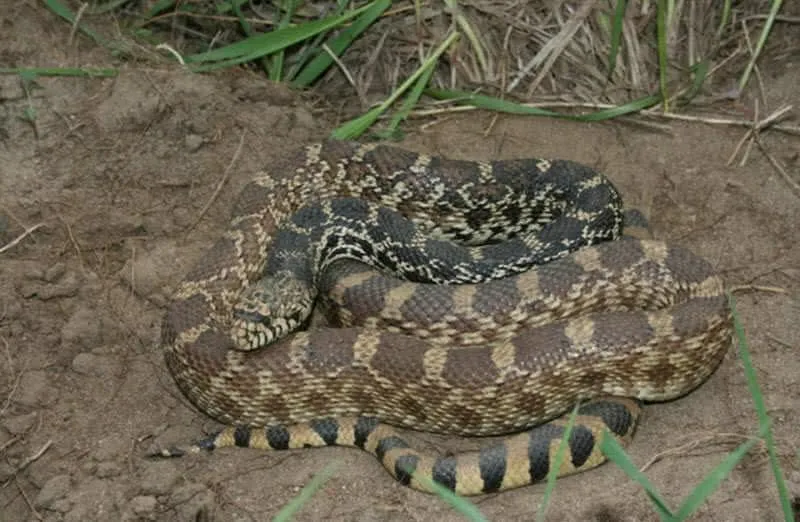
12. Bullsnake
Large North American gopher snakes that hiss loudly to imitate rattlesnakes.
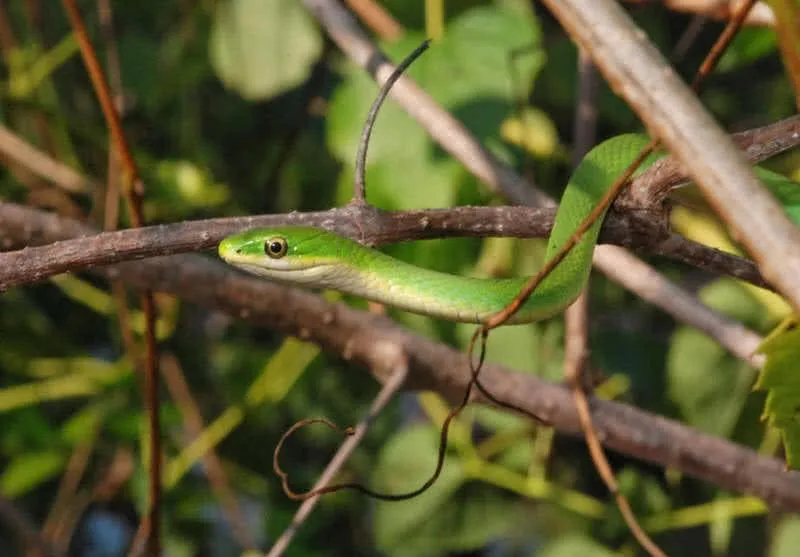
13. Rough Green Snake
Slender, bright-green insectivores gliding effortlessly through leafy shrubs.
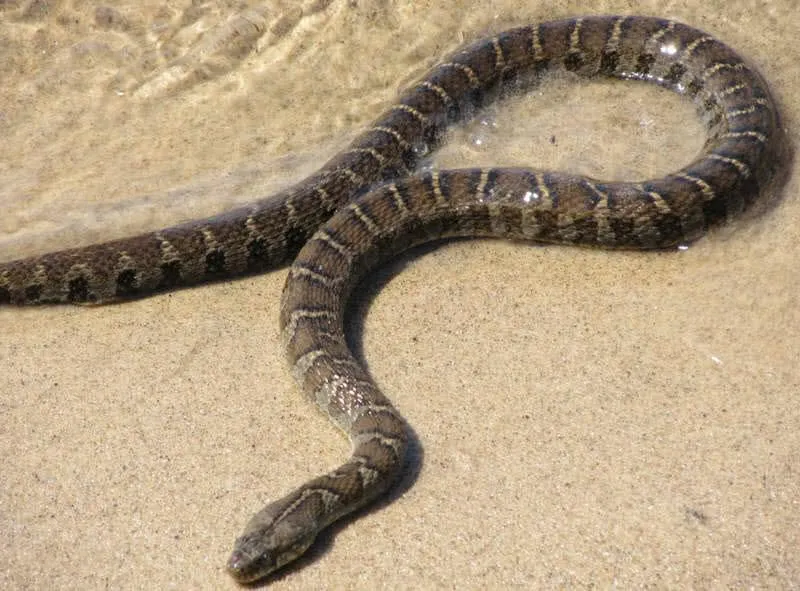
14. Northern Water Snake
Non-venomous semi-aquatic swimmers often mistaken for cottonmouths near North American lakes.
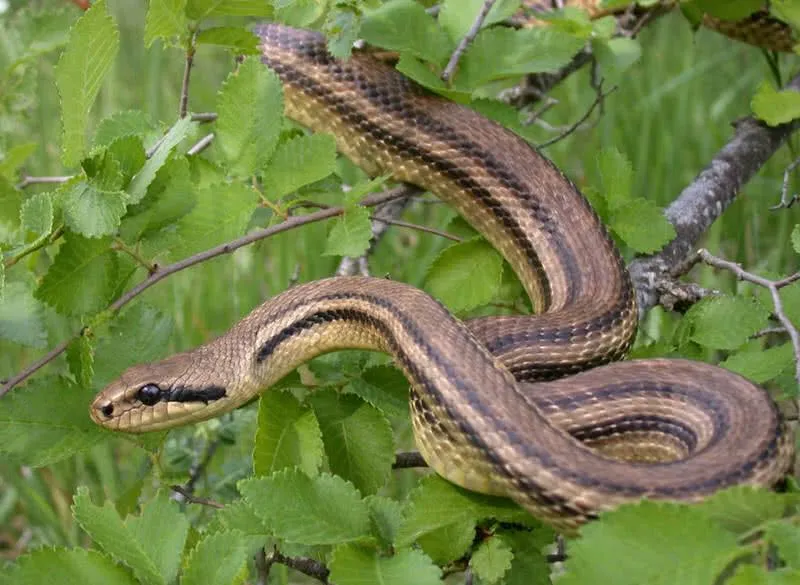
15. Four-lined Snake
One of Europe’s largest non-venomous colubrids, marked by four dark longitudinal stripes.
Conclusion
Whether marveling at an Amazonian anaconda or caring for a docile corn snake, understanding non-venomous species helps replace unnecessary fear with respect.