Trading the sky for speed on land or agility underwater, flightless birds evolved across islands and savannas free from heavy wing muscles. Some became sprinting giants, while others turned their wings into torpedo-like flippers.
We expanded an original list of ten grounded avian wonders with six more remarkable species, ranking all 16 from #1 (most famous) down to #16. Test your knowledge with our flightless birds quiz or read about animal myths.
How These 16 Entries Are Ranked
This list is ordered from #1 (most popular and widely recognized) down to #16, combining global recognition, cultural impact, and standout traits.
| Rank | Name |
|---|---|
| 1 | Penguins |
| 2 | Ostrich |
| 3 | Emu |
| 4 | Kiwi |
| 5 | Southern Cassowary |
| 6 | Kākāpō |
| 7 | Greater Rhea |
| 8 | Flightless Cormorant |
| 9 | Takahē |
| 10 | Weka |
| 11 | Guam Rail |
| 12 | Tasmanian Native-Hen |
| 13 | Inaccessible Island Rail |
| 14 | Fuegian Steamer Duck |
| 15 | Auckland Teal |
| 16 | Campbell Teal |
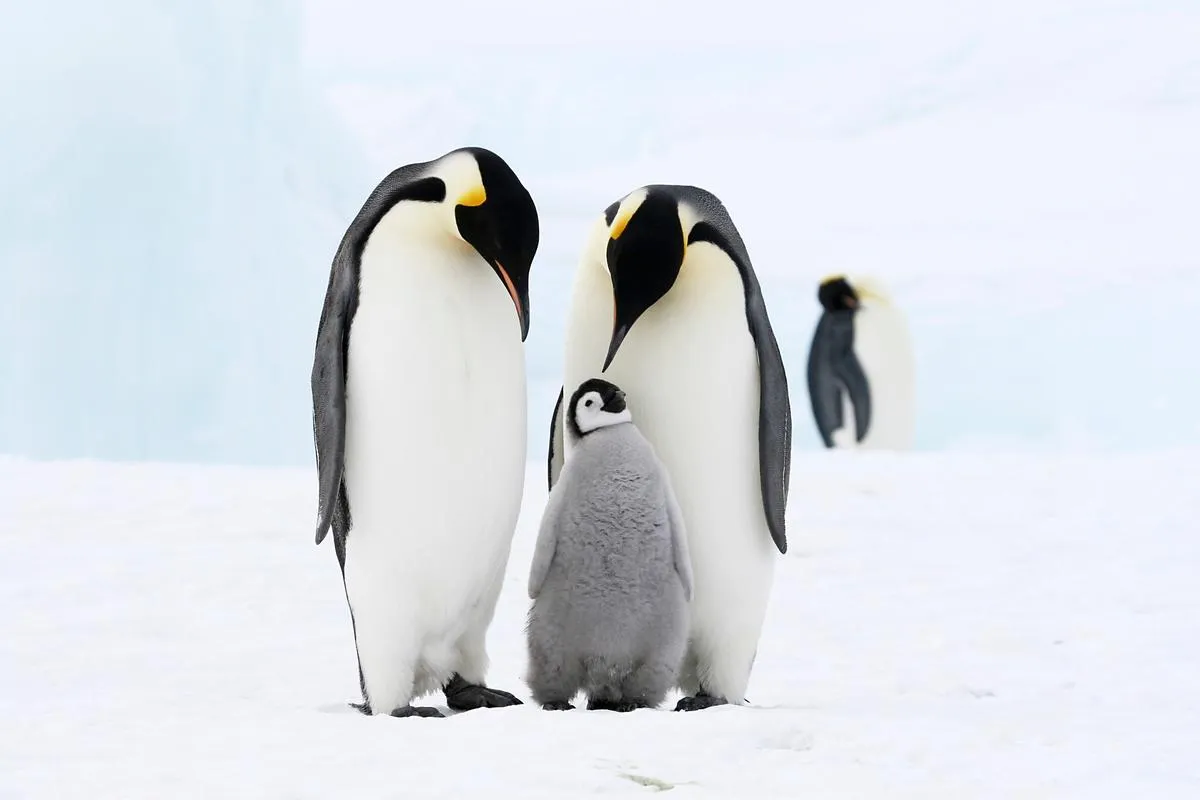
1. Penguins
All 18 penguin species traded aerial flight for rigid flippers, turning them into unmatched underwater hunters.
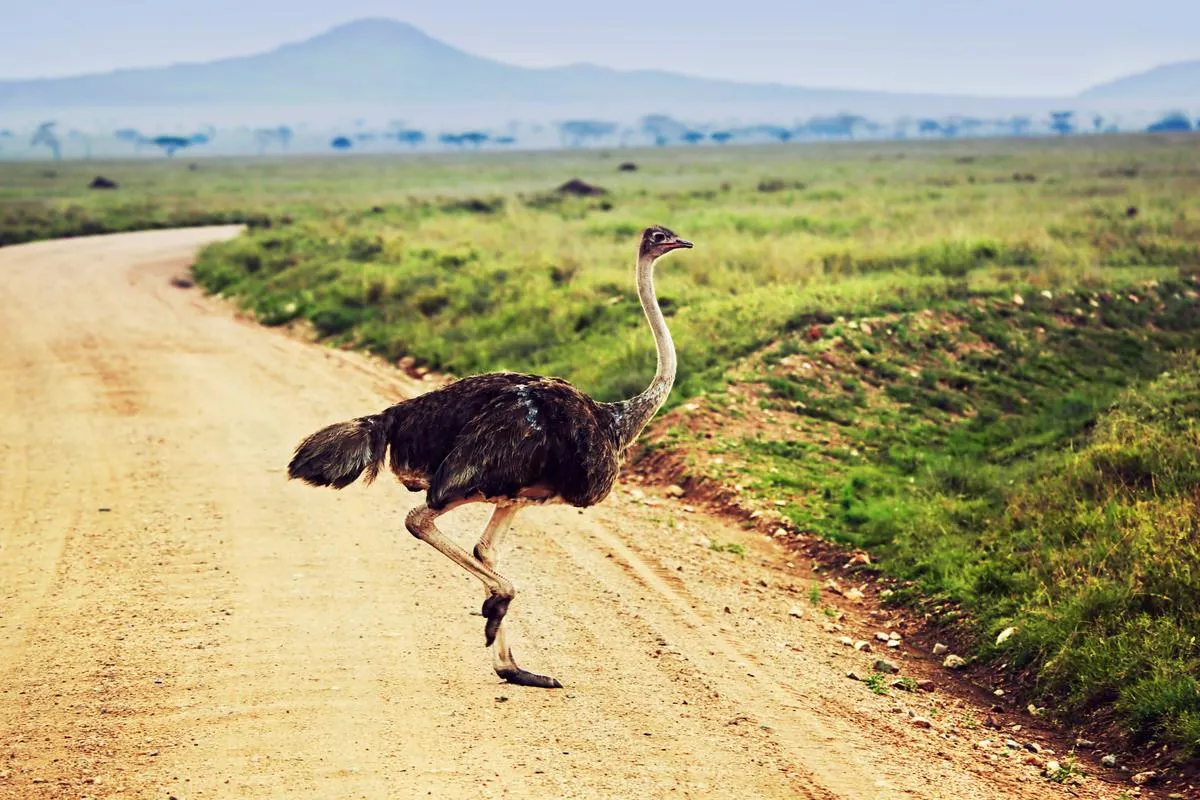
2. Ostrich
The largest living bird on Earth, sprinting up to 70 km/h across African savannas and laying the world’s largest eggs.
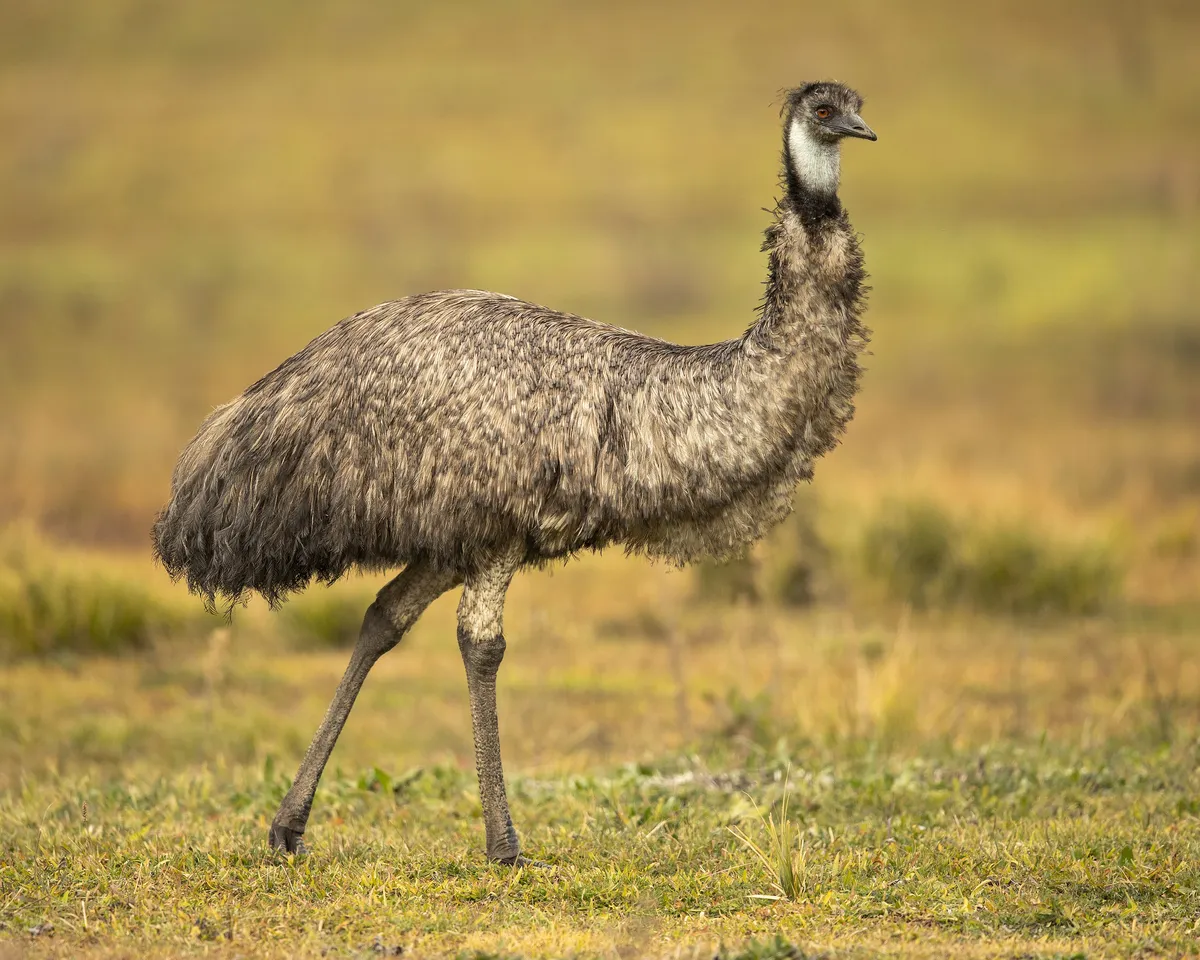
3. Emu
Australia’s tallest native bird, roaming open plains on powerful three-toed legs.
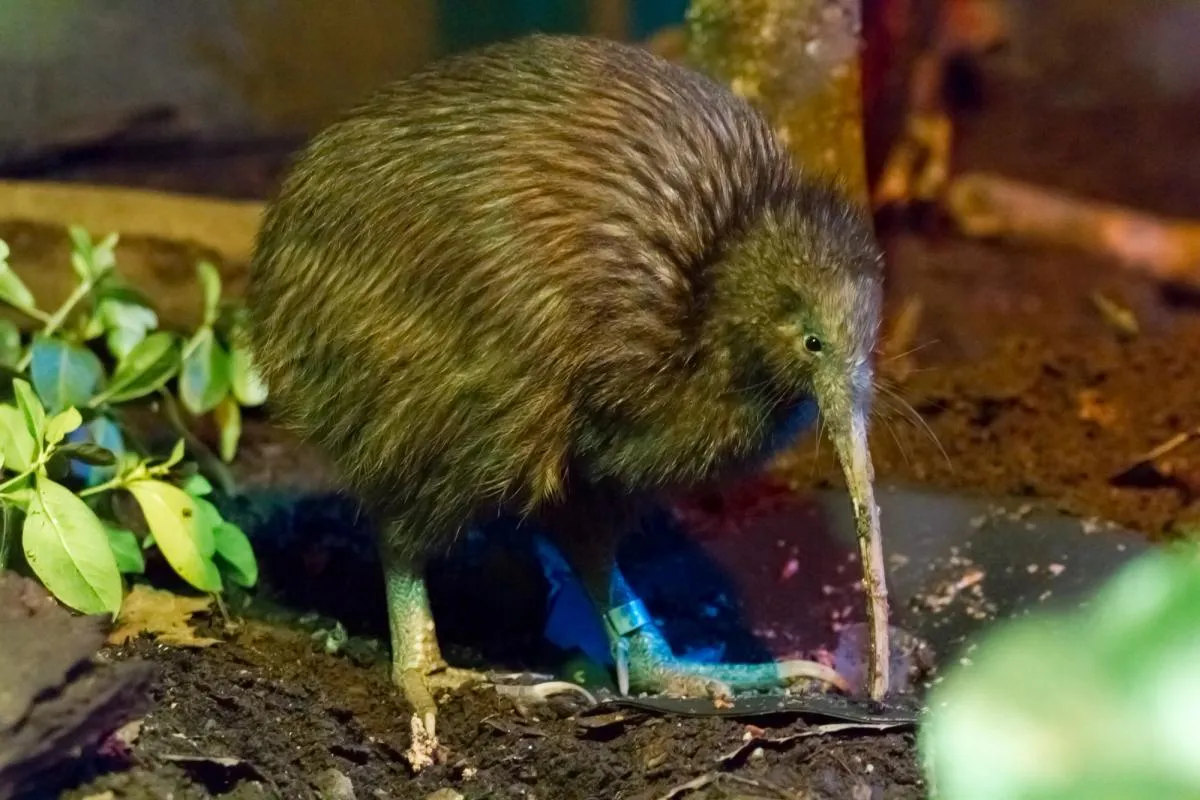
4. Kiwi
New Zealand’s nocturnal icon featuring hair-like feathers and nostrils at the very tip of its long probing bill.
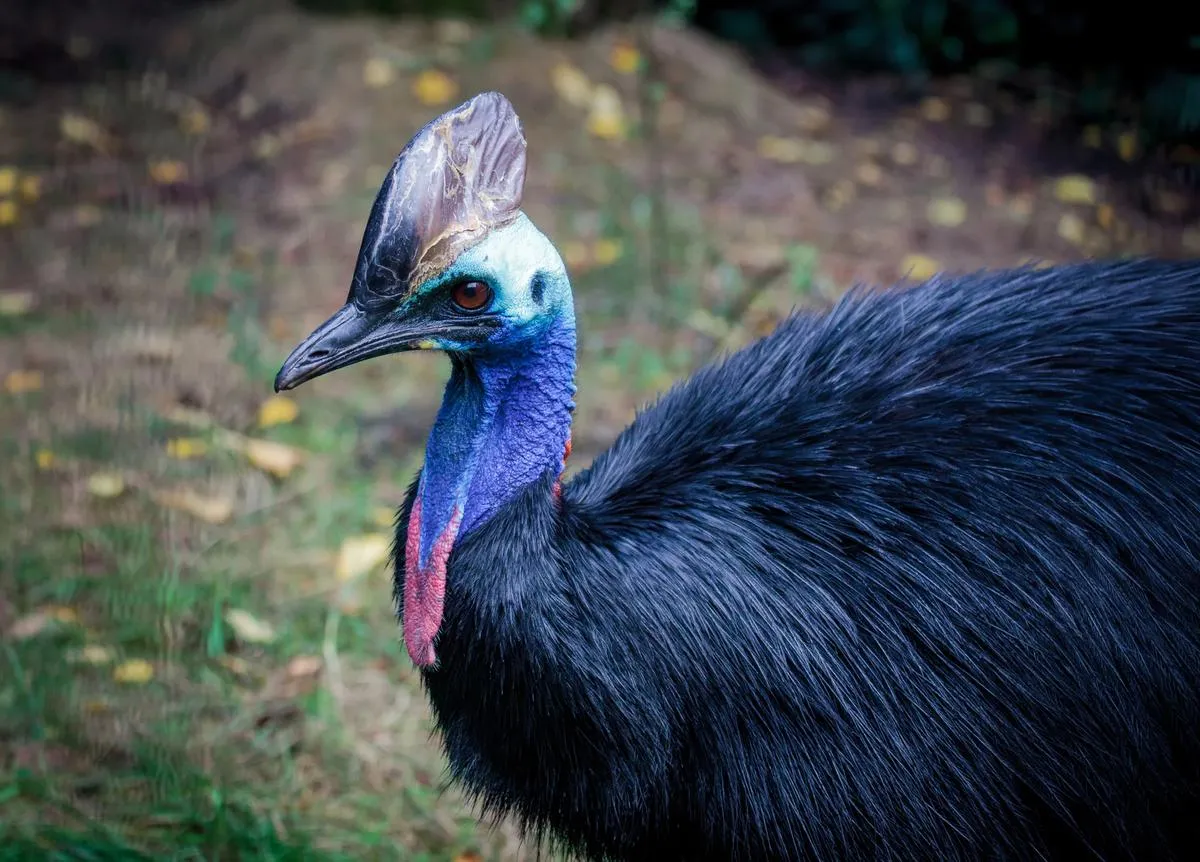
5. Southern Cassowary
Striking rainforest birds wearing a tall bony casque and wielding dagger-like inner toe claws.
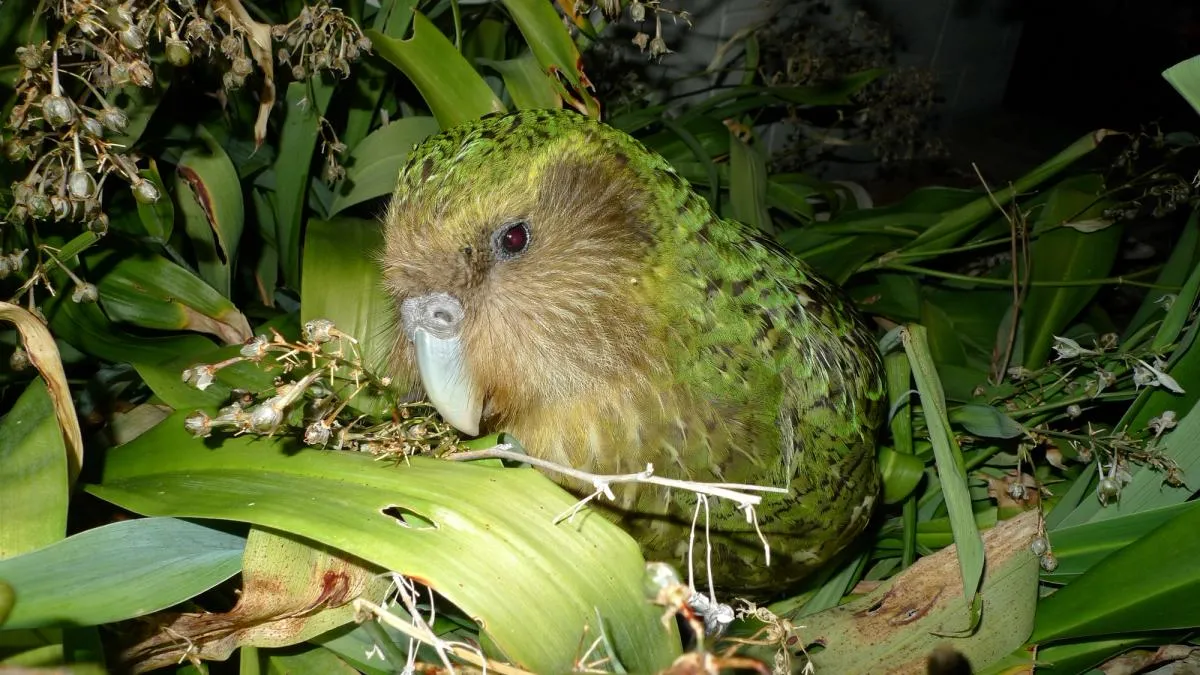
6. Kākāpō
The world’s only flightless parrot—nocturnal, moss-green, and capable of living beyond 60 years.
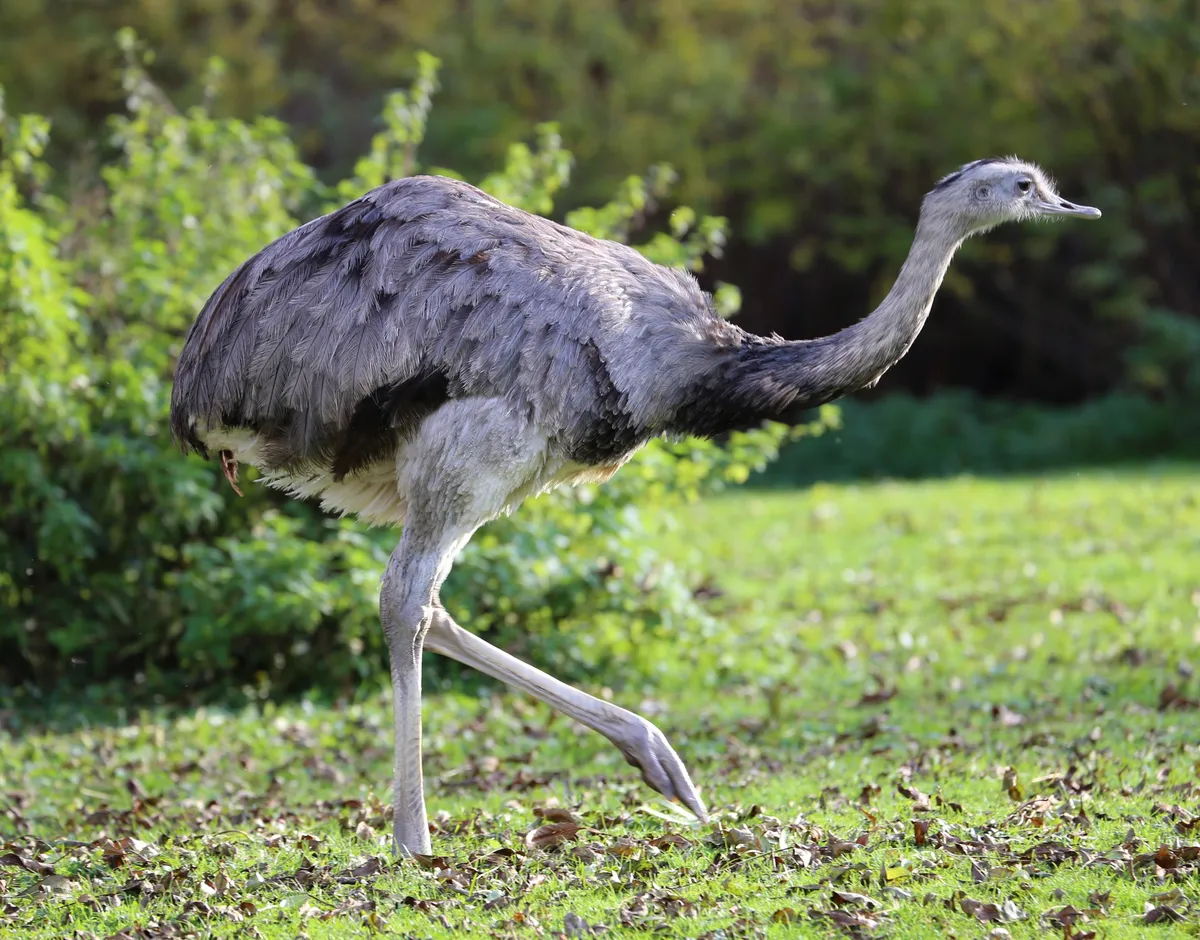
7. Greater Rhea
South America’s largest bird, using long wings for balance while zig-zagging across pampas grasslands.
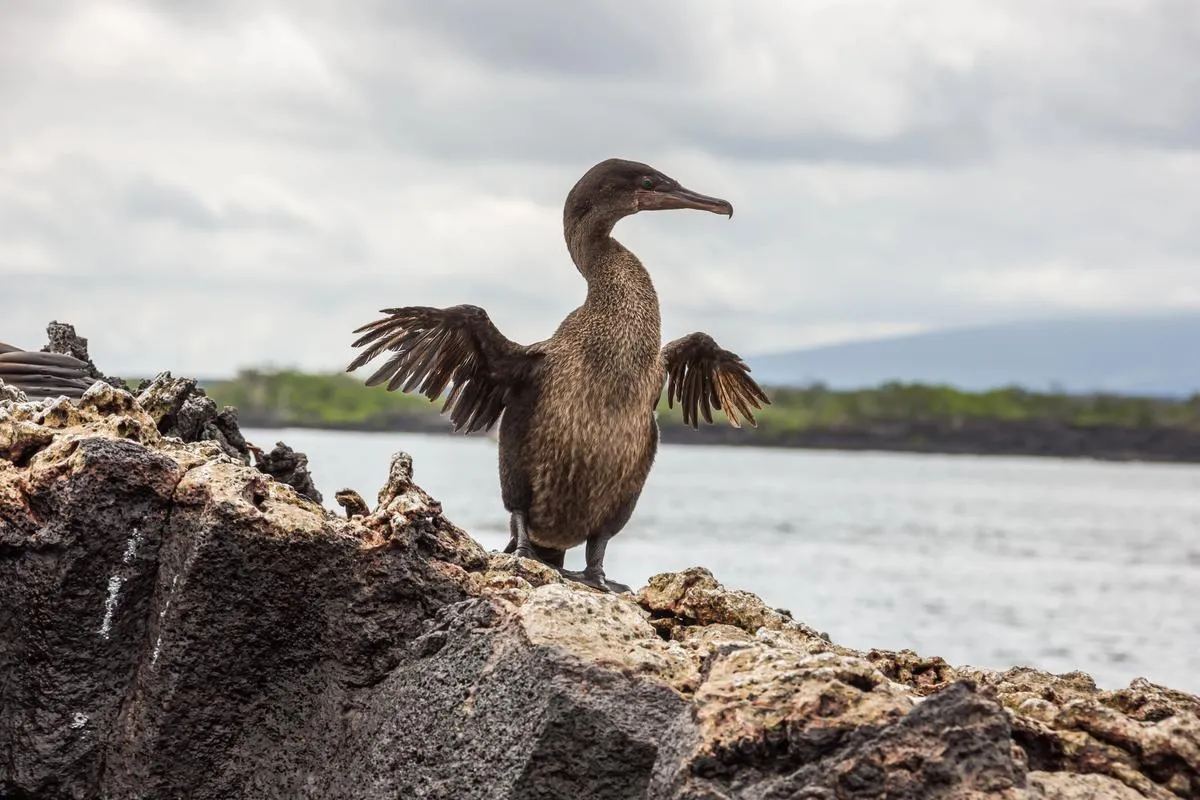
8. Flightless Cormorant
Found only in the Galápagos, diving along rocky lava shores with tiny, ragged wings.
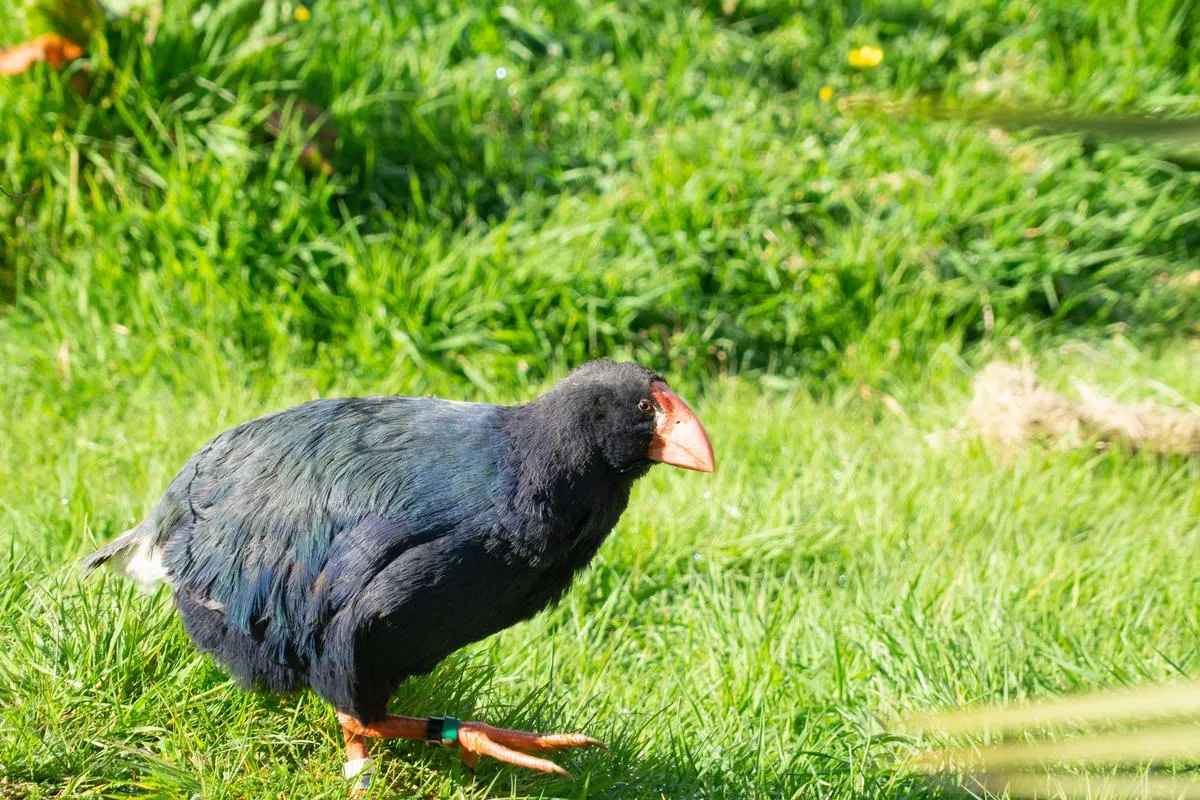
9. Takahē
Once feared extinct, this cobalt-blue New Zealand rail thrives again in alpine tussock reserves.
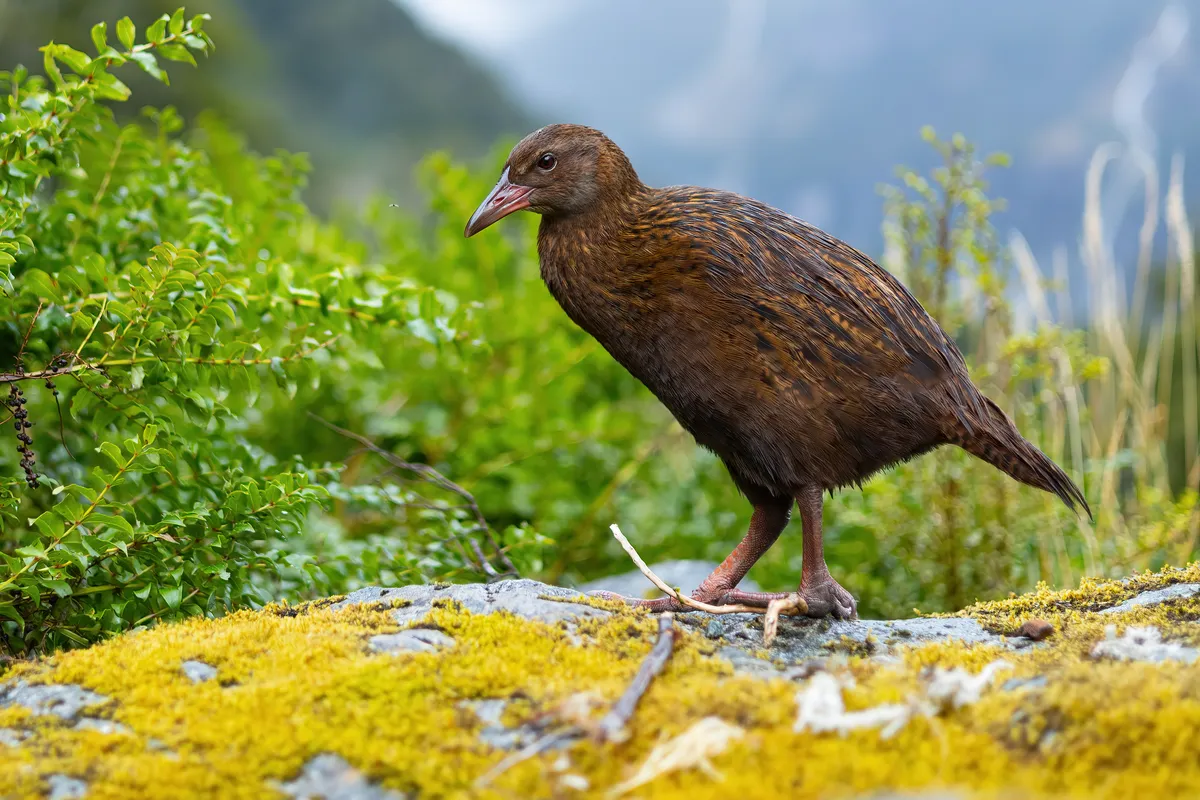
10. Weka
Bold, curious brown woodhens endemic to New Zealand’s forests and coastal scrub.
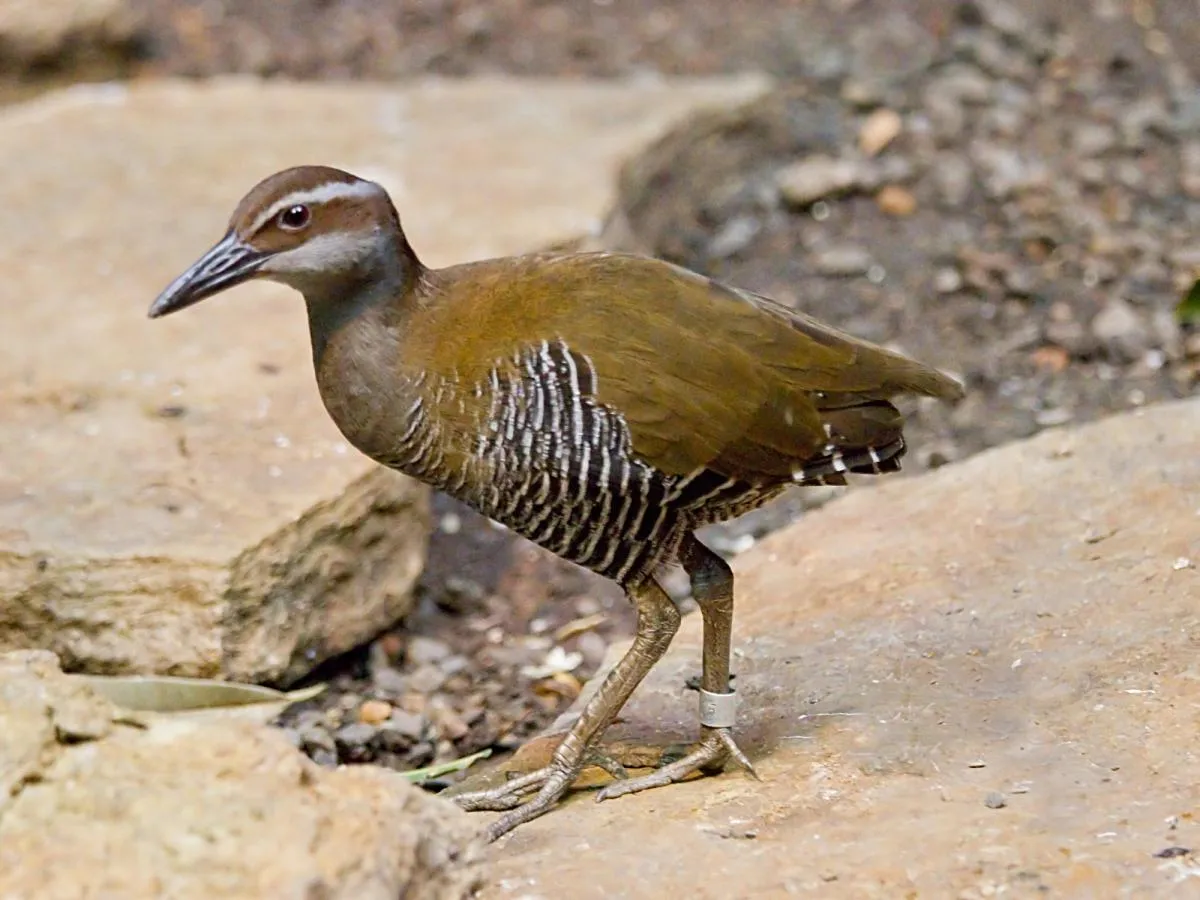
11. Guam Rail
A barred island rail rescued from near extinction through dedicated captive-breeding and reintroduction.
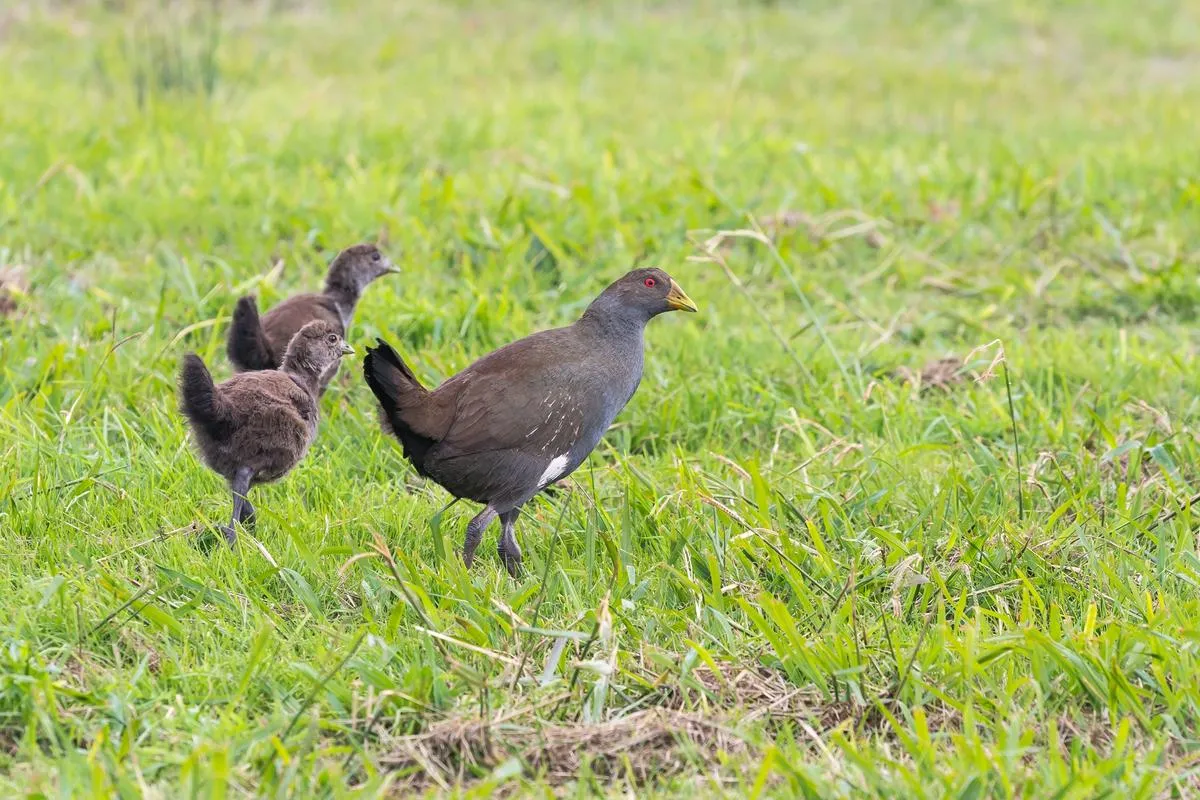
12. Tasmanian Native-Hen
Fast-running rails of Tasmania’s riverbanks famous for cooperative family groups.
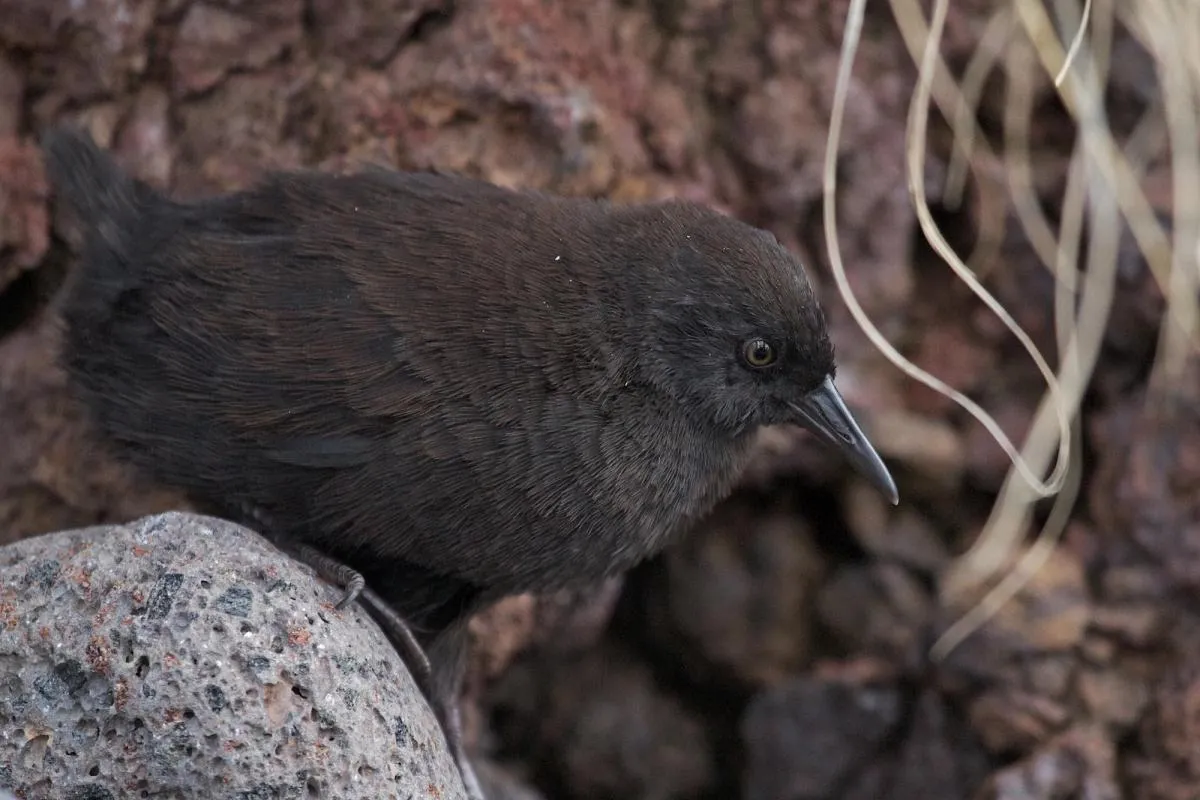
13. Inaccessible Island Rail
The smallest flightless bird on Earth, scurrying beneath tussock grass in the remote South Atlantic.
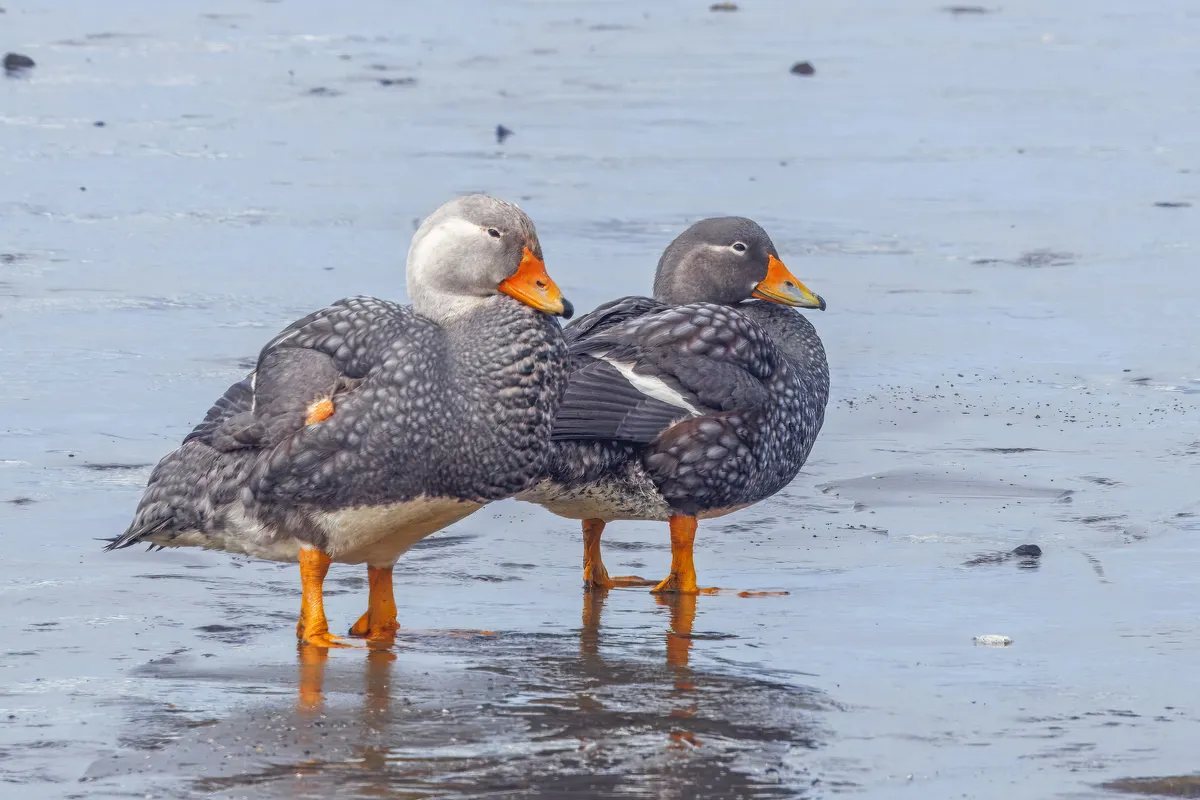
14. Fuegian Steamer Duck
Heavy-bodied Patagonian sea ducks that paddle furiously across frigid bays like sidewheel steamers.
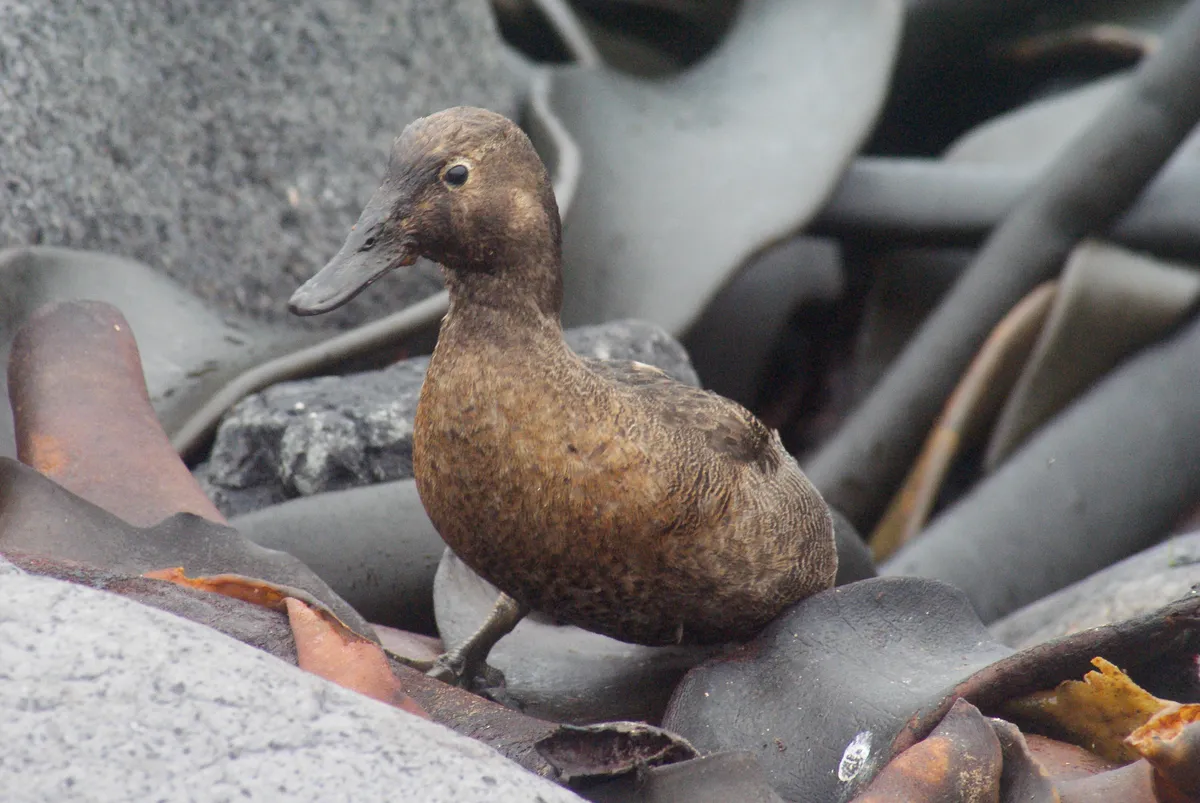
15. Auckland Teal
Rare subantarctic ducks hiding along kelp-strewn shores in New Zealand’s Auckland Islands.
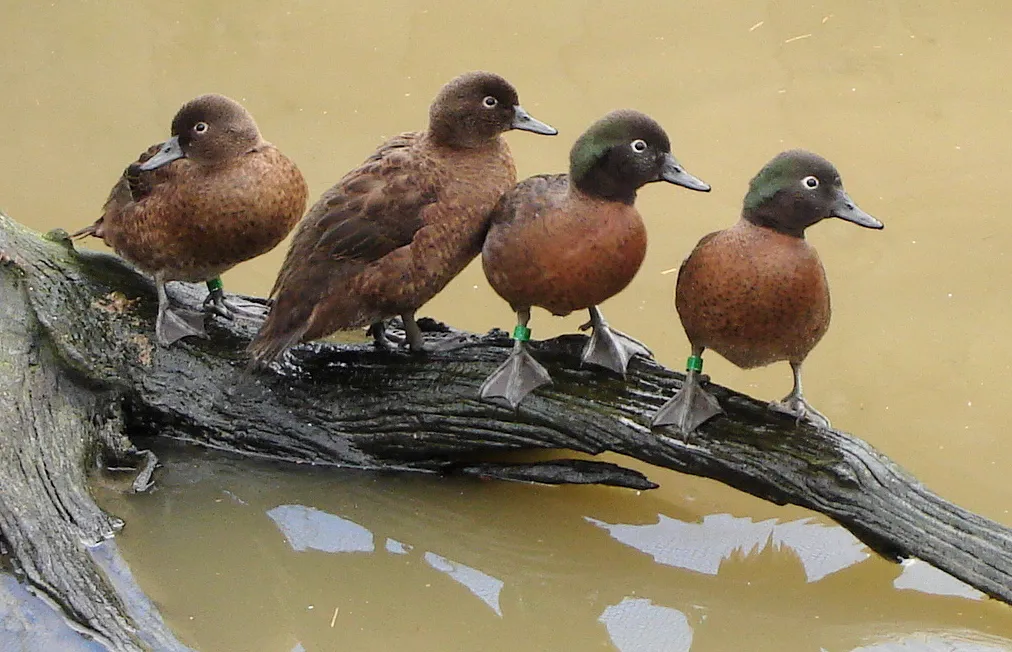
16. Campbell Teal
Tiny nocturnal island ducks brought back from fewer than 30 individuals through rat-free island restoration.
Conclusion
Island flightless birds remain especially vulnerable to introduced predators, making predator-free sanctuaries vital to their survival.