In nature, danger rarely wears a warning sign. Some of the deadliest creatures on Earth hide behind teddy-bear eyes, glossy seashells, or cartoon-like waterlogged smiles.
We expanded an original list of ten deceptive animals with five more surprisingly lethal species, ranking all 15 from #1 (most famous) down to #15. Test your instincts with our animal myths quiz or explore toxic fish species harmful to humans.
How These 15 Entries Are Ranked
This list is ordered from #1 (most popular and widely recognized) down to #15, combining global recognition, cultural impact, and standout traits.
| Rank | Name |
|---|---|
| 1 | Hippopotamus |
| 2 | Blue-Ringed Octopus |
| 3 | Poison Dart Frog |
| 4 | Pufferfish |
| 5 | Australian Box Jellyfish |
| 6 | Slow Loris |
| 7 | Southern Cassowary |
| 8 | Moose |
| 9 | Geographic Cone Snail |
| 10 | Leopard Seal |
| 11 | Wolverine |
| 12 | Beaver |
| 13 | Mute Swan |
| 14 | Platypus |
| 15 | Fire Salamander |
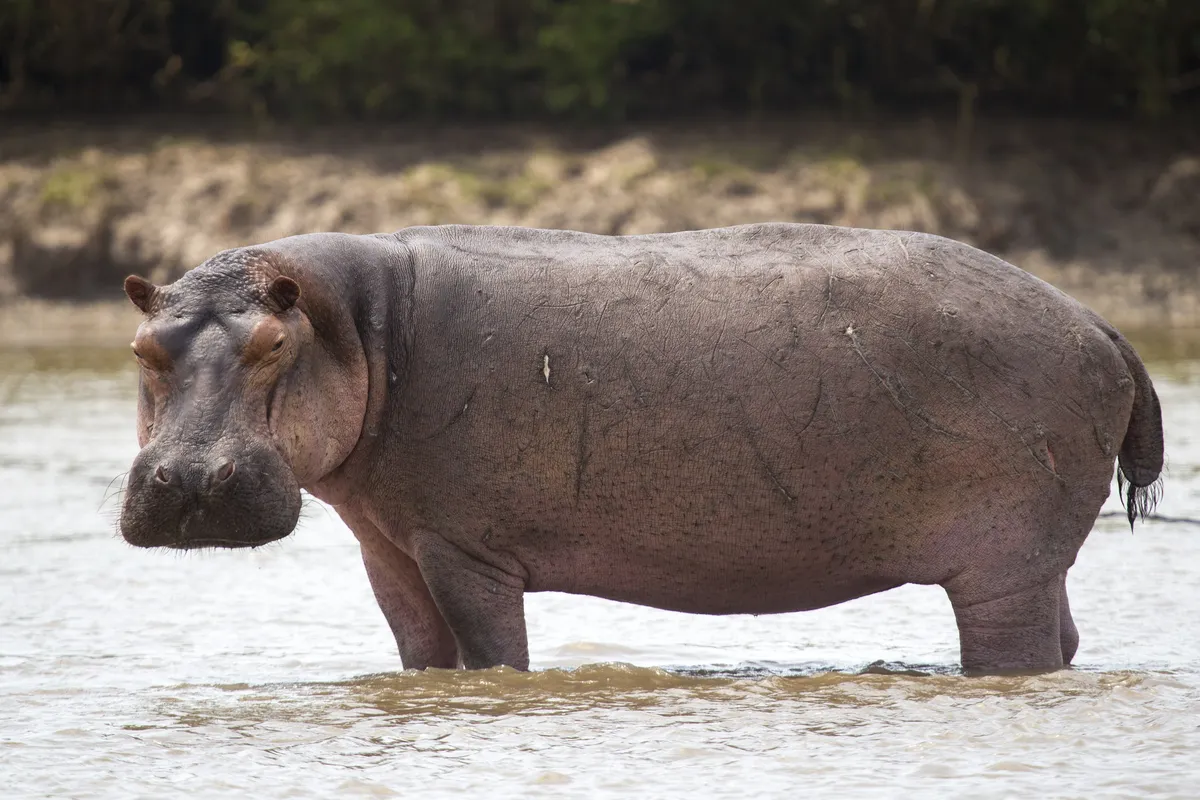
1. Hippopotamus
Despite a plump, docile appearance, territorial hippos sprint up to 30 km/h on land and cause hundreds of human fatalities each year.
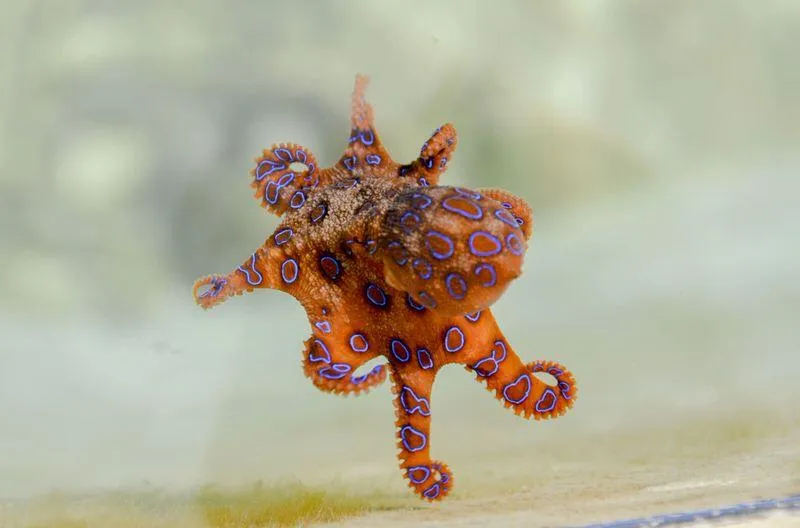
2. Blue-Ringed Octopus
Golf-ball-sized cephalopods carrying potent tetrodotoxin capable of paralyzing breathing within minutes.
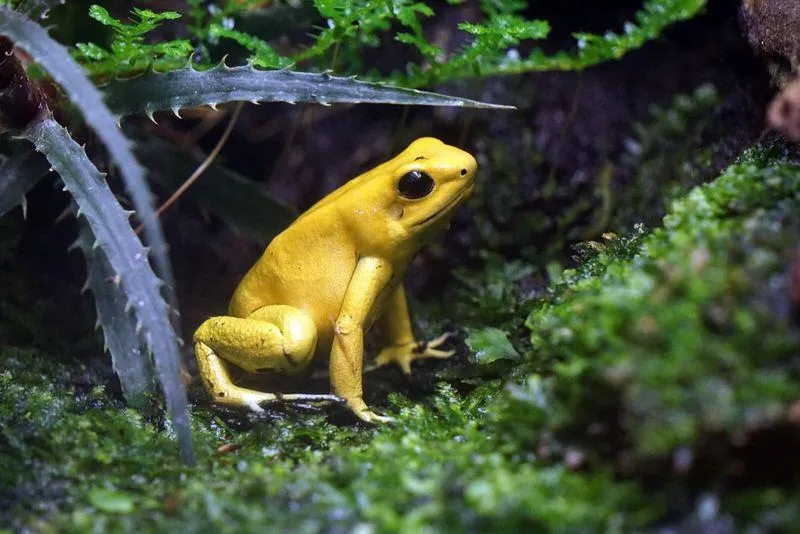
3. Poison Dart Frog
Jewel-bright rainforest amphibians secreting powerful alkaloids strong enough to deter any predator.
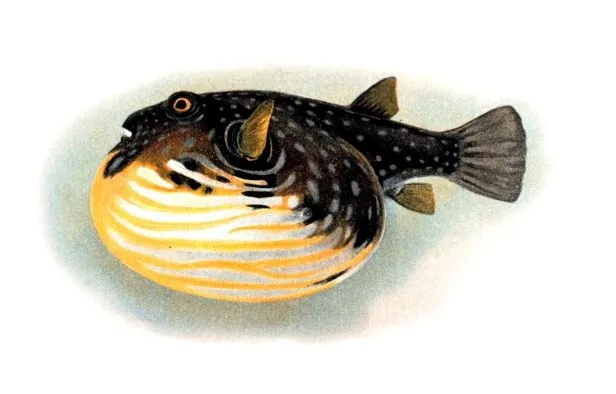
4. Pufferfish
Adorable round reef fish whose organs harbor lethal tetrodotoxin—requiring master-certified chefs even for culinary delicacy.
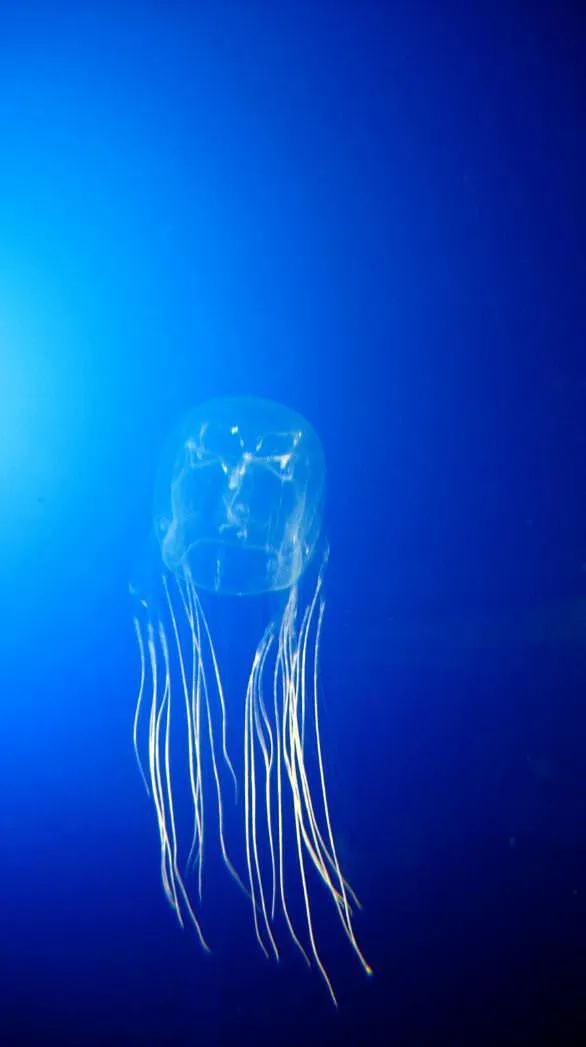
5. Australian Box Jellyfish
Nearly transparent bell-shaped jellies trailing venomous tentacles capable of causing rapid cardiac arrest.
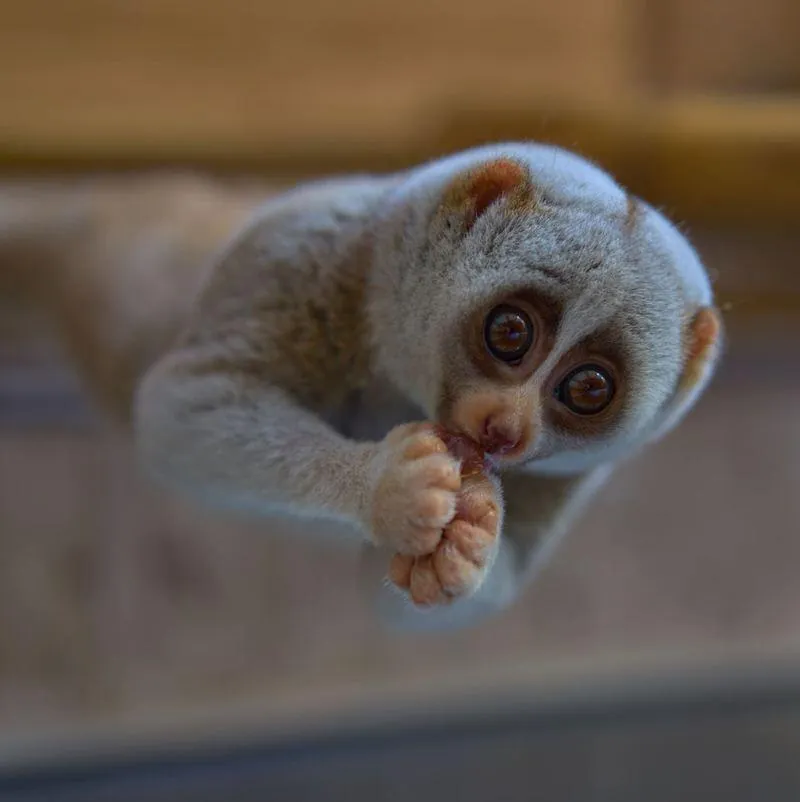
6. Slow Loris
Big-eyed nocturnal primates possessing a venomous brachial gland they lick before delivering toxic bites.
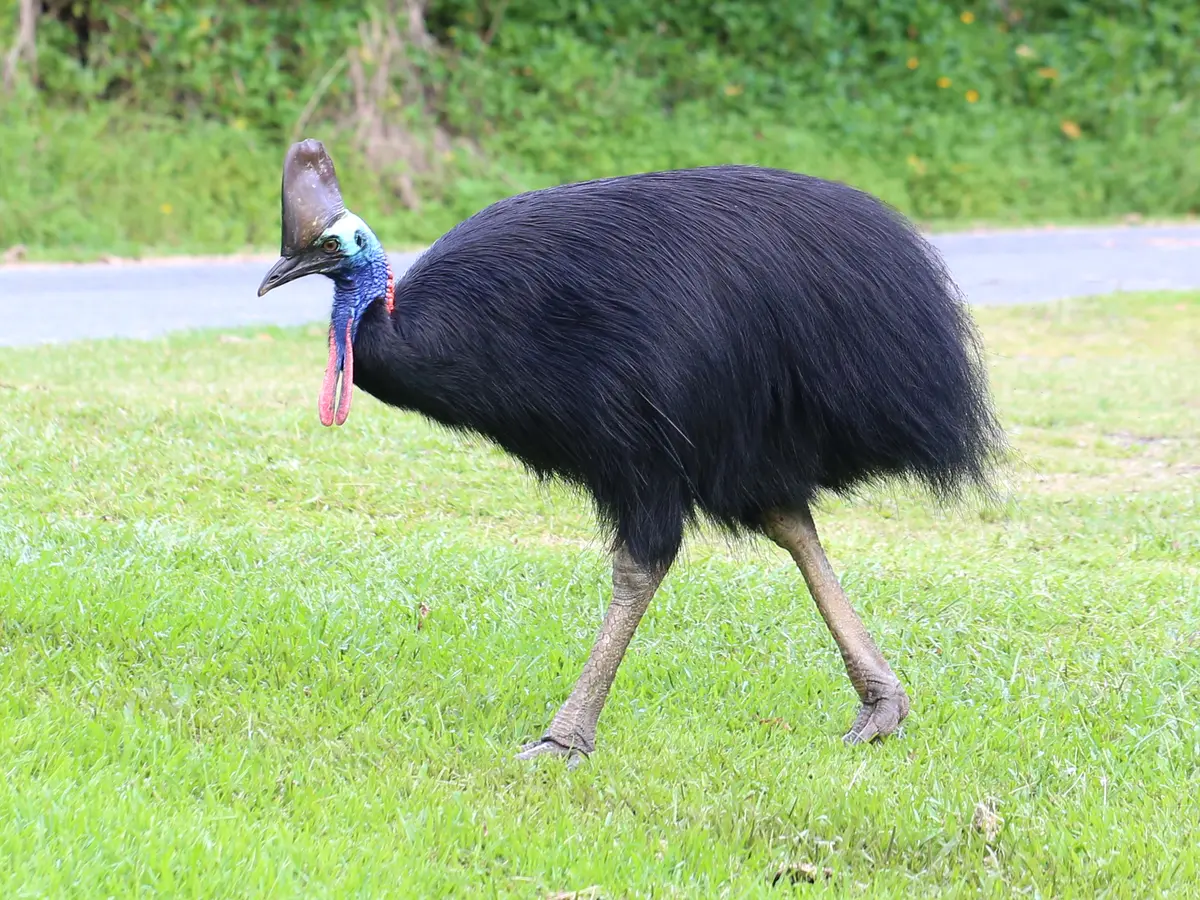
7. Southern Cassowary
Colorful flightless rainforest birds armed with four-inch dagger claws and bone-crushing kicks.
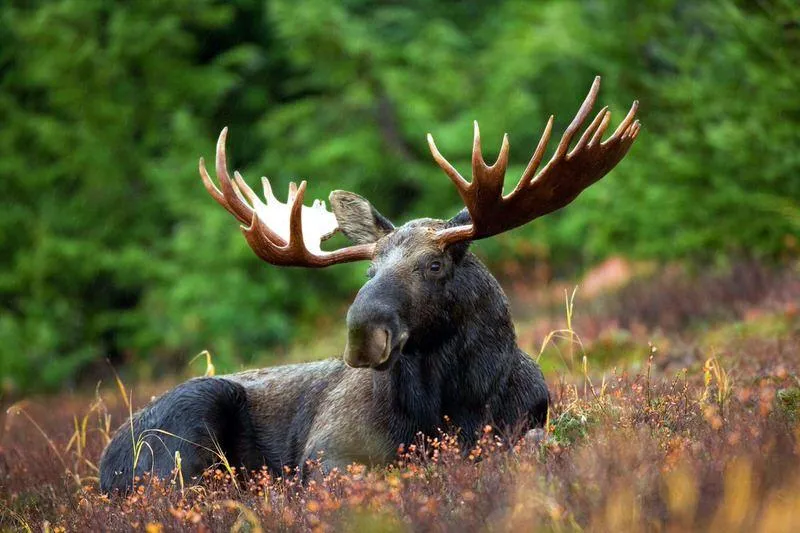
8. Moose
Peaceful-looking forest giants that charge aggressively when startled or protecting calves.
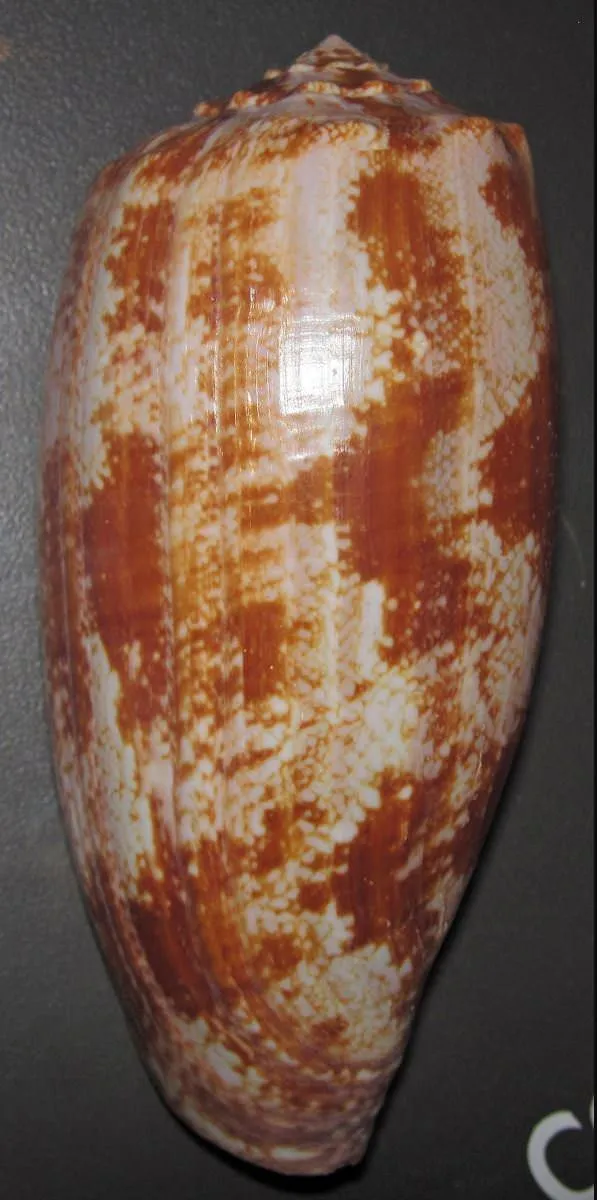
9. Geographic Cone Snail
Collectible marbled seashells concealing a harpoon-like venom tooth loaded with fast-acting neurotoxins.
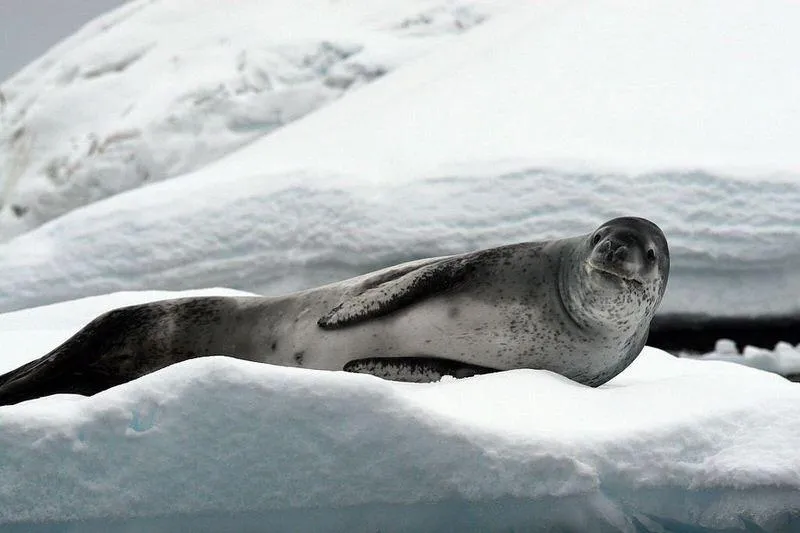
10. Leopard Seal
Sleek Antarctic seals with curious expressions and powerful jaws built for hunting penguins and smaller seals.
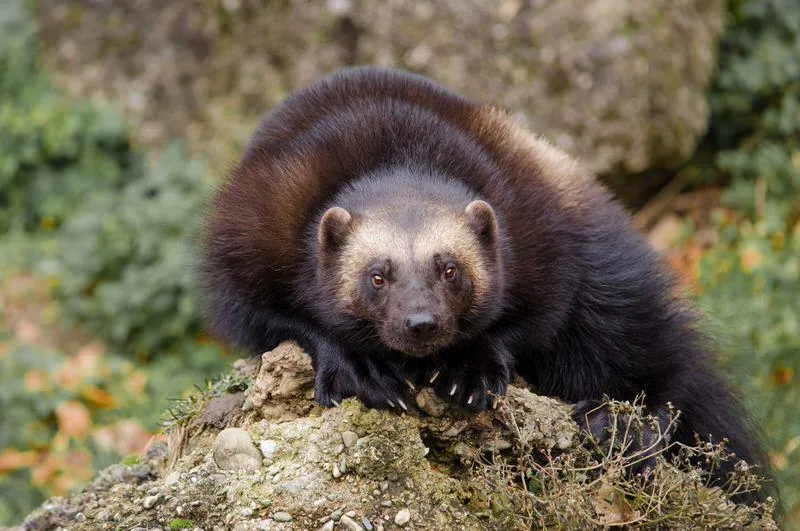
11. Wolverine
Compact, bear-cub-like mustelids capable of driving wolves and bears away from carcasses.
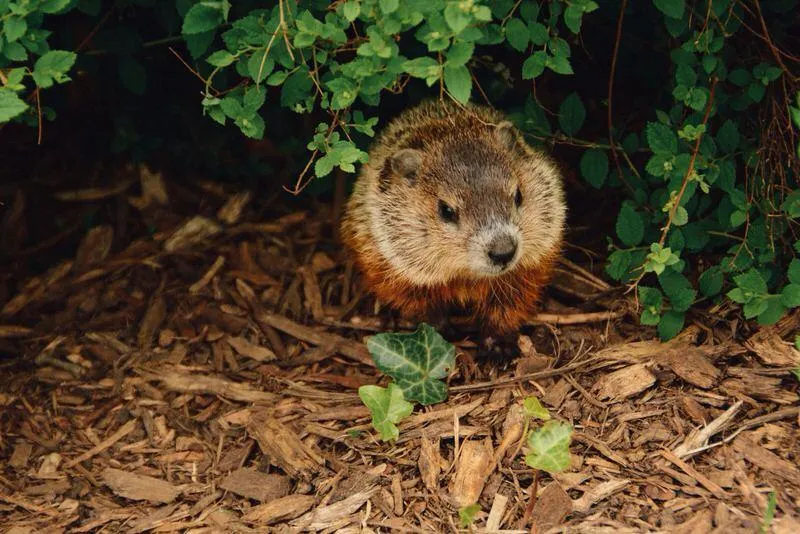
12. Beaver
Busy river engineers with razor-sharp incisors able to sever major arteries if cornered.
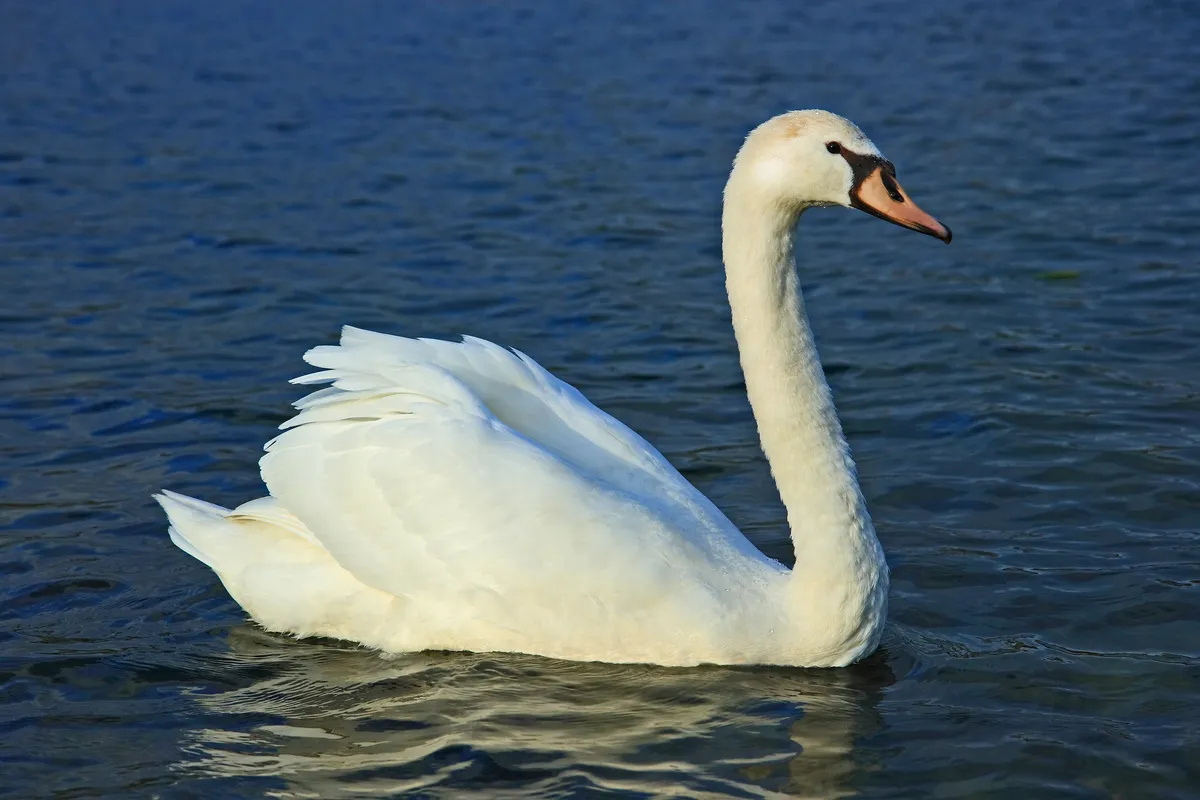
13. Mute Swan
Graceful park-pond birds fiercely defending nests with heavy wing strikes.
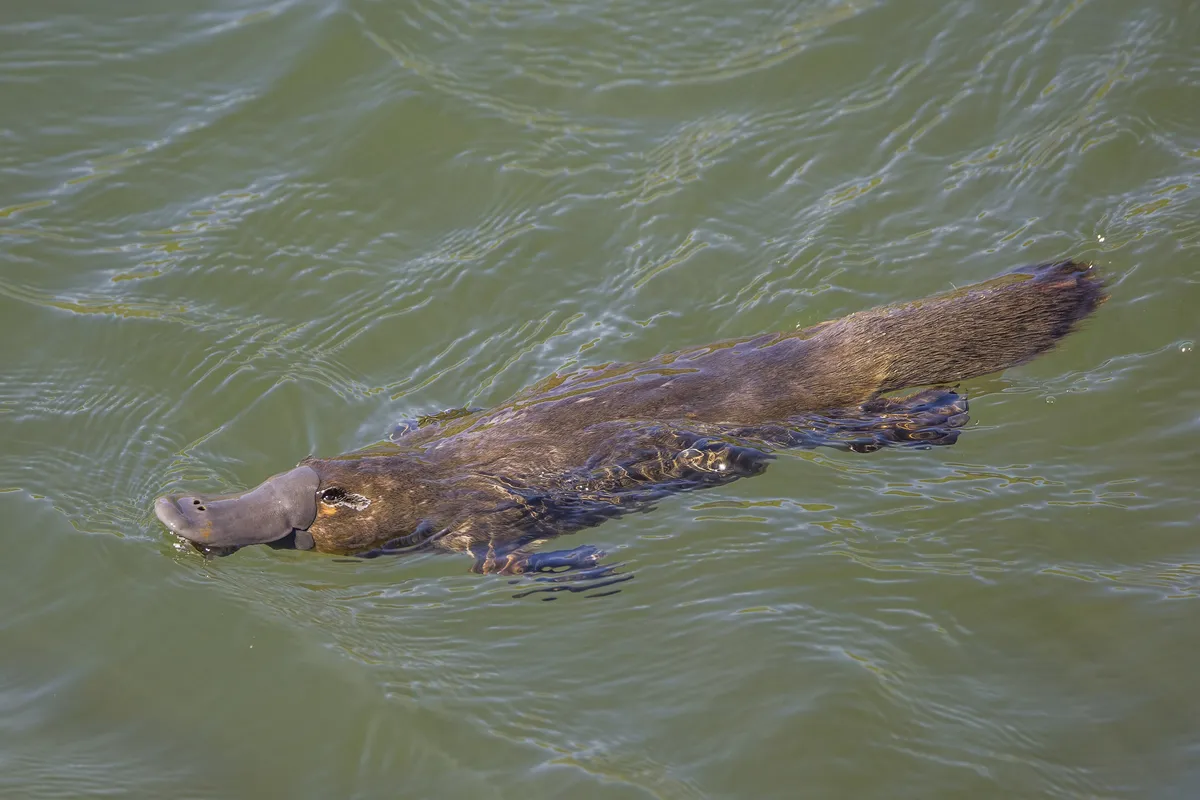
14. Platypus
Quirky duck-billed mammals whose males carry venomous ankle spurs delivering agonizing pain.
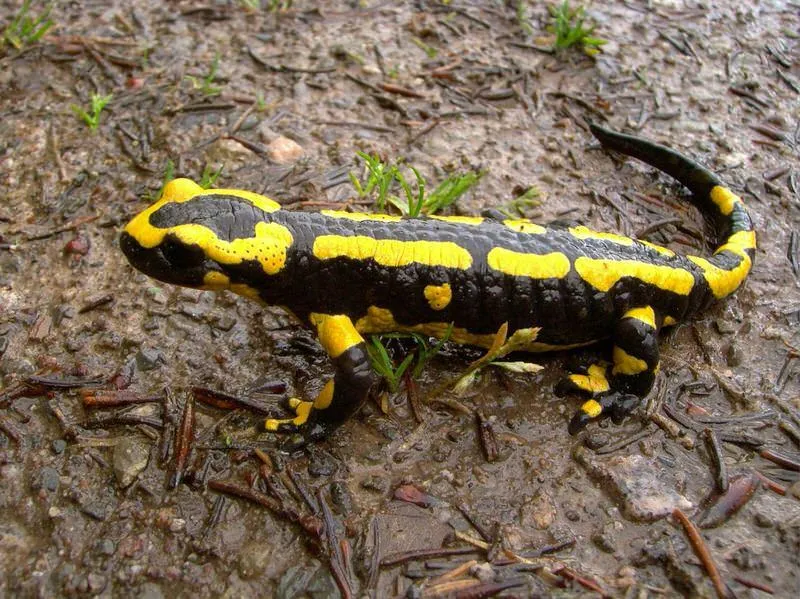
15. Fire Salamander
Black-and-gold woodland amphibians secreting irritating neurotoxic samandarin from skin glands.
Conclusion
Respecting wild animals—even small, cute, or slow-moving ones—from a safe distance protects both people and wildlife.