Human civilization rests on an invisible web of wild workers—pollinators fertilizing crops, ocean microbes generating oxygen, soil burrowers recycling nutrients, and predators keeping ecosystems balanced.
We expanded an original list of ten indispensable organisms with five more ecological pillars, ranking all 15 from #1 (most critical and famous) down to #15. Learn more with our animal senses quiz and endangered animals likely to disappear soon.
How These 15 Entries Are Ranked
This list is ordered from #1 (most popular and widely recognized) down to #15, combining global recognition, cultural impact, and standout traits.
| Rank | Name |
|---|---|
| 1 | Bees |
| 2 | Plankton |
| 3 | Earthworms |
| 4 | Birds |
| 5 | Fish |
| 6 | Bats |
| 7 | Frogs |
| 8 | Ants |
| 9 | Butterflies |
| 10 | Whales |
| 11 | Sharks |
| 12 | Fungi |
| 13 | Ladybugs |
| 14 | Dung Beetles |
| 15 | Non-Human Primates |
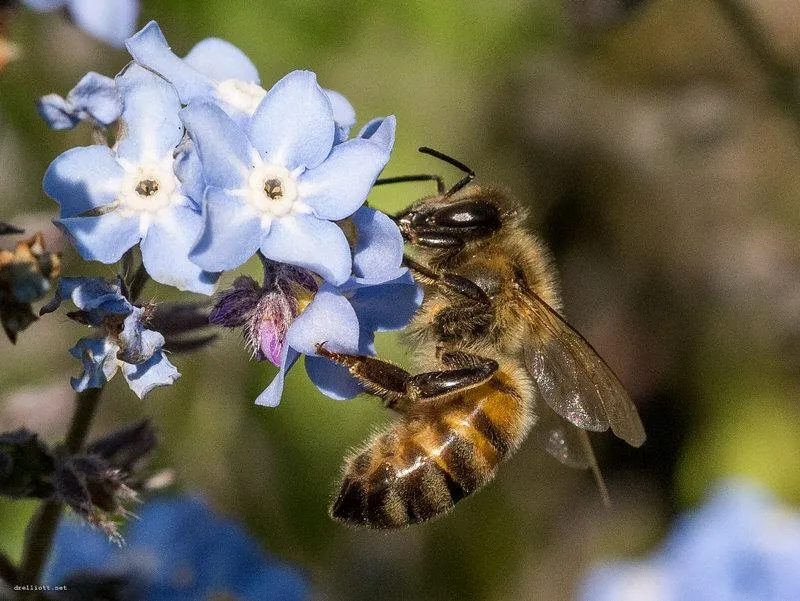
1. Bees
Roughly one-third of global food production relies directly or indirectly on bee and insect pollination.
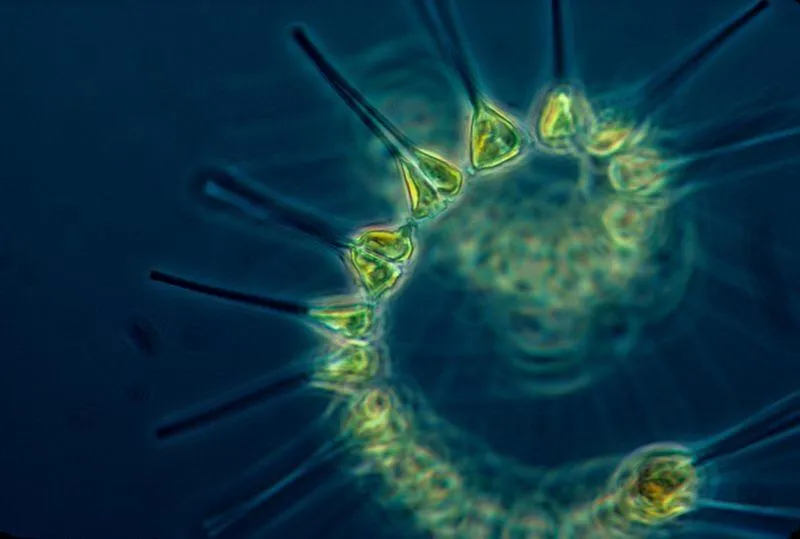
2. Plankton
Marine phytoplankton produce more than half of Earth’s oxygen while anchoring oceanic food webs.
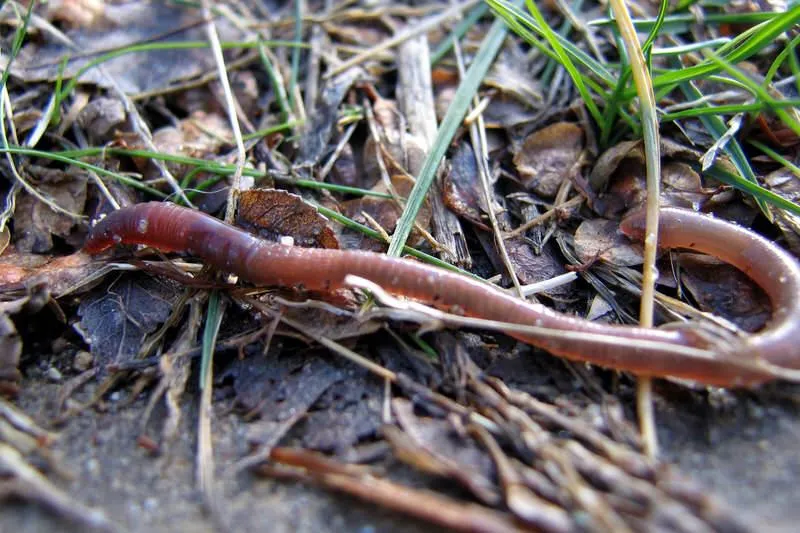
3. Earthworms
Nature’s plowmen aerate topsoil, boost drainage, and turn decaying leaves into fertile castings.
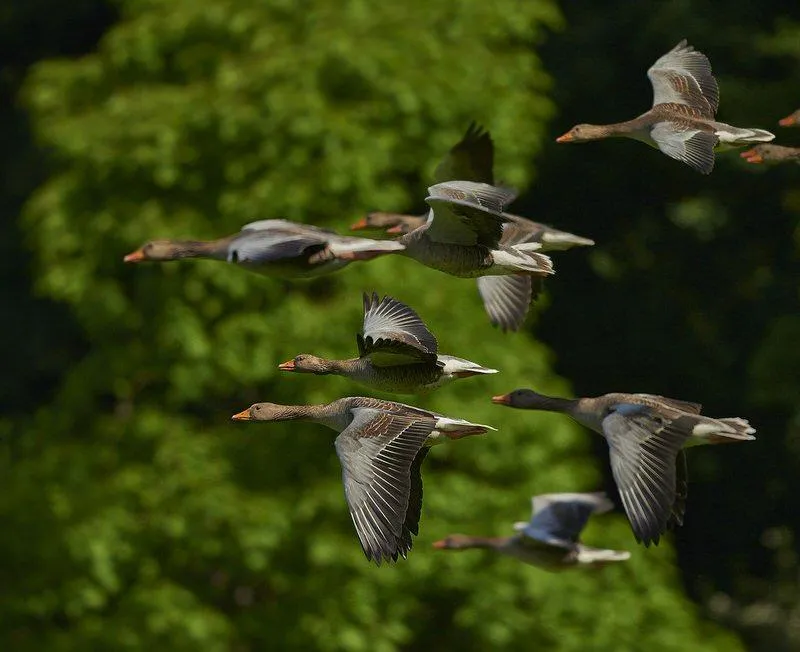
4. Birds
Control agricultural insect outbreaks, disperse forest seeds, and scavenge disease-spreading carcasses.
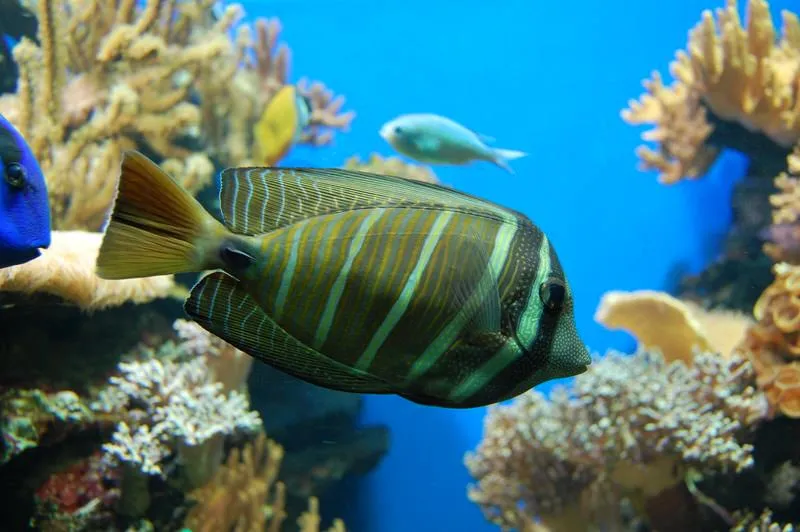
5. Fish
Provide essential protein for billions of people and cycle nutrients across rivers and reefs.
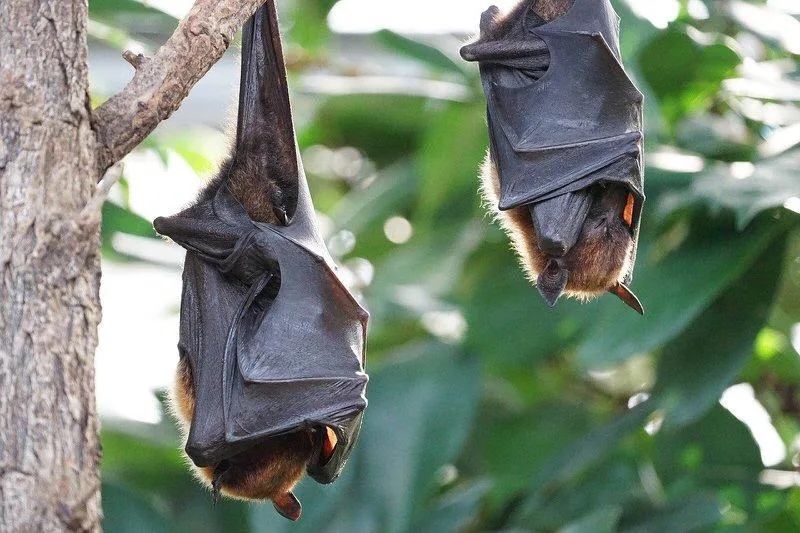
6. Bats
Consume millions of crop-destroying nocturnal insects and pollinate tropical fruits and agave.
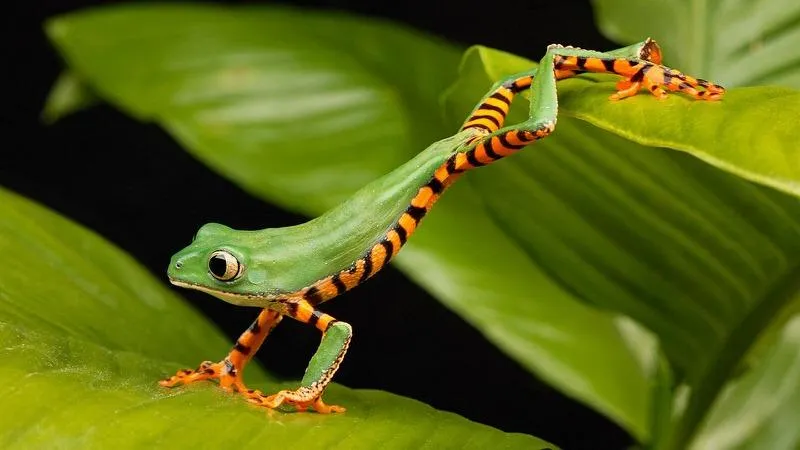
7. Frogs
Dual-life amphibians curbing mosquito populations and serving as early bio-indicators of water pollution.
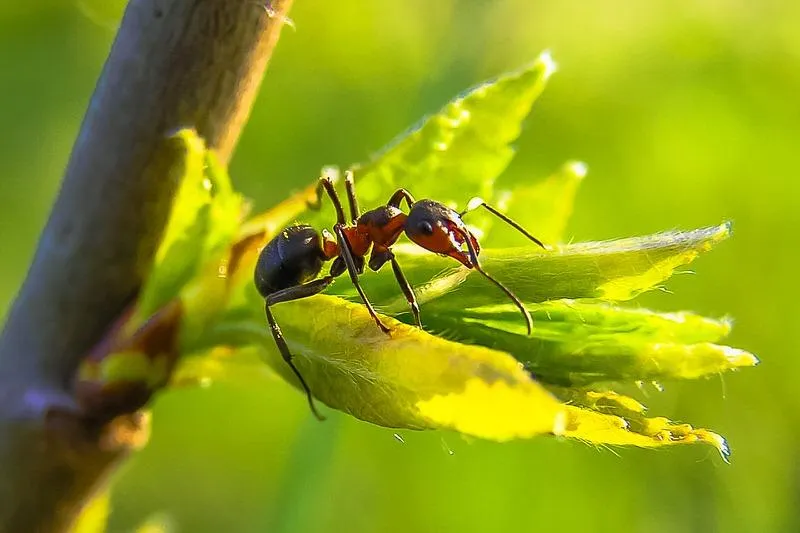
8. Ants
Turn over vast amounts of soil, disperse seeds, and clean forest floors of organic debris.
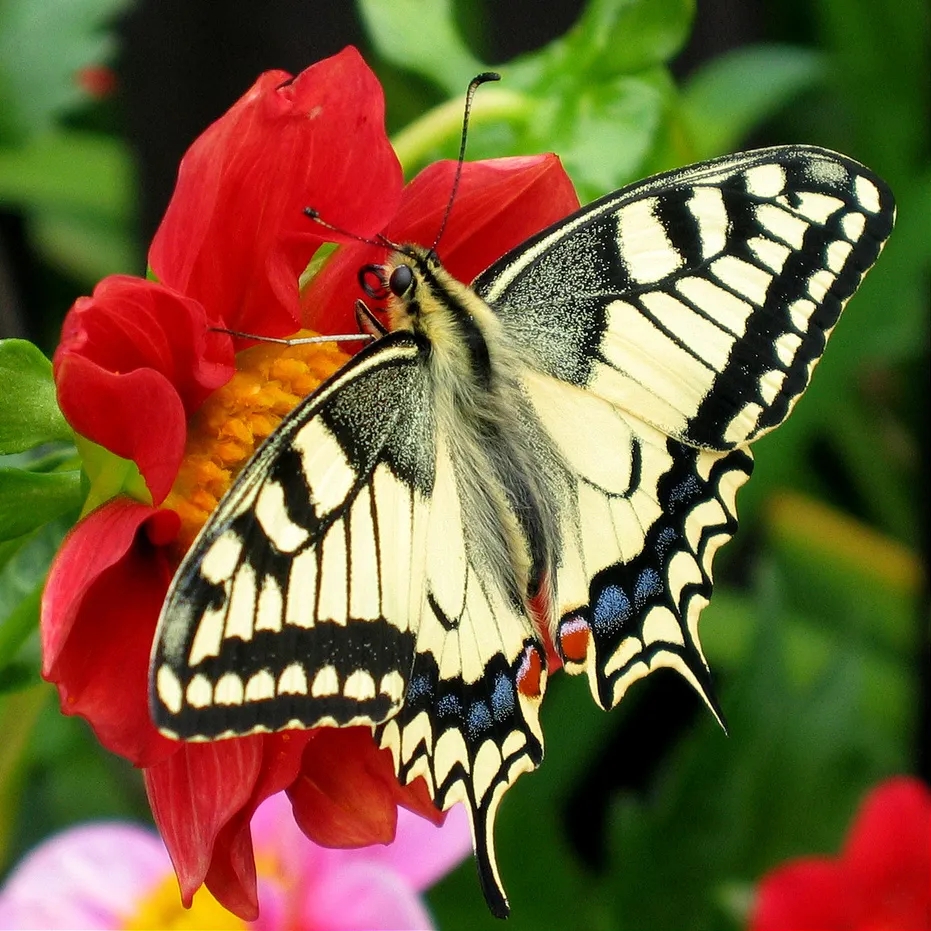
9. Butterflies
Important daytime pollinators whose population shifts alert scientists to ecosystem stress.
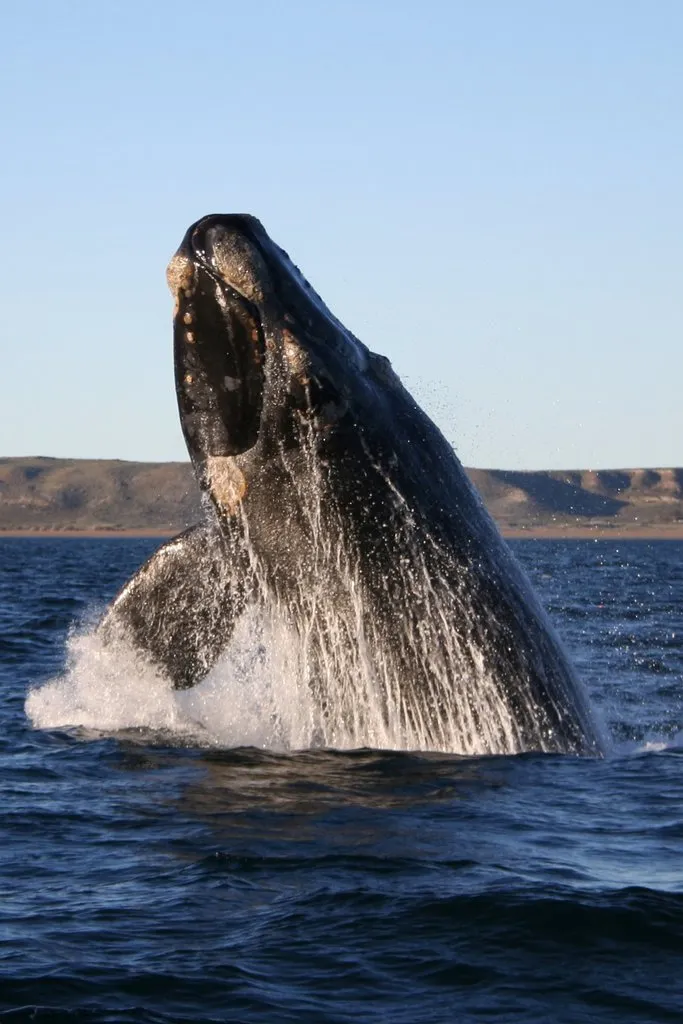
10. Whales
Fertilize surface waters through deep-diving nutrient pumps, fueling phytoplankton blooms that absorb carbon.
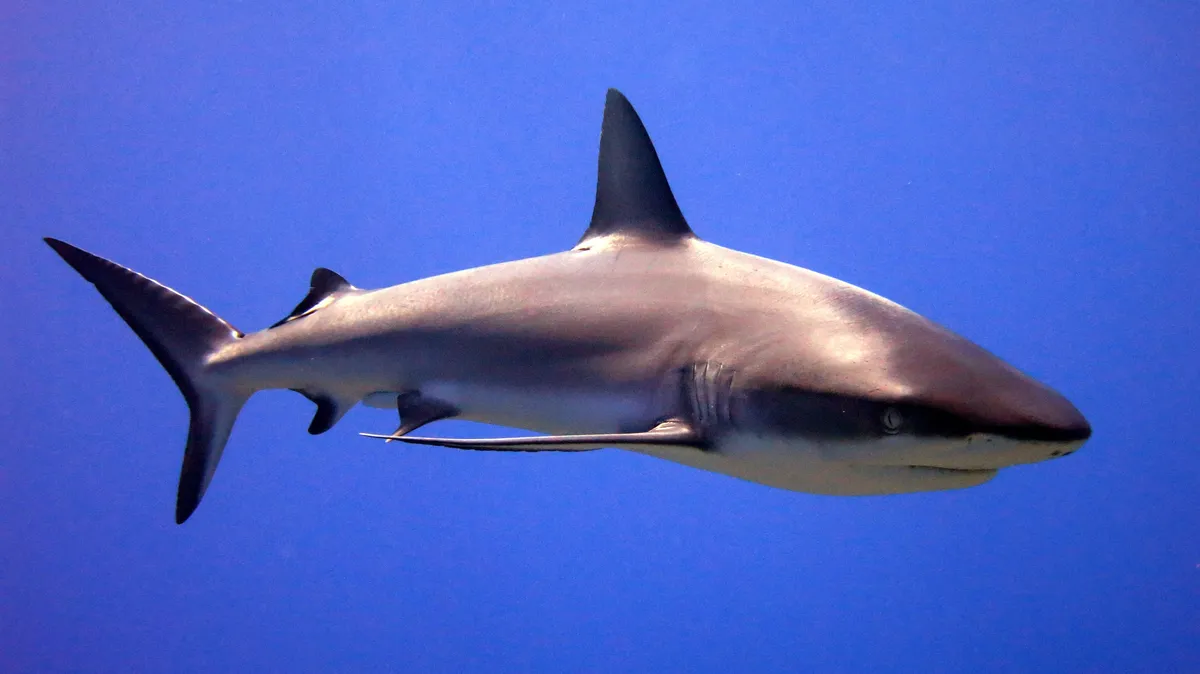
11. Sharks
Apex ocean regulators preventing mid-level predators from wiping out seagrass and coral reefs.
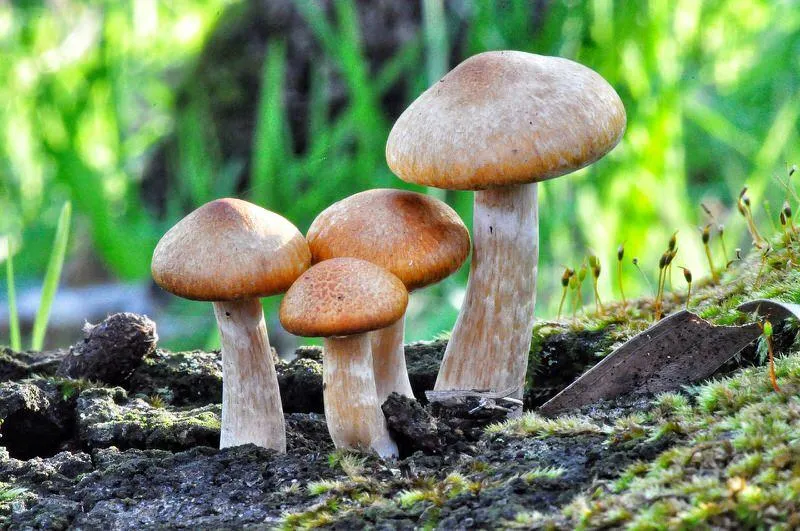
12. Fungi
Break down dead wood and connect tree roots via mycorrhizal networks that nourish entire forests.
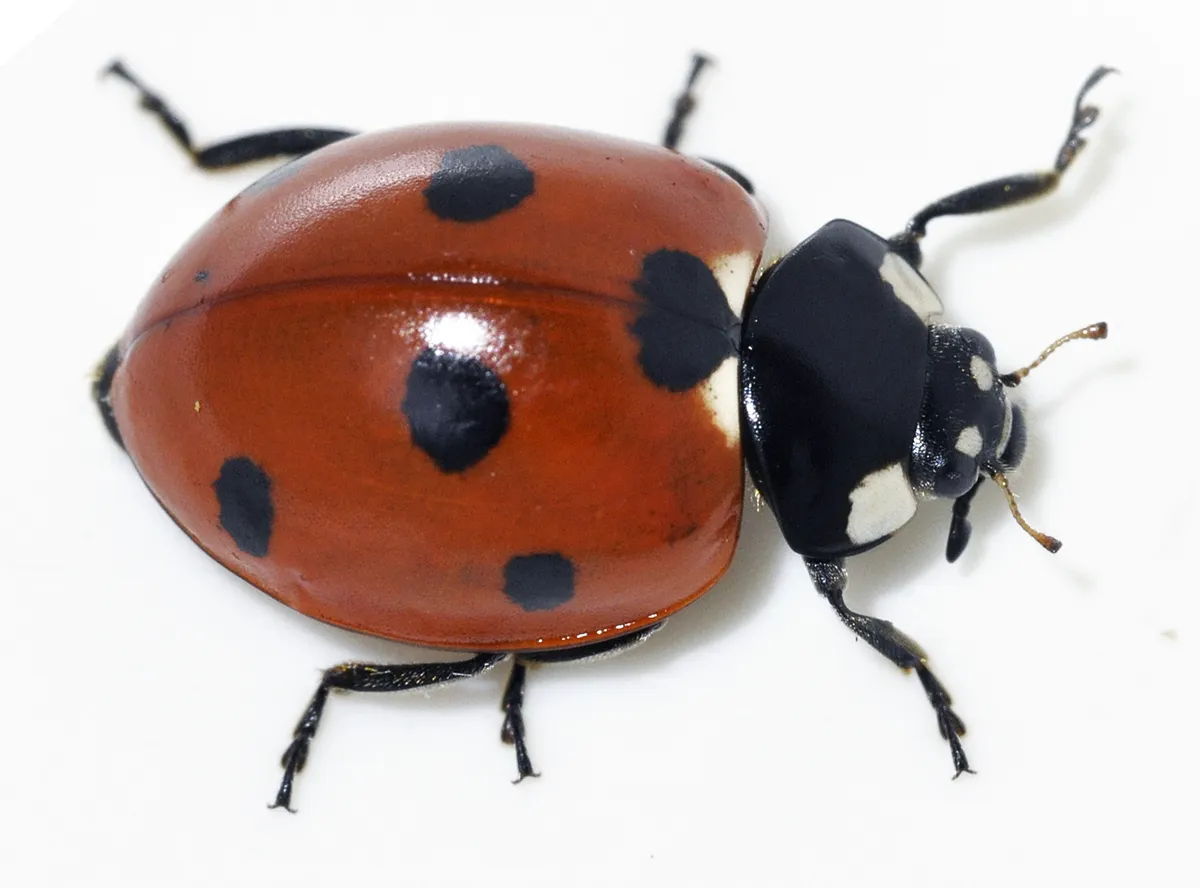
13. Ladybugs
Voracious garden allies devouring thousands of crop-damaging aphids without chemical pesticides.
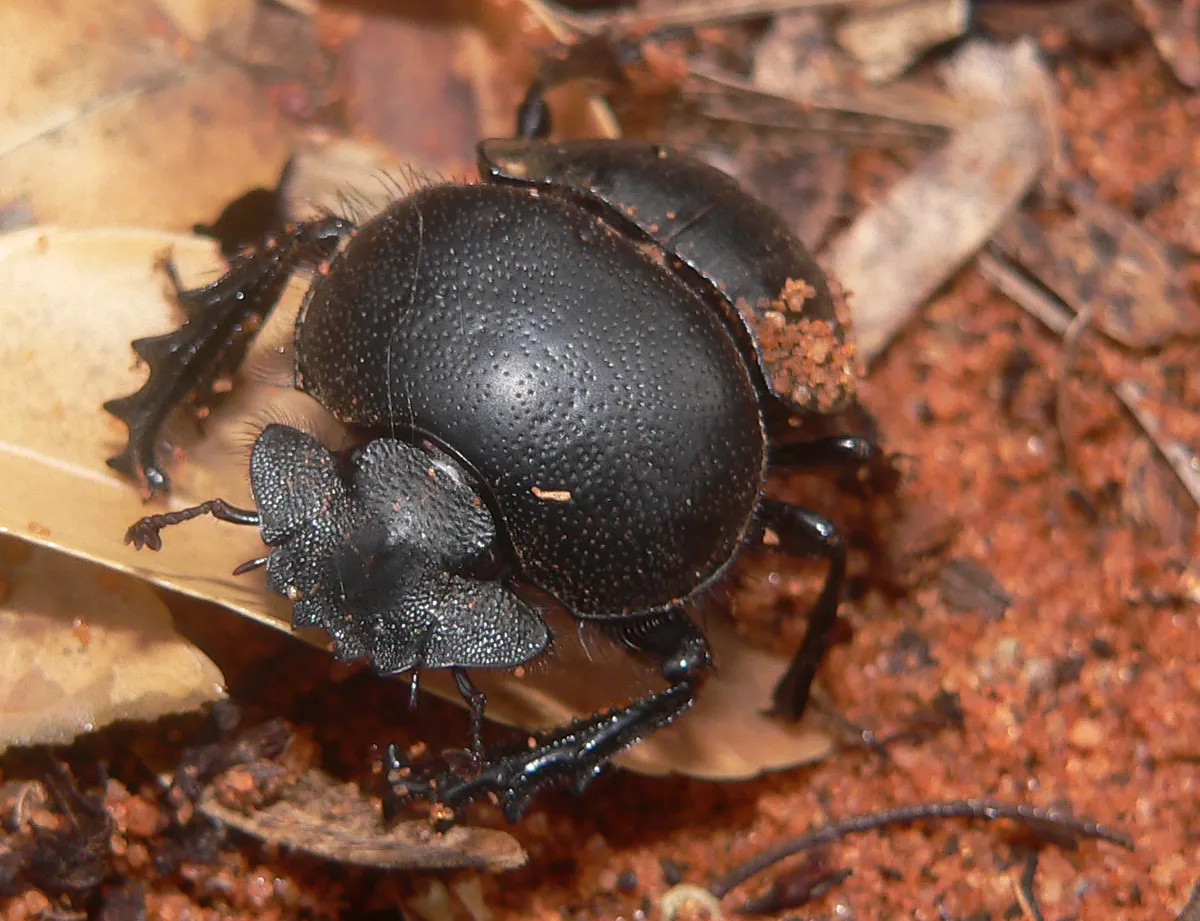
14. Dung Beetles
Bury livestock waste rapidly, recycling nitrogen into pasture soil and cutting parasite breeding.
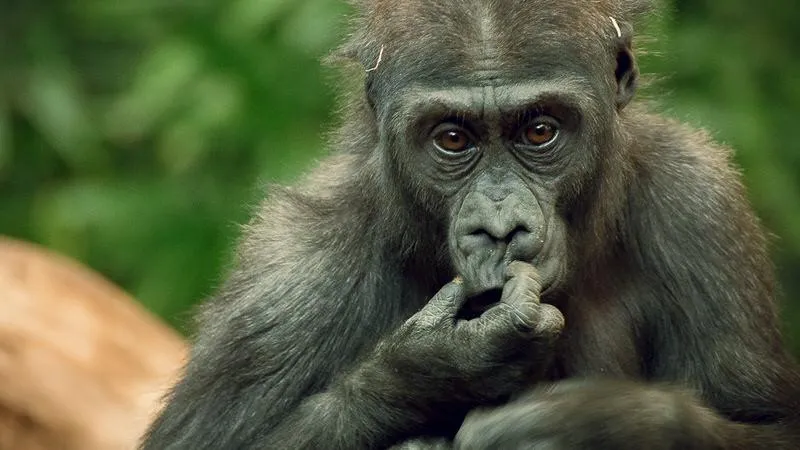
15. Non-Human Primates
Crucial seed dispersers maintaining biodiversity across tropical rainforests worldwide.
Conclusion
Safeguarding these unsung ecological engines keeps clean air, fertile farmland, and stable oceans intact for future generations.