To many animals, scent paints a richer portrait of the world than sight. From elephants carrying nearly 2,000 smell receptor genes to polar bears tracking seals through thick sea ice, olfaction rules survival.
We expanded an original list of ten keen-nosed creatures with five more olfactory champions, ranking all 15 from #1 (most famous) down to #15. Explore more wildlife superpowers in our animal senses quiz and cold-weather animals.
How These 15 Entries Are Ranked
This list is ordered from #1 (most popular and widely recognized) down to #15, combining global recognition, cultural impact, and standout traits.
| Rank | Name |
|---|---|
| 1 | Dog (Bloodhound) |
| 2 | African Elephant |
| 3 | Bear |
| 4 | Polar Bear |
| 5 | Shark |
| 6 | Snake |
| 7 | Kiwi |
| 8 | Silk Moth |
| 9 | Turkey Vulture |
| 10 | Horse |
| 11 | Cow |
| 12 | Rat |
| 13 | Wolverine |
| 14 | Virginia Opossum |
| 15 | Black-Footed Albatross |
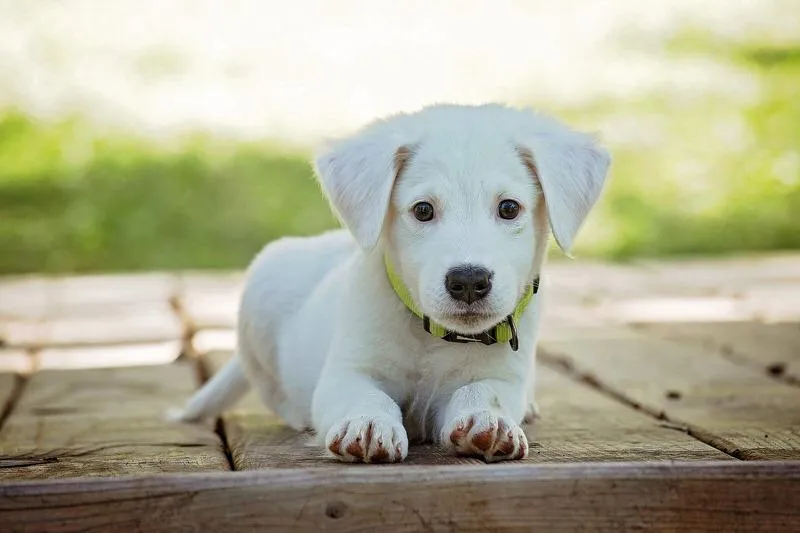
1. Dog (Bloodhound)
Packing roughly 300 million scent receptors and wrinkle-sweeping ears built for days-old trails.
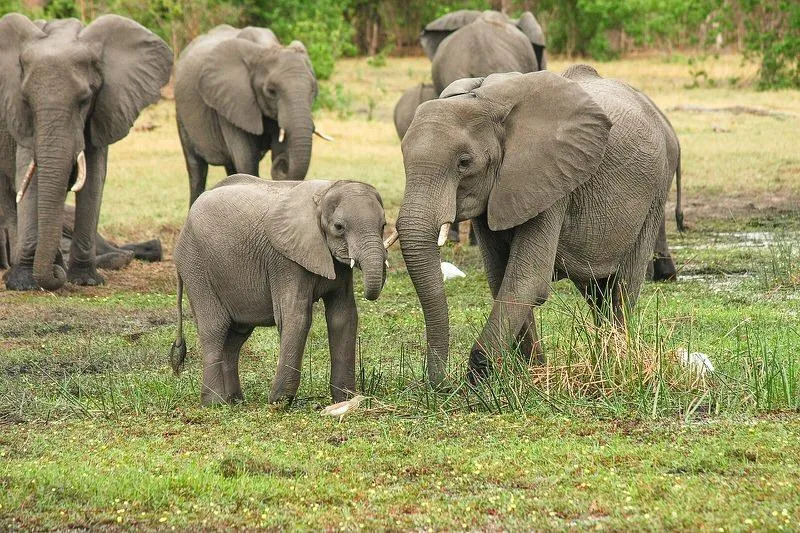
2. African Elephant
Possessing nearly 2,000 olfactory receptor genes—the highest count known in any mammal.
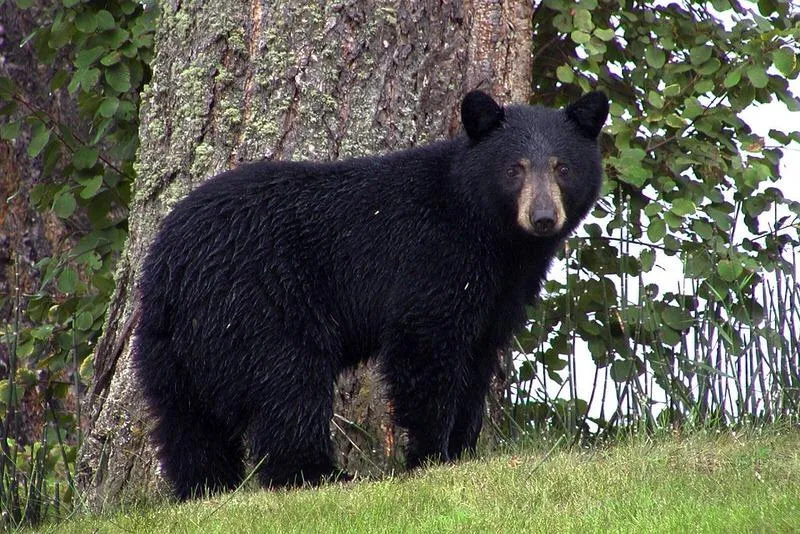
3. Bear
Grizzly and black bears boast huge olfactory bulbs able to detect food miles downwind.
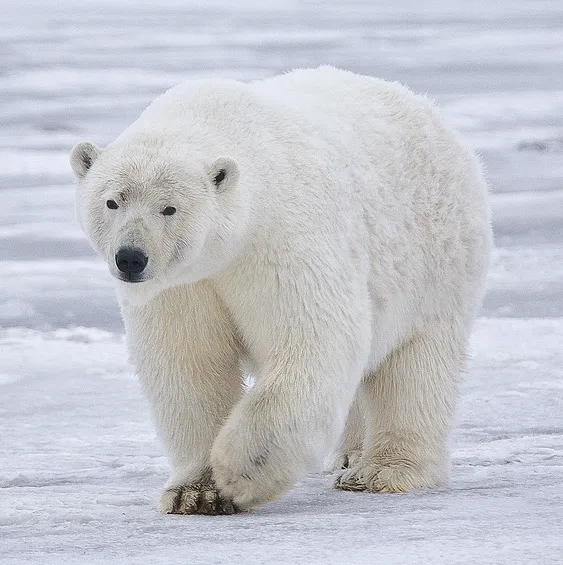
4. Polar Bear
Tracking seal breathing holes beneath solid Arctic ice from over a kilometer away.
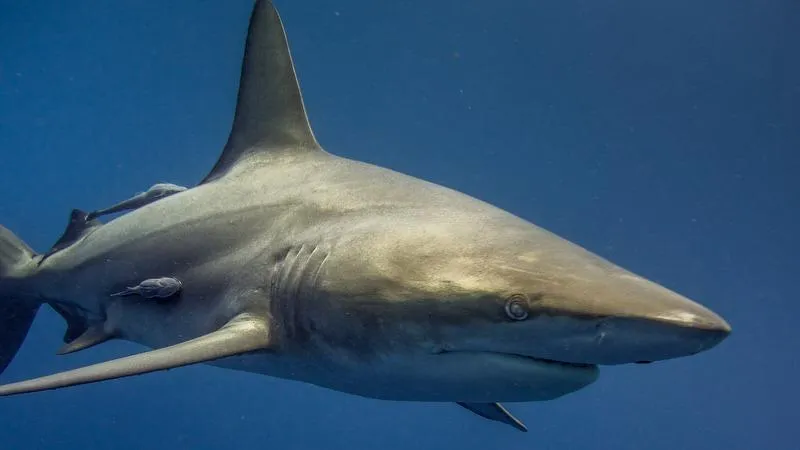
5. Shark
Dedicating huge brain regions to scent, detecting faint chemical traces across ocean currents.
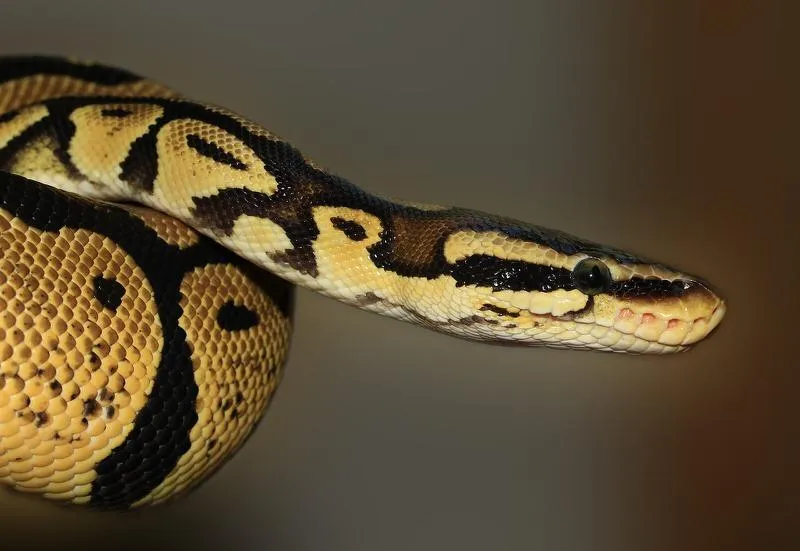
6. Snake
Forked tongues deliver stereo scent molecules straight to the roof-of-mouth Jacobson’s organ.
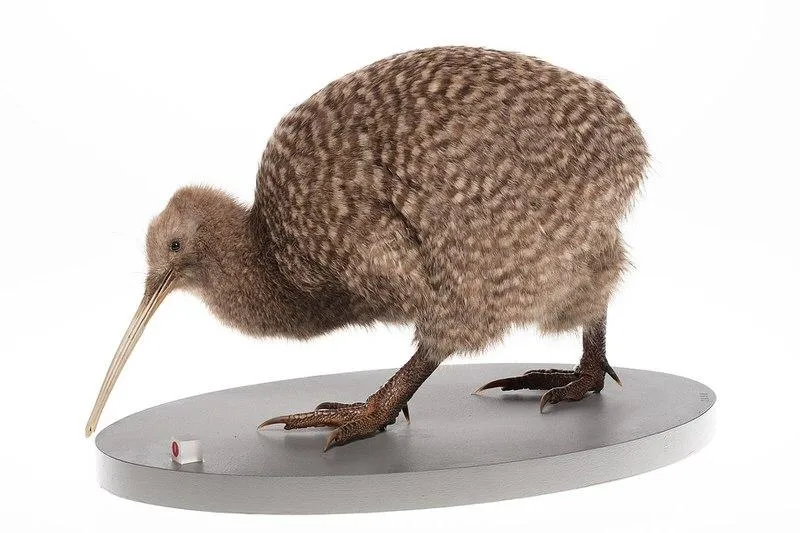
7. Kiwi
Uniquely placing nostrils at the tip of its long beak to sniff out earthworms underground.
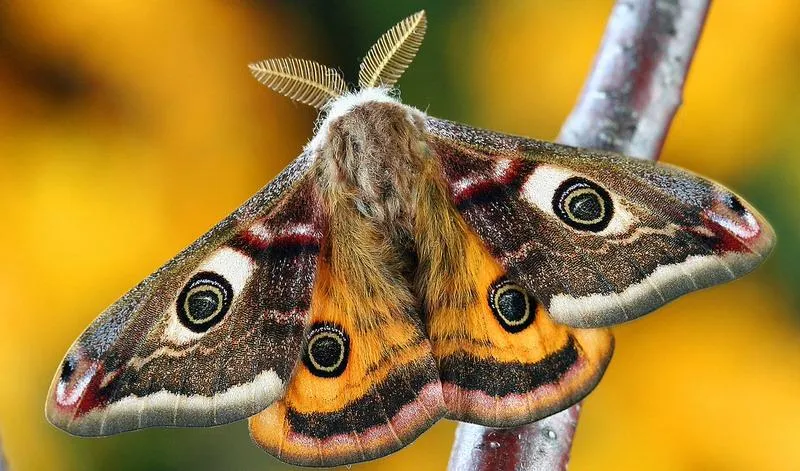
8. Silk Moth
Male feathery antennae detect a single female pheromone molecule from kilometers away.
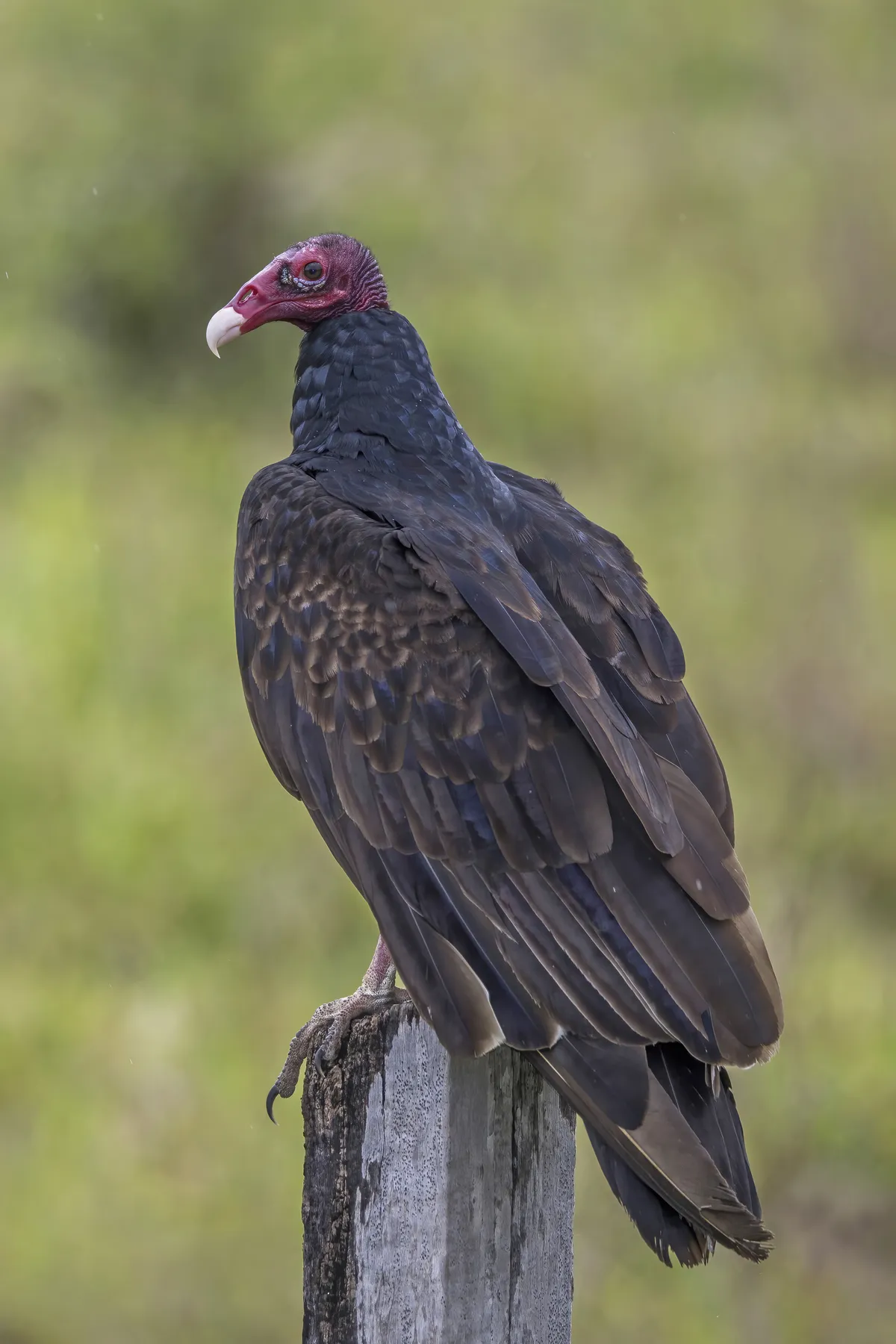
9. Turkey Vulture
One of the few birds with giant olfactory lobes, smelling carrion beneath dense forest canopies.
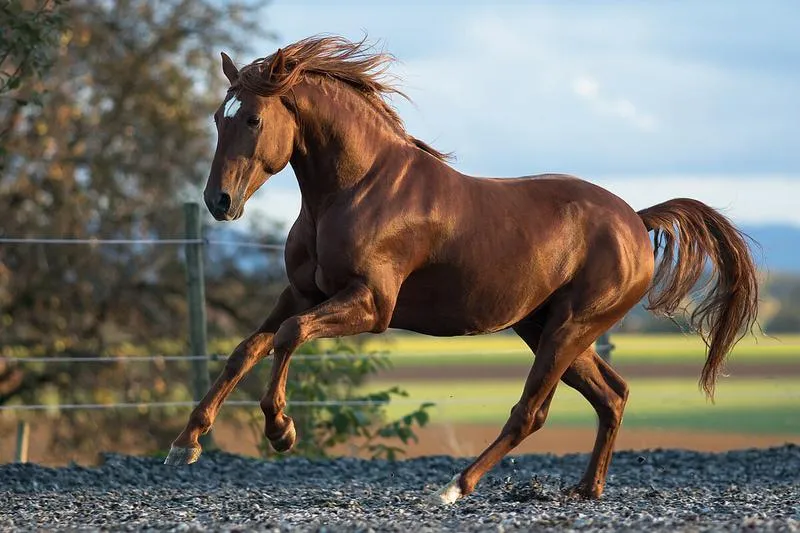
10. Horse
Acute nasal sensors evaluate herd companions, water quality, and distant predators.
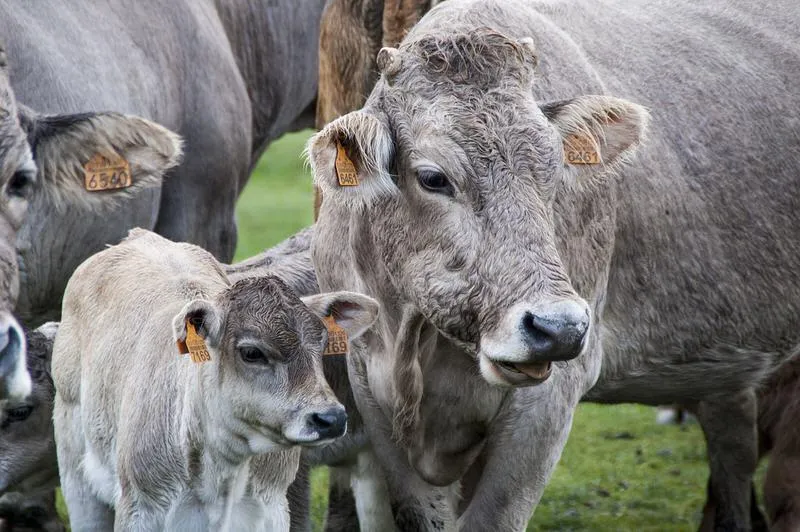
11. Cow
Sensitive muzzles detect fresh grass, water, and potential dangers kilometers upwind.
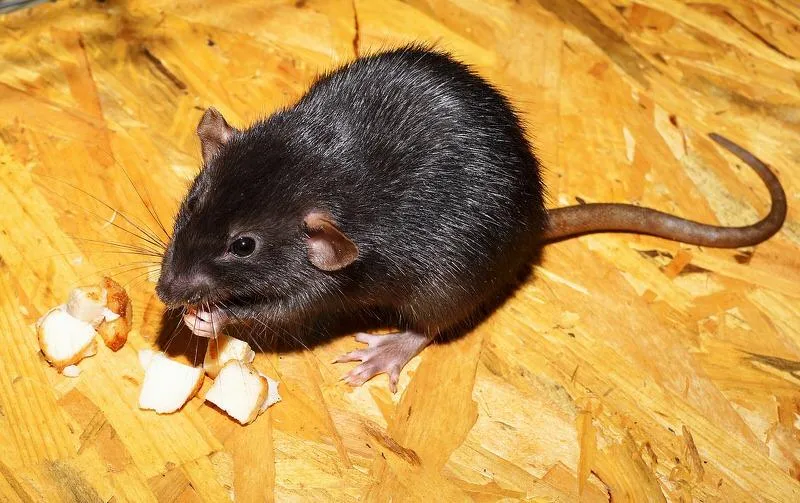
12. Rat
Distinguishing tiny chemical differences—even trained to sniff out landmines and tuberculosis.
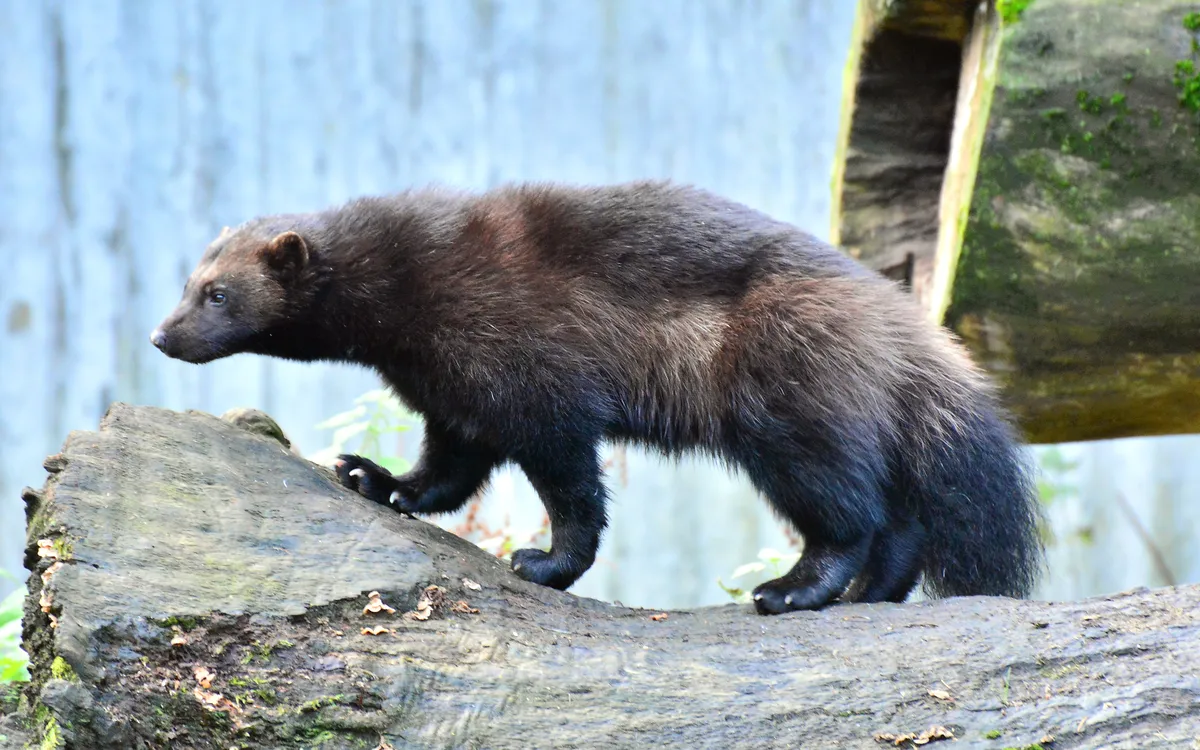
13. Wolverine
Locating frozen carcasses buried meters beneath winter avalanches.
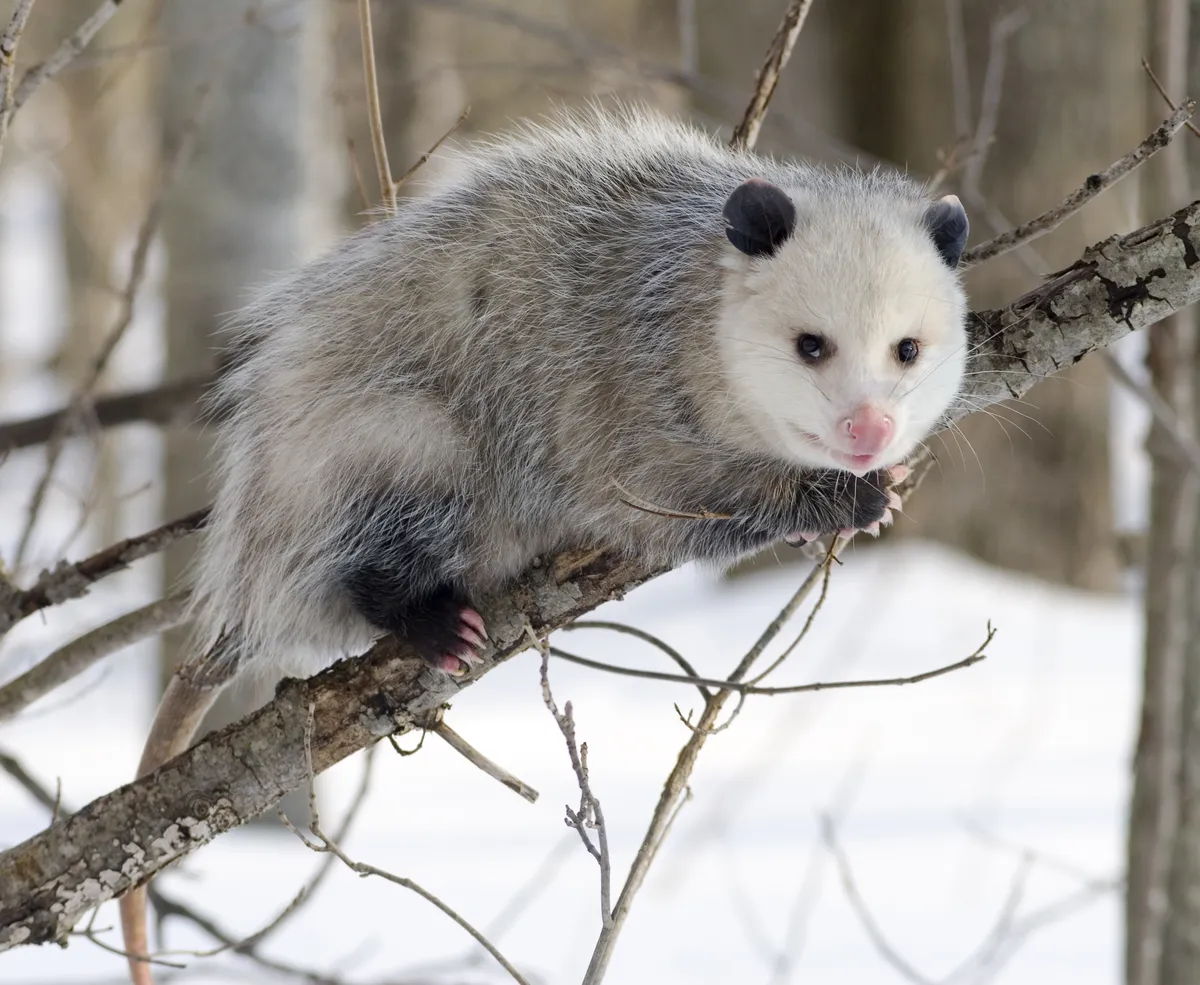
14. Virginia Opossum
Nocturnal scavengers using keen snouts to navigate dark woodlands for fruit and insects.
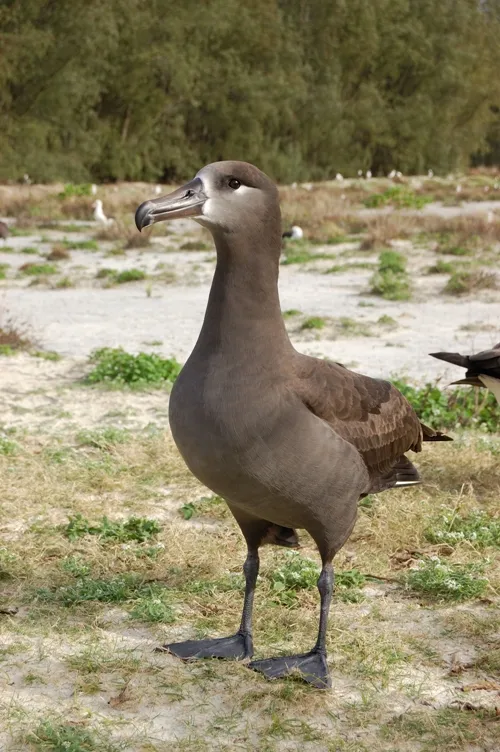
15. Black-Footed Albatross
Tracking fish-oil scents across vast empty stretches of the open Pacific Ocean.
Conclusion
Whether tasting air with a forked tongue or following scent trails days old, nature’s trackers never miss a molecule.