Cruciferous vegetables—members of the Brassicaceae or mustard family—earn their name from their four-petaled, cross-shaped blossoms. What unites them on your plate is a potent group of sulfur-rich compounds called glucosinolates, prized for supporting cellular defense and detoxification.
We expanded the original 10 with five more nutritional standouts and ranked all 15 from everyday kitchen staples to specialty roots. For more plant-powered guides, check out 15 best fruits for a diabetes-friendly diet and 15 fruits with the highest water content.
How These 15 Entries Are Ranked
This list is ordered from #1 (most popular and widely recognized) down to #15, combining global recognition, cultural impact, and standout traits.
| Rank | Name |
|---|---|
| 1 | Broccoli |
| 2 | Kale |
| 3 | Cauliflower |
| 4 | Brussels Sprouts |
| 5 | Cabbage |
| 6 | Arugula |
| 7 | Bok Choy |
| 8 | Radish |
| 9 | Watercress |
| 10 | Collard Greens |
| 11 | Turnip |
| 12 | Mustard Greens |
| 13 | Kohlrabi |
| 14 | Rutabaga |
| 15 | Horseradish |
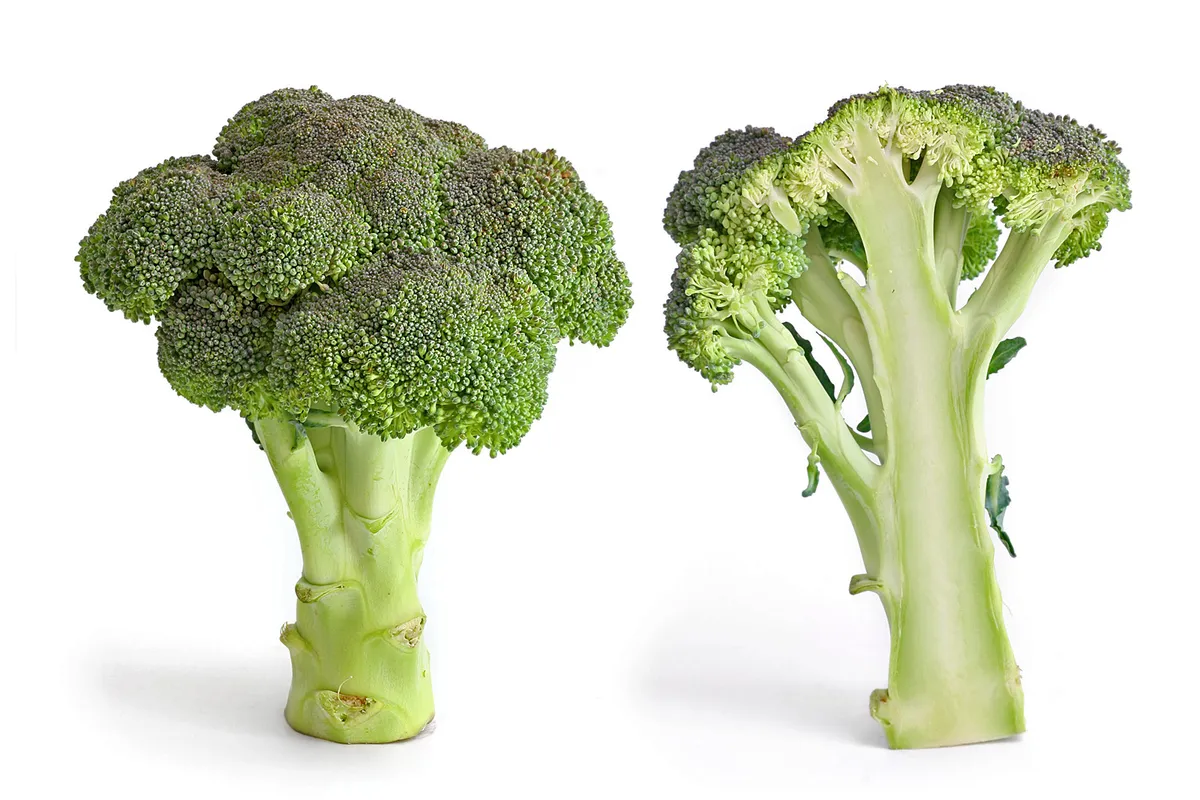
1. Broccoli
Packed with sulforaphane, vitamin C, vitamin K, and fiber, broccoli remains the undisputed king of cruciferous vegetables—versatile steamed, roasted, or tossed into stir-fries.
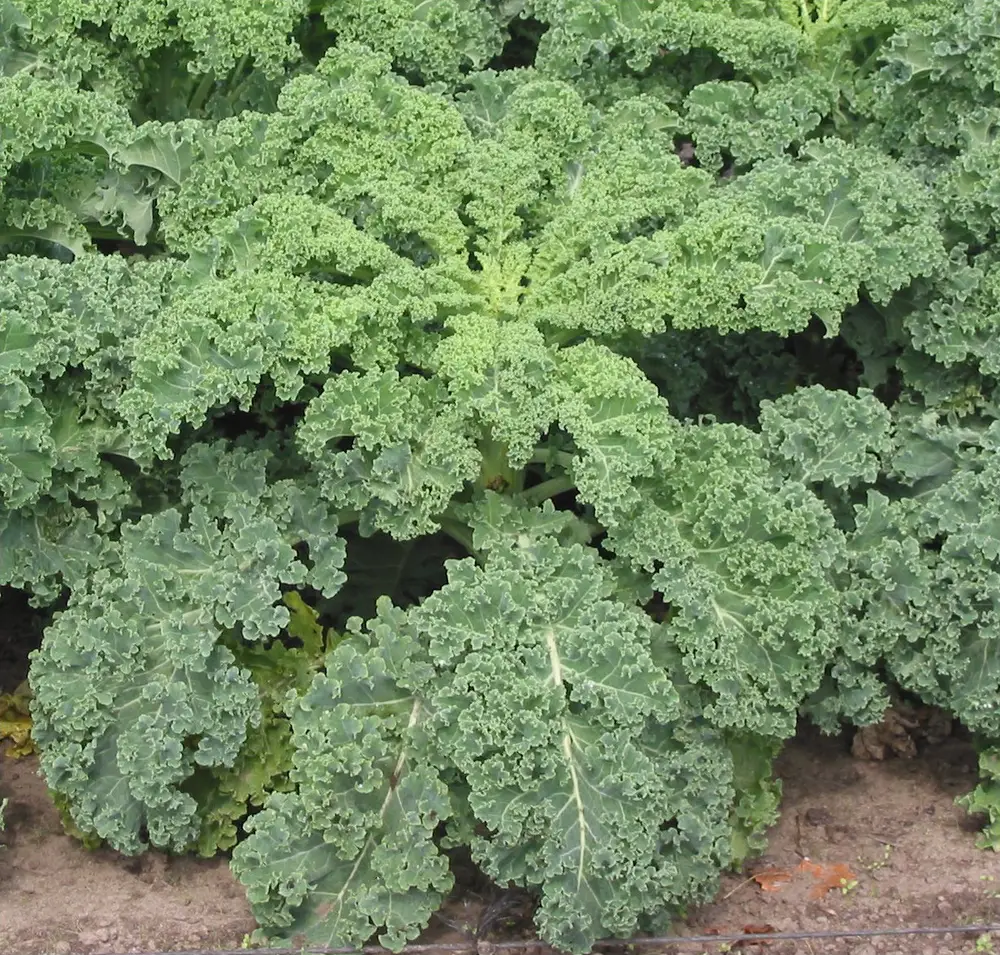
2. Kale
A leafy nutritional powerhouse delivering over a full day’s vitamin K and vitamin A in a single cup alongside lutein and zeaxanthin for eye health.
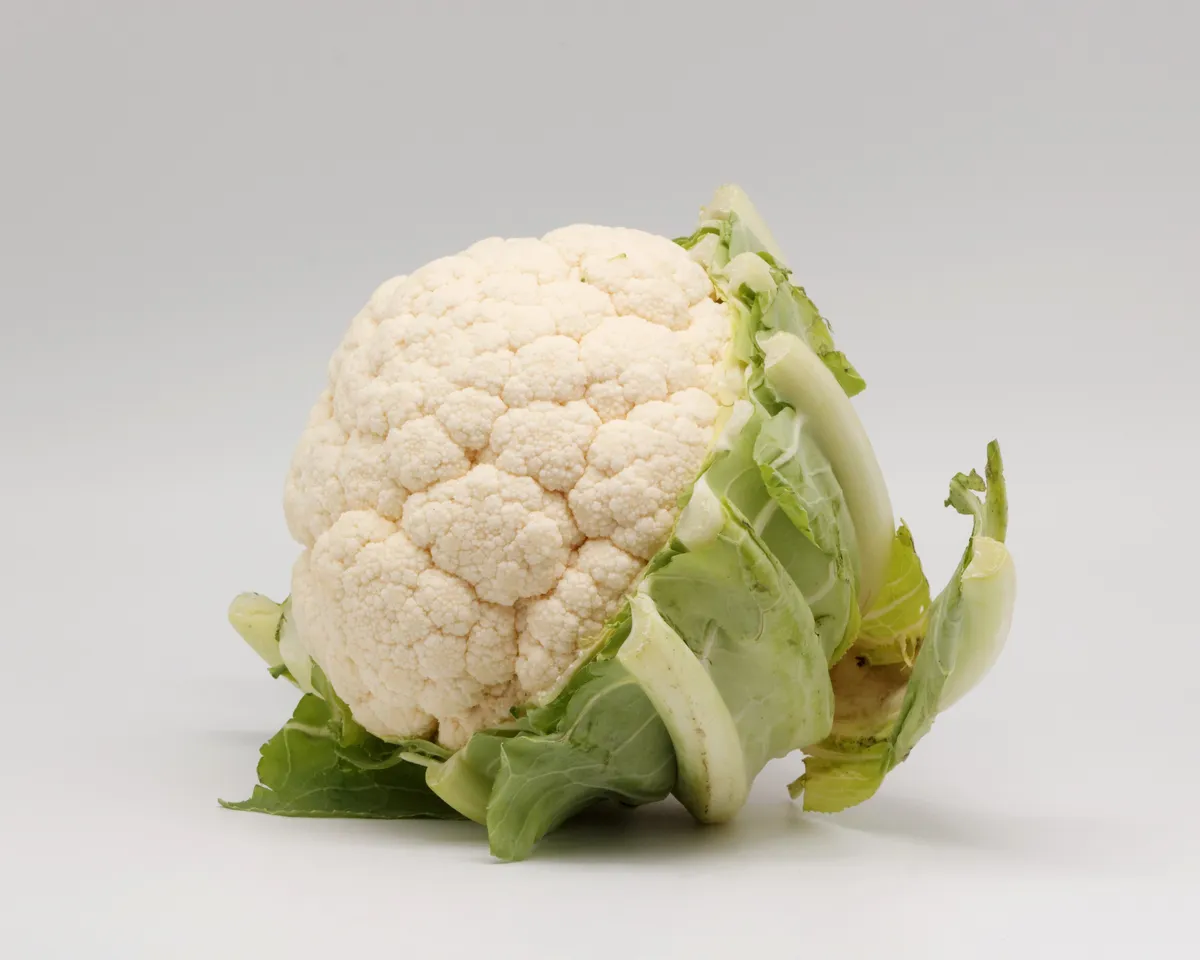
3. Cauliflower
Low in calories and rich in choline and vitamin C, cauliflower has surged in popularity as a clever low-carb stand-in for rice, mashed potatoes, and pizza crust.
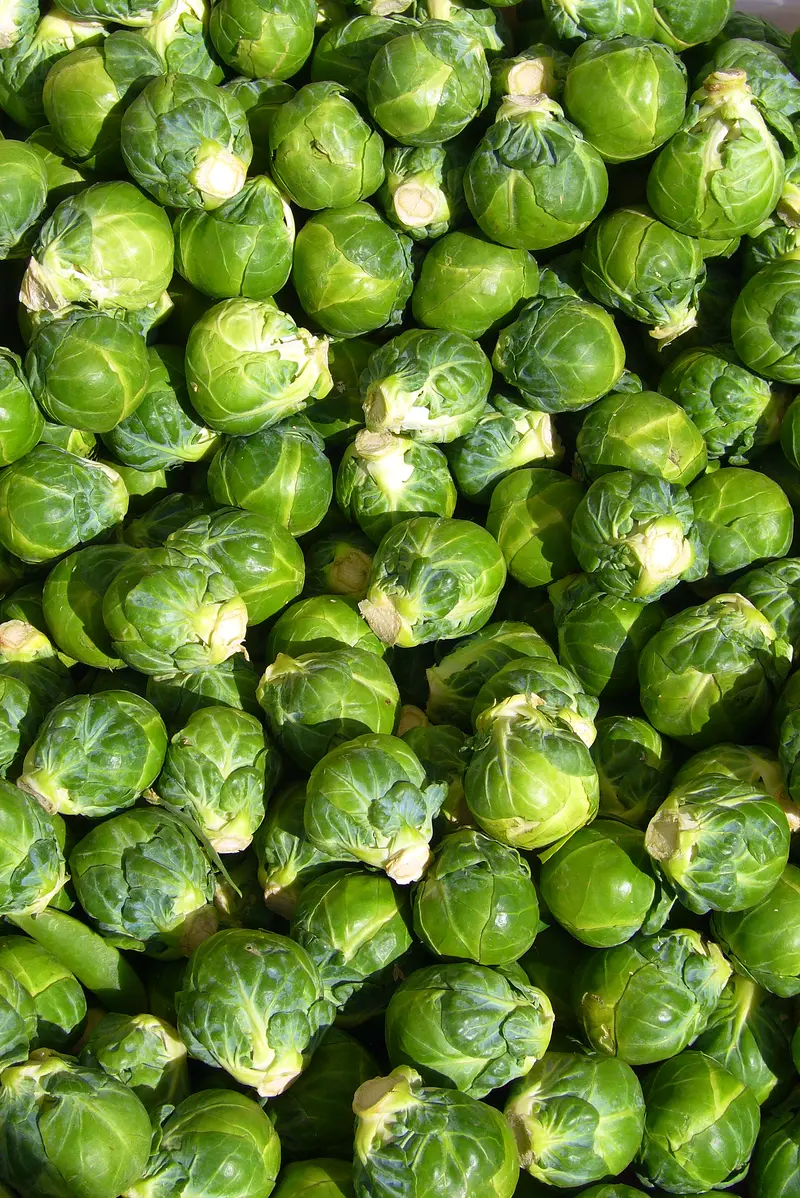
4. Brussels Sprouts
Once dreaded as soggy cafeteria food, roasted Brussels sprouts caramelize into crispy, nutty bites loaded with fiber, folate, and antioxidants.
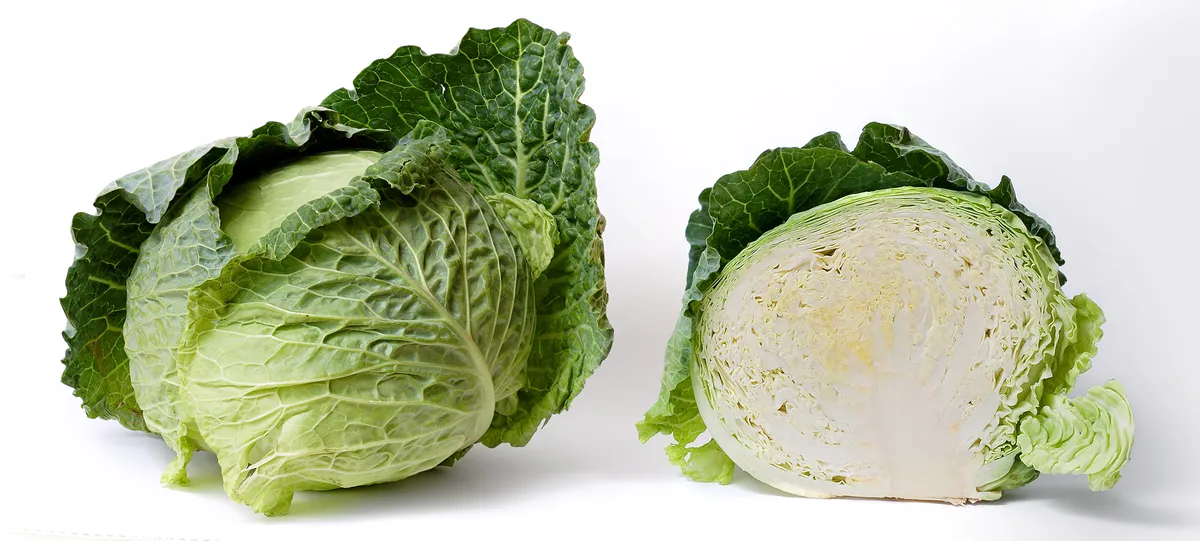
5. Cabbage
Whether green, red, or Savoy, cabbage brings crisp crunch, gut-friendly fermented benefits in kimchi and sauerkraut, and anthocyanins in purple varieties.
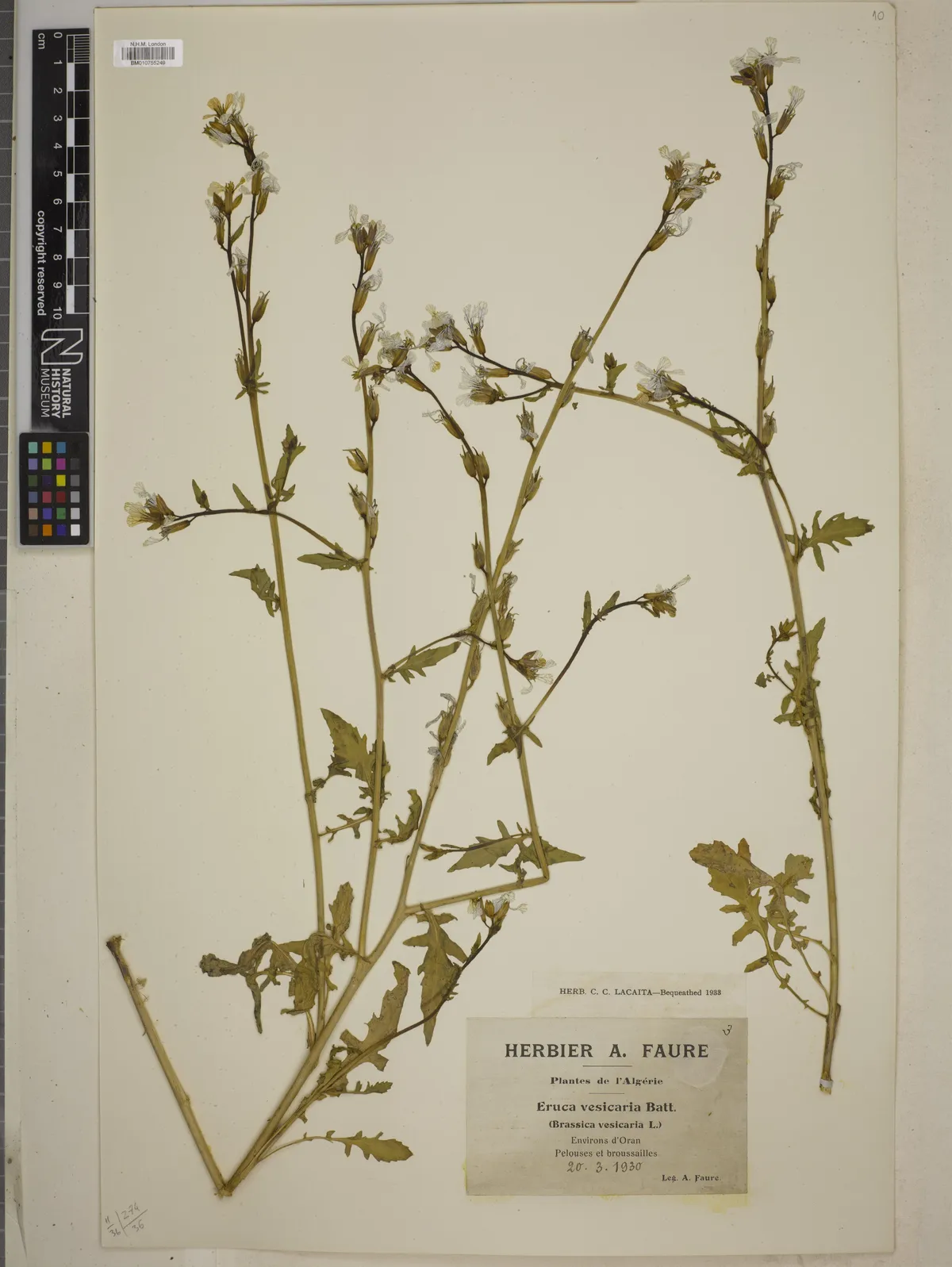
6. Arugula
Also known as rocket, arugula adds a bright, peppery bite to salads and pizzas while supplying nitrates, calcium, and folate.
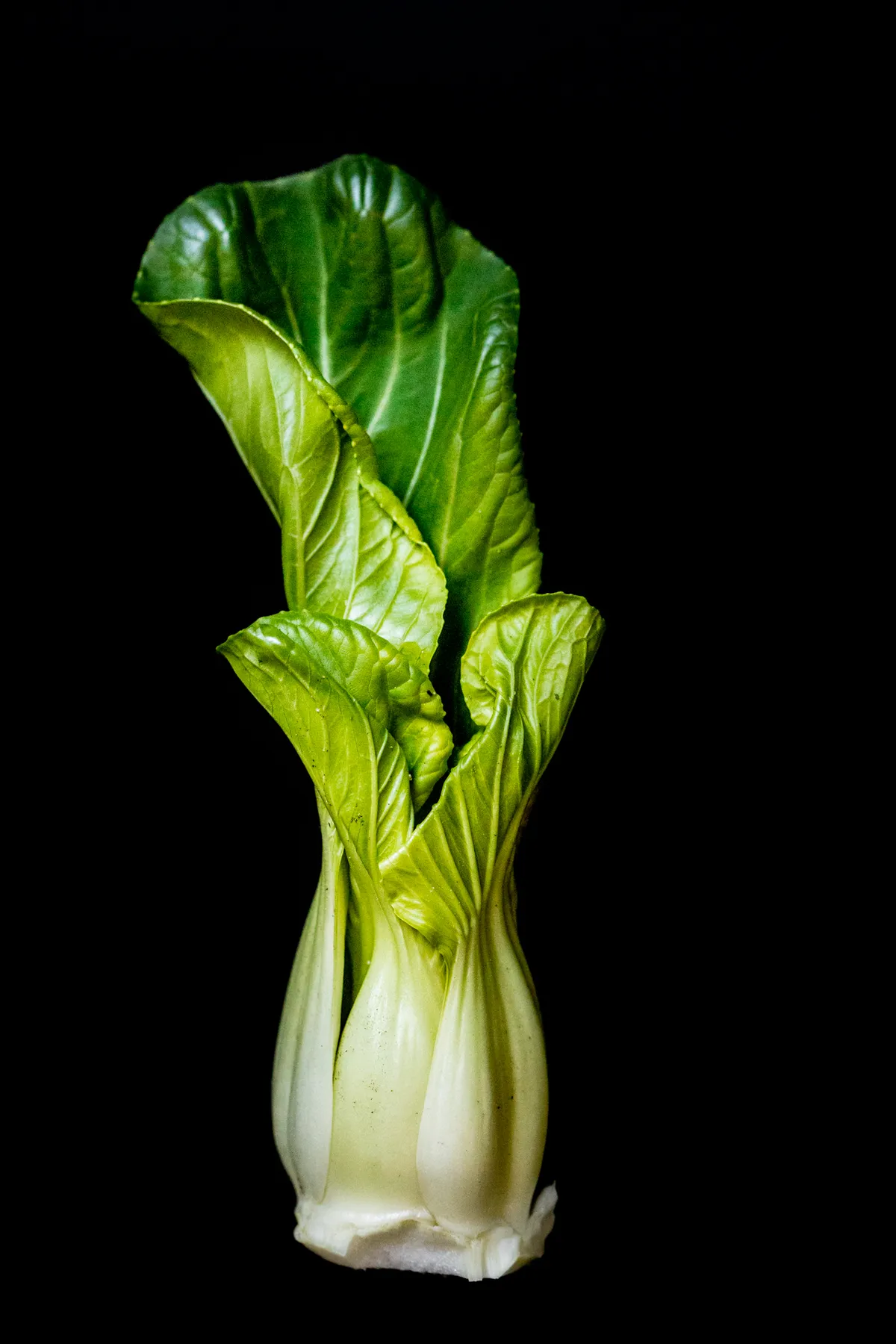
7. Bok Choy
This mild, crunchy Chinese cabbage delivers potassium, vitamin A, and vitamin C while soaking up ginger, garlic, and sesame flavors effortlessly.
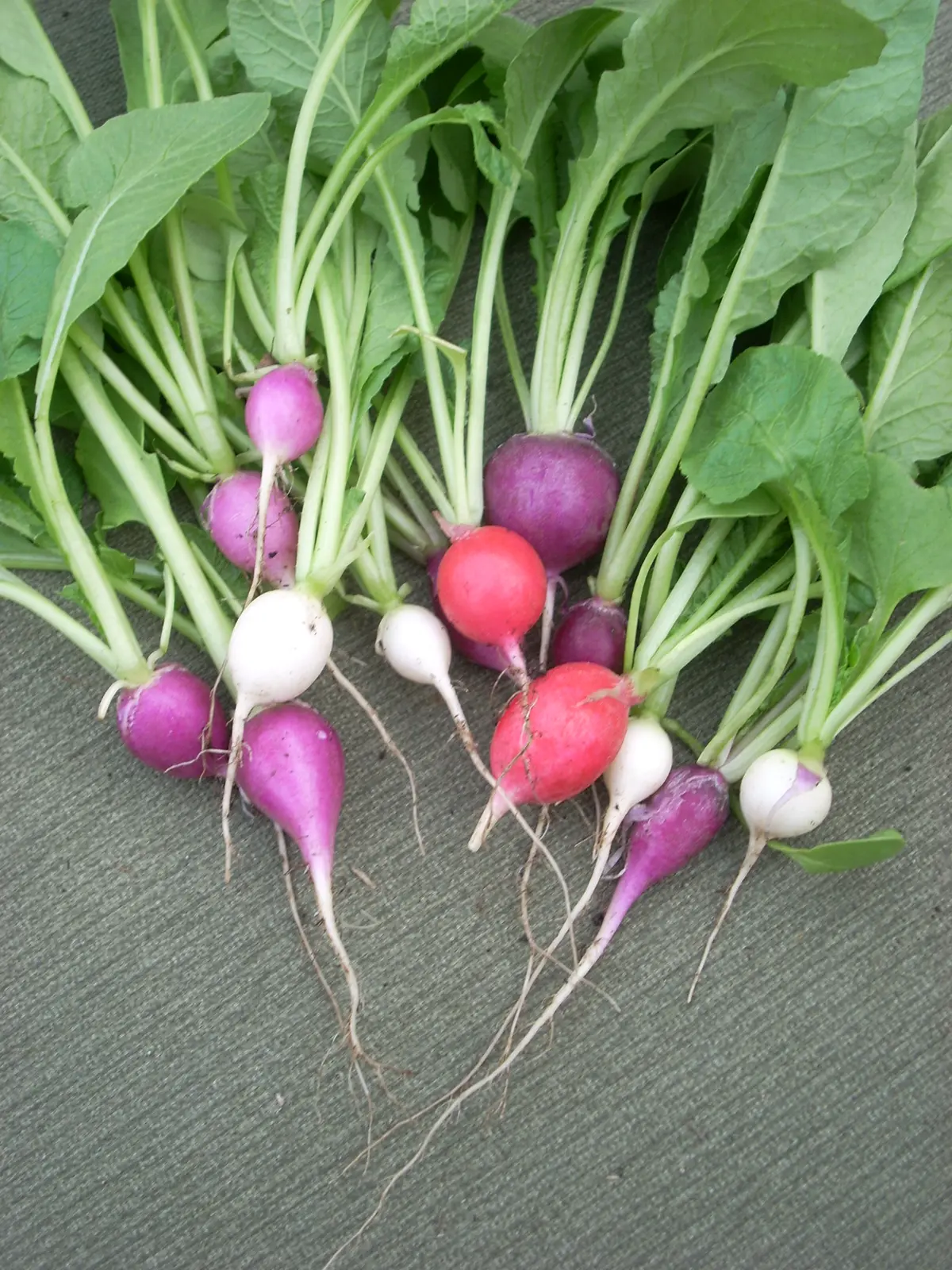
8. Radish
Crisp, hydrating, and peppery, radishes bring vitamin C and natural crunch to salads and tacos with barely any calories.
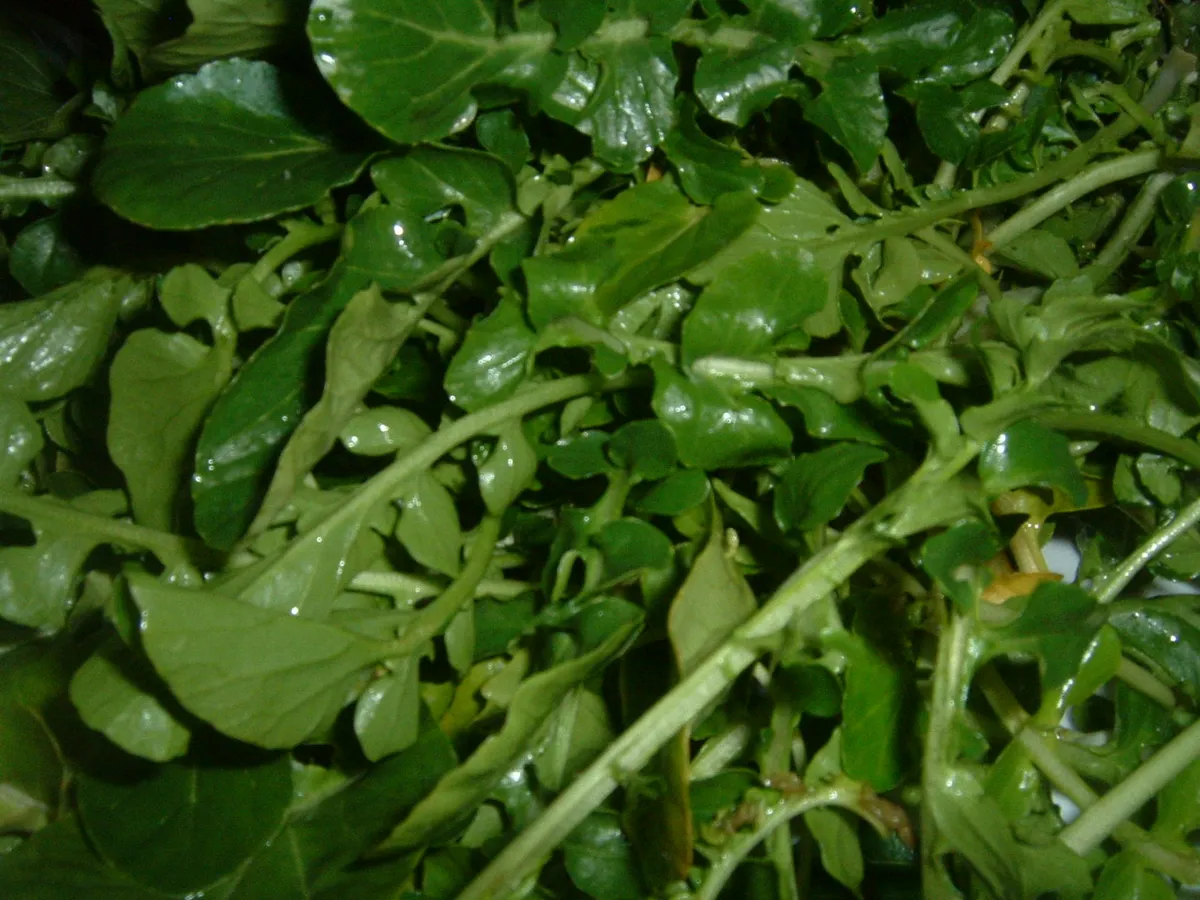
9. Watercress
Frequently topping clinical nutrient-density charts, watercress packs extraordinary concentrations of vitamin K, vitamin C, and carotenoids into delicate leaves.
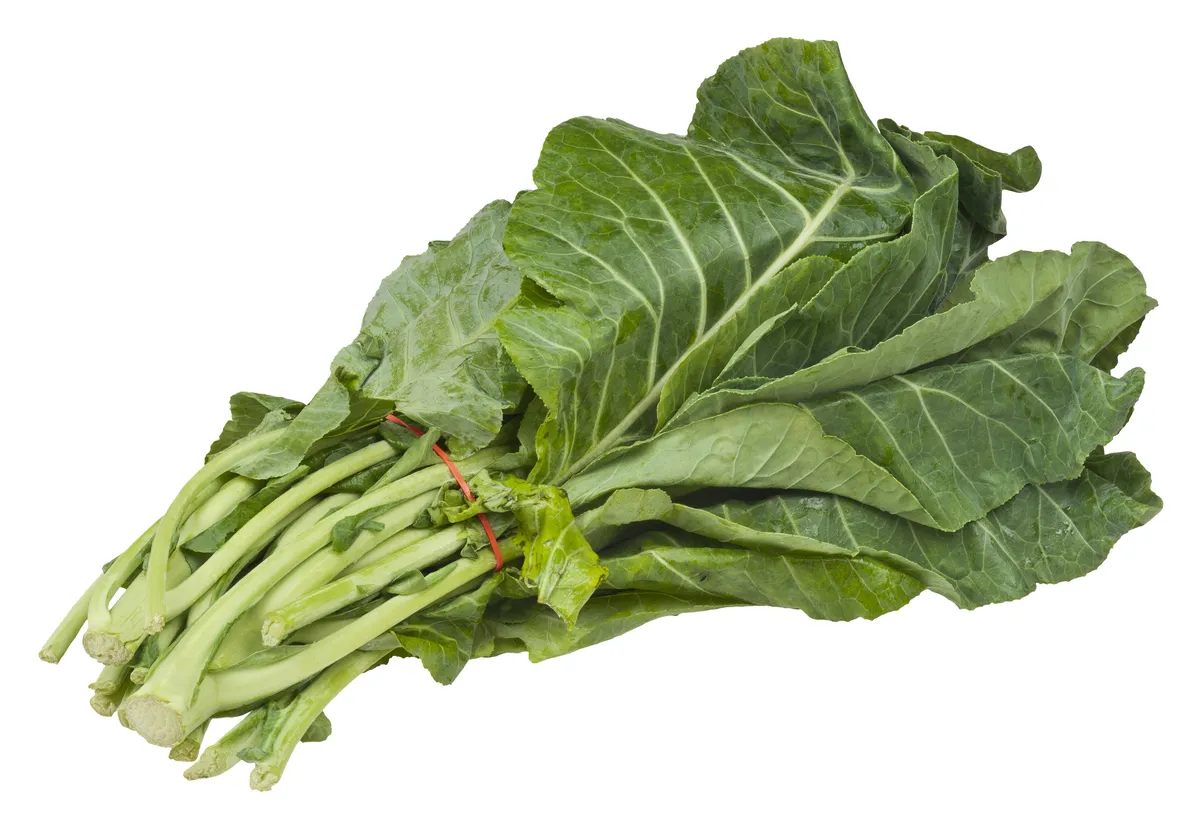
10. Collard Greens
A staple of Southern cooking, sturdy collard leaves offer abundant calcium, vitamin K, and soluble fiber that helps support healthy cholesterol.
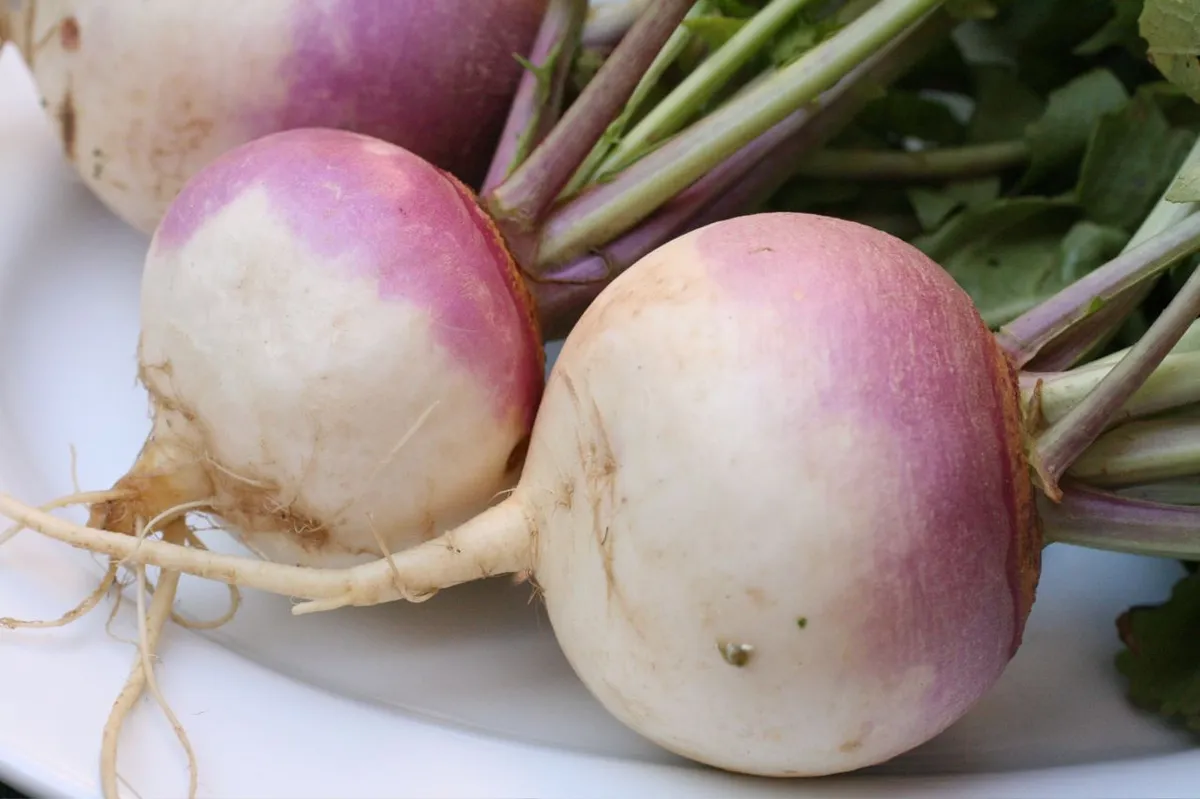
11. Turnip
Both the mildly sweet purple-topped root and its leafy greens belong to the Brassicaceae family, offering potassium, vitamin C, and hearty roasting texture.
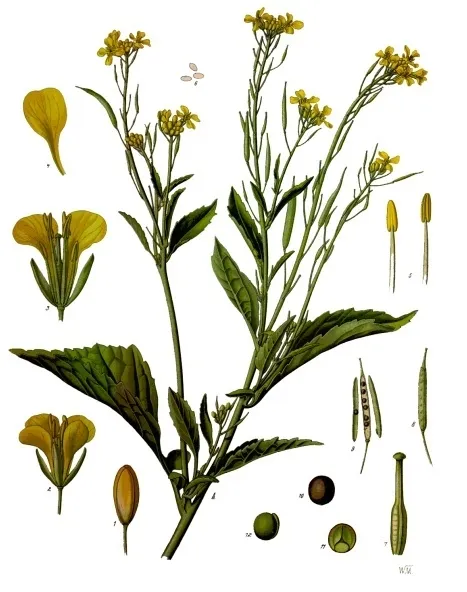
12. Mustard Greens
Zesty and aromatic, mustard greens deliver potent antioxidants and vitamins A, C, and K when sautéed with garlic or simmered in broths.
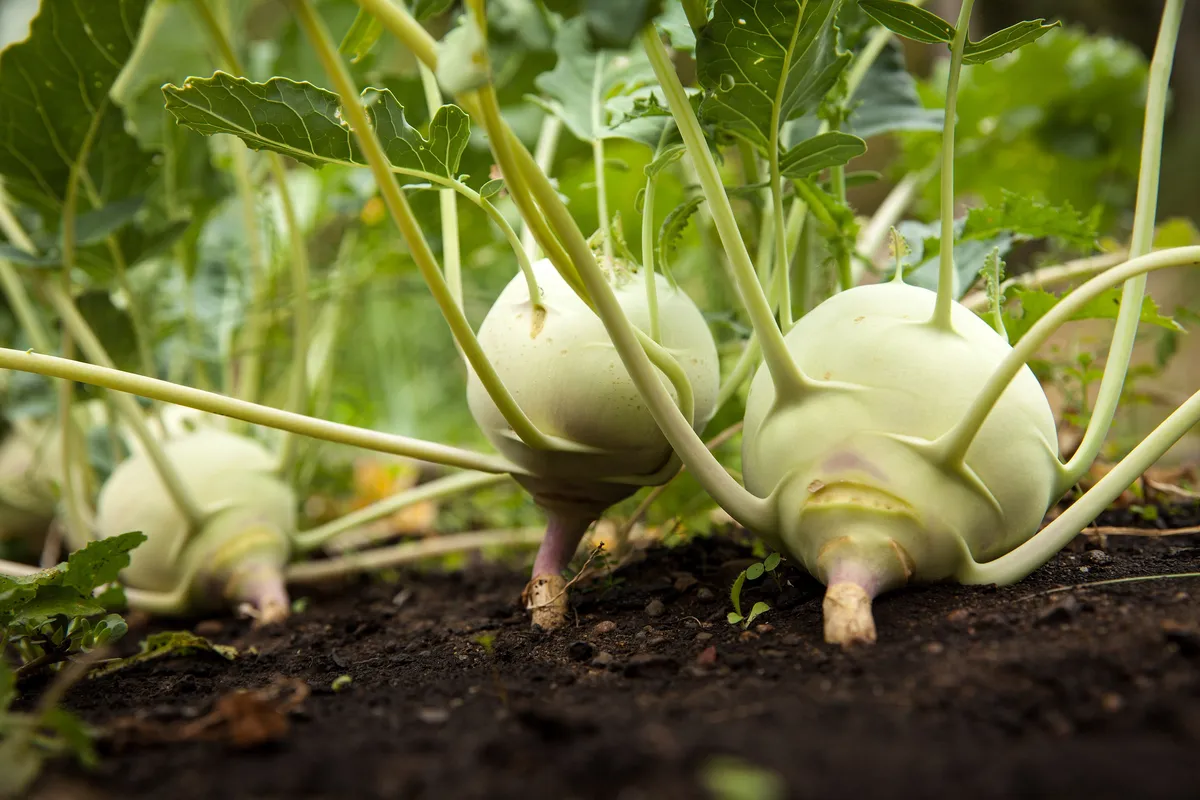
13. Kohlrabi
Looking like a space-age bulb with leafy stems, kohlrabi tastes like a crisp, mild cross between broccoli stem and apple, rich in vitamin C and potassium.
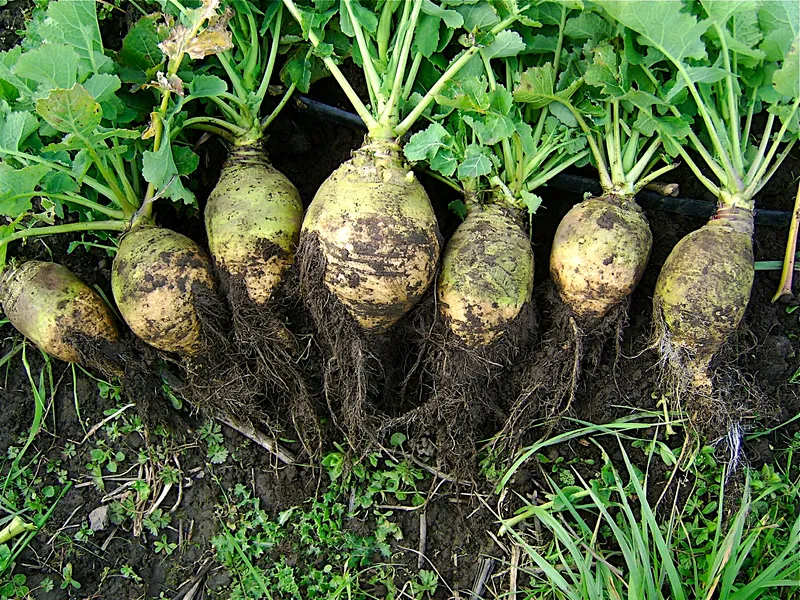
14. Rutabaga
A sweet, earthy cross between cabbage and turnip, rutabaga roasts and mashes beautifully while providing fiber, potassium, and manganese.
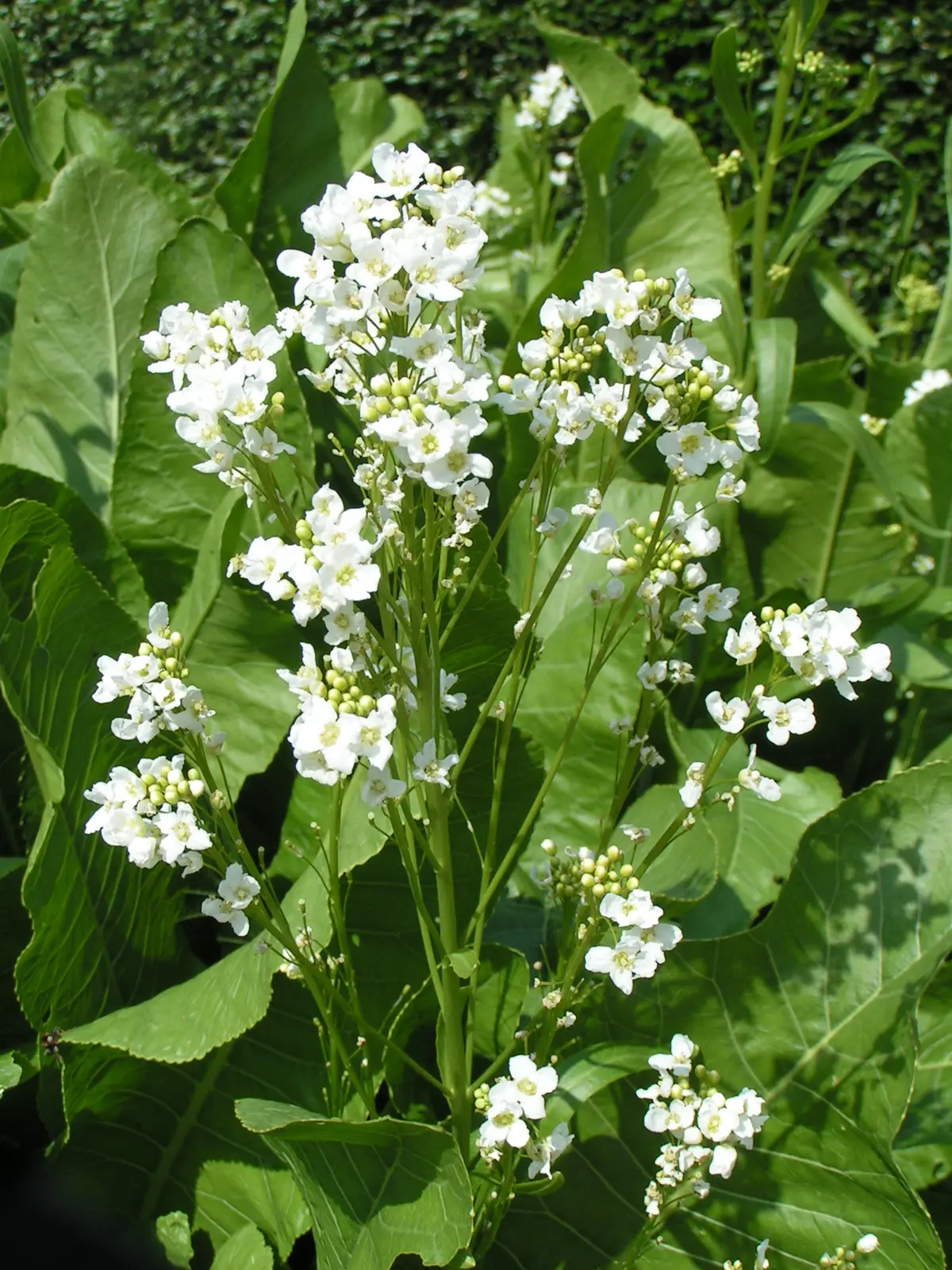
15. Horseradish
Grated horseradish root packs intense sinus-clearing isothiocyanates that bring natural antimicrobial compounds and bold heat to sauces and dressings.
Conclusion
Adding just a few servings of cruciferous vegetables each week boosts fiber, vitamin K, vitamin C, and protective plant compounds without piling on calories. Pair them with healthy staples from 15 fruits commonly mistaken for vegetables for vibrant meals.