Sleep looks wildly different across the animal kingdom. While migratory birds grab micro-naps mid-flight, toxic leaf-eaters and ambush predators routinely snooze 16 to 22 hours a day to conserve precious energy.
We expanded an original list of ten champion sleepers with five more drowsy species, ranking all 15 from #1 (most famous) down to #15. Explore more wildlife habits in our amazing Australian animals and animal myths quiz.
How These 15 Entries Are Ranked
This list is ordered from #1 (most popular and widely recognized) down to #15, combining global recognition, cultural impact, and standout traits.
| Rank | Name |
|---|---|
| 1 | Koala |
| 2 | Sloth |
| 3 | Domestic Cat |
| 4 | Lion |
| 5 | Tiger |
| 6 | Brown Bat |
| 7 | Hedgehog |
| 8 | Ferret |
| 9 | Squirrel |
| 10 | North American Opossum |
| 11 | Python |
| 12 | Giant Armadillo |
| 13 | Owl Monkey |
| 14 | Tree Shrew |
| 15 | Eastern Chipmunk |
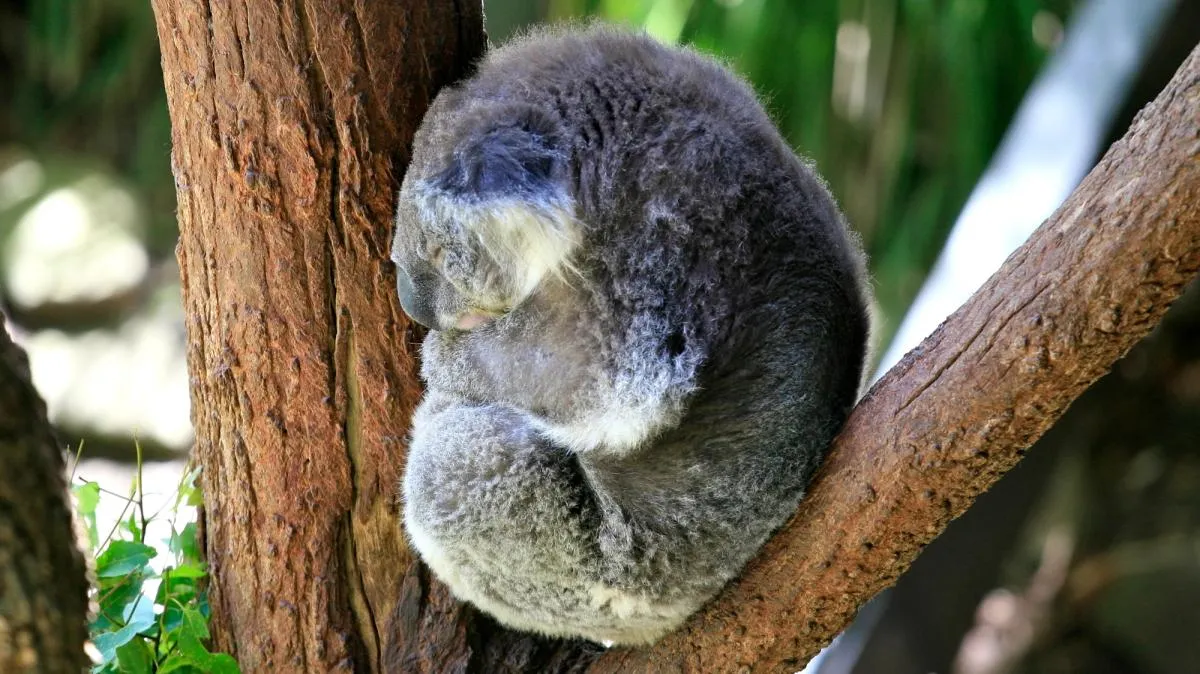
1. Koala
Spending 18 to 22 hours a day wedged in eucalyptus forks while slowly detoxifying low-calorie leaves.
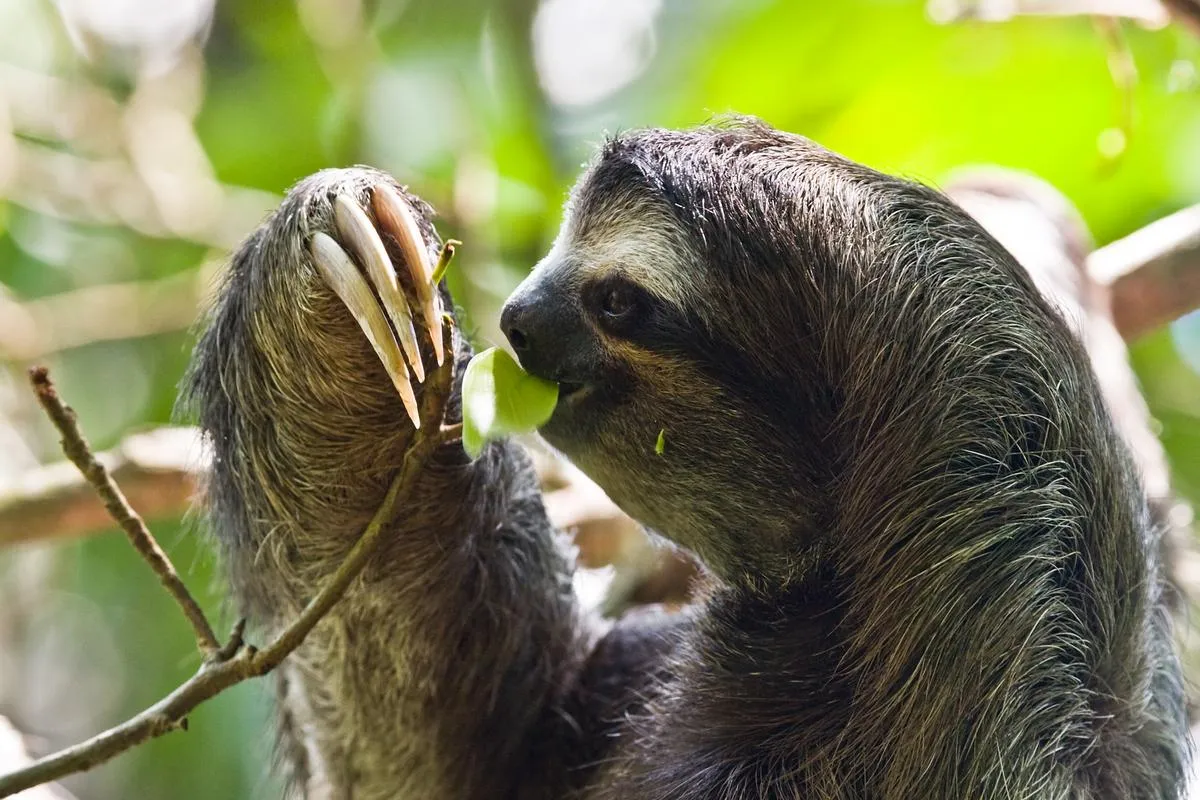
2. Sloth
Conserving energy in slow motion, resting 15 to 20 hours in captivity and around 10 hours in wild canopies.
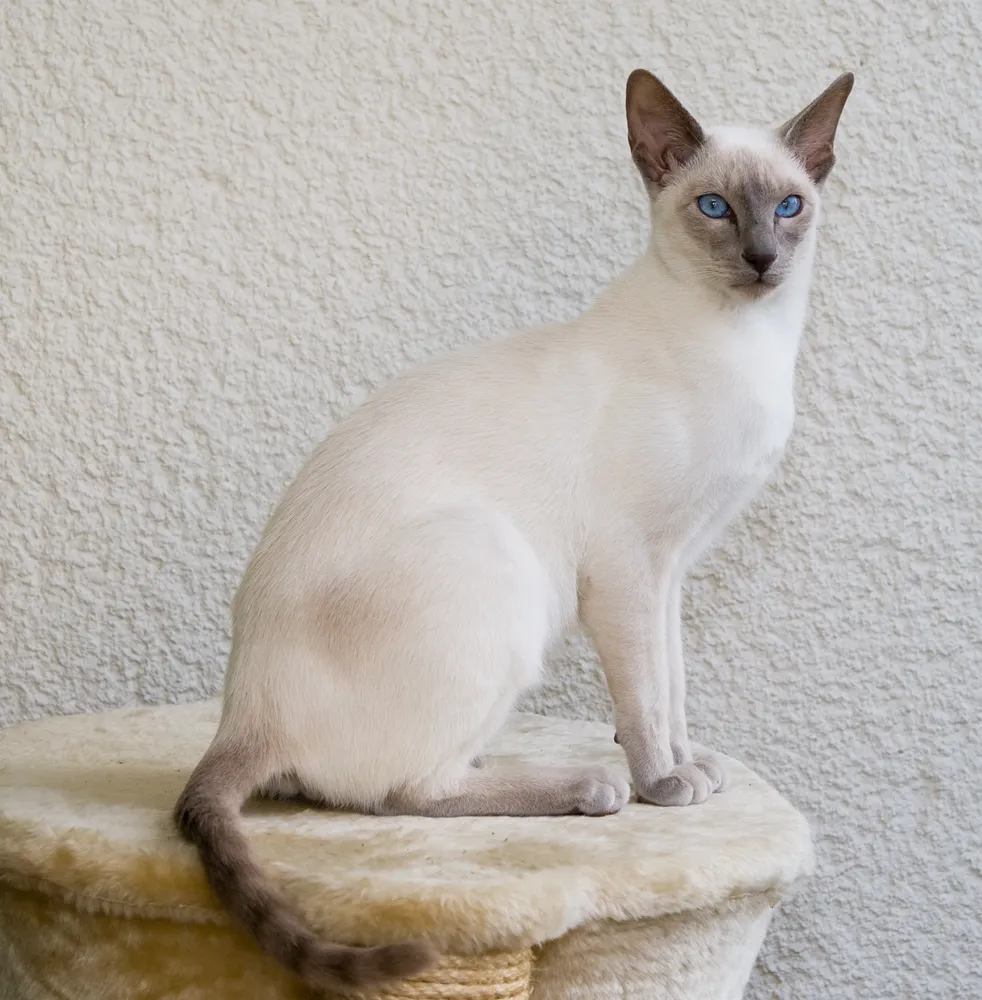
3. Domestic Cat
House cats average 12 to 16 hours of catnaps daily, hardwired for short bursts of dawn and dusk hunting.
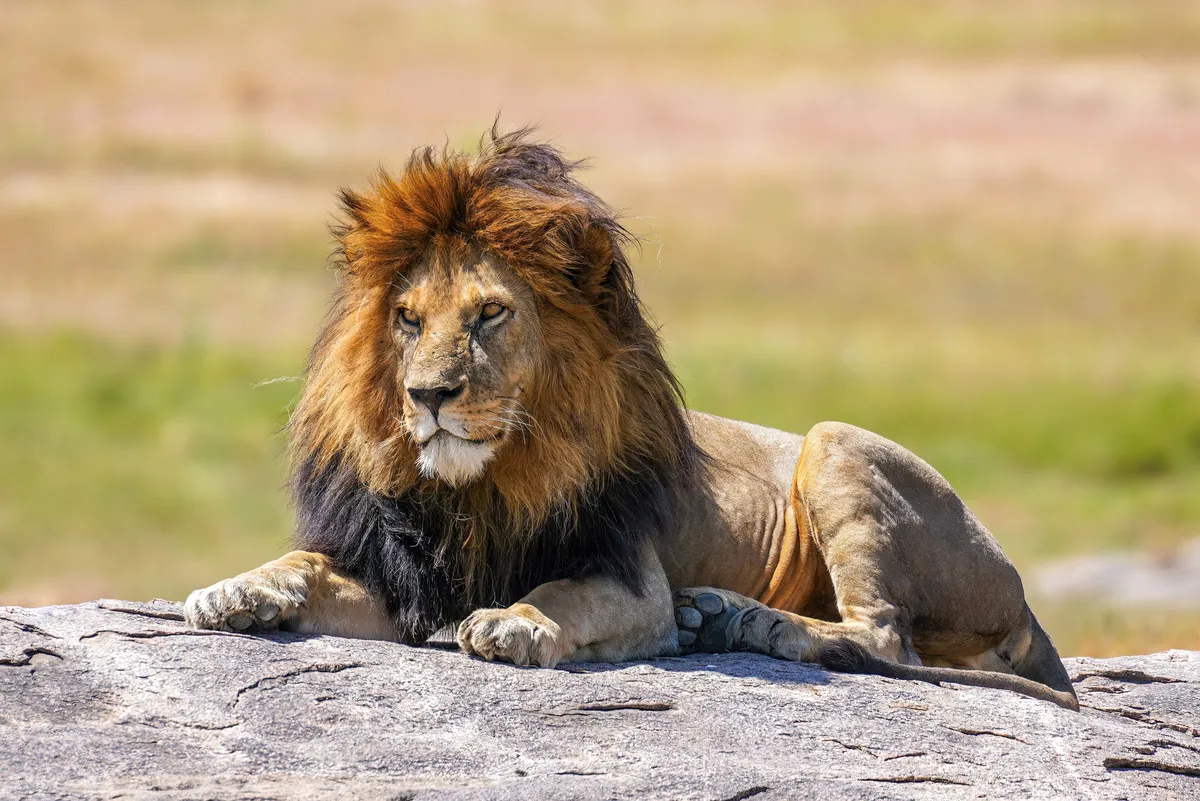
4. Lion
Savanna pride members lounge and sleep up to 18–20 hours a day between high-energy hunts.
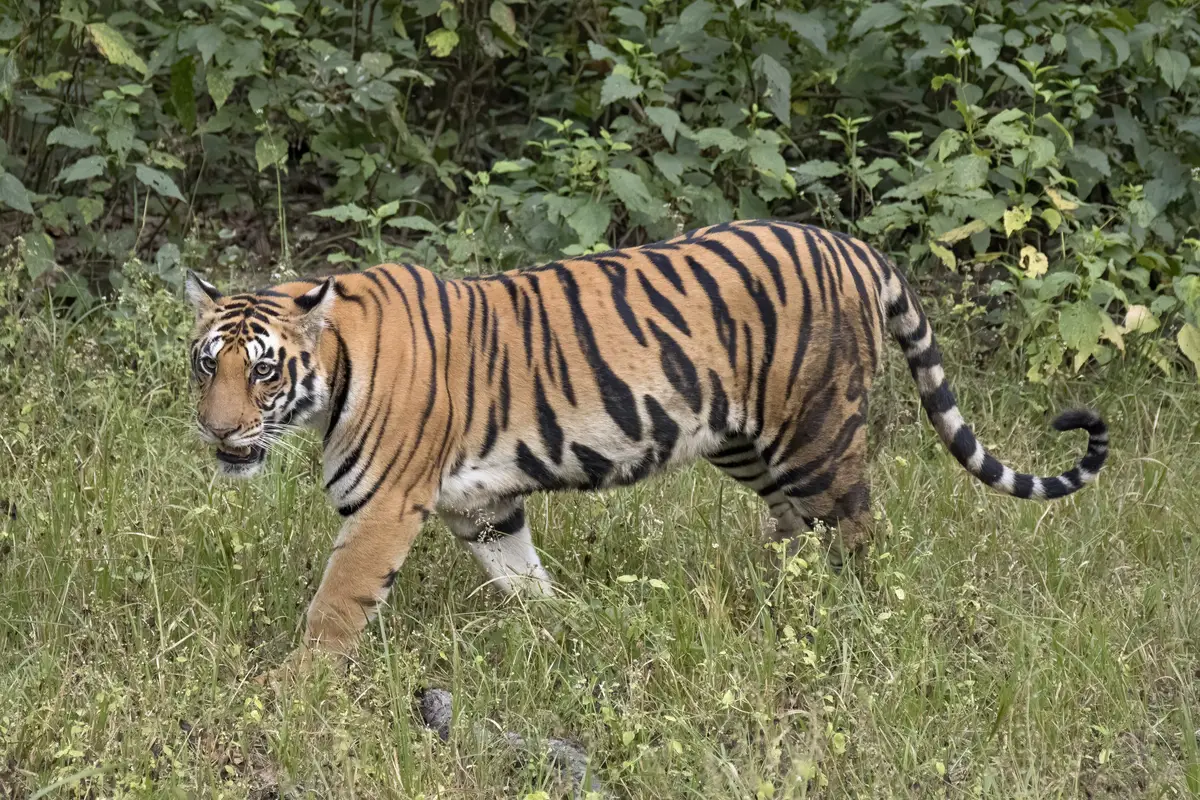
5. Tiger
Solitary big cats resting nearly 16 hours daily to recover after explosive stalking sprints.
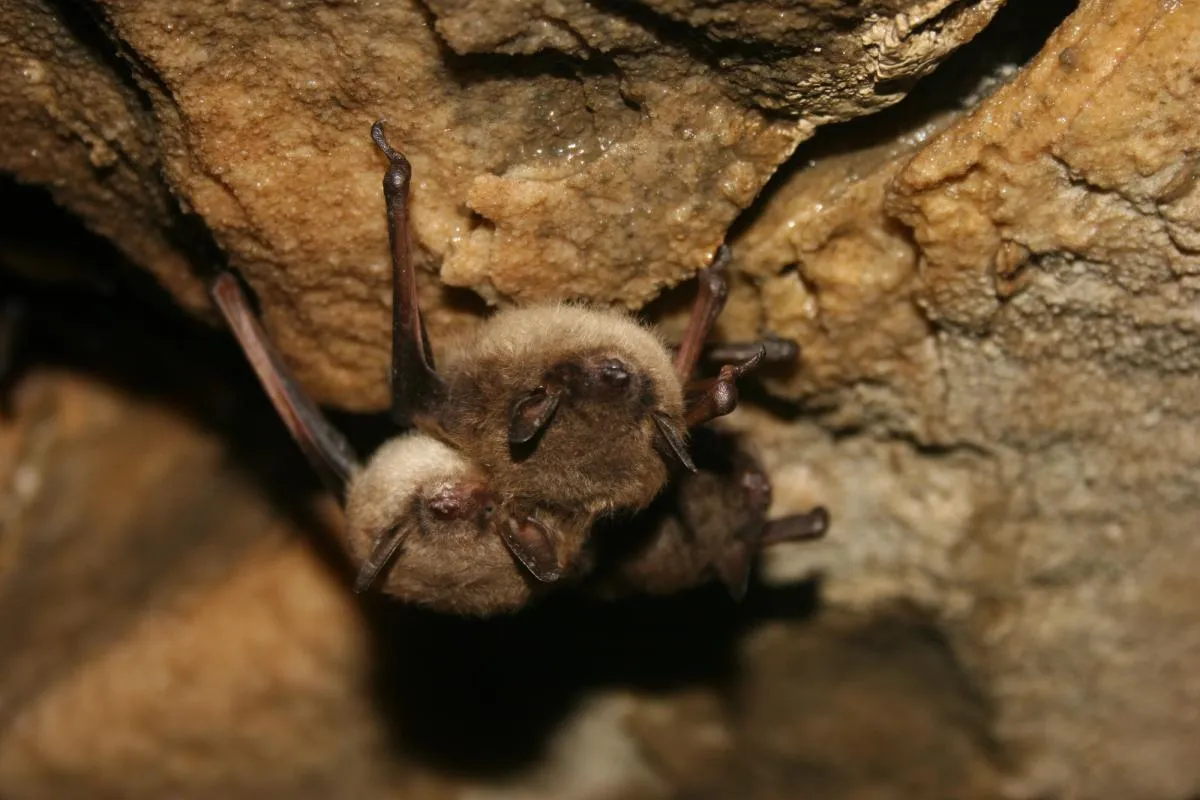
6. Brown Bat
Little brown bats roost upside down for nearly 20 hours a day before emerging at twilight.
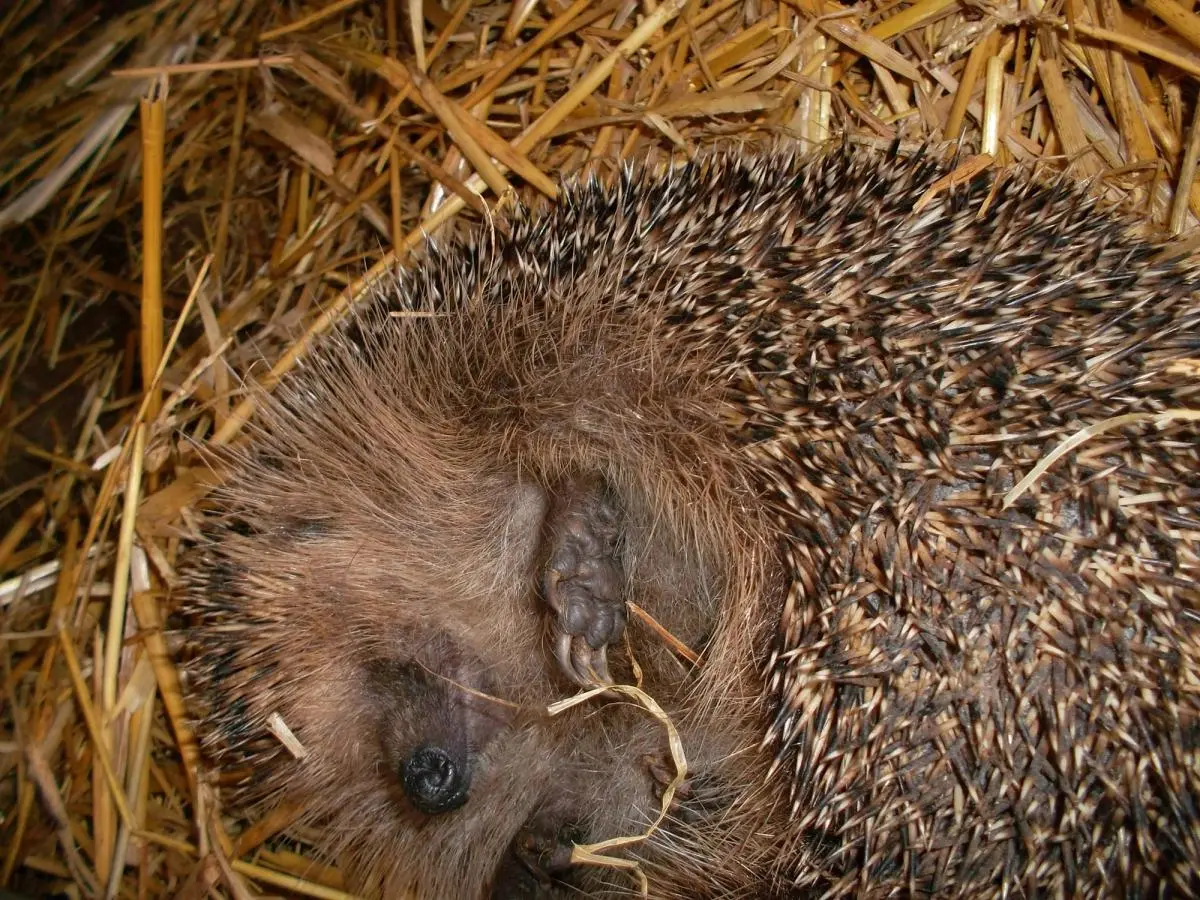
7. Hedgehog
Nocturnal insectivores curling up for around 18 hours a day during active seasons.
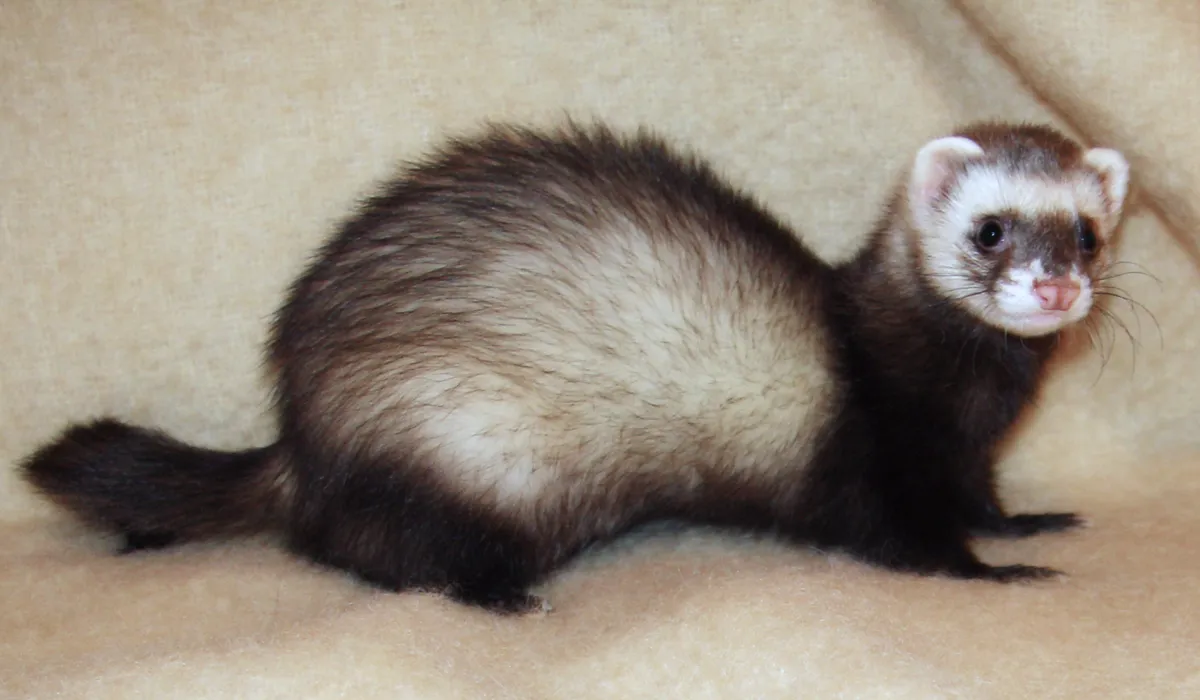
8. Ferret
Playful, hyper-curious mustelids that crash into deep sleep for 14 to 18 hours daily.
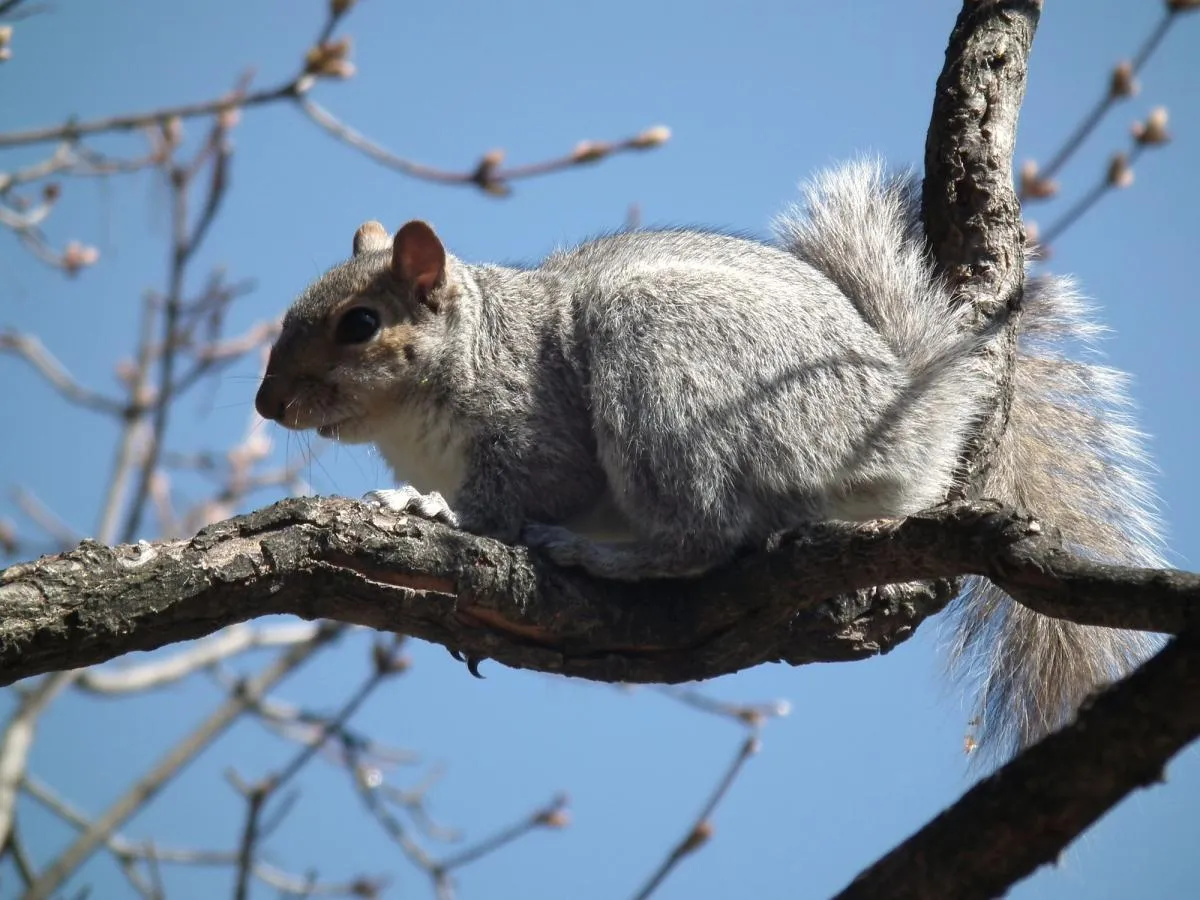
9. Squirrel
Tree squirrels tuck into leafy dreys for roughly 14 to 15 hours of daily rest.
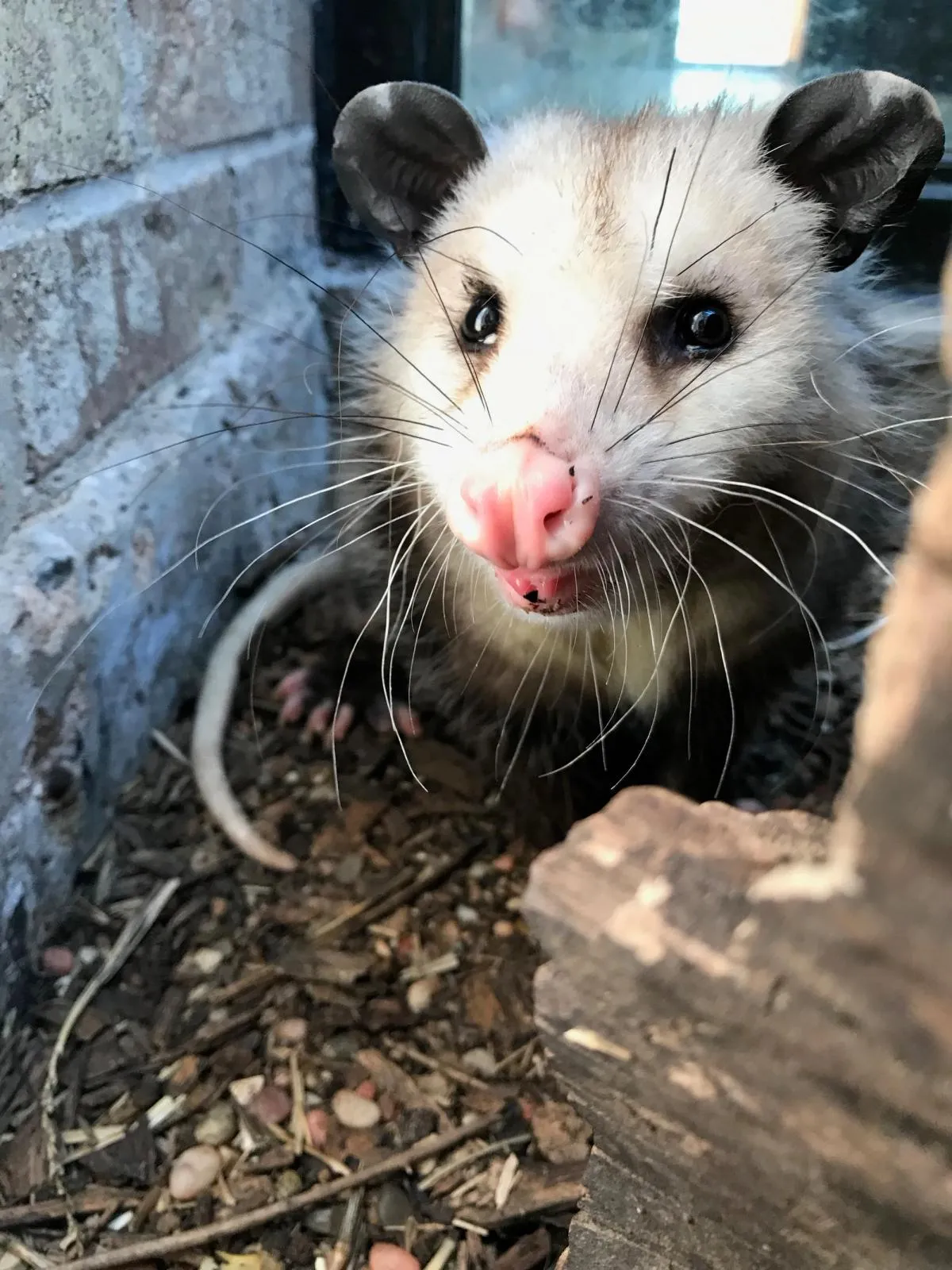
10. North American Opossum
Solitary marsupials spending 18 to 19 hours tucked inside hollow logs and burrows.
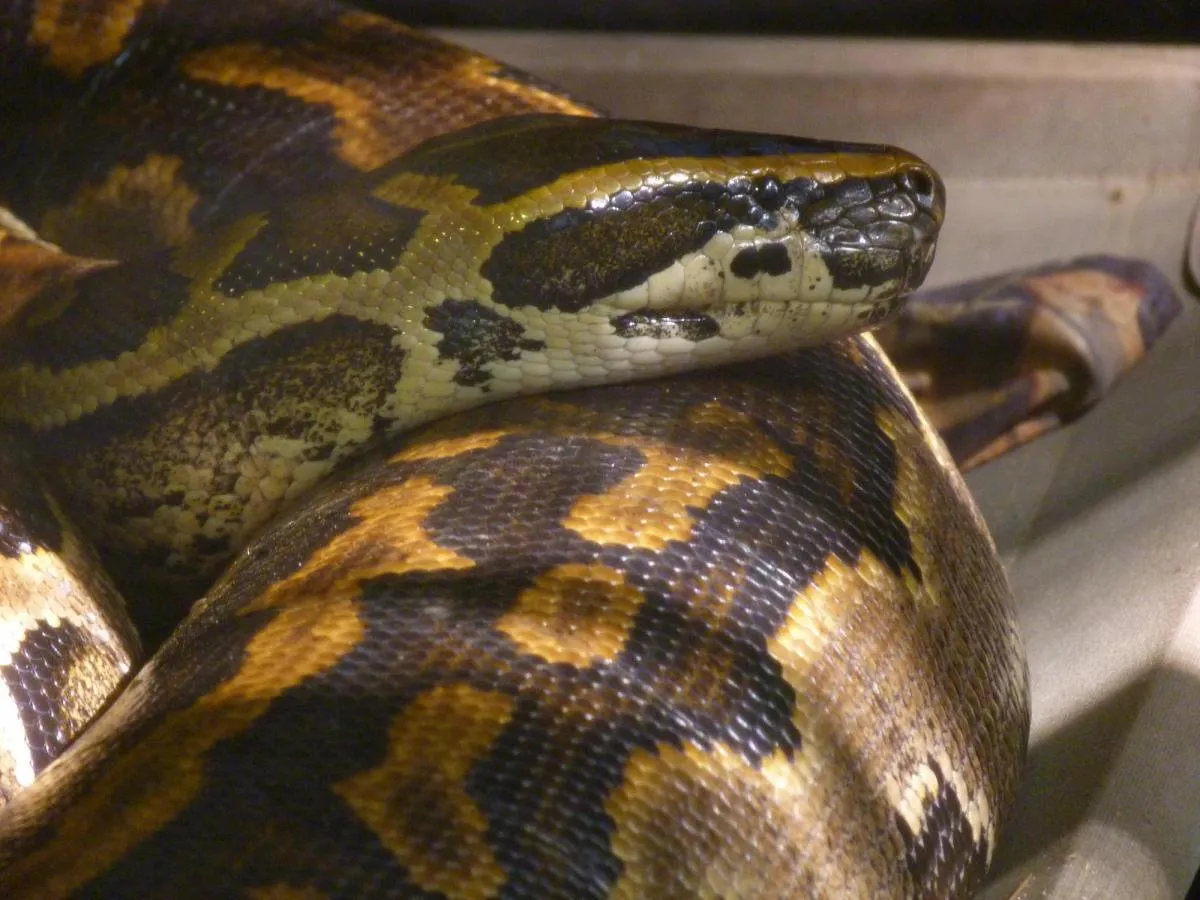
11. Python
Heavy-bodied constrictors resting 18 hours or more a day—especially while digesting large meals.
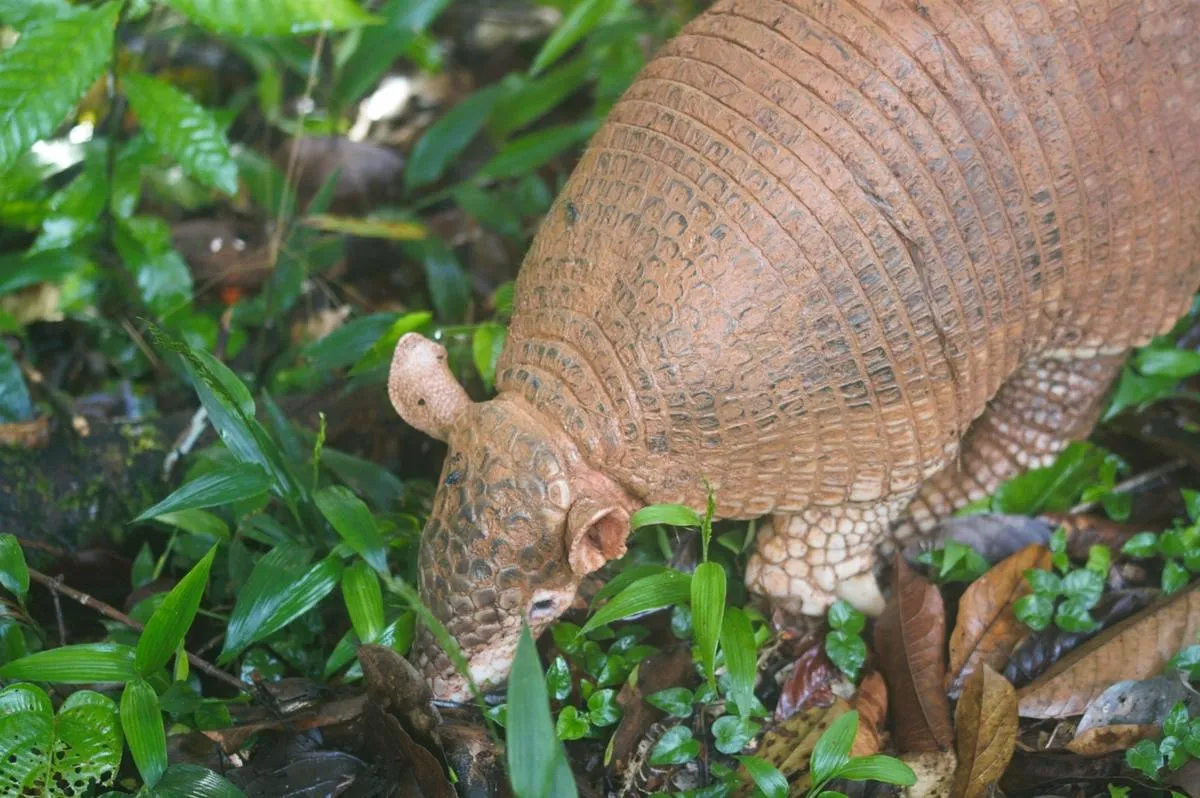
12. Giant Armadillo
Nocturnal burrowers sleeping around 18 hours underground out of sight.
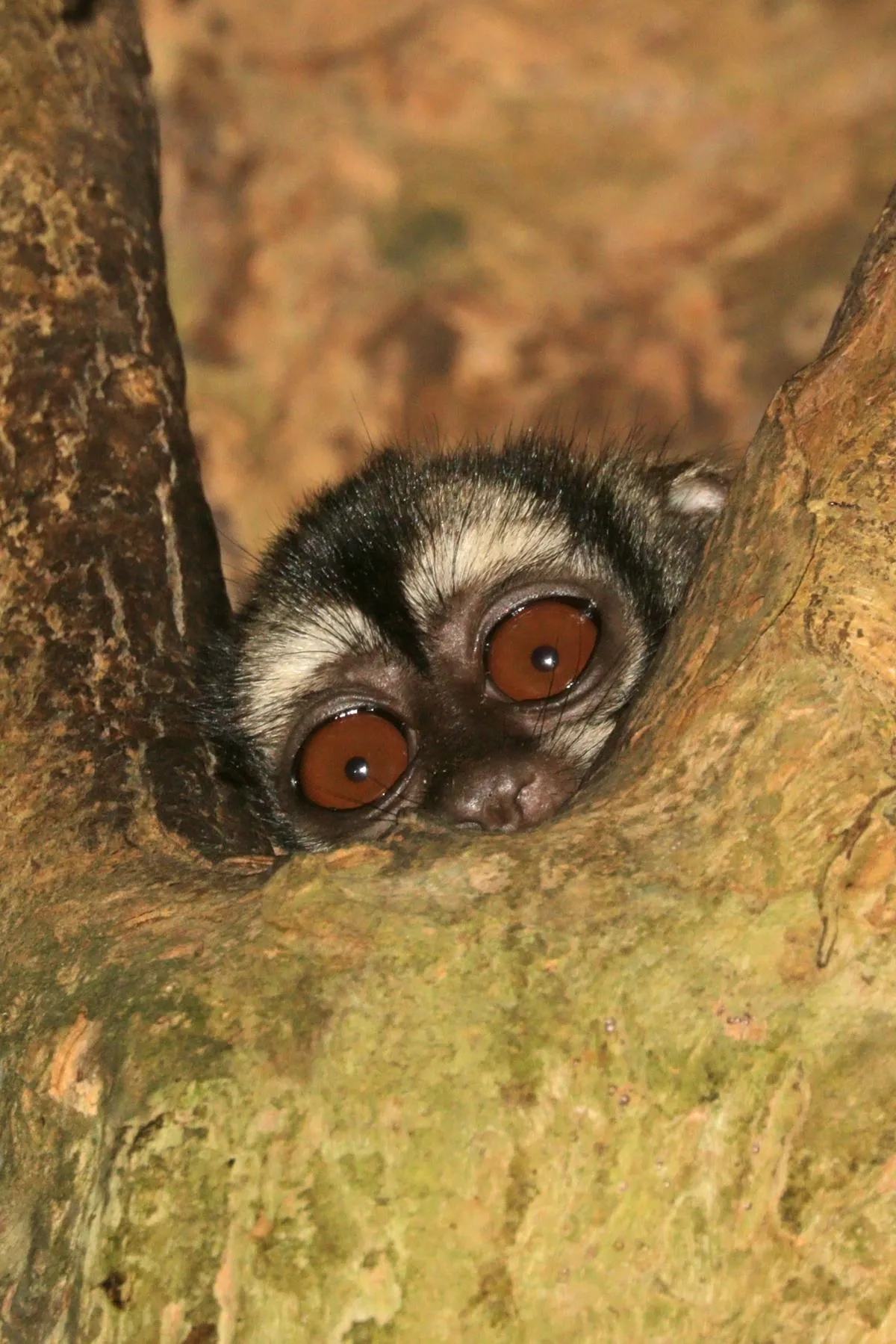
13. Owl Monkey
The only truly nocturnal monkeys, dozing roughly 17 hours inside tree hollows.
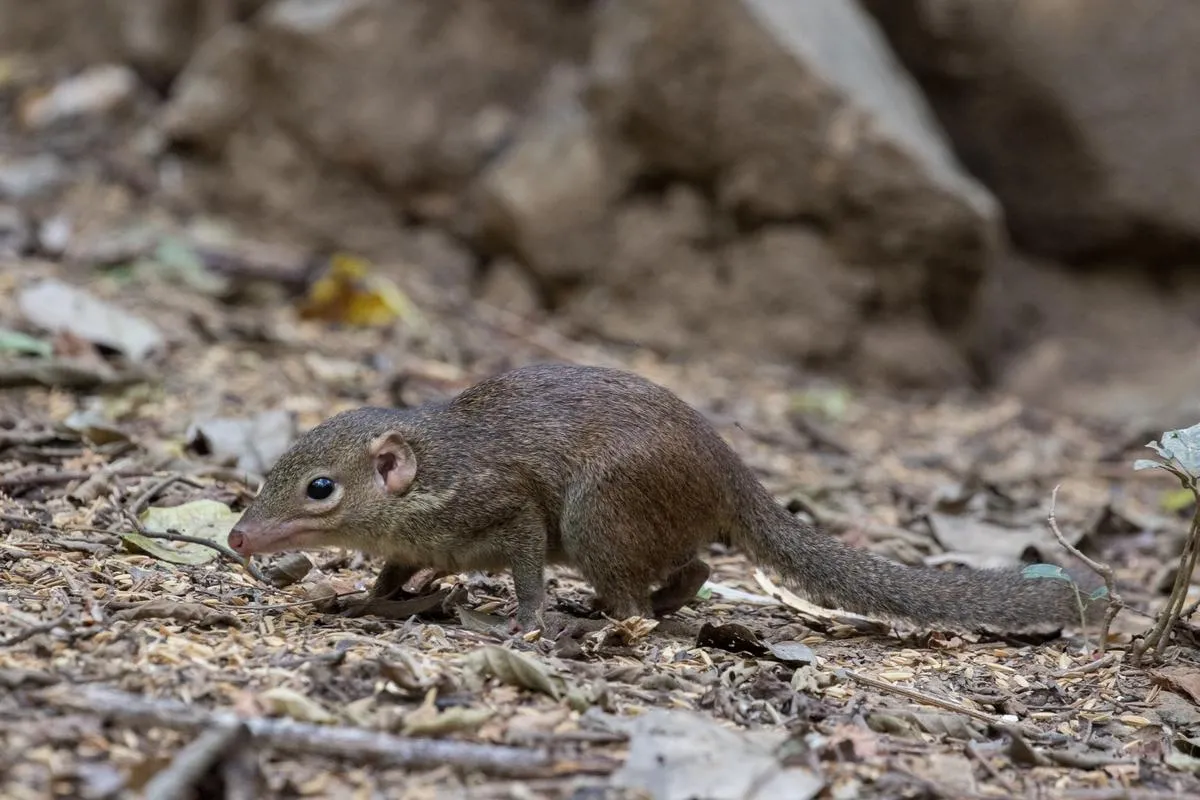
14. Tree Shrew
High-metabolism Southeast Asian mammals alternating frantic foraging with nearly 16 hours of sleep.
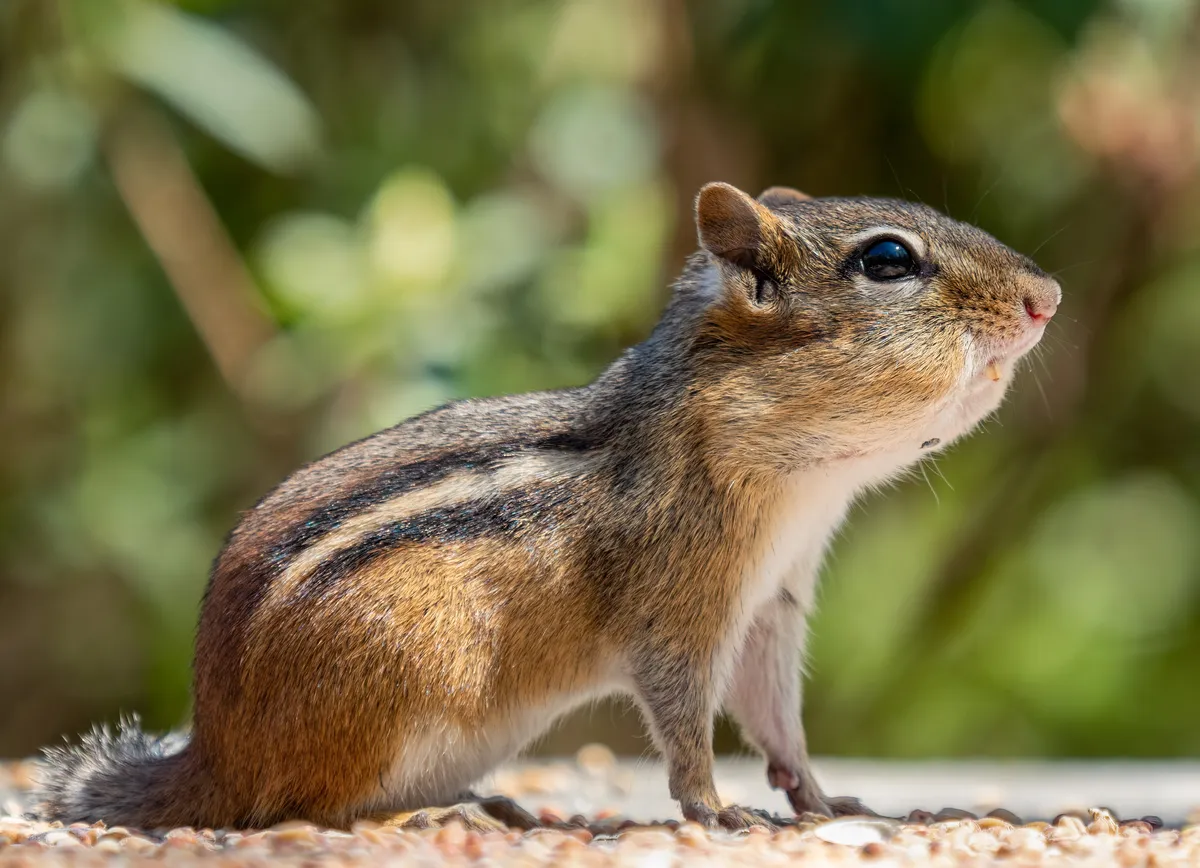
15. Eastern Chipmunk
Striped ground-dwellers resting about 15 hours daily inside multi-chambered burrows.
Conclusion
Whether digesting tough eucalyptus leaves or recharging after explosive hunts, heavy sleepers prove rest is an evolutionary superpower.