When sunlight disappears inside pitch-black caves or deep ocean trenches, sound becomes vision. Animals across land, sea, and sky emit high-frequency clicks and whistles, reading returning echoes to map obstacles and hunt prey.
We expanded an original list of ten biological sonar users with five more remarkable echolocators, ranking all 15 from #1 (most famous) down to #15. Test your wildlife knowledge with our animal senses quiz and animals found only in Madagascar.
How These 15 Entries Are Ranked
This list is ordered from #1 (most popular and widely recognized) down to #15, combining global recognition, cultural impact, and standout traits.
| Rank | Name |
|---|---|
| 1 | Bat |
| 2 | Dolphin |
| 3 | Orca |
| 4 | Sperm Whale |
| 5 | Beluga Whale |
| 6 | Narwhal |
| 7 | Porpoise |
| 8 | Amazon River Dolphin |
| 9 | Aye-Aye |
| 10 | Shrew |
| 11 | Egyptian Fruit Bat |
| 12 | Oilbird |
| 13 | Swiftlet |
| 14 | Tenrec |
| 15 | Dormouse |
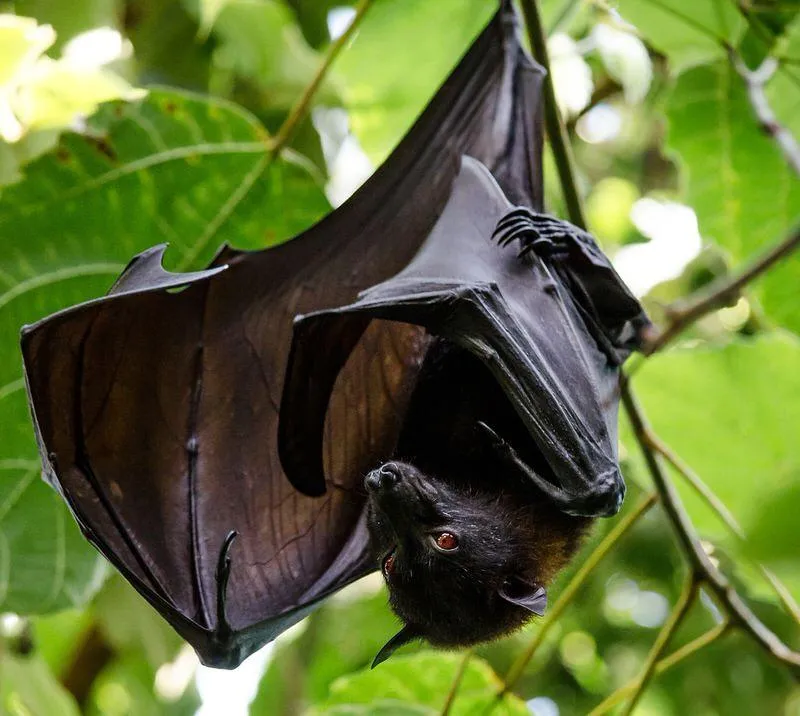
1. Bat
Microbats emit ultrasonic calls up to 200 pulses per second to pluck tiny mosquitoes out of pitch-black skies.
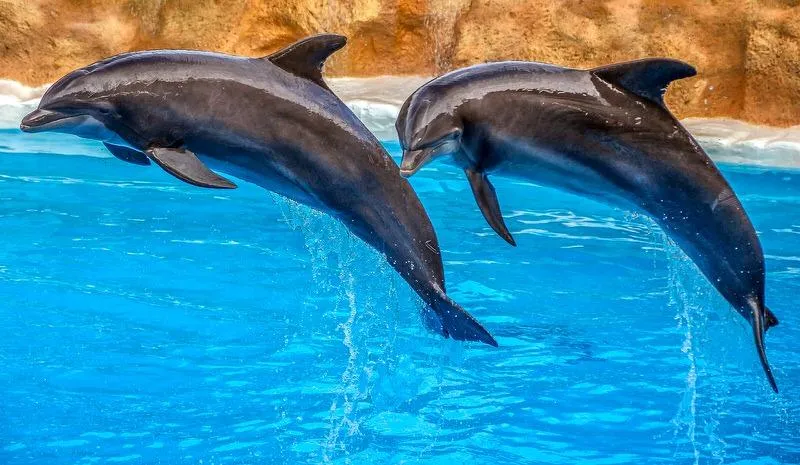
2. Dolphin
Focusing clicks through a forehead melon, dolphins resolve shape, distance, and internal density underwater.
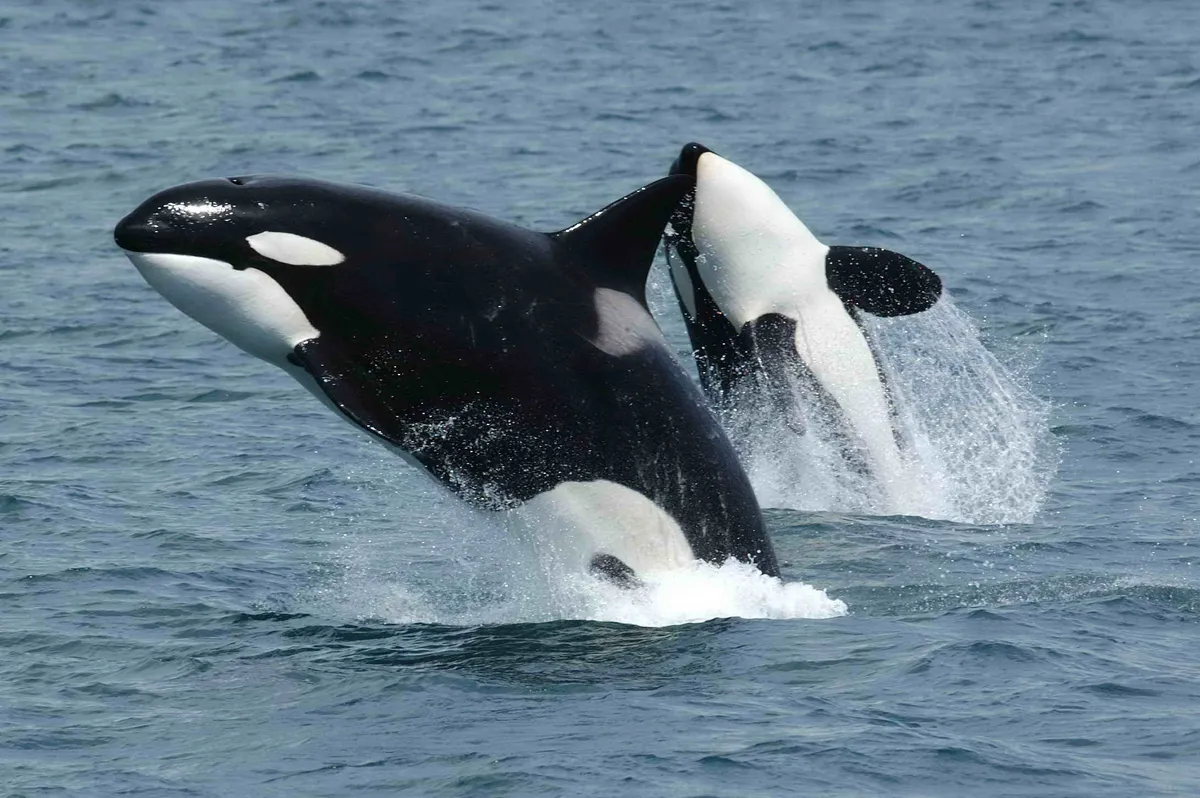
3. Orca
Each killer whale pod uses distinct echolocation clicks and dialects while coordinating hunts across murky seas.
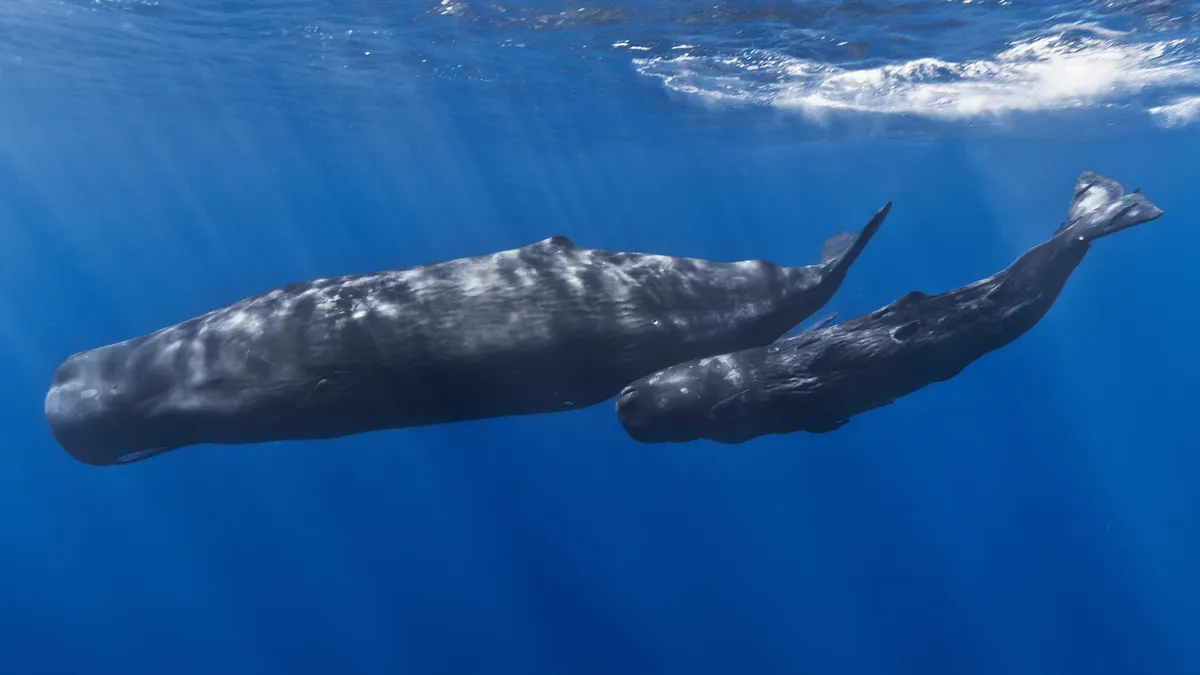
4. Sperm Whale
Producing the loudest biological sounds on Earth to track giant squid in lightless ocean trenches.
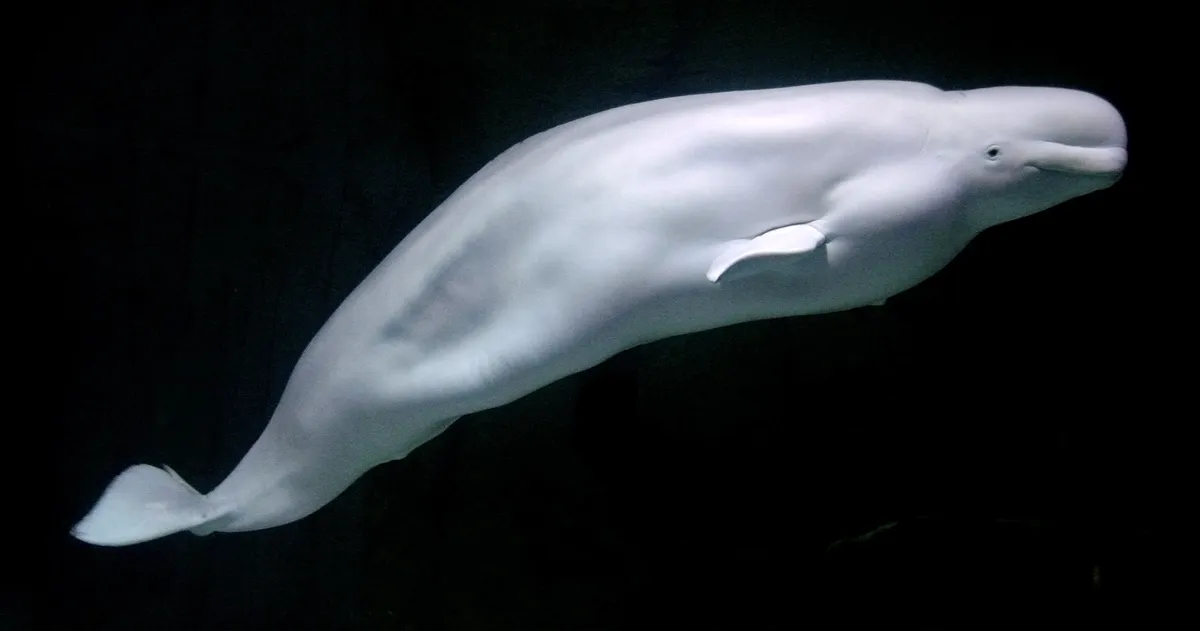
5. Beluga Whale
Flexible melons help belugas bounce sonar beneath jagged Arctic sea ice.
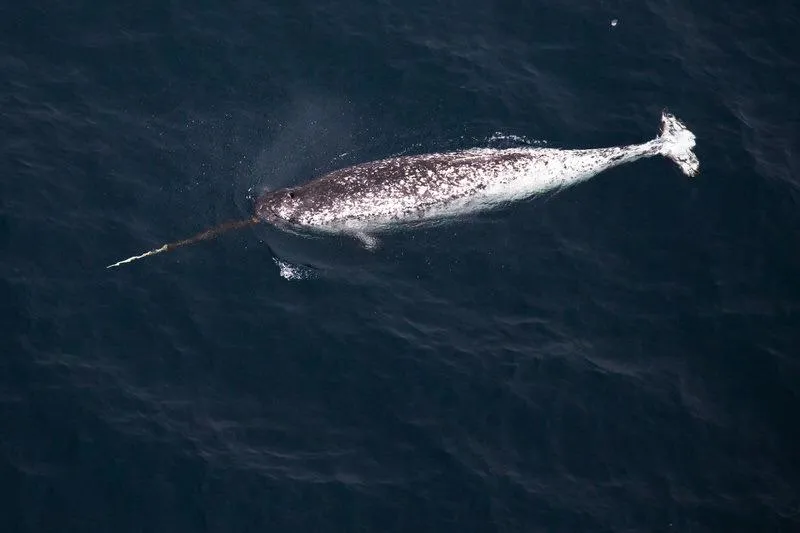
6. Narwhal
High-Arctic whales firing narrow-beam clicks to navigate tight leads in winter pack ice.
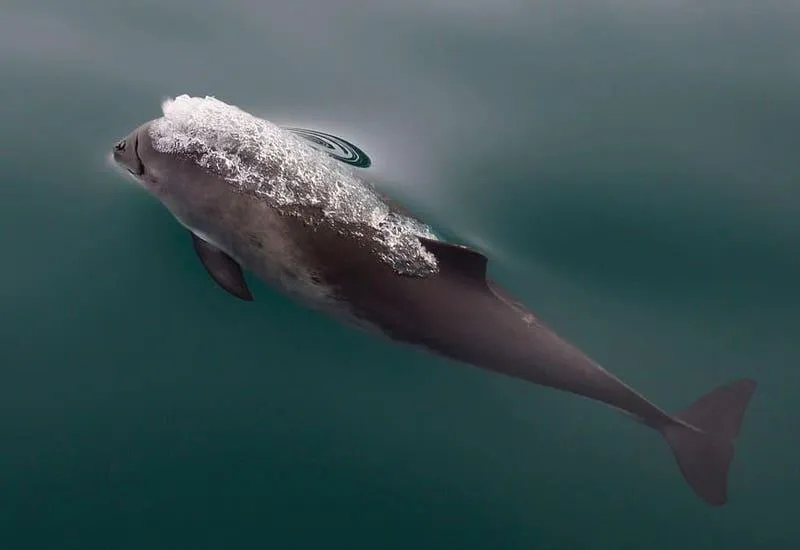
7. Porpoise
Harbor porpoises emit ultra-high-frequency clicks above killer whale hearing ranges.
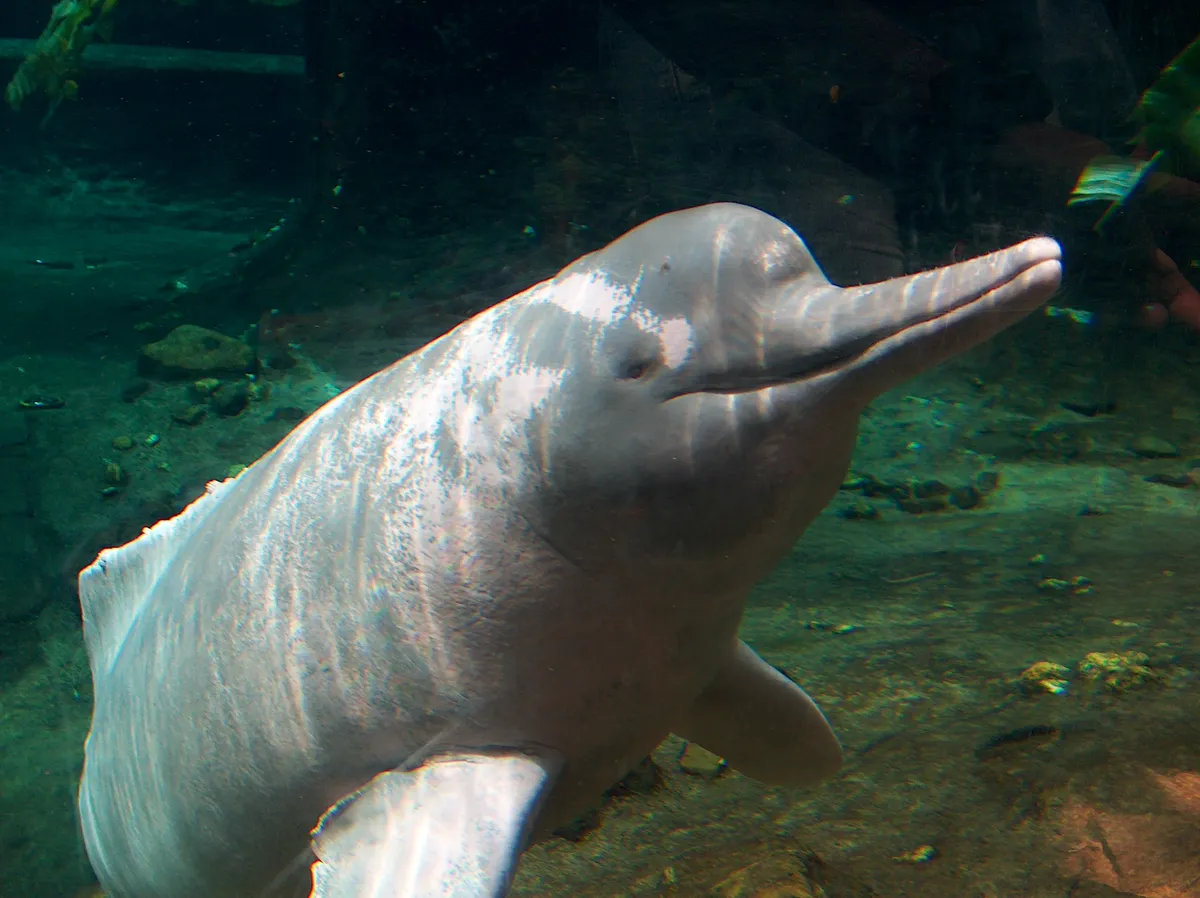
8. Amazon River Dolphin
Navigating flooded rainforests and muddy tributaries using flexible necks and sharp sonar.
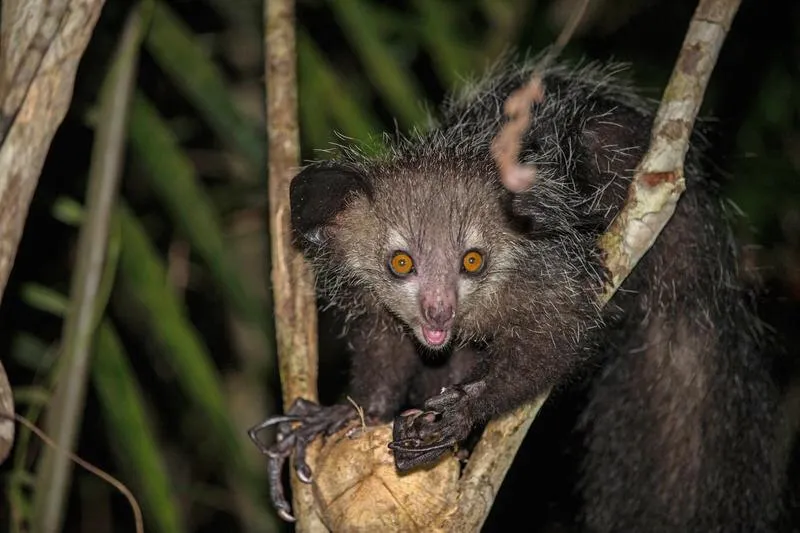
9. Aye-Aye
Madagascar’s nocturnal lemurs tap hollow branches and listen closely for beetle-larvae echoes.
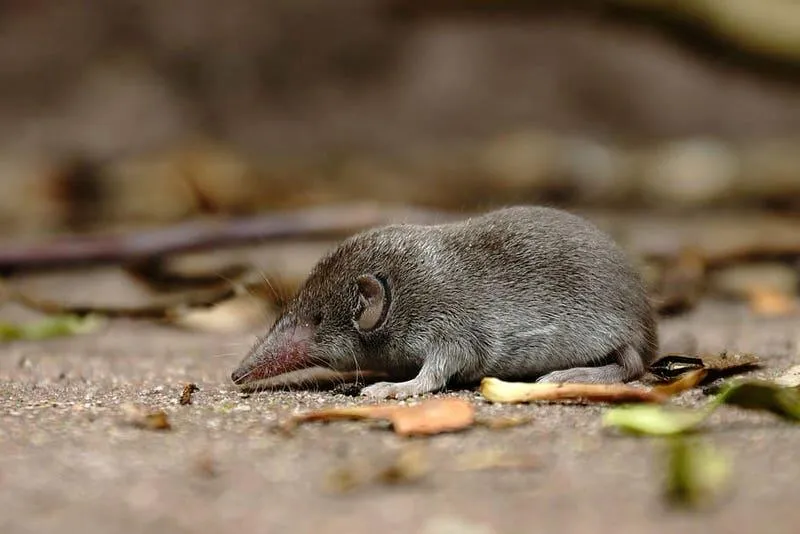
10. Shrew
Tiny insectivores using low-intensity ultrasonic squeaks to map dense leaf litter and dark tunnels.
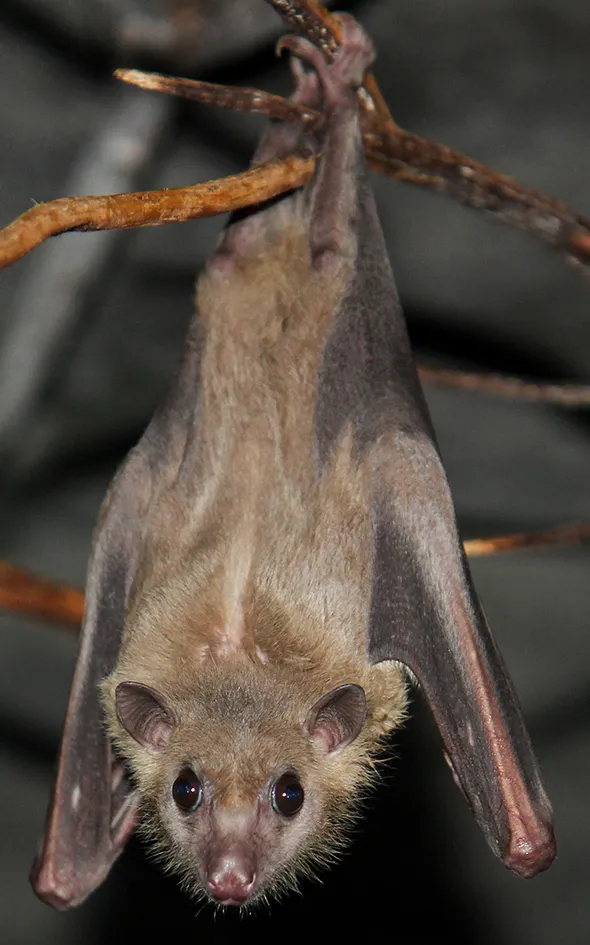
11. Egyptian Fruit Bat
One of the rare fruit bats using sharp tongue clicks to navigate dark roosting caves.
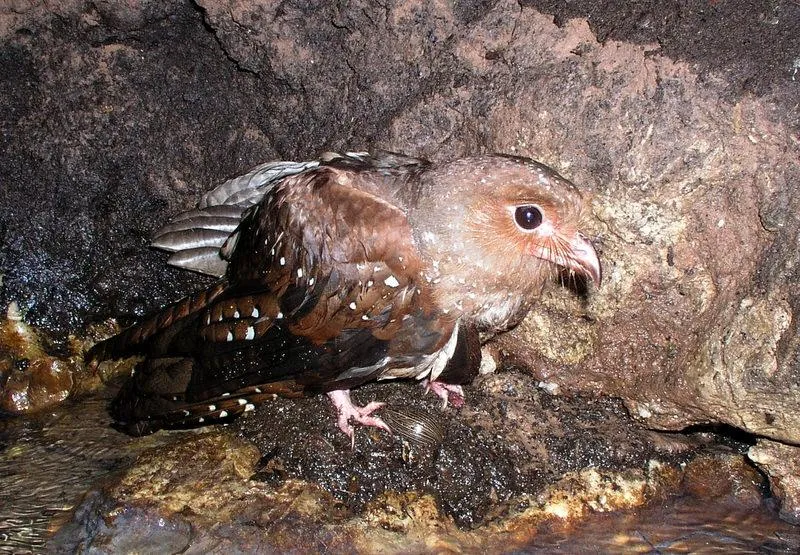
12. Oilbird
Nocturnal South American cave birds emitting audible clicks to fly safely through pitch-black caverns.
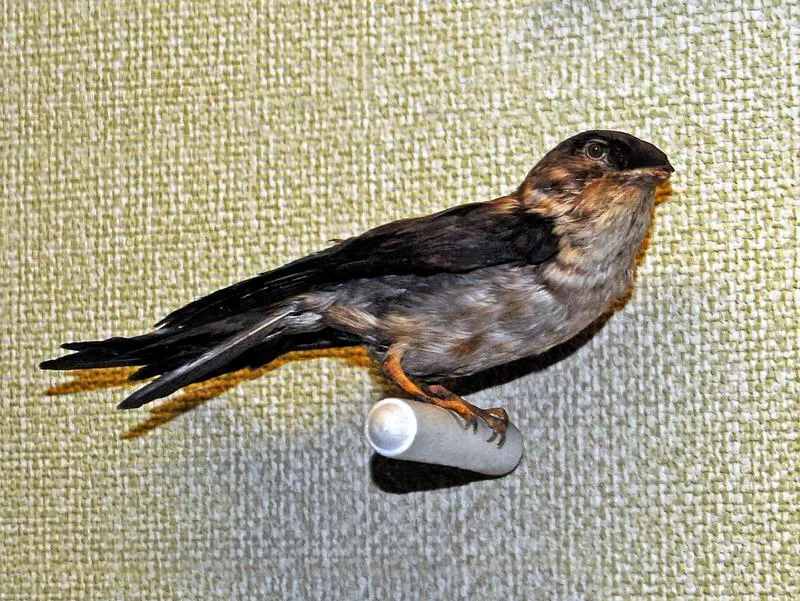
13. Swiftlet
Asian cave swiftlets clicking rapidly in total darkness to locate tiny cliff-wall nests.
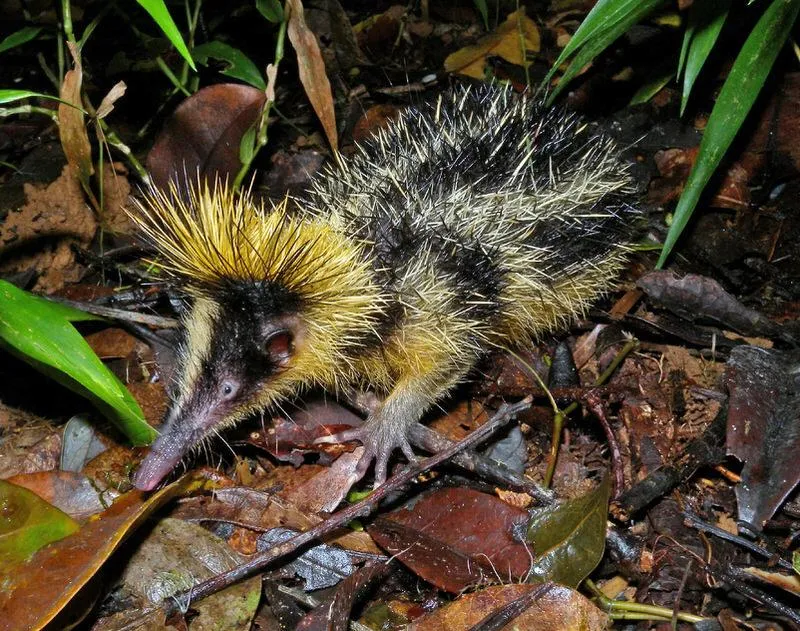
14. Tenrec
Malagasy streaked tenrecs and hedgehog tenrecs using tongue clicks for close-range night orientation.
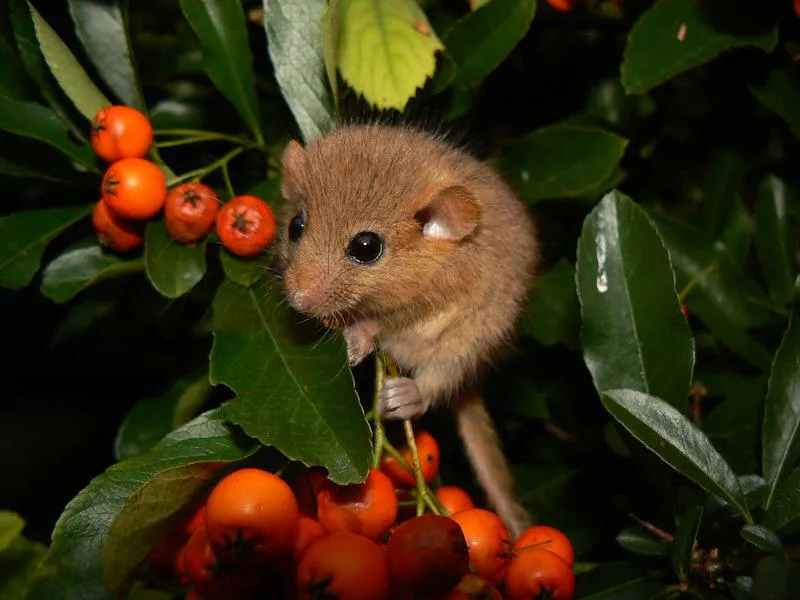
15. Dormouse
Some nocturnal dormice produce soft ultrasonic pulses while scampering along dark branches.
Conclusion
From supersonic bat chirps to deep-diving whale clicks, biological sonar remains one of evolution’s sharpest sensory tools.