Human senses capture only a thin slice of the physical world. Across oceans, skies, and burrows, animals perceive electric heartbeats, Earth’s invisible magnetic field, infrared body heat, and subtle seismic vibrations.
We expanded an original list of ten sensory marvels with five more extra-sensory species, ranking all 15 from #1 (most famous) down to #15. Test your knowledge with our animal senses quiz and animal myths quiz.
How These 15 Entries Are Ranked
This list is ordered from #1 (most popular and widely recognized) down to #15, combining global recognition, cultural impact, and standout traits.
| Rank | Name |
|---|---|
| 1 | Shark |
| 2 | Dolphin |
| 3 | Bat |
| 4 | Sea Turtle |
| 5 | Platypus |
| 6 | Pigeon |
| 7 | Honeybee |
| 8 | Monarch Butterfly |
| 9 | Electric Eel |
| 10 | Spider |
| 11 | Pit Viper |
| 12 | European Robin |
| 13 | Sockeye Salmon |
| 14 | Pistol Shrimp |
| 15 | Comb Jellyfish |
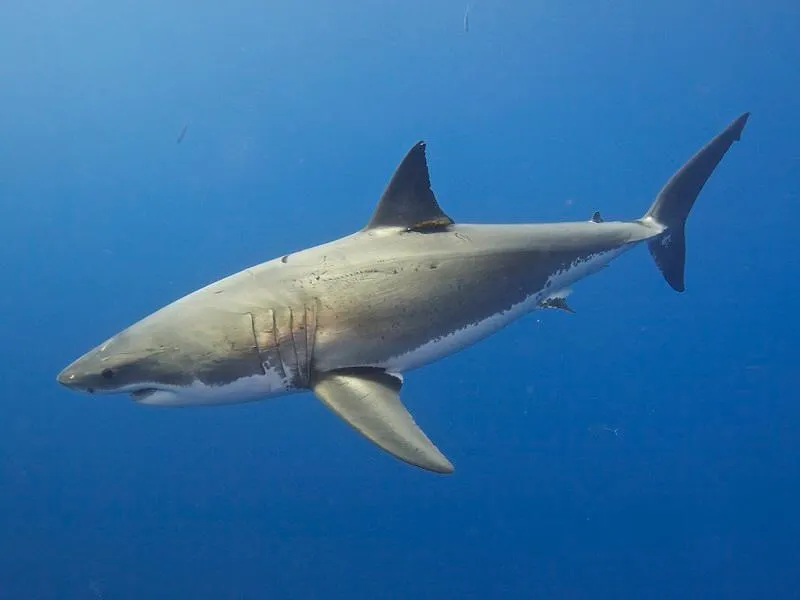
1. Shark
Ampullae of Lorenzini on shark snouts detect faint bioelectric pulses from buried fish and Earth’s magnetic field.
2. Dolphin
Echolocation clicks bounce off distant objects, letting dolphins “see” internal bone structure and buried prey.

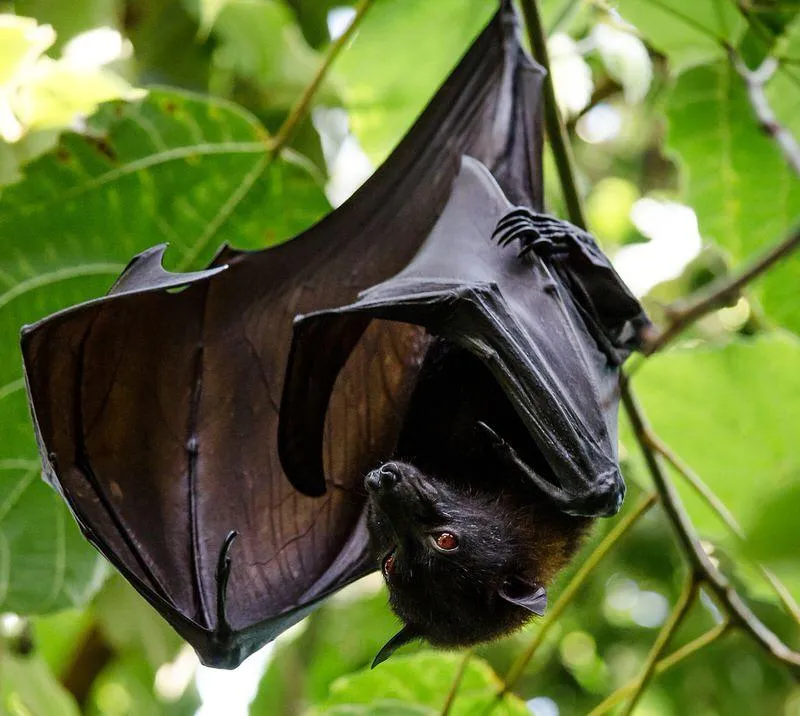
3. Bat
Ultrasonic sonar maps pitch-black caves and tracks fluttering moths in milliseconds.
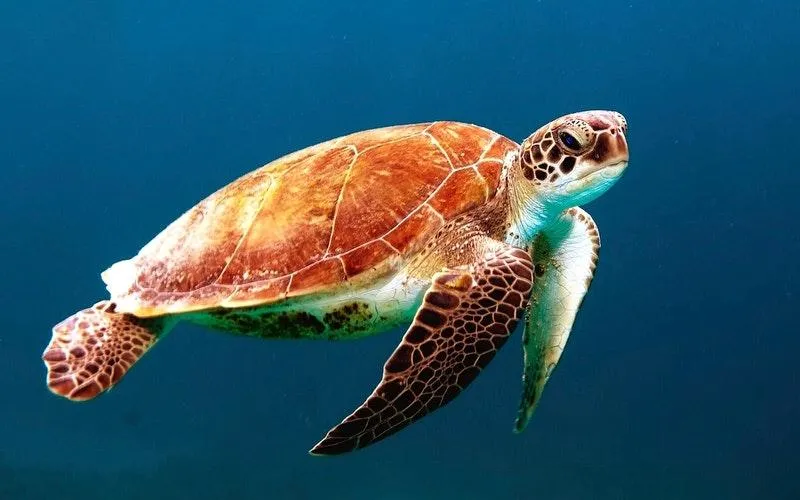
4. Sea Turtle
Hatchlings and nesting females read Earth’s magnetic inclination and intensity like a global oceanic GPS.
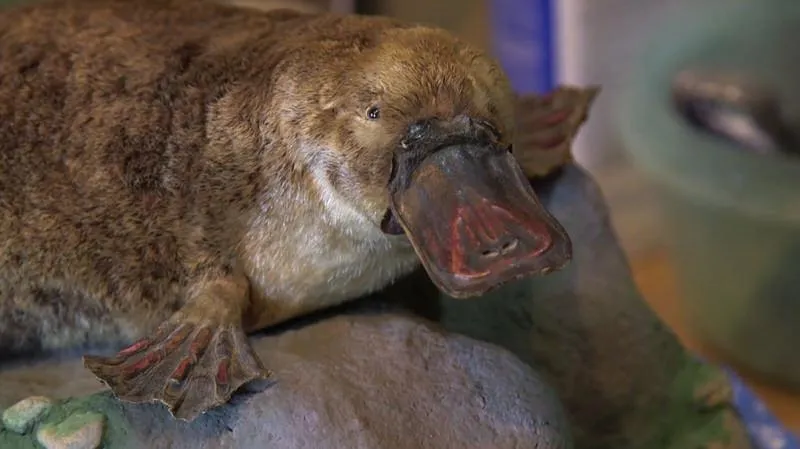
5. Platypus
Hunting with eyes and ears shut, platypuses sweep muddy riverbeds with tens of thousands of bill electroreceptors.
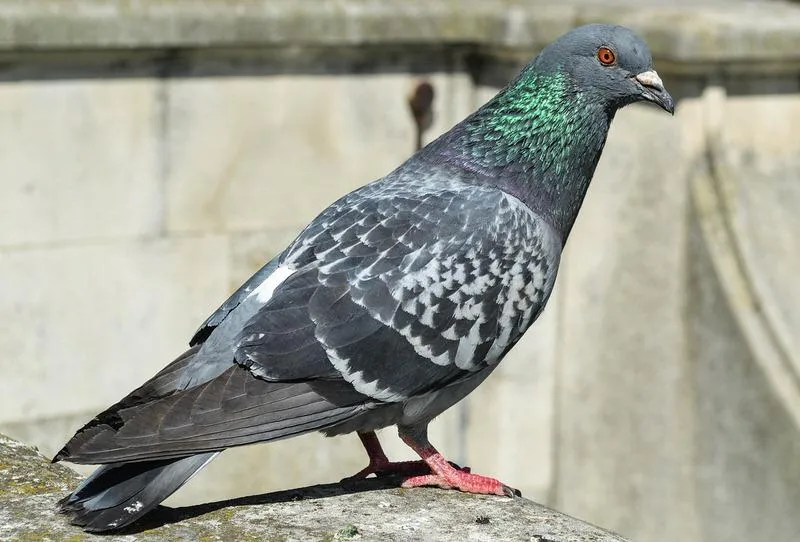
6. Pigeon
Homing pigeons combine beak magnetite sensors, polarized sunlight, and scent maps to navigate hundreds of kilometers.
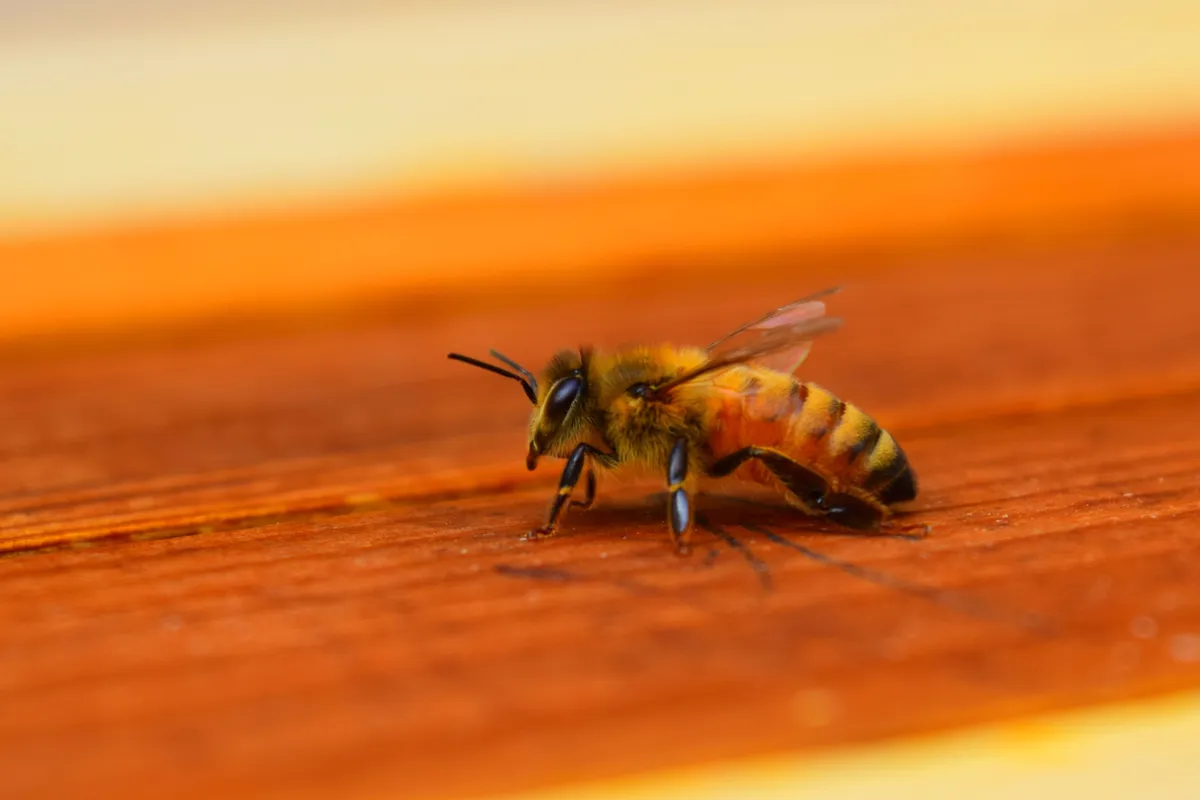
7. Honeybee
Bees see ultraviolet nectar guides, polarized sky patterns, and faint electric charges around flowers.
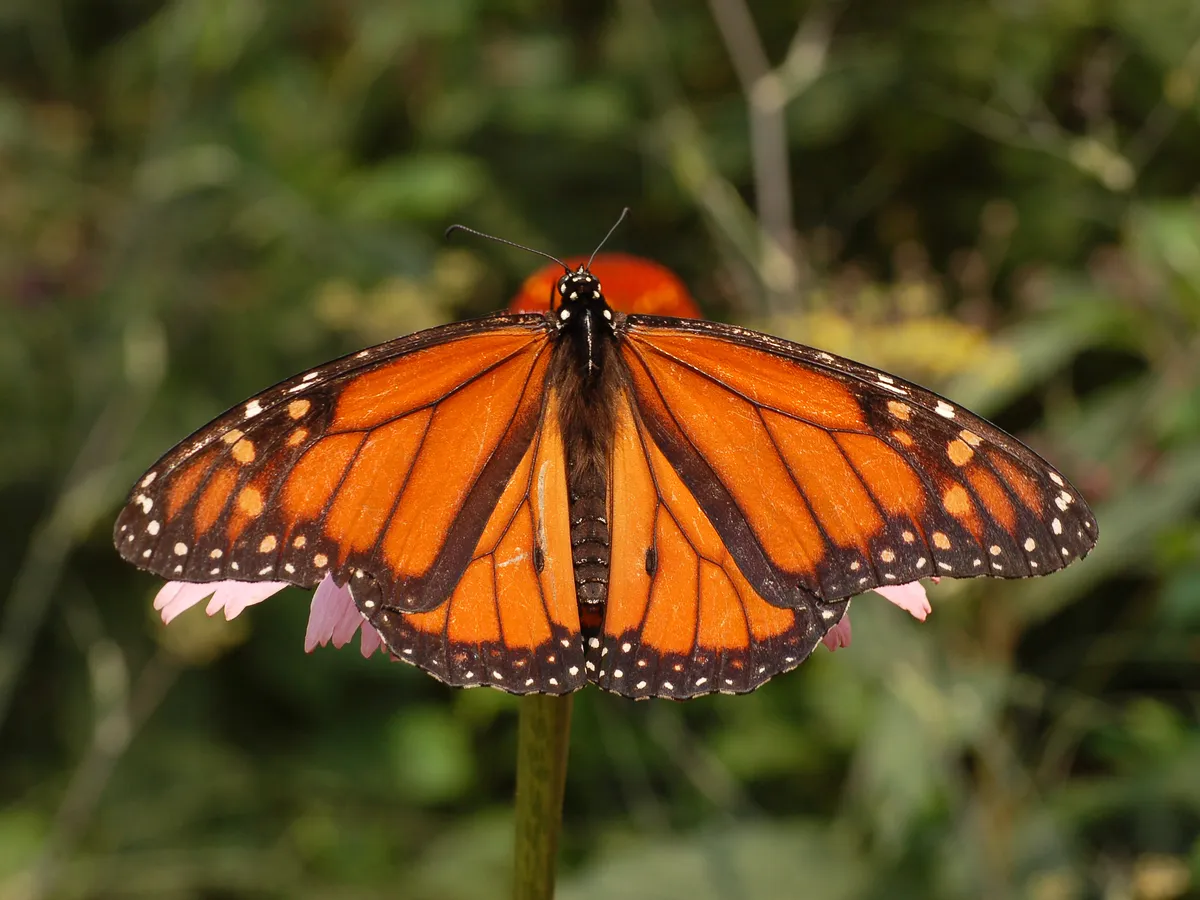
8. Monarch Butterfly
Sun compasses in their antennae pair with magnetic sensors to steer thousands of miles to Mexican forests.
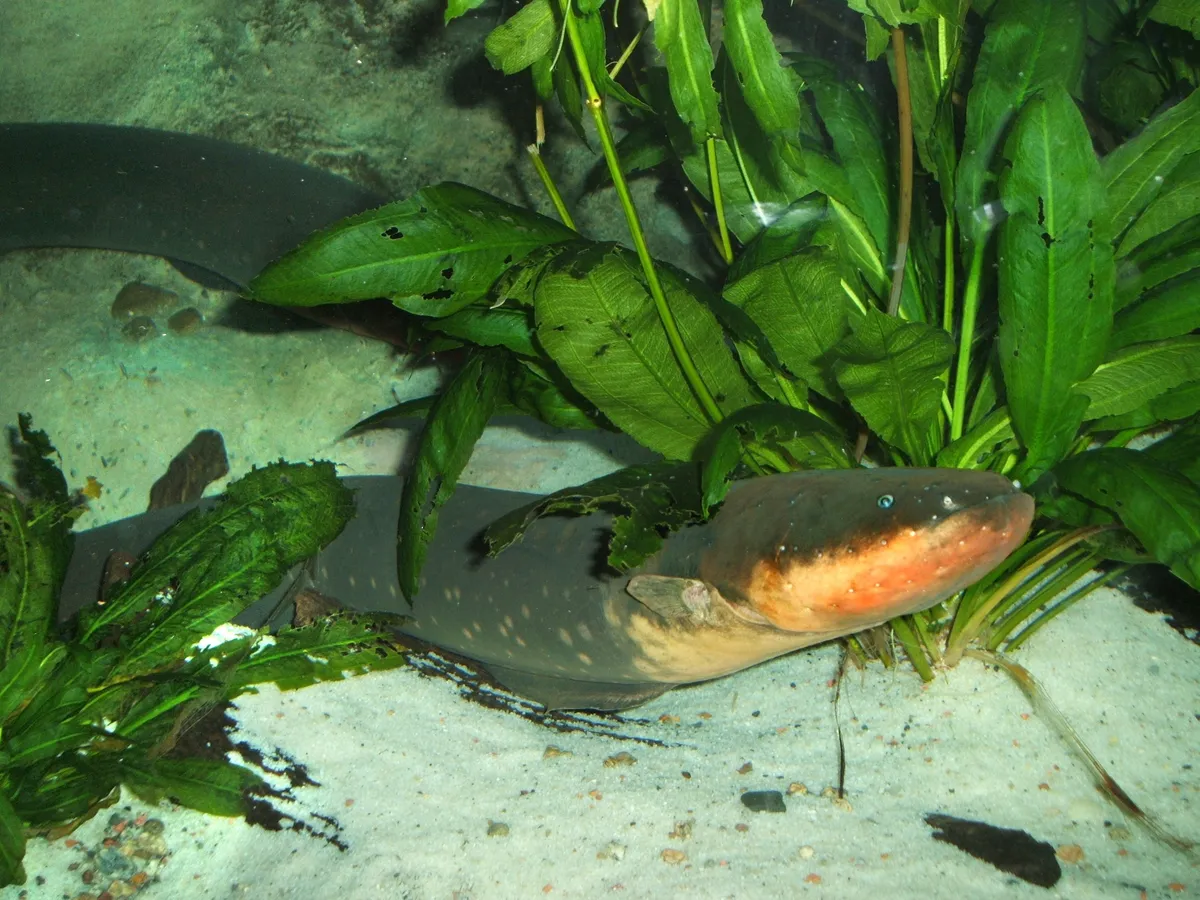
9. Electric Eel
South American knifefish sensing murky river obstacles—and stunning prey—with powerful bioelectric fields.
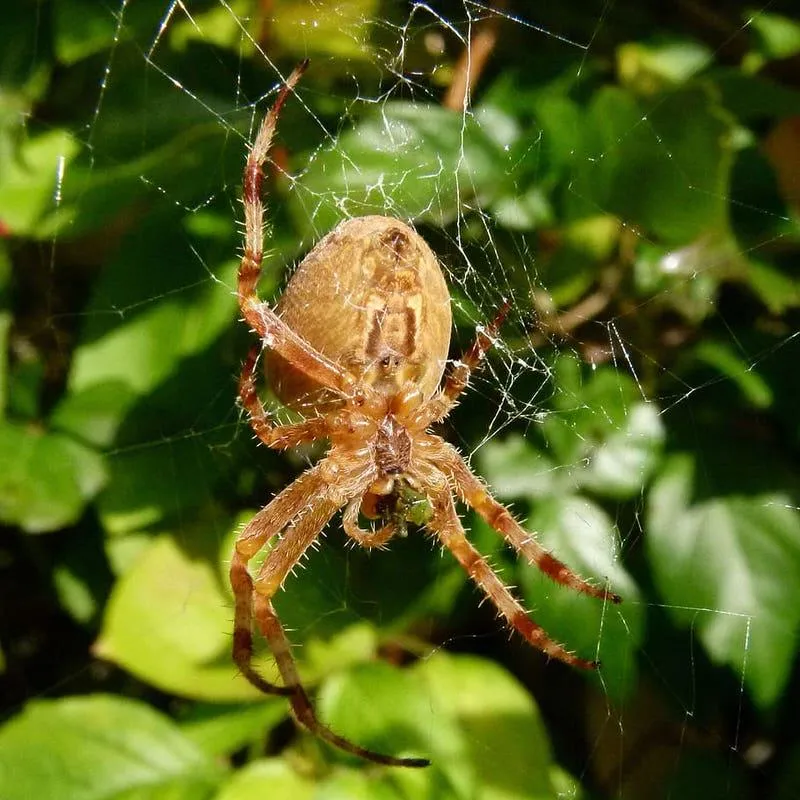
10. Spider
Leg slit sensilla and silk-strumming hairs detect tiny air currents and web vibrations down to nanometers.
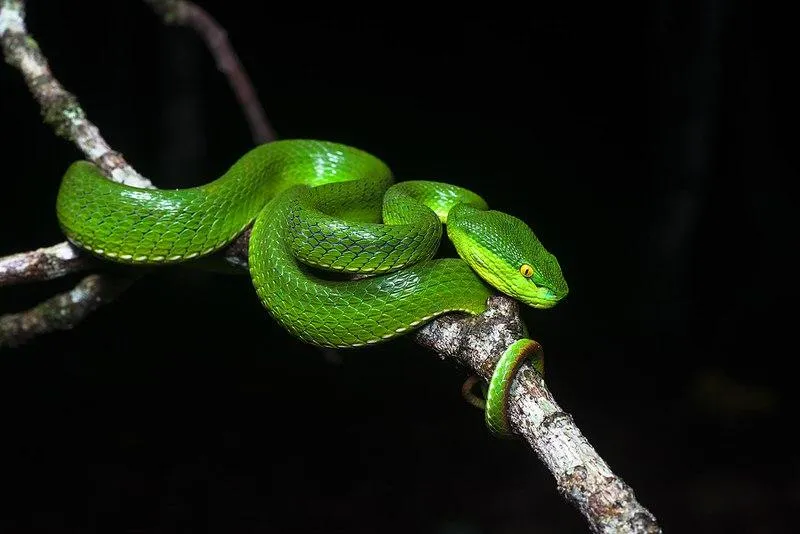
11. Pit Viper
Heat-sensing facial pits build an infrared thermal picture of warm-blooded prey in total darkness.
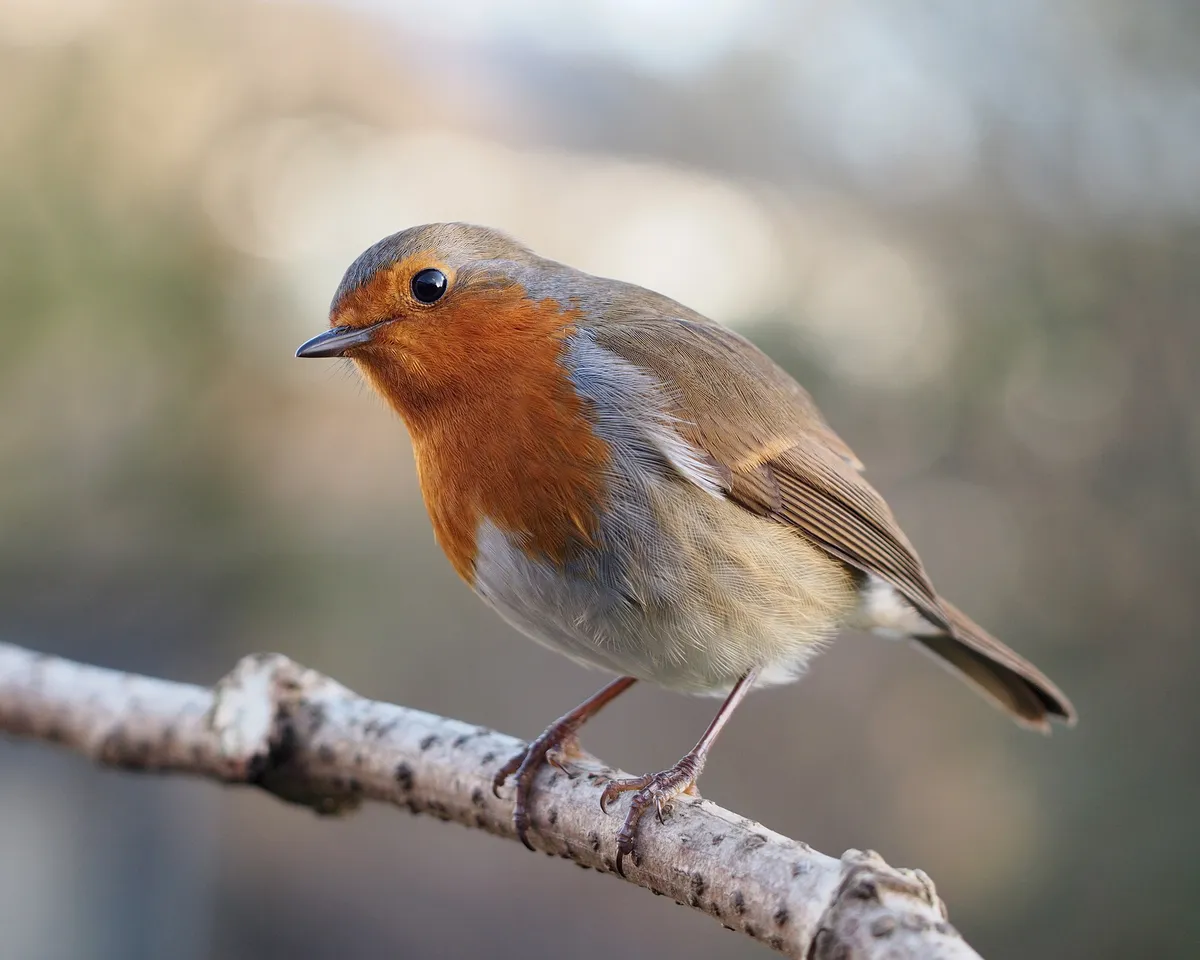
12. European Robin
Quantum-sensitive cryptochrome proteins in their eyes may literally let robins see magnetic field lines.
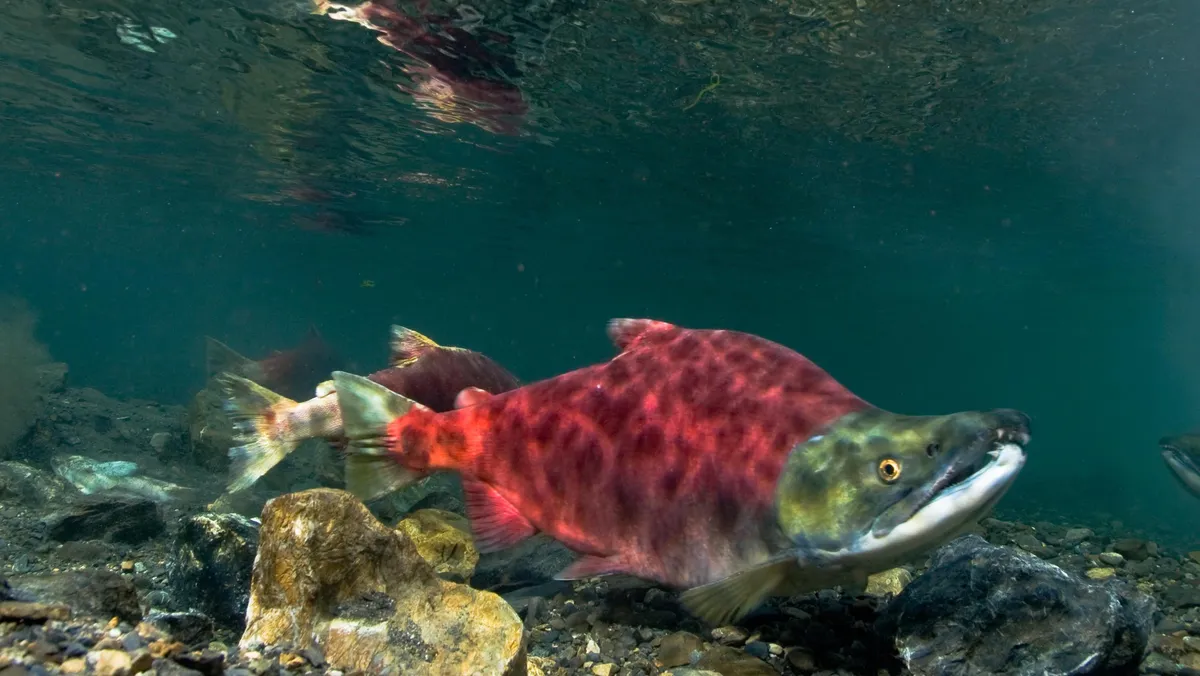
13. Sockeye Salmon
Guided by geomagnetic imprinting across the open Pacific before smelling their exact home stream.
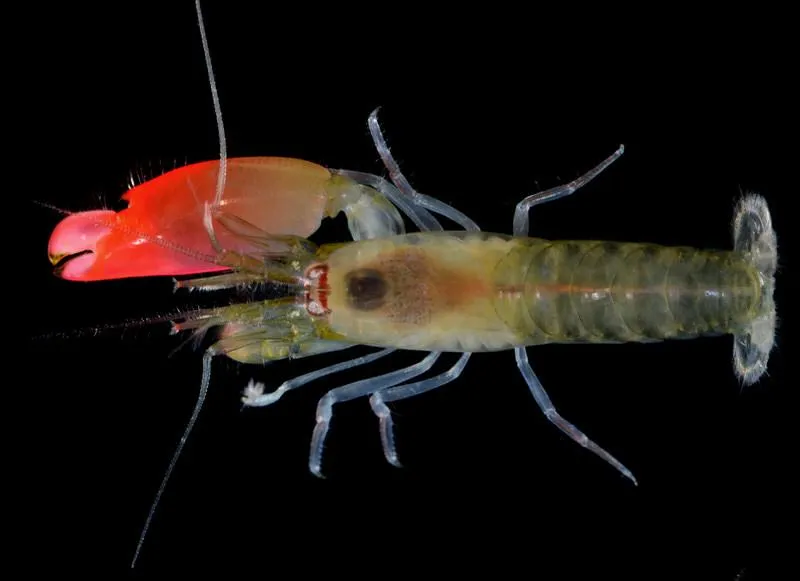
14. Pistol Shrimp
Sensitive antennae and shockwave claws turn murky coral crevices into acoustic hunting grounds.
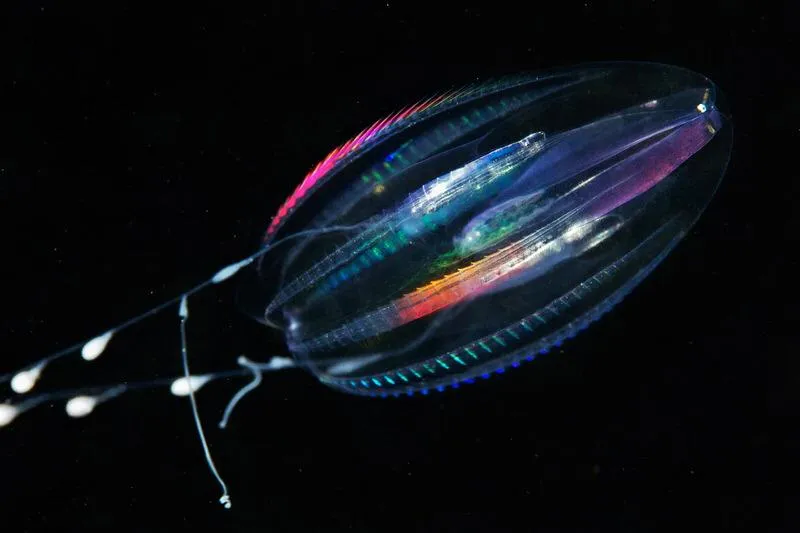
15. Comb Jellyfish
Hair-like cilia and gravity-sensing statocysts keep these translucent drifters oriented in dark ocean currents.
Conclusion
Every electric pore and magnetic crystal reminds us how richly wild animals experience the same planet we share.