Long before human skylines existed, geological forces, oceans, and glaciers sculpted landscapes so vast they still leave travelers speechless. From mile-deep canyons to living coral ecosystems visible from orbit, nature remains Earth’s greatest architect.
We expanded the original Seven Natural Wonders with eight more iconic global landmarks and ranked all 15 by worldwide recognition and visitor appeal. You can also explore natural wonders recognized by UNESCO and Ireland’s Cliffs of Moher.
How These 15 Entries Are Ranked
This list is ordered from #1 (most popular and widely recognized) down to #15, combining global recognition, cultural impact, and standout traits.
| Rank | Name |
|---|---|
| 1 | Grand Canyon, United States |
| 2 | Great Barrier Reef, Australia |
| 3 | Mount Everest, Nepal & China |
| 4 | Aurora Borealis (Northern Lights) |
| 5 | Victoria Falls, Zambia & Zimbabwe |
| 6 | Amazon Rainforest & River, South America |
| 7 | Niagara Falls, Canada & United States |
| 8 | Iguazu Falls, Argentina & Brazil |
| 9 | Galapagos Islands, Ecuador |
| 10 | Mount Kilimanjaro, Tanzania |
| 11 | Ha Long Bay, Vietnam |
| 12 | Yellowstone Caldera & Old Faithful, United States |
| 13 | Sahara Desert, North Africa |
| 14 | Harbor of Rio de Janeiro, Brazil |
| 15 | Paricutin Volcano, Michoacan, Mexico |
1. Grand Canyon, United States
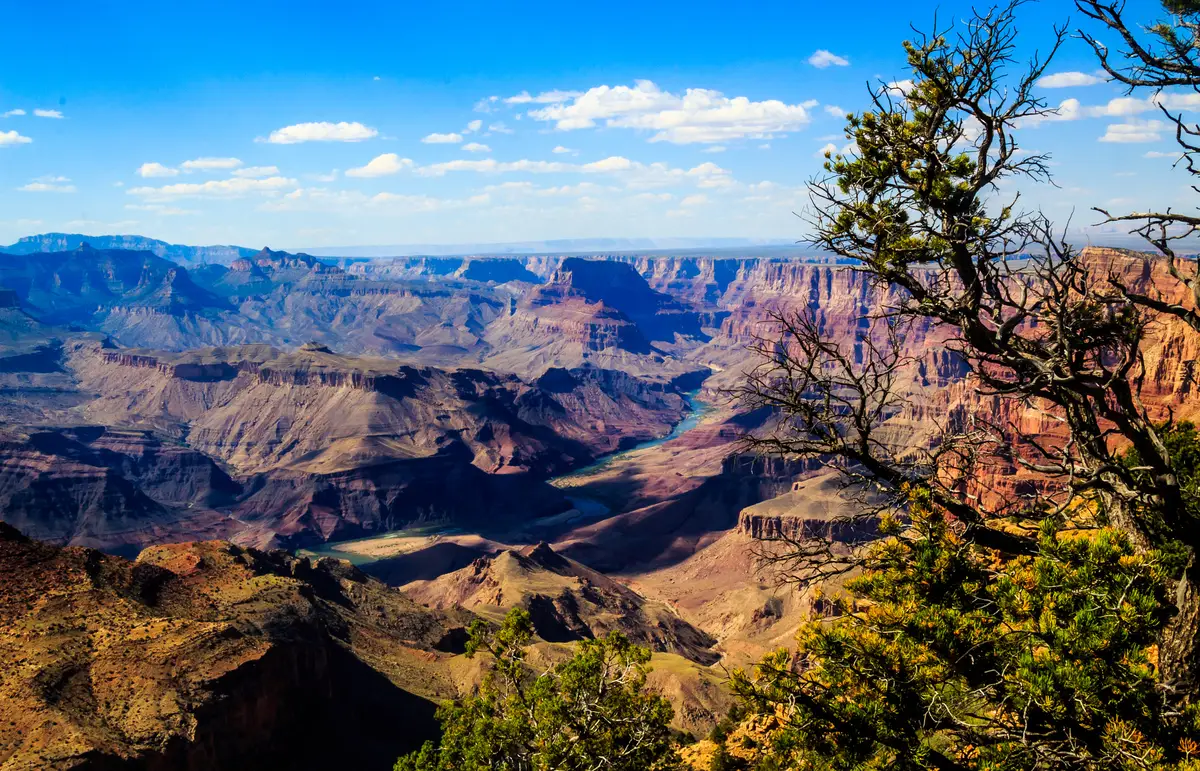
Carved by the Colorado River across 277 miles in Arizona, the Grand Canyon exposes nearly two billion years of Earth’s geological history in towering bands of red, gold, and ochre rock.
2. Great Barrier Reef, Australia
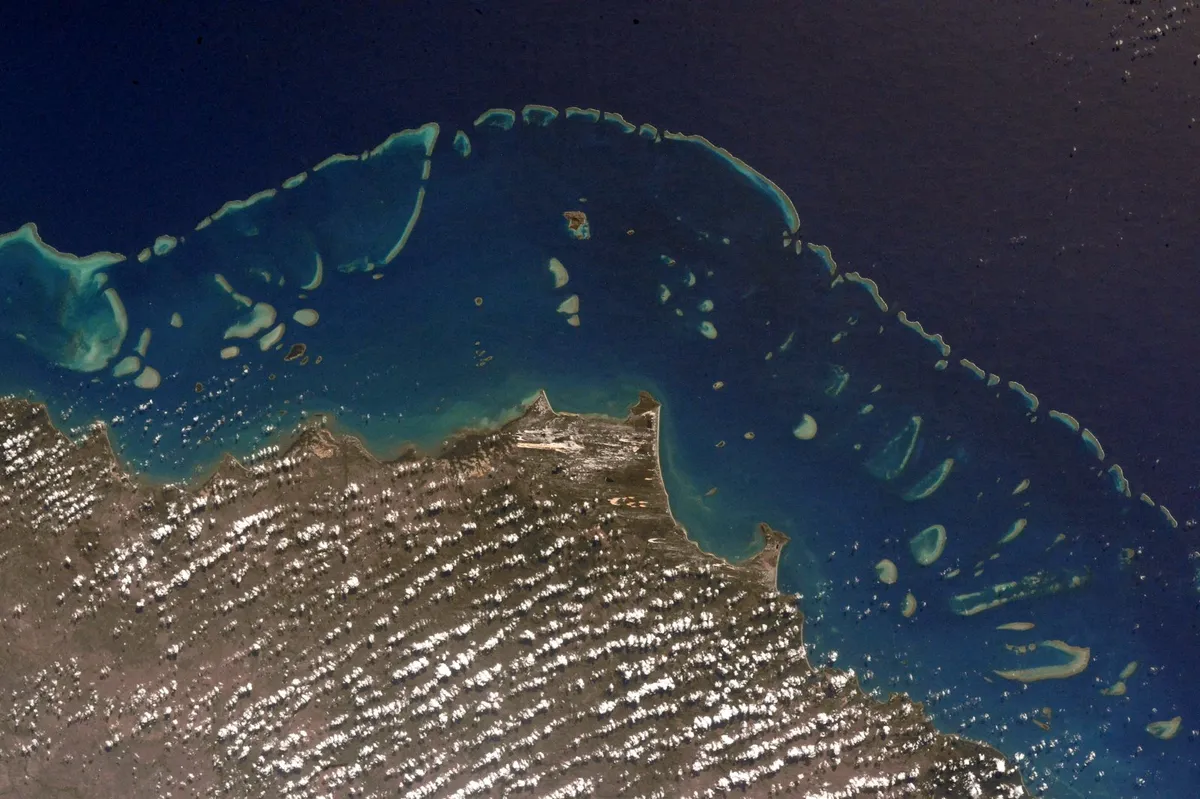
Stretching over 1,400 miles off Queensland’s coast, this living mosaic of 2,900 reefs and 900 islands is Earth’s largest coral structure and a sanctuary for thousands of marine species.
3. Mount Everest, Nepal & China
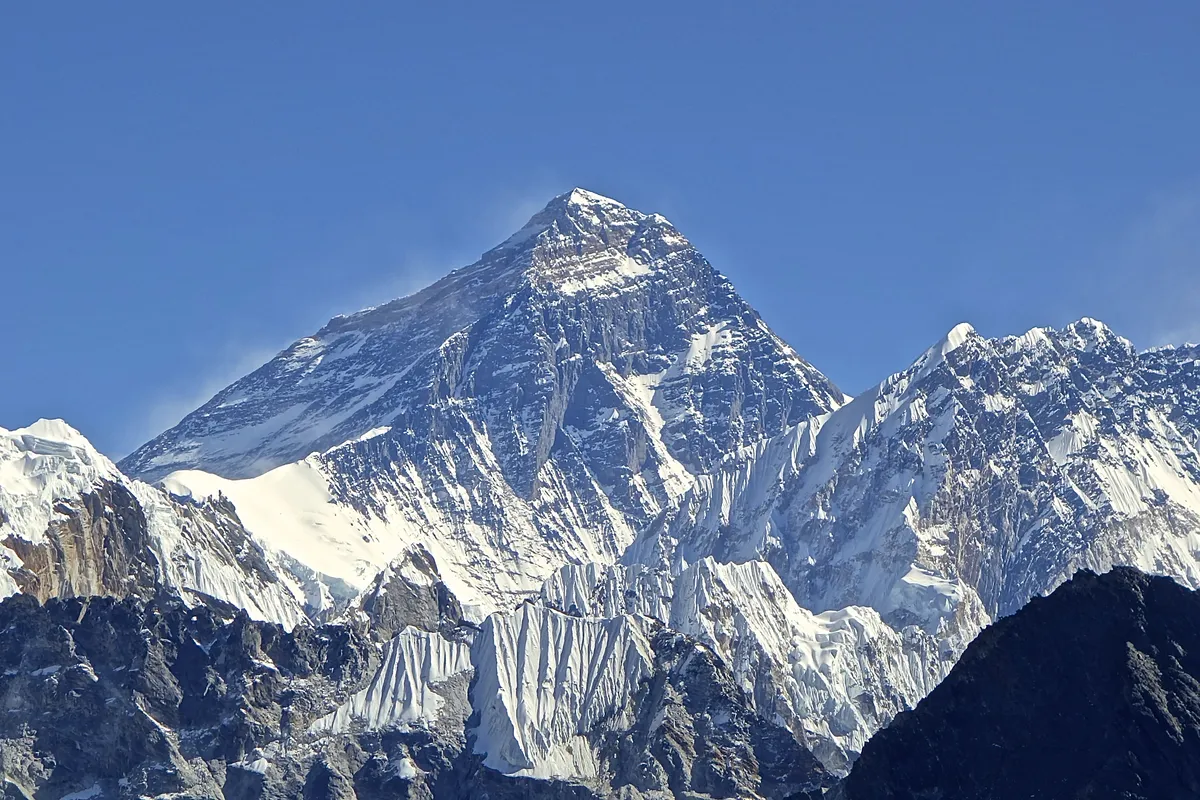
Rising 29,031.7 feet (8,848.86 m) above sea level in the Himalayas, Everest—known locally as Sagarmatha and Chomolungma—stands as the highest summit on the planet.
4. Aurora Borealis (Northern Lights)
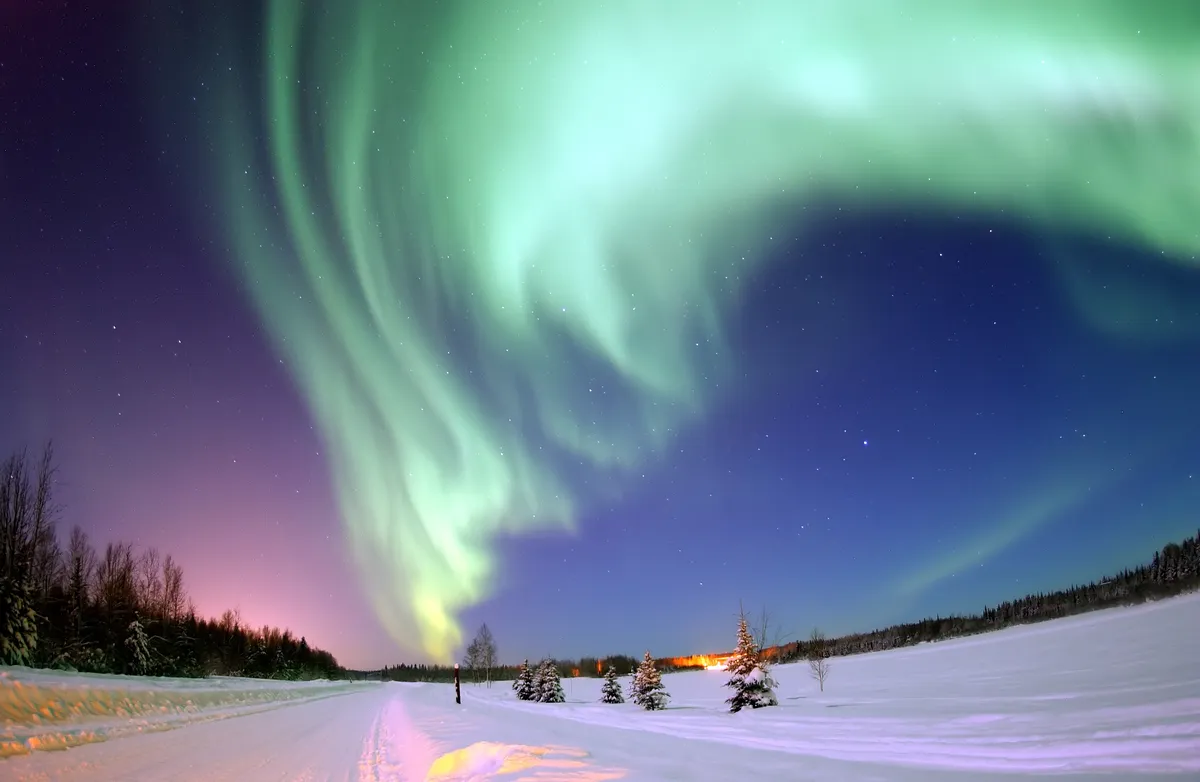
Solar wind particles colliding with Earth’s magnetosphere ignite shimmering curtains of emerald, violet, and crimson light across Arctic night skies.
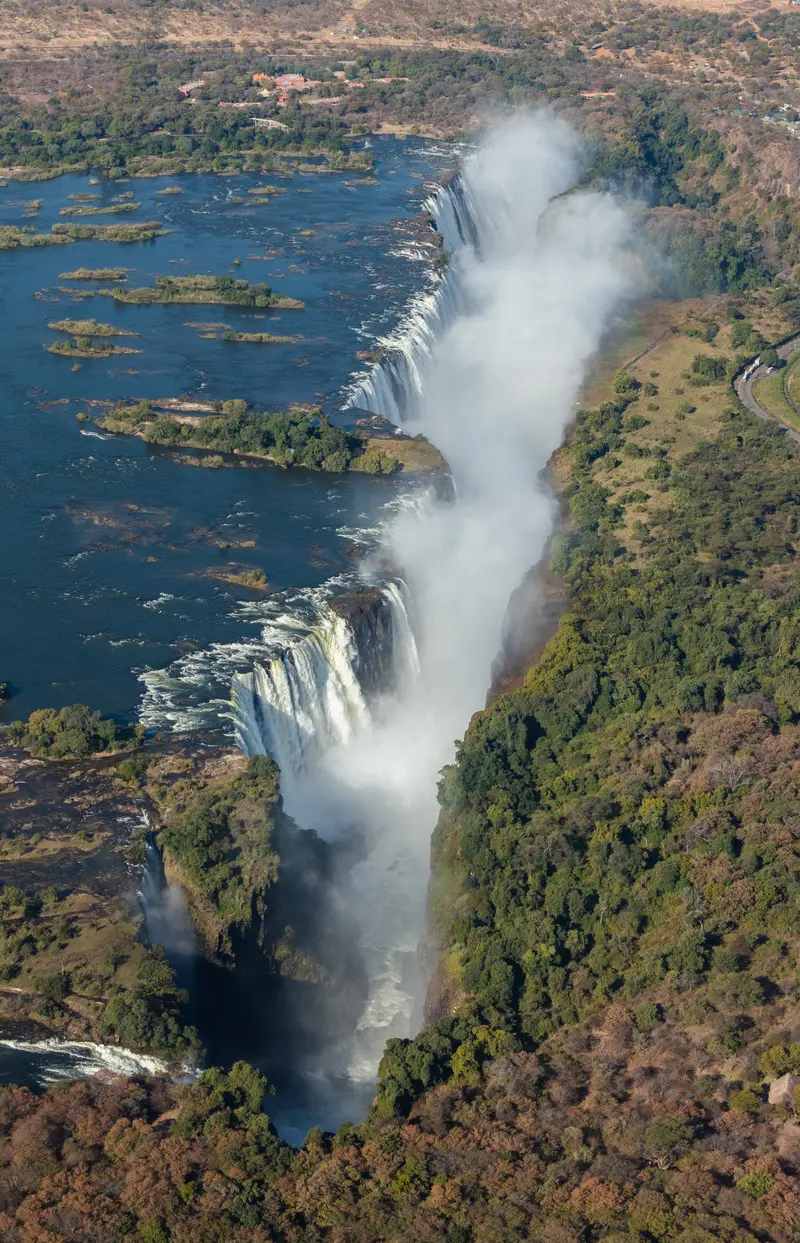
5. Victoria Falls, Zambia & Zimbabwe
Known locally as Mosi-oa-Tunya (“The Smoke That Thunders”), this mile-wide curtain of the Zambezi River plunges more than 350 feet into a dramatic basalt gorge.
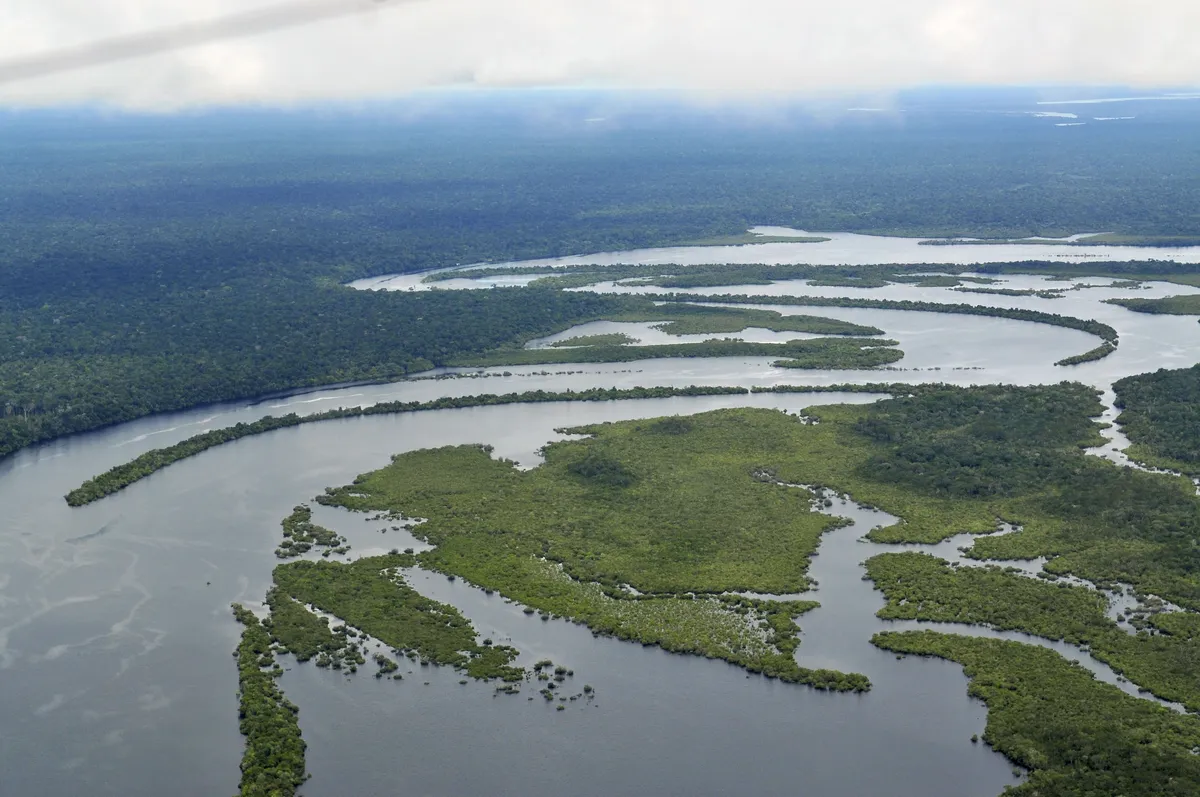
6. Amazon Rainforest & River, South America
Spanning nine nations, the Amazon holds over half of the planet’s remaining tropical rainforest and carries roughly one-fifth of all river water flowing into Earth’s oceans.
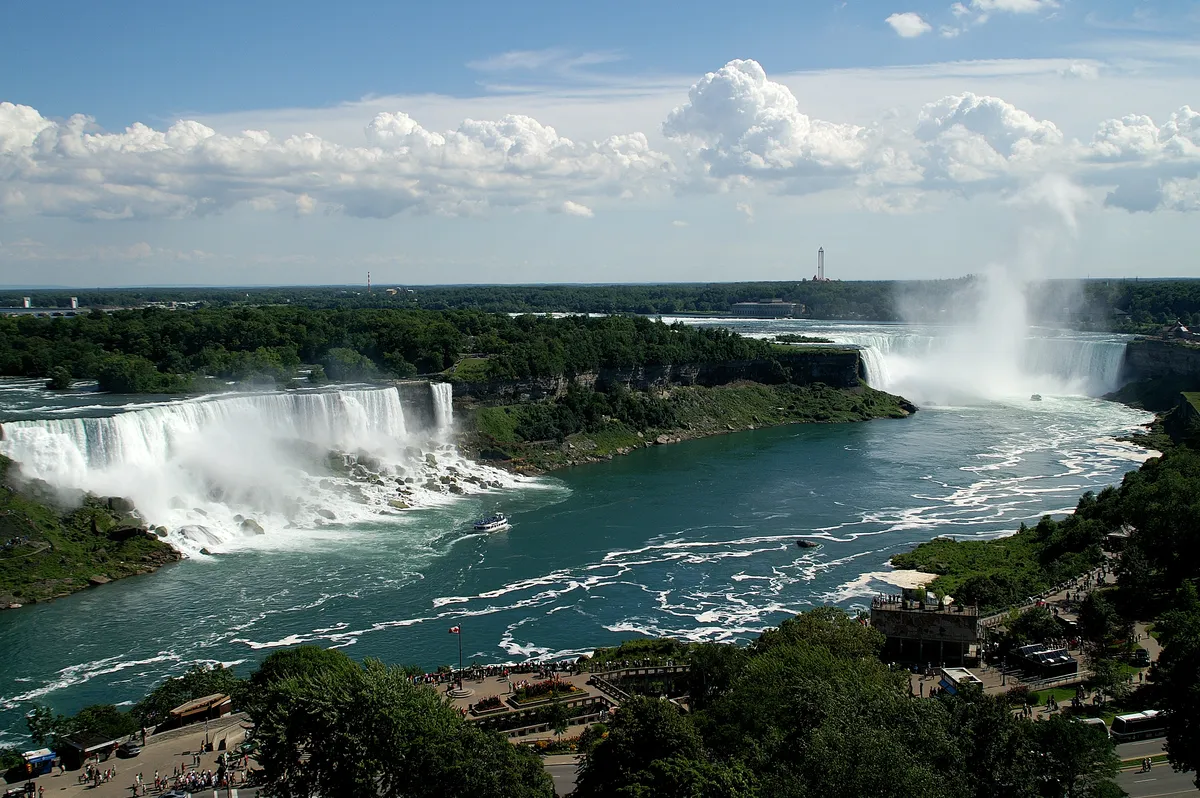
7. Niagara Falls, Canada & United States
Comprising Horseshoe, American, and Bridal Veil Falls, Niagara moves more than 750,000 gallons of water per second, making it North America’s most powerful waterfall.
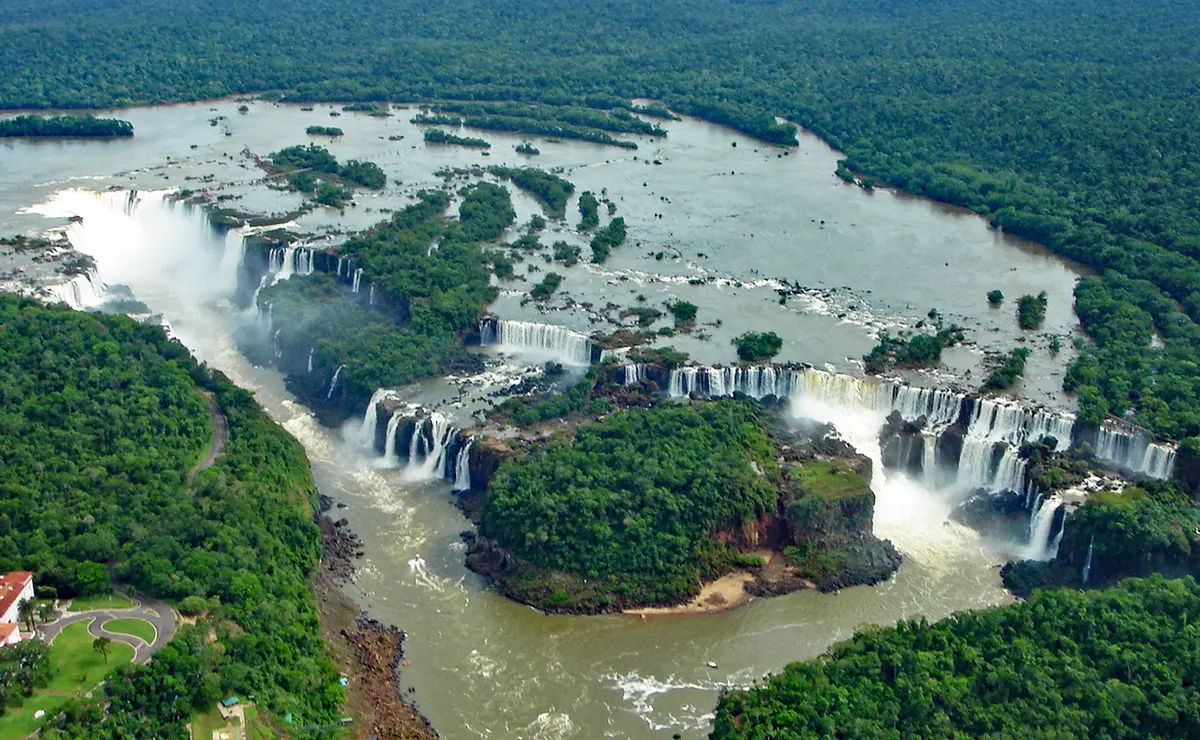
8. Iguazu Falls, Argentina & Brazil
Tucked inside lush subtropical jungle, Iguazu’s 275 individual cascades form a nearly two-mile-wide amphitheater anchored by the roaring U-shaped Devil’s Throat.
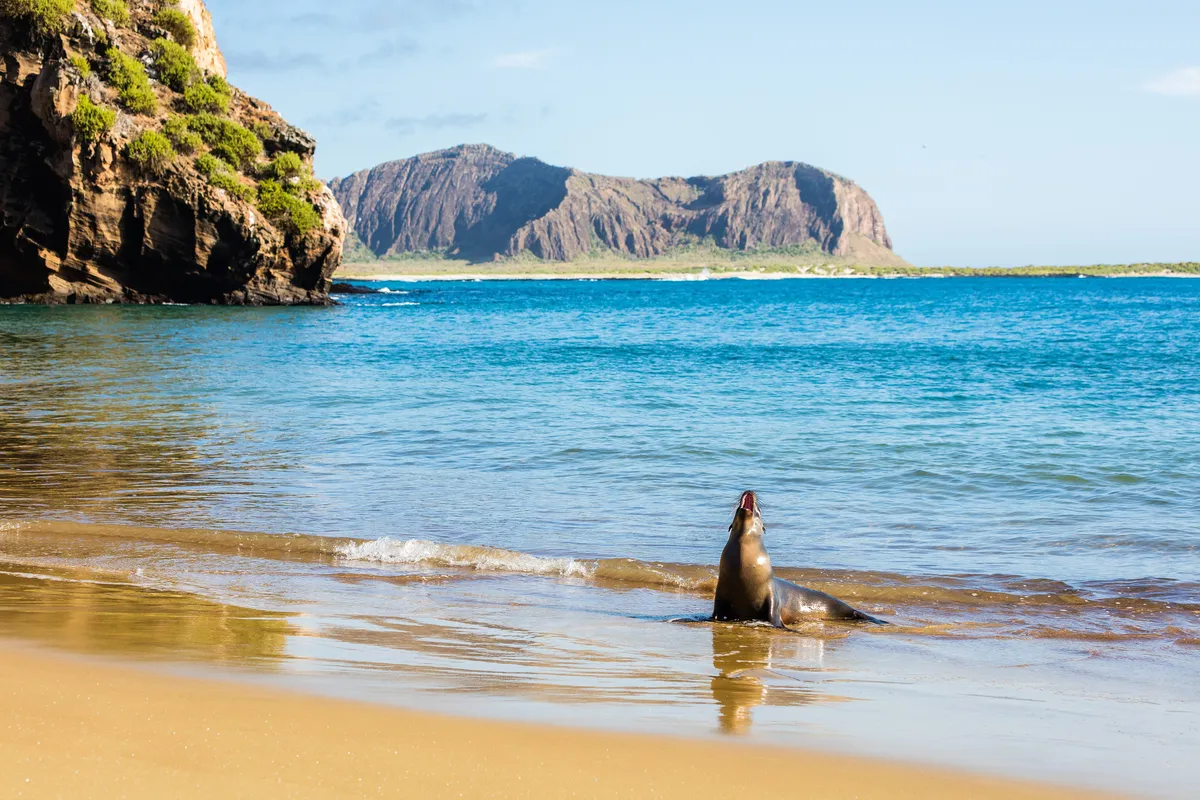
9. Galapagos Islands, Ecuador
Isolated in the Pacific Ocean, this volcanic archipelago inspired Charles Darwin’s theory of natural selection and remains home to marine iguanas, giant tortoises, and blue-footed boobies.
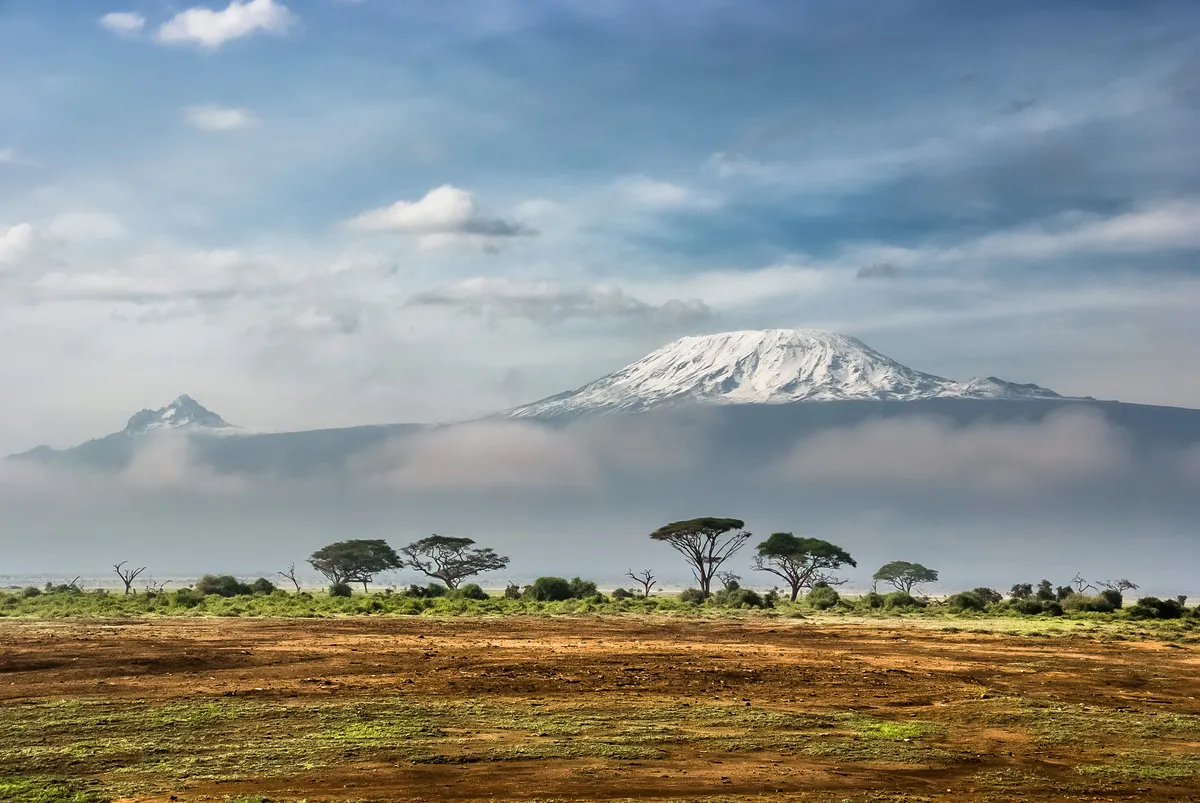
10. Mount Kilimanjaro, Tanzania
Africa’s tallest peak and the world’s highest free-standing mountain rises 19,341 feet straight from savanna plains to glacial summit craters.
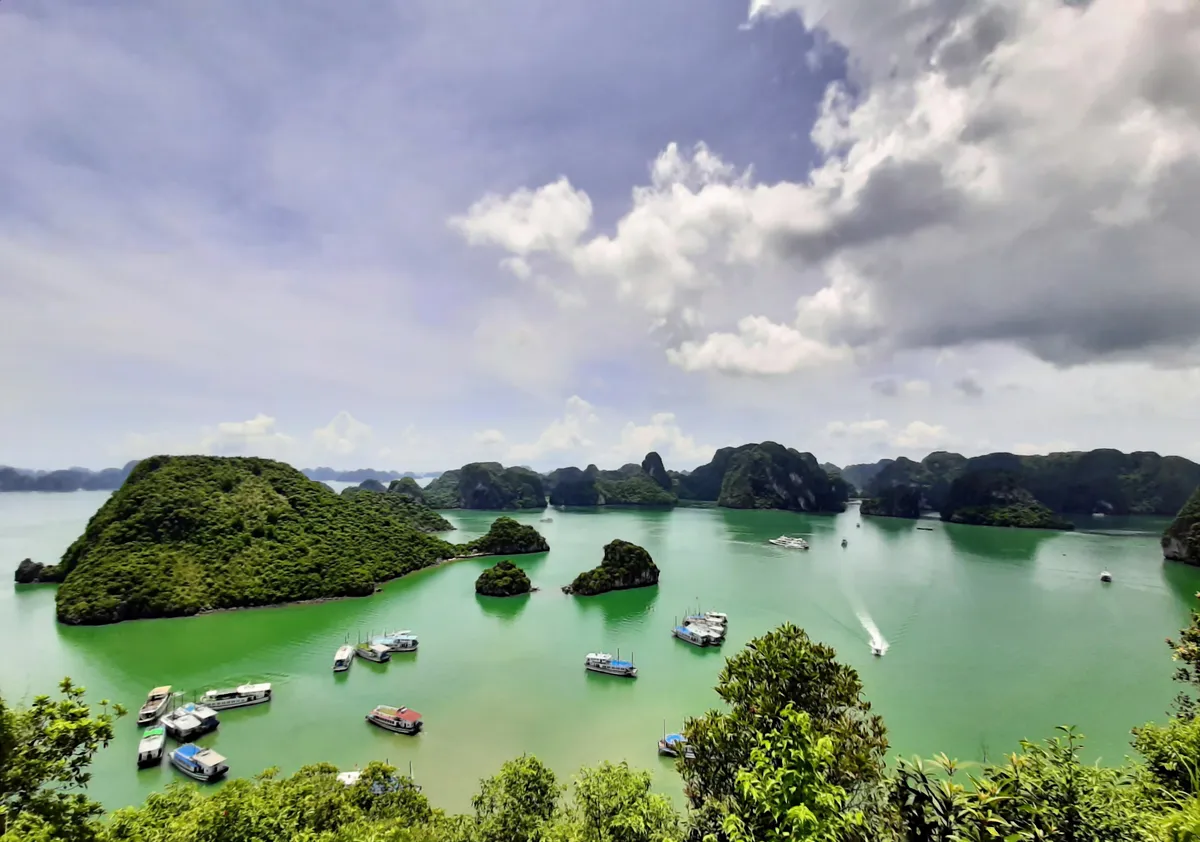
11. Ha Long Bay, Vietnam
Over 1,600 limestone karsts and emerald islets rise abruptly from the Gulf of Tonkin, creating one of Southeast Asia’s most surreal coastal seascapes.
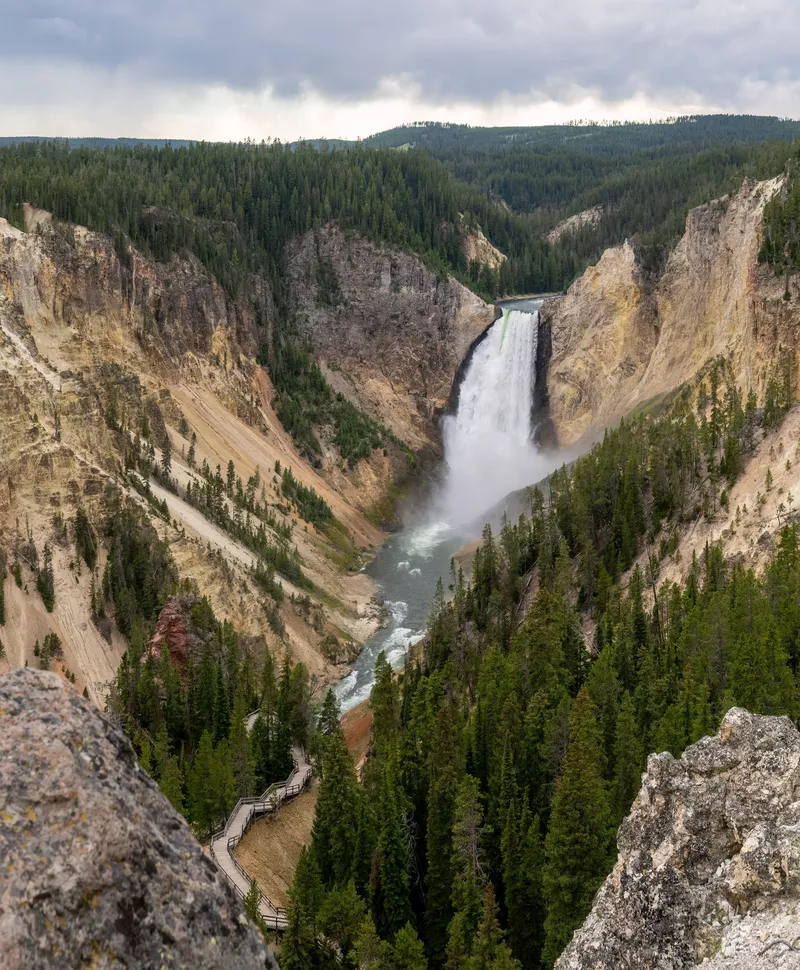
12. Yellowstone Caldera & Old Faithful, United States
Sitting atop a massive volcanic hotspot, Yellowstone contains more than half of the world’s active geysers alongside rainbow-hued thermal pools and dramatic river canyons.
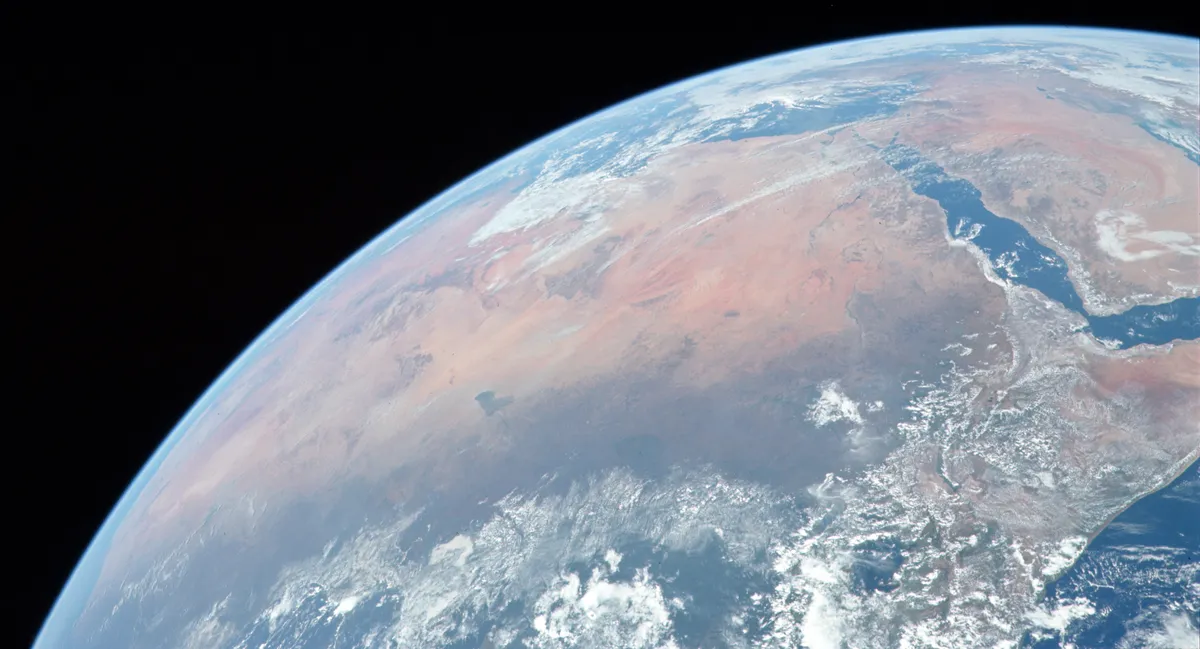
13. Sahara Desert, North Africa
Covering roughly 3.6 million square miles across eleven countries, the Sahara is the world’s largest hot desert—home to towering erg dunes, rocky plateaus, and ancient oases.
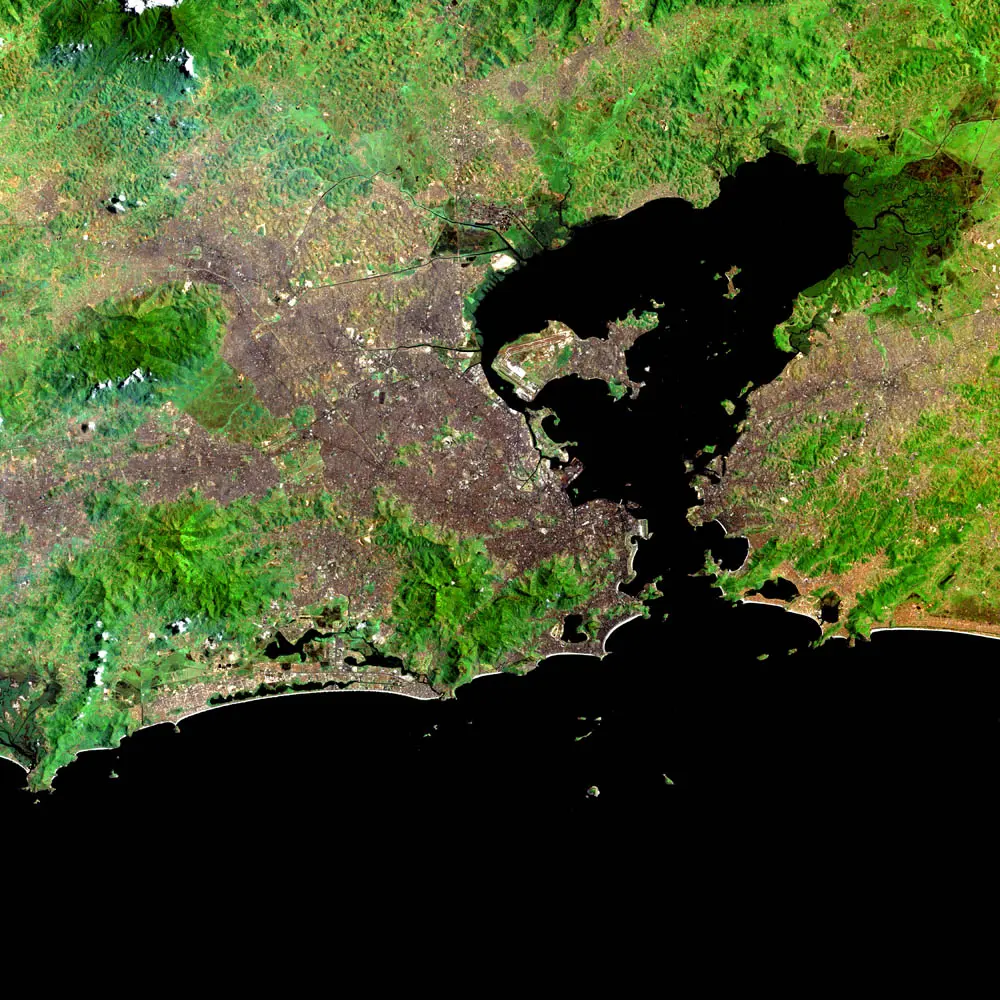
14. Harbor of Rio de Janeiro, Brazil
Surrounded by granite domes like Sugarloaf Mountain, Corcovado, and lush Tijuca rainforest peaks, Guanabara Bay forms one of the most dramatic natural harbors on Earth.
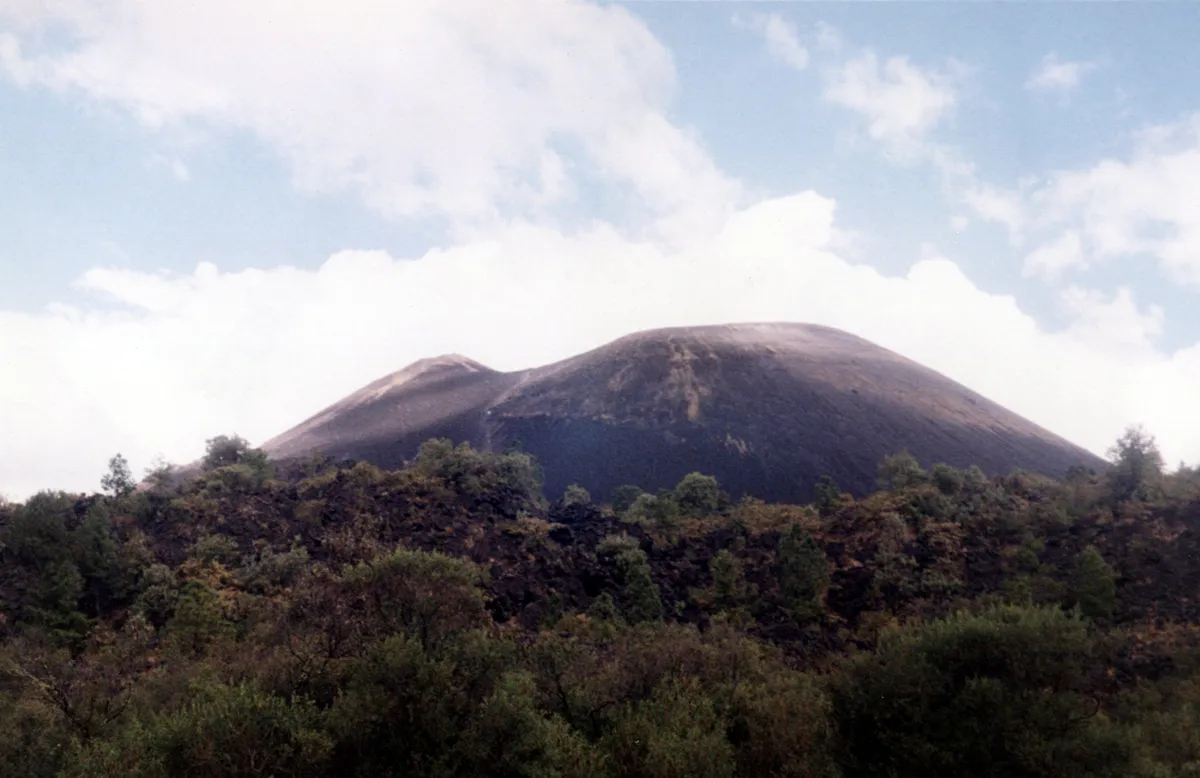
15. Paricutin Volcano, Michoacan, Mexico
Born abruptly in a Mexican cornfield in February 1943, Paricutin gave geologists a rare chance to witness a volcano’s entire birth and nine-year growth from start to finish.
Conclusion
Every one of these natural wonders reminds us how diverse and fragile our planet is. Keep exploring Earth’s wildest landscapes in Greenland’s icy expanse and the Galapagos wildlife paradise.