Modern cities are proving that dense urban living and environmental stewardship can thrive together. Through expansive bike networks, renewable district heating, zero-waste policies, and urban forests, leading metropolises are cutting emissions while improving daily life.
We expanded an original top-ten sustainability list with five more global eco-leaders, ranking all 15 from #1 (most widely recognized) to #15. For a deeper look at Nordic urban life, see our guide to Helsinki, the heart of Finland.
How These 15 Entries Are Ranked
This list is ordered from #1 (most popular and widely recognized) down to #15, combining global recognition, cultural impact, and standout traits.
| Rank | Name |
|---|---|
| 1 | Singapore |
| 2 | Copenhagen, Denmark |
| 3 | Amsterdam, Netherlands |
| 4 | London, England |
| 5 | Zurich, Switzerland |
| 6 | Vienna, Austria |
| 7 | Stockholm, Sweden |
| 8 | Vancouver, Canada |
| 9 | San Francisco, USA |
| 10 | Oslo, Norway |
| 11 | Helsinki, Finland |
| 12 | Reykjavik, Iceland |
| 13 | Portland, Oregon, USA |
| 14 | Ljubljana, Slovenia |
| 15 | Curitiba, Brazil |
1. Singapore
Famous as a “City in a Garden,” Singapore weaves lush sky-gardens, Gardens by the Bay, and advanced NEWater recycling into a compact metropolis.

2. Copenhagen, Denmark
With more bicycles than cars in its core and clean harbor swimming zones, Copenhagen aims to become a carbon-neutral capital.
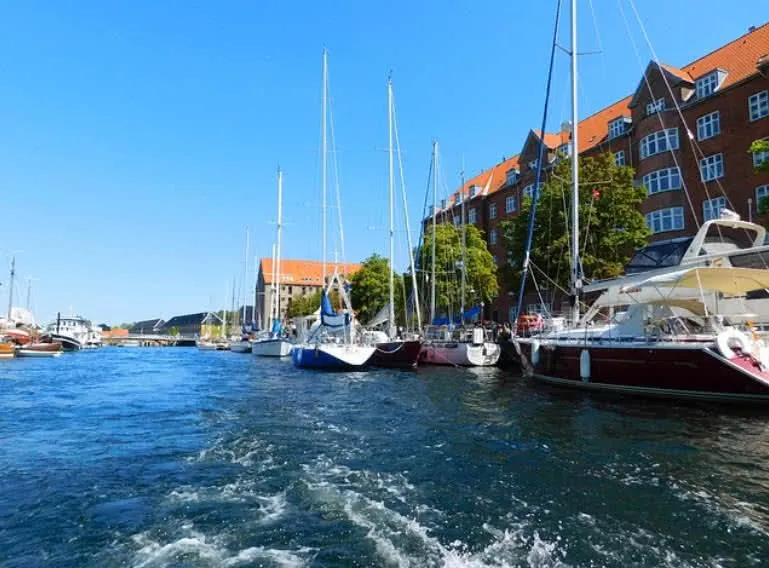
3. Amsterdam, Netherlands
World-renowned for cycling infrastructure, solar-powered canal boats, and circular-economy building initiatives.
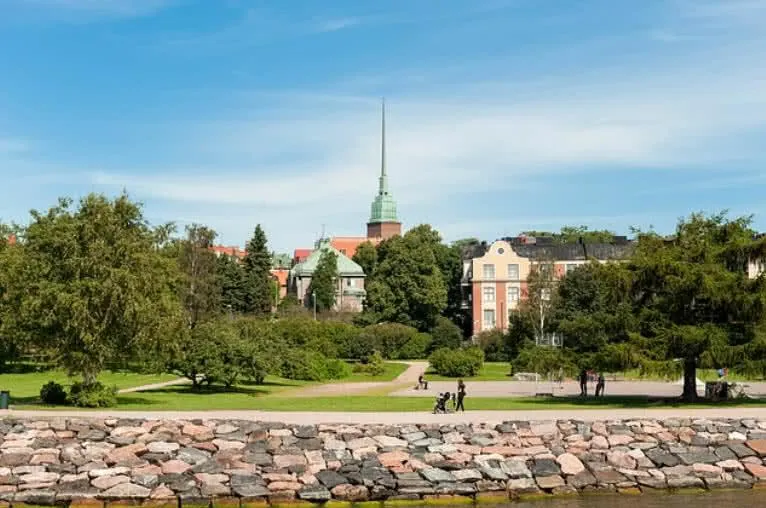
4. London, England
Roughly 47% of Greater London consists of green space, supported by expansive Royal Parks and strict Ultra Low Emission Zones.
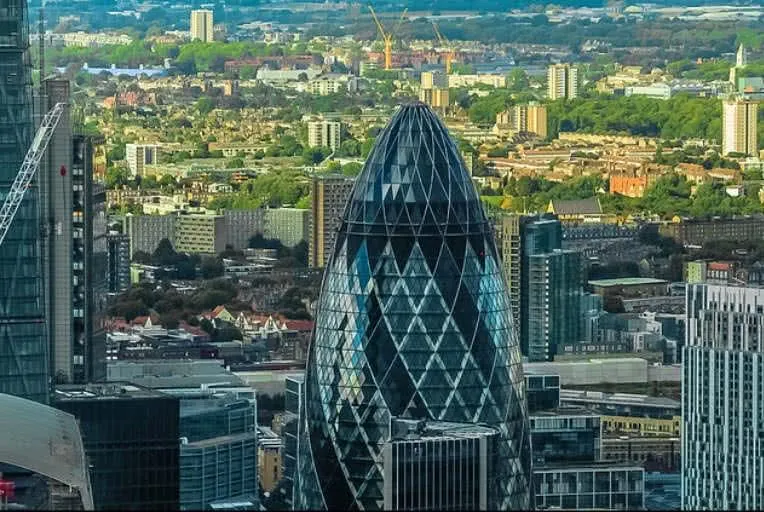
5. Zurich, Switzerland
Top-ranked in global sustainability indexes for punctual electric transit, strict recycling, and hydroelectric energy.
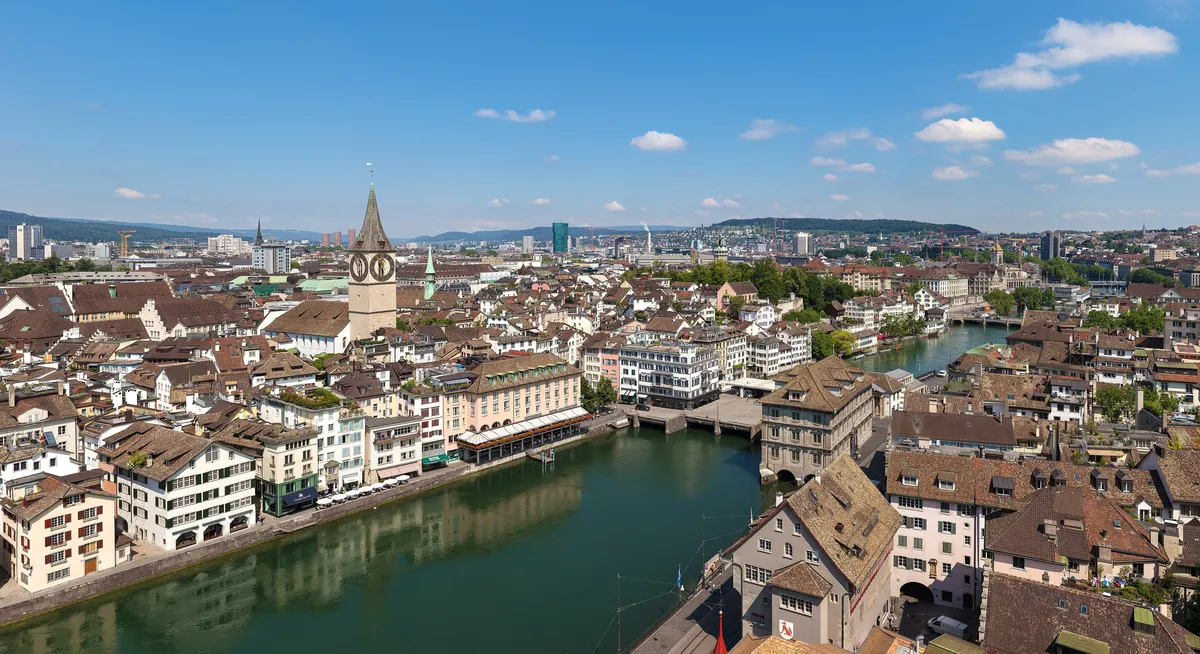
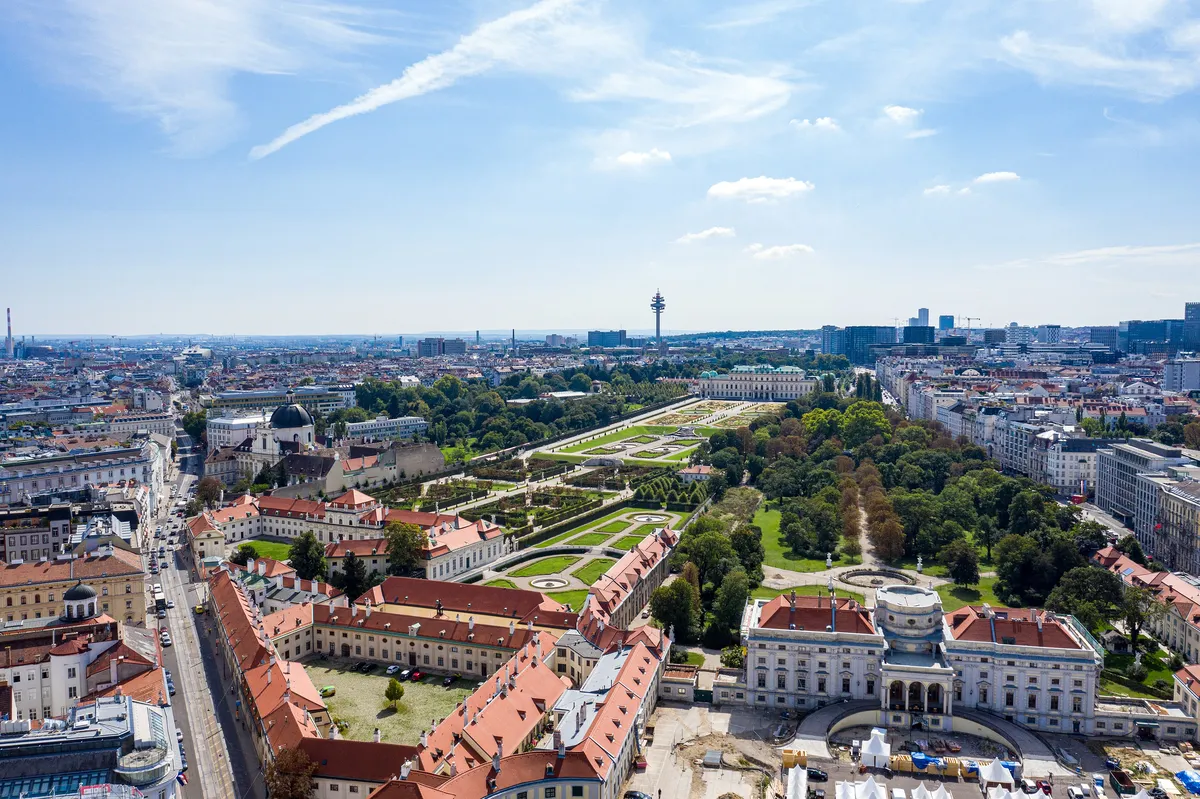
6. Vienna, Austria
Over half of Vienna’s municipal footprint is green space, paired with affordable public transit and energy-efficient social housing.
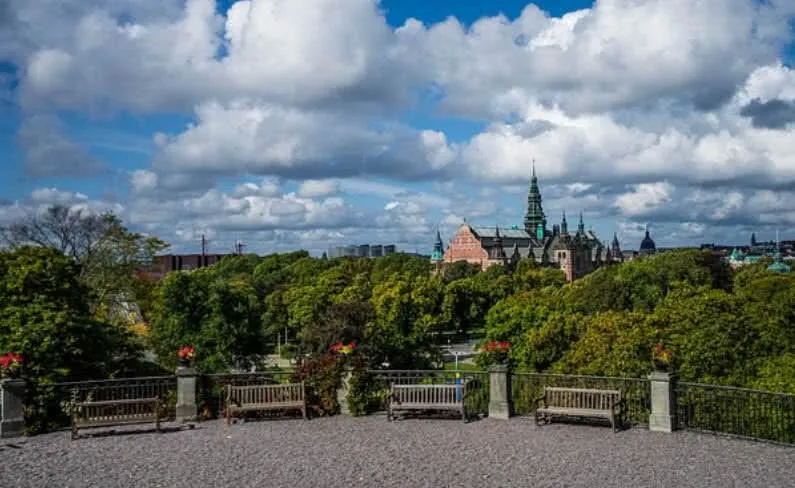
7. Stockholm, Sweden
Spread across 14 islands, Stockholm was Europe’s first Green Capital thanks to fossil-free district heating and clean waterways.
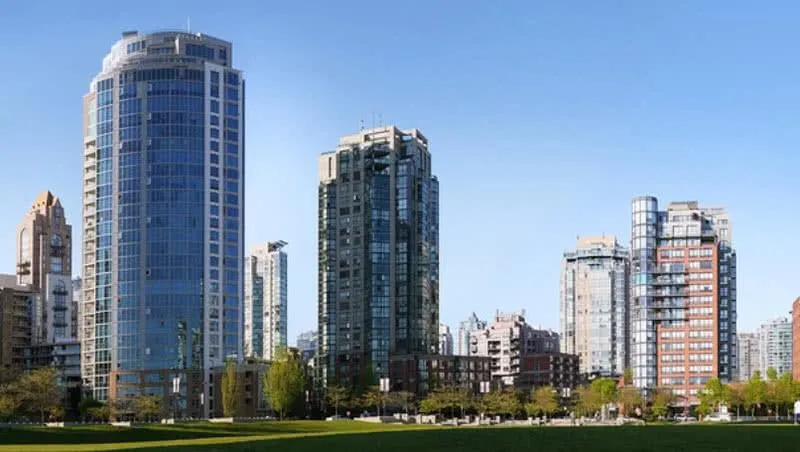
8. Vancouver, Canada
Powered overwhelmingly by hydroelectricity, Vancouver pairs coastal rainforest parks with dense, walkable neighborhoods.
9. San Francisco, USA
A North American leader in municipal composting, green building codes, and ambitious landfill-diversion targets.
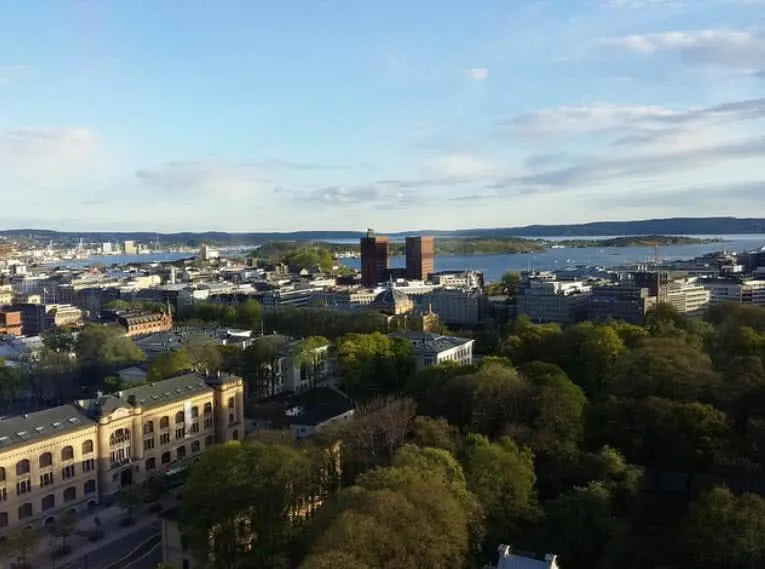
10. Oslo, Norway
Surrounded by protected forests and fjords, Oslo leads the world in electric vehicle adoption and car-free downtown streets.
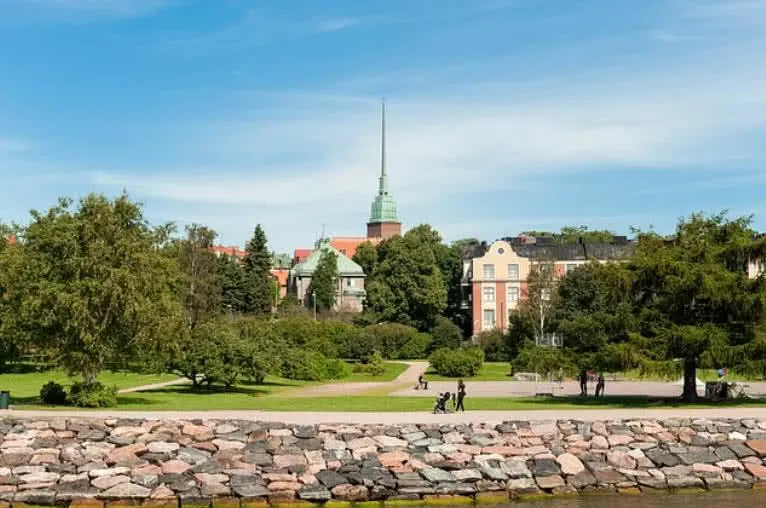
11. Helsinki, Finland
Nearly a third of Helsinki is parkland and urban forest, backed by an expansive tram and metro system.
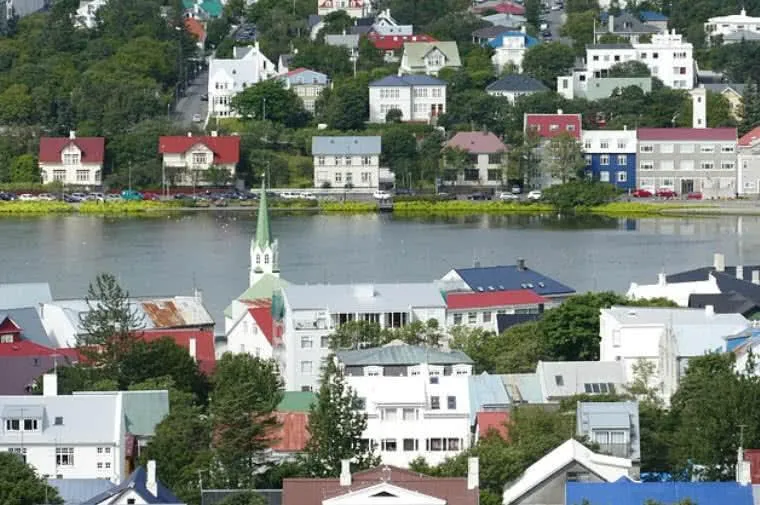
12. Reykjavik, Iceland
Geothermal energy heats virtually every home and sidewalk in Reykjavik, keeping the Arctic capital’s grid remarkably clean.
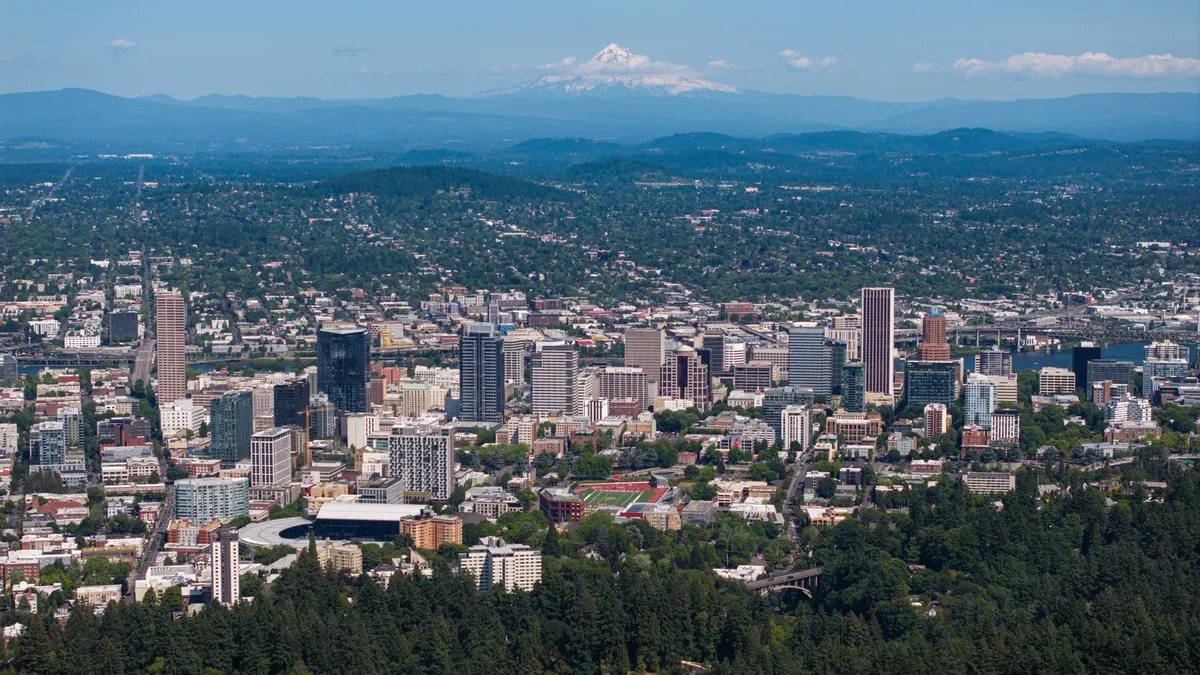
13. Portland, Oregon, USA
Protected by a pioneering 1979 urban growth boundary, Portland champions bike commuting, greenways, and local food systems.
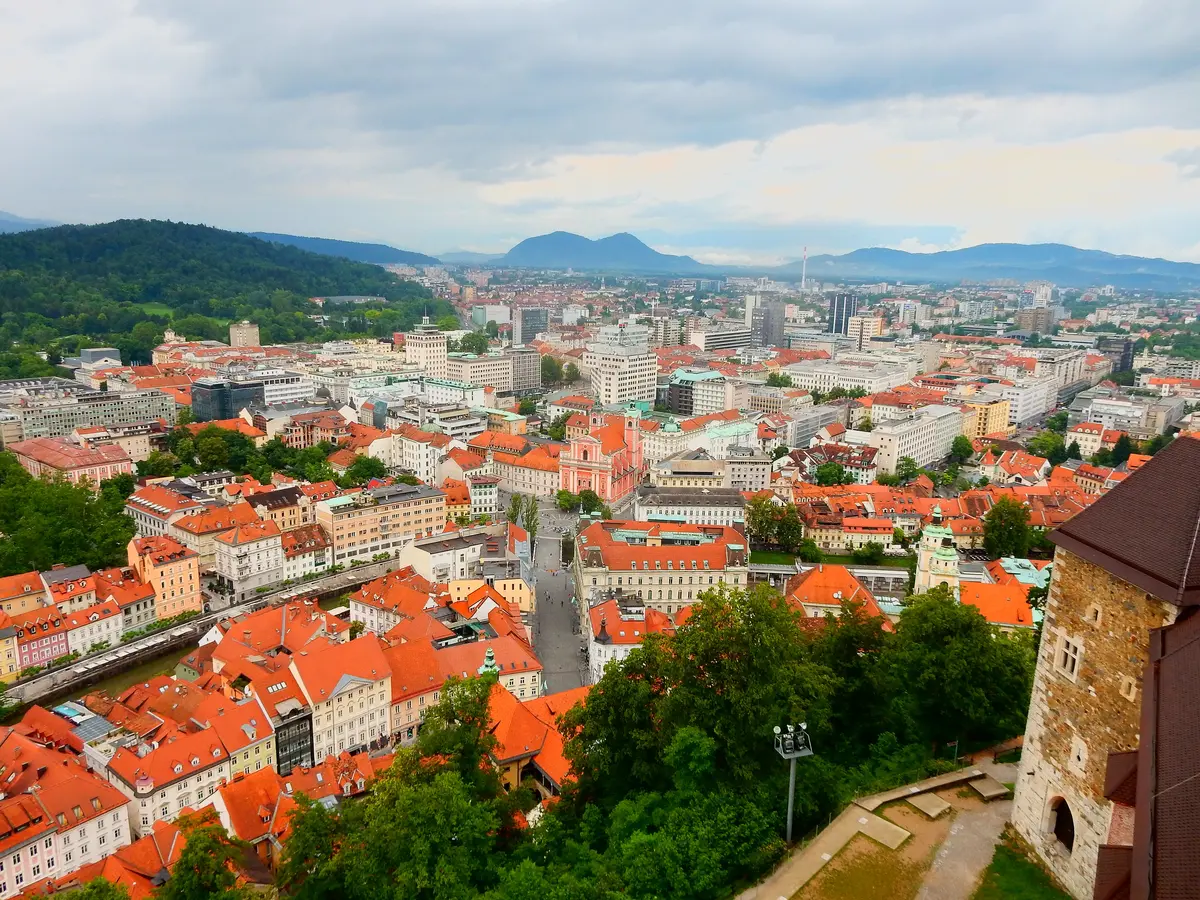
14. Ljubljana, Slovenia
After closing its historic center to private cars, Ljubljana became Europe’s zero-waste capital with electric Kavalir shuttles.
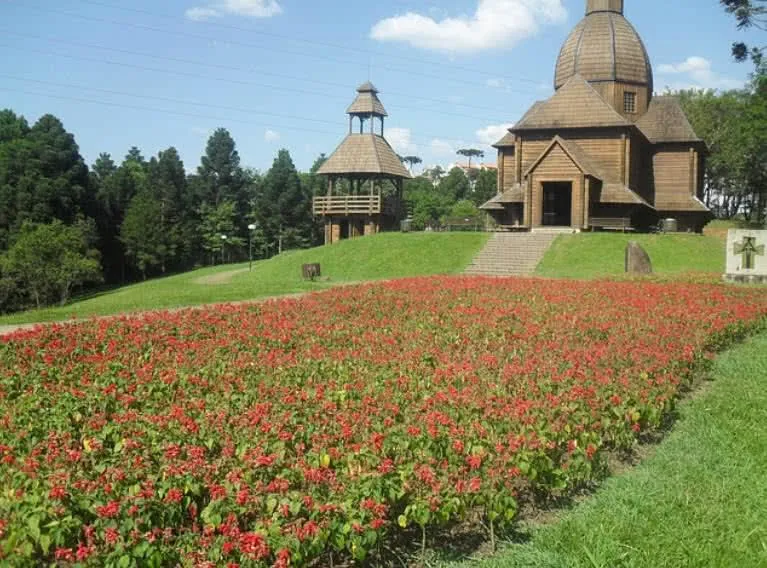
15. Curitiba, Brazil
A global pioneer in Bus Rapid Transit (BRT), Curitiba rewards residents who recycle with fresh produce and transit tokens.
Conclusion
Whether pioneering pedestrian-only historic centers or turning skyscrapers into vertical forests, these 15 green cities offer a blueprint for sustainable urban design. Explore more Nordic highlights in Denmark’s top tourist attractions.