Forests regulate Earth’s climate, shelter over half of all land-based species, and act as massive carbon vaults. Yet few people realize how enormous our planet’s largest woodland biomes truly are.
We expanded the original 10 with five major forest systems—including the Taiga, New Guinea, and Borneo—and ranked all 15 by scale and global renown. Dive deeper in the ten most beautiful forests in the world and beautiful and mysterious forests around the world.
How These 15 Entries Are Ranked
This list is ordered from #1 (most popular and widely recognized) down to #15, combining global recognition, cultural impact, and standout traits.
| Rank | Name |
|---|---|
| 1 | Taiga (Boreal Forest) |
| 2 | Amazon Rainforest |
| 3 | Congo Rainforest |
| 4 | New Guinea Rainforest |
| 5 | Borneo Lowland Rainforest |
| 6 | Atlantic Forest |
| 7 | Sundarbans |
| 8 | Tongass National Forest |
| 9 | Valdivian Temperate Rainforest |
| 10 | Daintree Rainforest |
| 11 | Great Bear Rainforest |
| 12 | Kinabalu National Park |
| 13 | Sinharaja Forest Reserve |
| 14 | Rainforest of Xishuangbanna |
| 15 | Mindo-Nambillo Cloud Forest |
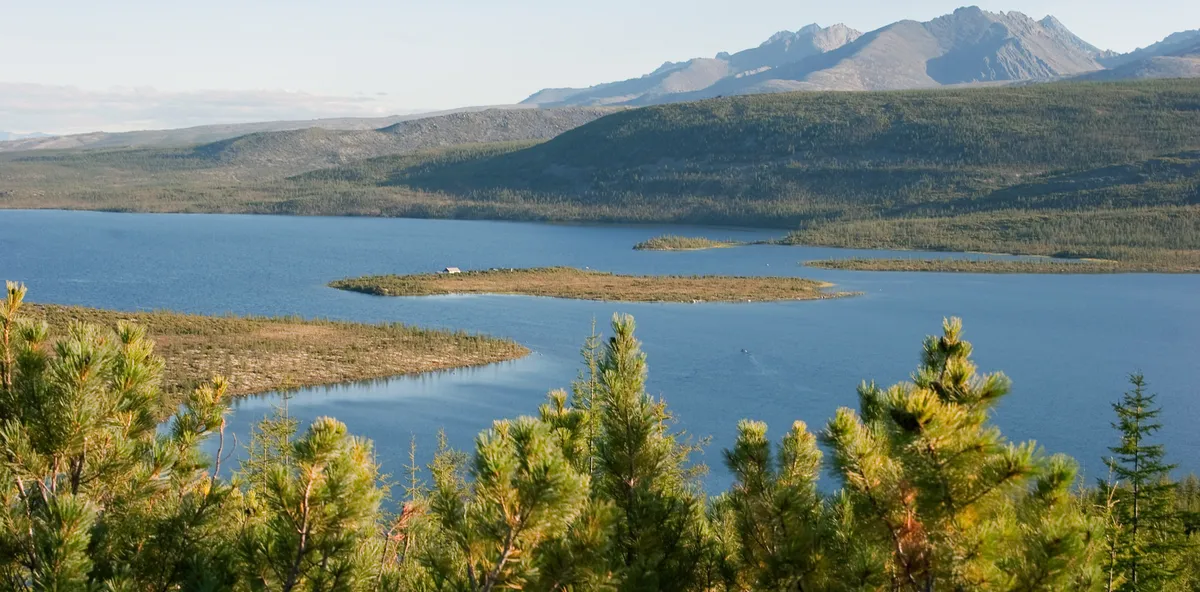
1. Taiga (Boreal Forest)
Covering roughly 17 million square kilometers across Russia, Canada, Alaska, and Scandinavia, the Taiga is Earth’s largest land biome.
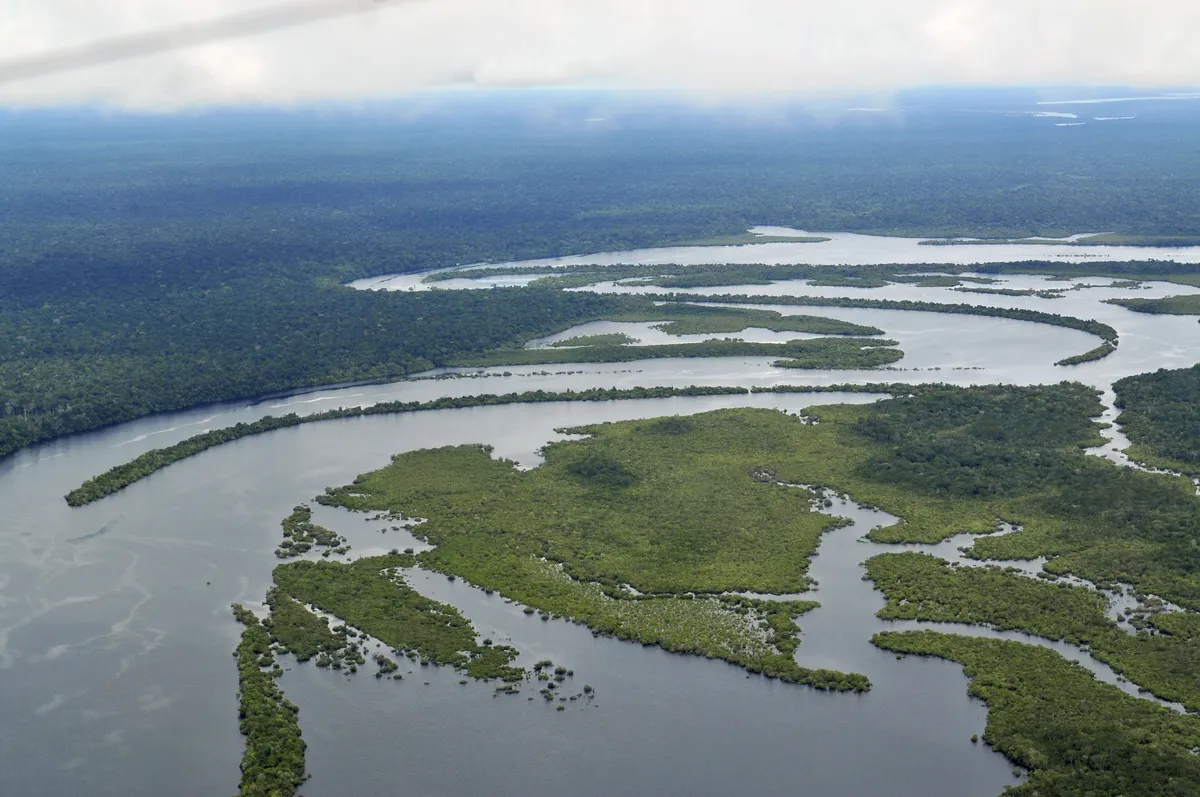
2. Amazon Rainforest
Spanning roughly 5.5 million square kilometers across nine South American nations, the Amazon holds about 10% of Earth’s known species.
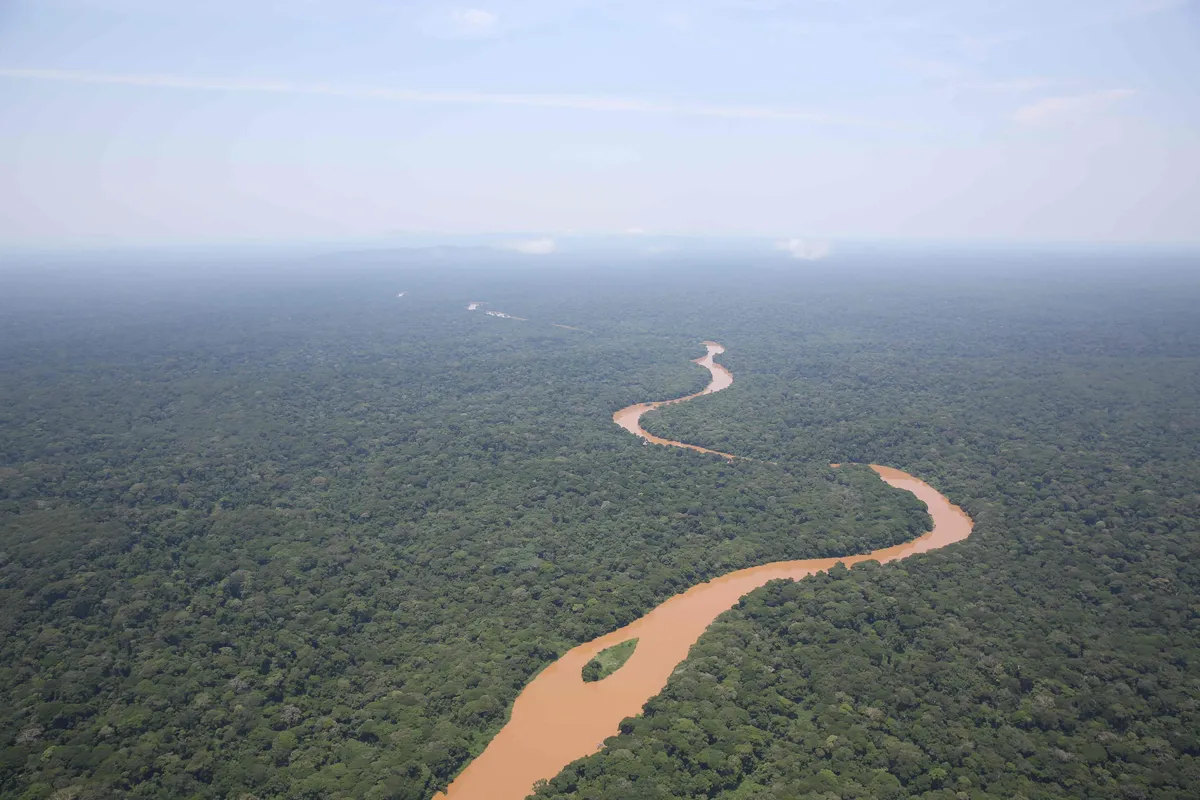
3. Congo Rainforest
Earth’s second-largest tropical rainforest covers around 3.7 million square kilometers across Central Africa, sheltering gorillas and forest elephants.
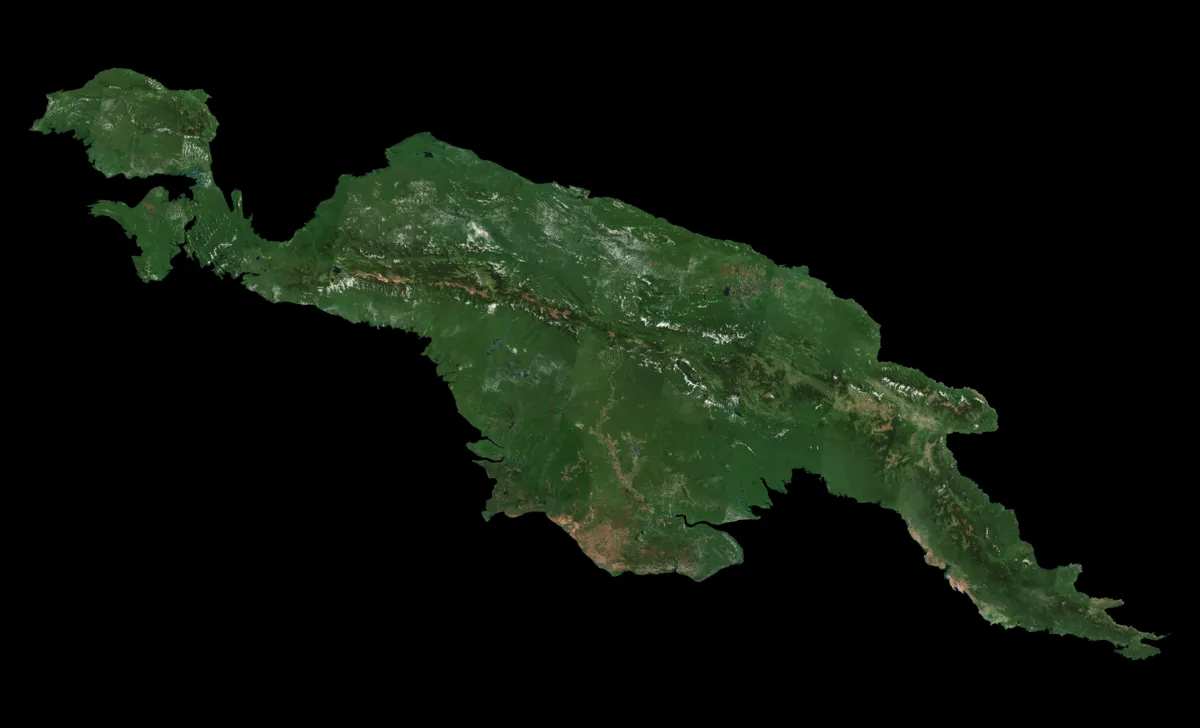
4. New Guinea Rainforest
Covering nearly 780,000 square kilometers, New Guinea’s rugged rainforests rank as the largest contiguous tropical forest in the Asia-Pacific.
5. Borneo Lowland Rainforest
Estimated at 140 million years old, Borneo’s ancient jungle spans roughly 220,000 square kilometers of orangutan and clouded-leopard habitat.
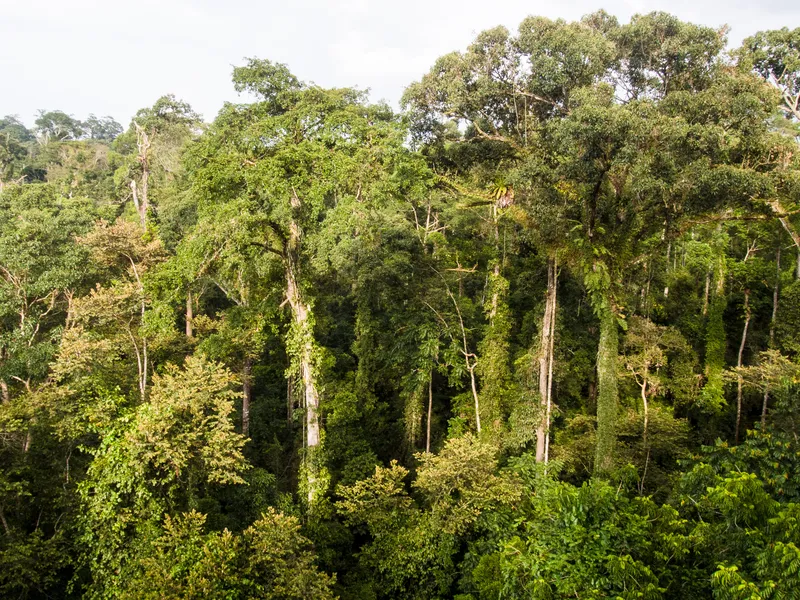
6. Atlantic Forest
Stretching along Brazil’s coast into Paraguay and Argentina, the Mata Atlantica remains a critical biodiversity hotspot with over 100,000 square kilometers left.
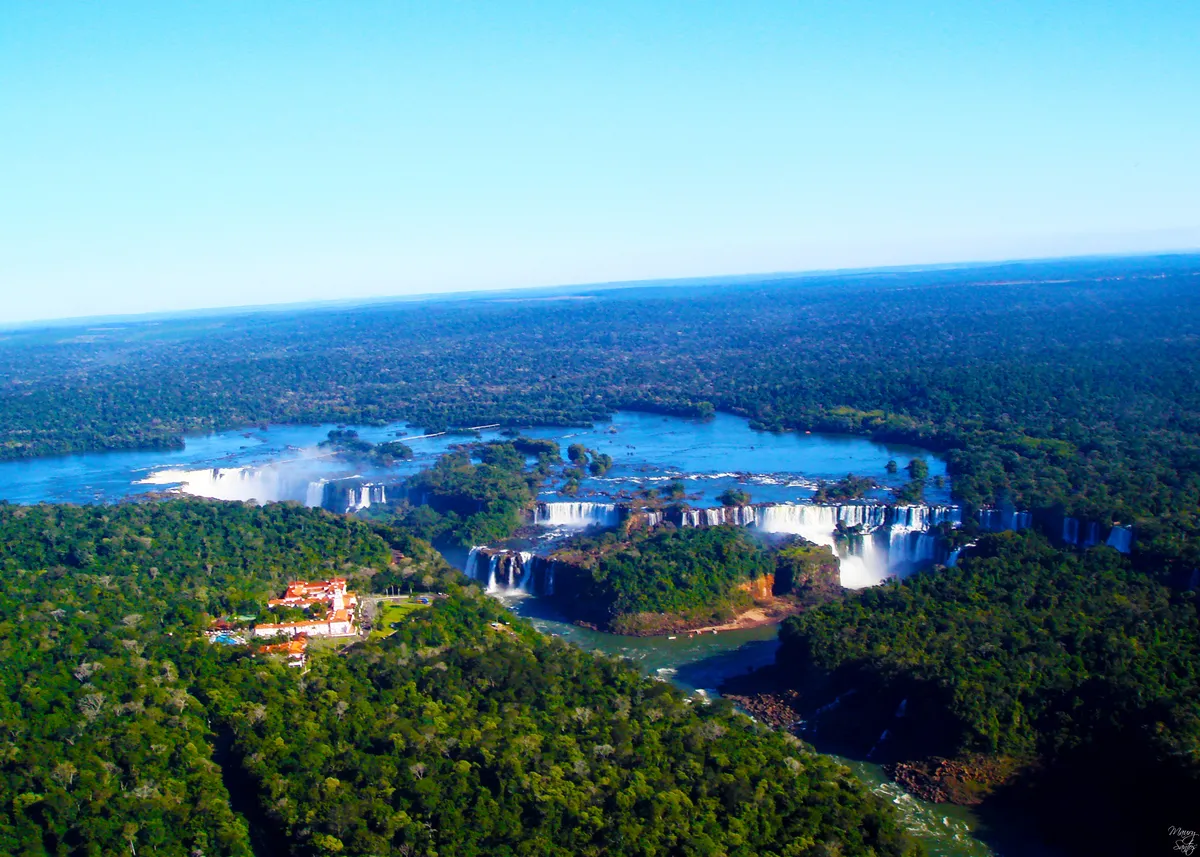
7. Sundarbans
Straddling India and Bangladesh, the Sundarbans forms Earth’s largest tidal mangrove forest and home of the Bengal tiger.
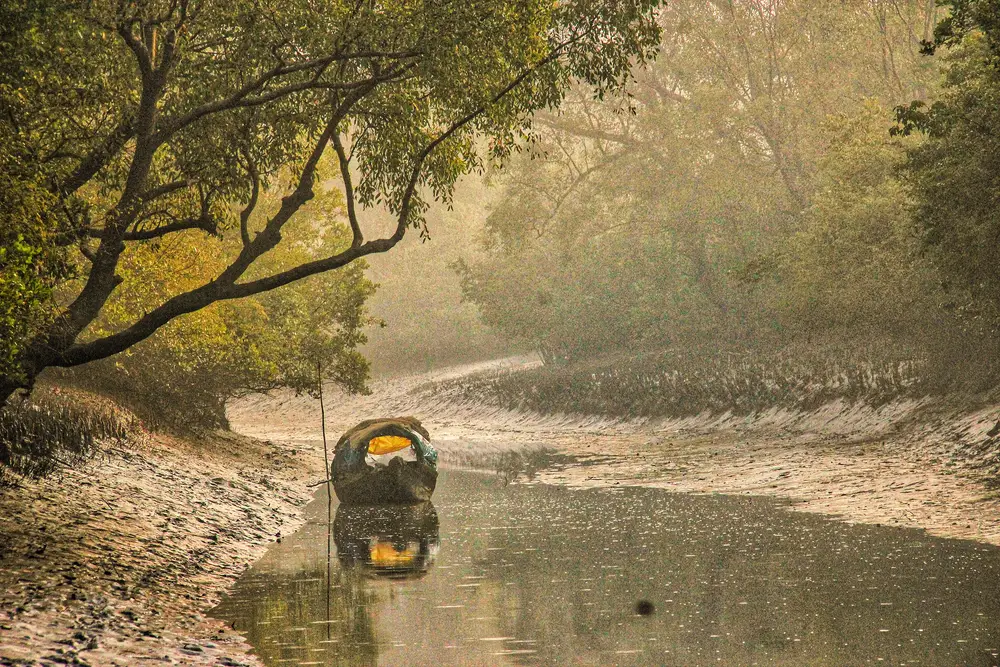
8. Tongass National Forest
At nearly 17 million acres in southeastern Alaska, Tongass is the largest national forest in the United States.
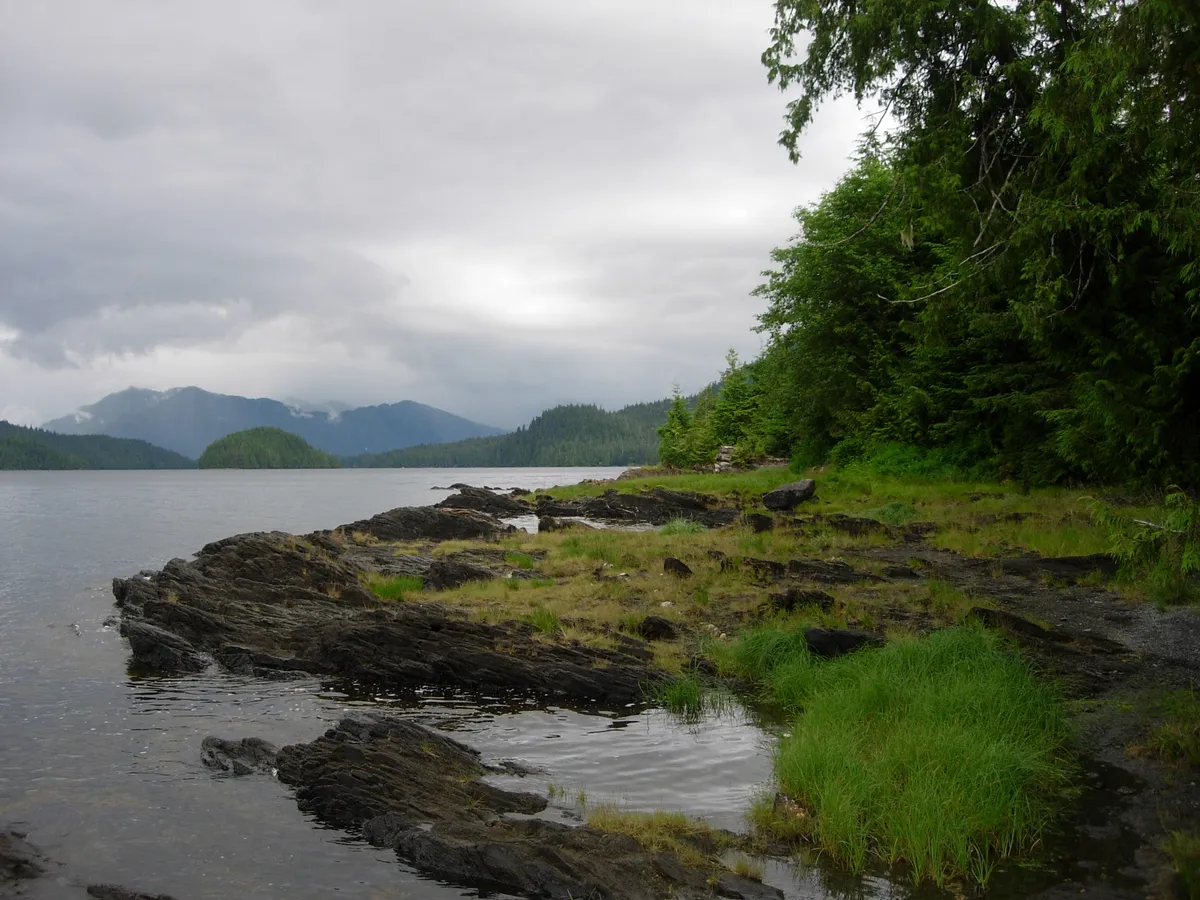
9. Valdivian Temperate Rainforest
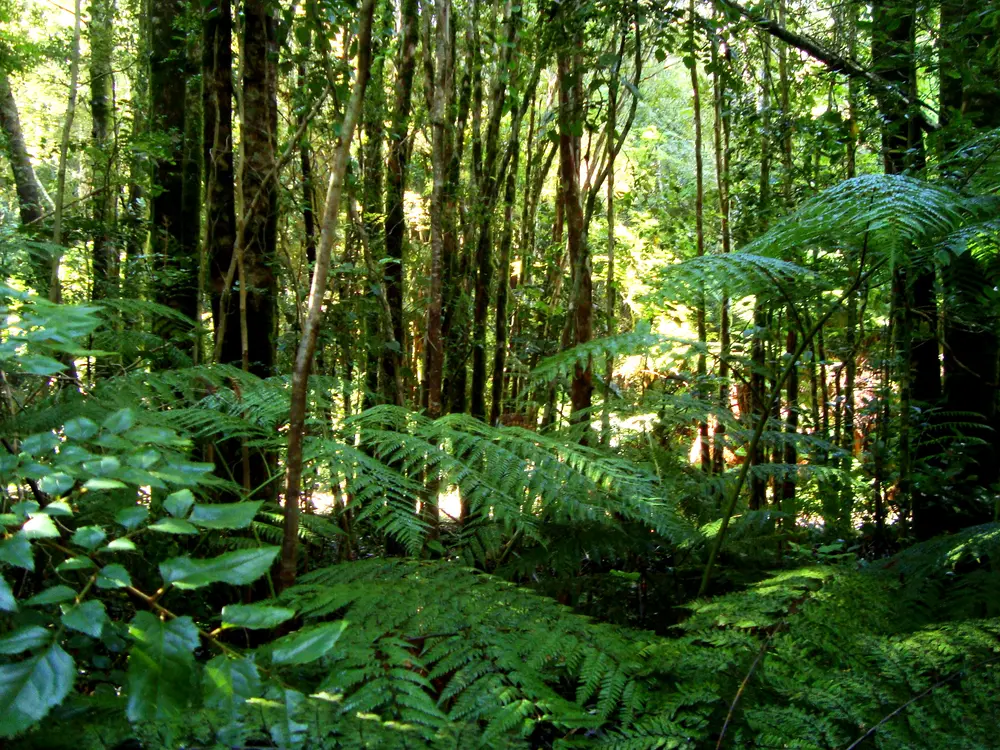
Hugging Chile and Argentina’s Pacific coast, this misty temperate jungle features ancient alerce trees millennia old.
10. Daintree Rainforest
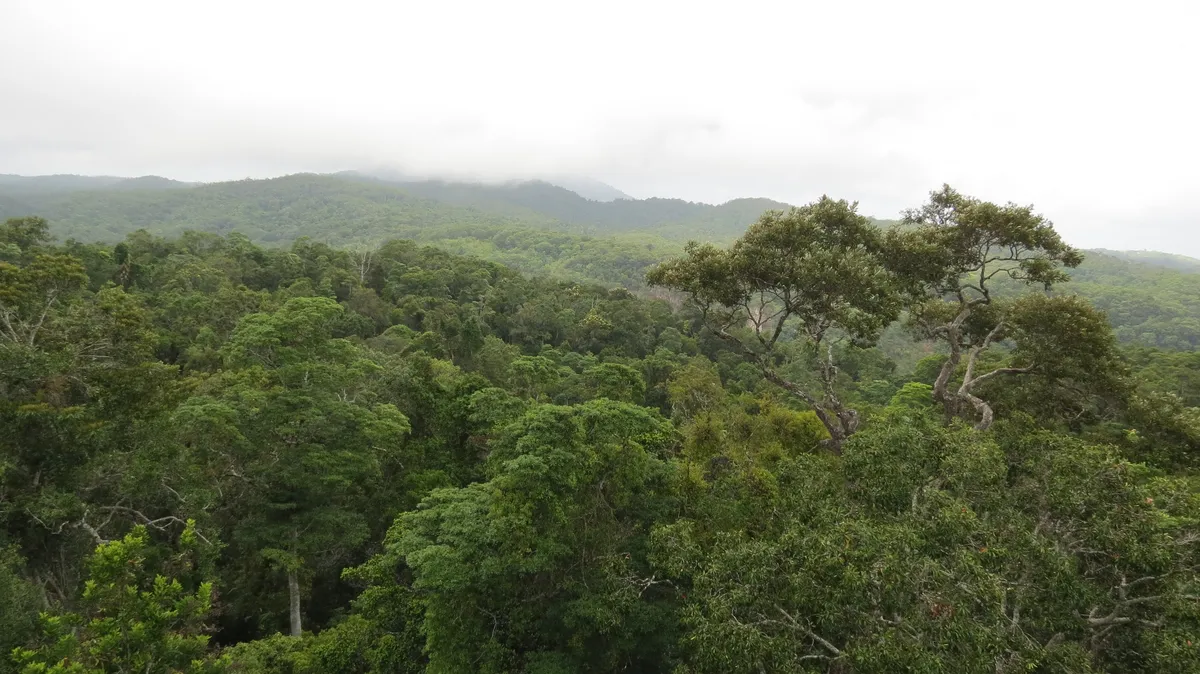
Located in Queensland, Australia, the Daintree is one of the oldest continuously surviving tropical rainforests on Earth.
11. Great Bear Rainforest
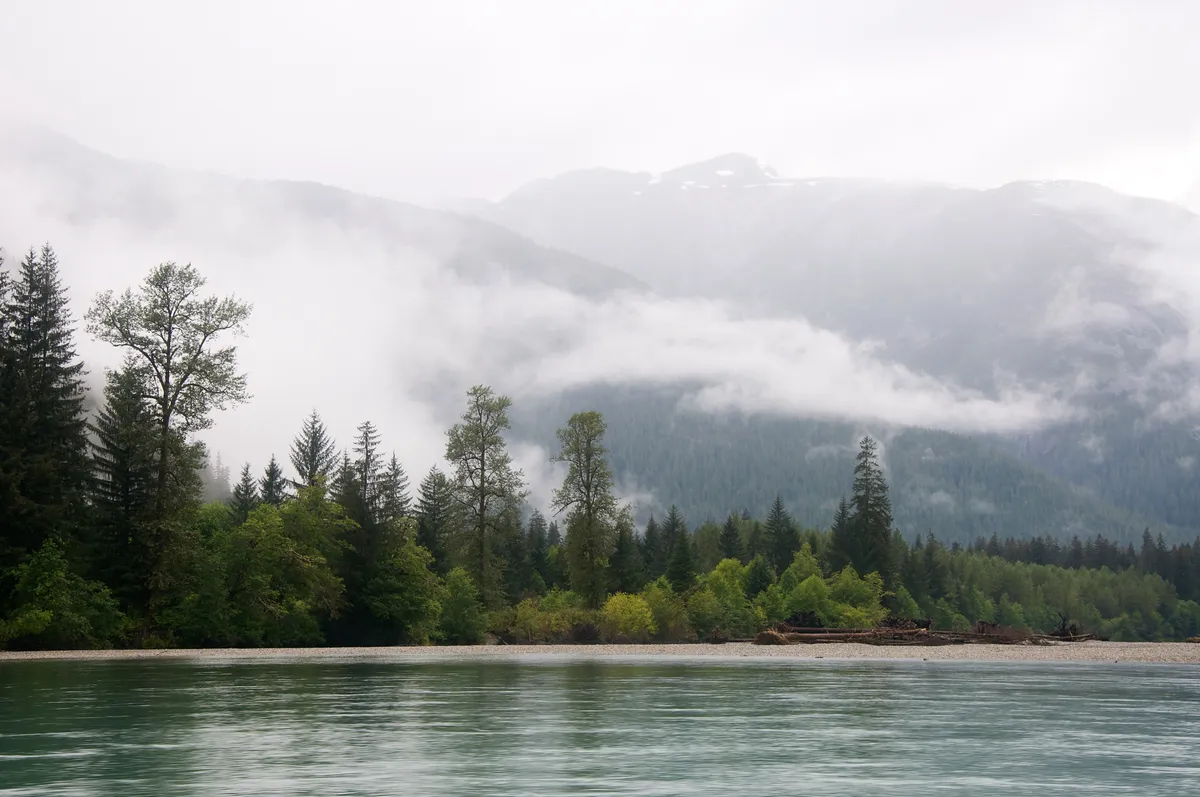
Spanning 6.4 million hectares along British Columbia’s coast, this temperate sanctuary shelters rare white Spirit Bears.
12. Kinabalu National Park
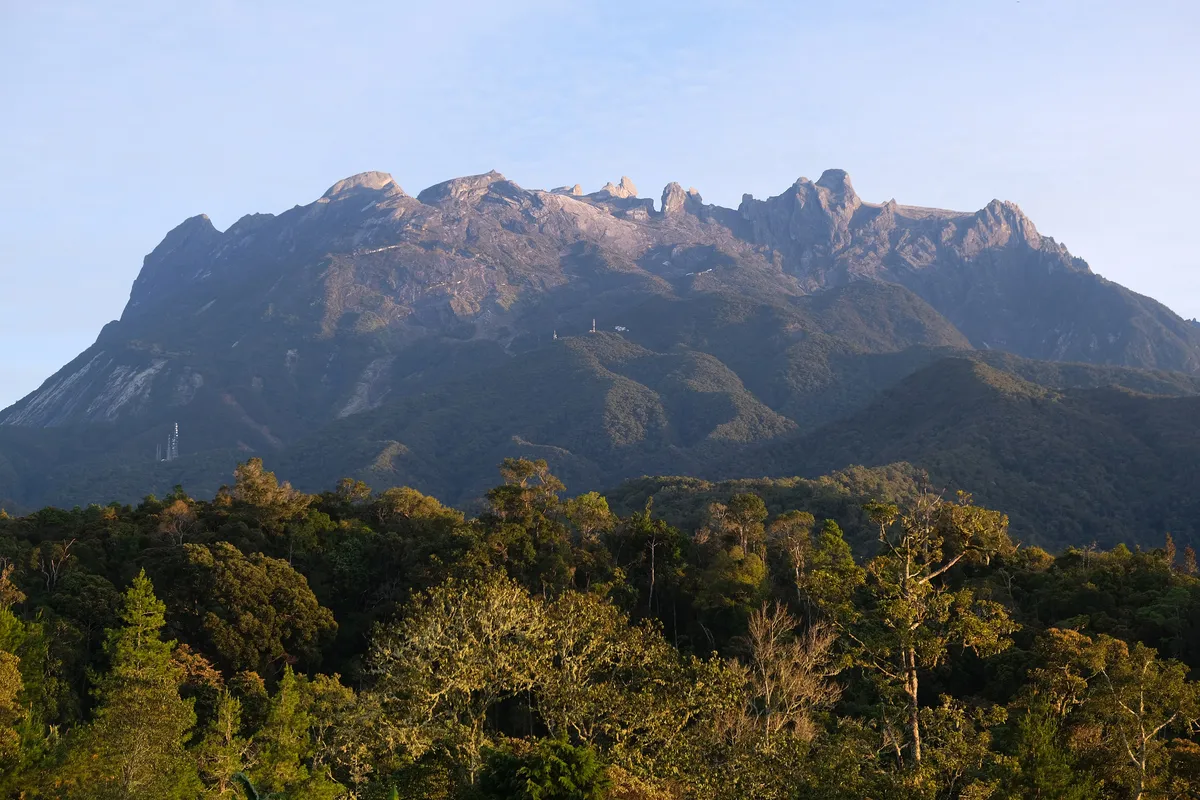
Rising around Borneo’s highest peak, Kinabalu’s montane forests boast thousands of orchid and pitcher-plant species.
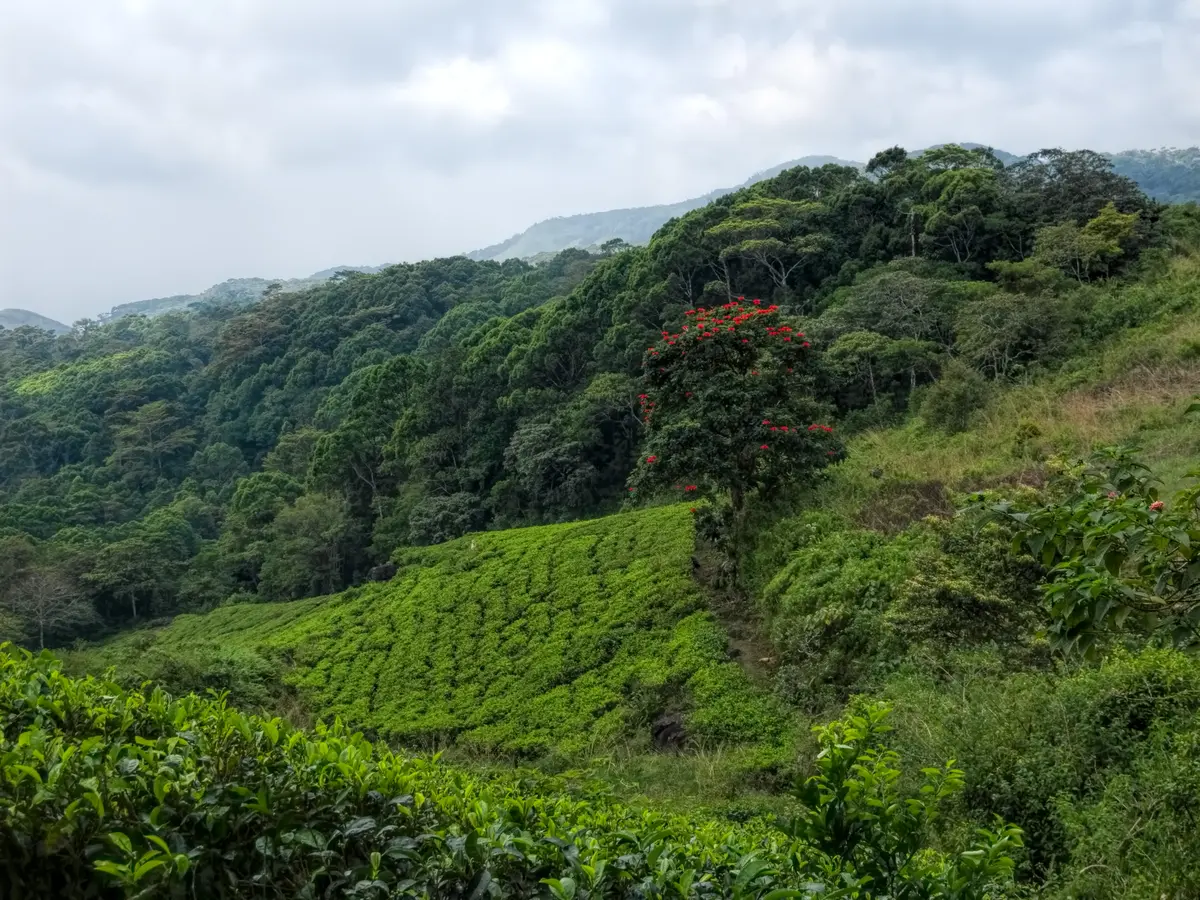
13. Sinharaja Forest Reserve
Sri Lanka’s last viable primary tropical rainforest holds a remarkably high concentration of endemic birds and trees.
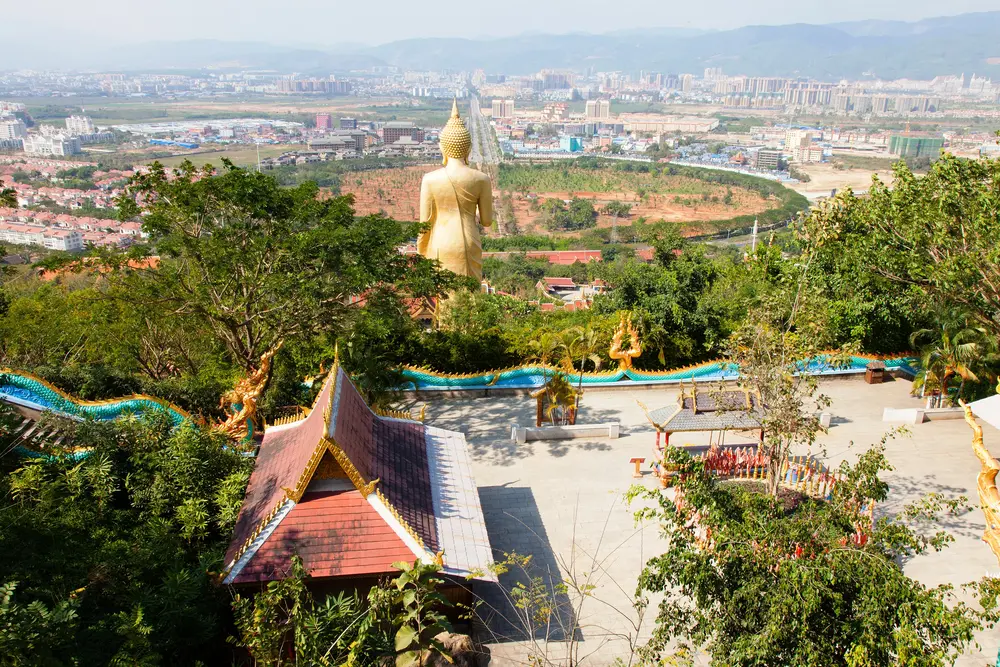
14. Rainforest of Xishuangbanna
Tucked in southern Yunnan, China, this tropical reserve shelters wild Asian elephants and towering dipterocarp trees.
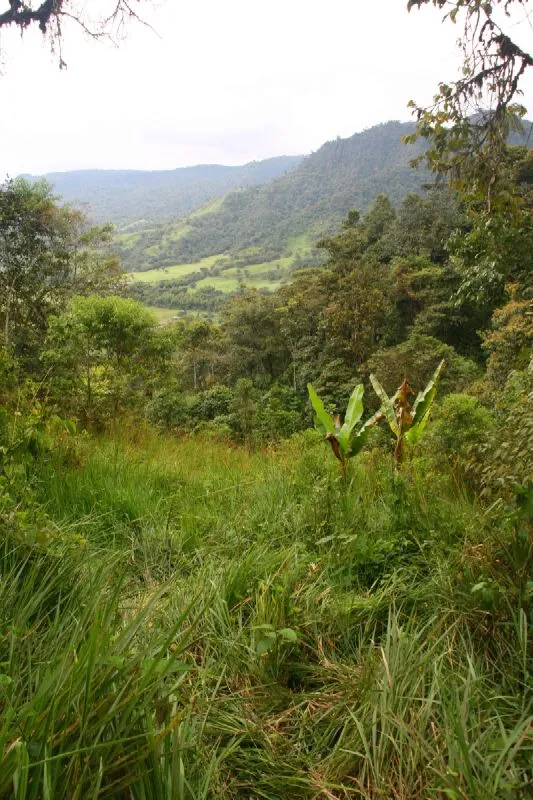
15. Mindo-Nambillo Cloud Forest
Perched on Ecuador’s Andean slopes, Mindo’s mist-draped cloud forest teems with hummingbirds, orchids, and toucans.
Conclusion
Protecting these vast boreal, temperate, and tropical forests remains essential for biodiversity and climate stability. Learn more in explore the mysteries of the Amazon rainforest.