Some of the loveliest flowers in cottage gardens and wild meadows hide potent chemical defenses—heart-stopping glycosides, toxic alkaloids, and sap strong enough to ward off hungry grazers.
We expanded an original list of ten deadly beauties with five more famously toxic ornamentals, ranking all 15 from #1 (most famous) down to #15. Compare them with our strange-looking flowers and worst-smelling flowers in the world.
How These 15 Entries Are Ranked
This list is ordered from #1 (most popular and widely recognized) down to #15, combining global recognition, cultural impact, and standout traits.
| Rank | Name |
|---|---|
| 1 | Oleander |
| 2 | Foxglove (Digitalis) |
| 3 | Lily of the Valley |
| 4 | Hydrangea |
| 5 | Daffodils |
| 6 | Wisteria |
| 7 | Deadly Nightshade (Belladonna) |
| 8 | Angel’s Trumpet (Brugmansia) |
| 9 | Bleeding Heart (Lamprocapnos) |
| 10 | Aconitum (Monkshood) |
| 11 | Autumn Crocus |
| 12 | Delphinium (Larkspur) |
| 13 | Glory Lily (Gloriosa superba) |
| 14 | Mountain Laurel |
| 15 | Water Hemlock |
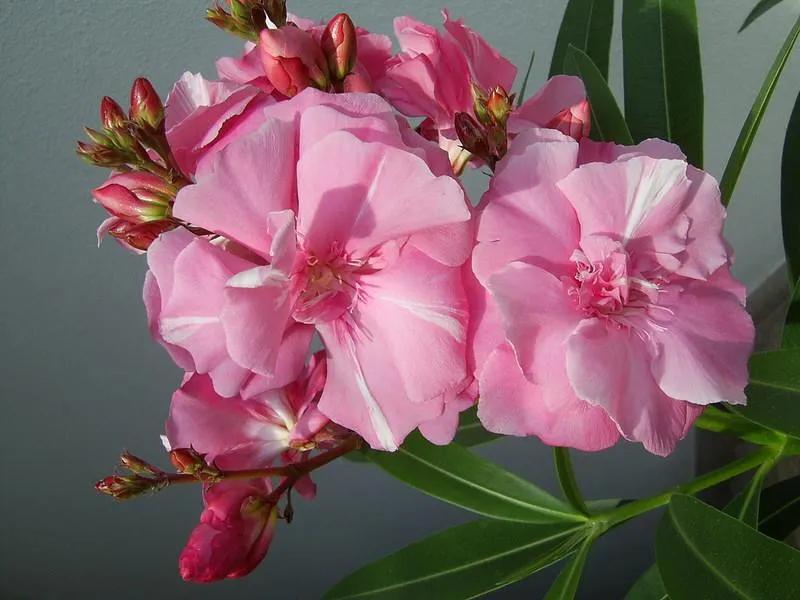
1. Oleander
Lush evergreen shrubs bursting with pink and white blooms whose leaves and sap carry potent cardiac toxins.
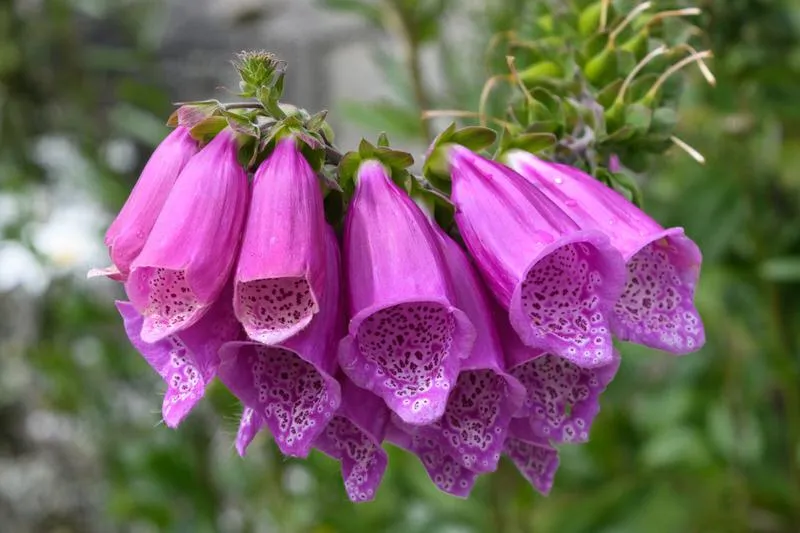
2. Foxglove (Digitalis)
Towering spikes of speckled purple bells containing digitalis compounds that affect heart rhythm.
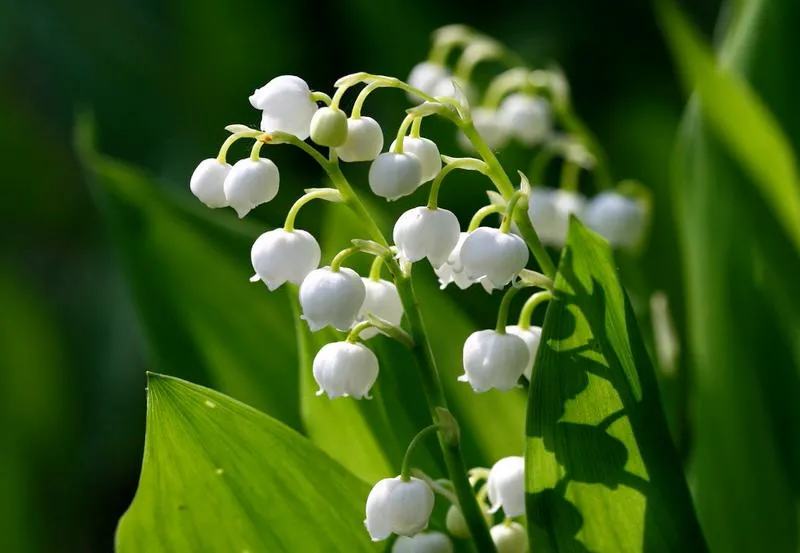
3. Lily of the Valley
Sweetly scented snow-white wedding bells packing dozens of toxic cardiac glycosides.
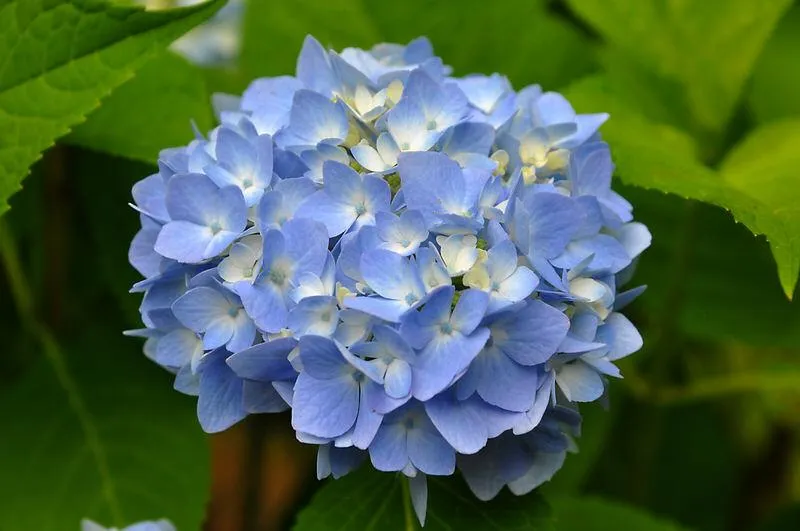
4. Hydrangea
Voluminous blue and pink mophead blooms whose leaves and buds contain cyanogenic compounds.
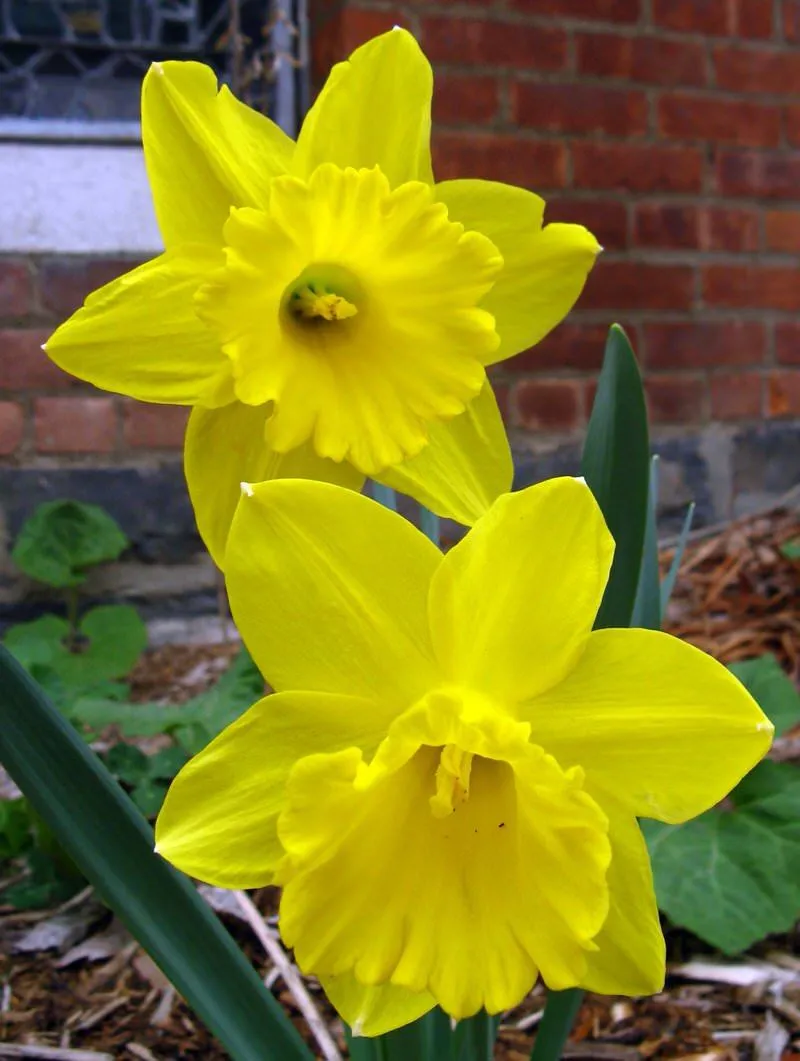
5. Daffodils
Cheerful spring trumpets whose bulbs harbor lycorine crystals toxic if mistaken for onions.
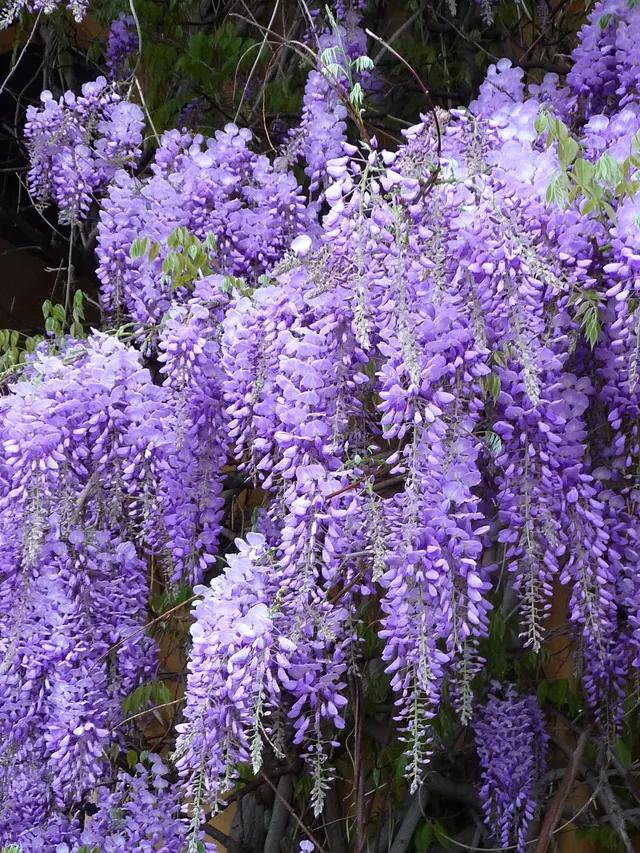
6. Wisteria
Cascading violet flower curtains whose seeds and pods are poisonous to humans and pets.
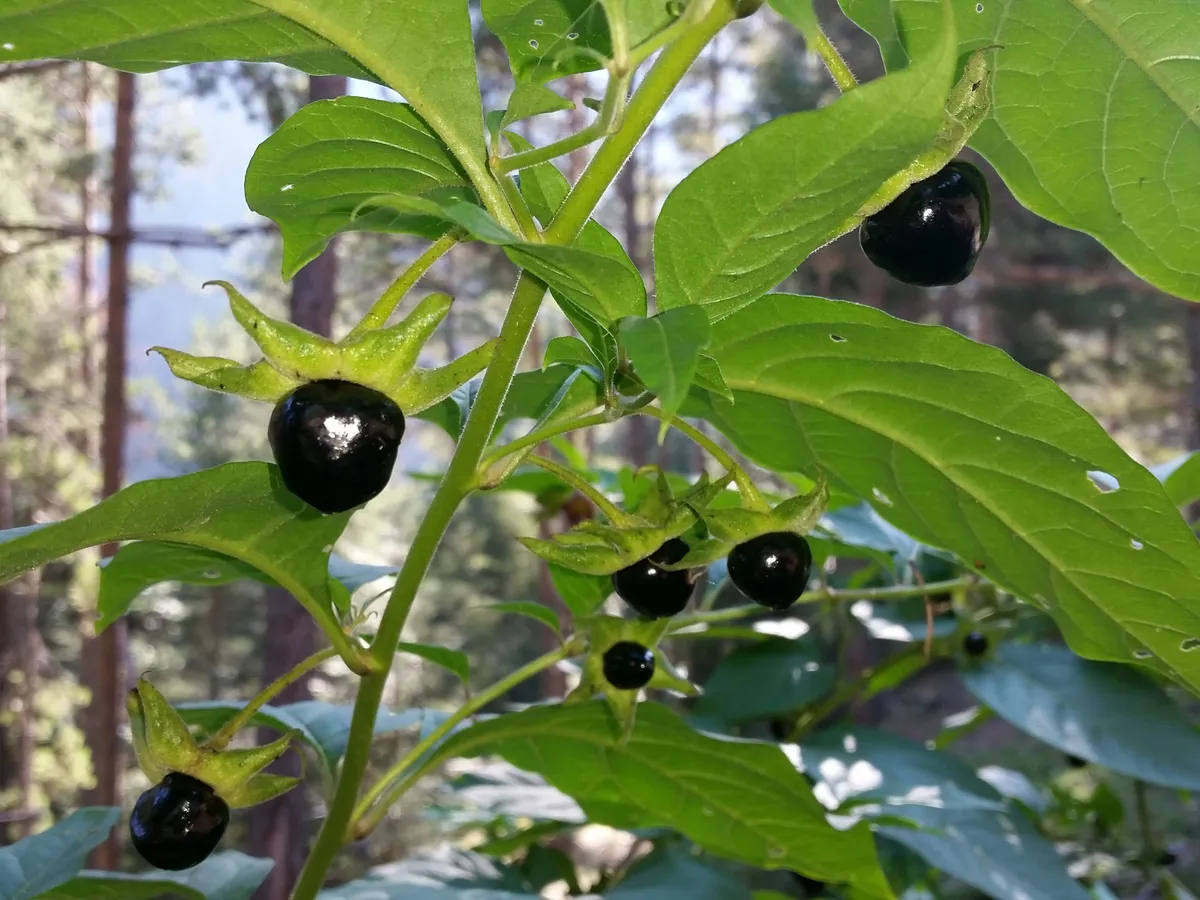
7. Deadly Nightshade (Belladonna)
Dusky purple bells and glossy black berries loaded with potent tropane alkaloids.
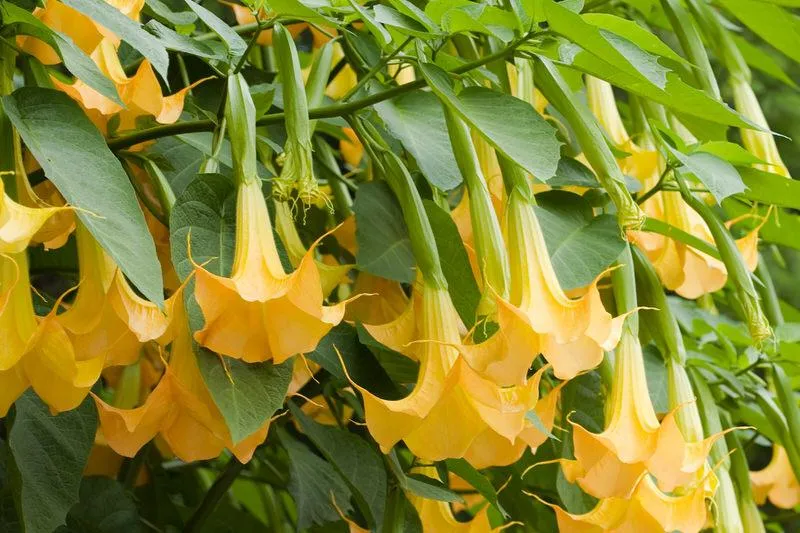
8. Angel’s Trumpet (Brugmansia)
Pendulous, fragrant tropical trumpets rich in dangerous scopolamine and atropine.
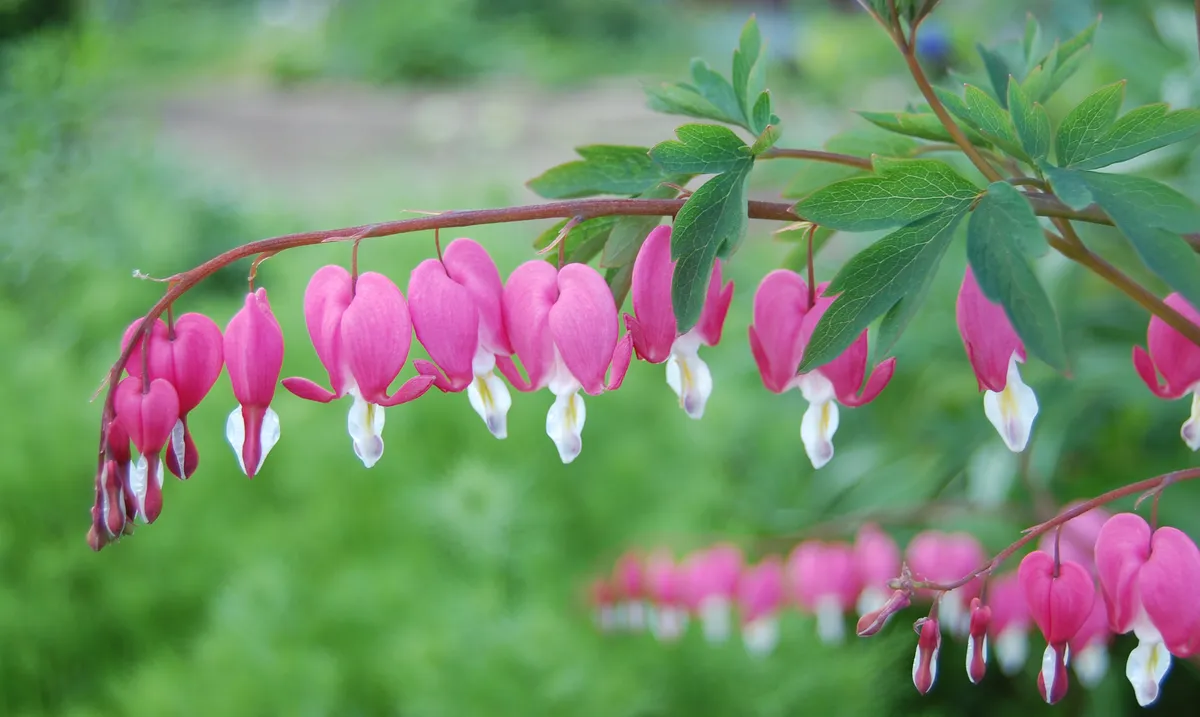
9. Bleeding Heart (Lamprocapnos)
Arching rows of pink heart-shaped blooms containing irritating isoquinoline alkaloids.
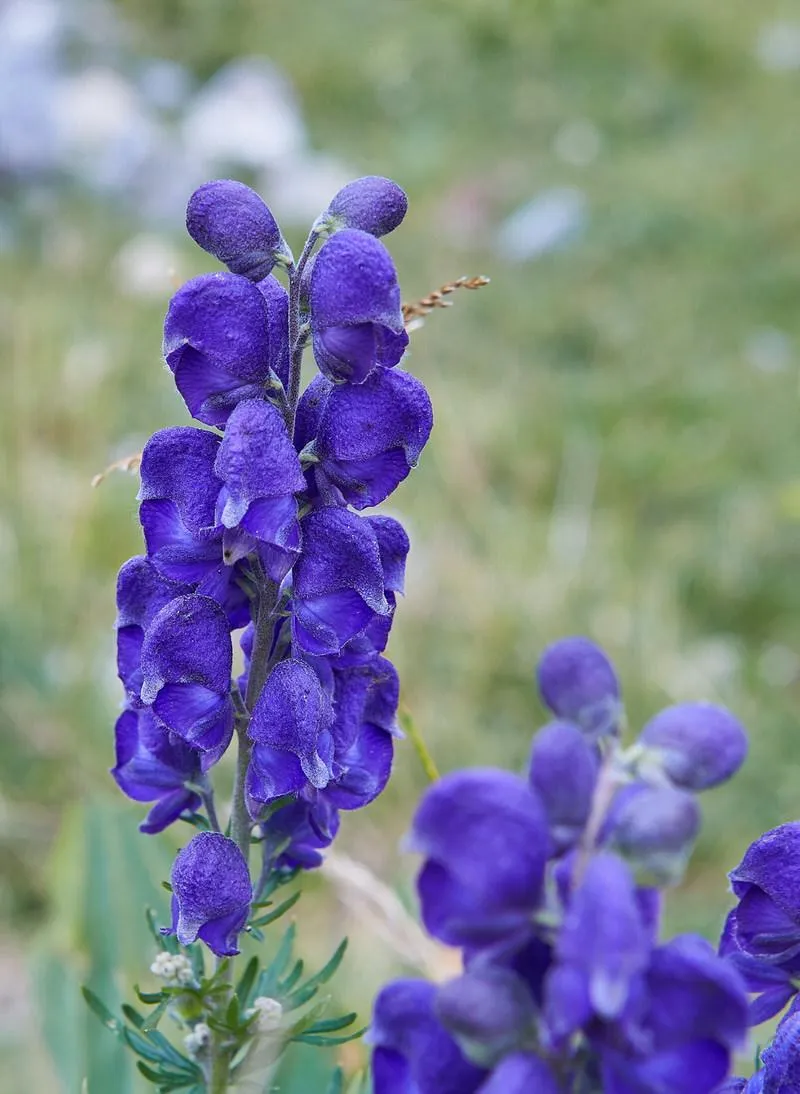
10. Aconitum (Monkshood)
Deep indigo hooded spires housing fast-acting aconitine neurotoxins.
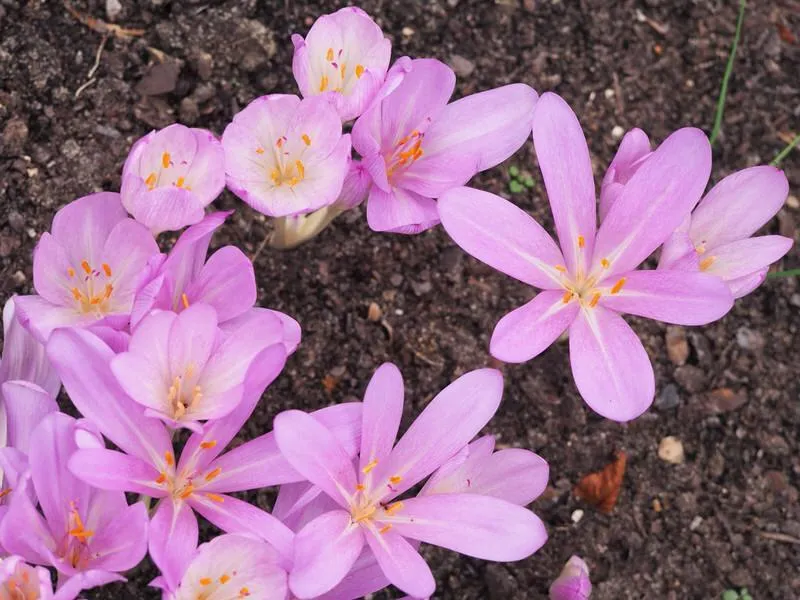
11. Autumn Crocus
Lilac autumn goblets containing colchicine, often confused with wild garlic.
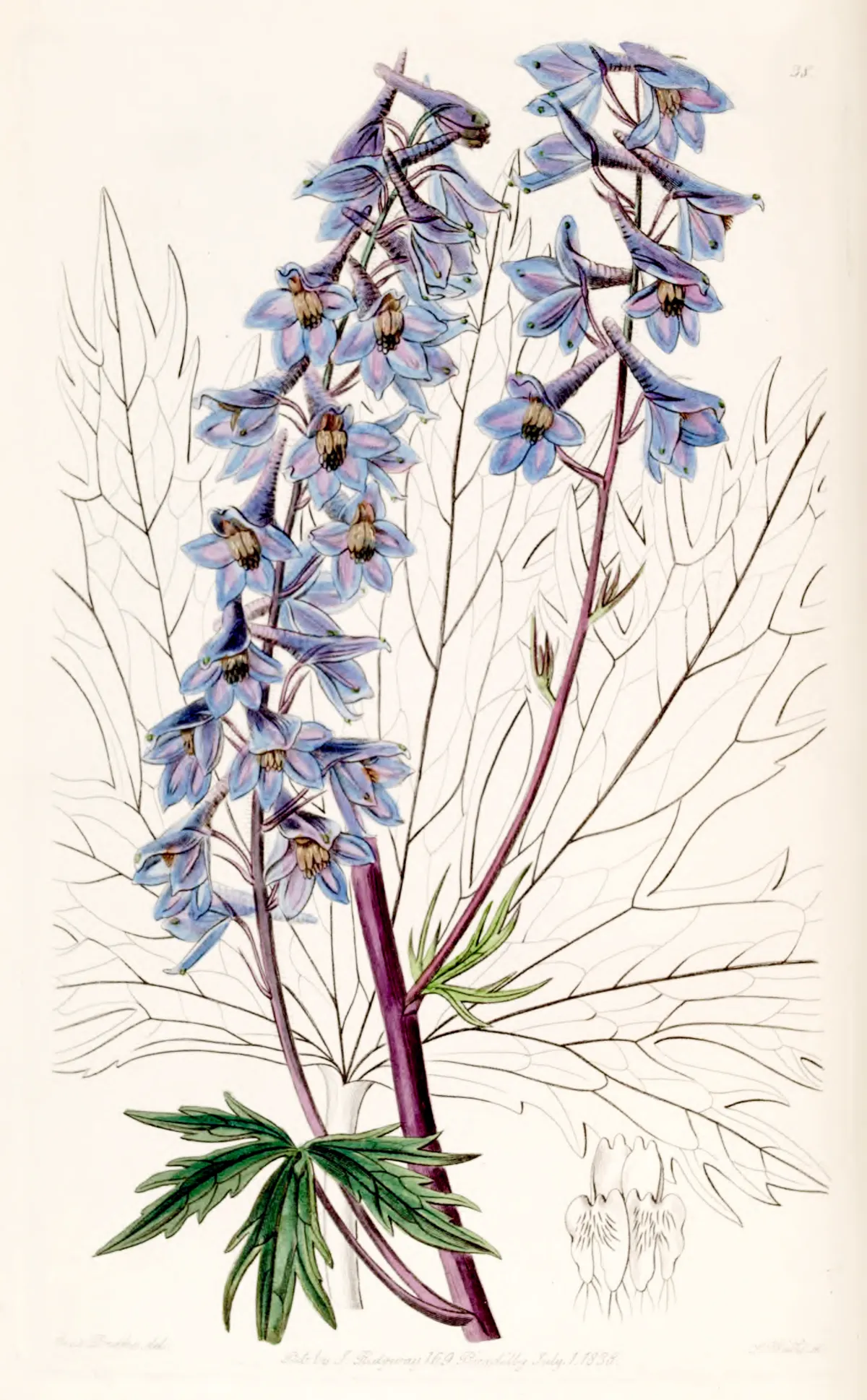
12. Delphinium (Larkspur)
Dramatic cobalt-blue summer spires toxic to grazing livestock and humans.
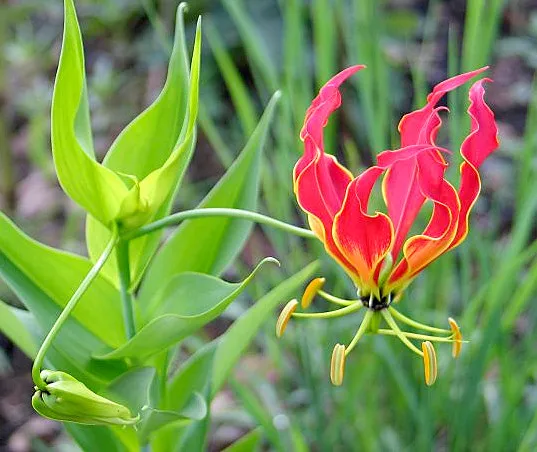
13. Glory Lily (Gloriosa superba)
Flame-tipped climbing petals whose tubers carry high concentrations of colchicine.
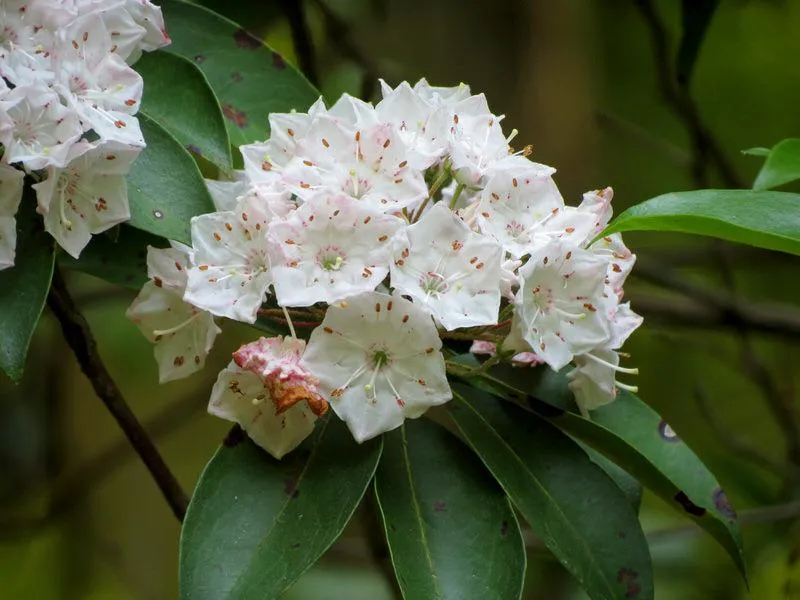
14. Mountain Laurel
Geometric pink-and-white cups containing grayanotoxins in leaves and nectar.
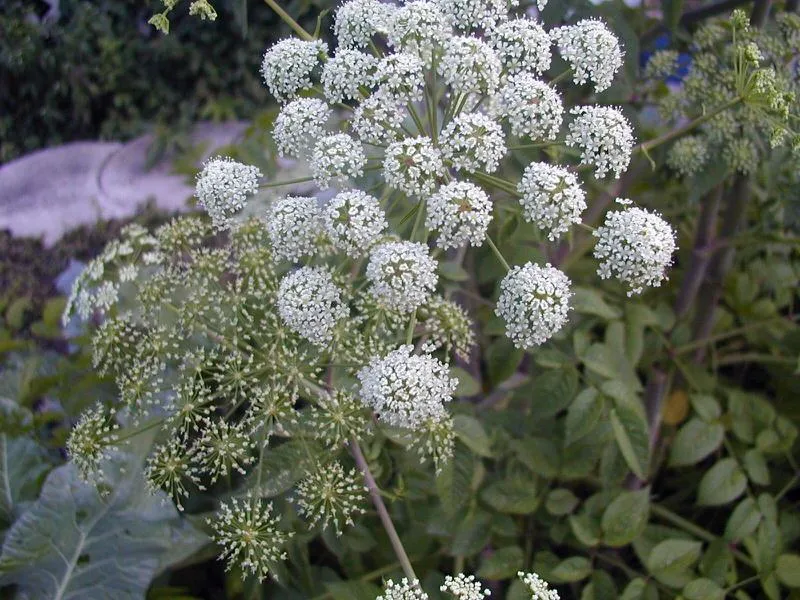
15. Water Hemlock
Lacy white wetland umbels hiding cicutoxin—among North America’s deadliest wild plants.
Conclusion
Admire these botanical beauties in gardens and wild landscapes—just wear gloves when pruning and keep pets and children safely away.