From 17th-century colonial stone arches to soaring 20th-century suspension spans, America’s most historic and beautiful bridges double as living works of architecture. Exploring these landmarks is a highlight for travelers visiting the most famous US travel destinations, as every bridge on this list remains open and in active use today.
We expanded an original selection of ten classic spans with eight additional icons across the country, then ranked all 18 from highest to lowest based on overall popularity, visitor traffic, and cultural recognition.
How These 18 Historic Bridges Are Ranked
Rather than ordering solely by construction date, this countdown places the most globally recognized bridges at #1 and moves down to lesser-known historic gems at #18. All 18 spans are celebrated for their architectural craft, scenic setting, and enduring role in American travel.
| Rank | Bridge | State | Opened | Crosses |
|---|---|---|---|---|
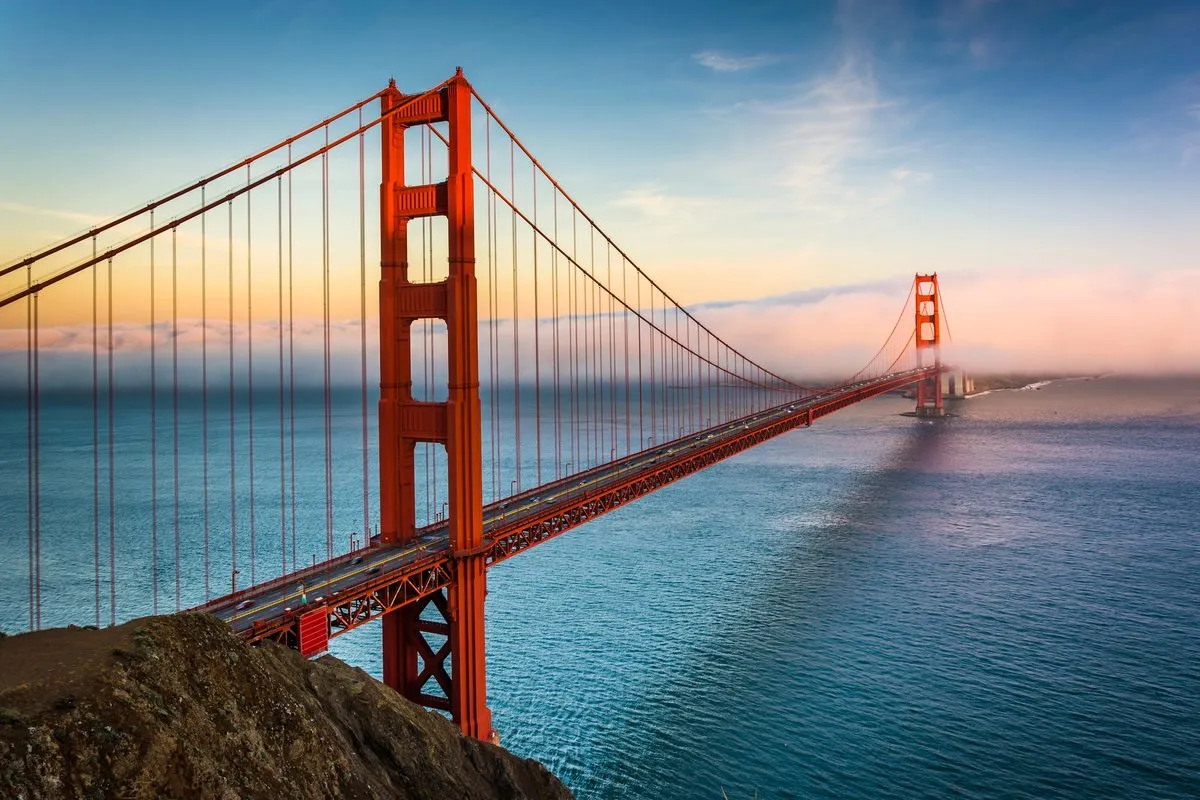
| 1 | Golden Gate Bridge, California | California | 1937 | Golden Gate Strait |
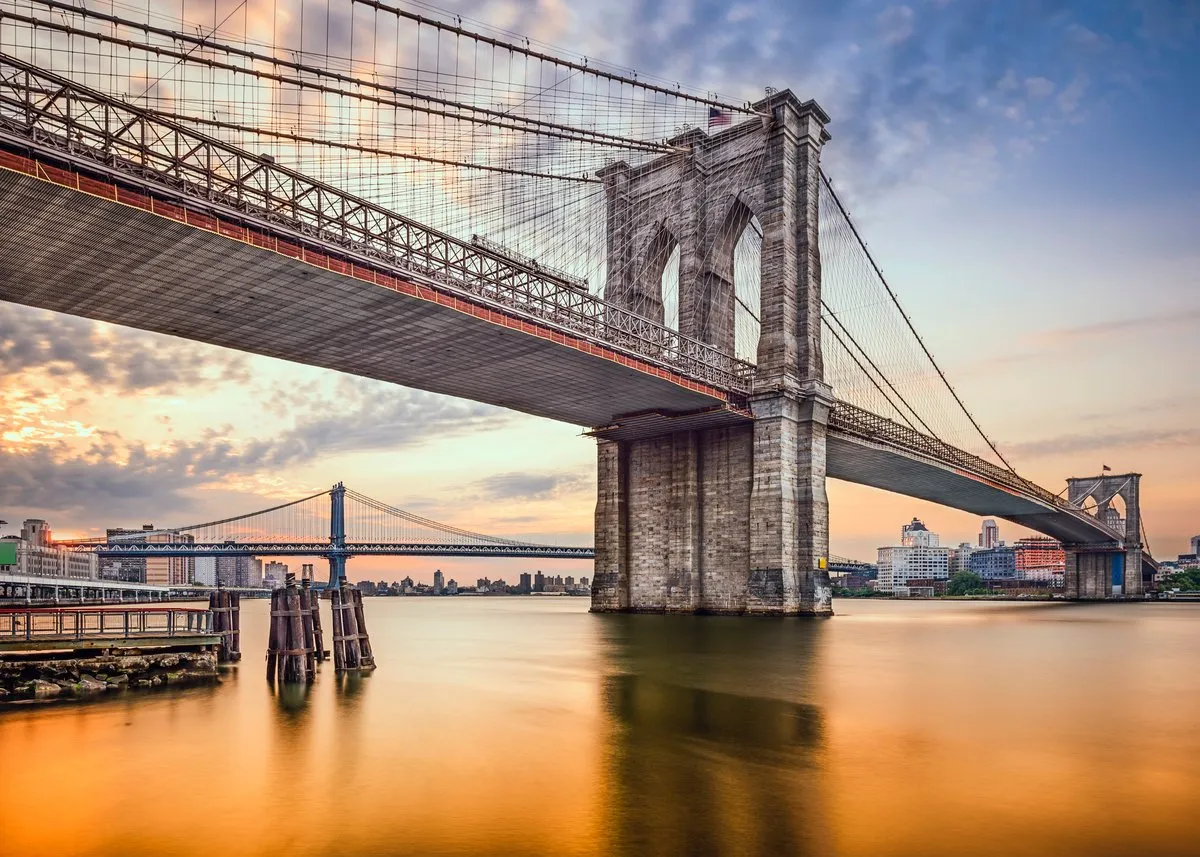
| 2 | Brooklyn Bridge, New York | New York | 1883 | East River |
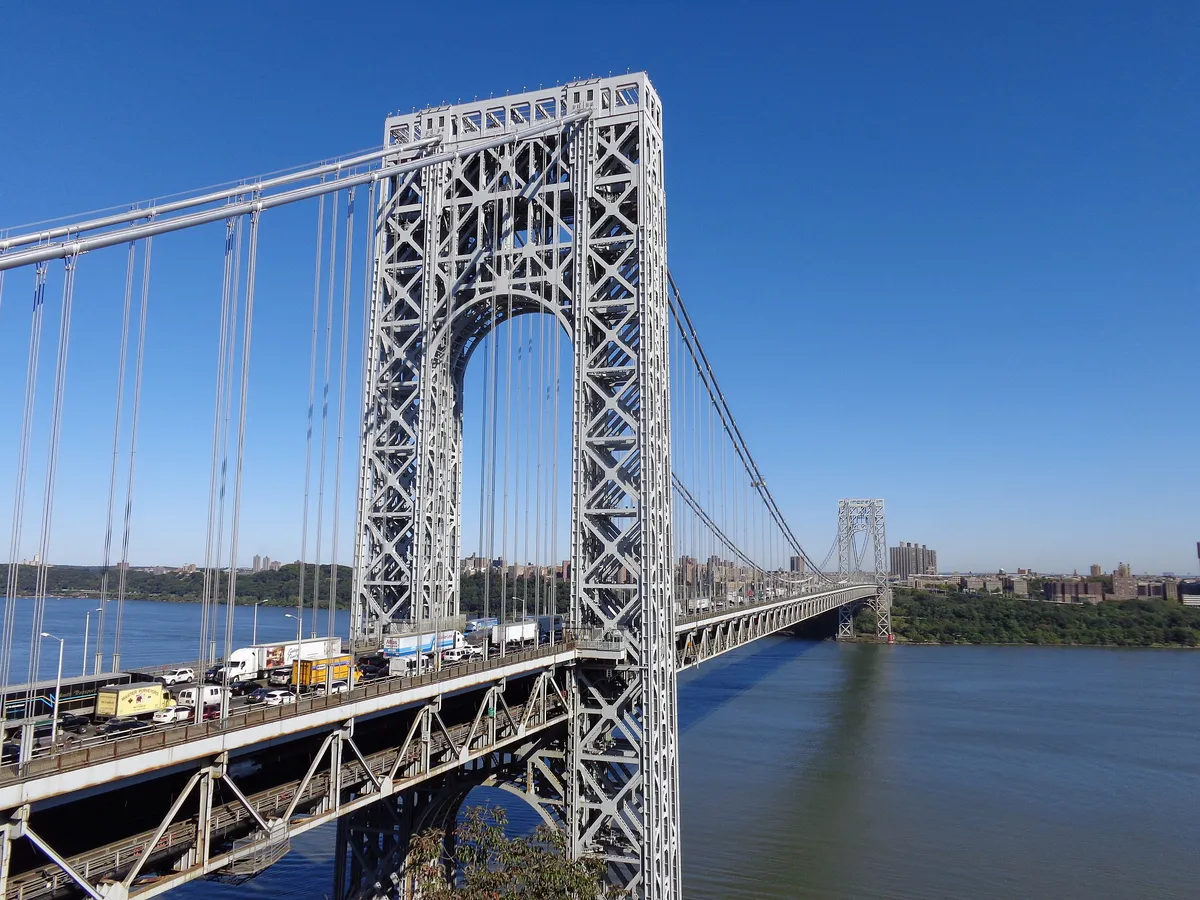
| 3 | George Washington Bridge, New York and New Jersey | New York–New Jersey | 1931 | Hudson River |
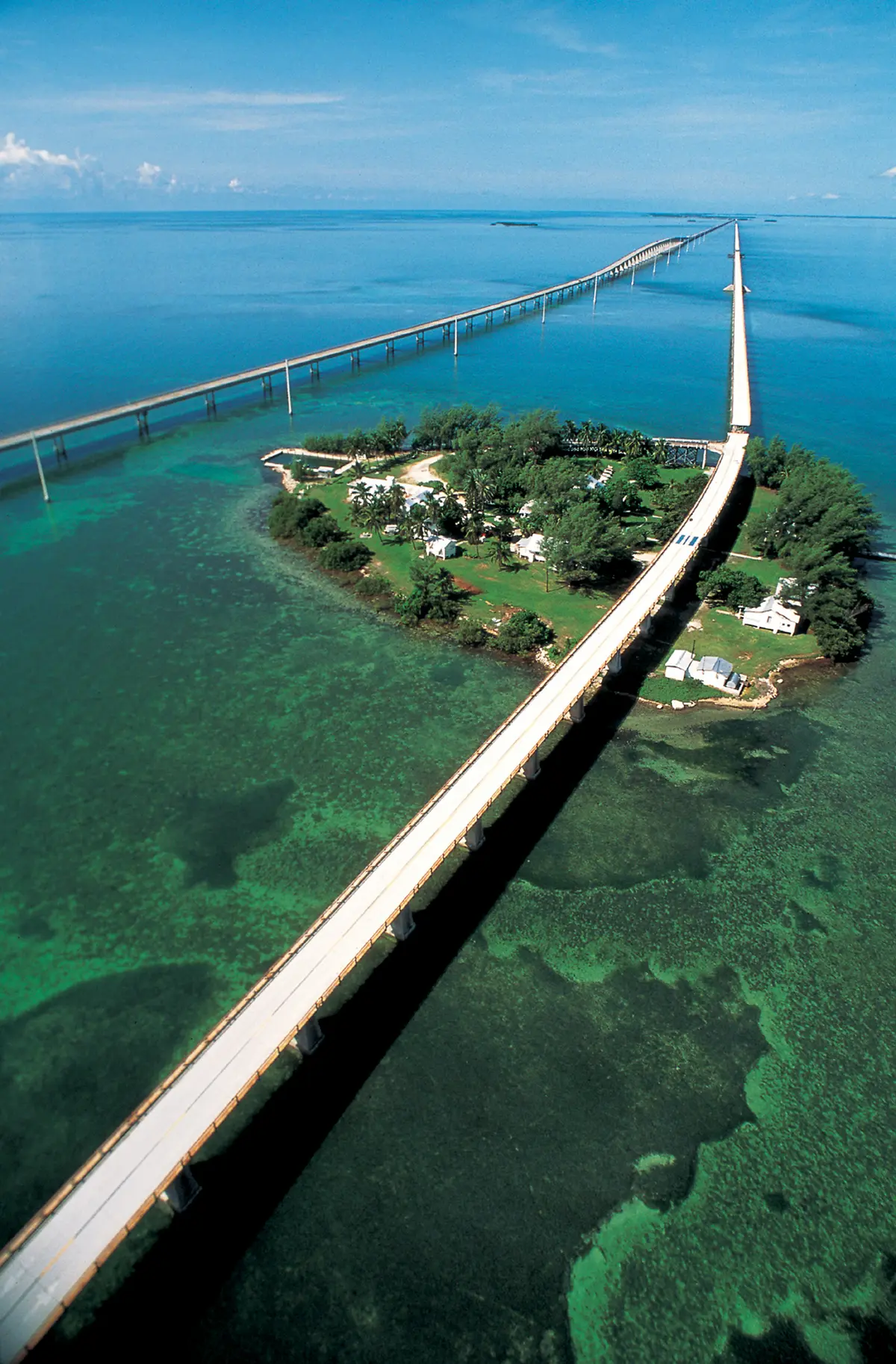
| 4 | Seven Mile Bridge, Florida | Florida | 1912 / 1982 | Moser Channel |
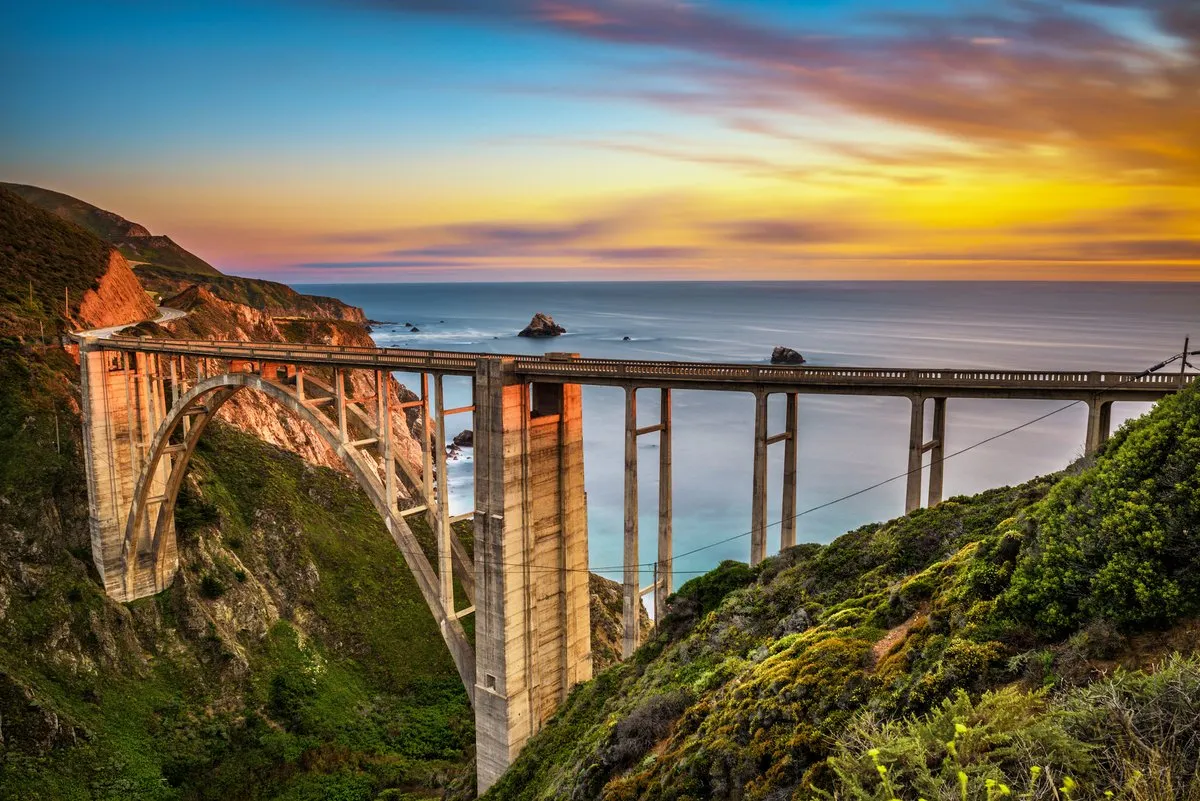
| 5 | Bixby Creek Bridge, California | California | 1932 | Bixby Creek |
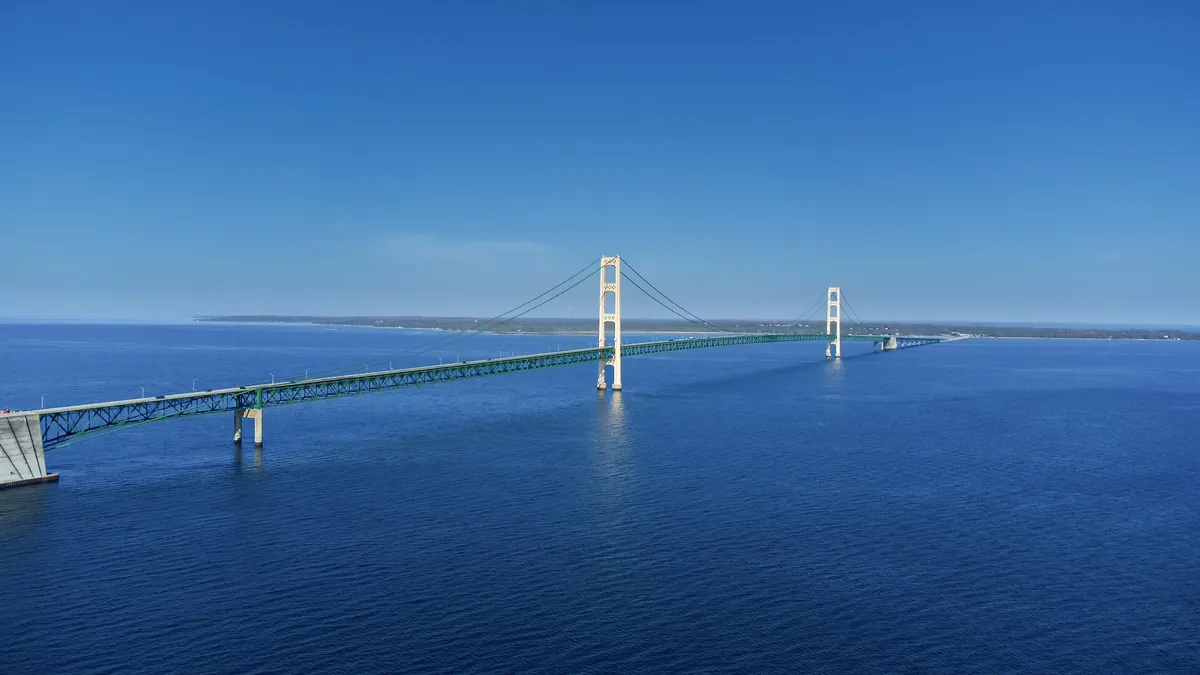
| 6 | Mackinac Bridge, Michigan | Michigan | 1957 | Straits of Mackinac |
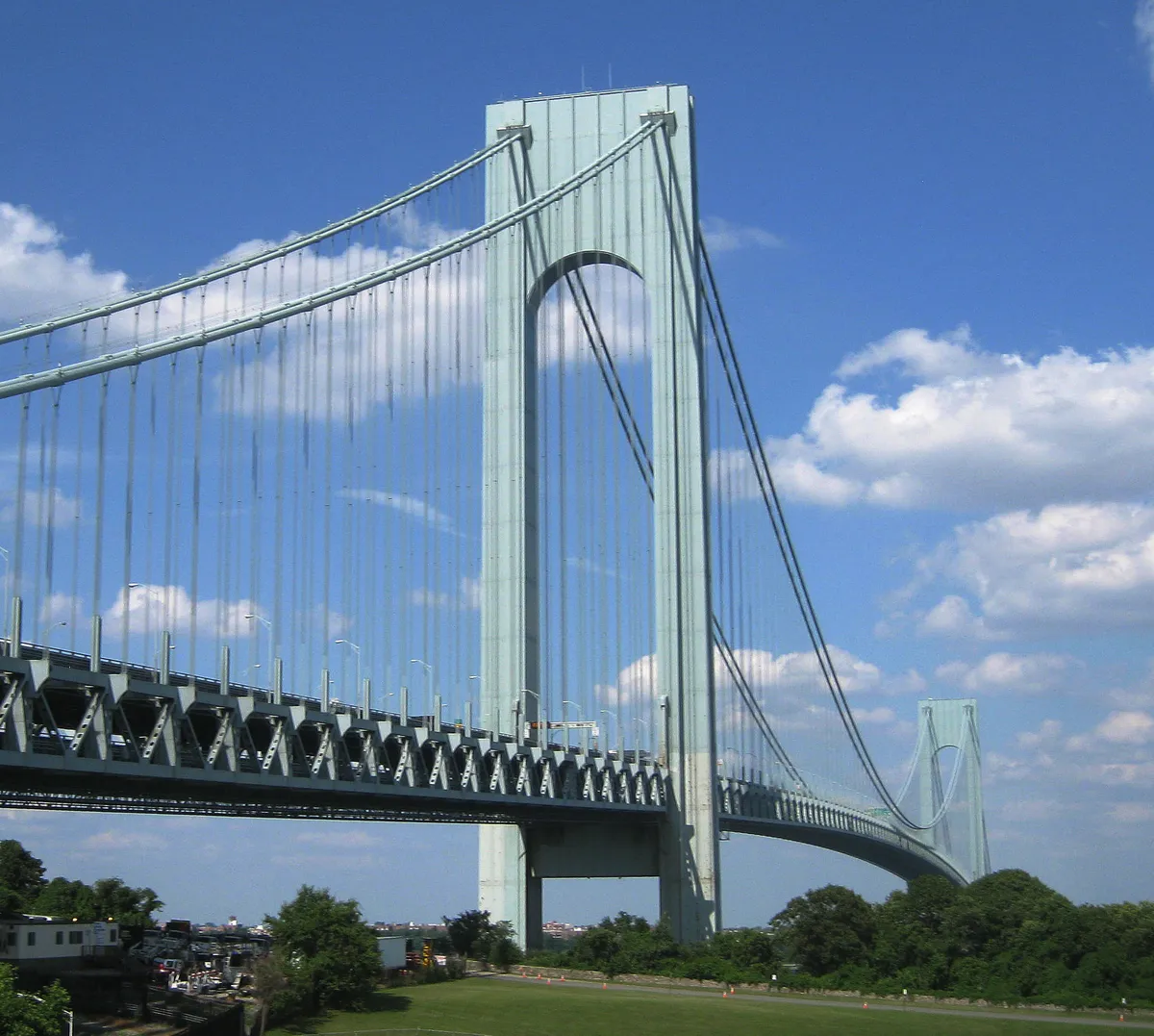
| 7 | Verrazzano-Narrows Bridge, New York | New York | 1964 | The Narrows |
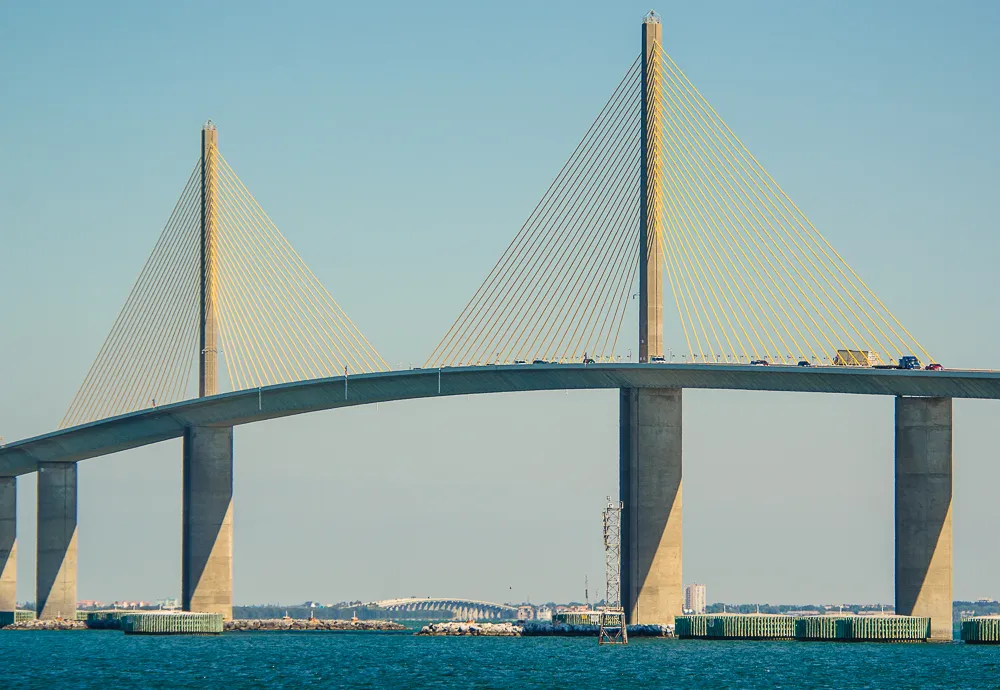
| 8 | Sunshine Skyway Bridge, Florida | Florida | 1987 | Tampa Bay |
| 9 | Bow Bridge, New York | New York | 1862 | The Lake, Central Park |
| 10 | Royal Gorge Bridge, Colorado | Colorado | 1929 | Arkansas River |
| 11 | Deception Pass Bridge, Washington | Washington | 1935 | Deception Pass |
| 12 | Walkway Over the Hudson (Poughkeepsie Bridge), New York | New York | 1889 | Hudson River |
| 13 | Eads Bridge, Missouri and Illinois | Missouri–Illinois | 1874 | Mississippi River |
| 14 | Colorado Street Bridge, California | California | 1913 | Arroyo Seco |
| 15 | Cornish–Windsor Covered Bridge, New Hampshire and Vermont | New Hampshire–Vermont | 1866 | Connecticut River |
| 16 | Frankford Avenue Bridge, Pennsylvania | Pennsylvania | 1697 | Pennypack Creek |
| 17 | Thomas Viaduct, Maryland | Maryland | 1835 | Patapsco River |
| 18 | Starrucca Viaduct, Pennsylvania | Pennsylvania | 1848 | Starrucca Creek |
1. Golden Gate Bridge, California
Few structures anywhere on Earth are as instantly recognizable as the Golden Gate Bridge. Finished in 1937, this Art Deco suspension span stretches 4,200 feet (1,280 m) between two 746-foot (227 m) towers painted in signature International Orange.
Pedestrians first walked across on May 27, 1937, and vehicle traffic followed the next day. Carrying roughly 34 million crossings a year, it remains the most photographed bridge in the United States and a defining symbol of San Francisco.
2. Brooklyn Bridge, New York
Completed in 1883 after 14 years of construction, the Brooklyn Bridge was the longest suspension bridge in the world at the time, with a 1,595.5-foot (486.3 m) main span. John A. Roebling’s design paired limestone-and-granite neo-Gothic towers with a dense web of steel-wire cables.
Today, more than 100,000 vehicles and nearly 29,000 pedestrians cross the East River span each day. Walking its elevated wooden promenade at sunrise offers one of the finest unobstructed views of Lower Manhattan.
3. George Washington Bridge, New York and New Jersey
Opened in 1931, the George Washington Bridge links Upper Manhattan to Fort Lee, New Jersey, across the Hudson River. Its 604-foot (184 m) exposed steel-truss towers were originally meant to be clad in stone, yet the bare steel lattice became an icon of modern engineering.
As the busiest motor vehicle bridge in the world, it carries two levels of traffic and serves as a vital gateway into New York City. Pedestrians and cyclists also enjoy sweeping river and skyline views from its walkways.
4. Seven Mile Bridge, Florida
Connecting the middle and lower Florida Keys, the Seven Mile Bridge delivers one of the most surreal drives in North America. Originally built in 1912 for Henry Flagler’s Overseas Railroad and replaced by a parallel highway span in 1982, it stretches nearly seven miles over open turquoise water.
Alongside the modern concrete box-girder roadway sits the historic Old Seven Mile Bridge, now a beloved pedestrian and cycling pier. Featured in countless films and road-trip guides, it ranks among America’s most celebrated coastal crossings.
5. Bixby Creek Bridge, California
Built in 1932 along California’s rugged Highway 1, Bixby Creek Bridge leaps across a steep coastal canyon in Big Sur. Its graceful open-spandrel concrete arch spans 330 feet (101 m) and rises 260 feet (79 m) above the canyon floor.
Engineers constructed a series of concrete arches along Monterey County during the 1920s and 1930s, and Bixby was the grandest of them all. Travelers exploring the Pacific Coast often pair this stop with nearby natural landmarks and the oldest famous trees in the United States.
6. Mackinac Bridge, Michigan
Affectionately nicknamed “Big Mac,” the Mackinac Bridge has linked Michigan’s Upper and Lower Peninsulas since 1957. Stretching nearly five miles from shore to shore, it remains one of the longest suspension bridges in the world.
Every Labor Day, tens of thousands of walkers gather for the annual Mackinac Bridge Walk across the straits. Visitors heading north frequently combine the crossing with a trip through the scenic Great Lakes region.
7. Verrazzano-Narrows Bridge, New York
When the Verrazzano-Narrows Bridge opened in 1964, its 4,260-foot (1,298 m) main span surpassed the Golden Gate as the world’s longest suspension bridge. Linking Brooklyn and Staten Island, its 693-foot towers mark the maritime entrance to New York Harbor.
Even today, it holds the longest suspension span in the Americas. Millions of viewers around the globe recognize its sweeping silhouette as the starting line of the annual New York City Marathon.
8. Sunshine Skyway Bridge, Florida
Rising above Tampa Bay in bright golden-yellow cables, the Sunshine Skyway Bridge is one of the most visually striking cable-stayed bridges in the United States. Completed in 1987 to replace an earlier span, its twin concrete pylons resemble billowing sails over the water.
The bridge spans 4.1 miles across the bay and stands 193 feet above the shipping channel. Illuminated at night with colorful LED arrays, it has become a signature landmark of Florida’s Gulf Coast.
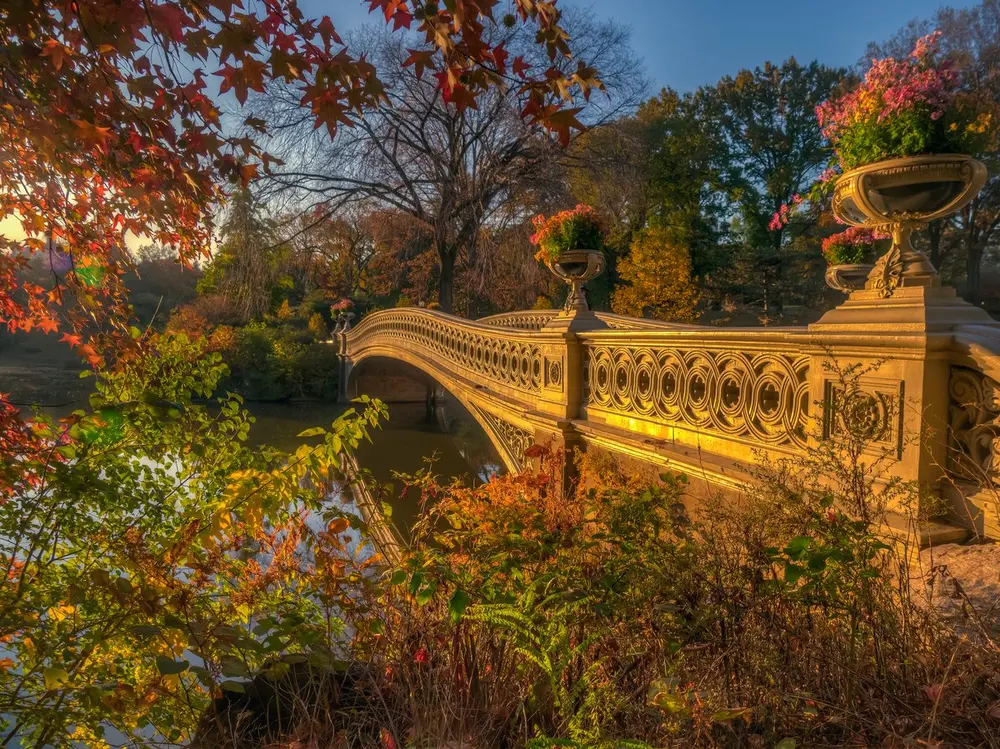
9. Bow Bridge, New York
Built between 1859 and 1862, Central Park’s Bow Bridge is a delicate cast-iron footbridge shaped like an archer’s bow. Spanning more than 60 feet (18 m) across The Lake, it connects Cherry Hill with the wooded trails of the Ramble.
Designed by Calvert Vaux, its low-slung arch, open ironwork, and ornamental urns make it one of the most photographed and romantic spots in New York City. Reflections of Manhattan’s towers shimmer beneath it in every season.
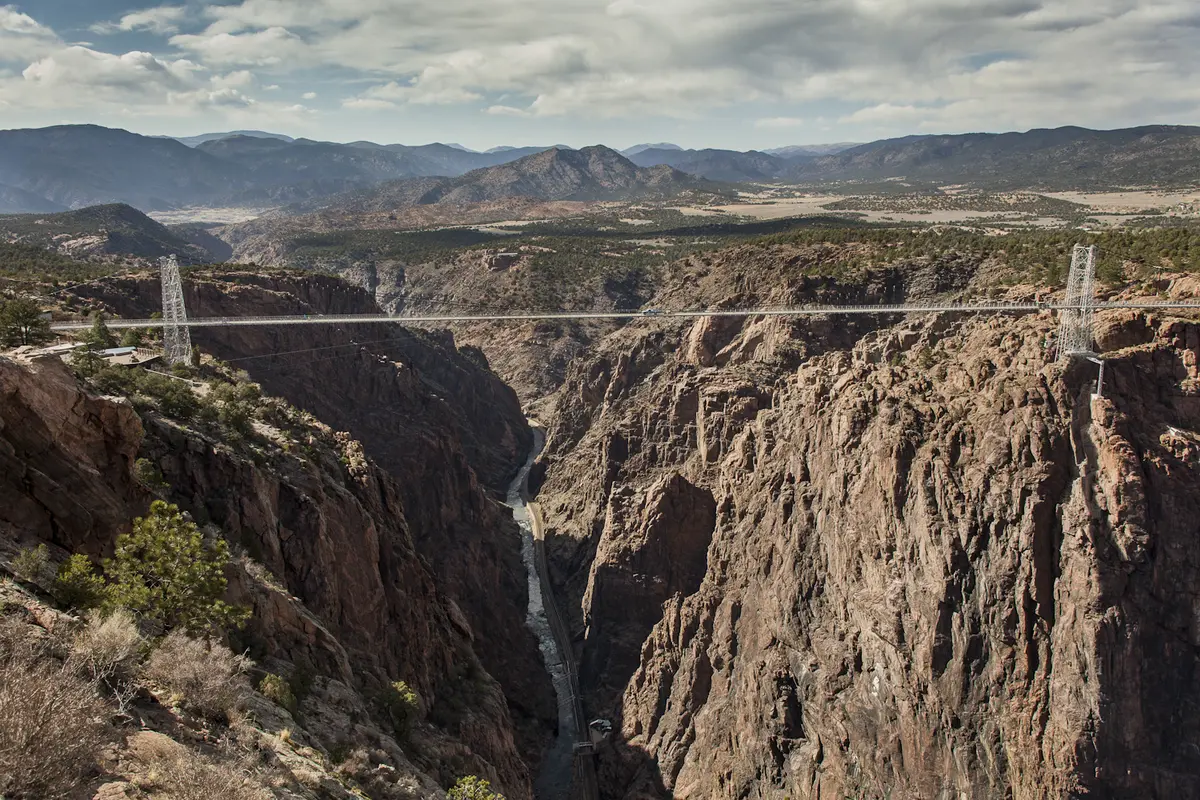
10. Royal Gorge Bridge, Colorado
Built in 1929 near Cañon City, the Royal Gorge Bridge hangs 955 feet (291 m) above the Arkansas River—holding the record as America’s highest bridge. Unlike highway spans, it was constructed primarily as a tourist attraction and pedestrian crossing.
Walking across its 1,260-foot wooden plank deck puts visitors face-to-face with sheer granite canyon walls. For nearly a century, it has drawn sightseers seeking dramatic Rocky Mountain scenery.
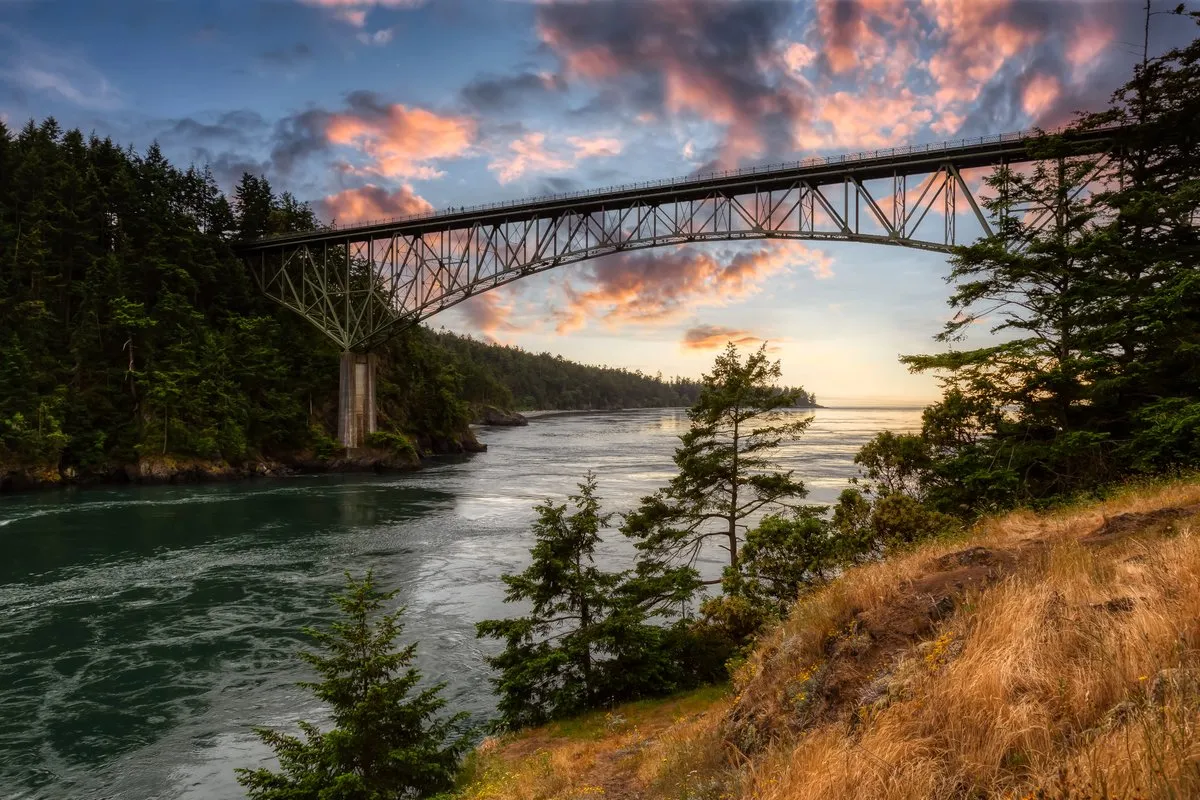
11. Deception Pass Bridge, Washington
Dedicated on July 31, 1935, Deception Pass Bridge leaps across a narrow, churning channel in Washington’s Salish Sea. It actually consists of two steel spans linking Whidbey Island, tiny Pass Island, and Fidalgo Island.
Designed by O. R. Elwell and built with New Deal funding, the bridge replaced slow car ferries and turned the surrounding state park into Washington’s most visited. From the pedestrian walkway, visitors look straight down at swirling tidal currents and evergreen cliffs.
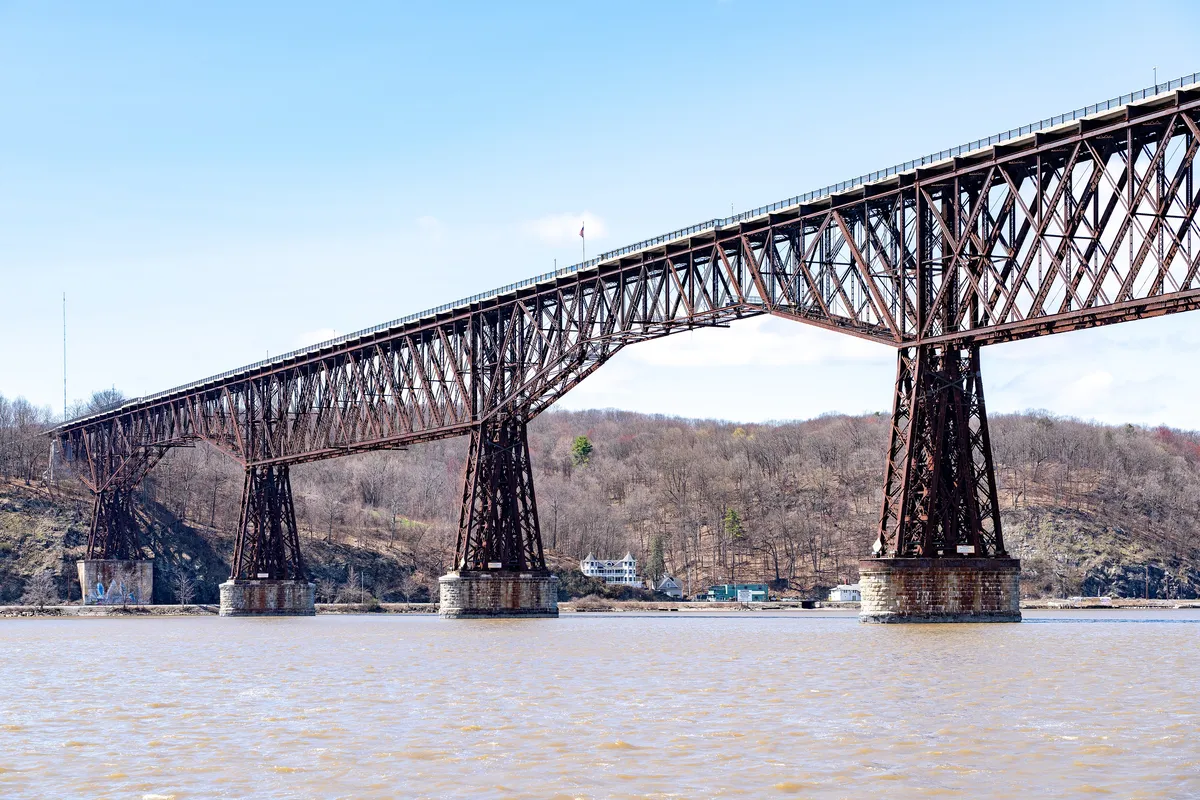
12. Walkway Over the Hudson (Poughkeepsie Bridge), New York
Originally opened in 1889 as a double-track railroad cantilever bridge, the Poughkeepsie Bridge was reborn in 2009 as the Walkway Over the Hudson. At 1.28 miles long and 212 feet above the river, it stands as one of the longest elevated pedestrian bridges in the world.
Its heavy 19th-century steel lattice framework now carries walkers, joggers, and cyclists high above the Hudson Valley. Autumn foliage views from the center span attract hundreds of thousands of visitors each year.
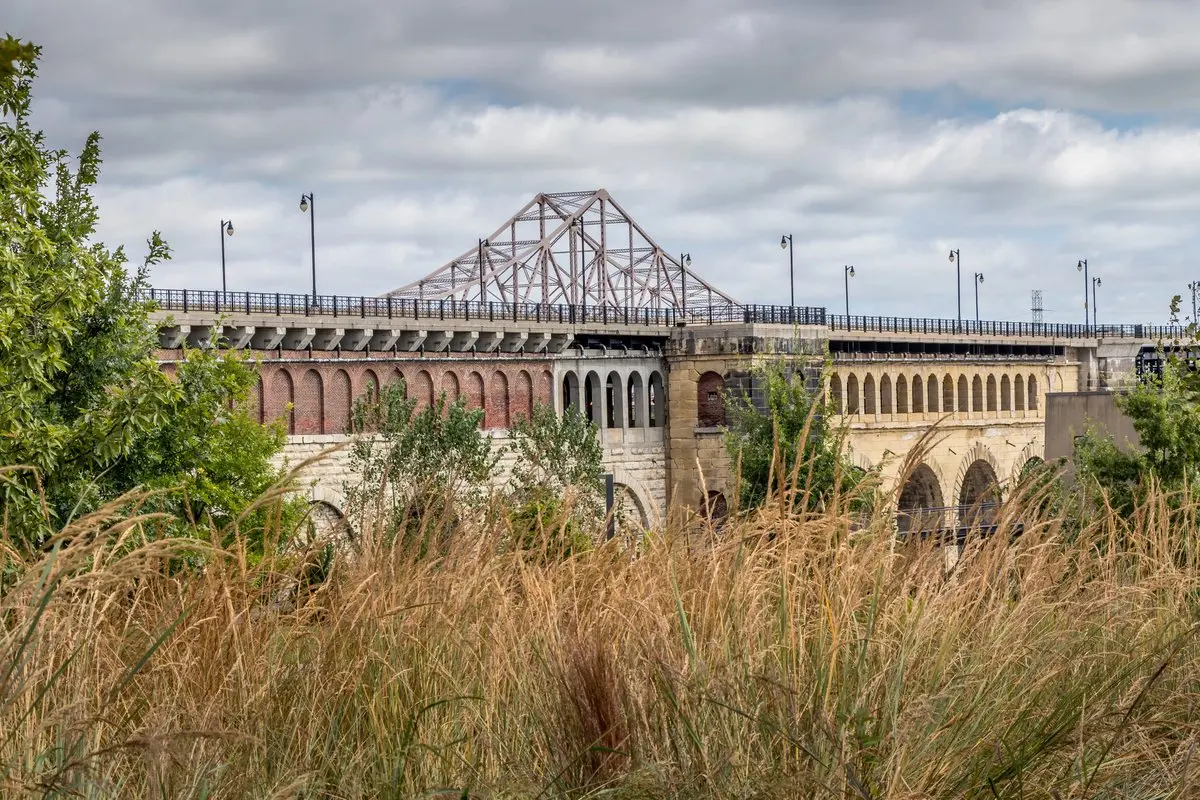
13. Eads Bridge, Missouri and Illinois
Completed in 1874, St. Louis’s Eads Bridge is the oldest bridge still standing across the Mississippi River. Designed by James Buchanan Eads, it pioneered the use of structural steel in major bridge building and relied on deep pneumatic caissons to reach bedrock.
Before opening, engineers tested its three ribbed arches by parking fifteen 50-ton locomotives on the deck. Framed right beside the Gateway Arch, it still carries both MetroLink trains and road traffic between Missouri and Illinois.
14. Colorado Street Bridge, California
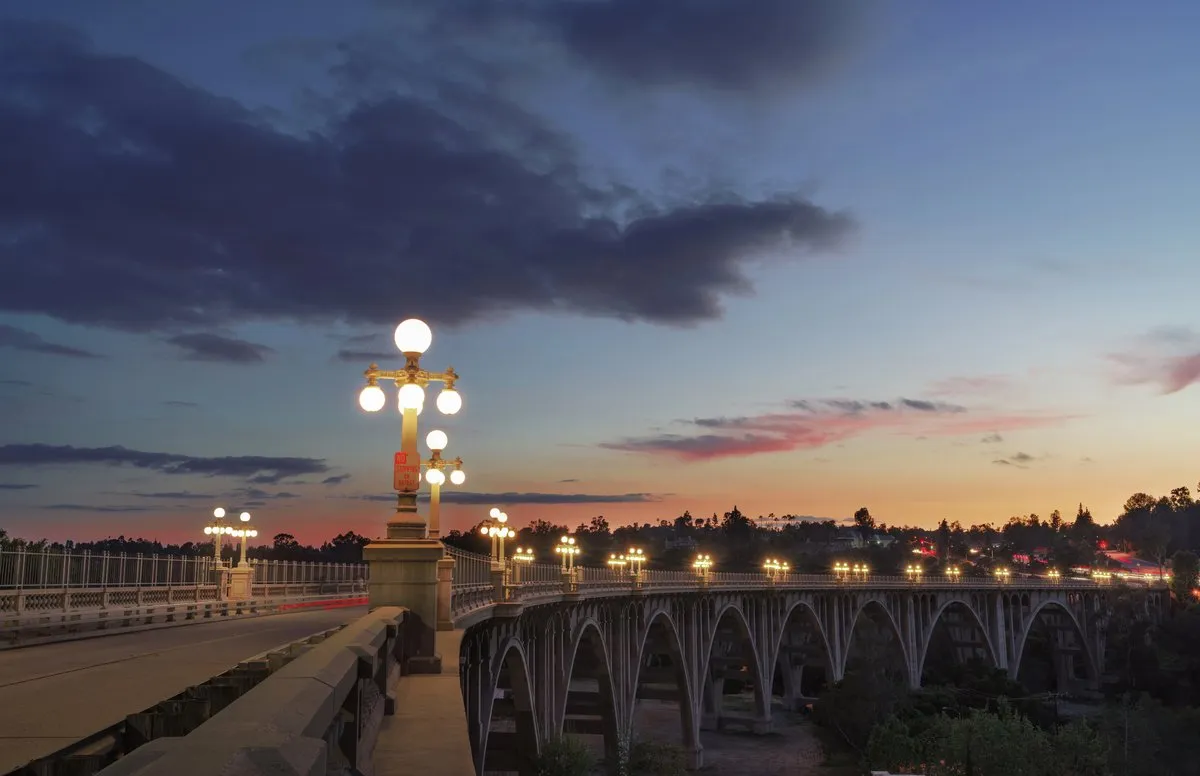
When Pasadena’s Colorado Street Bridge opened in 1913, it was hailed as the highest concrete bridge in the world, rising 150 feet (46 m) above the Arroyo Seco. Its deck traces a graceful 50-degree curve that allowed builders to anchor the piers on solid rock.
Ornate Beaux-Arts globe lamps and classical concrete balustrades line the walkway along this historic Route 66 corridor. Following a thorough seismic restoration in 1993, it remains one of Southern California’s most photogenic landmarks.
15. Cornish–Windsor Covered Bridge, New Hampshire and Vermont
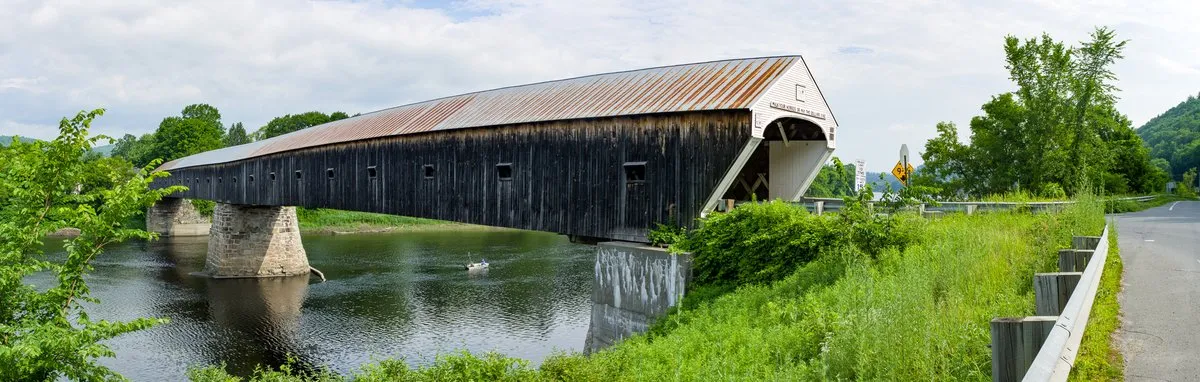
Spanning the Connecticut River between Cornish, New Hampshire, and Windsor, Vermont, the Cornish–Windsor Covered Bridge is the longest wooden covered bridge in the United States. Builders James Tasker and Bela Fletcher completed its two timber spans in 1866 after floods swept away three earlier crossings.
Inside, diagonal planks form an Ithiel Town lattice truss that still supports daily automobile traffic. Reflected in the calm river water against New England hills, it embodies 19th-century rural craftsmanship.
16. Frankford Avenue Bridge, Pennsylvania
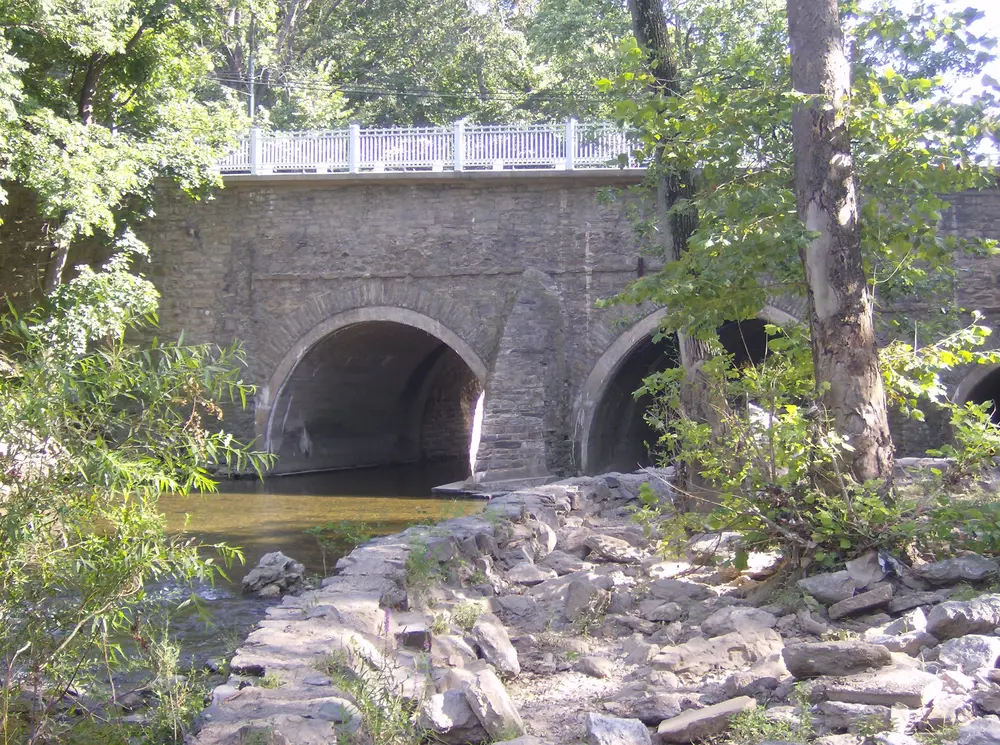
Built in 1697 under a commission from William Penn, Philadelphia’s Frankford Avenue Bridge is widely recognized as the oldest surviving roadway bridge in the United States. Constructed from local stone more than 325 years ago, it originally carried the King’s Highway between Philadelphia and New York.
Tucked inside Pennypack Park, this three-arch masonry crossing remarkably still carries everyday traffic. Surrounded by mature woodland trails, it offers a rare living link to colonial America.
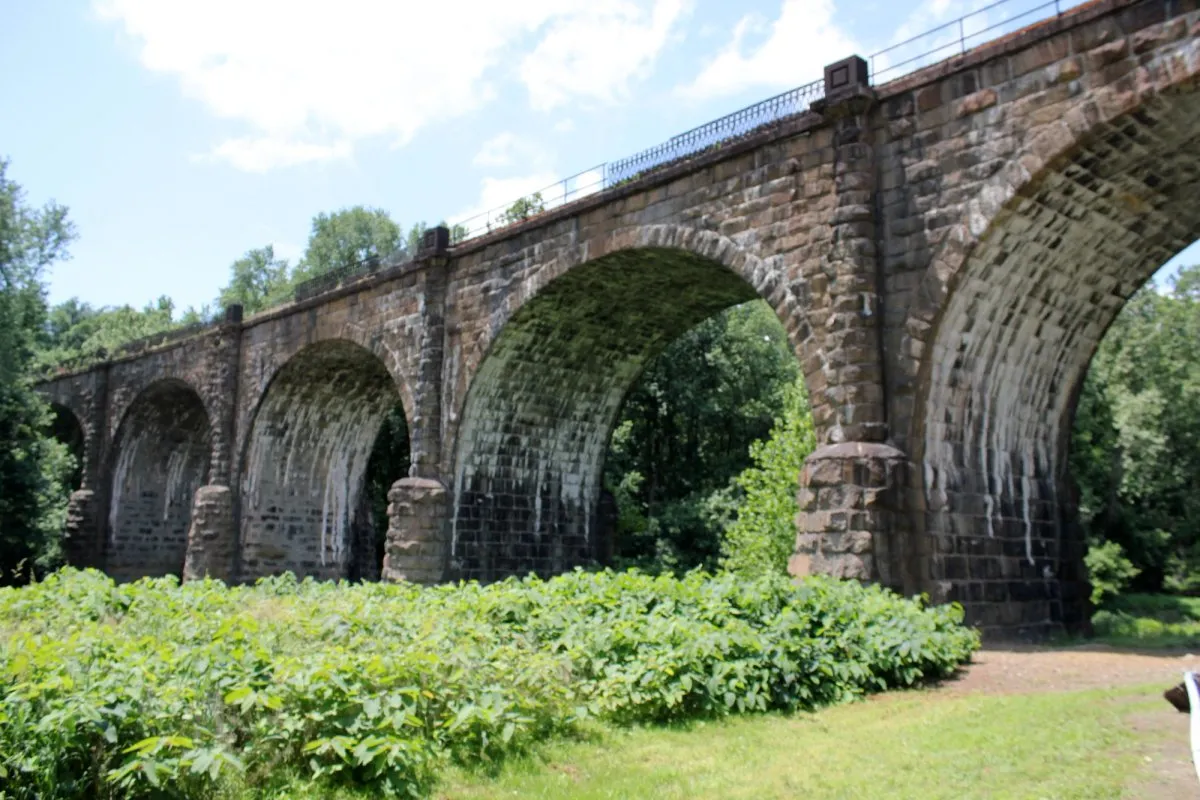
17. Thomas Viaduct, Maryland
Opened in 1835, Maryland’s Thomas Viaduct is the oldest multiple-arch stone railroad bridge in the United States and the first built along a gentle curve. Designed by Benjamin Henry Latrobe Jr., its eight granite arches rise 60 feet (18 m) above the Patapsco River near Relay.
Skeptics mocked the ambitious 614-foot (187 m) span as “Latrobe’s Folly” during construction, yet heavy freight and commuter trains still rumble across it nearly two centuries later. Visitors in Patapsco Valley State Park can walk beneath its towering stone piers.
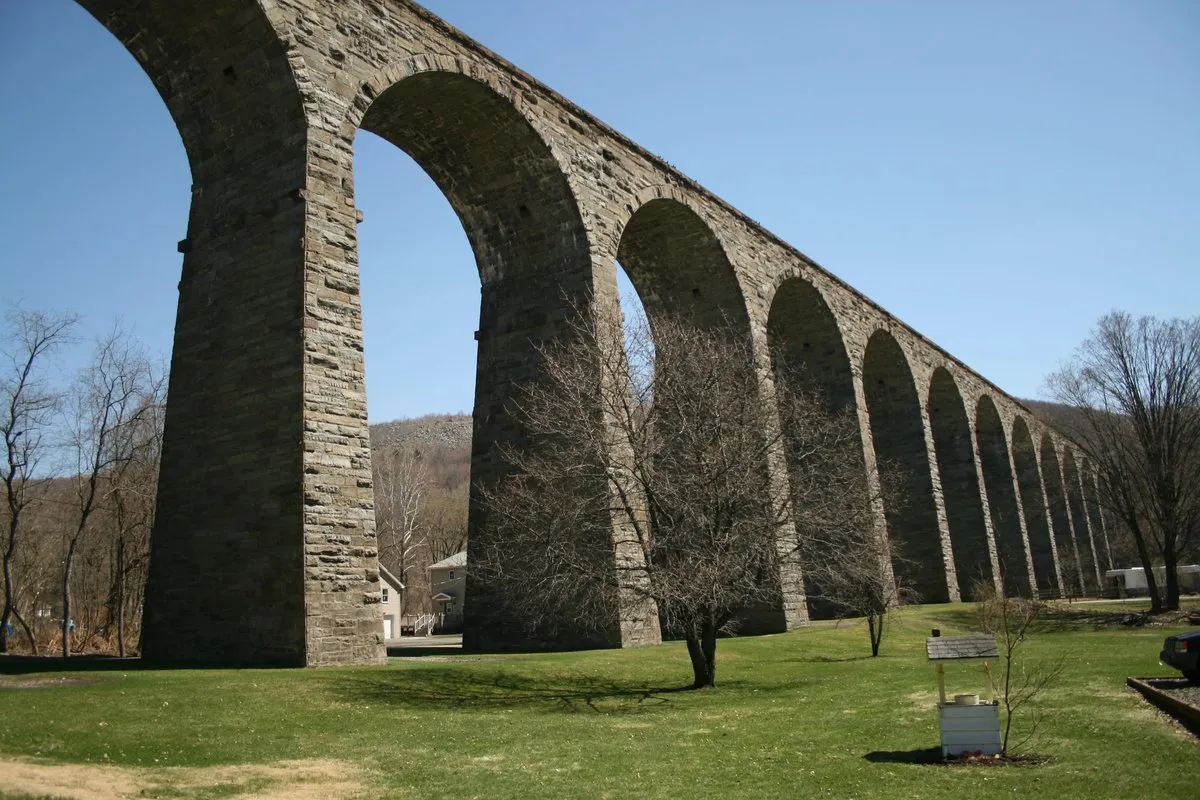
18. Starrucca Viaduct, Pennsylvania
Completed in 1848 in Lanesboro, Pennsylvania, the Starrucca Viaduct carries rail traffic across a quiet valley on 18 slender stone arches. Rising 110 feet (34 m) above Starrucca Creek, its rhythmic masonry piers resemble a Roman aqueduct nestled in the Appalachian hills.
More than 800 laborers built the viaduct in roughly a year for the New York and Erie Railroad, making it one of the earliest major structures in America to use structural concrete. Though less crowded than coastal icons, it rewards visitors—especially during peak autumn foliage.
Conclusion
Whether you prefer walking across a Victorian cast-iron arch in Central Park or driving high above the Pacific Coast, these 18 historic and beautiful bridges showcase centuries of American ingenuity. If you are planning a broader itinerary beyond the United States, explore more top tourist destinations around the world for your next trip.