Insects make up the majority of known animal species on Earth, and many have abilities that rival superheroes. Test your bug IQ—and learn more about helpful critters in our guide to the most beneficial insects in the world.
Question 1 of 10
How many legs does every true insect have?
True insects (class Insecta) always have six legs attached to their thorax; eight-legged spiders and scorpions are arachnids.
Question 2 of 10
Where are a butterfly’s primary taste receptors located?
Butterflies have chemoreceptors on their feet (tarsi) so they can taste whether a leaf is safe to lay eggs on or whether a flower holds nectar.
Question 3 of 10
A cockroach can survive for several days or even a week without its head.
True. Cockroaches breathe through tiny holes along their bodies (spiracles) and have an open circulatory system, though they eventually die without water.
Question 4 of 10
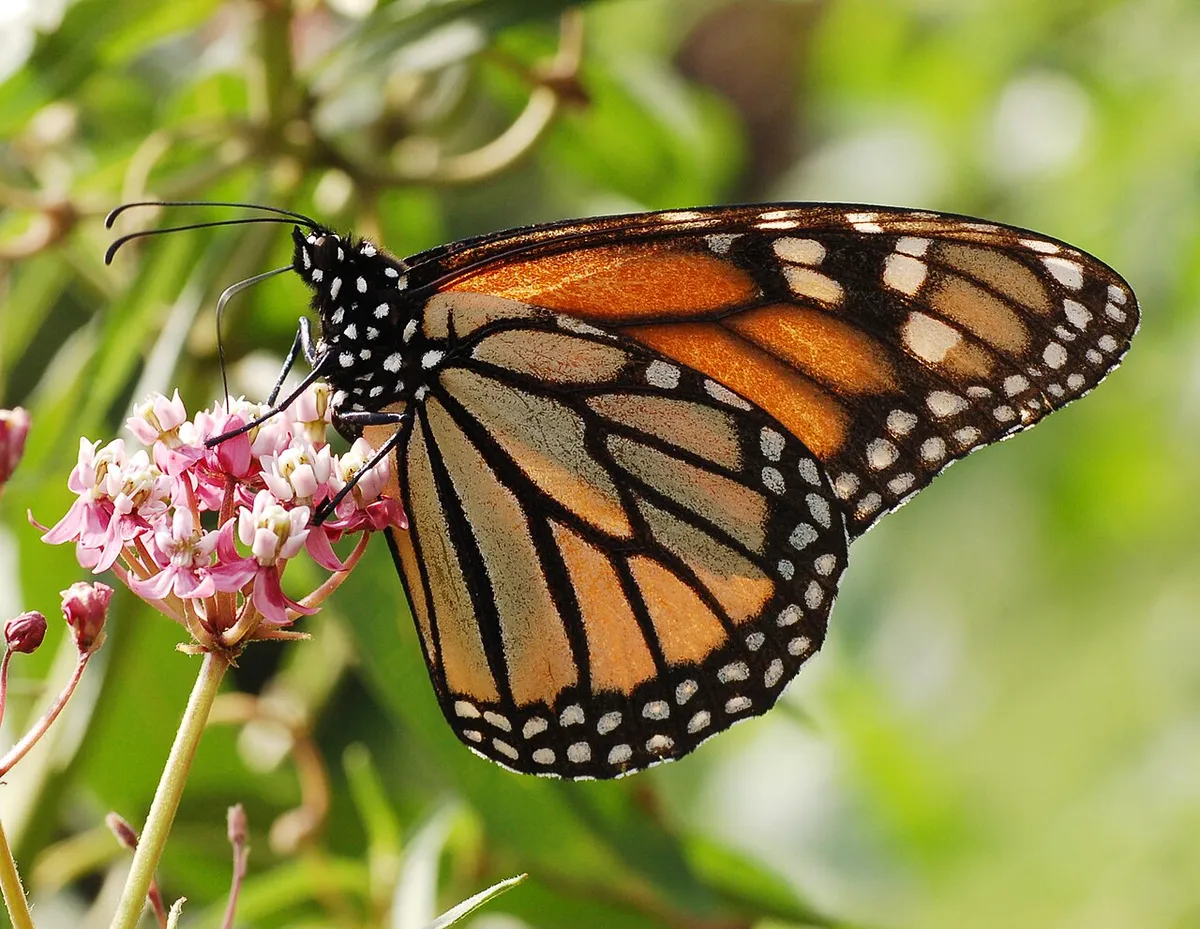
Which insect is famous for a multi-generational migration of up to 3,000 miles across North America?
Monarch butterflies travel between Canada/the northern US and central Mexico’s oyamel fir forests each autumn.
Question 5 of 10
Relative to body weight, which beetle can pull over 1,000 times its own weight?
The bull-headed dung beetle (Onthophagus taurus) can pull up to 1,141 times its own body weight—like a person lifting six double-decker buses.
Question 6 of 10
Only female mosquitoes bite humans and animals for blood.
True. Male mosquitoes feed solely on plant nectar and juices, while females need proteins from blood to develop their eggs.
Question 7 of 10
How do honeybees communicate the direction and distance of good flowers to hive mates?
Worker honeybees perform a figure-eight waggle dance whose angle relative to the sun’s position and duration encode direction and distance.
Question 8 of 10
Which tiny insect produces the loudest sound relative to its body size—up to 99.2 decibels underwater?
Only about 2 millimeters long, the male lesser water boatman (Micronecta scholtzi) rubs its abdomen to produce underwater sounds reaching 99.2 decibels.
Question 9 of 10
Dragonflies are among the most successful predators in nature, catching prey mid-air over 90% of the time.
True. With nearly 360-degree vision and four independently controlled wings, dragonflies succeed on roughly 95% of their hunts.
Question 10 of 10
Antlion larvae eventually metamorphose into which winged adult insect?
Antlion larvae dig conical sand traps to ambush prey before pupating into delicate, dragonfly-like adult lacewings.
Curious about the riskier side of the insect world? Read about the most dangerous insects to watch out for and share your score.