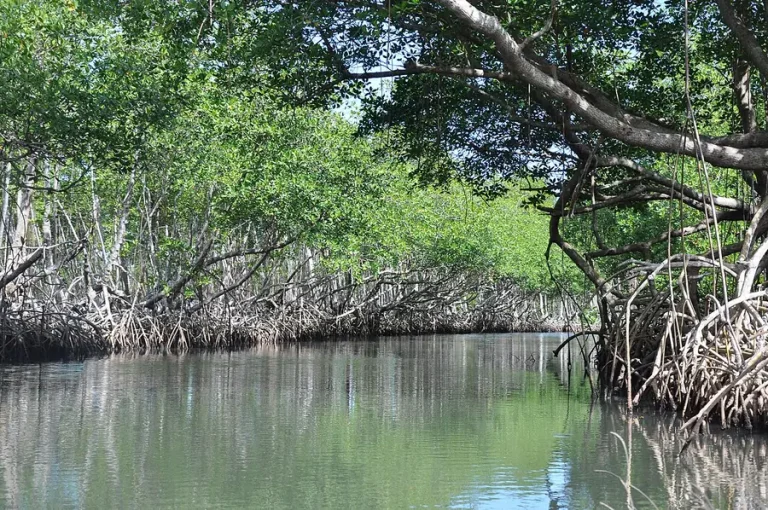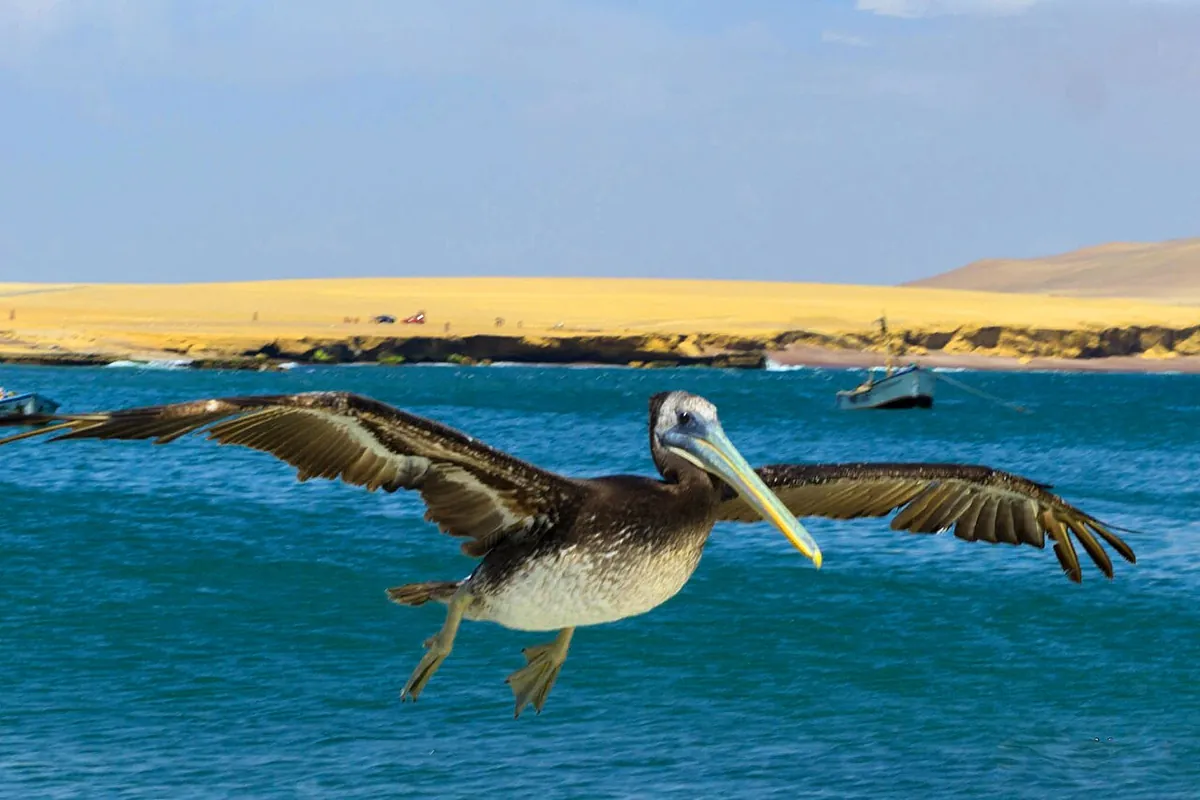
Hundreds of thousands of migratory shorebirds along the Pacific Flyway winter across the sheltered shallow bays, mudflats and sandy beaches of Peru’s Paracas National Reserve between November and March. Semipalmated sandpipers, western sandpipers, sanderlings, semipalmated plovers and whimbrels travel south from North American and Arctic breeding grounds to feed where nutrient-rich Humboldt Current waters meet coastal desert wetlands.
When to go
Boreal shorebirds migrating south from North America begin reaching the Peruvian coast in August and September, with peak numbers settling across the reserve’s mudflats and beaches by October. Peak overwintering concentrations hold from November through February and March, when adults begin fattening up and displaying pre-migratory behaviour before flying north again, while some non-breeding juveniles stay through the austral winter. Recognised as a Ramsar wetland and WHSRN site, Paracas is managed by SERNANP.
Where to see it
Desert roads inside the reserve connect sheltered tidal bays and mudflats with coastal viewpoints south of Paracas town:
- Bahía de Paracas and La Aguada: Shallow intertidal mudflats near the northern reserve sector where sandpipers, plovers and Chilean flamingos wade close to wooden observation hides.
- Lagunillas cove: Protected rocky bay attracting whimbrels, ruddy turnstones, Humboldt penguins, Peruvian pelicans and Inca terns.
- Coastal desert cliffs: Southern reserve headlands overlooking Peruvian boobies and Guanay cormorants riding strong coastal updrafts above rocky offshore islets.
Getting there and practical tips
Paracas sits south of Lima along the Pan-American Highway, served by frequent intercity buses to El Chaco and nearby Pisco. Visitors can tour the reserve by taxi, rental car or guided minibus from El Chaco, where morning boat tours to the offshore Ballestas Islands also depart daily. Coastal desert glare is strong all day and fierce afternoon winds known locally as paracas frequently raise blowing sand, so plan wetland birding for early morning and carry water and sun protection.