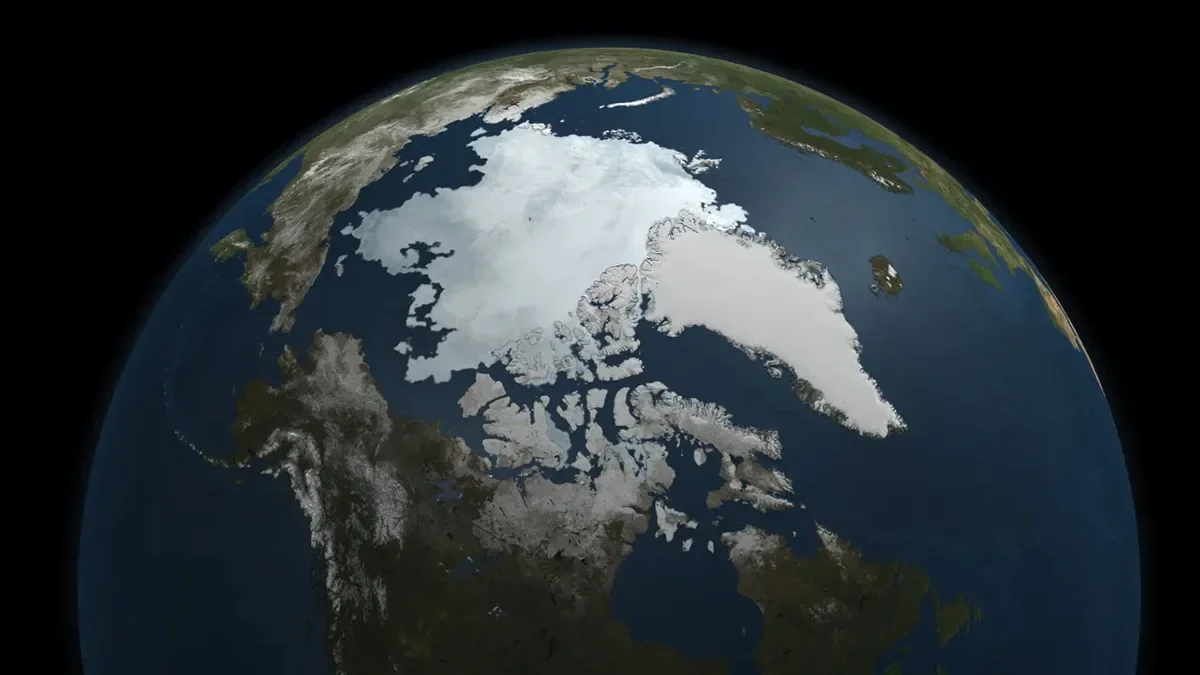
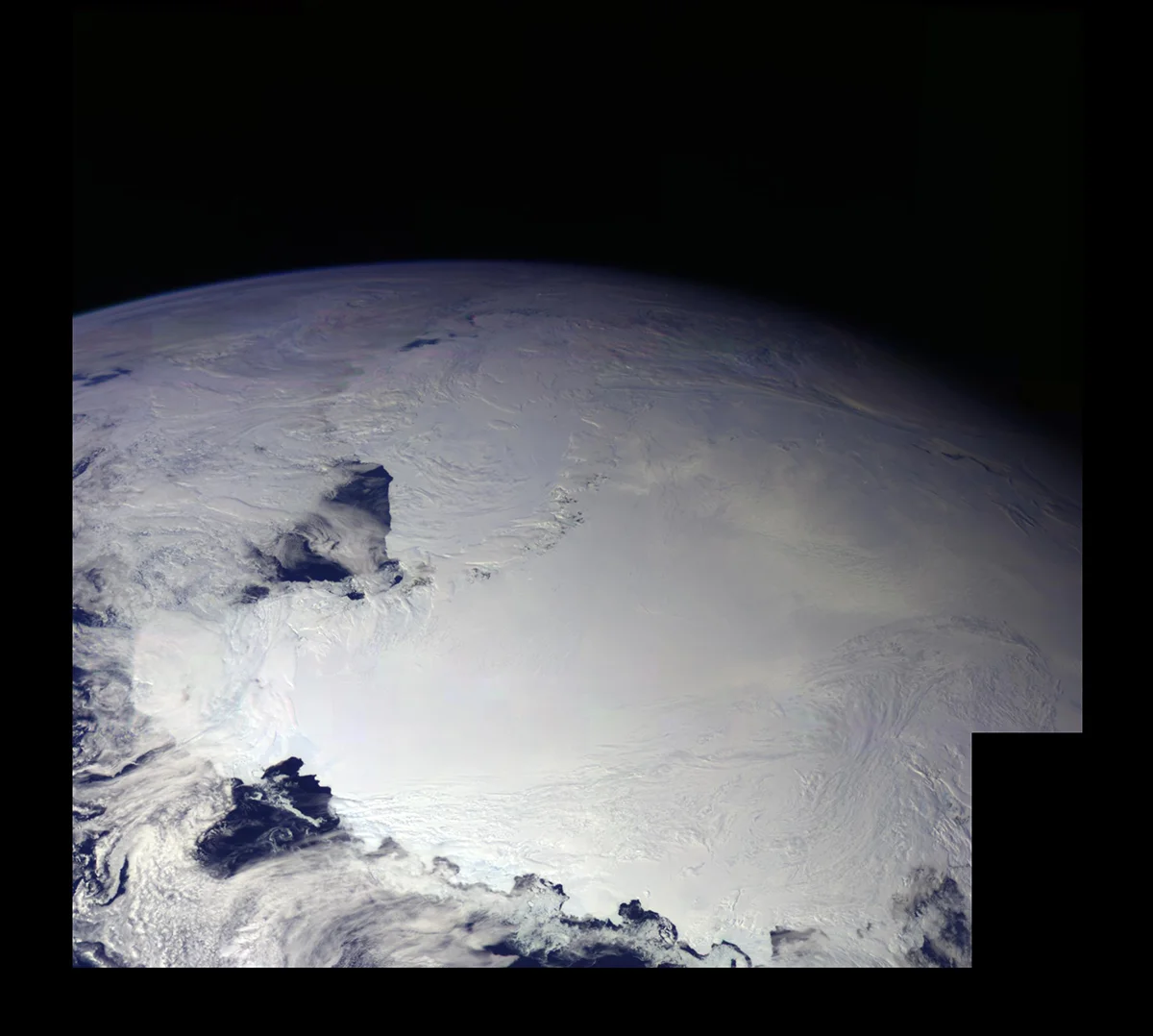
Human-induced climate change is no longer just reshaping our weather patterns and raising sea levels—it is now actively slowing down the rotation of the entire planet. A groundbreaking study funded by NASA and published in the Proceedings of the National Academy of Sciences (PNAS) reveals that the accelerated melting of ice sheets in Greenland and Antarctica is redistributing hundreds of billions of tons of water from the poles toward the equator, subtly altering Earth’s oblateness and lengthening the 24-hour day.
While the daily time extension is measured in milliseconds, scientists warn that this shift exerts profound consequences on high-precision satellite navigation, astronomical observations, and the global timekeeping systems that underpin the internet and financial networks.
The Physics of a Slowing Planet: The Figure Skater Effect
To understand why ice loss affects Earth’s rotation, geophysicists point to the classic conservation of angular momentum—often illustrated by a spinning figure skater. When skaters draw their arms inward, they spin faster; when they extend their arms outward, their rotation slows.
For millennia, immense volumes of frozen water were concentrated at high latitudes around the North and South Poles, relatively close to Earth’s rotational axis. As atmospheric warming melts glaciers across Greenland and Antarctica, runoff flows into the global ocean and settles primarily around the equator due to centrifugal force. This redistribution pushes mass further away from the rotational axis, widening Earth’s equatorial bulge and slowing down its spin.
Groundwater Depletion and Tectonic Reshaping
Ice melt is not the only culprit. Extensive subterranean pumping for agriculture and urban consumption has extracted trillions of liters of groundwater from continental aquifers over recent decades, with most of that water eventually discharging into the oceans. Concurrently, post-glacial rebound—the slow rise of bedrock previously compressed beneath ancient Pleistocene ice sheets—continues to alter the planet’s gravitational field.
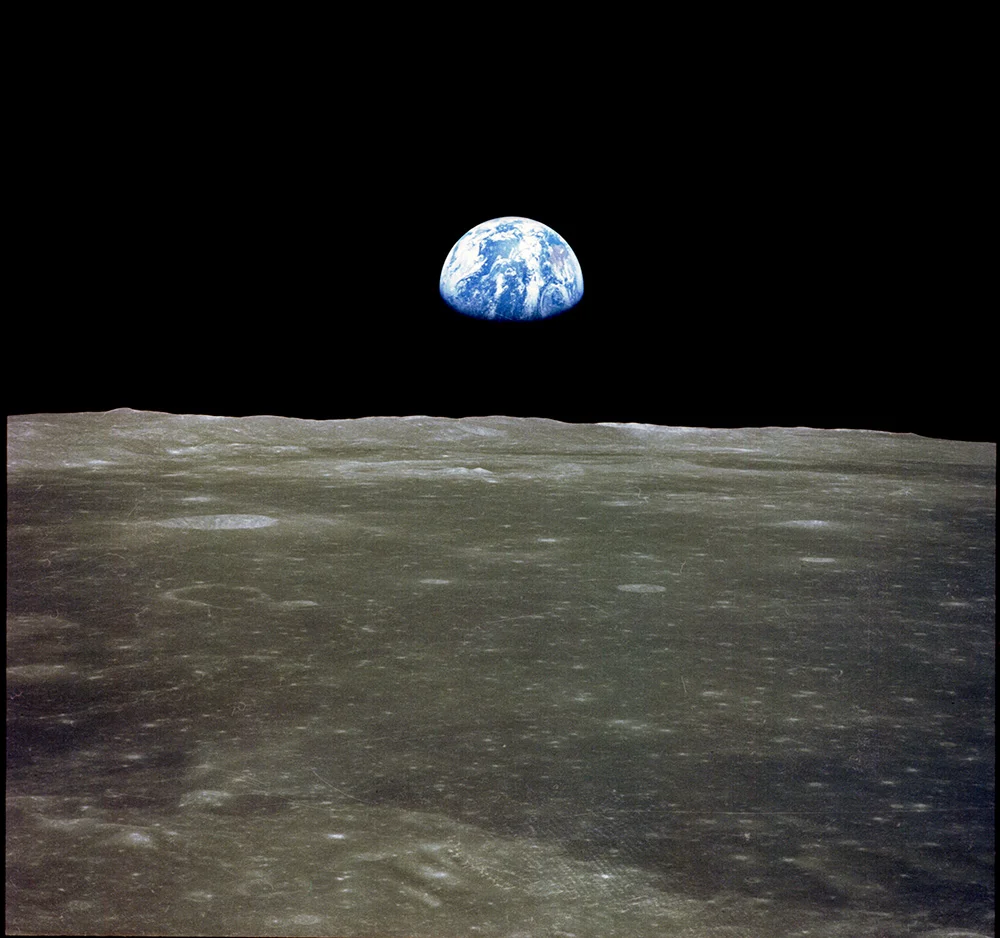
Historically, the primary force slowing Earth’s spin has been lunar tidal friction, which gradually transfers rotational momentum to the Moon. In the context of Earth’s formation and deep geological history, days were once only 18 to 21 hours long hundreds of millions of years ago. However, the study demonstrates that the rate of climate-driven deceleration has accelerated so sharply that it will surpass lunar tidal friction as the dominant planetary modifier by the late 21st century if greenhouse gas emissions continue unchecked.
This unprecedented planetary adjustment highlights the staggering scale of anthropogenic impact: human activity has grown so immense that it is now altering the celestial clockwork of the planet itself.