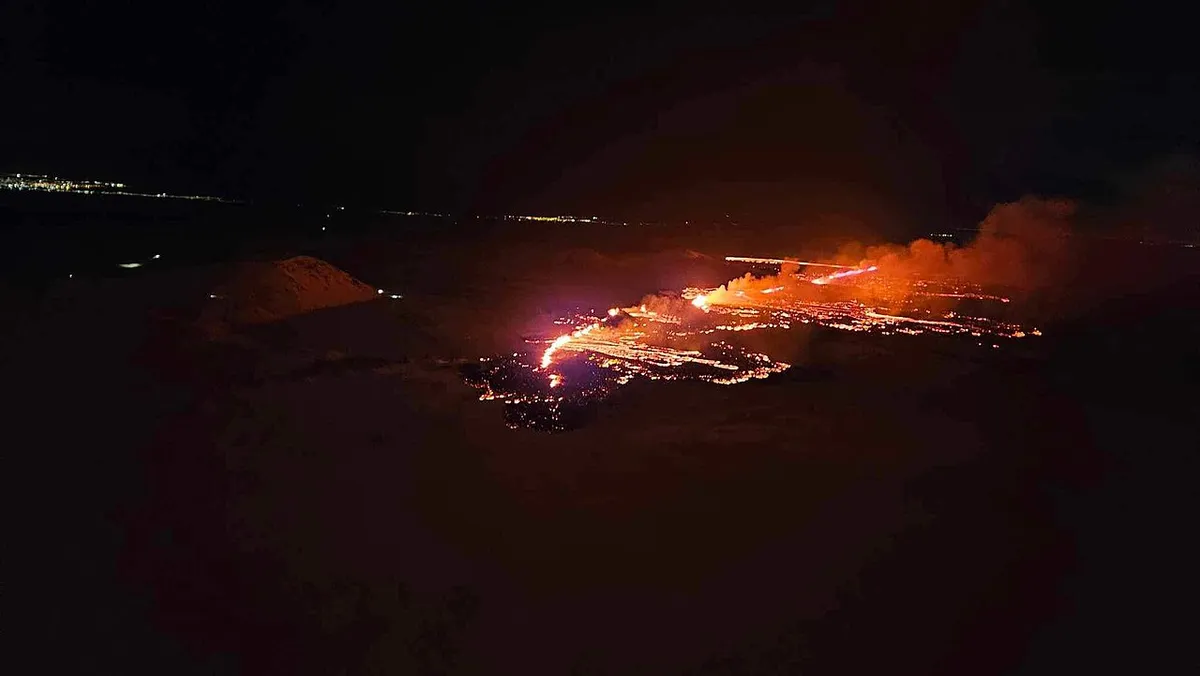
Beneath our feet lies a dynamic planet of shifting plates, molten rock, and ancient minerals. Test your Earth science instincts—and read why Earth’s rotation is subtly slowing down.
Question 1 of 10
Diamonds are formed directly from compressed coal.
Myth. Most natural diamonds formed deep in Earth’s mantle under extreme heat and pressure long before land plants (which make coal) existed.
Question 2 of 10
What is the hardest naturally occurring mineral on the Mohs scale?
Diamond ranks 10 on the Mohs hardness scale because its carbon atoms are locked in a rigid tetrahedral crystal lattice.
Question 3 of 10
Earth’s inner core remains solid even though its temperature reaches roughly 5,000°C to 5,700°C—comparable to the surface of the Sun.
Fact. Although the inner core is as hot as the Sun’s surface (~5,500°C), immense overlying pressure keeps its iron-nickel alloy solid.
Question 4 of 10
Which type of rock forms when magma or lava cools and solidifies?
Igneous rocks (such as basalt and granite) crystallize directly from molten magma underground or lava on the surface.
Question 5 of 10
What is the difference between magma and lava?
Molten rock beneath Earth’s crust is called magma; once it erupts onto the surface, geologists call it lava.
Question 6 of 10
Mount Everest is still growing slightly taller over time due to tectonic plate collision.
Fact. The ongoing collision between the Indian and Eurasian tectonic plates continues to push the Himalayas upward by a few millimeters per year.
Question 7 of 10
Which oceanic trench is the deepest known point in Earth’s oceans?
The Challenger Deep in the Mariana Trench plunges nearly 36,000 feet (almost 11,000 meters) below sea level.
Question 8 of 10
What is the name of the ancient supercontinent that existed around 250–300 million years ago?
Pangaea united nearly all of Earth’s landmasses into one giant supercontinent before gradually breaking apart.
Question 9 of 10
All earthquakes happen only along the edges of tectonic plates.
Myth. While most earthquakes occur at plate boundaries, intraplate earthquakes can also strike along ancient faults inside tectonic plates.
Question 10 of 10
Which gas makes up roughly 78% of Earth’s atmosphere?
Earth’s dry atmosphere is about 78% nitrogen, 21% oxygen, and 1% argon and trace gases.
Want to compare our living planet with its neighbors? See why Earth thrives while Mars became a frigid desert.