Across mountains, savannas, and northern forests, horns and antlers serve as tools for defense, dominance, and even temperature regulation. While true horns grow permanently over a bony core, antlers are solid bone shed and regrown each year.
We expanded an original list of ten horned species with six more record-setting icons and ranked all 16 from #1 (most popular) to #16. You can also test your knowledge with our hoofed giants wildlife quiz.
How These 16 Entries Are Ranked
This list is ordered from #1 (most widely recognized) down to #16, combining overall popularity, global awareness, and distinctive natural traits.
| Rank | Name |
|---|---|
| 1 | Moose |
| 2 | White Rhino |
| 3 | Caribou |
| 4 | Elk (Wapiti) |
| 5 | Asian Water Buffalo |
| 6 | Bighorn Sheep |
| 7 | Greater Kudu |
| 8 | Oryx |
| 9 | Springbok |
| 10 | Pronghorn |
| 11 | Capra Ibex |
| 12 | Ankole-Watusi Cattle |
| 13 | Blackbuck |
| 14 | Markhor |
| 15 | Mouflon |
| 16 | Addax |
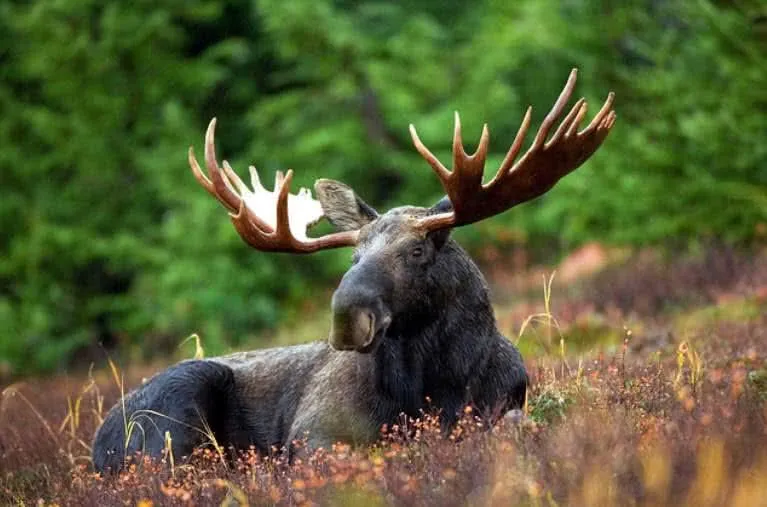
1. Moose
The largest living deer species carries broad, palmate antlers that can span nearly seven feet across and weigh up to 40 pounds.
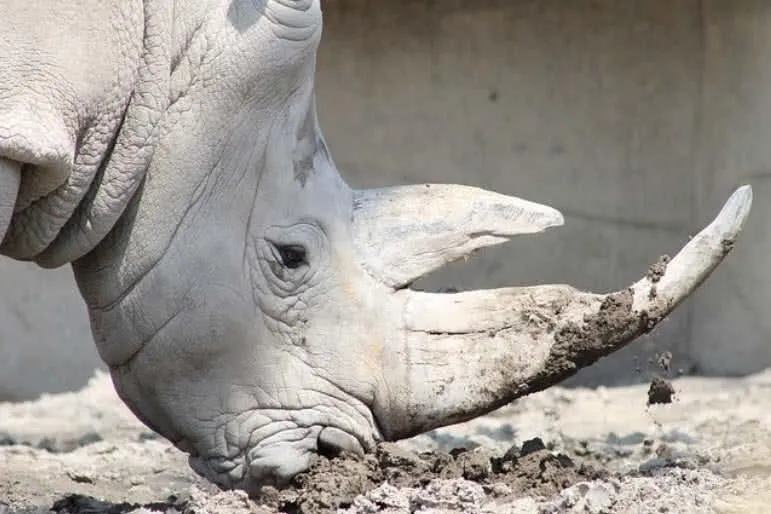
2. White Rhino
Sporting two keratin horns on its snout rather than bone-cored headgear, the white rhino’s front horn can exceed five feet in length.
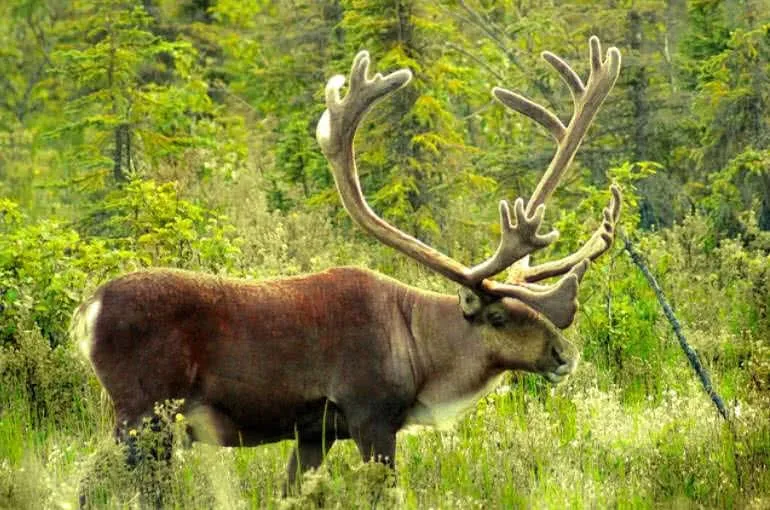
3. Caribou
Caribou are the only deer species in which both males and females grow antlers, helping pregnant females defend winter feeding craters in the snow.
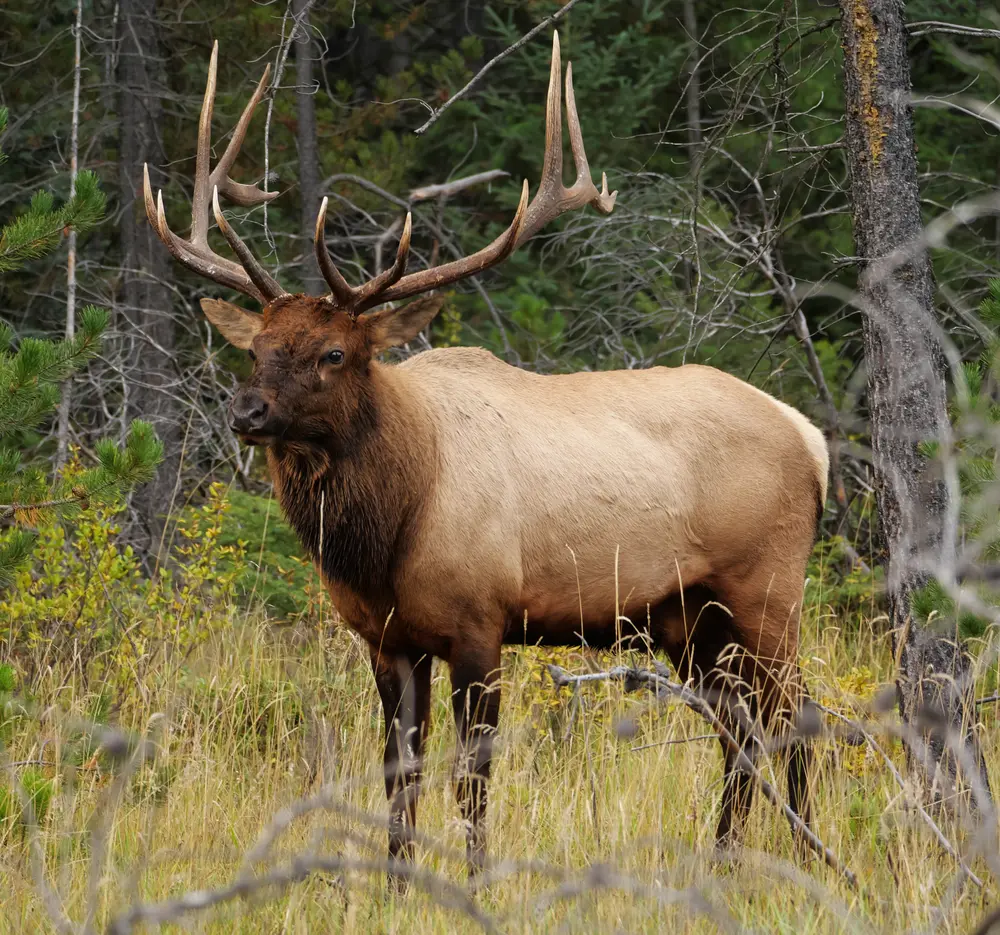
4. Elk (Wapiti)
Towering branching antlers with sharp upward tines give bull elk a regal silhouette across North American mountain meadows.
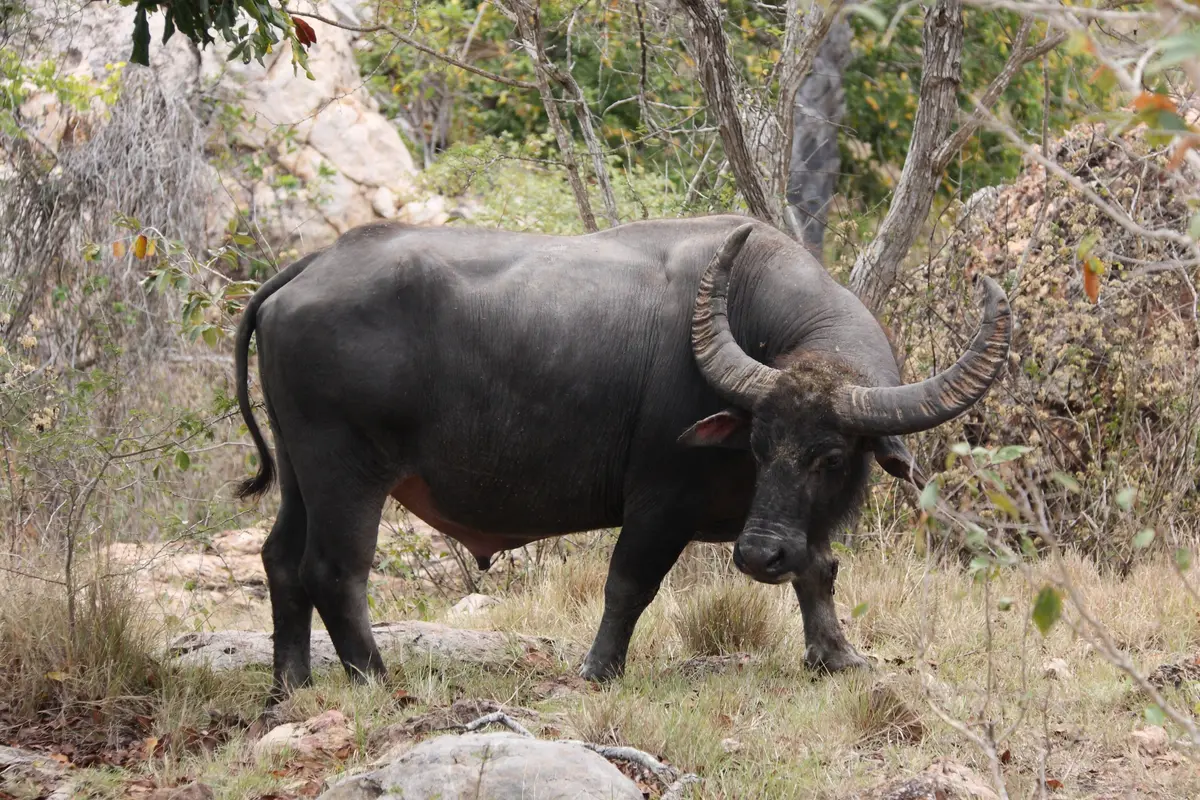
5. Asian Water Buffalo
Wild water buffalo hold the Guinness record for longest horns of any living bovid, curving up to nearly 14 feet from tip to tip.
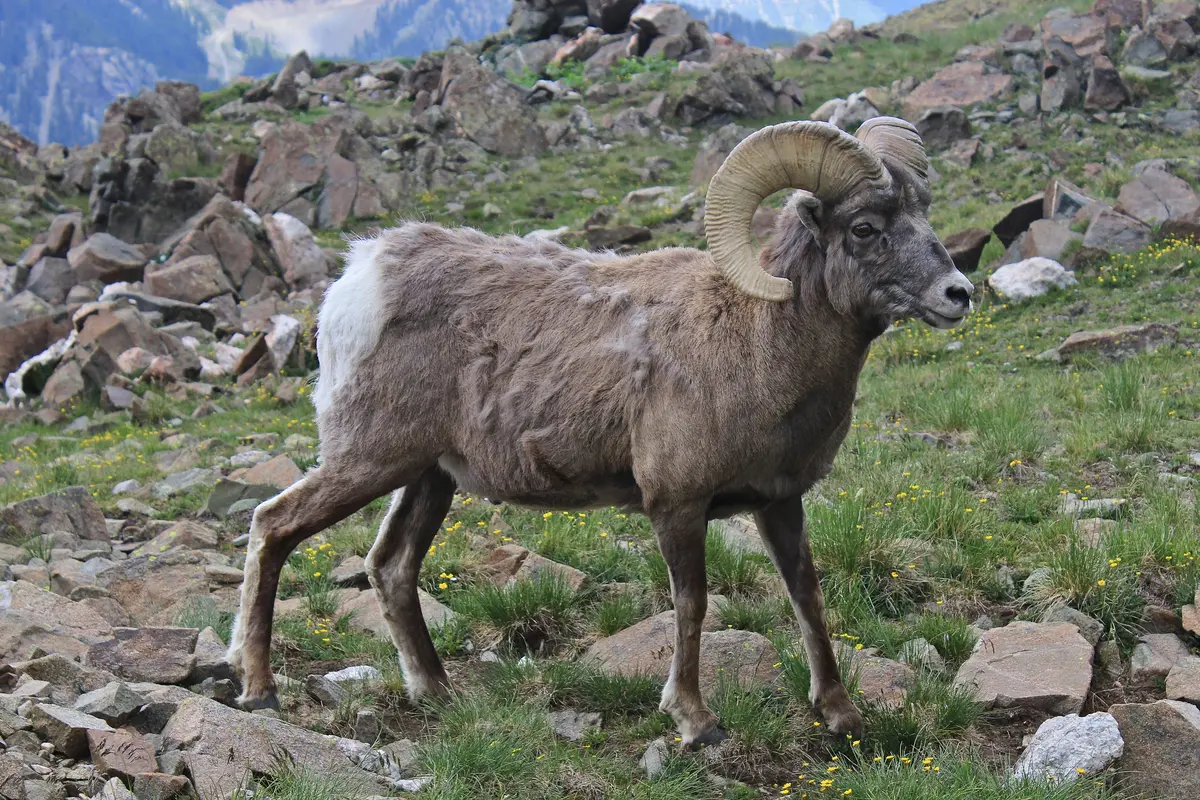
6. Bighorn Sheep
Heavy, tightly curled horns on rams can weigh up to 30 pounds—roughly matching the weight of the rest of their skeleton—built to absorb high-speed headbutts.
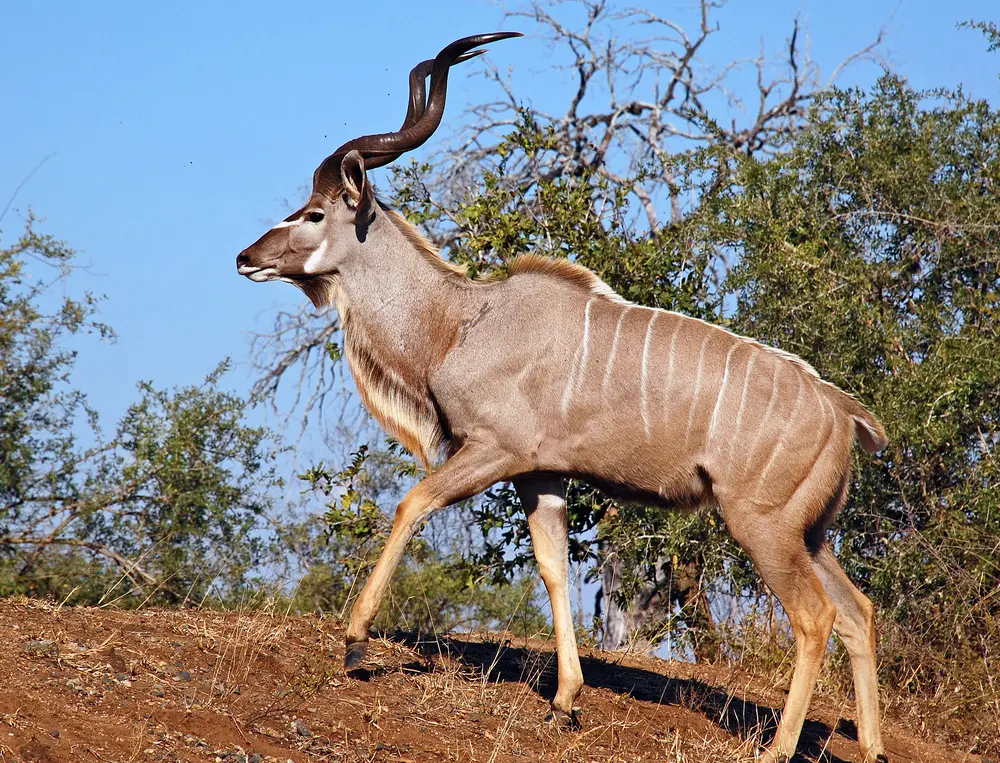
7. Greater Kudu
Male greater kudus grow dramatic corkscrew horns reaching over six feet along the curve, taking six years to reach full length.
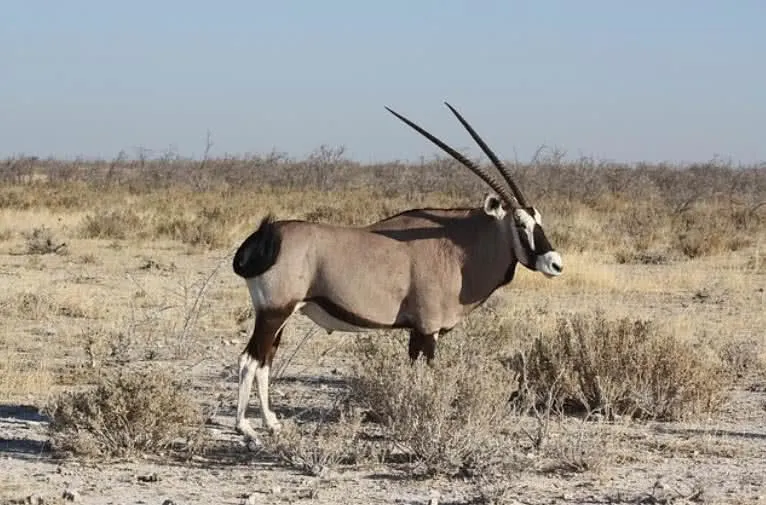
8. Oryx
Long, straight, spear-like horns carried by both sexes protect desert-dwelling oryxes from lions and hyenas across arid Africa and Arabia.
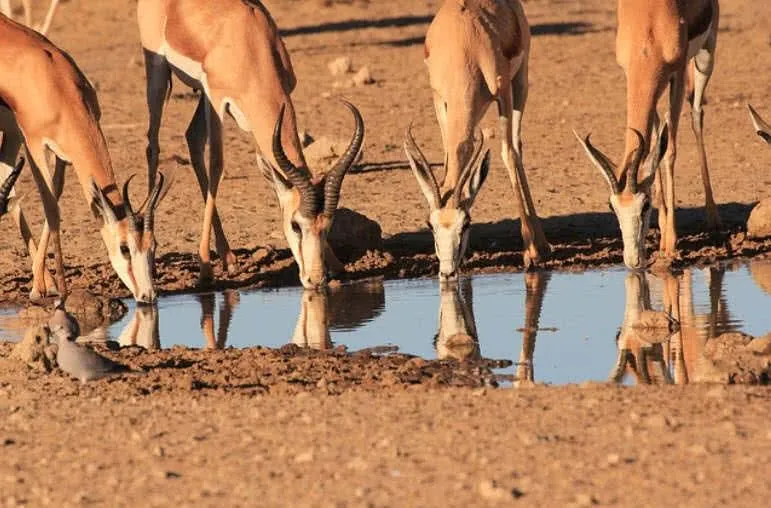
9. Springbok
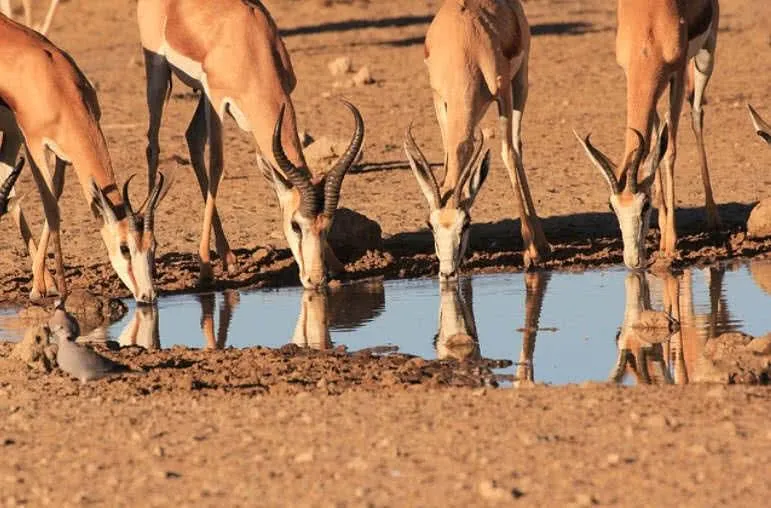
Lyre-shaped black horns curve gracefully above the springbok’s face, complementing its famous high-bouncing “pronking” leaps across southern Africa.
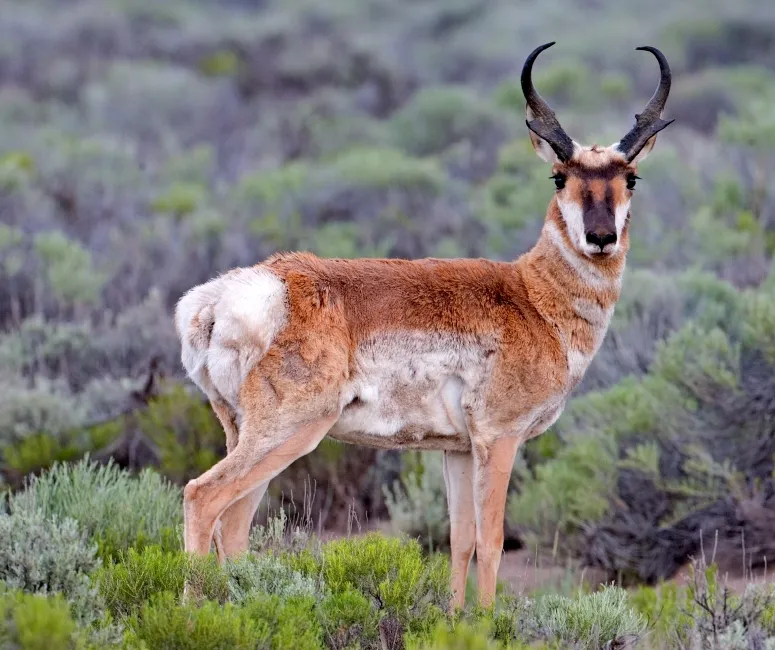
10. Pronghorn
North America’s fastest land mammal is unique: its forked horns have a bony core like true horns, yet the outer keratin sheath sheds and regrows annually.
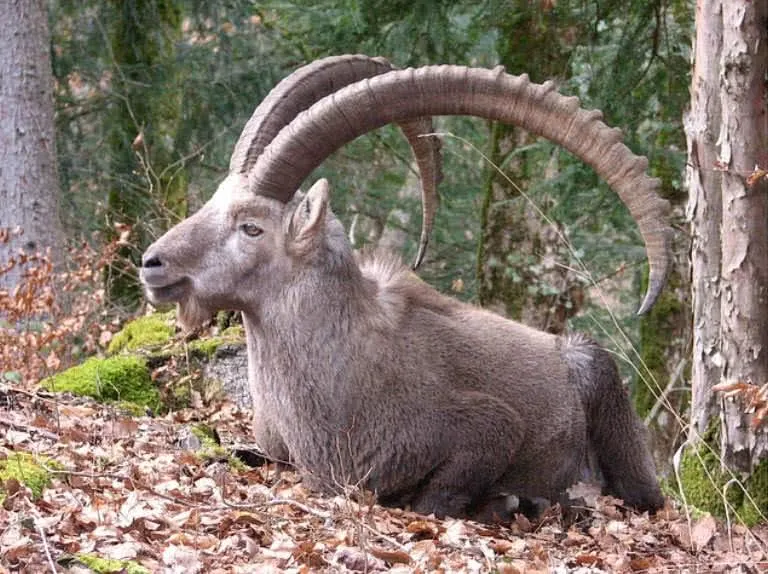
11. Capra Ibex
Alpine ibexes sport massive backward-curving scimitar horns marked with prominent ridges as they scale near-vertical mountain cliffs.
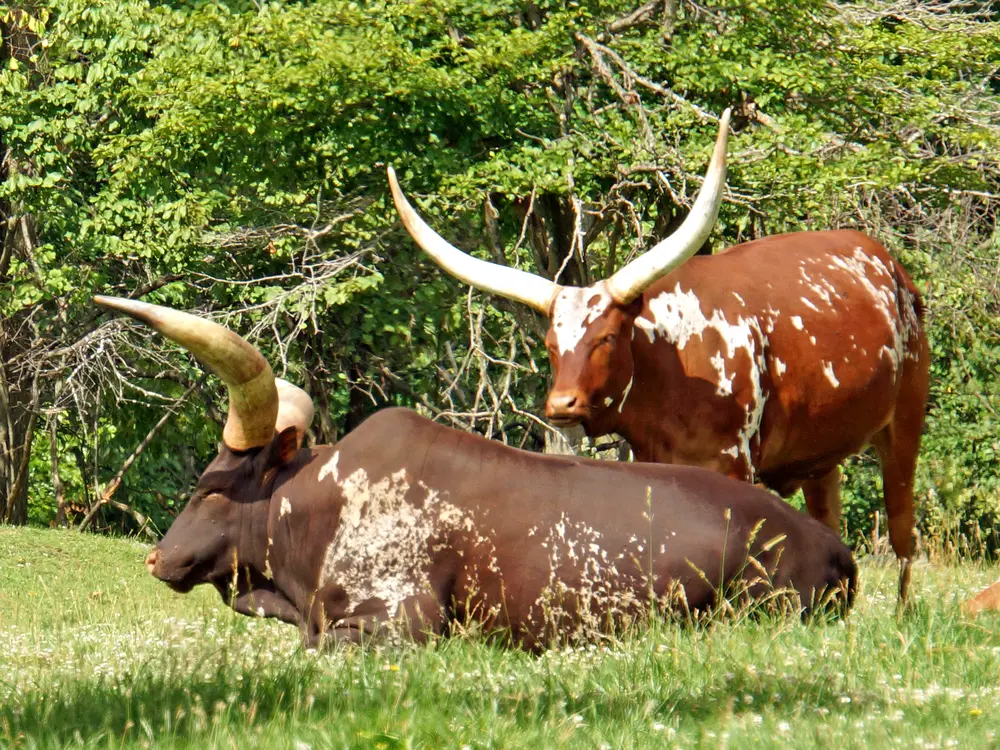
12. Ankole-Watusi Cattle
Originating in East Africa, this cattle breed carries thick, hollow-core horns spanning up to eight feet that also act as blood-vessel radiators in intense heat.
13. Blackbuck
Male blackbucks of India grow sleek, ringed spiral horns rising up to 28 inches in a dramatic V-shape above their dark-and-white coats.
14. Markhor
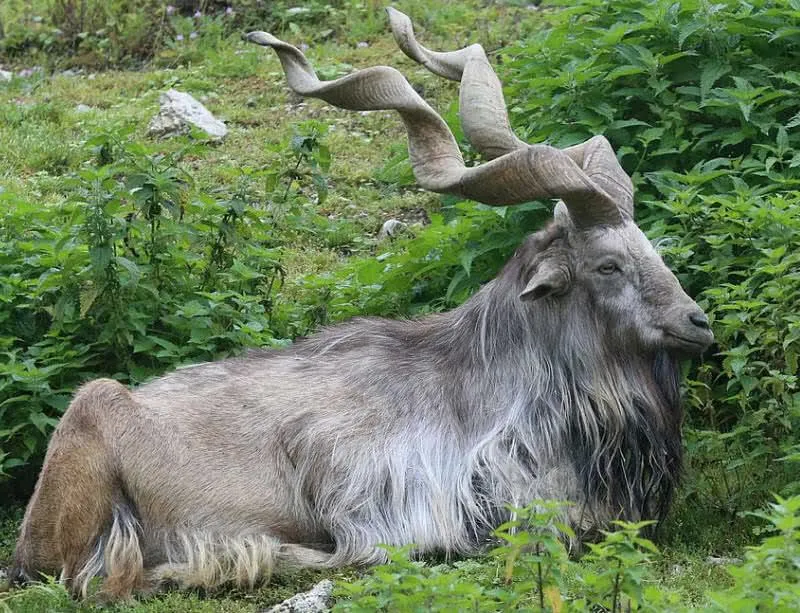
Pakistan’s national animal is a wild mountain goat crowned with tightly twisted, corkscrew horns that can stretch over five feet.
15. Mouflon
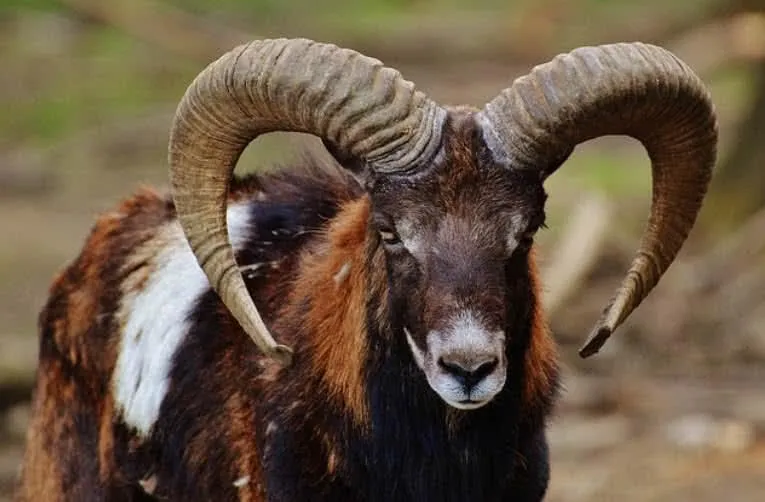
Considered the wild ancestor of domestic sheep, European mouflon rams carry heavy, sweeping circular horns that frame their faces.
16. Addax
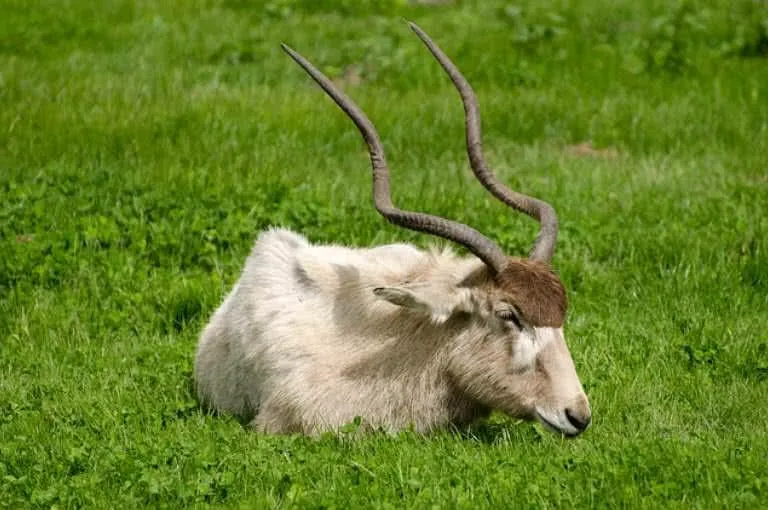
Critically endangered in the Sahara, the addax grows slender, twisted spiral horns up to 43 inches long while surviving with almost no drinking water.
Conclusion
From 13-foot water buffalo spans to annual antler regrowth in deer, nature’s engineering never stops surprising. Continue exploring with our epic animal migrations quiz.