Habitat loss, illegal poaching, and accidental fishing bycatch have pushed dozens of remarkable wildlife species to the edge of survival. Several now number fewer than a hundred individuals in the wild.
We expanded an original list of nine threatened species with seven more critically endangered animals, ranking all 16 from #1 (most widely recognized) to #16. Explore more wildlife conservation stories or try our animal myths quiz.
How These 16 Entries Are Ranked
This list is ordered from #1 (most widely recognized) down to #16, combining overall popularity, global awareness, and distinctive natural traits.
| Rank | Name |
|---|---|
| 1 | Mountain Gorilla |
| 2 | Sumatran Tiger |
| 3 | Black Rhino |
| 4 | Amur Leopard |
| 5 | Vaquita |
| 6 | California Condor |
| 7 | North Atlantic Right Whale |
| 8 | Javan Rhinoceros |
| 9 | Sumatran Rhinoceros |
| 10 | Iberian Lynx |
| 11 | Bactrian Camel |
| 12 | Hawaiian Monk Seal |
| 13 | Saola |
| 14 | Blue-throated Macaw |
| 15 | South China Tiger |
| 16 | Cao Vit Gibbon |
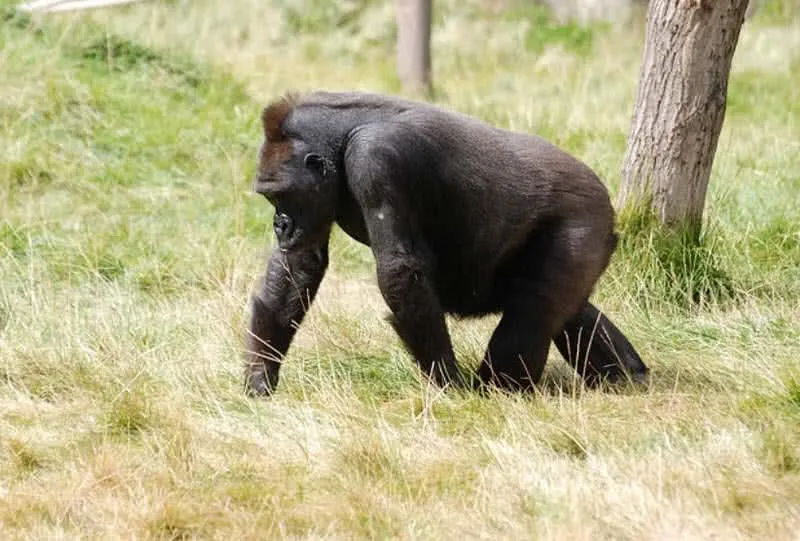
1. Mountain Gorilla
Roughly 1,000 mountain gorillas survive in the volcanic Virunga Mountains and Bwindi Forest, safeguarded by intensive ranger patrols and community ecotourism.
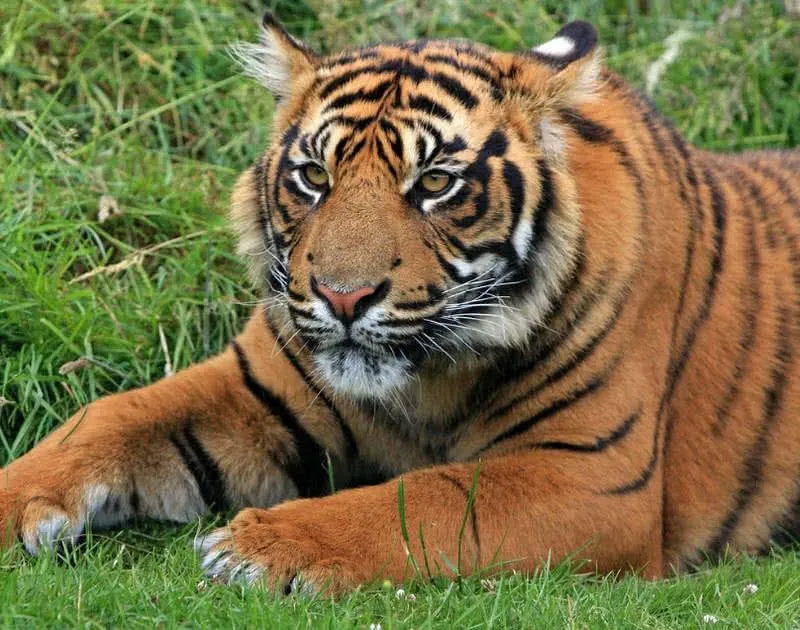
2. Sumatran Tiger
Fewer than 400 Sumatran tigers remain in Indonesia’s dwindling lowland and montane forests, threatened by deforestation and snare poaching.
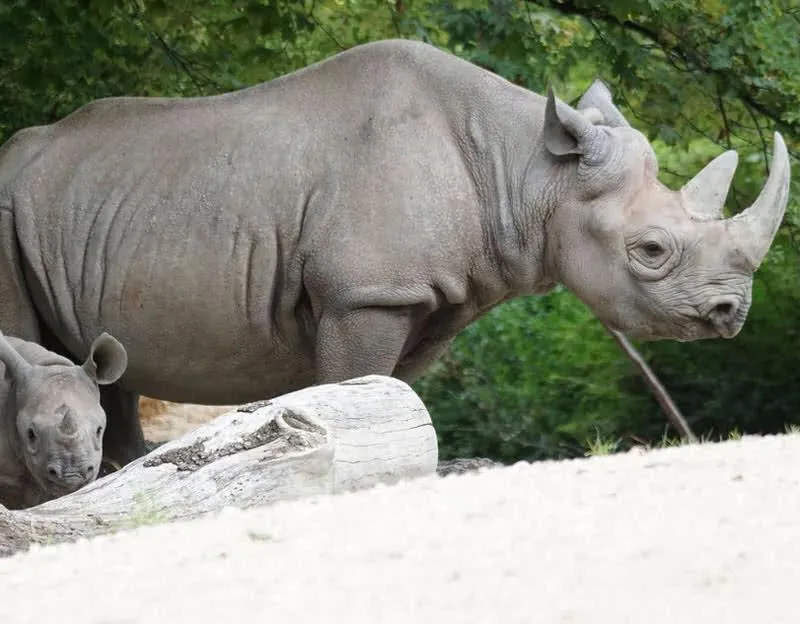
3. Black Rhino
Targeted relentlessly for its horns, the black rhinoceros has shown slow recovery under strict protection, though it remains critically endangered.
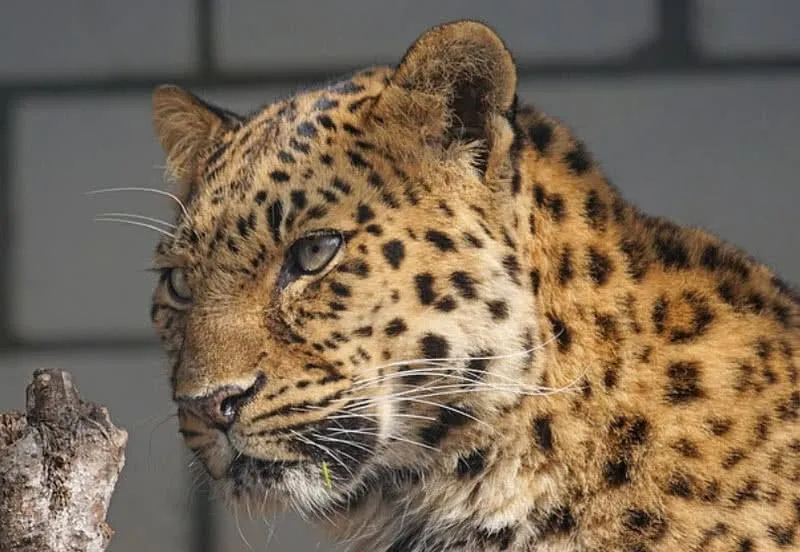
4. Amur Leopard
With roughly 100 individuals left in the Russian Far East and northeastern China, the cold-adapted Amur leopard is the rarest big cat on Earth.
5. Vaquita
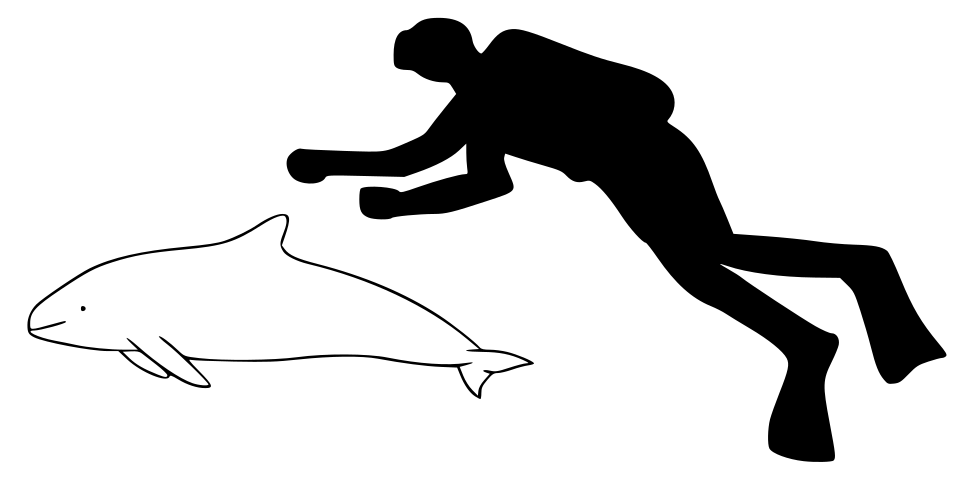
Numbering around ten individuals in Mexico’s northern Gulf of California, the tiny vaquita porpoise is the world’s most endangered marine mammal.
6. California Condor
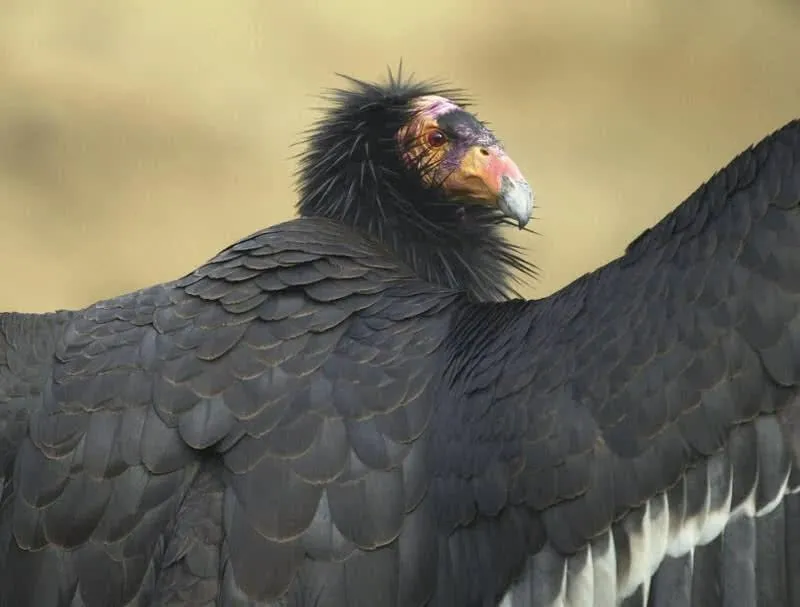
North America’s largest flying land bird dropped to just 27 individuals in 1987 before captive breeding helped restore several hundred birds to the wild.
7. North Atlantic Right Whale
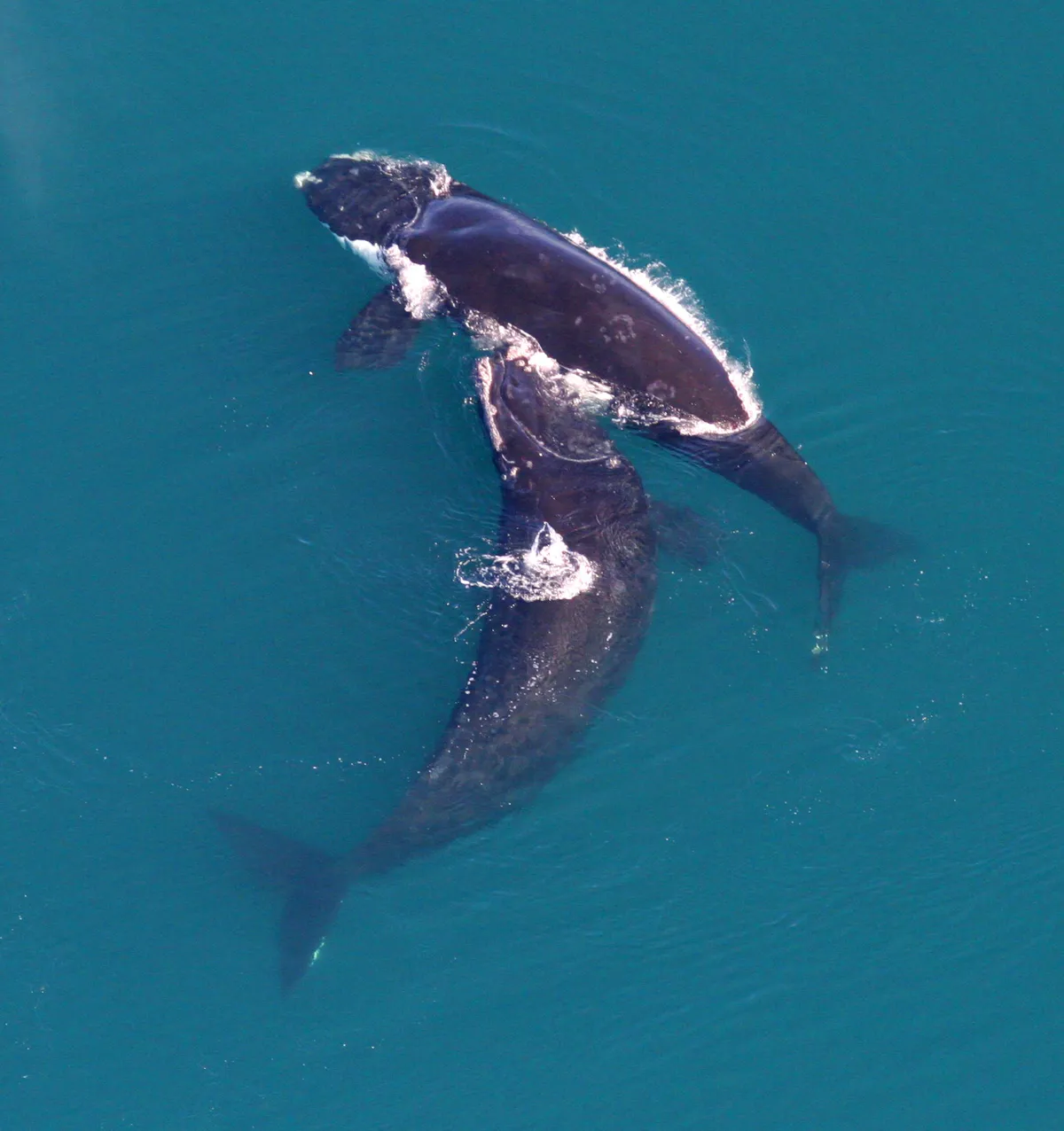
Only around 350 North Atlantic right whales survive along busy US and Canadian shipping lanes, where vessel strikes and rope entanglements outpace births.
8. Javan Rhinoceros
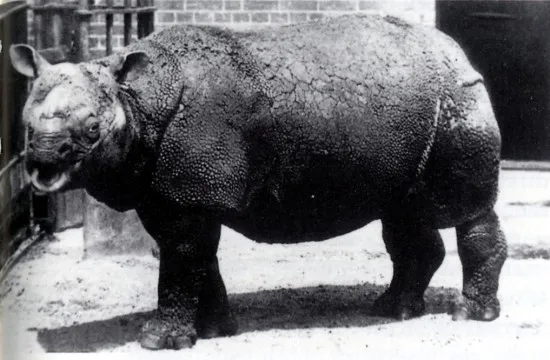
Reduced to a single population of roughly 50 to 80 animals in Indonesia’s Ujung Kulon National Park, one tsunami or disease outbreak could wipe them out.
9. Sumatran Rhinoceros
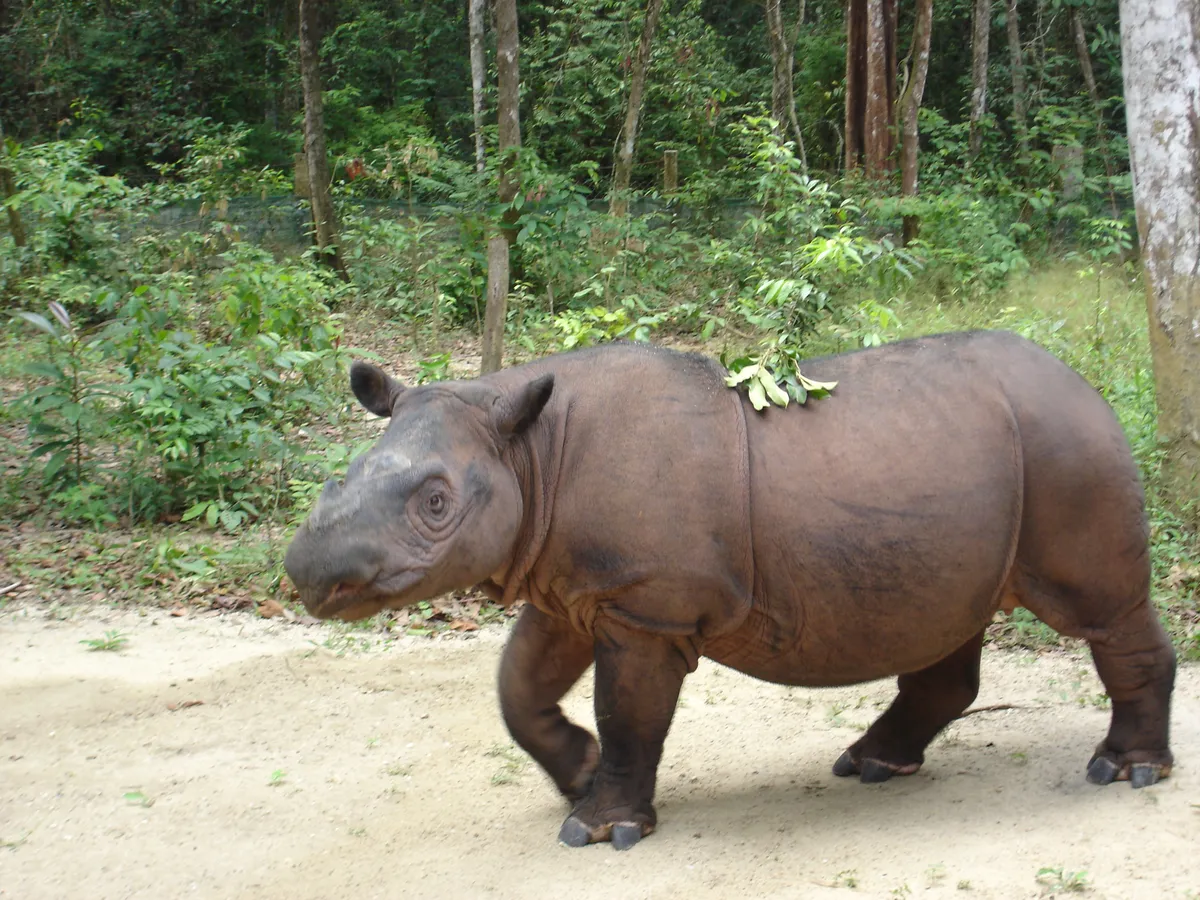
The smallest and hairiest living rhino species numbers fewer than 80 individuals scattered across fragmented forests in Sumatra and Borneo.
10. Iberian Lynx
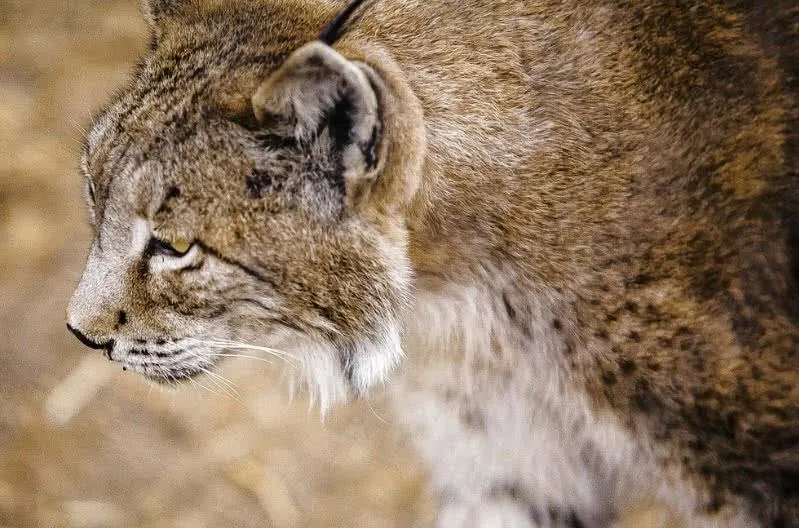
Once down to fewer than 100 cats in Spain and Portugal, intensive rabbit-prey restoration has helped the Iberian lynx rebound, though it remains vulnerable.
11. Bactrian Camel
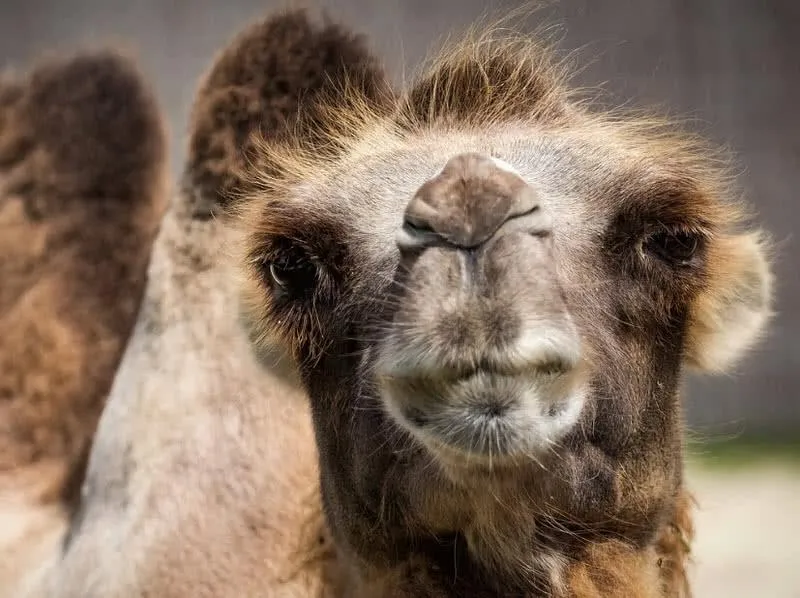
While millions of domesticated two-humped camels exist, fewer than 1,000 wild Bactrian camels survive in the harsh Gobi and Taklamakan deserts.
12. Hawaiian Monk Seal
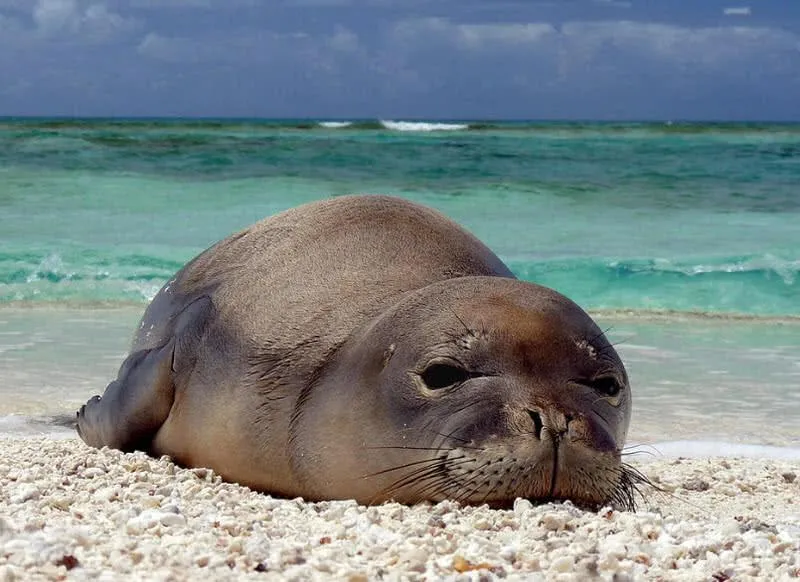
Roughly 1,500 Hawaiian monk seals remain across the Pacific archipelago, facing marine debris entanglement and shrinking pupping beaches.
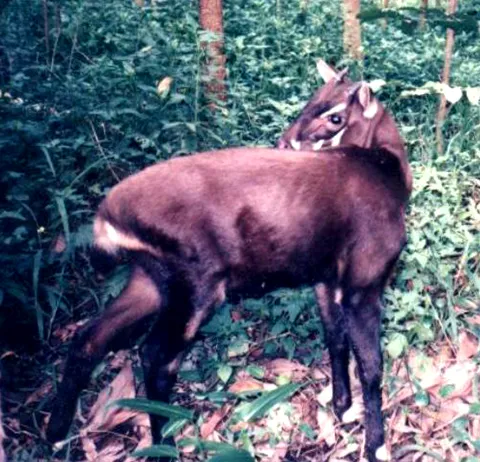
13. Saola
Discovered only in 1992 in the Annamite Mountains of Vietnam and Laos, the elusive “Asian unicorn” has not been photographed in the wild for years.
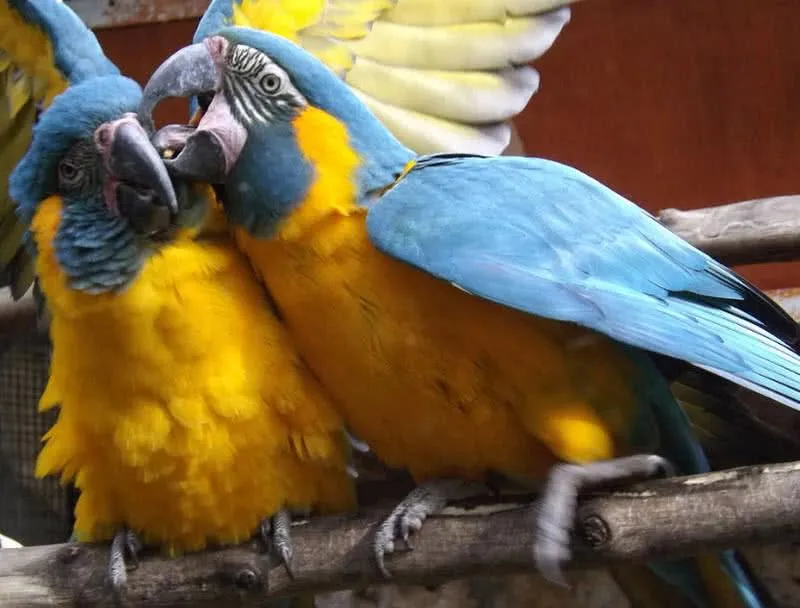
14. Blue-throated Macaw
Endemic to Bolivia’s Beni savannas, only a few hundred blue-throated macaws survive due to historic pet-trade trapping and palm-nesting loss.
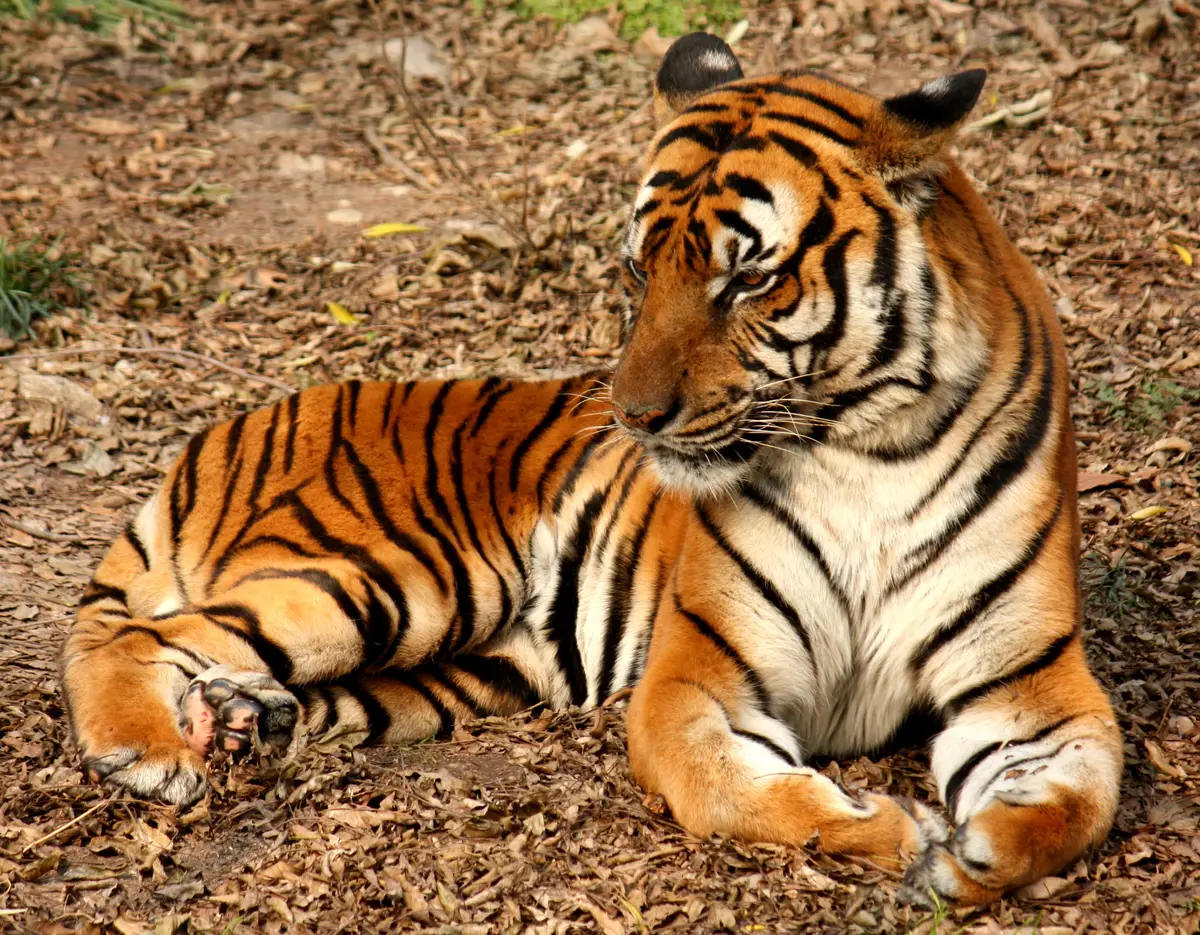
15. South China Tiger
Considered functionally extinct in the wild for decades, this tiger subspecies survives solely in a small captive-breeding population.
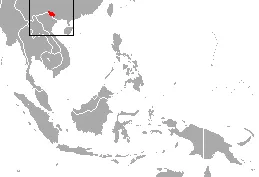
16. Cao Vit Gibbon
Thought extinct until rediscovered in 2002 along the Vietnam-China border, only about 74 Cao Vit gibbons remain in limestone forest fragments.
Conclusion
Conservation successes like the California condor prove that dedicated habitat protection and anti-poaching enforcement can pull species back from the brink. Read more about global wildlife in our African savanna wildlife quiz.