Most blossoms attract bees and butterflies with sweet nectar, yet a remarkable group of plants evolved a completely different strategy: mimicking rotting flesh, dung, or decay to lure carrion flies and beetles as pollinators.
We expanded an original list of ten foul-scented blooms with five more notoriously pungent species, ranking all 15 from #1 (most famous) down to #15. For related botanical wonders, read our strange-looking flowers in the world or test your knowledge with our carnivorous and unusual plants quiz.
How These 15 Entries Are Ranked
This list is ordered from #1 (most popular and widely recognized) down to #15, combining global recognition, cultural impact, and standout traits.
| Rank | Name |
|---|---|
| 1 | Titan Arum (Corpse Flower) |
| 2 | Rafflesia arnoldii |
| 3 | Carrion Plant (Stapelia gigantea) |
| 4 | Dragon Arum (Dracunculus vulgaris) |
| 5 | Eastern Skunk Cabbage |
| 6 | Western Skunk Cabbage |
| 7 | Hydnora africana |
| 8 | Dead Horse Arum (Helicodiceros muscivorus) |
| 9 | Voodoo Lily (Sauromatum venosum) |
| 10 | Bulbophyllum phalaenopsis |
| 11 | Carob Tree (Ceratonia siliqua) |
| 12 | Bradford Pear (Pyrus calleryana) |
| 13 | Stinking Iris (Iris foetidissima) |
| 14 | Arum dioscoridis |
| 15 | Bulbophyllum beccarii |
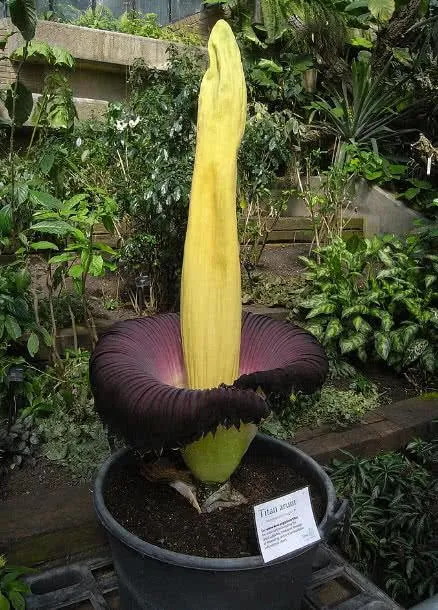
1. Titan Arum (Corpse Flower)
Native to Sumatra, Amorphophallus titanum produces a towering inflorescence up to three meters tall and heats up to spread its rotting-flesh stench.
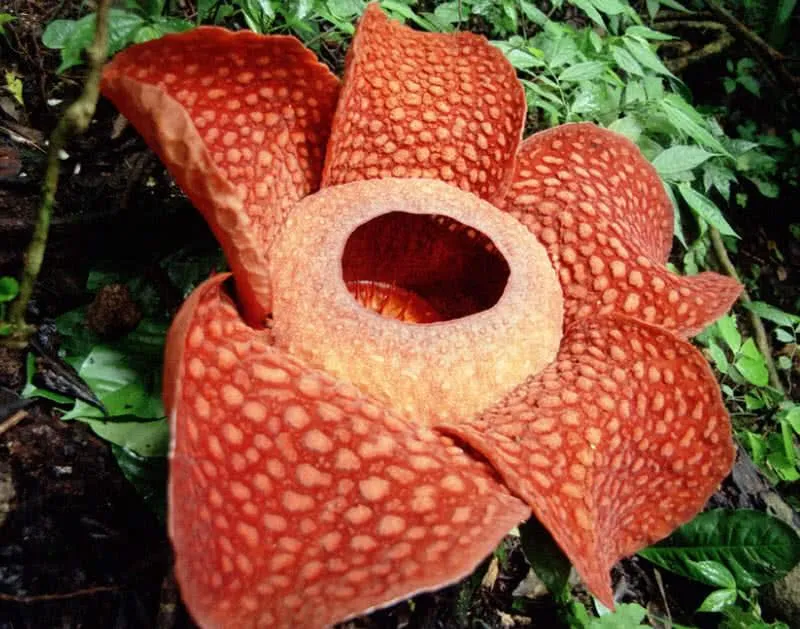
2. Rafflesia arnoldii
Holding the record for the largest individual flower on Earth, this parasitic rainforest bloom emits a powerful carrion odor to draw flies.
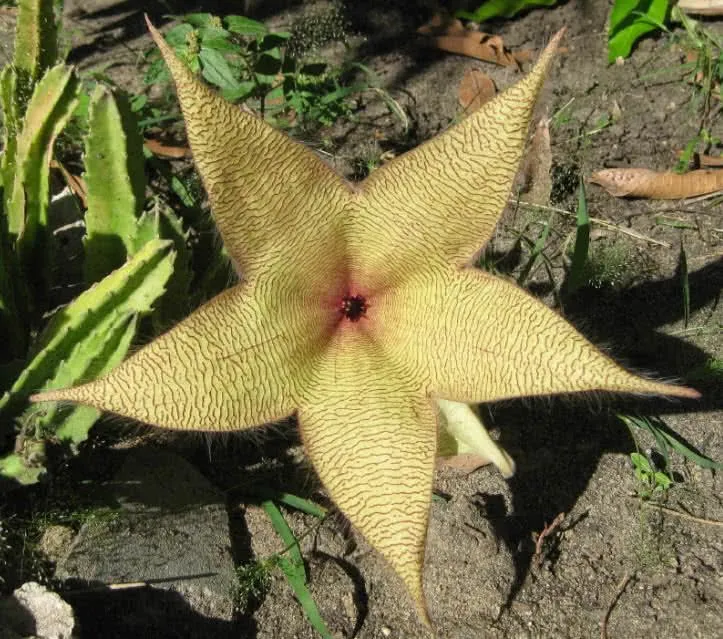
3. Carrion Plant (Stapelia gigantea)
Its massive star-shaped, velvety petals resemble decaying meat in both color and smell.
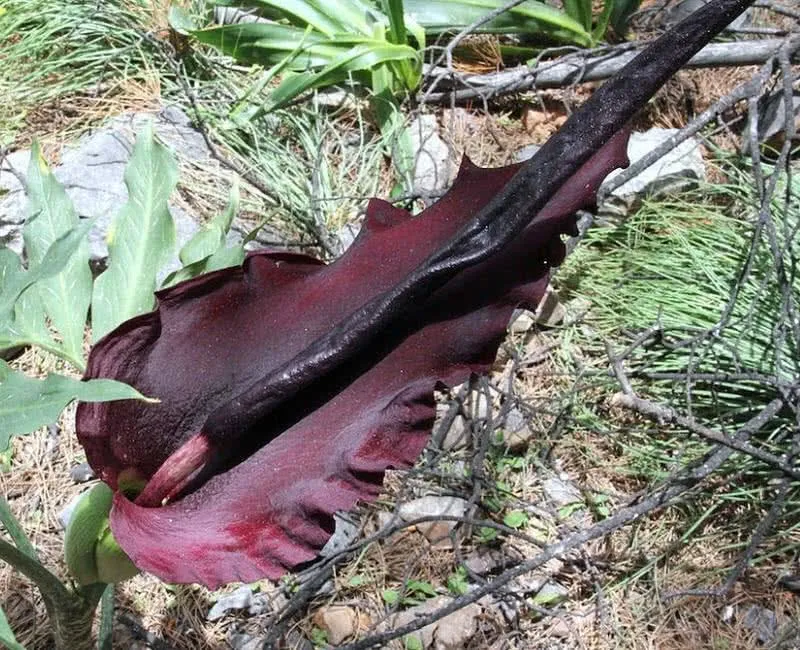
4. Dragon Arum (Dracunculus vulgaris)
Featuring a dramatic dark burgundy spathe and spadix, this Mediterranean plant releases a brief but intense rotting scent when it first opens.
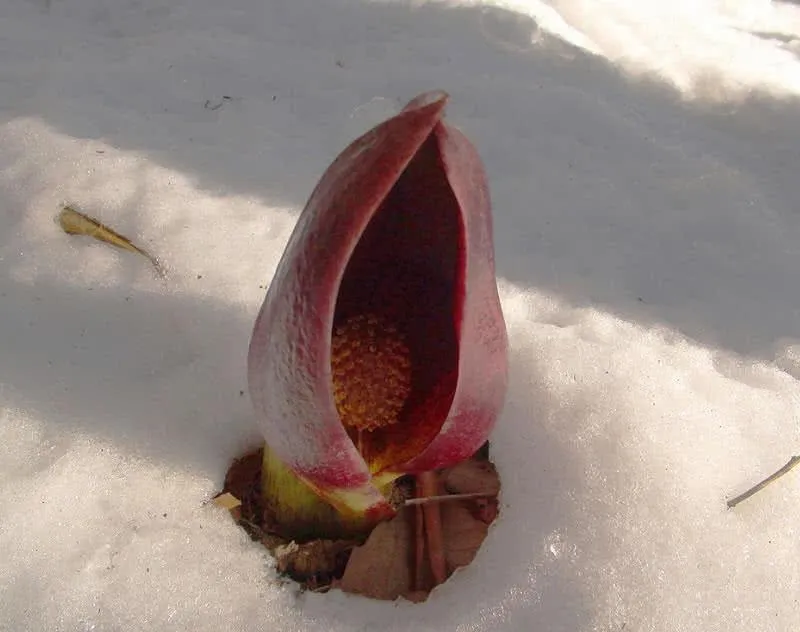
5. Eastern Skunk Cabbage
Generating enough internal heat to melt late-winter snow, Symplocarpus foetidus emits a skunky, garlicky odor in North American wetlands.
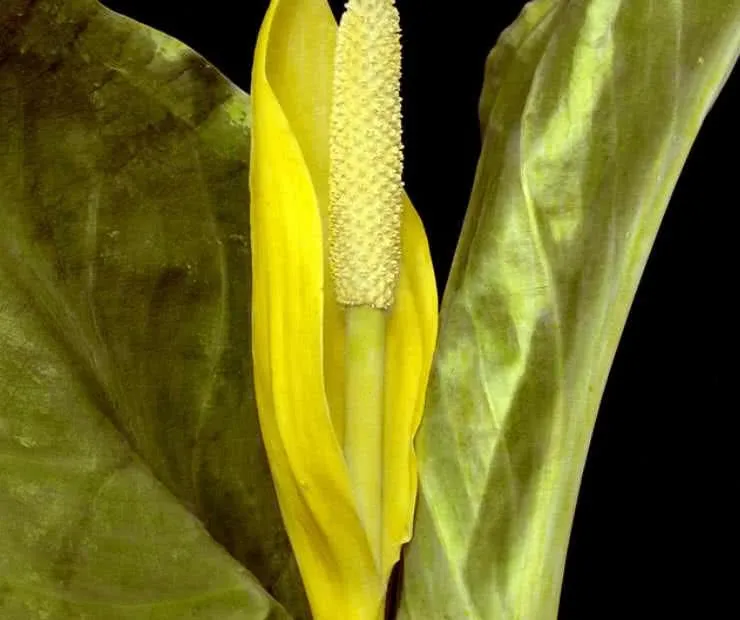
6. Western Skunk Cabbage
Bright yellow spathes light up Pacific Northwest swamps every spring alongside an unmistakable musky aroma.
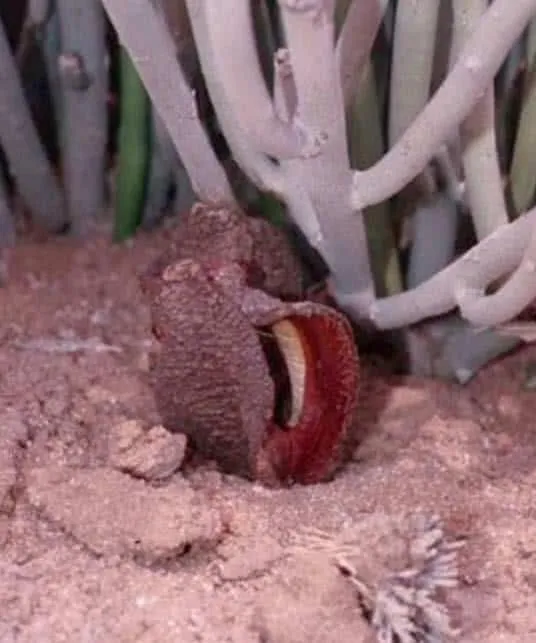
7. Hydnora africana
A bizarre subterranean parasitic plant from southern Africa whose fleshy, trap-like flower smells strongly of feces to detain dung beetles.
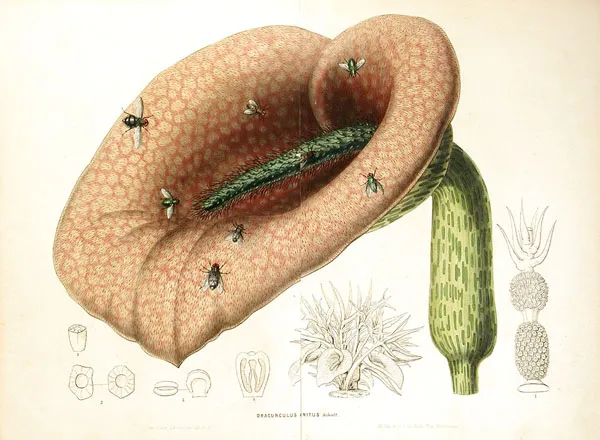
8. Dead Horse Arum (Helicodiceros muscivorus)
This Mediterranean island plant mimics both the scent and bristly appearance of a dead animal to trick blowflies.
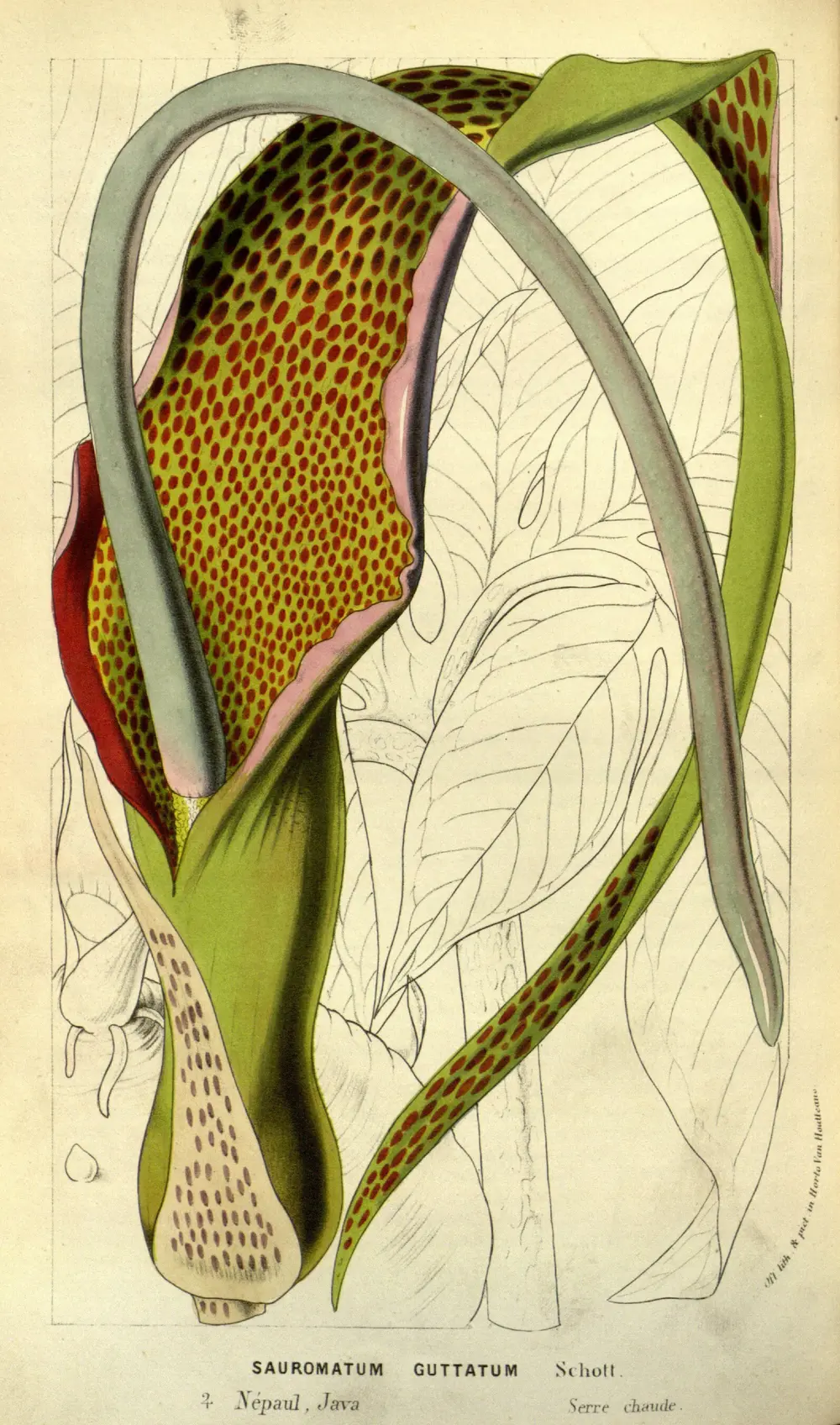
9. Voodoo Lily (Sauromatum venosum)
A striking mottled spathe emerges before the leaves, releasing a sharp carrion scent for a single morning to attract pollinators.
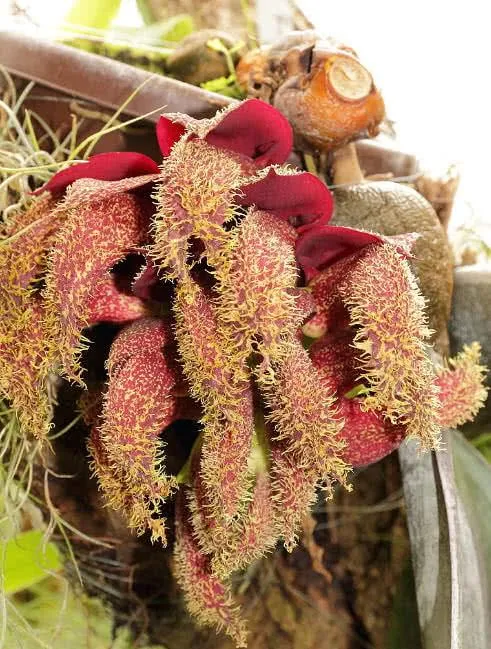
10. Bulbophyllum phalaenopsis
One of the largest orchids in New Guinea, famed for clusters of hairy blooms smelling like dead rats.
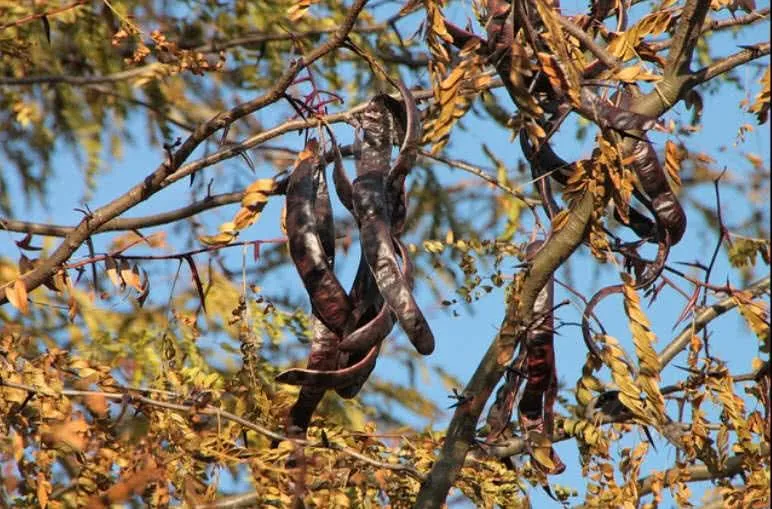
11. Carob Tree (Ceratonia siliqua)
While its pods are prized as a chocolate substitute, the small male blossoms carry a notoriously unpleasant, musky smell.
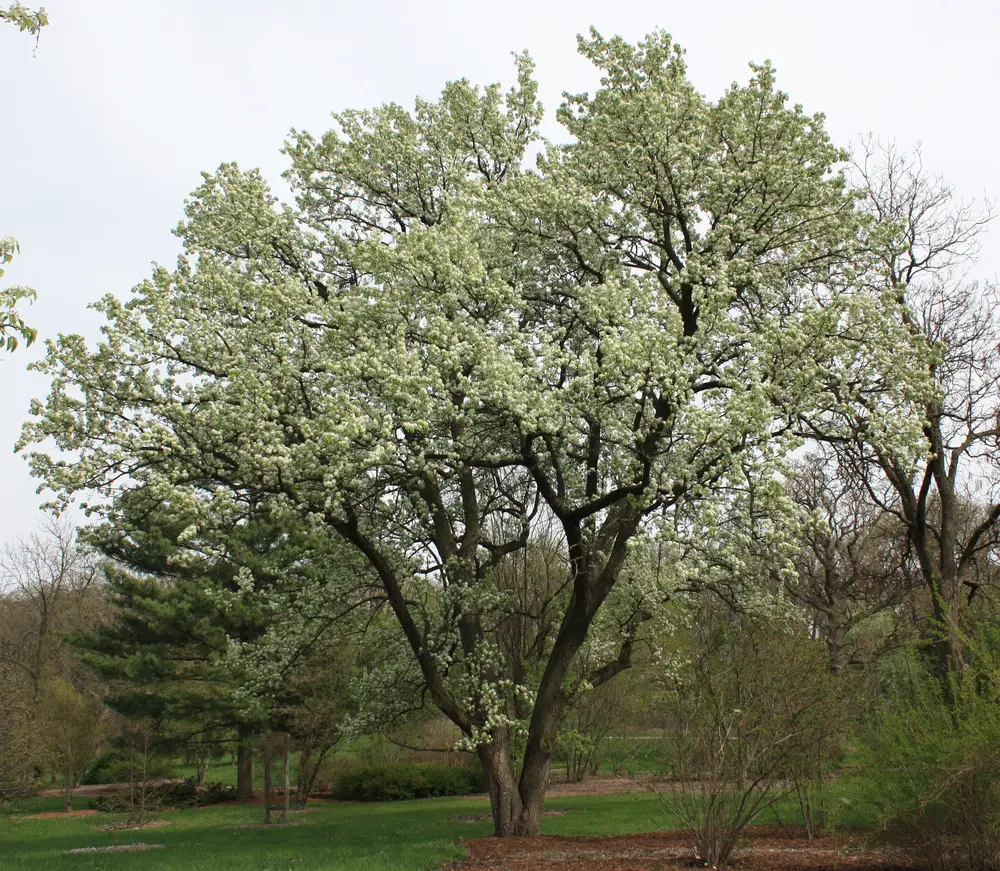
12. Bradford Pear (Pyrus calleryana)
Clouded in spring white blossoms across city streets, this ornamental pear is infamous for a pungent, fishy odor.
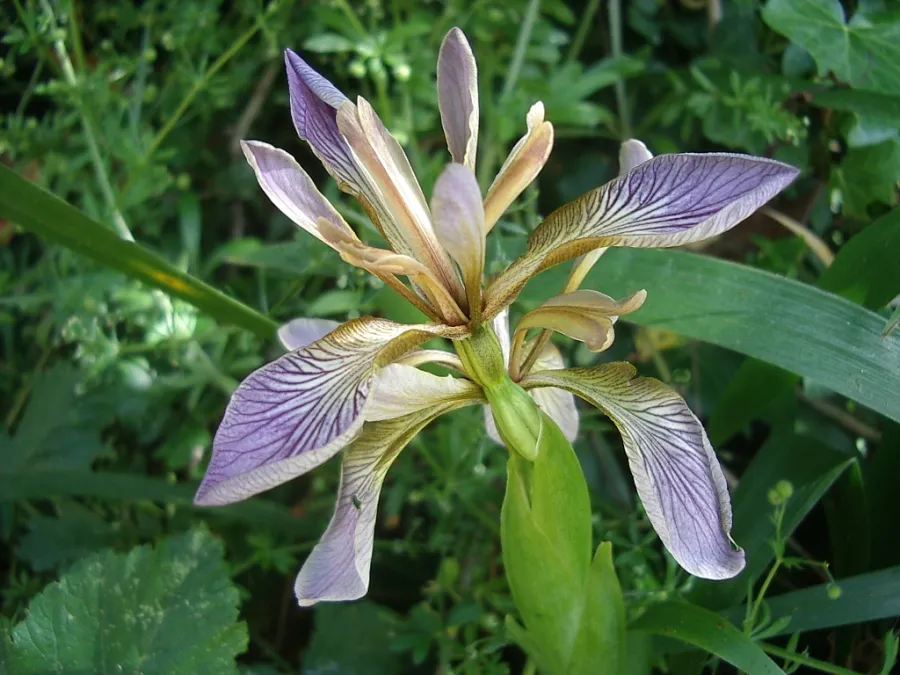
13. Stinking Iris (Iris foetidissima)
When its evergreen leaves are crushed or bruised, this woodland iris gives off an unmistakable roast-beef or stale-meat smell.
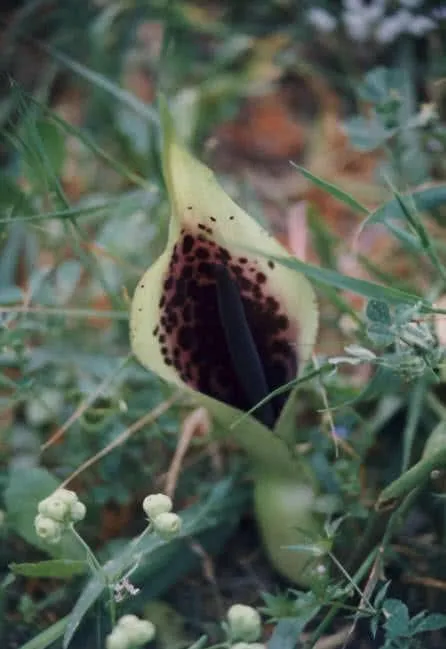
14. Arum dioscoridis
Spotted in dark maroon, this eastern Mediterranean arum relies on a pungent dung-like scent to trap small flies.
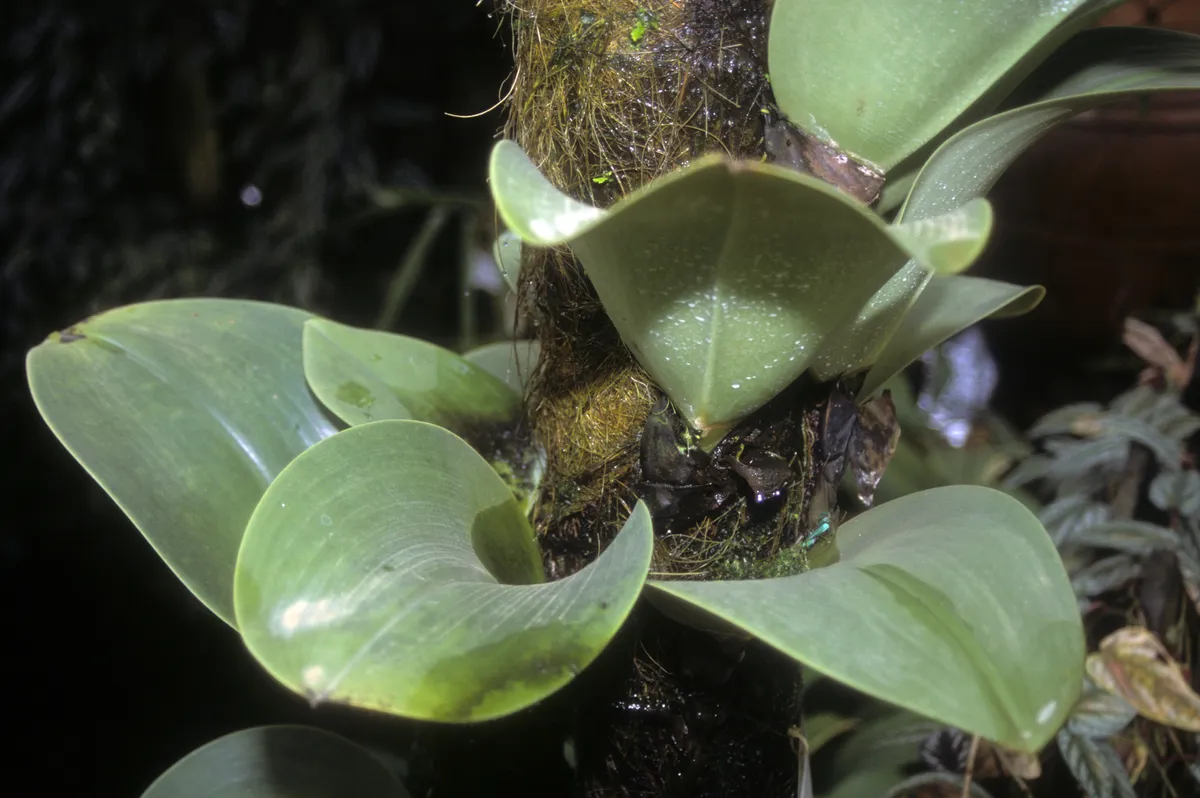
15. Bulbophyllum beccarii
A massive climbing orchid from Borneo whose dense flower spikes are so foul they are often compared to a herd of dead elephants.
Conclusion
Though their odors can clear a greenhouse in seconds, these carrion-scented flowers showcase evolution’s ingenuity in turning decay into a survival advantage.