While human ears top out around 20,000 hertz, wild ears span both extremes—catching infrasound elephant rumbles miles away through the ground or bat-evading ultrasonic chirps at 300,000 hertz.
We expanded an original list of ten sharp-eared creatures with five more acoustic champions, ranking all 15 from #1 (most famous) down to #15. Test your own knowledge with our animal senses quiz and animals that use echolocation.
How These 15 Entries Are Ranked
This list is ordered from #1 (most popular and widely recognized) down to #15, combining global recognition, cultural impact, and standout traits.
| Rank | Name |
|---|---|
| 1 | Bat |
| 2 | Owl |
| 3 | Dolphin |
| 4 | Elephant |
| 5 | Dog |
| 6 | Cat |
| 7 | Greater Wax Moth |
| 8 | Fennec Fox |
| 9 | Horse |
| 10 | Rat |
| 11 | Pigeon |
| 12 | Beluga Whale |
| 13 | Tarsier |
| 14 | Hedgehog |
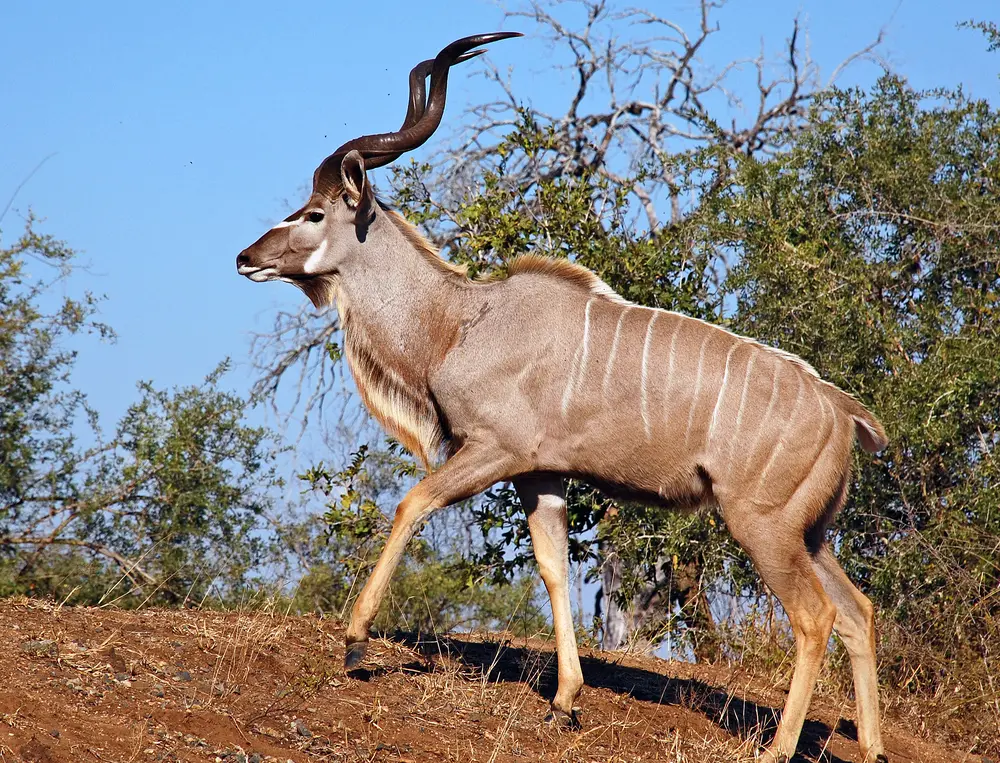
| 15 | Greater Kudu |
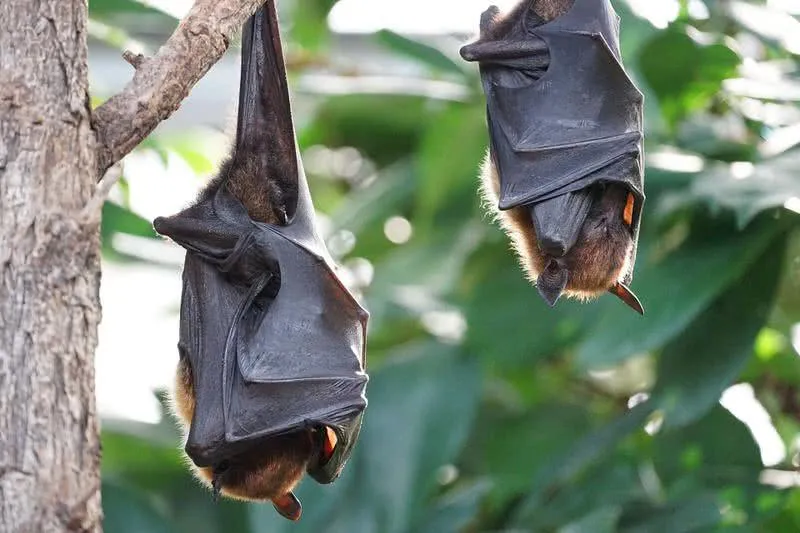
1. Bat
Hearing up to 200 kHz, bats process returning sonar echoes rapidly enough to catch dodging moths in midair.
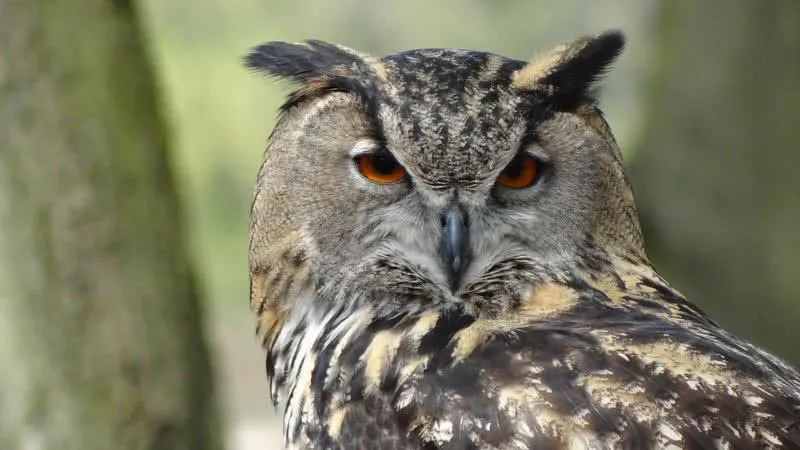
2. Owl
Asymmetrical ear openings let barn owls triangulate mice scuttling beneath deep winter snow.
3. Dolphin
Receiving underwater echoes up to 160 kHz through fat-filled lower jaws.

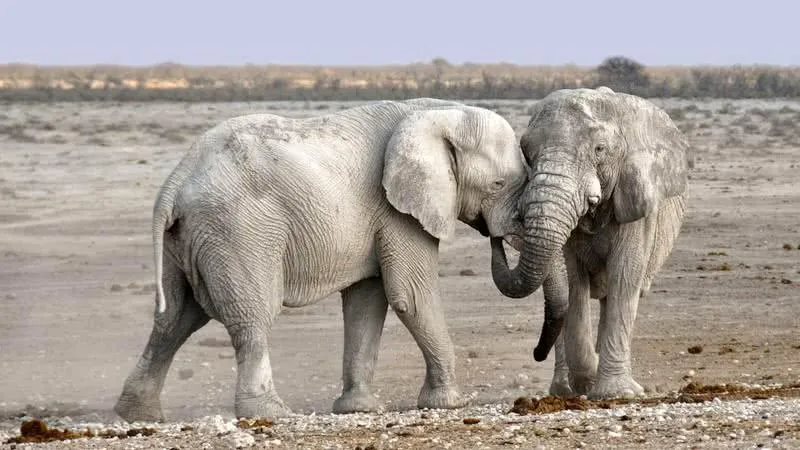
4. Elephant
Picking up deep 14 Hz infrasound calls through both massive ears and sensitive footpads.
5. Dog
Detecting frequencies up to 60 kHz and hearing distant sounds four times farther than humans.

6. Cat
Swiveling 32-muscle ears independently to pinpoint high-pitched rodent squeaks up to 64 kHz.

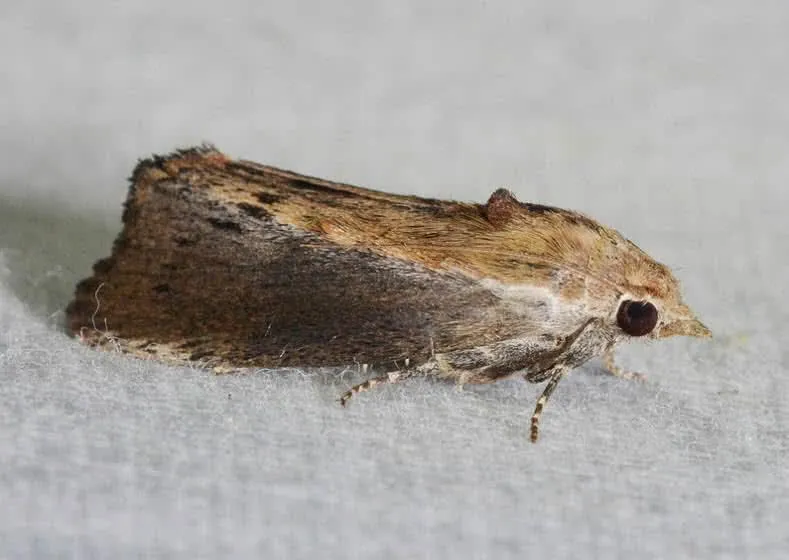
7. Greater Wax Moth
Holding the known animal record at 300 kHz to hear approaching bats and dive for cover.
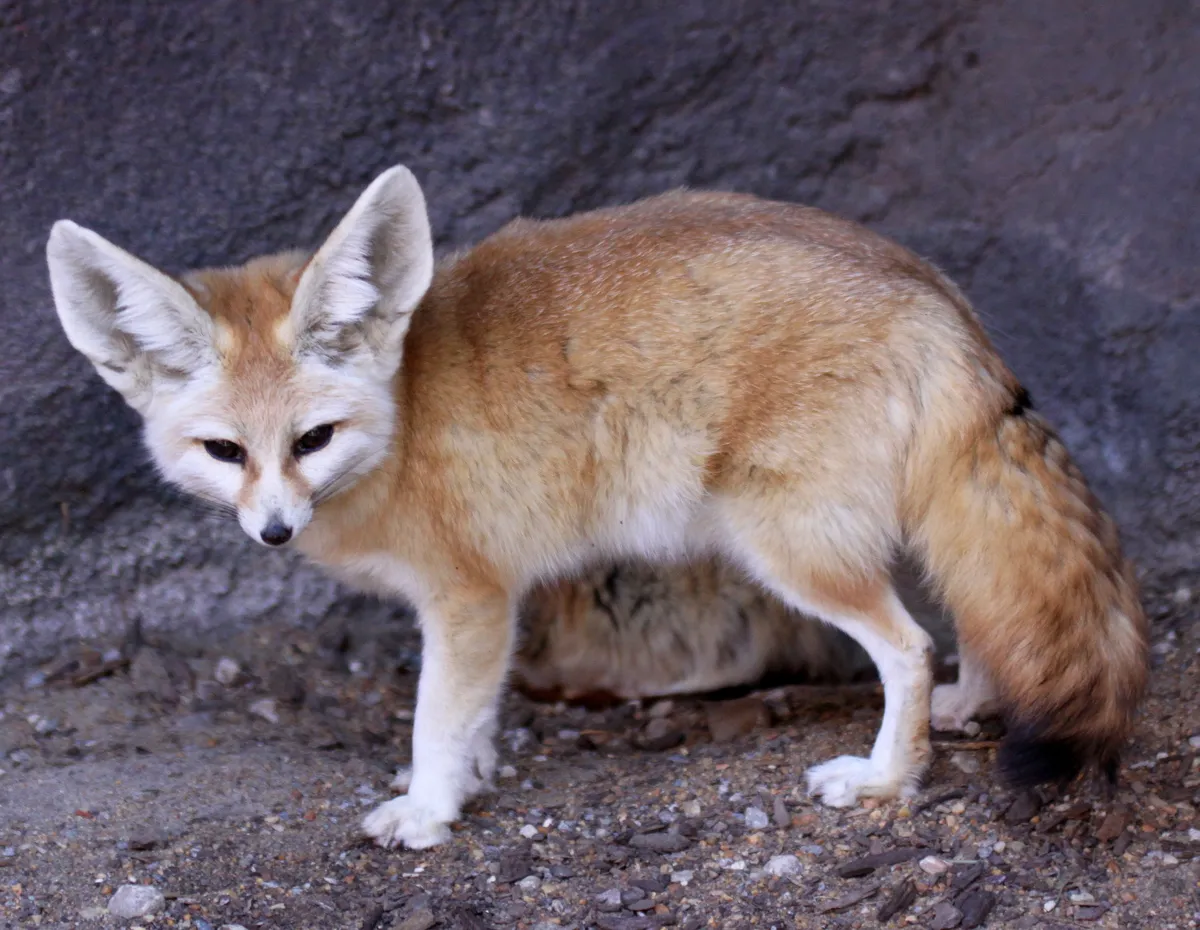
8. Fennec Fox
Giant six-inch ears act like parabolic dishes listening for beetles tunneling beneath Sahara sand.
9. Horse
Independent funnel-shaped ears rotate 180 degrees to track approaching herd threats.

10. Rat
Communicating in ultrasonic social chirps far above human hearing.

11. Pigeon
Detecting ultra-low infrasound from distant storms and ocean waves during long flights.

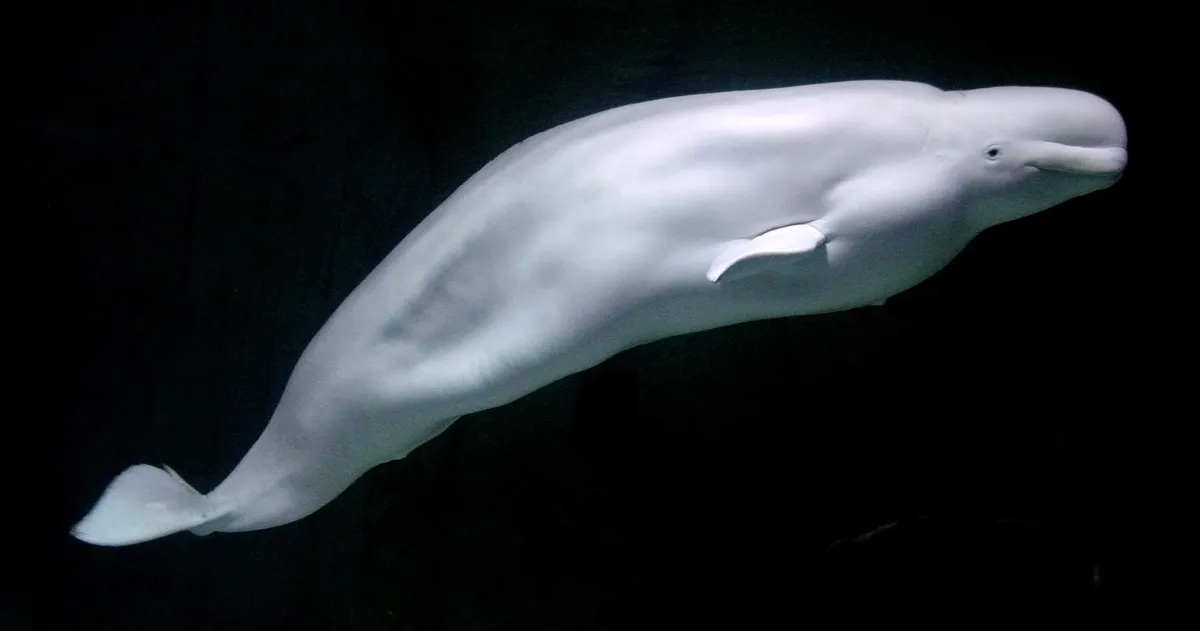
12. Beluga Whale
Sensitive Arctic listeners tracking cracking sea ice and pod calls across miles of water.
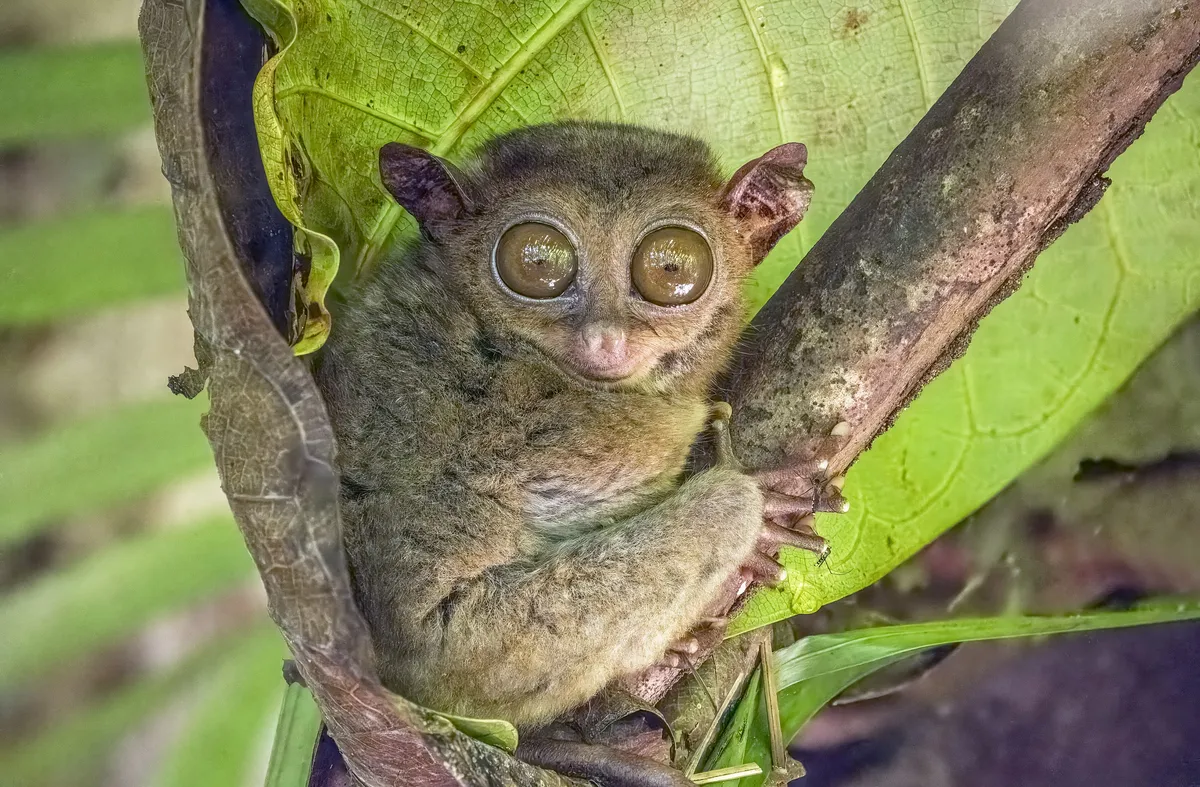
13. Tarsier
Nocturnal primates tuning sharp bat-like ears toward rustling rainforest insects.
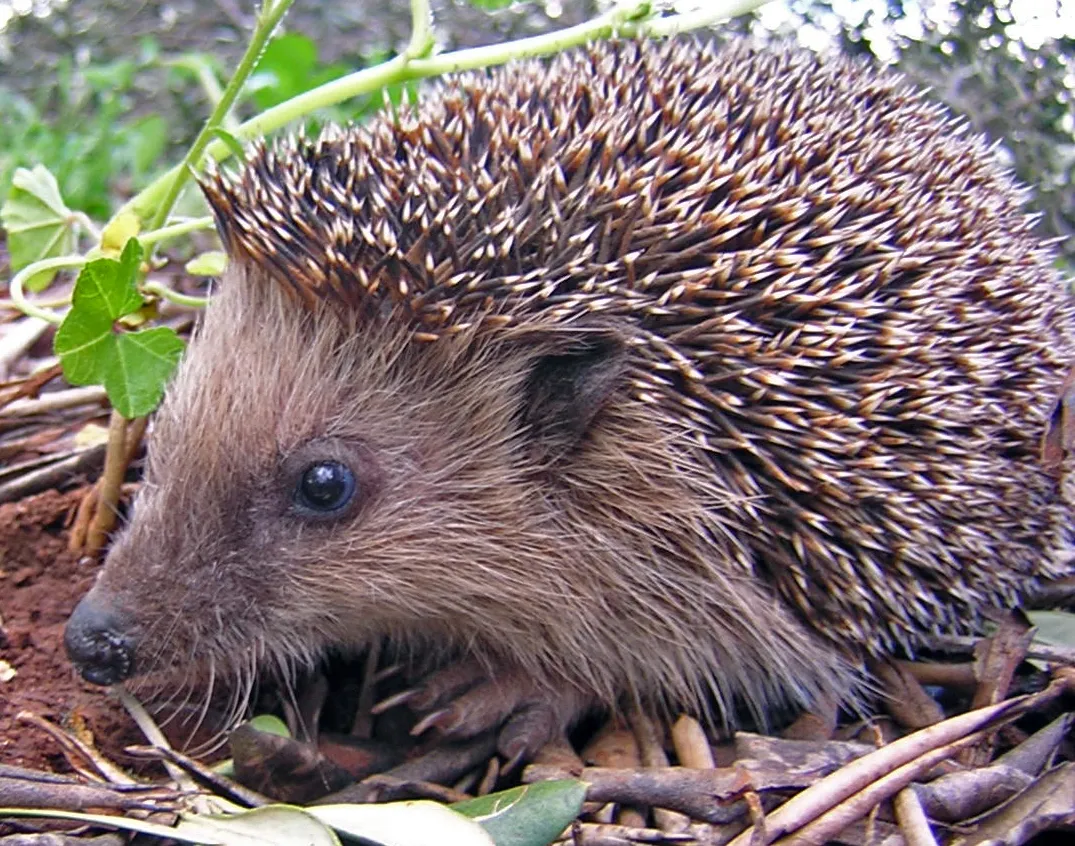
14. Hedgehog
Foraging at night with acute ultrasonic sensitivity for beetles and worms.
15. Greater Kudu
Large cupped woodland-antelope ears sweeping dense African thickets for stealthy predators.
Conclusion
Whether rotating dish-like ears or tuning into underwater clicks, hearing turns sound waves into a three-dimensional map.