Across India’s basalt cliffs and granite hills, ancient artisans carved entire monasteries, prayer halls, and multi-story temples straight out of living rock. Spanning Buddhist, Hindu, and Jain traditions, these sanctuaries preserve over two millennia of sculpture and mural art.
We expanded an original selection of nine cave complexes with five more celebrated sites, ranking all 14 from #1 (most famous) down to #14. For more global heritage highlights, test yourself with our UNESCO natural heritage quiz.
How These 14 Entries Are Ranked
This list is ordered from #1 (most popular and widely recognized) down to #14, combining global recognition, visitor or cultural reach, and standout traits.
| Rank | Name |
|---|---|
| 1 | Ajanta Caves, Maharashtra |
| 2 | Ellora Caves, Maharashtra |
| 3 | Elephanta Caves, Maharashtra |
| 4 | Badami Caves, Karnataka |
| 5 | Kanheri Caves, Mumbai |
| 6 | Karla Caves, Maharashtra |
| 7 | Barabar Caves, Bihar |
| 8 | Udayagiri Caves, Odisha |
| 9 | Bhaja Caves, Maharashtra |
| 10 | Undavalli Caves, Andhra Pradesh |
| 11 | Belum Caves, Andhra Pradesh |
| 12 | Pandavleni Caves, Nashik |
| 13 | Varaha Cave Temple, Tamil Nadu |
| 14 | Bagh Caves, Madhya Pradesh |
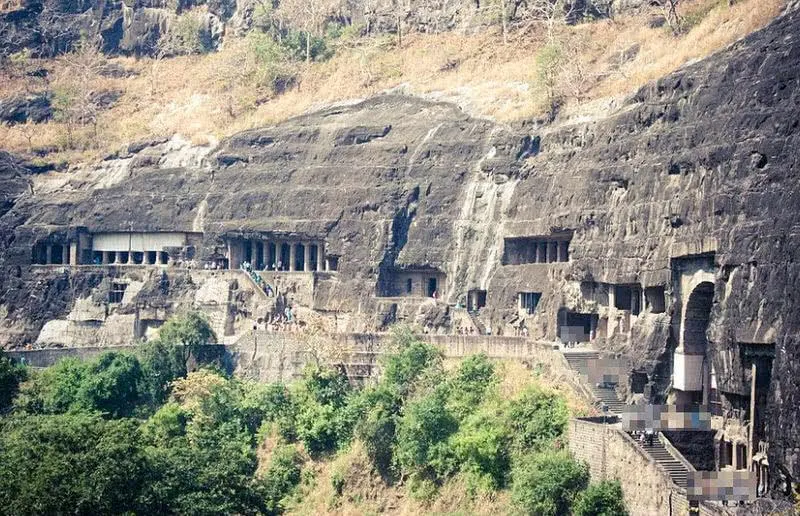
1. Ajanta Caves, Maharashtra
Carved into a horseshoe-shaped gorge between the 2nd century BCE and 6th century CE, Ajanta’s 30 Buddhist caves preserve India’s finest ancient frescoes.
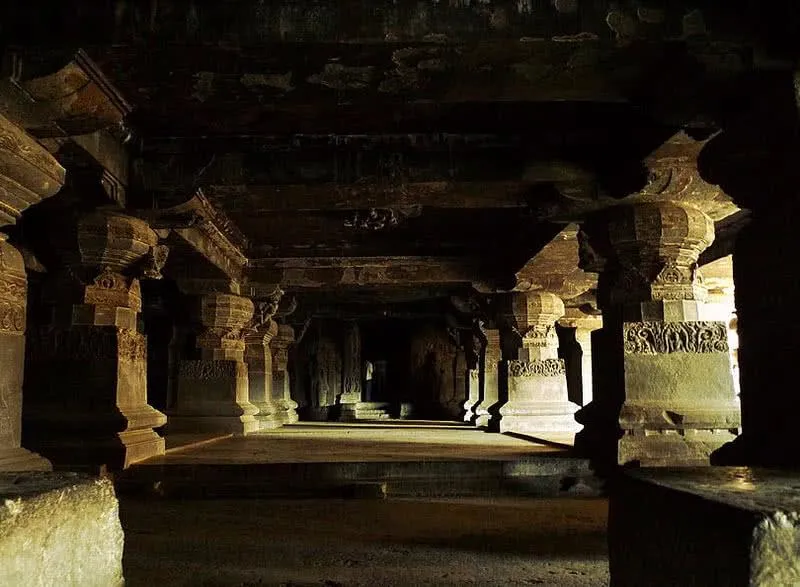
2. Ellora Caves, Maharashtra
A UNESCO site uniting 34 Buddhist, Hindu, and Jain monuments—headlined by the colossal monolithic Kailasa Temple carved from the top down.
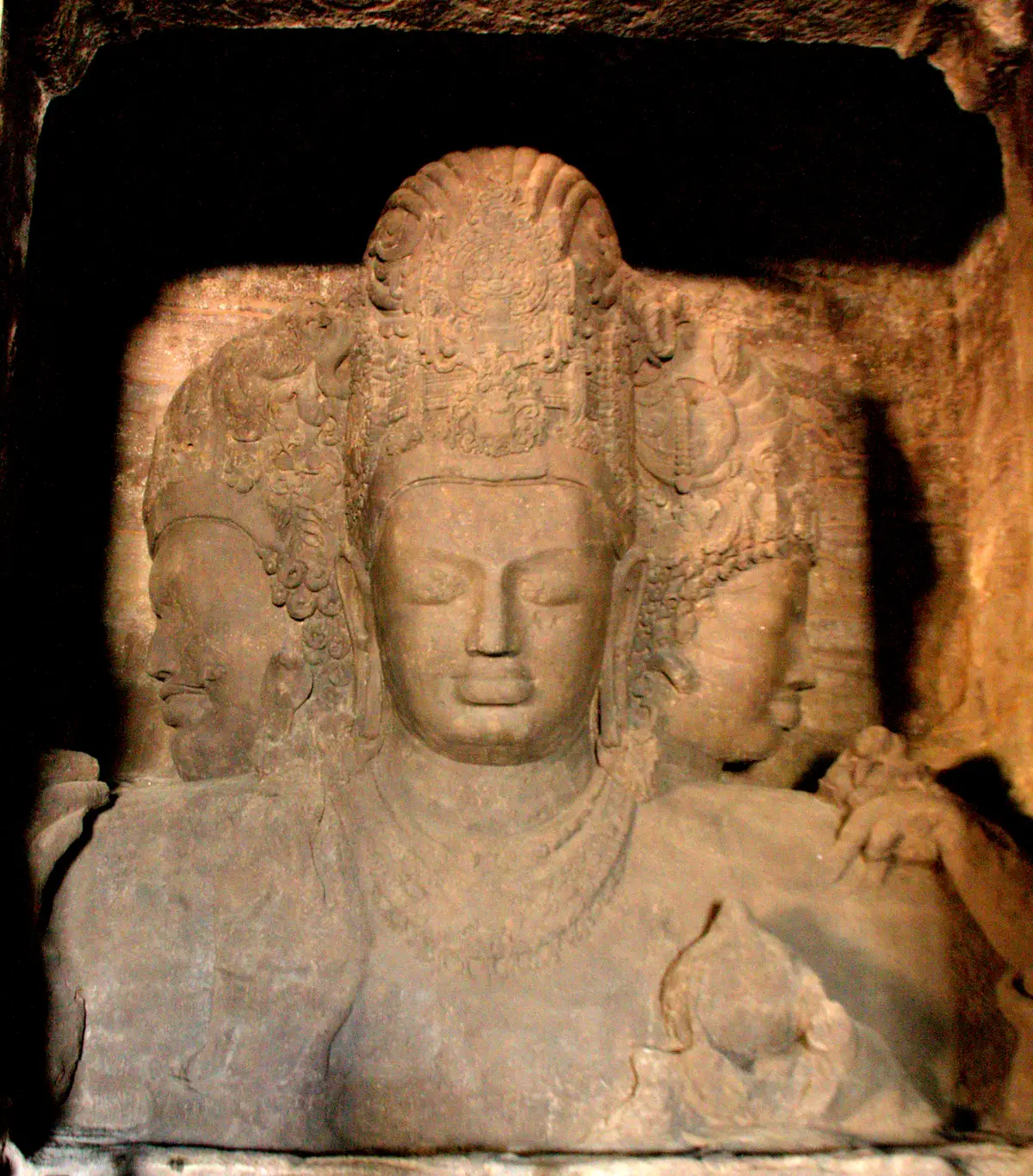
3. Elephanta Caves, Maharashtra
Set on an island in Mumbai Harbor, this 5th–7th century Shiva sanctuary centers on the monumental 20-foot three-faced Trimurti sculpture.
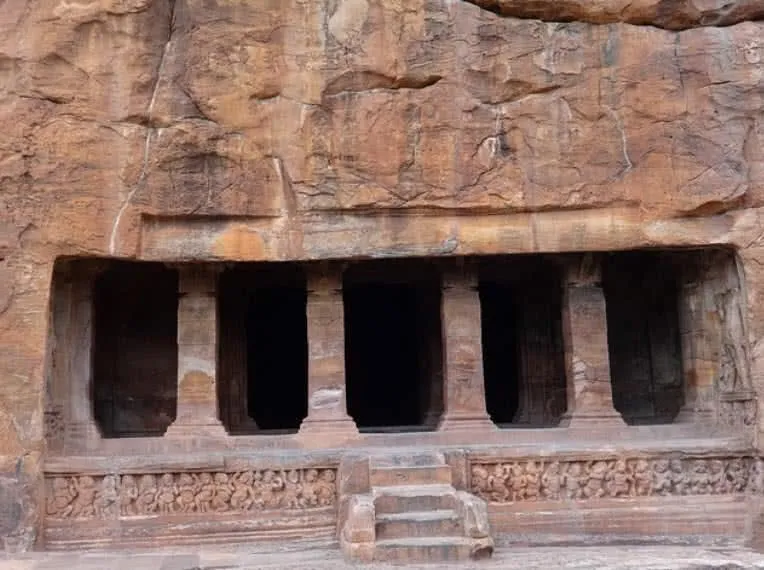
4. Badami Caves, Karnataka
Hewn into red sandstone cliffs in the 6th century under the Chalukya dynasty, overlooking the serene Agastya Lake.
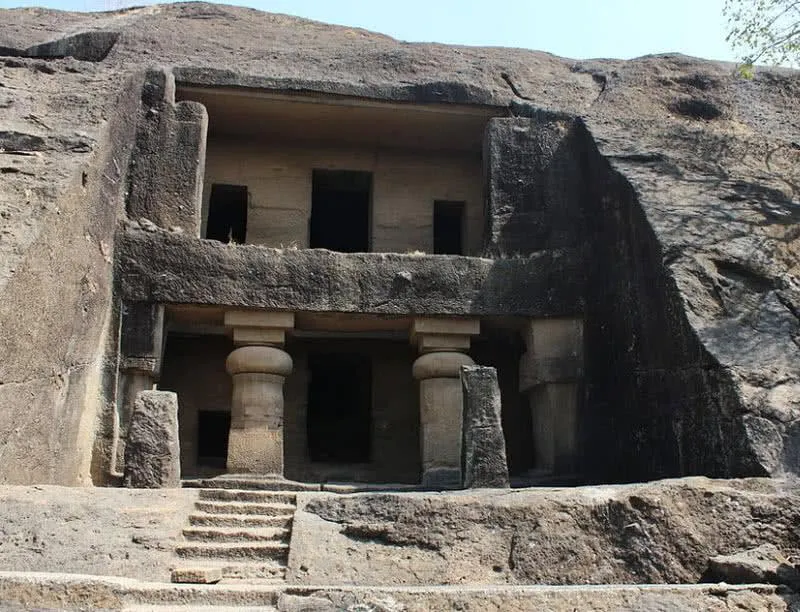
5. Kanheri Caves, Mumbai
Over 100 Buddhist caves carved into basalt hills inside Sanjay Gandhi National Park, once a thriving monastic university.
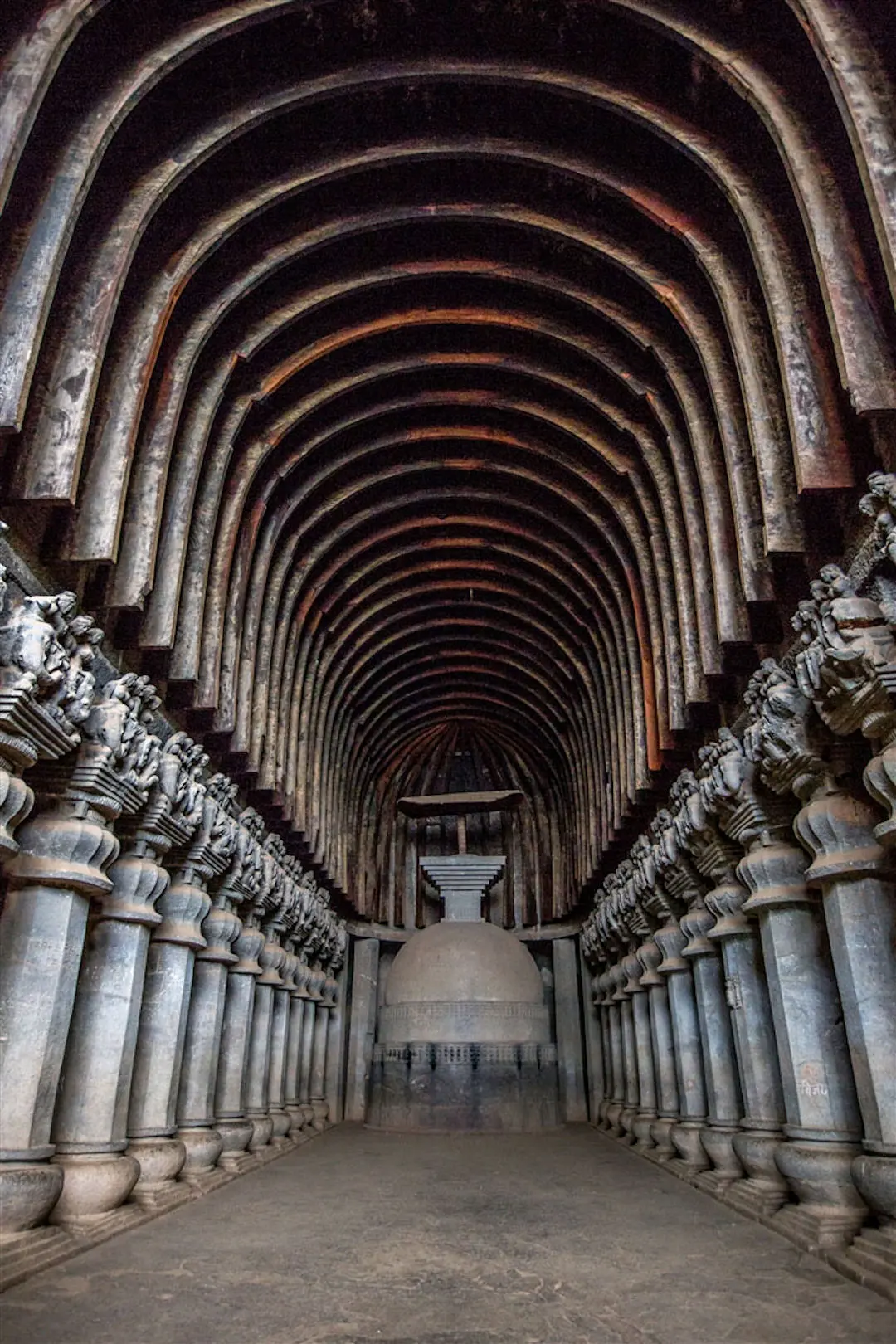
6. Karla Caves, Maharashtra
Home to India’s largest and best-preserved rock-cut Buddhist chaitya prayer hall, featuring a vaulted stone-ribbed ceiling.
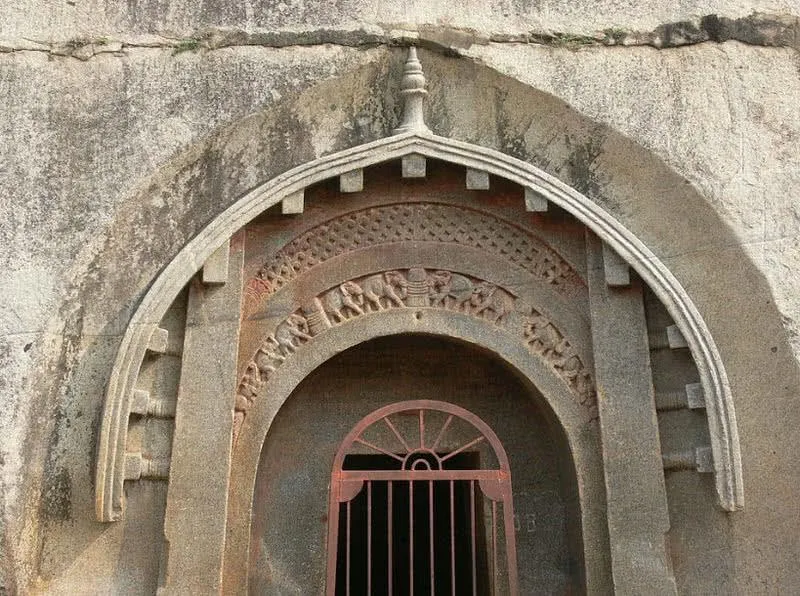
7. Barabar Caves, Bihar
Dating back to the 3rd-century BCE Maurya Empire, these are the oldest surviving rock-cut caves in India, famed for mirror-polished granite walls.
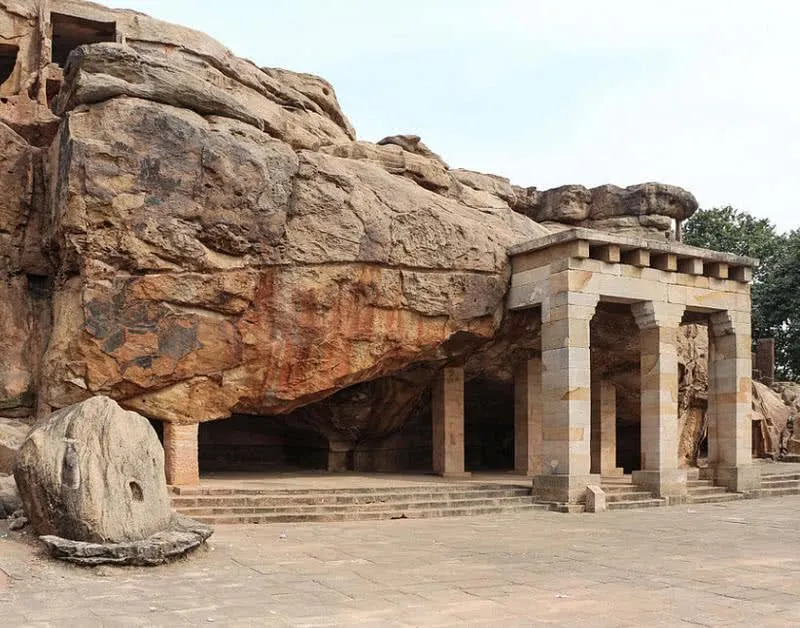
8. Udayagiri Caves, Odisha
Carved during the 1st century BCE for Jain ascetics, featuring ornate archways and the famous Hathigumpha inscription.
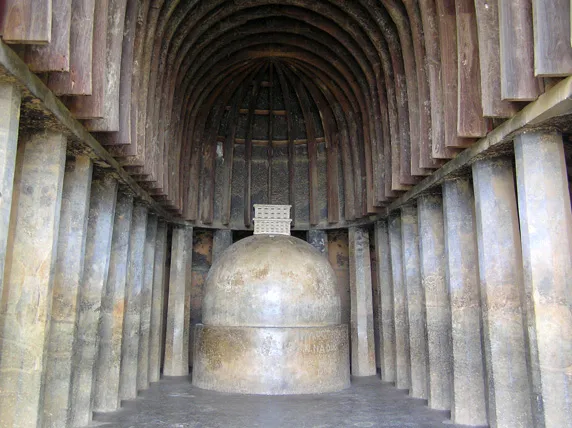
9. Bhaja Caves, Maharashtra
A tranquil 2nd-century BCE group of 22 Buddhist caves near Lonavala showcasing early wooden-style stone architecture and stupas.
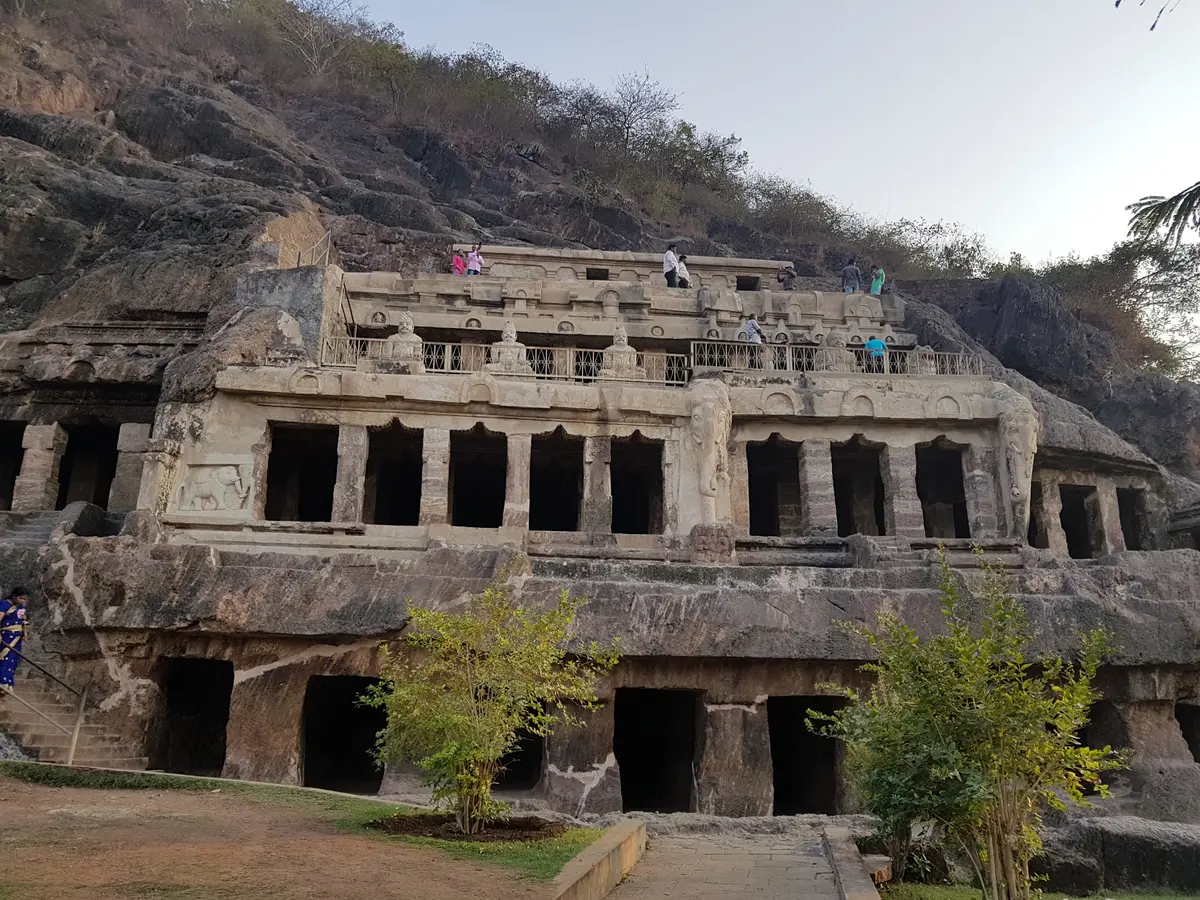
10. Undavalli Caves, Andhra Pradesh
A four-story monolithic sandstone temple near Vijayawada housing a giant reclining Vishnu carved from a single granite block.
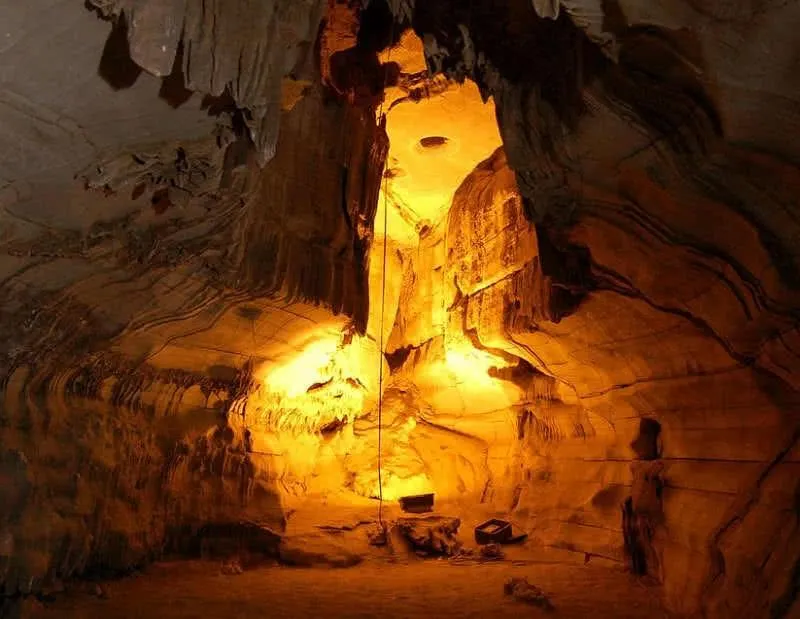
11. Belum Caves, Andhra Pradesh
India’s second-longest natural cave system stretches over 3.2 kilometers of dramatic limestone passages and underground chambers.
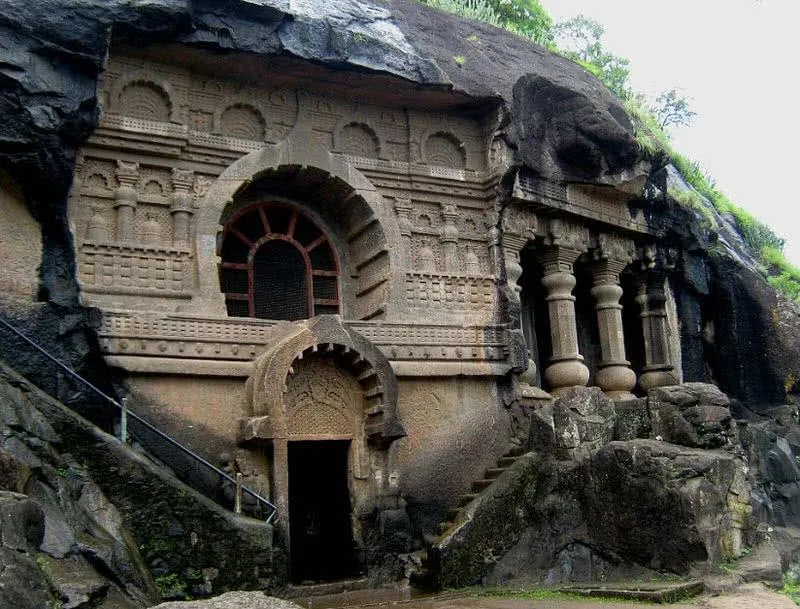
12. Pandavleni Caves, Nashik
Twenty-four Hinayana Buddhist caves carved between the 1st century BCE and 3rd century CE high on Trirashmi hill.
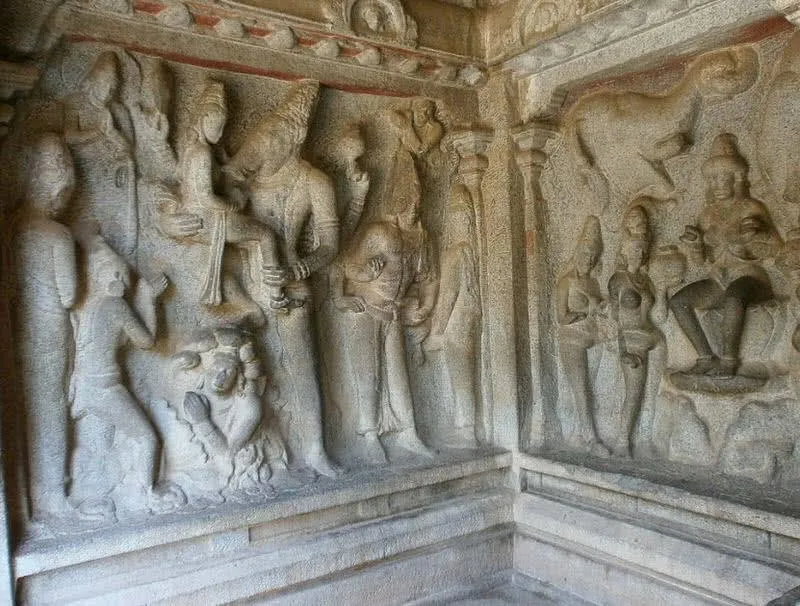
13. Varaha Cave Temple, Tamil Nadu
A 7th-century Pallava rock-cut mandapa at Mahabalipuram celebrated for intricate mythological bas-reliefs.
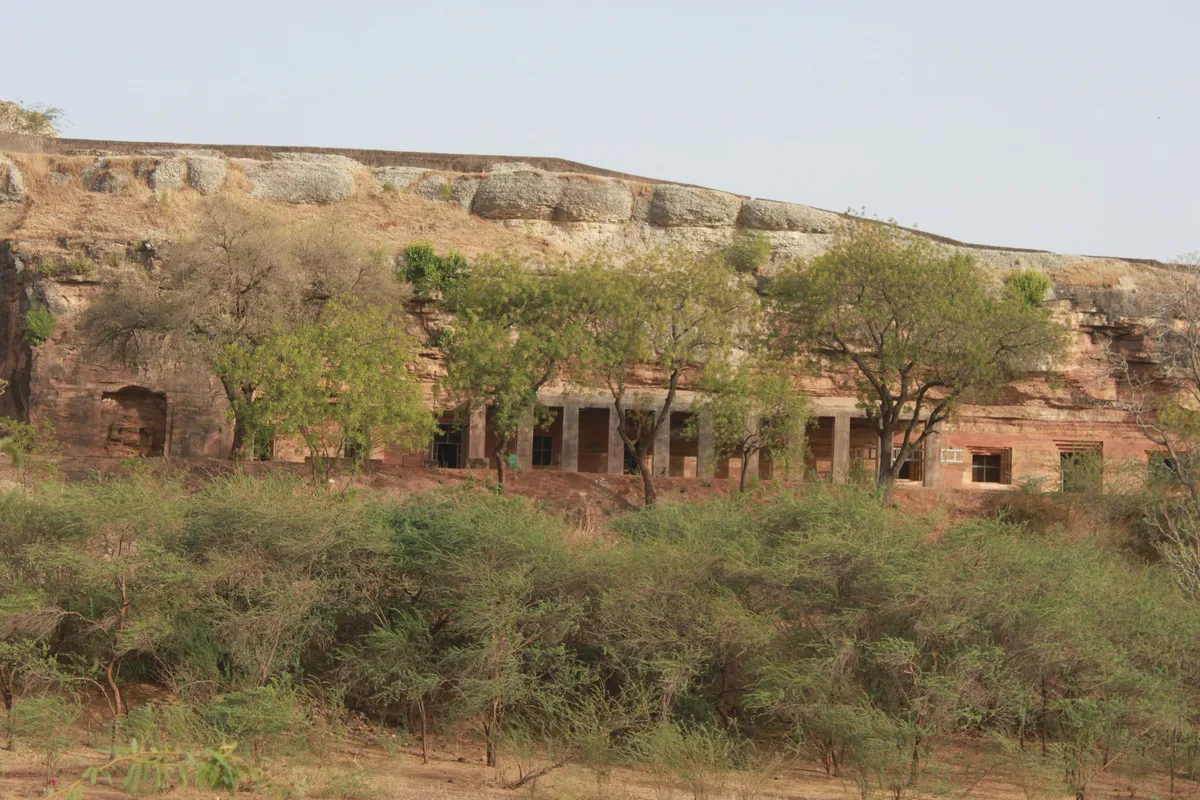
14. Bagh Caves, Madhya Pradesh
Nine 5th–6th century Buddhist viharas along the Vindhya slopes, historically renowned for classical tempera wall paintings.
Conclusion
Whether admiring the monumental Kailasa Temple at Ellora or the ancient polished chambers of Barabar, India’s rock-cut caves remain enduring triumphs of human craftsmanship.