Africa’s isolated rainforests, high-altitude plateaus, and savannas have shaped wildlife found nowhere else on Earth. From Madagascar’s primates to the Congo Basin’s forest giraffe, these endemic species highlight the continent’s unmatched biodiversity.
We expanded an original list of ten species with seven more remarkable African endemics, then ranked all 17 from #1 (most famous) down to #17. Before diving in, test your knowledge with our African savanna wildlife quiz.
How These 17 Entries Are Ranked
This list is ordered from #1 (most widely recognized) down to #17, combining overall popularity, global awareness, and distinctive natural traits.
| Rank | Name |
|---|---|
| 1 | Lemur |
| 2 | Wildebeest |
| 3 | Ostrich |
| 4 | Okapi |
| 5 | Mandrill |
| 6 | Shoebill |
| 7 | Aardvark |
| 8 | Greater Kudu |
| 9 | Secretarybird |
| 10 | Grey Crowned Crane |
| 11 | Aye-Aye |
| 12 | Fossa |
| 13 | Galago |
| 14 | Mantled Guereza |
| 15 | Gelada |
| 16 | Ethiopian Wolf |
| 17 | Armadillo Girdled Lizard |
1. Lemur
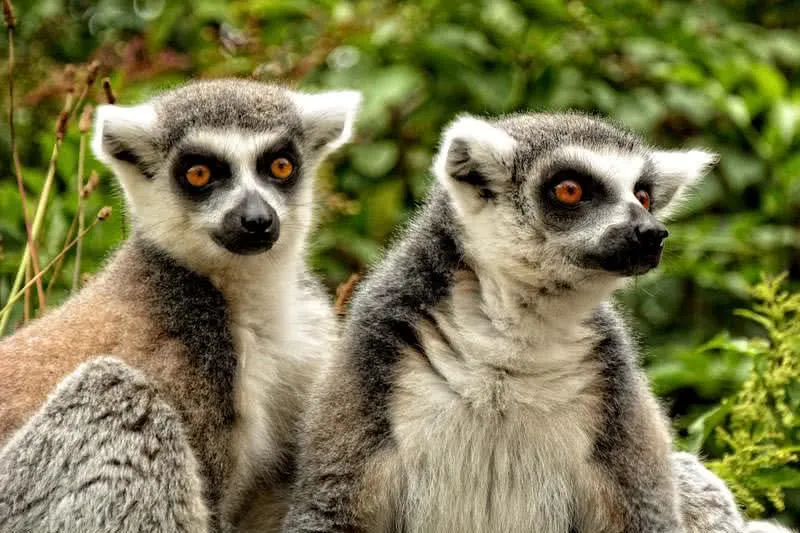
Native exclusively to Madagascar, lemurs include more than 100 recognized species ranging from the tiny mouse lemur to the ring-tailed icon. Their expressive eyes and striped tails make them the most recognizable African endemics worldwide.
2. Wildebeest
Famous for the Great Migration across the Serengeti and Mara ecosystems, wildebeest travel in herds numbering over a million animals. Their annual river crossings remain one of nature’s grandest spectacles.
3. Ostrich
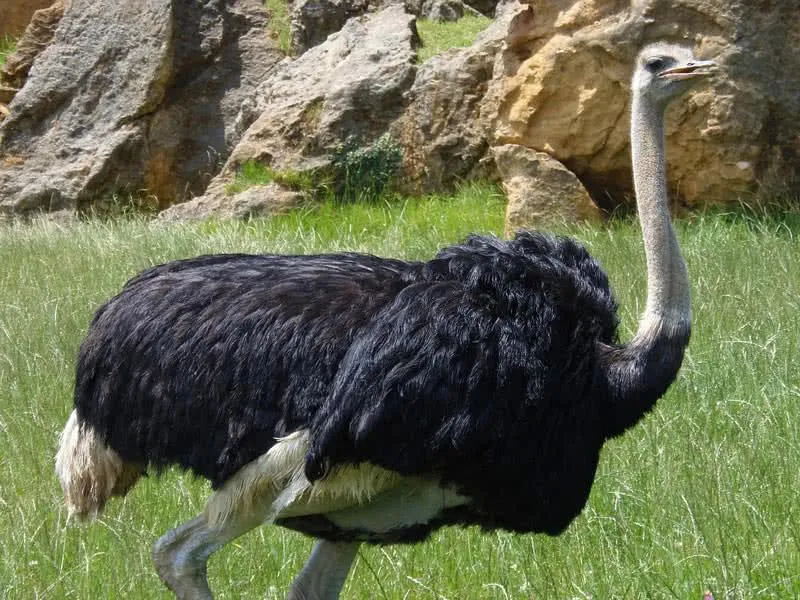
The world’s largest living bird is native to African savannas and semi-arid plains. Capable of sprinting over 40 mph, it lays the largest eggs of any bird species.
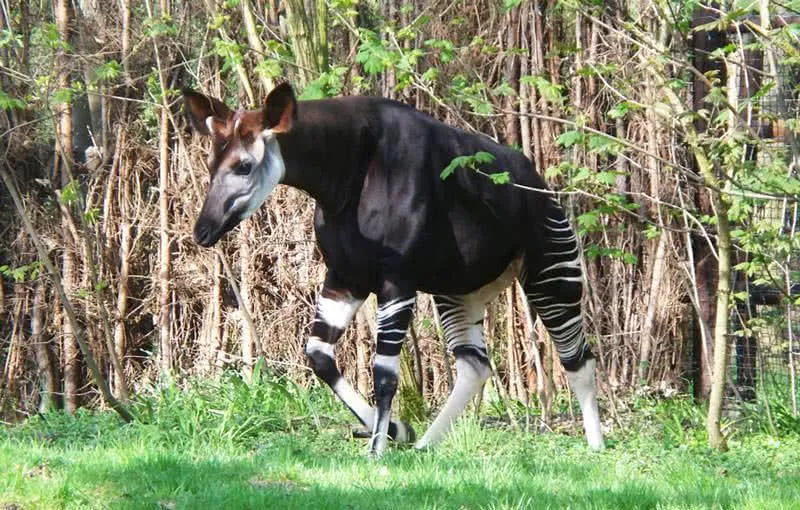
4. Okapi
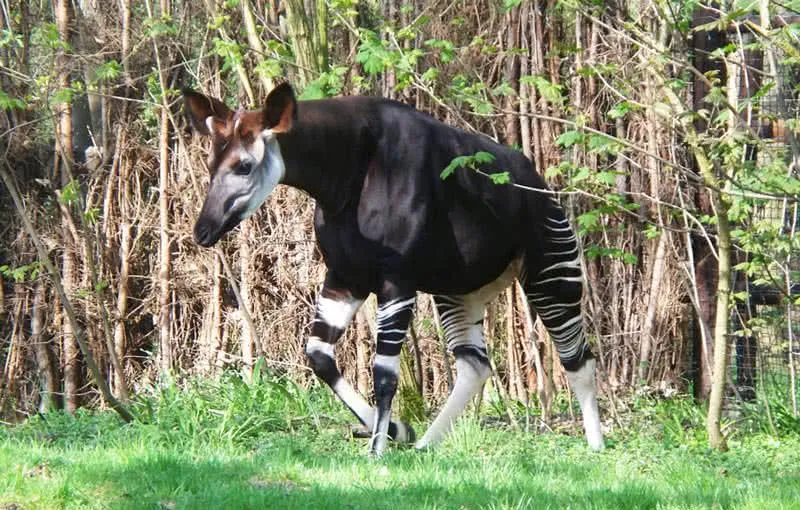
Often called the forest giraffe, the okapi lives deep in the rainforests of the Democratic Republic of the Congo. Despite its zebra-striped legs, it is the giraffe’s only living relative.
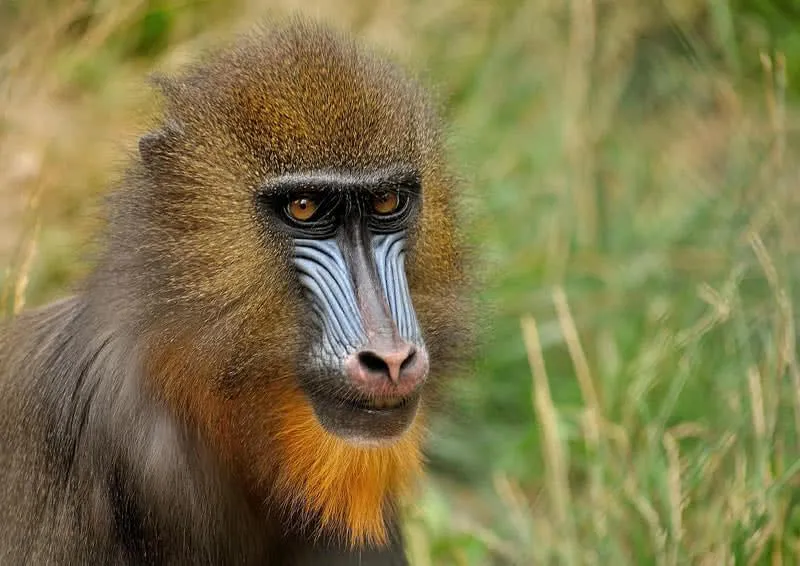
5. Mandrill
Sporting brilliant blue and scarlet facial markings, the mandrill is the world’s largest monkey species. It inhabits the tropical rainforests of Equatorial Guinea, Gabon, Cameroon, and the Republic of the Congo.
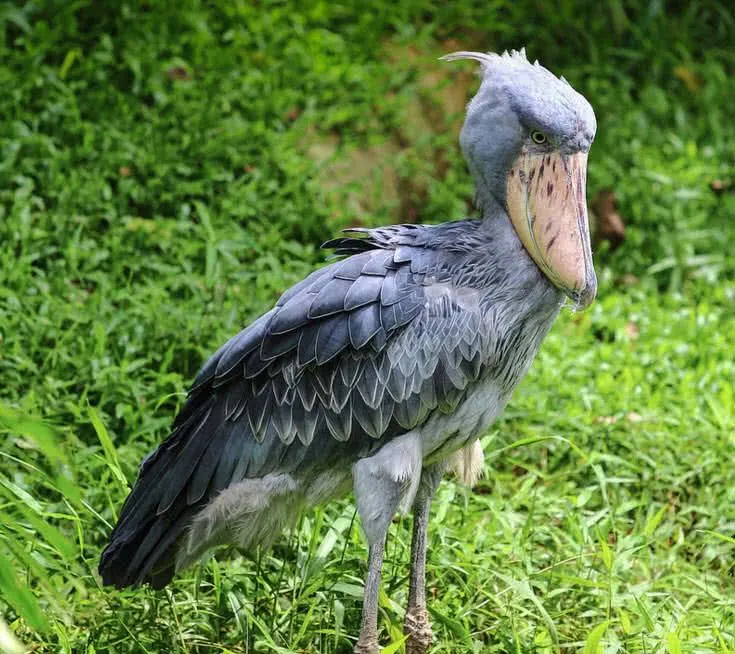
6. Shoebill
Standing nearly five feet tall in East and Central African swamps, the shoebill looks straight out of the prehistoric era. Its massive clog-shaped bill can snap up lungfish and even young crocodiles.
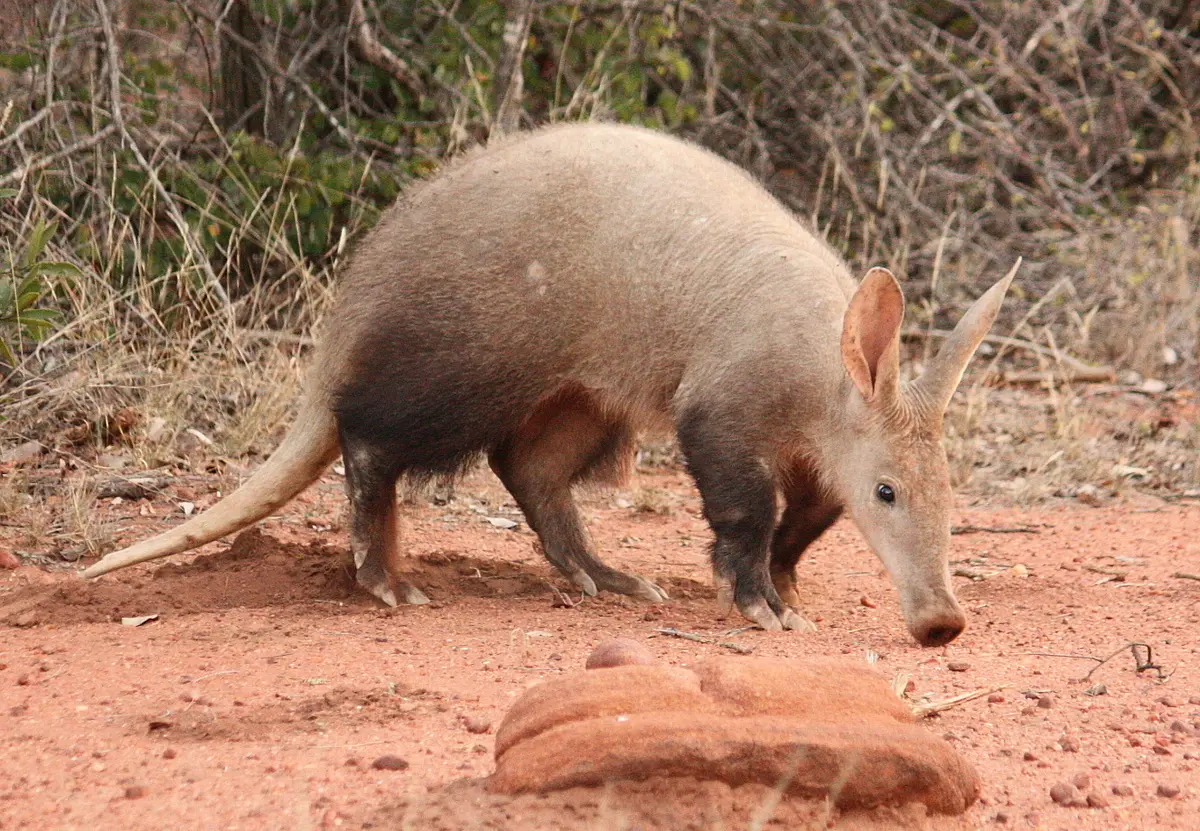
7. Aardvark
Known as the “earth pig,” the nocturnal aardvark is the sole surviving member of its mammalian order. It uses powerful claws and a sticky tongue to raid termite mounds across sub-Saharan Africa.
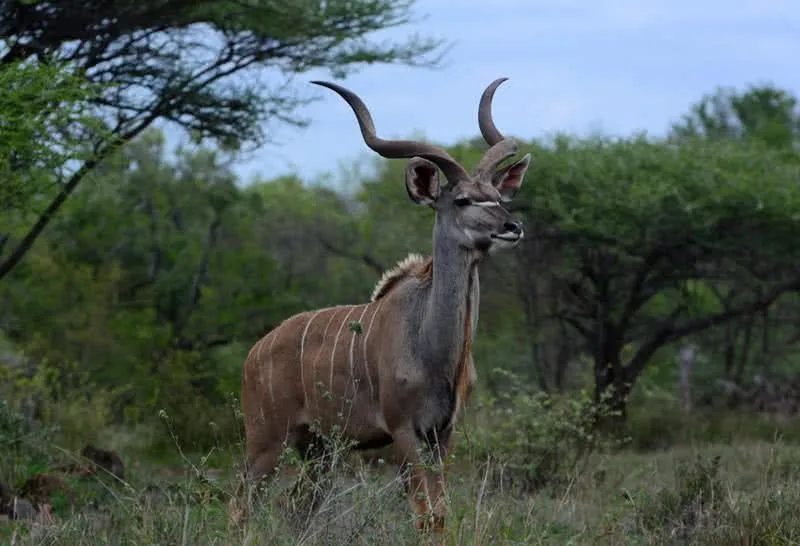
8. Greater Kudu
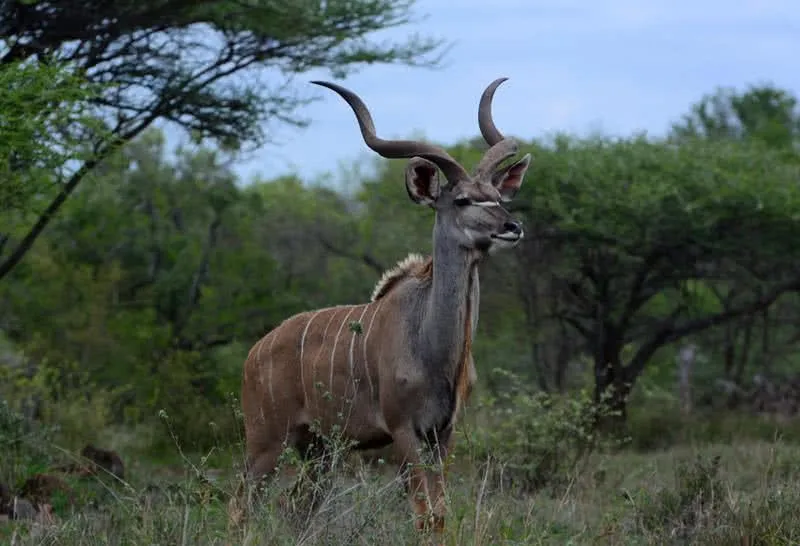
This woodland antelope wears sweeping spiral horns that can twist two-and-a-half turns. White vertical stripes help camouflage its tall frame in dense bushveld.
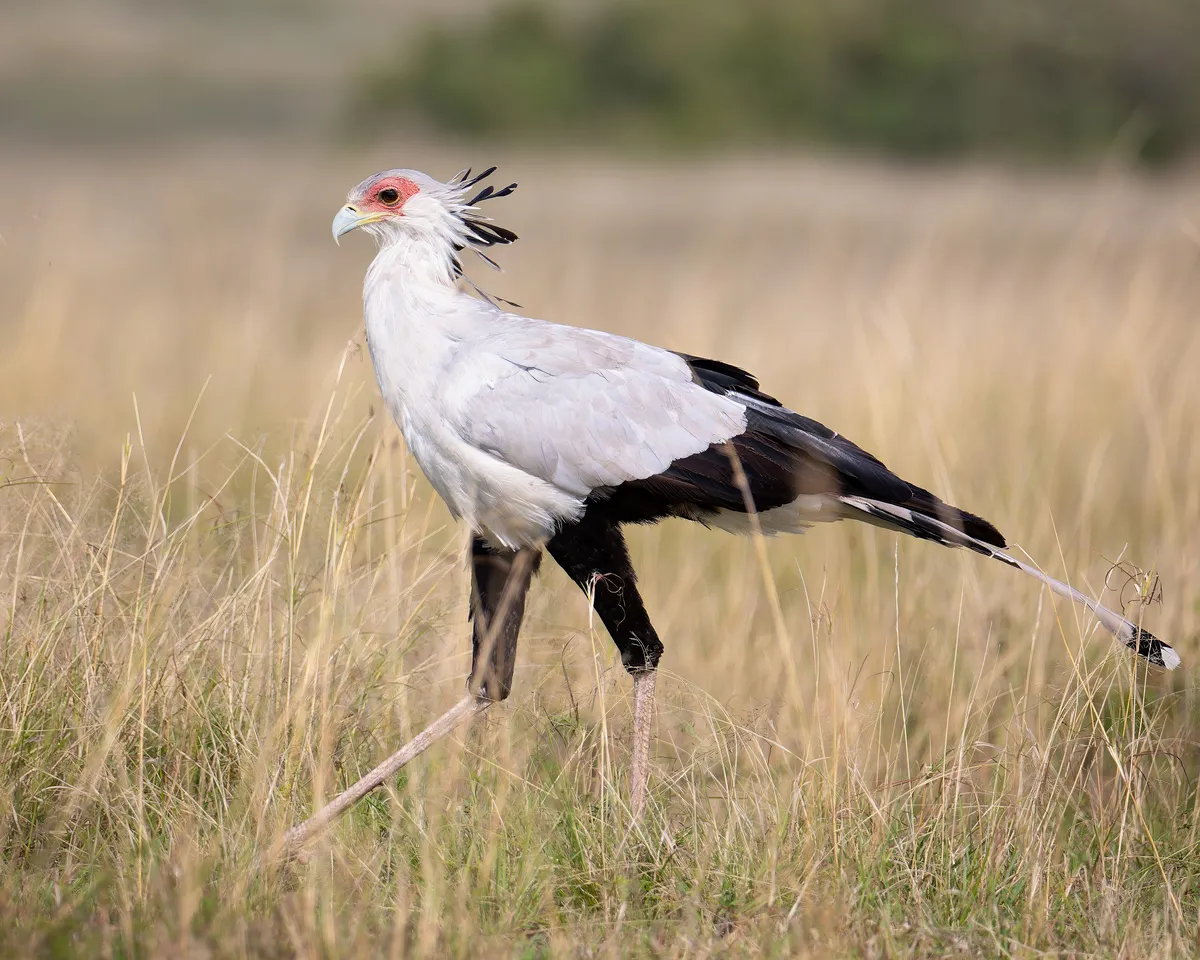
9. Secretarybird
Walking across open grasslands on crane-like legs, the secretarybird hunts venomous snakes by stomping them with remarkable precision. Long crest feathers give it its distinctive name.
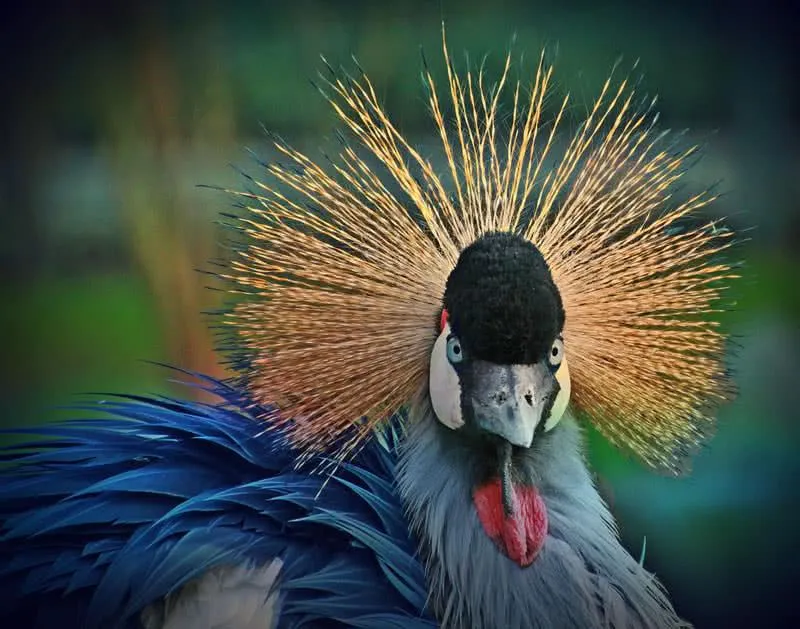
10. Grey Crowned Crane
Crowned with a halo of stiff golden feathers, Uganda’s national bird dances gracefully across wetlands from Kenya to South Africa. Unlike most cranes, it can roost high in trees.
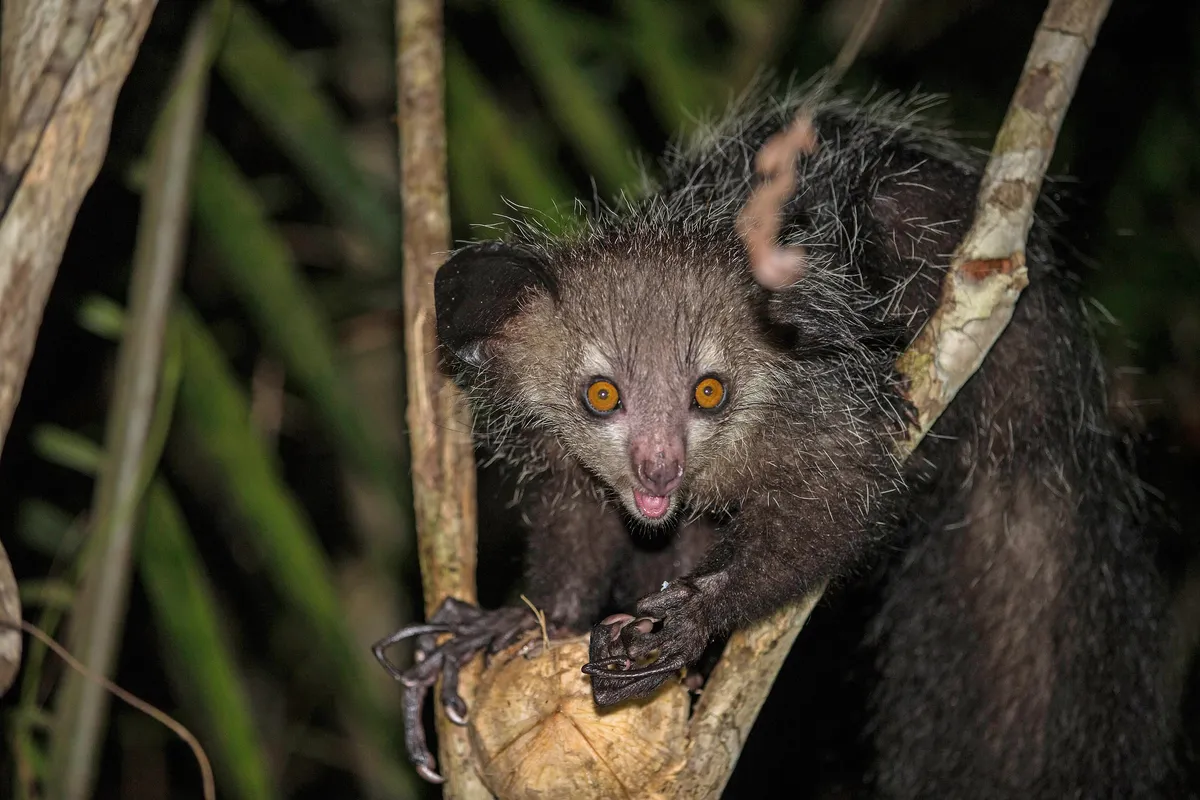
11. Aye-Aye
Madagascar’s nocturnal aye-aye uses an elongated, skeletal middle finger to tap hollow wood and hook out grubs—the only primate known to forage via percussive echolocation.
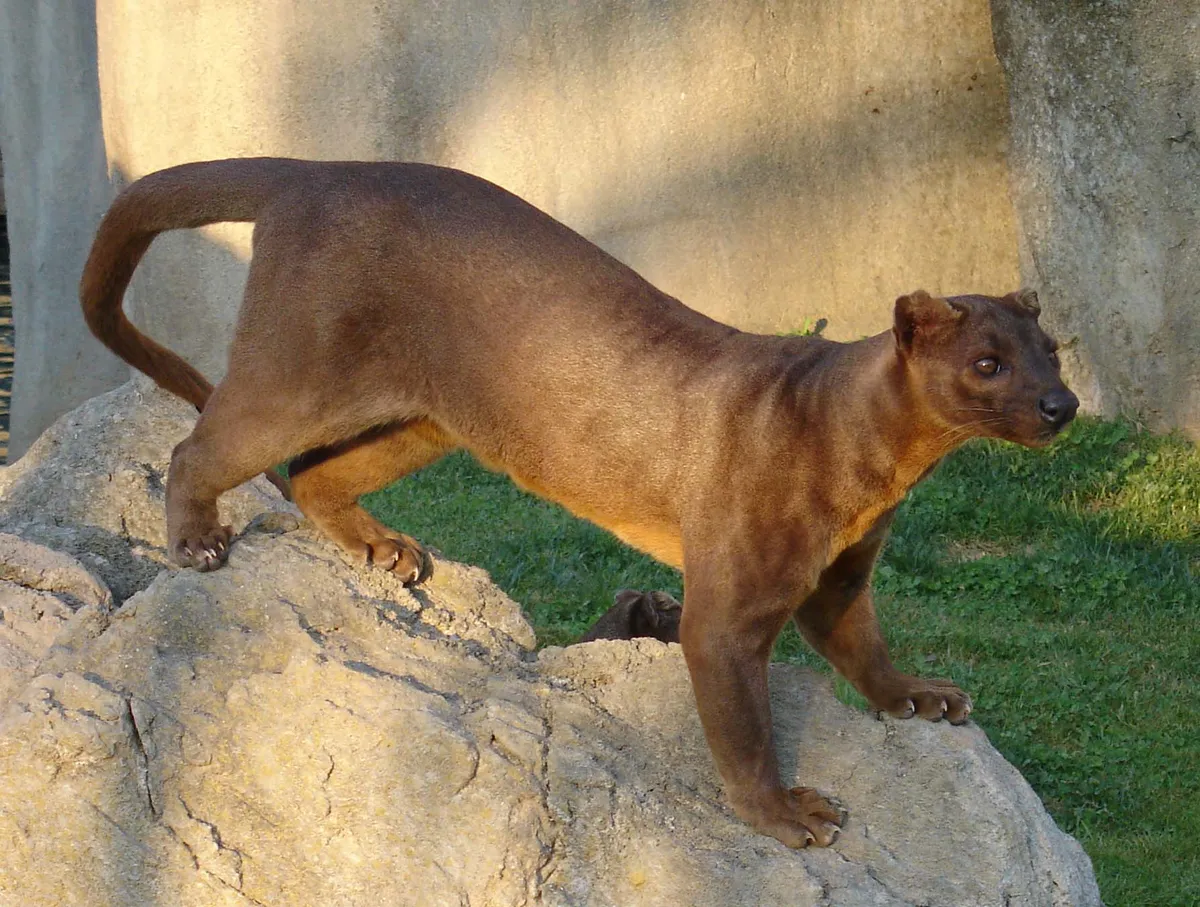
12. Fossa
Resembling a cross between a cougar and a mongoose, the fossa is Madagascar’s largest mammalian predator. Flexible ankles allow it to climb down tree trunks head-first while chasing lemurs.
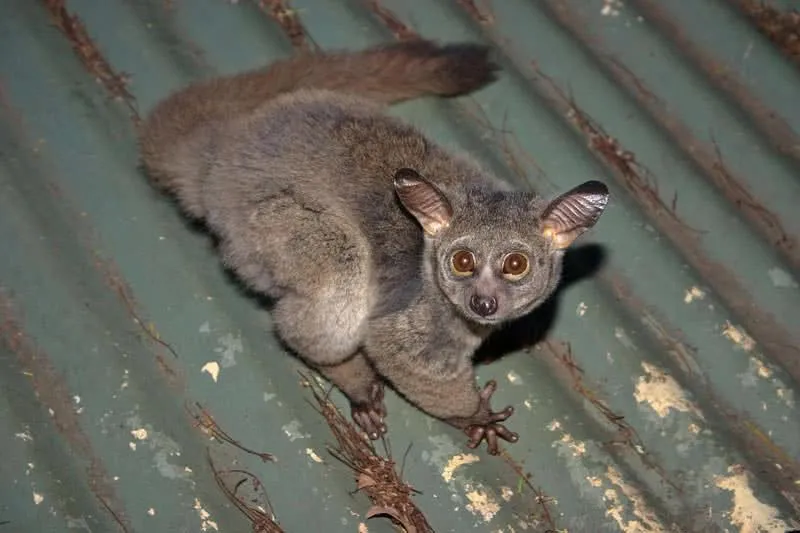
13. Galago
Commonly known as bushbabies, galagos are small nocturnal primates with oversized eyes and remarkable leaping power across sub-Saharan woodlands.
14. Mantled Guereza
This black-and-white colobus monkey wears a flowing U-shaped mantle of white fur along its back and a long plumed tail as it leaps through Central and East African canopies.
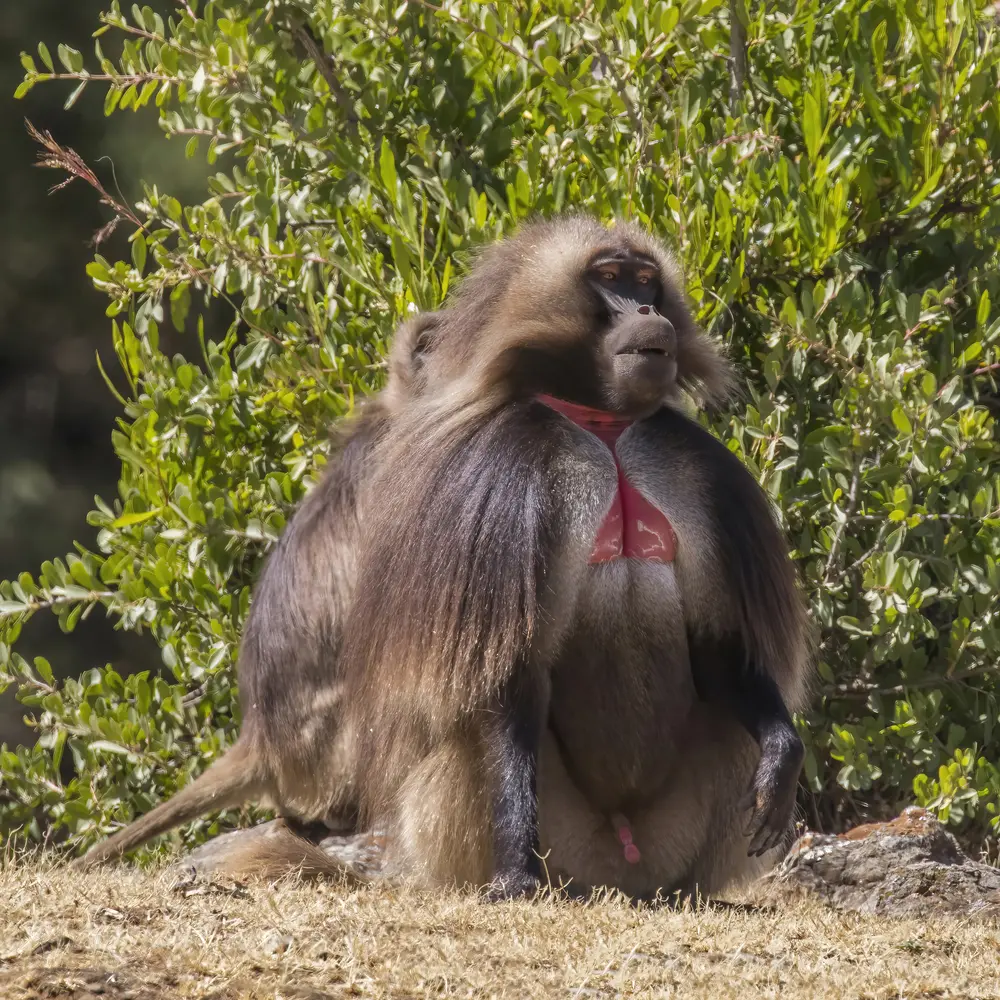
15. Gelada
Living exclusively in the Ethiopian Highlands, the gelada is the world’s only grass-eating primate. A bright red hourglass patch on its chest earned it the nickname “bleeding-heart monkey.”
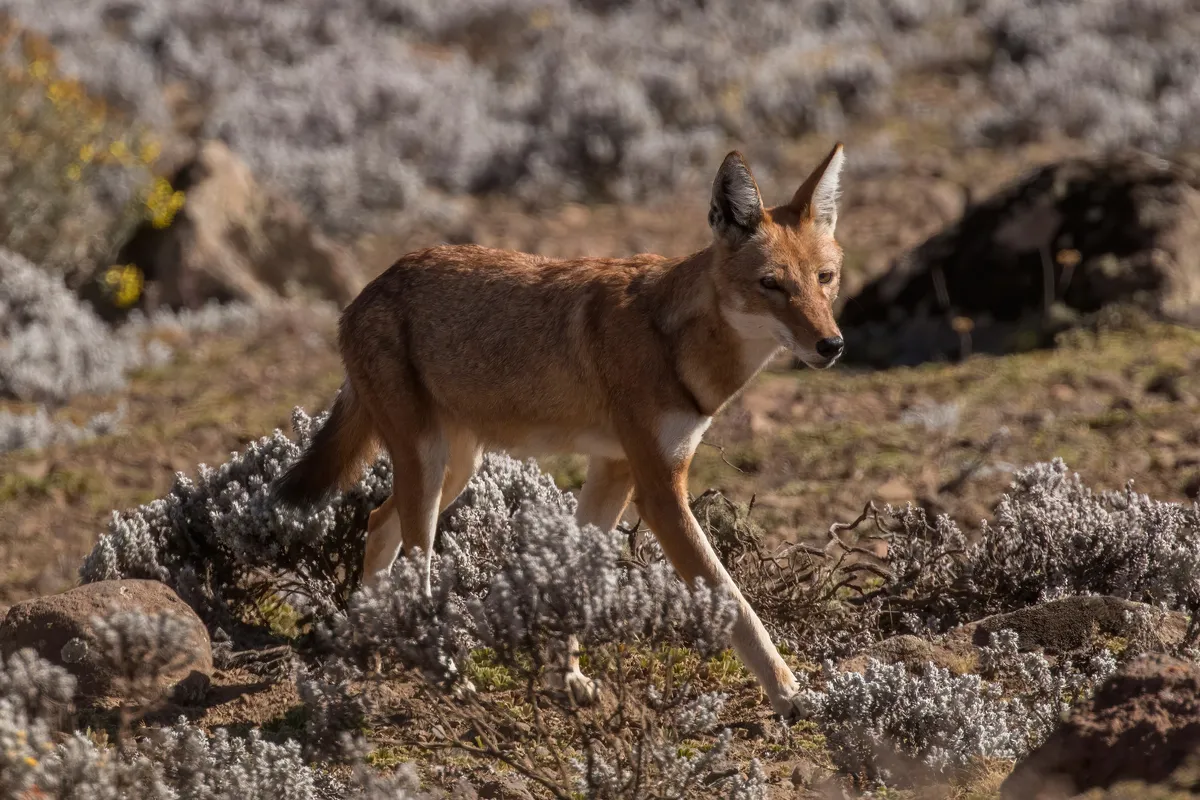
16. Ethiopian Wolf
As Africa’s rarest carnivore and the world’s most endangered canid, fewer than 500 Ethiopian wolves survive in high-altitude moorlands, hunting giant mole-rats alone.
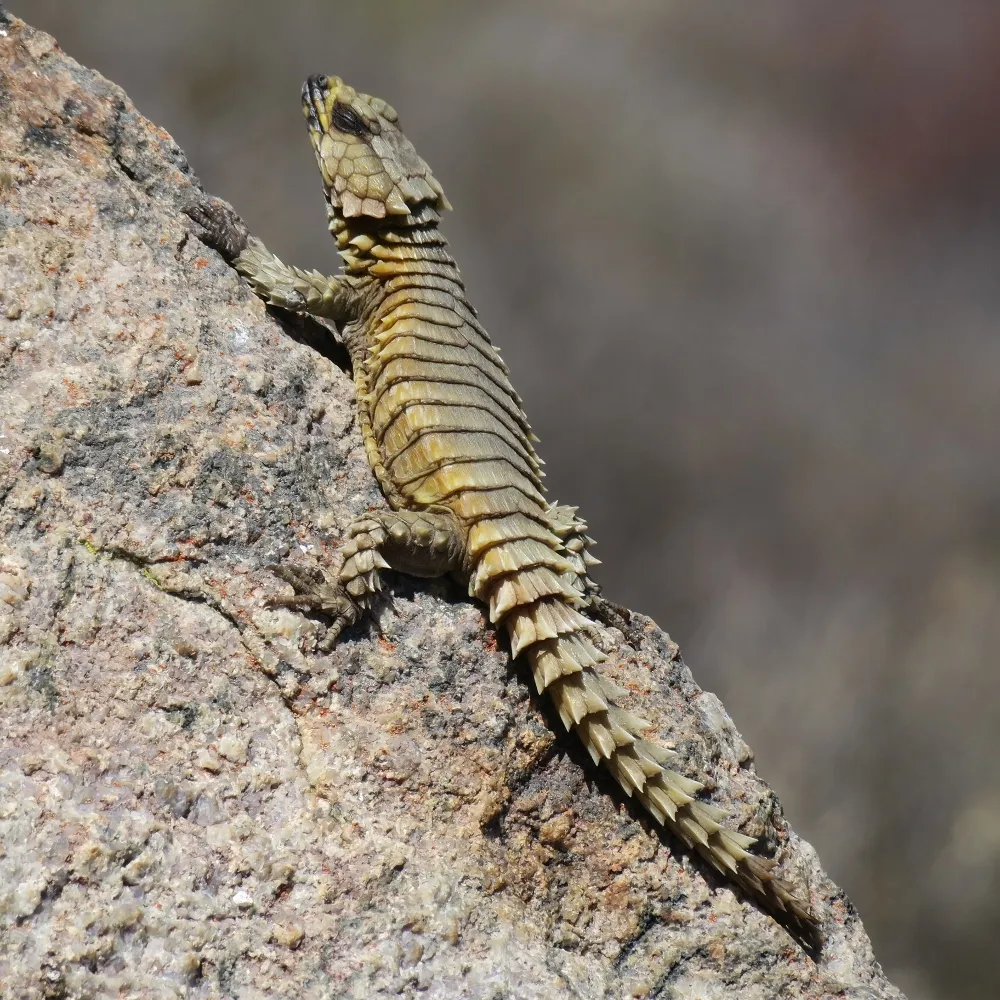
17. Armadillo Girdled Lizard
Found in South Africa’s arid western scrublands, this spiky lizard bites its own tail to curl into an armored ring whenever predators threaten.
Conclusion
Whether you travel to Madagascar’s forests or East Africa’s wetlands, protecting these habitats is essential for keeping Africa’s one-of-a-kind wildlife thriving. For more wild facts, try our animal myths fact-or-fiction quiz.