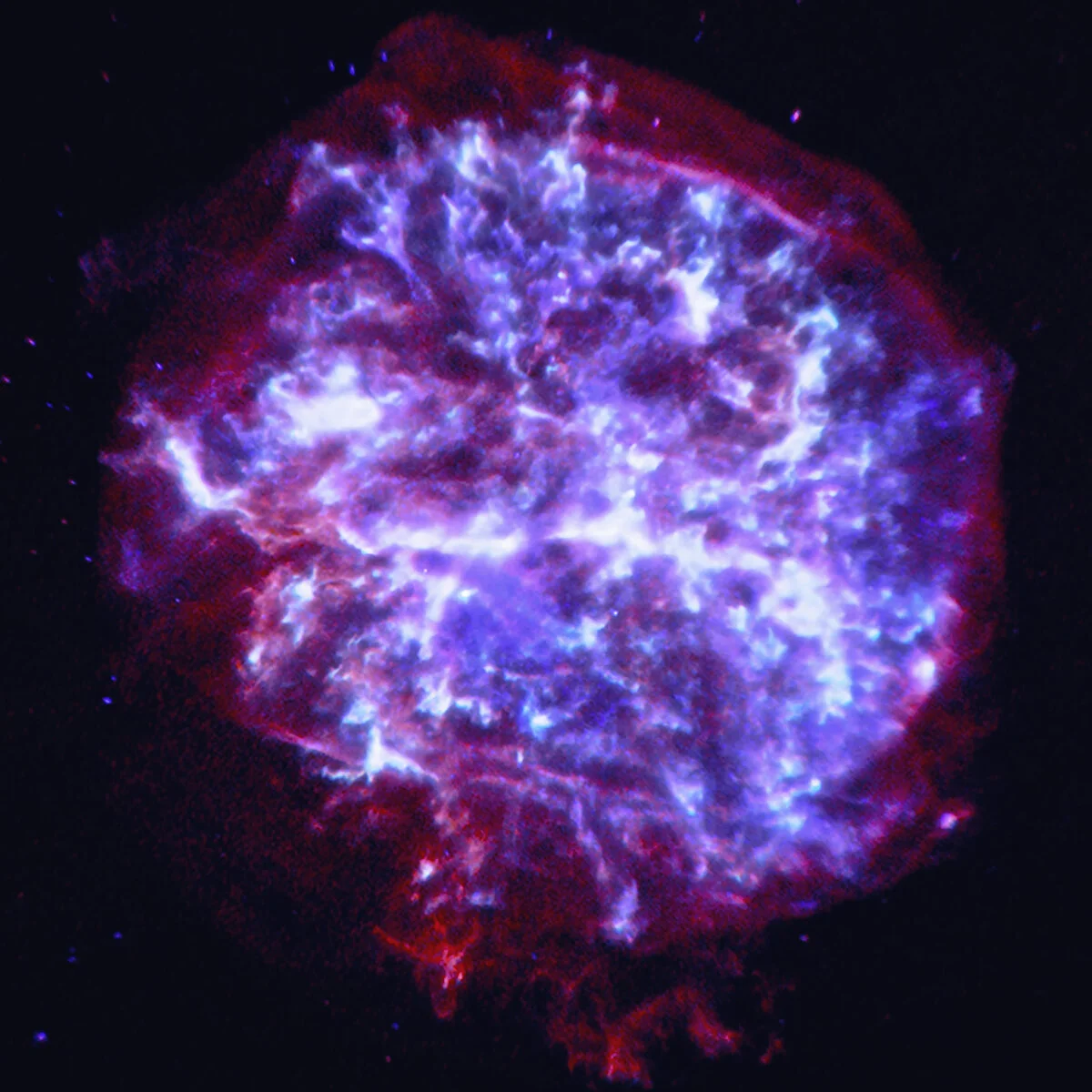
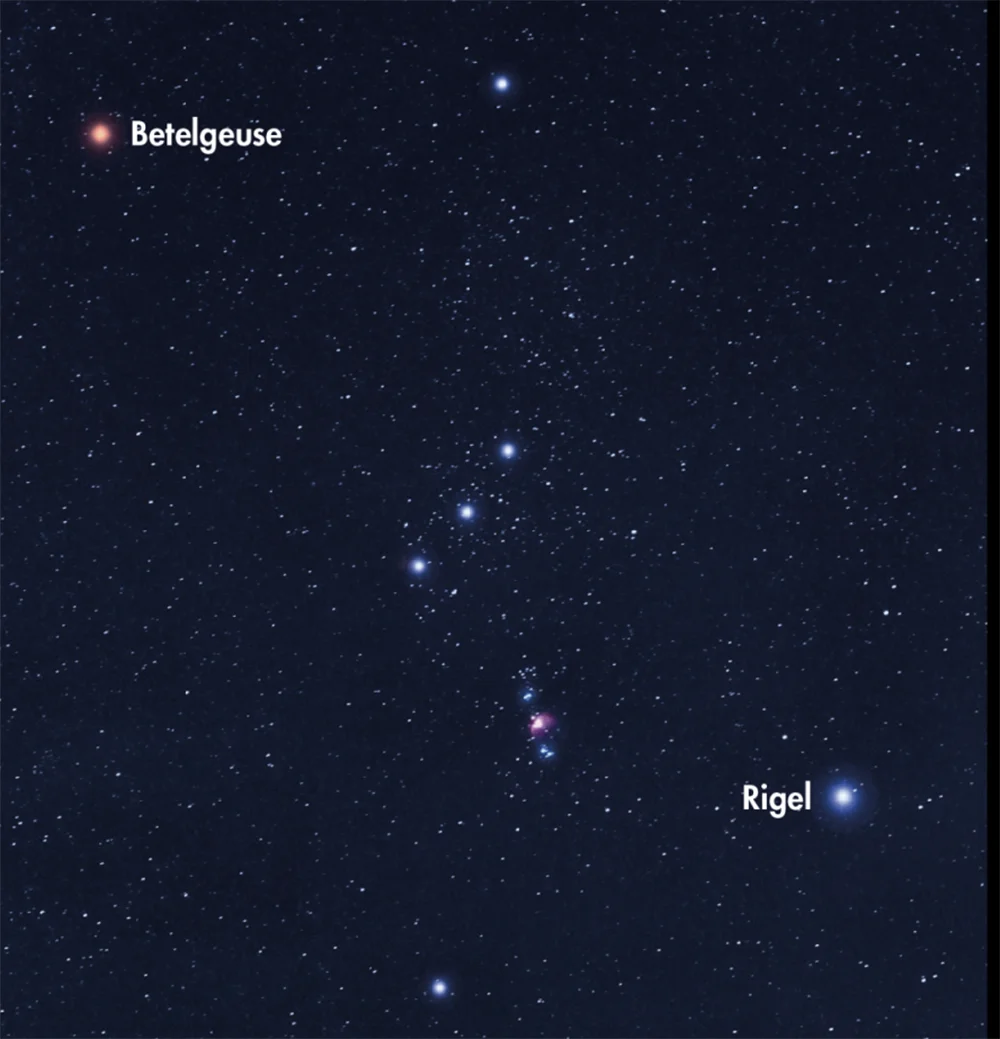
Shining brightly with an unmistakable crimson tint in the shoulder of the constellation Orion, Betelgeuse is one of the most famous red supergiant stars in the night sky. In recent years, unpredictable dimming episodes—such as the Great Dimming of 2019-2020—have fueled intense global fascination. Scientists know that Betelgeuse has exhausted its core hydrogen fuel and is rapidly fusing heavier elements. In astronomical terms, it could explode as a core-collapse supernova any day—whether tomorrow or in 100,000 years.
When this behemoth detonates, will high-energy gamma rays and cosmic radiation pose an existential catastrophe for life on Earth?
The Awesome Energy of a Core-Collapse Supernova
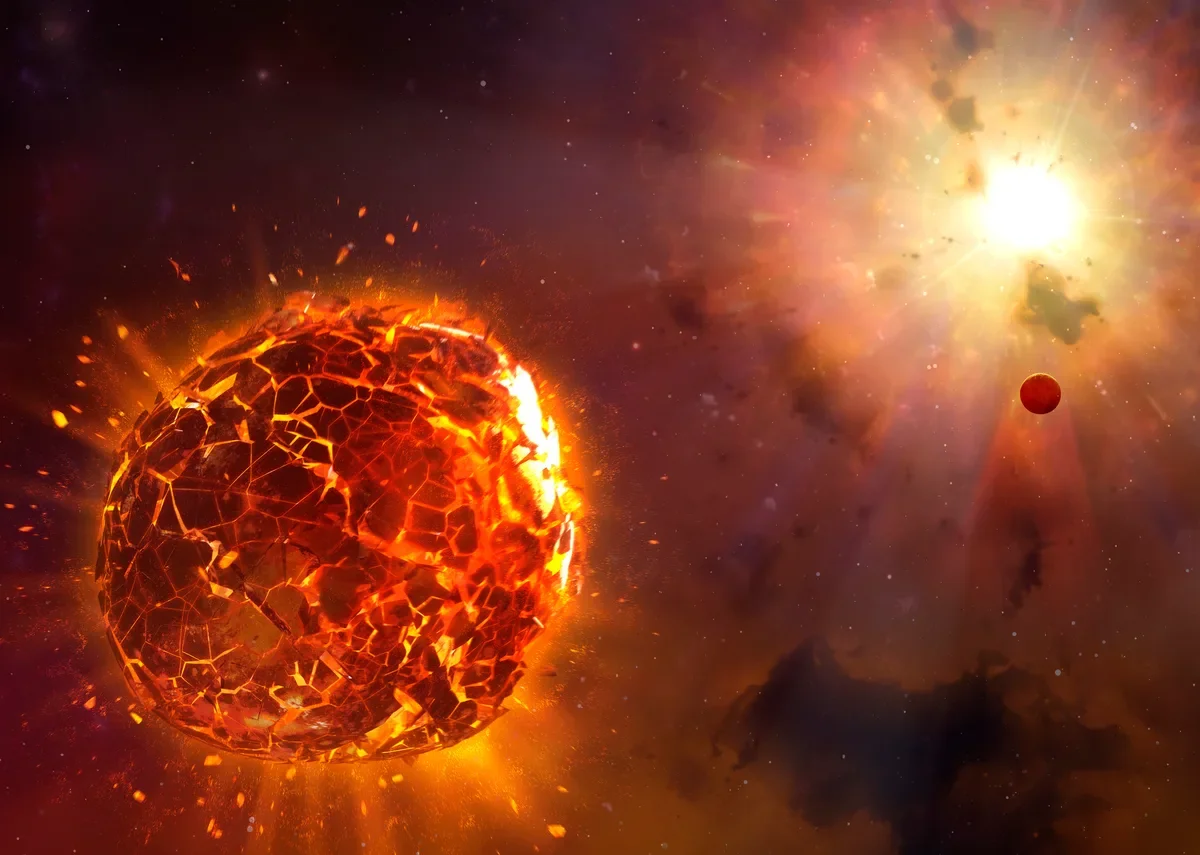
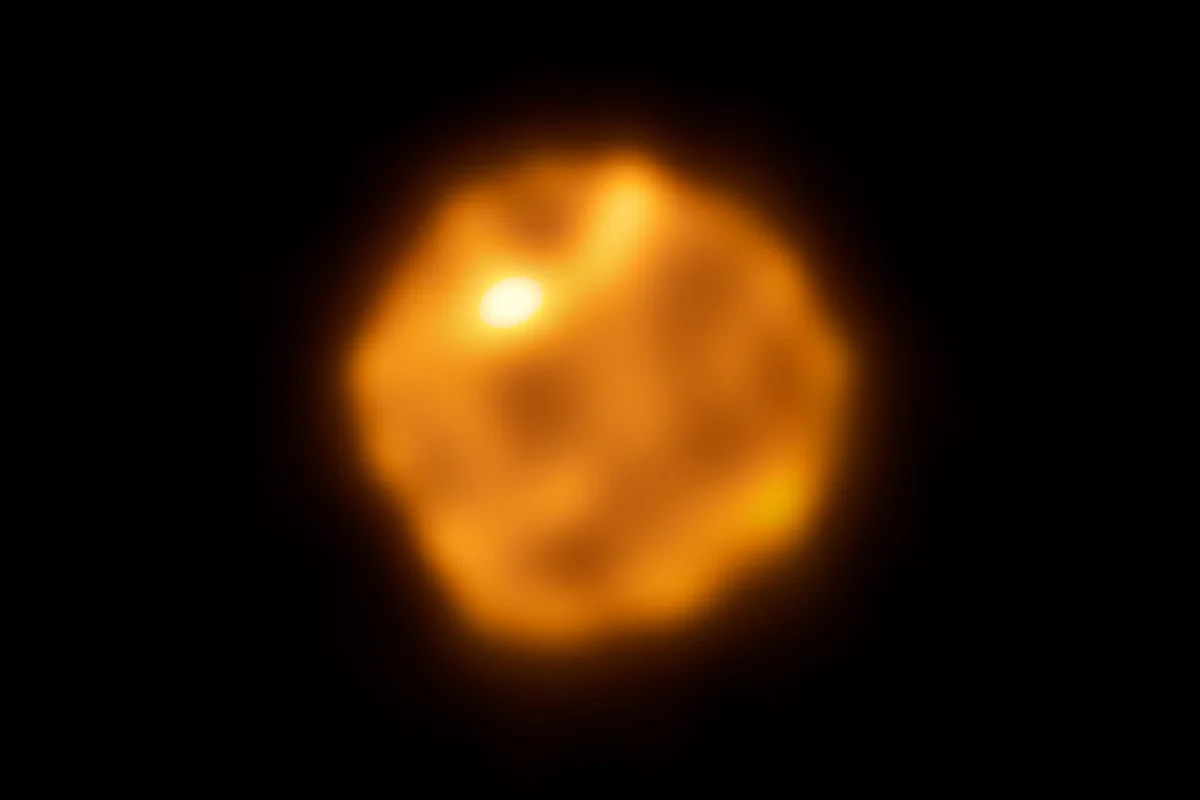
Betelgeuse is a cosmic titan. If placed at the center of our Solar System, its swollen photosphere would engulf Mercury, Venus, Earth, Mars, and potentially reach the orbit of Jupiter. When iron fusion begins in its dense core, nuclear reactions will absorb energy rather than generate it, causing the core to collapse under gravity in a fraction of a second.
The resulting bounce triggers a titanic shockwave that rips the star apart, releasing more energy in seconds than our Sun will emit over its entire 10-billion-year lifespan. For weeks following detonation, Betelgeuse will blaze as bright as the full Moon, casting distinct shadows on Earth and remaining visible in broad daylight.
Is Earth in the ‘Kill Zone’?
Fortunately for humanity, astrophysicists have calculated Earth’s safety margin with high precision. For a supernova to destroy Earth’s ozone layer and trigger a mass extinction through ionizing radiation, the blast must occur within roughly 30 to 50 light-years. High-resolution measurements by the European Space Agency’s Hipparcos and Gaia spacecraft place Betelgeuse at a comfortable distance of approximately 650 light-years away.
At this distance, Earth’s upper atmosphere will easily absorb the influx of ultraviolet and X-ray photons without compromising the ozone shield. Furthermore, observations from the Atacama Large Millimeter/submillimeter Array (ALMA) show that Betelgeuse’s rotational axis does not point directly at Earth, ensuring that hypothetical relativistic gamma-ray jets would miss us entirely.
Rather than a planetary cataclysm, the demise of Betelgeuse will deliver the most spectacular celestial spectacle in recorded human history. While cosmic forces will eventually ensure that Earth will be swallowed or torn apart by the Sun billions of years from now, Betelgeuse will offer a harmless, awe-inspiring demonstration of stellar mortality.