As space agencies and private aerospace companies accelerate plans to establish permanent human bases on the Moon under the Artemis program, mission planners face a formidable challenge: the lunar surface is an unforgiving environment plagued by radical temperature swings from minus 130°C to plus 120°C, continuous solar radiation, micrometeorite bombardment, and razor-sharp abrasive regolith dust.
However, planetary geologists have identified an underground sanctuary that could revolutionize long-term lunar colonization. Miles beneath the cratered regolith lies a subterranean network of colossal volcanic lava tubes, alongside vast reservoirs of water ice trapped in permanently shadowed craters, offering the perfect foundation for future lunar cities.
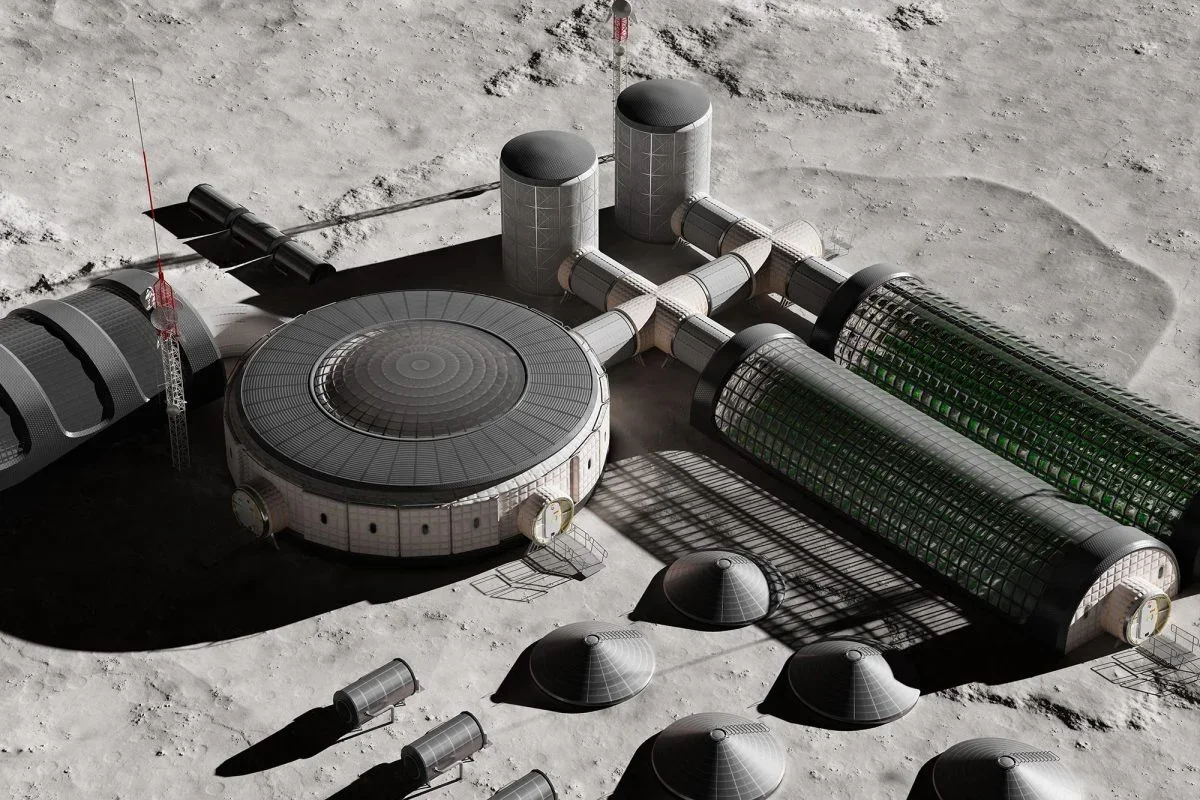
Giant Lava Tubes: Nature’s Built-In Radiation Bunkers
Billions of years ago, when the Moon was volcanically active, enormous basaltic lava rivers carved out vast subterranean channels. As the outer crust solidified and the molten rock drained away, it left behind hollow cylindrical tunnels known as lava tubes. Because the Moon has only one-sixth of Earth’s gravity, lunar lava tubes can remain structurally stable at gigantic dimensions—spanning hundreds of meters in width and towering dozens of stories high, large enough to house entire cities.
Radar observations from NASA’s Lunar Reconnaissance Orbiter (LRO) and the Italian-led radar study of the Mare Tranquillitatis pit have confirmed that these subterranean voids are accessible. Inside these tubes, temperature remains stable around minus 20 degrees Celsius year-round, while meters of thick basalt ceiling provide natural, impenetrable shielding against cosmic rays, solar flares, and meteorite strikes.
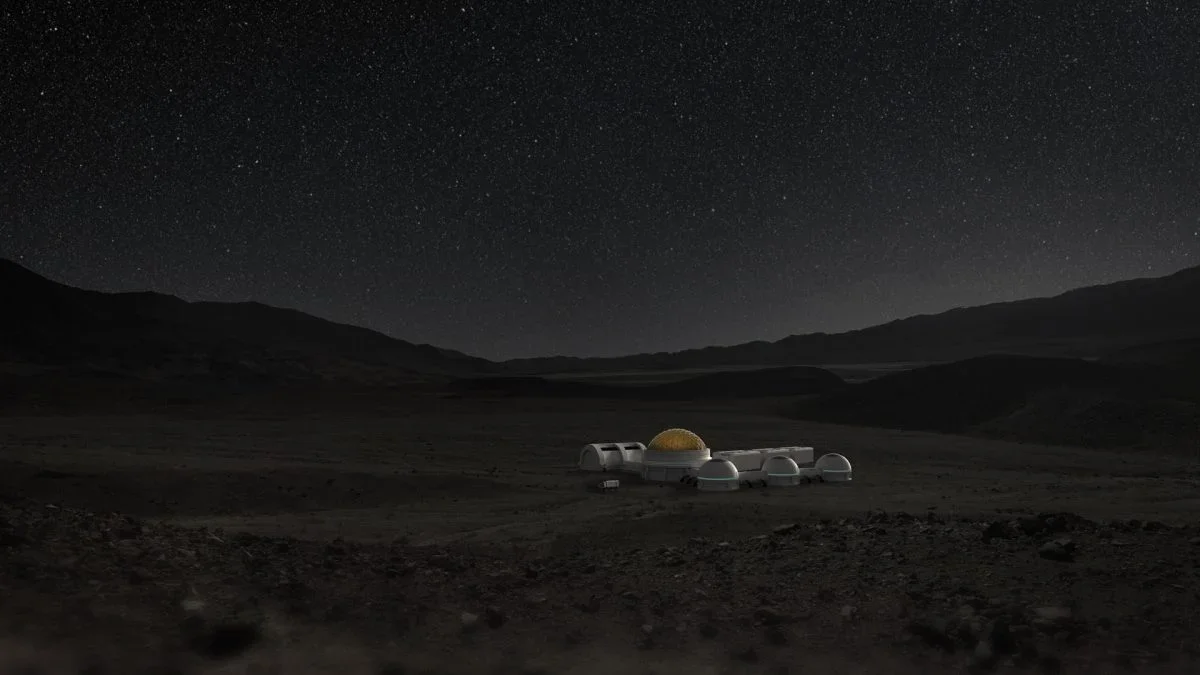
Water as the Fuel for Interplanetary Expansion
While lava tubes provide natural shelter, water is the lifeblood of permanent colonization. For decades, the Moon was presumed completely dry. Today, orbital spectrometers have confirmed that billions of tons of water ice are sequestered inside deep polar craters where sunlight has not penetrated for billions of years.
Water is far more than drinking liquid: through electrolysis, it can be split into hydrogen and oxygen. Oxygen provides breathable air for astronauts, while hydrogen and liquid oxygen serve as high-performance rocket propellant. By producing fuel directly on the Moon, missions can avoid the prohibitive expense of lifting thousands of tons of fuel out of Earth’s deep gravity well.
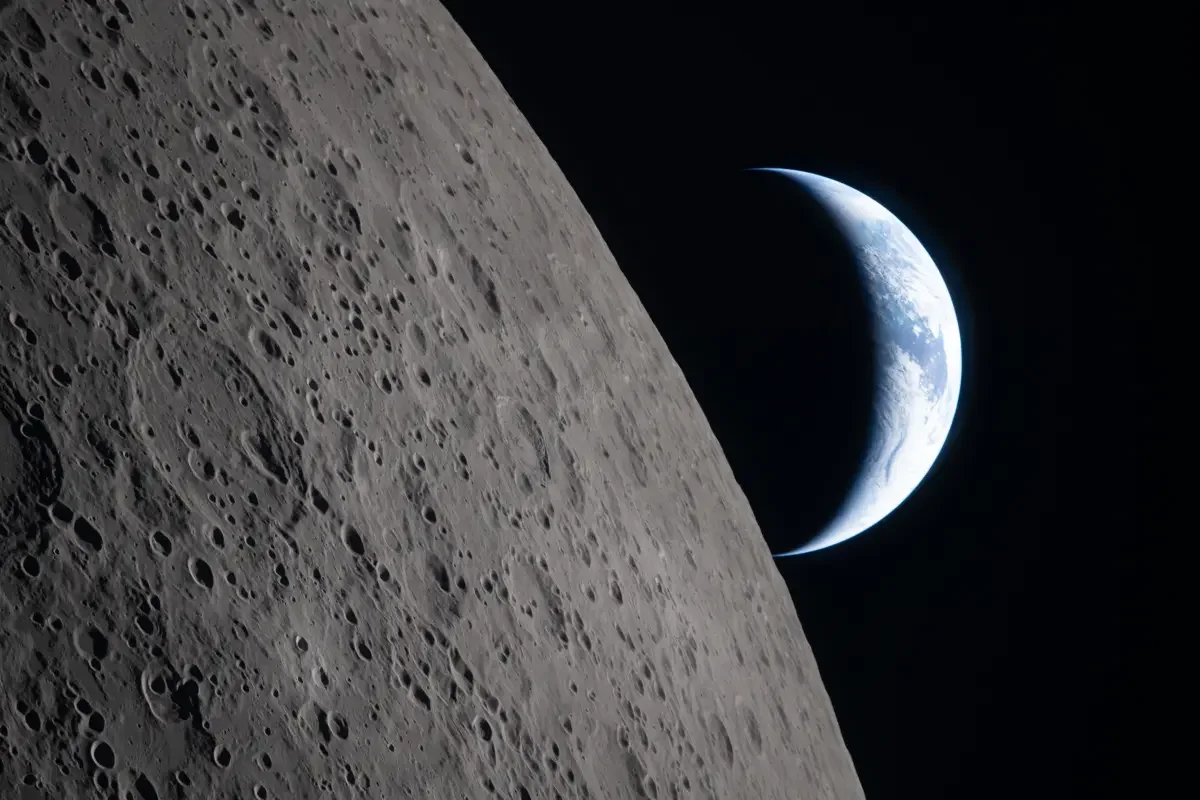
Understanding these lunar resources also requires evaluating the risks of the cosmic neighborhood, including what would occur if an asteroid were to impact the Moon. By venturing beneath the regolith, humanity is preparing to turn the Moon from a brief scientific outpost into the thriving springboard for solar system exploration.