Where polar winds drop below minus forty and sea ice locks the horizon, life demands ingenious engineering—from hollow heat-trapping fur and rotating penguin huddles to natural blood antifreeze.
We expanded an original list of ten sub-zero champions with five more frost-proof survivors, ranking all 15 from #1 (most famous) down to #15. Explore more icy extremes with our extreme weather quiz and Ice Age mammals quiz.
How These 15 Entries Are Ranked
This list is ordered from #1 (most popular and widely recognized) down to #15, combining global recognition, cultural impact, and standout traits.
| Rank | Name |
|---|---|
| 1 | Polar Bear |
| 2 | Emperor Penguin |
| 3 | Arctic Fox |
| 4 | Snow Leopard |
| 5 | Reindeer (Caribou) |
| 6 | Snowy Owl |
| 7 | Beluga Whale |
| 8 | Walrus |
| 9 | Narwhal |
| 10 | Muskox |
| 11 | Arctic Hare |
| 12 | Harp Seal |
| 13 | Wolverine |
| 14 | Wood Frog |
| 15 | Tardigrade |
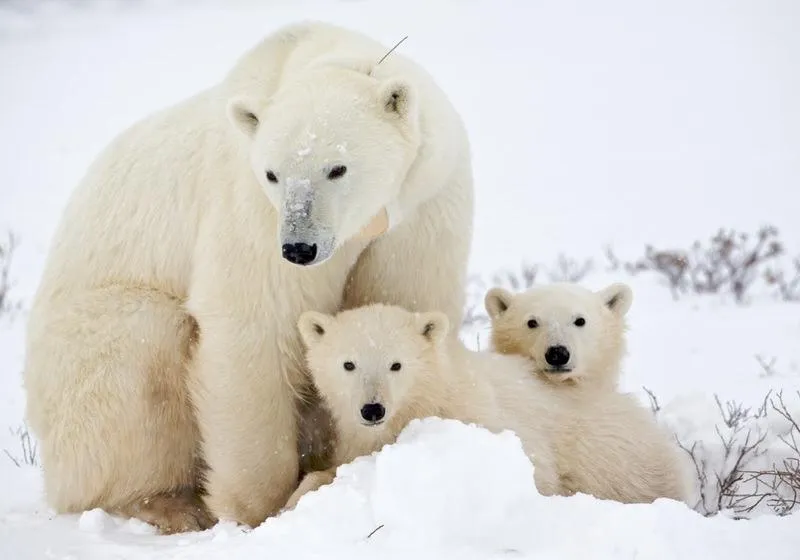
1. Polar Bear
Black heat-absorbing skin, hollow transparent guard hairs, and thick blubber keep polar bears warm in Arctic waters.
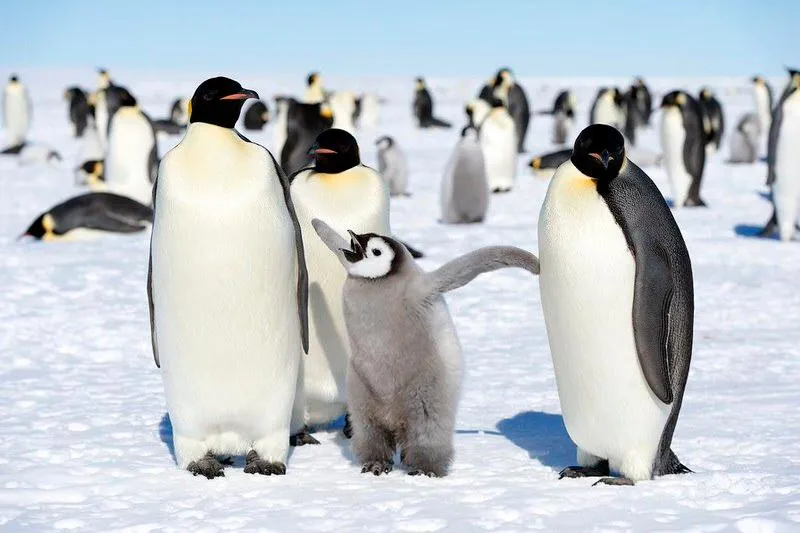
2. Emperor Penguin
Overlapping windproof feathers and rotating male huddles endure brutal Antarctic winter blizzards.
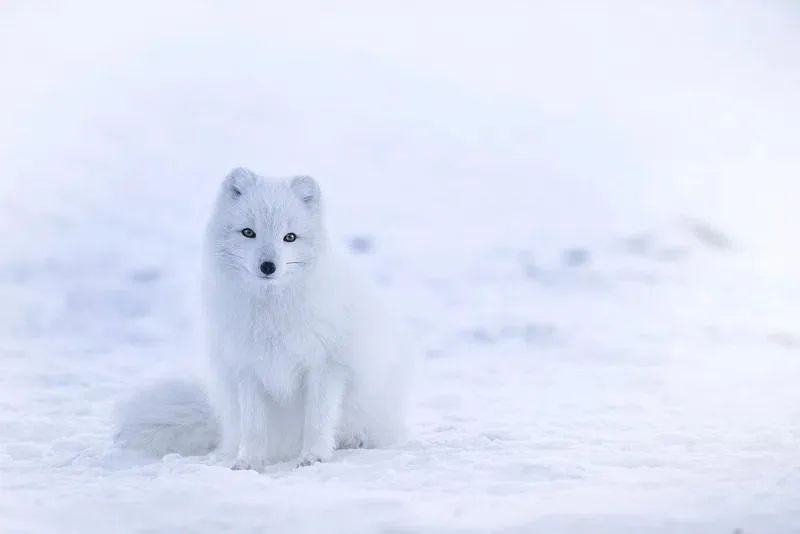
3. Arctic Fox
Insulated down to minus fifty Celsius with thick winter pelage, furry paw pads, and a wrap-around tail.
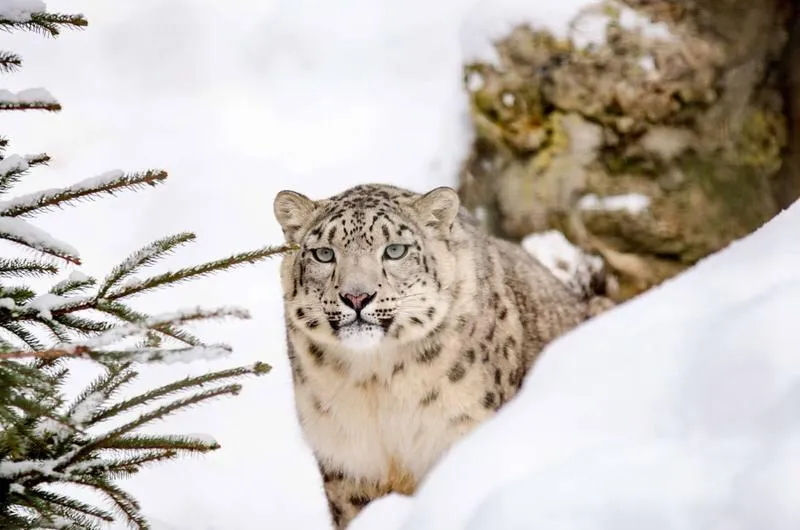
4. Snow Leopard
Broad snowshoe paws and dense spotted coats conquer freezing Himalayan cliffs.
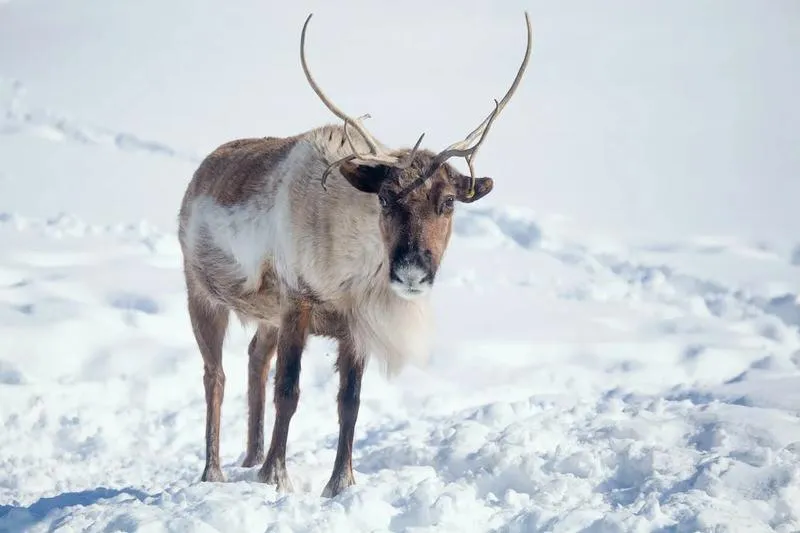
5. Reindeer (Caribou)
Hollow-haired winter coats and wide hooves let herds dig lichen beneath deep snow.
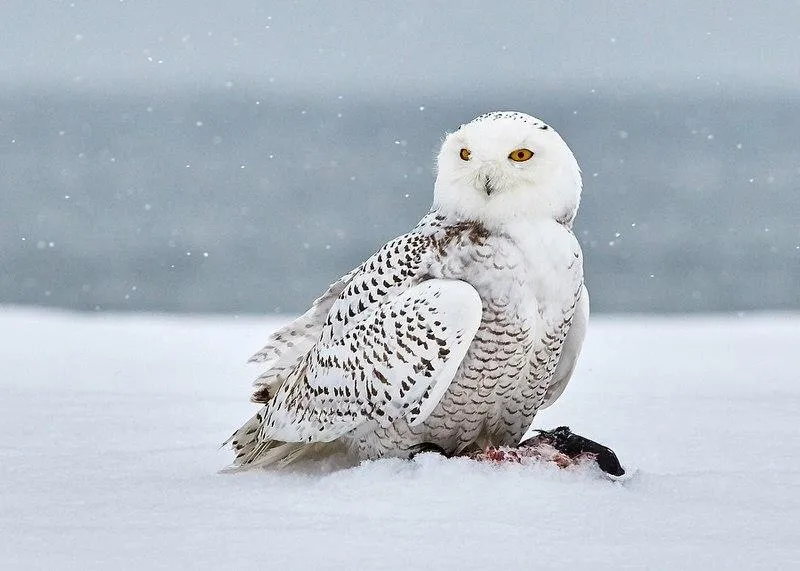
6. Snowy Owl
Feathered down to their talons, snowy owls patrol treeless tundra in silent winter flight.
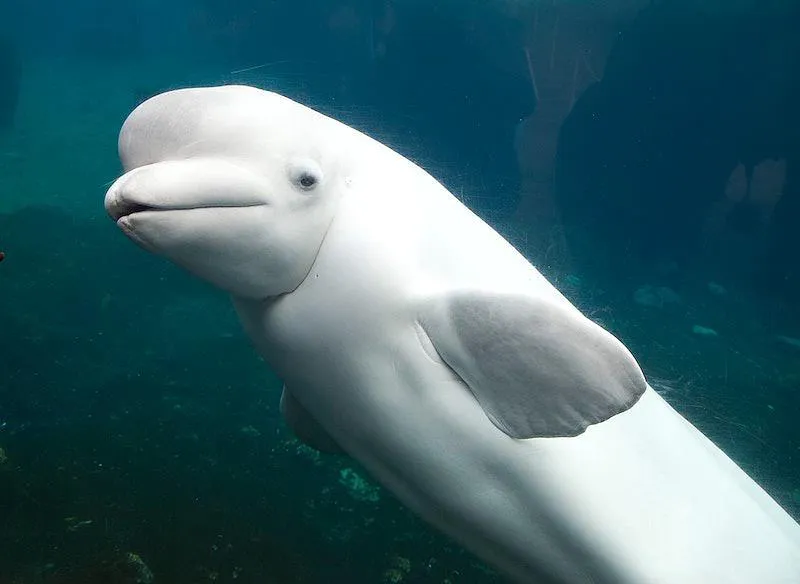
7. Beluga Whale
Thick blubber and a smooth dorsal ridge allow belugas to surface beneath shifting Arctic pack ice.
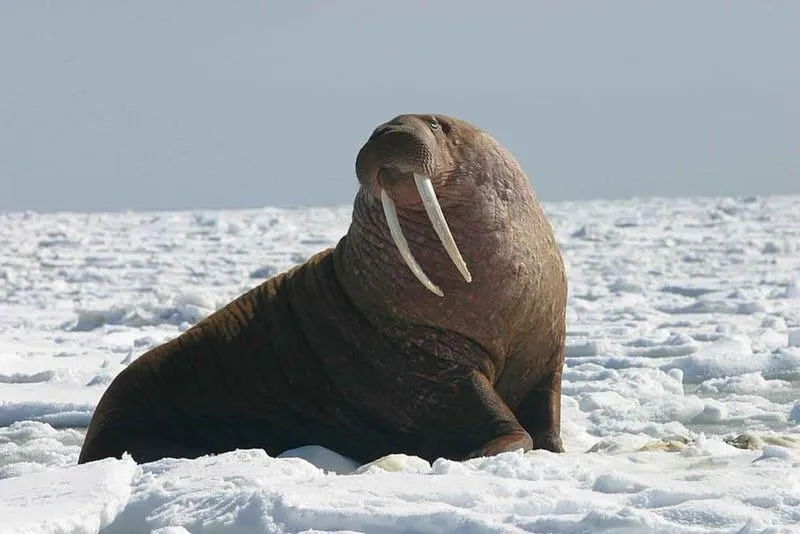
8. Walrus
Layers of blubber and blood-flow regulation keep walruses comfortable on icy floes.
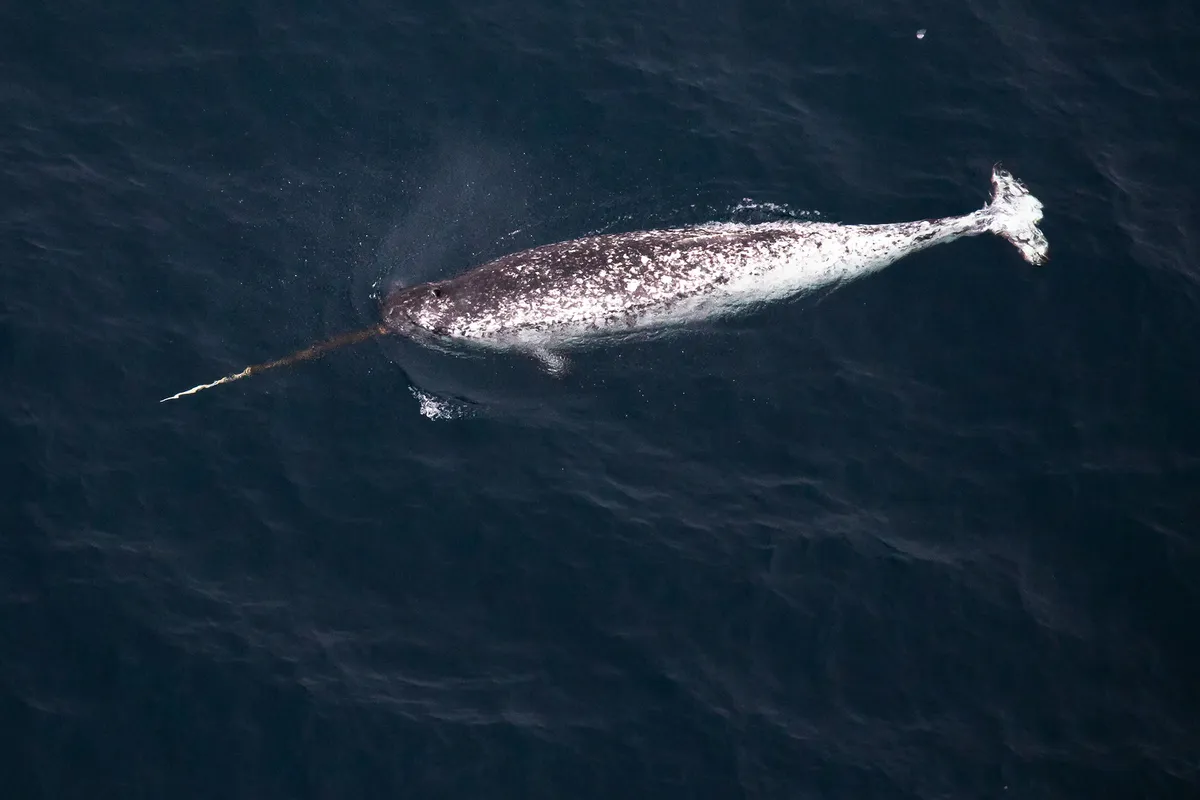
9. Narwhal
High-Arctic whales spending entire winters diving beneath dense Baffin Bay sea ice.
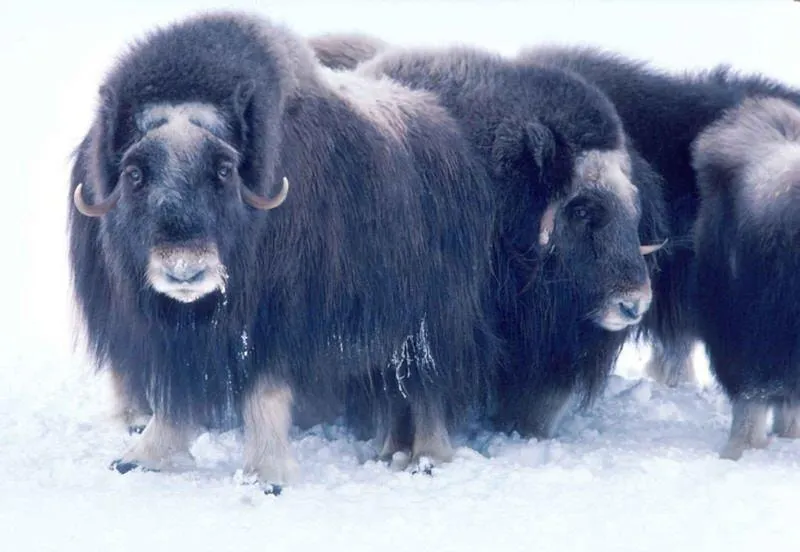
10. Muskox
Protected by qiviut underwool eight times warmer than sheep’s wool during howling tundra gales.
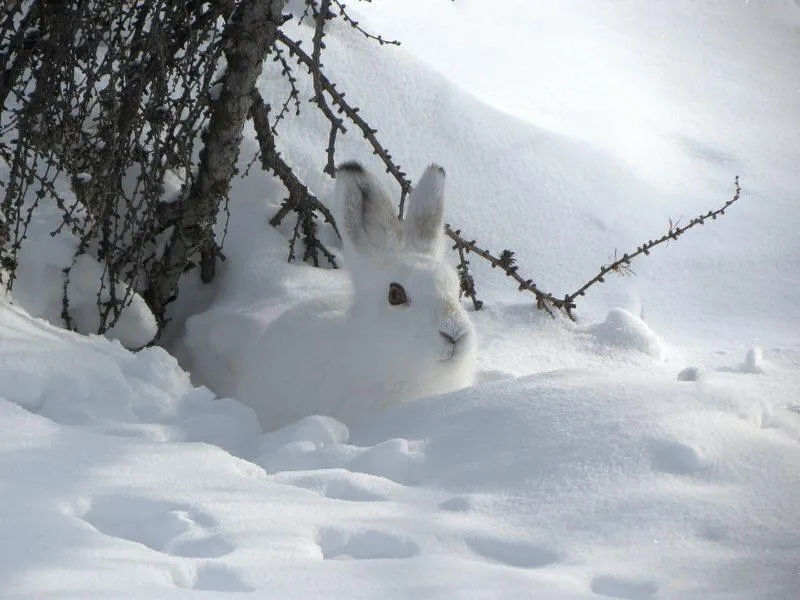
11. Arctic Hare
Compact ears and dense white winter coats conserve heat across northern Canada and Greenland.
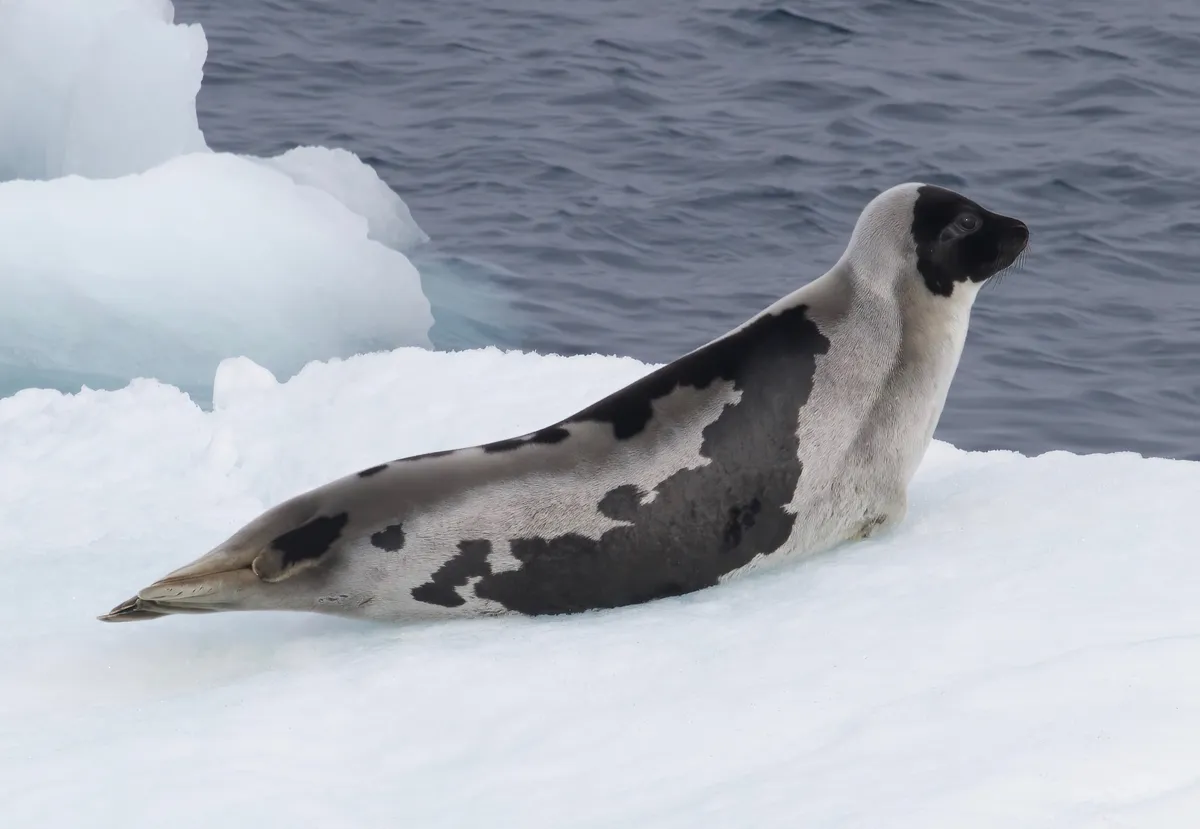
12. Harp Seal
Pups grow fluffy white coats and thick blubber rapidly on drifting North Atlantic pack ice.
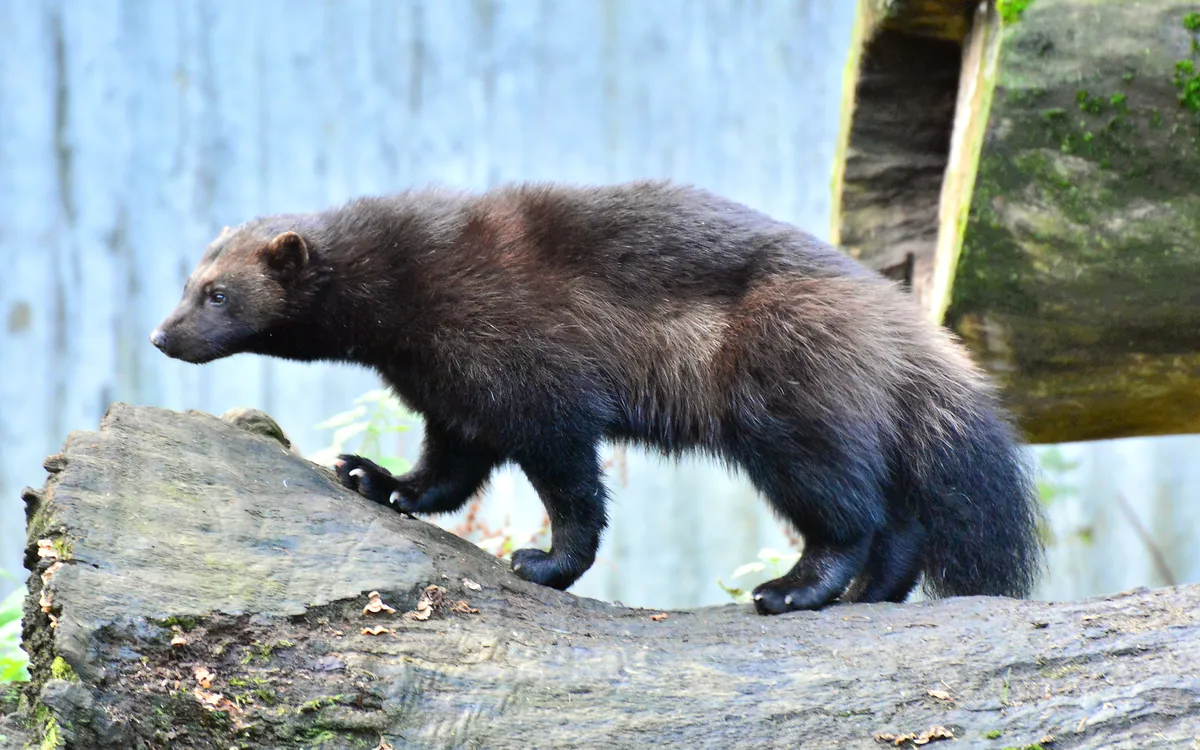
13. Wolverine
Frost-resistant fur and wide snow-treading paws carry wolverines across deep boreal snowdrifts.
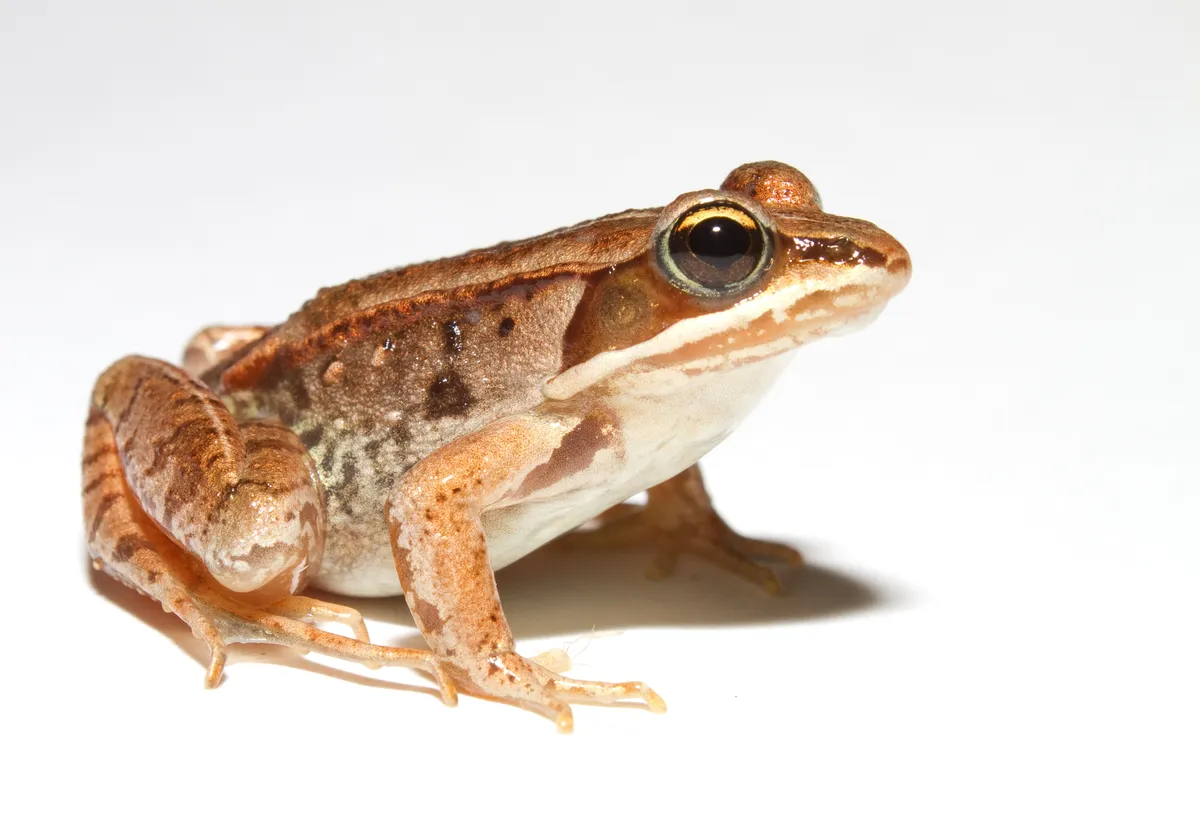
14. Wood Frog
Flooding cells with glucose antifreeze, wood frogs freeze solid all winter and hop away in spring.
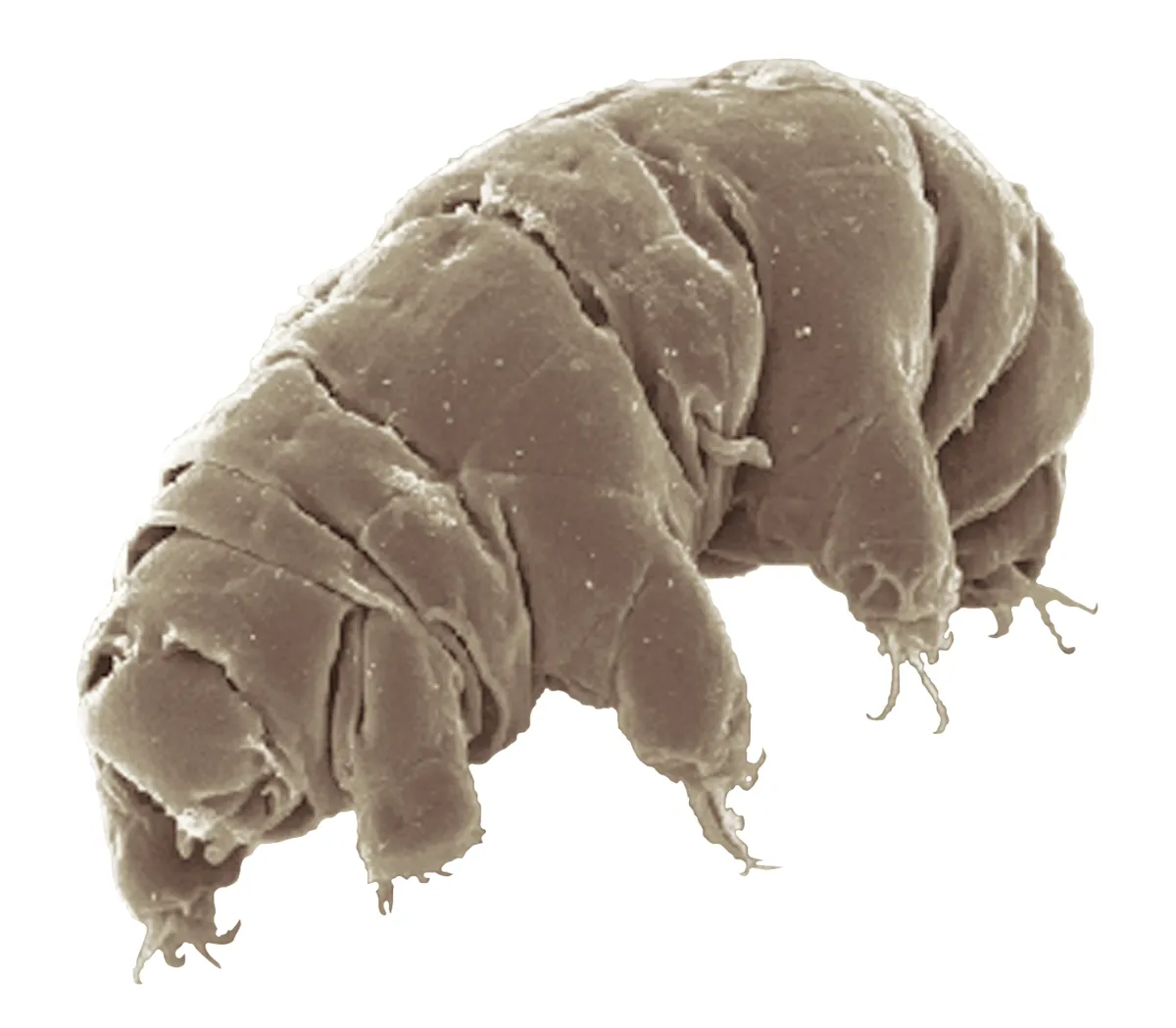
15. Tardigrade
Microscopic water bears entering cryptobiosis to survive temperatures colder than Antarctica’s deepest winter.
Conclusion
As polar regions warm rapidly, protecting sea ice and alpine tundra becomes vital for every cold-adapted lineage on Earth.